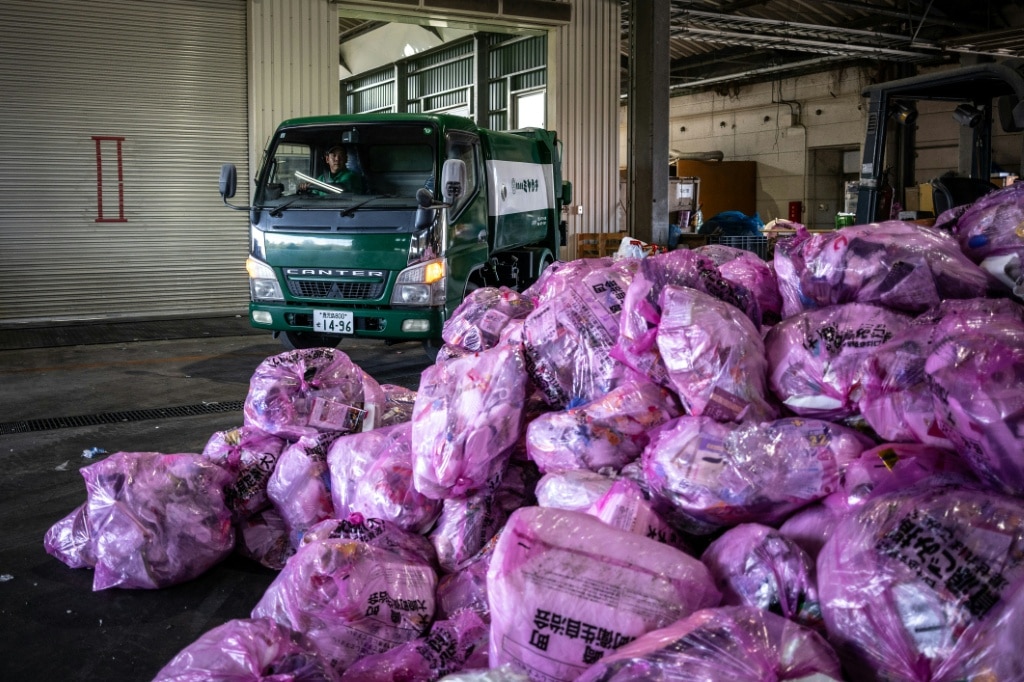
In a groundbreaking environmental initiative, Japan has developed revolutionary recycling technology that transforms soiled diapers into new sanitary products. This world-first pilot program addresses the dual challenges of Japan’s mounting waste management crisis and its rapidly aging demographic profile.
The innovative process, spearheaded by hygiene product manufacturer Unicharm, operates in two forward-thinking municipalities—Shibushi and Osaki—where residents achieve an impressive 80% household waste recycling rate, quadruple the national average. These communities implemented radical waste management solutions a quarter-century ago when facing imminent landfill saturation.
The sophisticated recycling methodology involves collecting specially marked diapers, then subjecting them to shredding, washing, and separation into core components: pulp, plastic, and super-absorbent polymer (SAP). Through proprietary ozone treatment technology, the materials undergo complete sterilization, bleaching, and deodorization. This breakthrough enables the reuse of diaper pulp—constituting the bulk of each product—to manufacture new diapers meeting strict hygiene standards.
Japan’s demographic reality drives this innovation: the nation now produces more adult diapers (9.6 billion annually) than infant variants (8 billion), with projections indicating annual disposal of 2.6 million tons of soiled diapers by 2030. Currently, Japan recycles less than 20% of municipal waste, significantly trailing Germany (67%), Britain (44%), and the United States (32%).
Unicharm’s ambitious roadmap targets full circularity by 2028, aiming to recycle both plastic and absorbent polymer components alongside pulp. The company plans to expand collaboration to 20 municipalities by 2035 while developing water-reduction techniques to enhance process sustainability. Although currently available at a 10% price premium in local markets, these recycled products represent a paradigm shift in sustainable hygiene solutions for an aging society.