A catastrophic dam failure at a Chinese-operated copper mine in Zambia’s Copperbelt Province has unleashed an environmental disaster with far-reaching consequences for both human health and diplomatic relations. The collapse of the tailings dam at Sino-Metals Leach Zambia—a subsidiary of a Chinese state-owned corporation—released between 50,000 to 1.5 million tonnes of toxic debris into surrounding waterways, according to conflicting government and environmental assessments.
The toxic spill has contaminated Zambia’s longest river, the Kafue, a crucial drinking water source, while devastating local agriculture and fisheries. Heavy metals including arsenic, mercury, and lead have permeated farmland and water systems, creating immediate health risks and potential long-term ecological damage. Medical experts warn these contaminants can cause kidney damage, cancers, and gastrointestinal illnesses, with concerns that seasonal rains may distribute pollutants downstream toward the capital Lusaka.
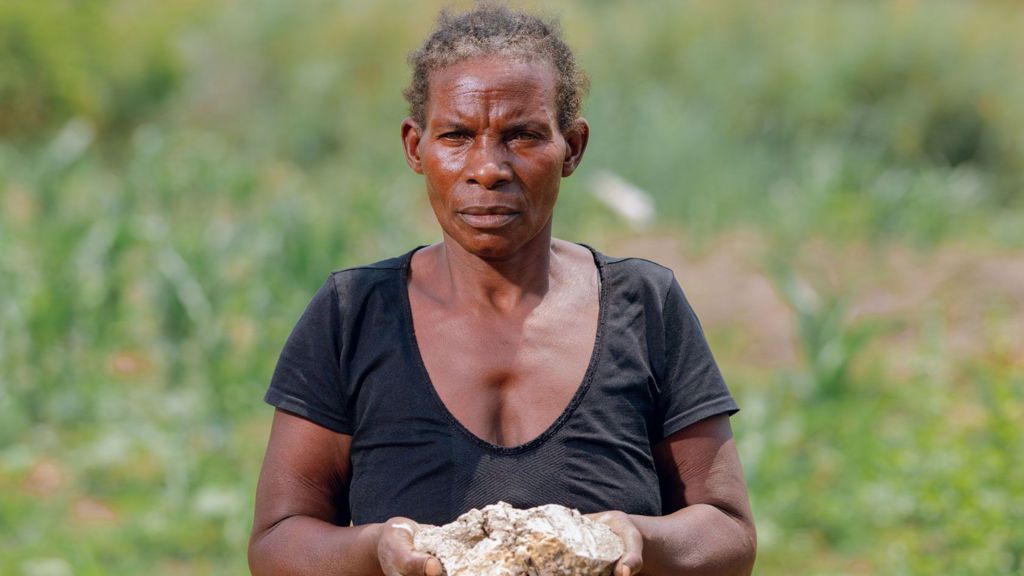
Despite Chinese embassy claims that pollution remained contained and water acidity normalized, local testimony reveals profound impacts. Farmers report complete crop failure and soil contamination, while fishermen describe aquatic ecosystems devoid of life. Affected communities describe worsening malnutrition, health complications, and economic devastation.
The incident has triggered one of Zambia’s largest environmental lawsuits, with 176 farmers seeking $80 billion in damages from Sino Metals and NFC Africa. This legal action represents a critical test case for holding Chinese corporations accountable in Africa, where China maintains substantial economic influence through mineral extraction investments exceeding $1.7 billion in Zambia alone.
Complex power dynamics underlie the crisis, with Zambia owing China approximately $5 billion in debt while simultaneously engaging with American diplomatic and economic overtures. This triangular relationship may empower Zambian authorities to demand greater accountability, according to regional analysts.
Remediation efforts face significant challenges, with experts predicting complete environmental recovery could require over a decade. While Sino Metals has provided limited compensation to some households and promised restoration measures, implementation remains inconsistent. The Zambian government has mandated mitigation strategies including lime treatment and reforestation, but structural tensions between consultants and the mining company have delayed comprehensive cleanup operations.
The disaster highlights broader tensions in China-Africa relations, where Chinese investment provides crucial employment and infrastructure while facing accusations of neocolonial practices, environmental negligence, and failure to develop local workforce capabilities. As Zambia navigates this crisis, its handling may signal a new era of African agency in negotiating with global superpowers.