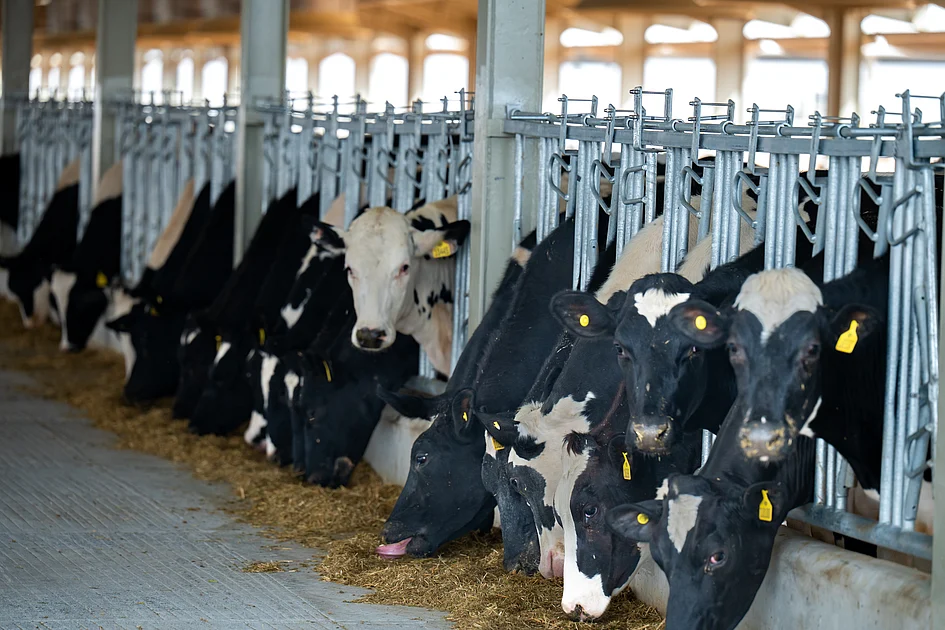
In an extraordinary feat of agricultural innovation, Sharjah’s central region has witnessed the transformation of arid desert into the world’s largest A2A2 cattle breeding facility. The Mleiha Dairy Factory, spanning 20,000 square meters, now produces approximately 600 tonnes of milk daily through cutting-edge technology and rigorous quality control measures.
The production process exemplifies modern agricultural excellence, beginning with automated milking systems that minimize human contact while maintaining superior hygiene standards. Fresh milk is immediately transferred to temperature-regulated stainless-steel tanks, preserving quality from the outset. Insulated tanker trucks maintain an unbroken cold chain during transportation to the processing facility.
Upon arrival, the milk undergoes comprehensive safety assessments before progressing through automated filtration and treatment units. Technicians continuously monitor the process to ensure consistency and food safety standards. The packaging phase utilizes automated filling and sealing machines, with quality control personnel overseeing production lines. Finished products are stored in climate-controlled environments before rapid distribution to retailers.
The facility’s A2A2 genetic cattle lineage produces milk renowned for its enhanced digestibility compared to conventional dairy, containing natural fat and protein content without artificial additives. This nutritional profile has driven significant consumer demand since the brand’s 2024 launch.
Beyond fresh milk production, Mleiha has expanded its product range to include flavored milk, yogurt, laban, and labneh, all manufactured within the same controlled environment. Distribution has grown from Sharjah to encompass Dubai and other emirates, with plans for further expansion as production capacity increases.
This project represents a landmark achievement in food resilience strategy, demonstrating how technological investment and sustainable practices can convert challenging environments into productive agricultural centers while supporting local manufacturing initiatives.