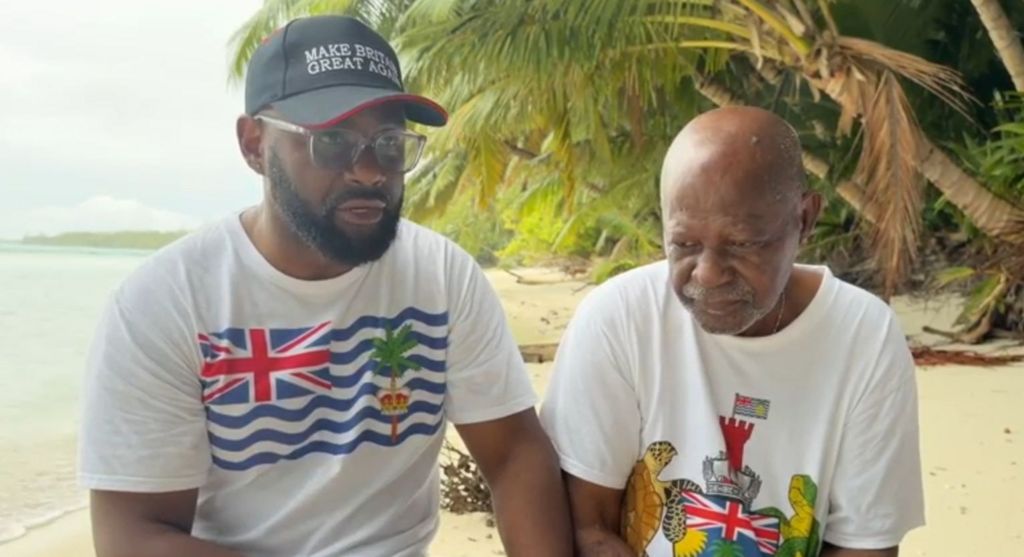
A British judge has issued a temporary injunction blocking the deportation of four Chagossian activists who traveled to the disputed Chagos Islands to protest the UK’s pending transfer of the territory to Mauritius. The ruling represents a significant legal setback for the British government’s diplomatic efforts.
The activists arrived by boat from Sri Lanka on Monday, establishing a protest settlement on what they consider their ancestral homeland. British authorities promptly served eviction notices threatening fines or imprisonment for unauthorized presence. However, lawyers successfully obtained a seven-day injunction preventing their removal.
Chief Justice James Lewis KC of the British Indian Ocean Territory ruled that the balance of convenience favored the claimants, noting they posed no national security threat located 193 kilometers from the Diego Garcia military base. The judge cited concerns about unreasonable delays in processing permit applications and questions regarding the lawfulness of the removal orders.
The Foreign, Commonwealth & Development Office had previously characterized the journey as an “illegal, unsafe stunt” while acknowledging the protesters presented no security risk to the UK-US military installation. A government spokesperson emphasized that BIOT law requires valid permits for entry regardless of citizenship or heritage.
Activist Misley Mandarin, one of the British-Chagossians involved, stated they had come “peacefully, respectfully, and without threat to anyone” simply to stand on their homeland. He previously told the BBC that British authorities would have to “drag me from my beach” and “kill me” to force his departure.
The protest receives financial backing from the Great British PAC, a right-wing political pressure group opposing the sovereignty transfer. Legal representatives indicated readiness for extended court proceedings if removal orders aren’t rescinded.
This legal development complicates the UK’s planned handover of the archipelago to Mauritius, particularly following former US President Donald Trump’s public opposition to relinquishing Diego Garcia. The UK had agreed to pay Mauritius £101 million annually for 99 years to maintain control of the strategic military base under the disputed agreement.