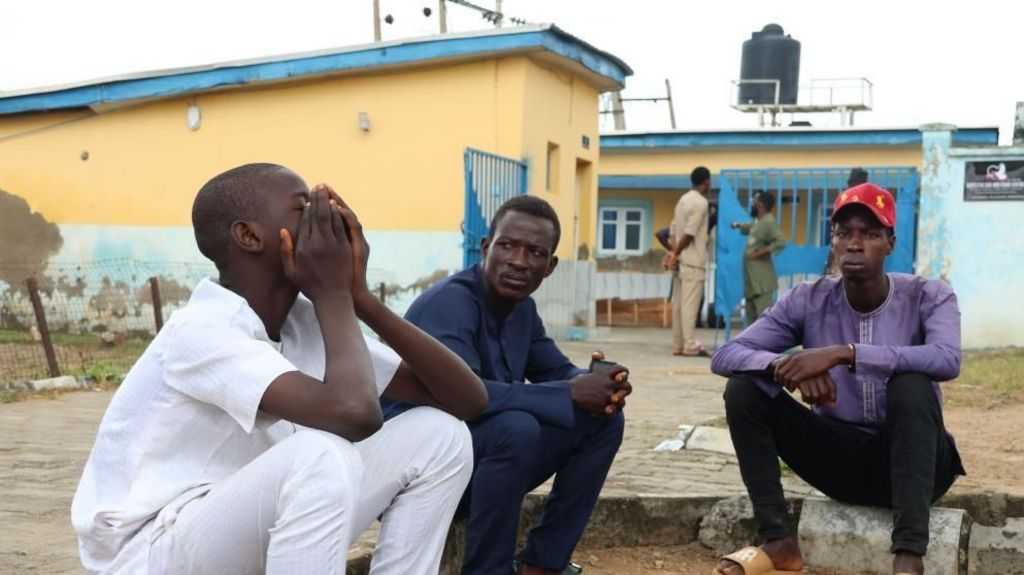
A newly concluded official inquiry into the September 17 deaths of 33 detainees in a custody facility run by the Nigeria Security and Civil Defence Corps (NSCDC) in Niger state’s capital Minna has laid bare a cascade of systemic failures that led to the entirely avoidable mass fatality event, as documented by BBC correspondent Madina Maishanu’s on-the-ground inspection of the cramped death cell. Forensic and post-mortem medical assessments confirmed none of the initial unsubstantiated claims of a contagious disease outbreak were supported by evidence; instead, all 33 victims perished from acute respiratory failure triggered by prolonged, extreme overconfinement, worsened by extreme heat stress and life-threatening dehydration. The detainees, a group of 50 people in total, were arrested during an unvetted raid targeting individuals suspected of illegal mining – a operation that the inquiry found was carried out without a formally approved operational order, no advance risk assessment, and zero coordination with the dedicated national Mining Marshals Unit. Further complicating the case, investigators discovered that the entire detention hall had been sanitized and cleaned prior to their arrival, raising credible concerns that NSCDC personnel may have attempted to tamper with or destroy critical physical evidence related to the incident. The 20-square-metre cell where the group was locked away lacked access to running water, a functional toilet, consistent airflow, adequate food supplies, or safe drinking water, with adults and underage minors crammed into the same confined space, and multiple detainees held far beyond the maximum legal detention window permitted by Nigerian law. The inquiry’s lead investigator Jonathan Kure confirmed that detainees had repeatedly banged on cell doors, screamed for help, and begged guards for water as their health deteriorated, with nearby on-duty officers fully aware of the distress calls but deliberately choosing to ignore them, even after a local medical worker had submitted formal warnings that the detention conditions posed an immediate life threat. Kure formally classified the treatment of the detainees as cruel, inhuman, and degrading, noting the incident exposed longstanding systemic disregard for national detention standards, basic supervisory duties, and the fundamental human rights of people in state custody. Nigeria’s Interior Minister Olubunmi Tunji-Ojo has announced that all personnel found criminally liable for the deaths will face full prosecution under national law, with implicated officers immediately placed on administrative suspension pending further proceedings. The full inquiry report has been formally submitted to the Federation’s Attorney General to initiate formal legal action against responsible parties. As part of the committee’s official recommendations, each family that lost a loved one in the tragedy will receive 30 million naira (approximately $22,285) in state compensation, while each surviving detainee will receive 10 million naira in redress. Last month, grieving family members formally reclaimed the remains of their relatives from Minna General Hospital for burial.