ABIDJAN, Ivory Coast — For generations, Nouhoun Sidibè’s family identity was intertwined with pastoral life in northern Burkina Faso. That legacy shattered in 2020 when armed militants stormed his home, seizing his entire livestock inventory within minutes. The 49-year-old father of four suddenly joined thousands of displaced herders across Africa’s Sahel region—a vast semi-arid territory south of the Sahara desert experiencing escalating violence.
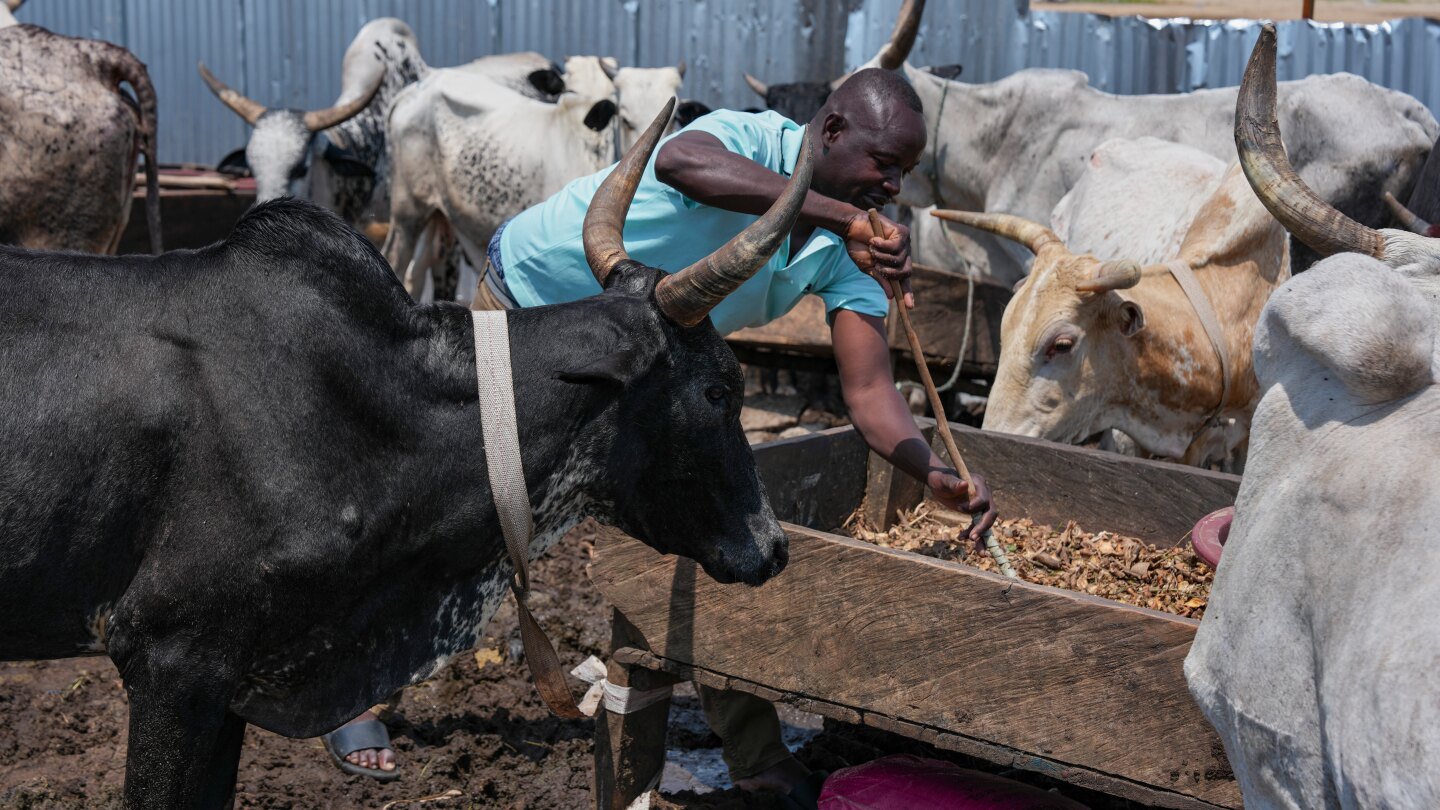
For three subsequent years, Sidibè wandered through Burkina Faso seeking employment in a nation grappling with intensified attacks from armed factions, including al-Qaida affiliates. Finding no sustainable work, he eventually crossed into neighboring Ivory Coast in 2023. Now residing in a cramped, amenity-deficient settlement on Abidjan’s swampy outskirts, he assists cattle merchants with vaccinations—a stark departure from his former leadership role.
“I feel profoundly disoriented. I was a community leader; now I labor for others,” Sidibè confessed to The Associated Press, embodying the identity crisis facing nomadic pastoralists compelled to abandon their traditions.
This migration surge reflects the Sahel’s expanding security deterioration, which originated in Mali’s 2012 uprising and subsequently engulfed Burkina Faso and Niger. Ivory Coast—a regional economic hub with relative stability—has become a primary destination for those fleeing violence. UNICEF data reveals over 72,000 individuals sought refuge here from Mali and Burkina Faso between January and March 2024 alone, dramatically exceeding previous migration figures.
Security analysts indicate armed groups systematically target herders to finance operations and dominate territories. Many displaced are ethnic Fulani Muslims, frequently accused of militant sympathies despite also suffering attacks. “A Fulani without cattle loses his fundamental identity,” explained Amadou Sonde, director of Burkinabè Fulani Associations in Ivory Coast, who assists newcomers finding urban employment.
Academic researchers note some pastoralists transition into real estate or commerce, but most struggle with urbanization’s challenges. Tanané Ibrahim, who fled Burkina Faso after militants confiscated even his poultry, described urban adaptation difficulties: “Cities demand exhausting labor for minimal wages. After expenses, nothing remains.”
With military juntas in Sahel nations increasingly overwhelmed by multifront assaults, experts foresee prolonged displacement. “This crisis shows no imminent resolution,” affirmed Oluwole Ojewale, conflict specialist at the Institute of Security Studies. For Sidibè and thousands like him, the pastoral freedom they cherished remains an unrecoverable memory.