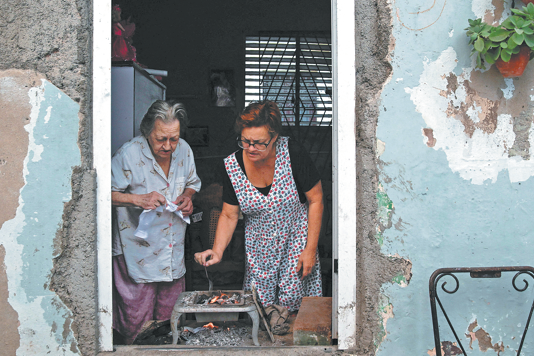
Cuban authorities successfully restored national power distribution on Sunday following the second complete grid failure within a single week, exacerbating the ongoing energy crisis in the Caribbean nation. The blackout, which left all 9.6 million residents without electricity, was attributed to severe fuel shortages resulting from a US-imposed oil blockade implemented in January.
Prime Minister Manuel Marrero Cruz confirmed the grid restoration via social media platform X, acknowledging the strenuous efforts of electrical workers who managed to reinstate the National Electric System (SEN). However, government officials cautioned that energy demand would continue to surpass available supply capacity, indicating persistent vulnerabilities in the nation’s infrastructure.
The power disruption occurred amidst escalating geopolitical tensions between Havana and Washington. Recent statements from US officials regarding potentially ‘taking’ the Caribbean island have prompted Cuban military preparations for potential aggression, according to diplomatic sources. Deputy Foreign Minister Carlos Fernandez de Cossio emphasized Cuba’s defensive posture while maintaining openness to diplomatic discussions, though explicitly excluding any negotiations regarding political system alterations.
This incident marks the seventh nationwide blackout since 2024, severely impacting daily life as citizens struggle with food spoilage due to non-functional refrigeration and compromised communication systems. The situation has deteriorated significantly following the January military operation in Venezuela that resulted in the seizure of President Nicolas Maduro, after which Washington threatened tariffs against nations supplying oil to Cuba.
The comprehensive oil embargo has paralyzed multiple sectors beyond energy, including public transportation and aviation, dealing a substantial blow to Cuba’s crucial tourism industry. Medical professionals like nurse Alina Quinones describe increasingly difficult living conditions, with basic services becoming unreliable amid the protracted economic and energy crisis.