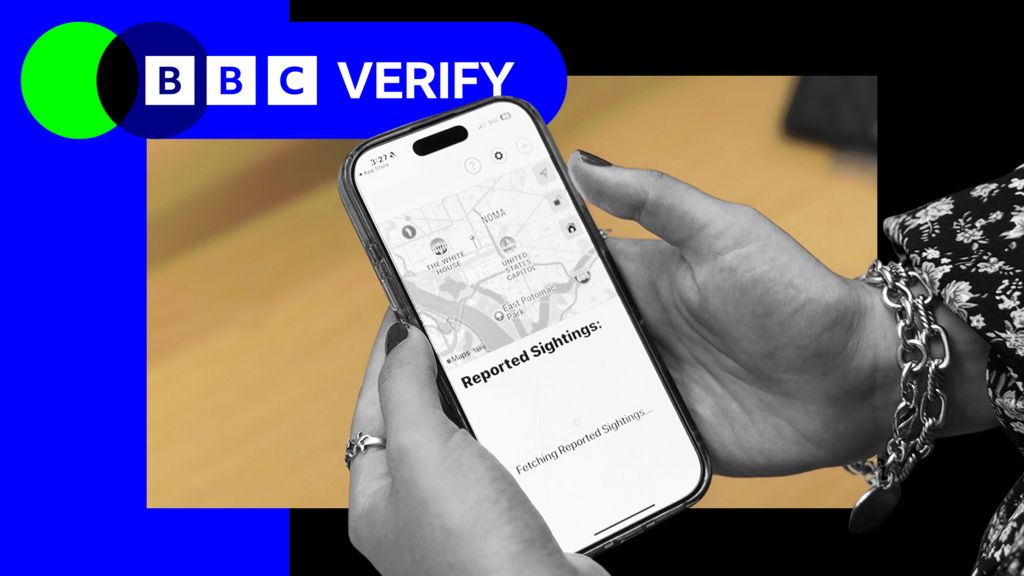
The US government and law enforcement agencies have intensified their criticism of apps designed to track Immigration and Customs Enforcement (ICE) agents, claiming these tools endanger the lives of officers. The FBI has linked a recent attack on an ICE facility in Dallas, which resulted in the deaths of two detainees, to the use of such apps. Special Agent Joseph Rothrock likened the apps to providing a hitman with the location of their target, a statement contested by developers of these applications. ICEBlock, the most popular of these apps, has been downloaded over one million times since its release in April. Despite backlash from the Trump administration, it remains available on the Apple Store. Joshua Aaron, the developer of ICEBlock, defended his creation, stating it was designed to protect vulnerable communities in response to the administration’s aggressive immigration policies. US Attorney General Pam Bondi accused Aaron of threatening law enforcement, but he remains resolute, arguing that the app serves a necessary purpose. Critics argue that the apps could be misused, while supporters claim they are a tool for safety and transparency. The debate highlights the tension between national security concerns and constitutional freedoms, with legal experts noting that banning such apps would be challenging under US law.