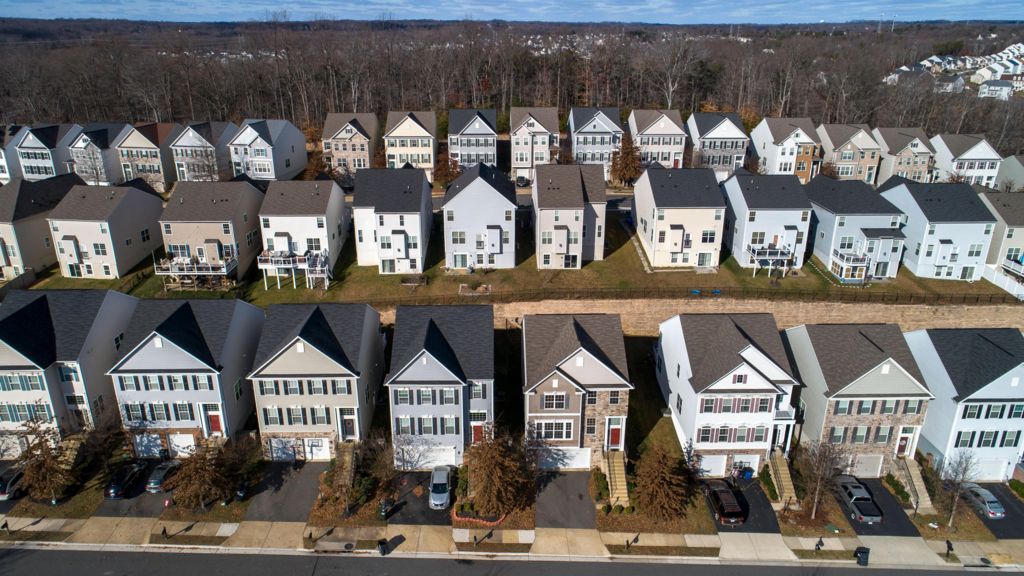
The US housing market continues to grapple with affordability issues, even as mortgage rates have recently seen a modest decline. Aileen Barrameda, a prospective homebuyer in Los Angeles, remains undeterred by stubbornly high mortgage rates, which are double what she secured at the start of the COVID-19 pandemic. ‘If I have the means to get in the market, I might as well do it now because homes are just going to get more expensive,’ she said. Housing costs remain a critical concern for Americans and a focal point in political discourse. President Donald Trump had previously expressed hope that Federal Reserve interest rate cuts would ease mortgage burdens. Last week, the average rate on a 30-year mortgage, the most popular home loan in the US, fell to 6.35%, marking the largest weekly decline in the past year and the lowest level in 11 months, according to Freddie Mac. However, despite the Federal Reserve’s recent rate cut, borrowing costs are unlikely to decrease significantly further. The Fed’s decisions indirectly influence mortgage rates by affecting interbank lending rates, which in turn impact consumer loan and savings rates. Banks had already anticipated the Fed’s move, leading to preemptive mortgage rate cuts, leaving little room for further reductions. Fed Chair Jerome Powell acknowledged that significant rate changes would be necessary to substantially impact the housing sector, though lower rates could boost demand and support builders. Rising inflation risks could also push mortgage rates higher if banks expect the Fed to halt further rate cuts. Nicole Stewart, a Redfin real estate agent in Boise, Idaho, noted that the recent rate decline has spurred some buyer activity, but the market remains unaffordable for many. Many homeowners locked in historically low rates during the pandemic, around 3%, and are reluctant to sell, reducing housing supply and driving up prices. Julia Fonseca, an associate finance professor at the University of Illinois Urbana-Champaign, highlighted that roughly 80% of mortgage borrowers have rates below the current average, limiting the impact of recent declines. Kristin Carlson, a first-time buyer in Boise, has been monitoring the market for four years and sees the recent rate dip as a step closer to purchasing. However, she remains cautious, balancing borrowing costs with other factors like seasonality and finding the right home. Matt Vernon, head of consumer lending at Bank of America, described the market as cautiously optimistic but still strained. ‘The dip in rates has certainly got buyers’ attention, but it hasn’t necessarily changed their perception of the challenges,’ he said.