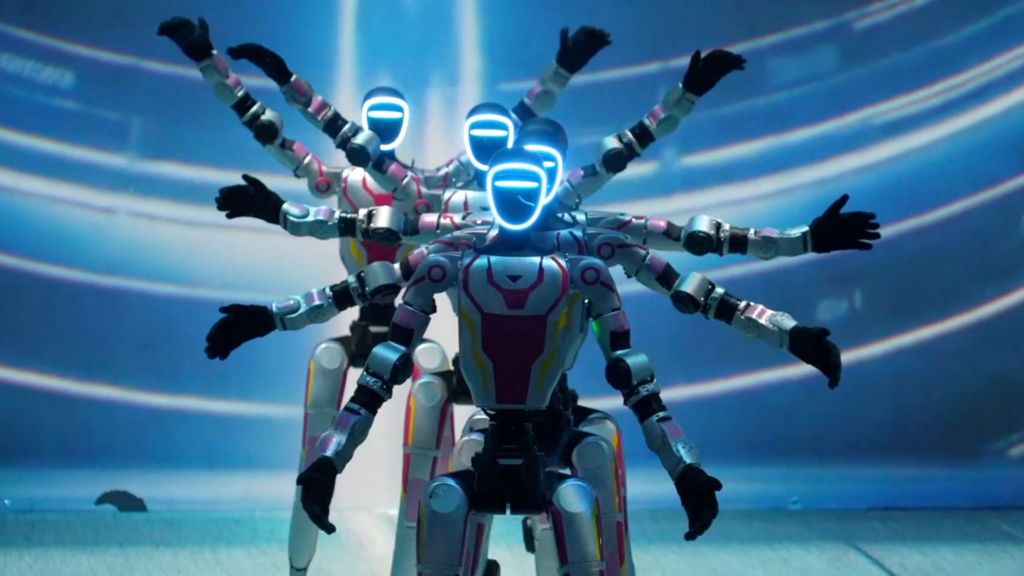
For decades, theme parks have relied on roller coasters, themed character meet-and-greets, and elaborate live shows to draw millions of visitors annually. Now, a new project in South Korea is pushing the boundaries of leisure entertainment by asking a forward-thinking question: could robots become the core of the next generation of theme park experiences?
At the center of this experimental shift is Galaxy Robot Park, a sprawling 16,500-square-meter purpose-built venue that showcases how robotic technology can be integrated into leisure attractions. Unlike traditional theme parks that blend human staff and mechanical rides, this innovative park centers cutting-edge robotics as its main draw, with one of the most popular showcases featuring humanoid robot performers choreographed to dance to chart-topping K-pop hits. The synchronized, precise movements of these robots offer a one-of-a-kind spectator experience that cannot be replicated by human performance teams, drawing curiosity from both tech enthusiasts and casual theme park visitors.
This venture represents a growing global trend of integrating advanced automation and artificial intelligence into the entertainment and leisure sectors. Theme park operators around the world have been testing robotic elements for years, from automated ride systems to interactive robot guides, but Galaxy Robot Park is one of the first full-scale venues dedicated entirely to robot-centric attractions. Industry analysts point out that the experiment could reshape how theme parks design experiences, offering lower long-term operational costs for venue owners while opening up new possibilities for performances and interactions that push the limits of what human performers can do. At the same time, the project raises questions about the future of human employment in the leisure sector, and how audiences will respond to an entirely robot-driven leisure experience.