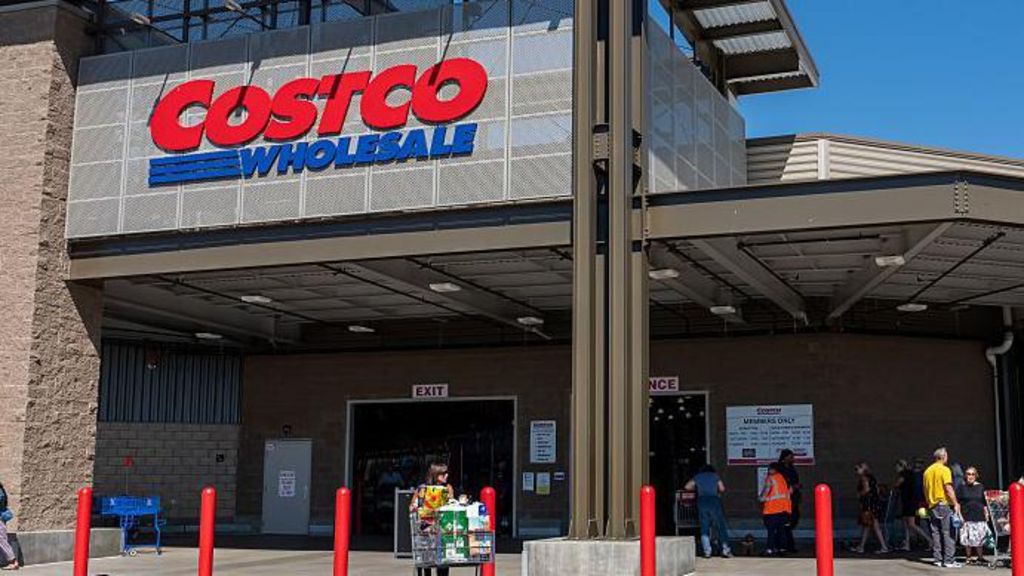
In a significant legal confrontation with far-reaching implications for U.S. trade policy, multinational retail giant Costco has initiated litigation against the federal government to secure comprehensive refunds of import duties paid under President Donald Trump’s controversial tariff regime. The lawsuit, filed during the Thanksgiving holiday period, represents a critical challenge to presidential authority in international trade matters.
The legal action centers on whether President Trump overstepped his executive powers by imposing emergency tariffs without congressional approval under the International Emergency Economic Powers Act (IEEPA). Costco’s filing with the U.S. Court of International Trade argues that these tariffs were unlawfully implemented and seeks judicial declaration of their illegality.
This development comes as the Supreme Court prepares to rule on the fundamental constitutional question of presidential tariff authority. Two lower courts have already determined that Trump exceeded his authority, with the U.S. Court of International Trade first ruling the tariffs unlawful in May, a decision subsequently affirmed by the U.S. Court of Appeals.
Costco’s legal team contends that separate judicial action is necessary because refunds are not automatically guaranteed even if the Supreme Court upholds previous rulings against the tariffs. The company expressed concern that without specific court-ordered relief, it might not recover substantial funds already paid to the government.
According to U.S. customs data, importers have paid approximately $90 billion in IEEPA-related tariffs as of late September 2025. While Costco hasn’t specified the exact amount it seeks to recover, the company filed before a critical December 15, 2025 deadline after which recouping funds would become significantly more difficult.
The White House has vigorously defended the tariffs, with spokesperson Kush Desai warning that an unfavorable ruling would hamper negotiation capabilities and cost the treasury billions already collected. ‘The economic consequences of the failure to uphold President Trump’s lawful tariffs are enormous,’ Desai stated, emphasizing the administration’s expectation of a ‘speedy and proper resolution’ from the Supreme Court.
The case represents a pivotal moment in the ongoing debate over executive power versus congressional authority in trade policy, with numerous businesses awaiting the outcome to determine their own refund eligibility.