Across the United States, millions of ordinary households are facing a growing financial squeeze as energy costs surge, fueled in large part by ongoing geopolitical conflict between the United States and Iran that has disrupted global oil markets. For Houston handyman Robert, this crisis is not an abstract economic trend — it is a daily reality reshaping every part of his budget.
In late March, Robert joined thousands of local residents in receiving an official notice from Houston Public Works: starting April 1, water and wastewater service rates would climb by 7.87%. City officials framed the increase as unavoidable, noting that it would cover rising operational, repair, and maintenance costs, service outstanding municipal debt, and fund infrastructure expansion to accommodate the region’s growing population. Local data analysis bears out the steady upward trajectory of utility costs: the average monthly water bill for a single-family home using 4,000 gallons of water has jumped 66% since 2021, climbing from $75 five years ago to $125 in 2026.
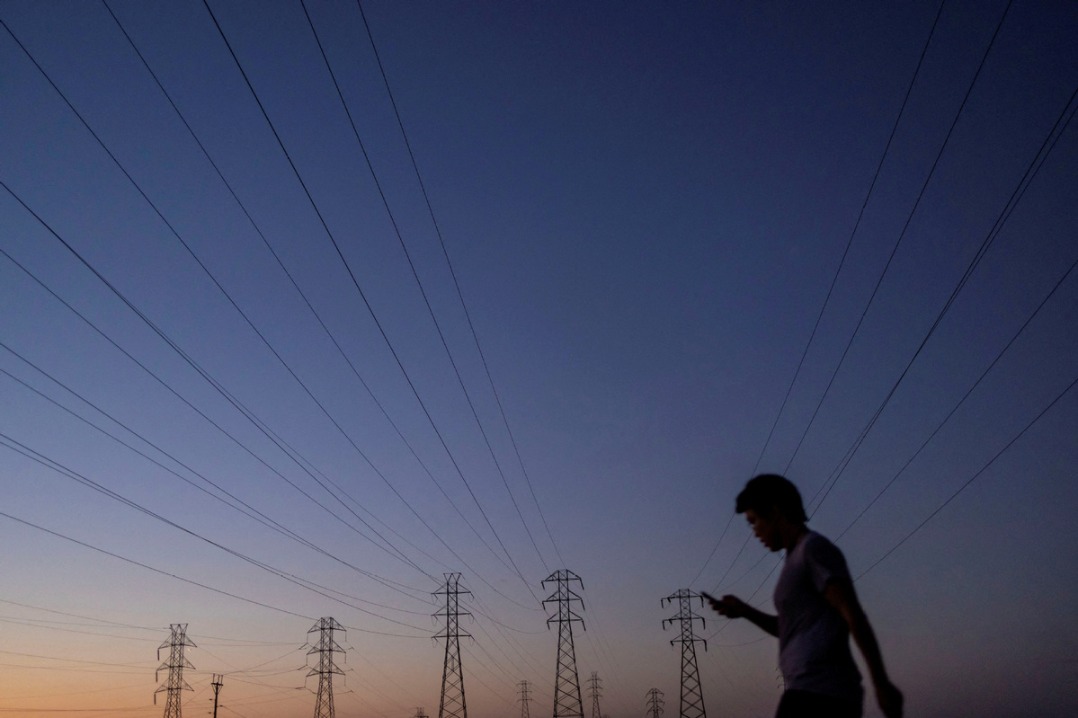
For Robert, the water rate hike was just the latest blow. He already fears that electricity costs will follow the same upward path, as the Iran conflict has pushed global Brent crude prices to roughly $110 per barrel. His anxiety is well-founded: Houston electricity rates have already climbed 4% year-over-year this April, while nationwide, the average increase sits at 9.5%, according to data from energy shopping platform Choose Energy. This matches a years-long trend of soaring energy costs across the country: between 2020 and 2025, Houston saw electricity rates rise 30 to 40%, mirroring the national 38% jump over the same period.
Industry analysts point to a mix of factors driving the sustained increases, including volatile global energy commodity prices, mandatory infrastructure upgrades, more frequent extreme weather events tied to climate change, strict new environmental regulatory mandates, and the rapid expansion of energy-intensive data center facilities across the country. For millions of American households, these hikes have pushed energy affordability from a minor inconvenience to a major crisis.
The most recent available data from the U.S. Energy Information Administration underscores the scale of the problem: the share of U.S. households experiencing energy insecurity — defined as the inability to consistently pay for basic energy needs — rose from 27% in 2020 to 33% by 2024. Analysis from the American Council for an Energy-Efficient Economy adds that one in four households spent more than 15% of their total annual income on energy bills in 2024, with many of these households reporting that they have cut back on or entirely forgone essential spending on food and prescription medication to cover their energy costs. Last year alone, national energy rates rose 7.1%, a jump that has only worsened access barriers for low-income and vulnerable families.
The Iran conflict has rippled beyond electricity and water bills, driving a sharp increase in retail gasoline prices that has further strained household budgets. In the first week of April 2026, the national average price for regular unleaded gasoline hit $4.12 per gallon — a 26% increase since armed conflict between the U.S. and Iran began. The spillover effects of higher energy costs are already slowing local economic activity, Robert says: he has seen a drop in service requests from customers, many of whom complain his rates are too high even though he has not raised his own prices in two years. As households across the country cut discretionary spending to cover essential utility and fuel costs, Robert has been forced to adjust his own habits to save money: where he once used convenient local gas stations to save time, he now only refuels at discount warehouse chain Costco, and he has put his plan to buy a new car on indefinite hold to save cash for future price increases.
Like 90% of U.S. adults surveyed in recent polling, Robert says he wants to see the Iran conflict end as soon as possible, but he holds little optimism for a quick resolution. He cites inconsistent policy messaging from the Trump administration, noting that frequent shifts in the government’s position have left ordinary Americans with no clear sense of what to expect next. “If the war drags on, high inflation is going to be inevitable, because this conflict is upending the whole global oil market, and almost everything we do depends on energy,” he explained.
Research from the Brookings Institution confirms that sustained high gas prices take a measurable toll on public well-being beyond just household budgets. A 2009 study conducted after the 2008 global financial crisis found that rising gas prices caused a drop in self-reported happiness among U.S. citizens equivalent to the impact of a $530 monthly cut in income — a far larger effect than the direct increase in household gasoline spending alone. The study noted that even affluent households reported lower well-being when gas prices crossed the $4 per gallon threshold, as the increase was seen as a warning sign of broader economic instability, while low-income households faced immediate financial hardship from the price hikes.
In recent weeks, U.S. social media users have shared widespread frustration over rising fuel costs, but the complaints have not drawn sympathy from observers in other developed nations. Many international social media users have pointed out that U.S. gas prices remain far lower than those in other wealthy countries: as of April 2026, the average price of gas exceeds $9 per gallon in the United Kingdom and $8 per gallon in France. Critics also argue that U.S. policy decisions tied to the Iran conflict are the root cause of global energy price spikes, meaning American consumers’ current struggles are contributing to higher costs for households across the developed world.