BOGOTÁ, Colombia – As Colombia prepares for a sharply divisive presidential runoff election next Sunday, the country’s last major active rebel organization has announced a temporary halt to offensive operations against state security forces, a move that adds another layer of complexity to a already tense electoral race.
In an official statement posted to its social media platform X account on Monday, the National Liberation Army – better known by its Spanish acronym ELN – confirmed it has ordered all its fighters to suspend attacks against Colombian military personnel between June 20 and June 23. The nation’s decisive second-round presidential vote is scheduled for June 21, a contest that will determine the country’s policy direction on peace negotiations, security, and the future of illegal armed groups.
The rebel statement emphasized that the organization recognizes Colombians’ fundamental “right to vote freely” and stressed it has no intention to intimidate electoral candidates or block citizens from exercising their democratic rights. Alongside the ceasefire announcement, the ELN issued a sharp rebuke of outside involvement in Colombia’s domestic political process, writing, “We cannot accept any involvement by leaders of other countries in political decisions that should only concern Colombians.”
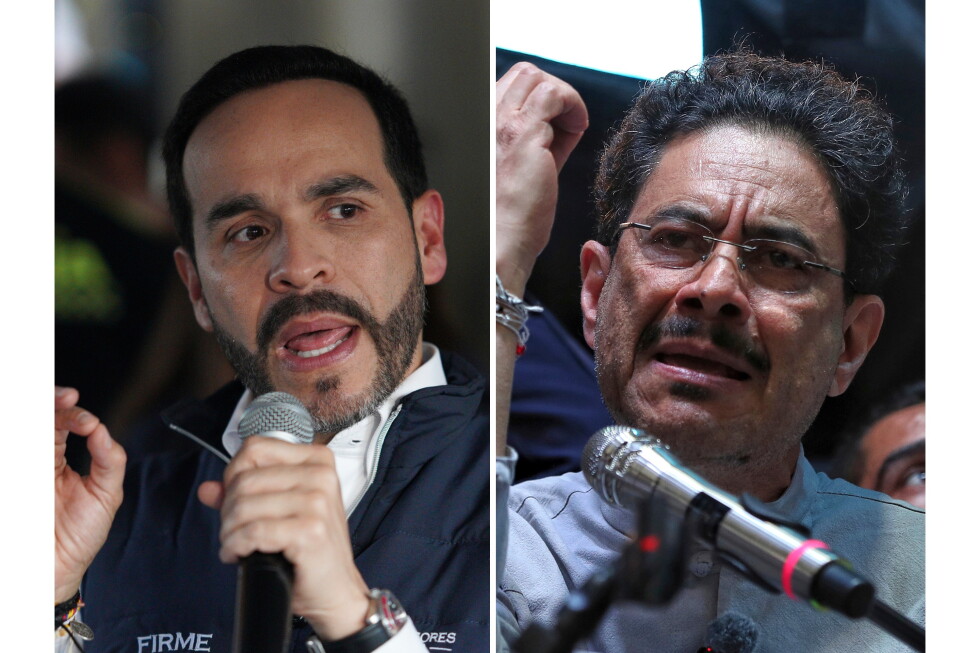
This year’s runoff pits two candidates with starkly opposing approaches to rebel groups and peace talks against one another: Iván Cepeda, a leftist senator and close ally of sitting President Gustavo Petro, faces off against Abelardo de la Espriella, a conservative attorney who secured an early-month endorsement from former U.S. President Donald Trump. De la Espriella has run on a hardline platform that promises to scrap the ongoing peace negotiations initiated by the Petro administration, which he argues have emboldened illegal armed groups across the country.
President Petro launched formal peace negotiations with the ELN in 2023, but talks collapsed in 2025 after a wave of rebel offensives in northeastern Colombia displaced more than 56,000 local residents from their homes. Despite the breakdown with the ELN, the Petro administration has continued to hold exploratory talks with other major criminal organizations, including the Gulf Clan, a group that controls large swathes of drug trafficking routes and extracts massive profits from illegal mining operations across rural Colombia.
Tensions over rebel influence in the election have been building for weeks. Last week, the de la Espriella campaign formally requested that Colombian prosecutors open an investigation into allegations that armed groups coerced voters in 109 remote rural municipalities to support Cepeda in the first round of voting held May 31. Cepeda captured more than 70 percent of the vote in those targeted municipalities during the first round, a lopsided result that raised opposition suspicions. The ruling party’s candidate has repeatedly denied any connection or coordination between his campaign and rebel groups.
In the crowded first round that featured 14 total candidates, de la Espriella edged out Cepeda to take the top spot: the conservative candidate won 43.7 percent of the national vote, while Cepeda garnered 40.9 percent, pushing the contest to a runoff.
According to updated data from Colombia’s Ministry of Defense, the ELN boasts a fighting force of more than 6,000 active members across Colombia and neighboring Venezuela, where the group siphons profits from illegal gold mining operations and the global cocaine trade. Founded in the 1960s by labor union leaders and social justice-focused intellectuals inspired by the Cuban Revolution, the organization has evolved dramatically over the decades. In recent years, it has become most widely known for widespread criminal activity in the territories it controls, including systematic extortion of local businesses and repeated attacks on oil infrastructure. President Petro has repeatedly described ELN leadership as “drug traffickers disguised as guerrilla fighters.”
Critics of temporary rebel ceasefires warn that armed groups have a long track record of using these lulls in fighting to reorganize their ranks, rearm, and consolidate control over rural communities, where they continue to run extortion rings and intimidate local populations that oppose their illegal enterprises.