Chinese technology firms have emerged as dominant forces at the prestigious CES 2026 Innovation Awards, capturing multiple top honors amid record-breaking global participation. The world’s largest technology showcase witnessed unprecedented competition with over 3,600 submissions across 36 product categories, highlighting the rapidly evolving landscape of consumer technology.
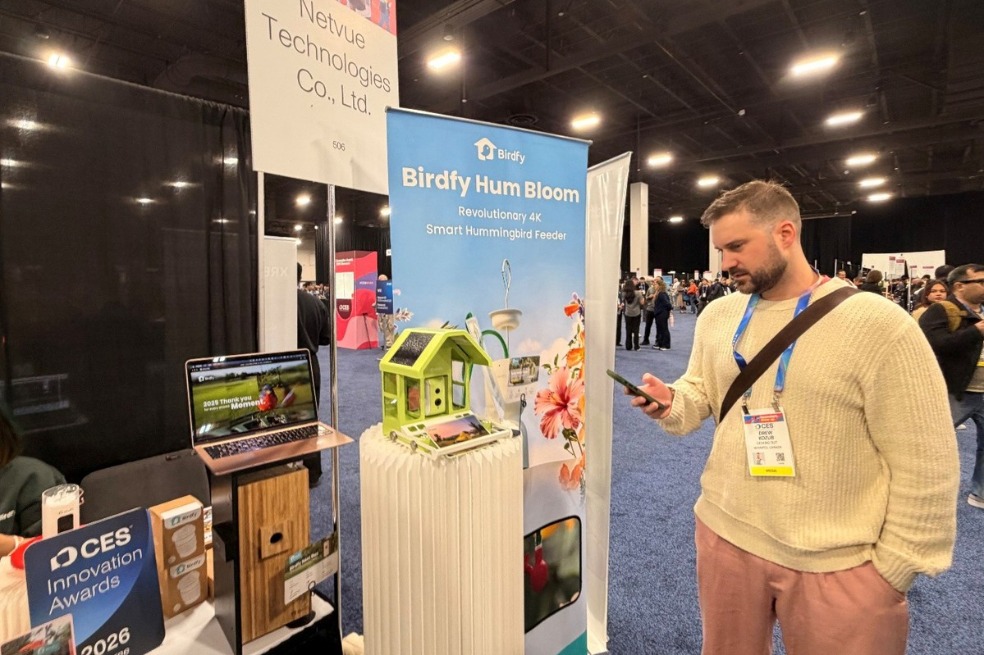
Shenzhen-based companies particularly distinguished themselves, with Yingling Co securing the Best of Innovation award in the drones category for its groundbreaking 8K 360 drone. Netvue Technologies earned the same honor in pet and animal technology for its innovative smart birdbath, while Zettlab Innovation Technology claimed victory in computer peripherals for its AI-powered storage solution.
The awards program demonstrated remarkable growth in specific sectors, with robotics submissions increasing by 32% compared to 2025, while artificial intelligence and drone categories grew by 29% and 32% respectively. This surge reflects the accelerating pace of technological innovation across these transformative fields.
Chris Pereira, CES Innovation Awards judge and CEO of iMpact, noted the significant evolution in China’s technological capabilities. “What distinguishes many China-based entries today is less ‘low-cost manufacturing’ and more end-to-end execution: tight integration of hardware and software, mature industrial design, and faster iteration cycles that transform emerging components into polished consumer-ready products,” Pereira observed.
China’s strong showing continues an established trend, with the country having been the largest foreign participant at CES 2025 with over 1,300 companies. This year’s honoree list includes more than 100 Chinese entries among the 247 total recognized innovations, representing substantial representation across multiple categories.
Notable recognitions included EcoFlow’s DELTA Pro Ultra X Whole Home Power Solution in sustainability and energy transition, and Anker Innovations’ Prime Charger in computer hardware. Pereira highlighted these as exemplary cases where Chinese brands “combine engineering, manufacturability and user-centric design into globally competitive products.”
According to industry analysis, Chinese companies excelled in three primary areas: practical robotics and smart home automation with improved perception and navigation systems; advanced energy and power solutions featuring sophisticated battery ecosystems; and superior user experience with industrial design tailored for global markets.
The 2026 awards also marked a conceptual shift in artificial intelligence implementation, with AI transitioning from a standalone feature to becoming foundational product infrastructure. Additionally, new award categories in EdTech, Enterprise Tech, Supply and Logistics, and Travel and Tourism signaled CES’s expanding cross-industry influence.
As competition intensifies, Pereira noted that meeting excellence standards requires more than technological claims: “The bar is rising fast, so simply being ‘AI-powered’ isn’t enough. Products need to show real utility, thoughtful design, and credible execution.”