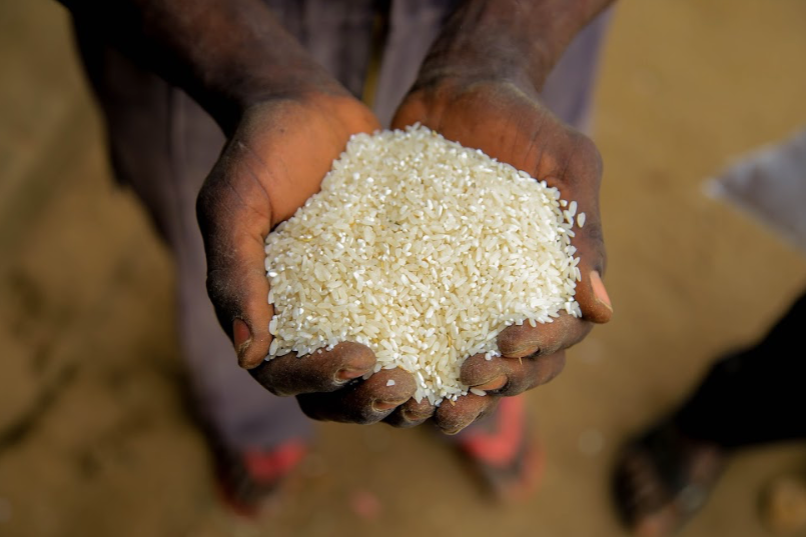
In the fertile wetlands of eastern Uganda’s Butaleja district, a quiet agricultural revolution is underway. Robert Sagula, a lifelong farmer, now walks with newfound pride through his emerald-green rice paddies—a sight that represents a dramatic departure from his family’s generational farming practices.
The transformation began in 2018 with the introduction of hybrid rice varieties through the FAO-China-Uganda South-South Cooperation project. This initiative marked a significant upgrade from the traditional rice varieties first introduced by China to Uganda in 1975, which had yielded modest harvests for decades.
Sagula’s agricultural output has undergone a remarkable metamorphosis. Previously producing only 15-25 bags (approximately 2,000 kg) of milled rice per hectare, he now harvests about 12 metric tons per hectare each season. With two growing seasons annually, his 1.2-hectare farm produces 7,500 kg of milled rice per season, generating approximately $8,348 in seasonal revenue.
The financial impact has been life-changing. Sagula’s annual income has skyrocketed to roughly $16,697—more than six times his previous earnings. This economic boost has enabled him to educate his children in quality private schools, some of whom have now graduated, and construct a modern family home.
Beyond individual success stories, the project has created ripple effects throughout the agricultural community. Sagula has become a mentor to fellow farmers, with many seeking his expertise in hybrid rice cultivation. The demonstration sites established during the project’s second phase proved particularly influential, with initial harvests of approximately 2,800 kg of milled rice capturing farmers’ attention nationwide.
Julius Twinamasiko, program coordinator at Uganda’s Ministry of Agriculture, Animal Industry and Fisheries, emphasizes the project’s broader impact: ‘The initiative has been instrumental in mechanizing and commercializing Uganda’s agricultural sector.’ The program has additionally introduced three varieties of foxtail millet and plans to release new chili and sorghum varieties.
While challenges such as seasonal flooding persist, the integration of Chinese agricultural expertise with Ugandan farming practices has strengthened the country’s extension system, enhanced food security, and improved nutrition standards to meet the demands of Uganda’s growing population.