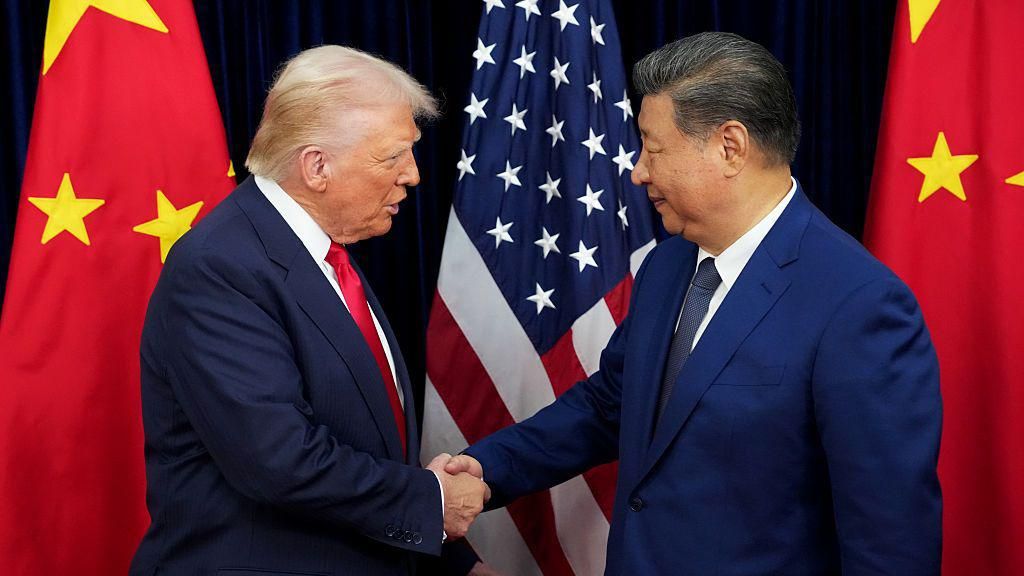
In a significant development aimed at de-escalating trade tensions, the United States and China have reached a comprehensive trade agreement that includes the easing of China’s export ban on automotive computer chips, a critical component for global car production. The White House confirmed the details of the deal in a fact sheet released after a high-profile meeting between Chinese President Xi Jinping and former US President Donald Trump in South Korea earlier this week. The agreement also addresses key issues such as US soybean exports, rare earth mineral supplies, and fentanyl production materials. The deal marks a turning point in the trade war between the world’s two largest economies, which began when Trump imposed tariffs on Chinese goods upon taking office, triggering retaliatory measures and global market uncertainty. Chinese Embassy spokesman Liu Pengyu emphasized the mutually beneficial nature of China-US economic relations, echoing President Xi’s call for the business relationship to remain a cornerstone of bilateral ties. Treasury Secretary Scott Bessent, however, expressed cautious optimism, noting China’s past unreliability as a trade partner. The agreement ensures the resumption of automotive chip exports from Nexperia, a Chinese-owned company based in the Netherlands, whose production facilities in China are crucial to global supply chains. Additionally, China has agreed to pause export controls on rare earth minerals for a year and take significant measures to address fentanyl production, a major contributor to opioid overdose deaths in the US. On the agricultural front, China has committed to purchasing substantial quantities of US soybeans, providing relief to American farmers who had lost access to their largest export market earlier this year. The deal underscores the importance of collaboration in resolving trade disputes and stabilizing global markets.