分类: world

  • Disbelief as tragedy hits Swiss ski resort on New Year’s Day

    Disbelief as tragedy hits Swiss ski resort on New Year’s Day

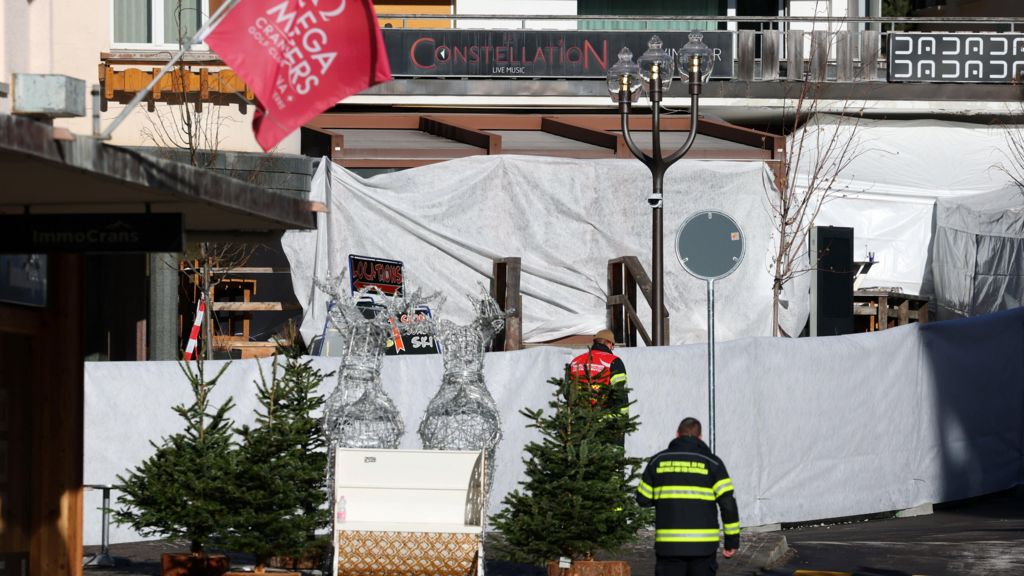
    The picturesque Swiss Alpine resort of Crans-Montana has been plunged into mourning following a devastating fire that consumed Le Constellation bar during New Year’s celebrations. The iconic establishment, situated in the heart of this luxury destination, became the scene of a catastrophic incident that has left the community in profound shock.

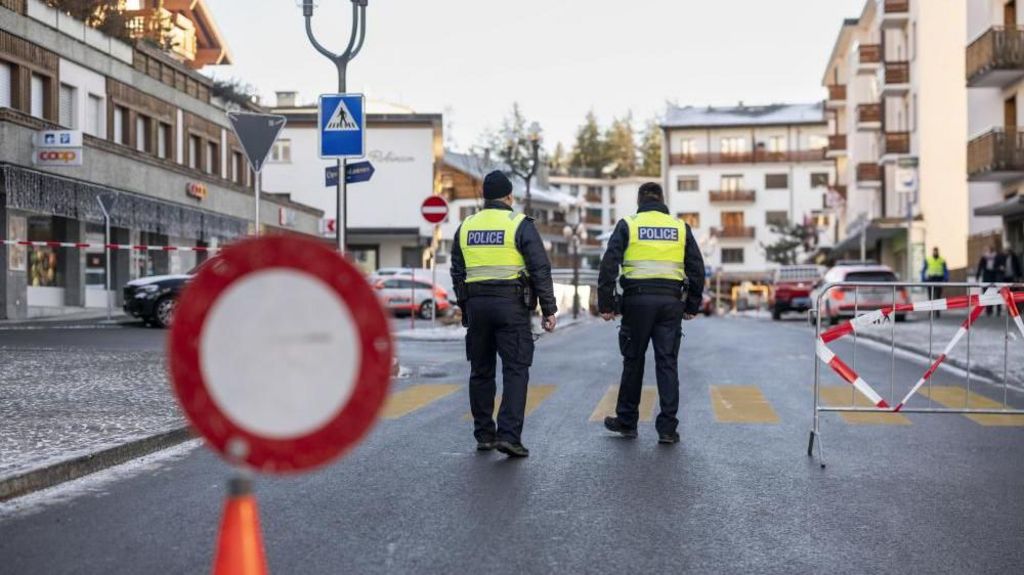
    Eyewitness accounts describe scenes of chaos and horror as patrons scrambled to escape the inferno, with some reporting severe burns among victims. The scale of emergency response—including numerous ambulances and extensive road closures—underscores the severity of the tragedy in this normally tranquil setting.

    Crans-Montana represents the epitome of Alpine luxury, known for its world-class skiing, golf courses, and family-friendly atmosphere. The resort attracts affluent visitors year-round and maintains impeccable safety standards, making this incident particularly unexpected. Le Constellation bar held nostalgic significance for many long-term visitors, functioning as a social hub for both locals and international tourists.

    British tourists and residents alike expressed disbelief that such a tragedy could occur in what many considered a sanctuary from worldly dangers. The timing—during New Year’s festivities when many were recovering from celebrations—added to the surreal nature of the disaster.

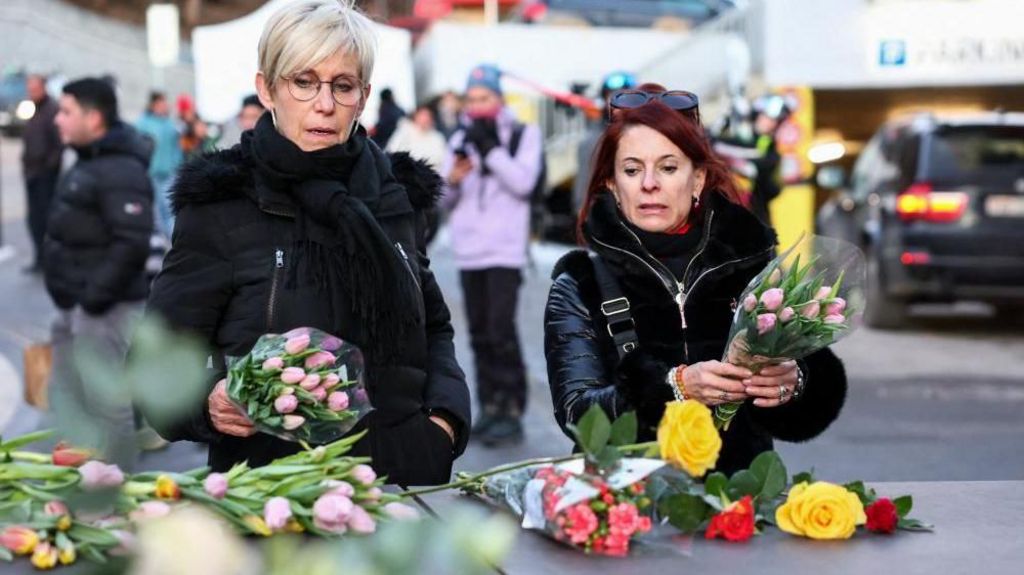
    As investigation teams work to determine the fire’s origin, the community has begun gathering at cordoned-off areas to pay respects. The juxtaposition of ski-clad tourists against emergency response operations creates a haunting tableau in this typically vibrant resort center.

    The incident raises urgent questions about safety in even the most regulated environments and has irrevocably altered the perception of security in this idyllic mountain retreat.

  • Member of Iranian security forces killed during protests, state media says

    Member of Iranian security forces killed during protests, state media says

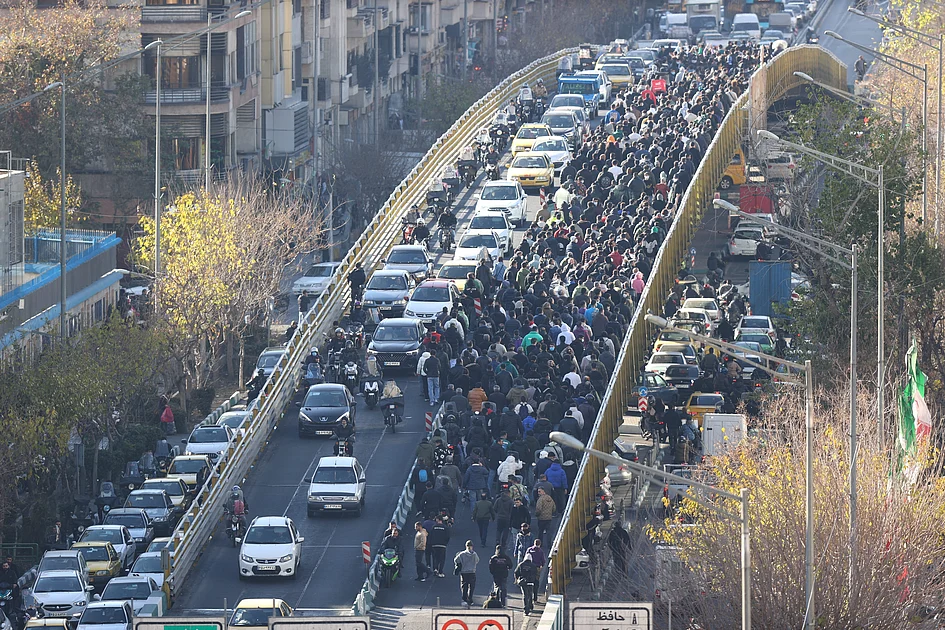
    Iranian state media confirmed on Thursday the death of a security force member during nationwide protests that have entered their sixth consecutive day. The casualty was identified as a 21-year-old Basij paramilitary force member from Kouhdasht city, reportedly killed while “defending public order” during Wednesday night’s demonstrations in Lorestan Province.

    The unrest, initially sparked by economic grievances, has escalated significantly since Sunday’s spontaneous protests began in Tehran’s major mobile phone market. Shopkeepers initiated the movement by shuttering their businesses in response to Iran’s prolonged economic stagnation, with the demonstrations subsequently spreading to student populations across multiple regions.

    In a concerning development, authorities reported an attack on a government building in southern Iran on Wednesday. The incident prompted Iran’s top prosecutor to issue a stern warning of a “decisive response” to any attempts at creating instability within the country.

    The Basij force, a volunteer militia operating under Iran’s Revolutionary Guard Corps, has frequently been deployed for domestic security operations during periods of civil unrest. The current protests represent the most significant challenge to Iranian authorities since previous waves of anti-government demonstrations.

    International observers are monitoring the situation closely as economic pressures continue to mount in Iran, with inflation and unemployment rates remaining persistently high despite government assurances of economic reforms. The participation of students in recent days suggests the protests may be evolving beyond purely economic demands.

  • K-Pop sensation BTS announce new album release date, ‘large-scale’ world tour

    K-Pop sensation BTS announce new album release date, ‘large-scale’ world tour

    In a significant intelligence disclosure, Reuters has reported that the United States Central Intelligence Agency (CIA) successfully cultivated and operated a high-level informant embedded within the inner circle of the Venezuelan government. This clandestine asset provided the U.S. with critical intelligence, playing a pivotal role in tracking the activities and movements of President Nicolás Maduro. The revelation offers a rare glimpse into the sophisticated espionage tactics employed by U.S. agencies against the socialist regime, which has been a long-standing adversary. The operation underscores the intense geopolitical rivalry in the region and the lengths to which intelligence services will go to monitor leaders of state deemed strategic threats. The report does not specify the exact timeframe of the operation or the ultimate fate of the informant, but it highlights the persistent and covert efforts to gather information on the Caracas administration.

    In a separate and unrelated incident in Switzerland, a tragic nightclub fire has triggered a criminal investigation. Following a deadly blaze at a bar, local judicial authorities have formally placed the establishment’s managers under investigation for allegations of killing by negligence. The probe will seek to determine whether managerial oversights or failures to adhere to safety protocols contributed to the fatalities. This legal action reflects a standard procedure in many jurisdictions where serious accidents result in loss of life, aiming to establish accountability and ascertain if preventable errors led to the catastrophe.

  • Flash floods triggered by heavy rains in Afghanistan kill at least 17 people

    Flash floods triggered by heavy rains in Afghanistan kill at least 17 people

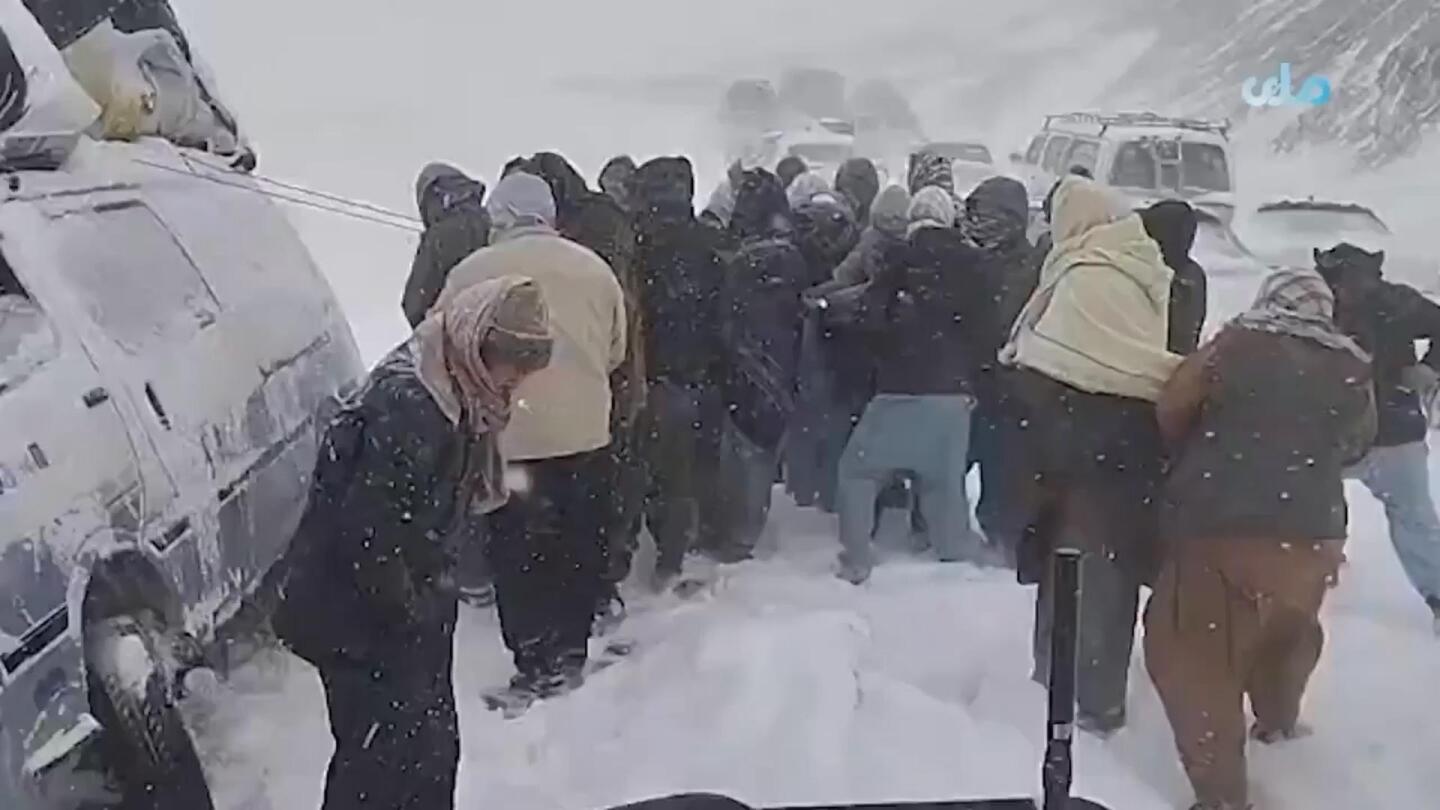
    KABUL, Afghanistan — The arrival of the season’s first substantial precipitation has brought both relief and tragedy to Afghanistan, as heavy rains and snowfall ended a prolonged drought but triggered devastating flash floods across multiple regions. Official reports confirm at least 17 fatalities and 11 injuries, with infrastructure suffering significant damage.

    Mohammad Yousaf Hammad, spokesman for Afghanistan’s National Disaster Management Authority, detailed the widespread impact of the severe weather that began Monday. The flooding has particularly affected central, northern, southern, and western regions, disrupting daily life and causing substantial damage to property and livestock.

    In one tragic incident in Kabkan district of Herat province, five members of a single family perished when their roof collapsed under the weight of the rainfall. According to Mohammad Yousaf Saeedi, spokesman for the Herat governor, two children were among the victims in this devastating event.

    The disaster has affected approximately 1,800 families, exacerbating conditions in already vulnerable urban and rural communities. Assessment teams have been deployed to the most severely impacted areas to evaluate the full extent of the damage and determine immediate needs for assistance.

    Afghanistan remains particularly vulnerable to extreme weather events due to decades of conflict, inadequate infrastructure, widespread deforestation, and the escalating effects of climate change. Many homes in remote areas are constructed from mud-based materials that offer minimal protection against sudden flooding.

    The United Nations and other humanitarian organizations have classified Afghanistan as one of the world’s most severe ongoing humanitarian crises. Earlier this week, the UN launched a $1.7 billion appeal to provide essential assistance to nearly 18 million people in urgent need throughout the country in 2026.

  • Several dozen feared dead in Swiss ski resort bar fire

    Several dozen feared dead in Swiss ski resort bar fire

    A catastrophic fire engulfed a popular bar in the Swiss Alps resort of Crans-Montana during New Year’s celebrations, resulting in what authorities describe as a ‘dramatic situation’ with multiple fatalities and injuries. The blaze erupted approximately at 01:30 local time (00:30 GMT) within Le Constellation bar, a decades-old establishment frequented by international tourists.

    Emergency response teams deployed ten helicopters, forty ambulances, and 150 personnel to the Valais region scene. Regional council leader Mathias Reynard confirmed that most of the approximately 100 injured suffered severe burns, overwhelming the local hospital’s intensive care capacity. Officials have initiated ‘significant work’ to identify victims and repatriate remains to families across multiple nationalities, though precise numbers and nationalities remain unconfirmed.

    While initial reports referenced an explosion, investigators have categorically excluded terrorist involvement. Valais canton prosecutor general Beatrice Pilloud emphasized the ongoing investigation focuses on determining the fire’s origin, noting that current evidence suggests a fire-triggered explosion rather than an explosive device. Unconfirmed local media reports suggest pyrotechnics might have contributed to the incident.

    The Italian foreign ministry preliminarily indicated approximately 40 fatalities, though Swiss authorities maintain the ‘several dozen’ estimate without providing specific numbers. The resort district remains closed for forensic investigation, with identification procedures expected to continue for weeks according to diplomatic officials.

    International consular services, including the UK Foreign Office, have expressed condolences and offered support to affected nationals. A dedicated helpline has been established for concerned families: +41 848 112 117.

  • Pope opens 2026 with plea for peace in countries bloodied by war, families wounded by violence

    Pope opens 2026 with plea for peace in countries bloodied by war, families wounded by violence

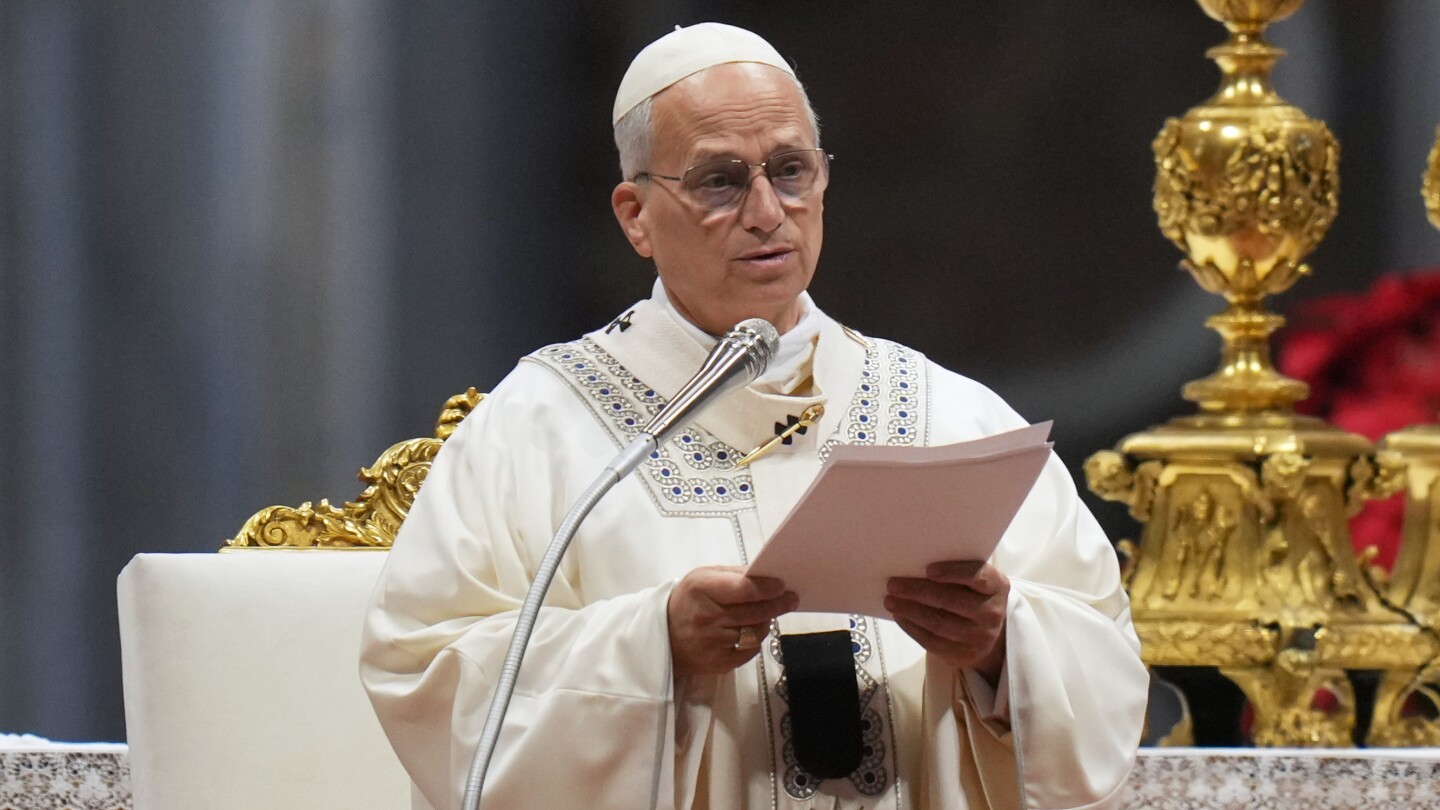
    VATICAN CITY — Commencing the new year with a profound spiritual message, Pope Leo XIV issued a powerful call for global peace during his January 1st address from the Apostolic Palace. Speaking to a packed St. Peter’s Square filled with pilgrims and tourists, the Pontiff specifically referenced nations “bloodied by conflict” and families suffering from domestic violence in his annual peace proclamation.

    The Pope’s address coincided with the Catholic Church’s World Day of Peace observance, marking the first major event of 2026. Following a traditional New Year’s Day Mass in St. Peter’s Basilica, Leo XIV delivered his noon prayer from his studio overlooking the square, using the platform to emphasize dual dimensions of peace—both international and domestic.

    After a brief period of rest following the intensive Christmas season, the Pontiff will resume his duties with the Epiphany celebration on January 6th. This event will also serve as the official conclusion to the 2025 Holy Year, the quarter-century tradition that attracted millions of religious travelers to Rome throughout the past year.

    In a significant administrative development, Pope Leo XIV will convene a comprehensive two-day gathering of the College of Cardinals immediately following the Holy Year closure. This assembly will include both cardinal-electors and those over age 80, representing a revival of the traditional consultative practice largely discontinued during Pope Francis’ papacy. The summit aims to collectively address governance strategies for the worldwide Catholic community of 1.4 billion faithful.

  • Russia says Ukrainian drone strike kills 24 in occupied Ukraine as tensions grow amid peace talks

    Russia says Ukrainian drone strike kills 24 in occupied Ukraine as tensions grow amid peace talks

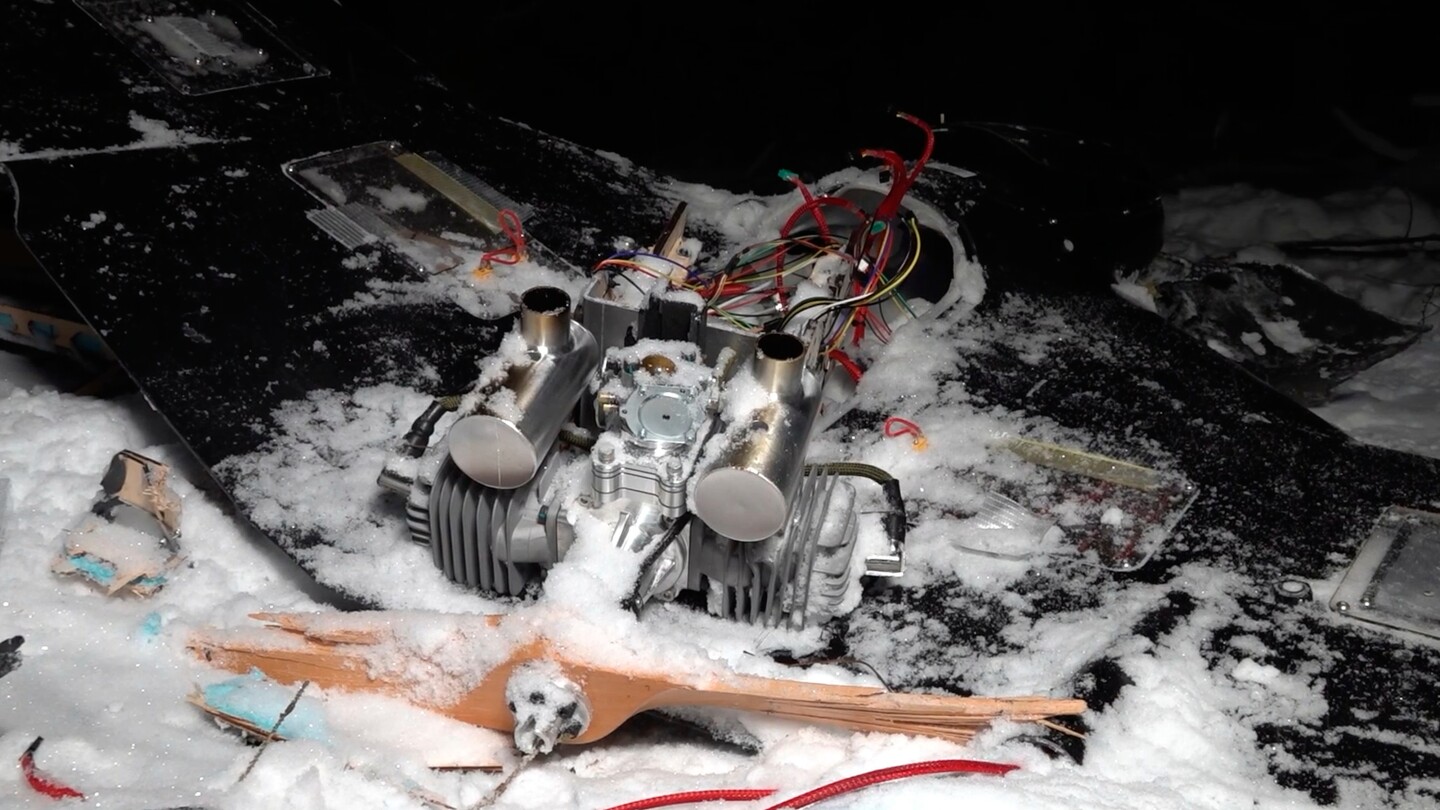
    A deadly drone attack struck a Russian-occupied village in Ukraine’s Kherson region during New Year celebrations, resulting in 24 fatalities and over 50 injuries according to Moscow-installed officials. The assault targeted a cafe and hotel in the coastal town of Khorly, with one drone reportedly carrying incendiary materials that ignited a significant blaze.

    Russian-appointed administrator Vladimir Saldo detailed the incident via Telegram, though Ukrainian authorities have not immediately acknowledged the strike. The Associated Press could not independently verify the attack claims.

    The incident has drawn strong condemnation from Russian officials, with Federation Council Chair Valentina Matviyenko asserting the attack reinforces Moscow’s determination to achieve its military objectives in Ukraine. This development occurs alongside Moscow’s allegations that Ukraine targeted one of President Vladimir Putin’s official residences earlier this week—a claim Kyiv has dismissed as fabricated.

    Amid escalating violence, diplomatic efforts continue to advance. Ukrainian President Volodymyr Zelenskyy revealed in his New Year’s address that a peace agreement is approximately 90% complete, though critical territorial disputes remain unresolved. International mediators, including Trump envoy Steve Witkoff, report productive discussions with European and Ukrainian counterparts regarding security guarantees and conflict resolution mechanisms.

    Meanwhile, Russia launched extensive drone attacks against Ukraine’s Odesa region, targeting civilian infrastructure in multiple waves. Ukrainian air defenses reportedly intercepted 176 of 205 drones, with damage to residential buildings but no casualties reported. The ongoing exchanges highlight the intensifying nature of the conflict despite ongoing peace negotiations.

  • What we know about the Switzerland ski resort fire

    What we know about the Switzerland ski resort fire

    A catastrophic fire has engulfed a popular alpine nightclub in Switzerland’s Crans-Montana ski resort during New Year’s celebrations, resulting in one of Europe’s deadliest nightlife disasters in recent history. The blaze erupted at approximately 01:30 local time (00:30 GMT) on January 1, 2026, at Le Constellation bar, a well-established venue known for attracting both locals and international tourists.

    Swiss authorities have confirmed a devastating human toll, with preliminary estimates indicating approximately forty fatalities and over one hundred individuals sustaining injuries, predominantly severe burns. The scale of the emergency required an unprecedented response, including the deployment of ten medical helicopters, forty ambulances, and 150 emergency personnel to the scene. Medical facilities in the Valais region reported their intensive care units at full capacity as they struggled to treat the influx of critically injured patients.

    Chief Prosecutor Beatrice Pilloud has categorically ruled out criminal intent, stating the incident is being treated as a tragic accident with “no question of any attack.” Initial police reports mentioning a possible explosion have been revised, with investigators now focusing on accidental causes, including speculation about pyrotechnics potentially triggering the blaze. The exact ignition source remains undetermined as forensic experts continue their examination.

    The international dimension of the tragedy emerged as authorities confirmed victims hailed from multiple nationalities, reflecting Crans-Montana’s status as a premium winter destination during the peak holiday season. The UK Embassy and Italian Foreign Ministry both acknowledged the incident, with Rome officially citing Swiss police casualty figures. A dedicated helpline (+41 848 112 117) has been established for concerned families seeking information about loved ones.

    Le Constellation, described as a spacious but unpretentious establishment capable of accommodating up to 300 patrons, featured a dual-level layout with a football viewing area upstairs and a large dance floor and bar downstairs. The timing proved particularly tragic as the venue would typically be filled to capacity with revelers celebrating the new year, though the exact attendance at the time of the incident remains unknown.

    Regional Police Commander Frédéric Gisler detailed the emergency response, noting that the first responders arrived rapidly after smoke was detected emanating from the building. The operation has now transitioned to the complex process of victim identification and family notification, with Swiss authorities pledging to return remains to families as swiftly as possible.

  • UN faces turbulent year amid conflicts and calls for reform

    UN faces turbulent year amid conflicts and calls for reform

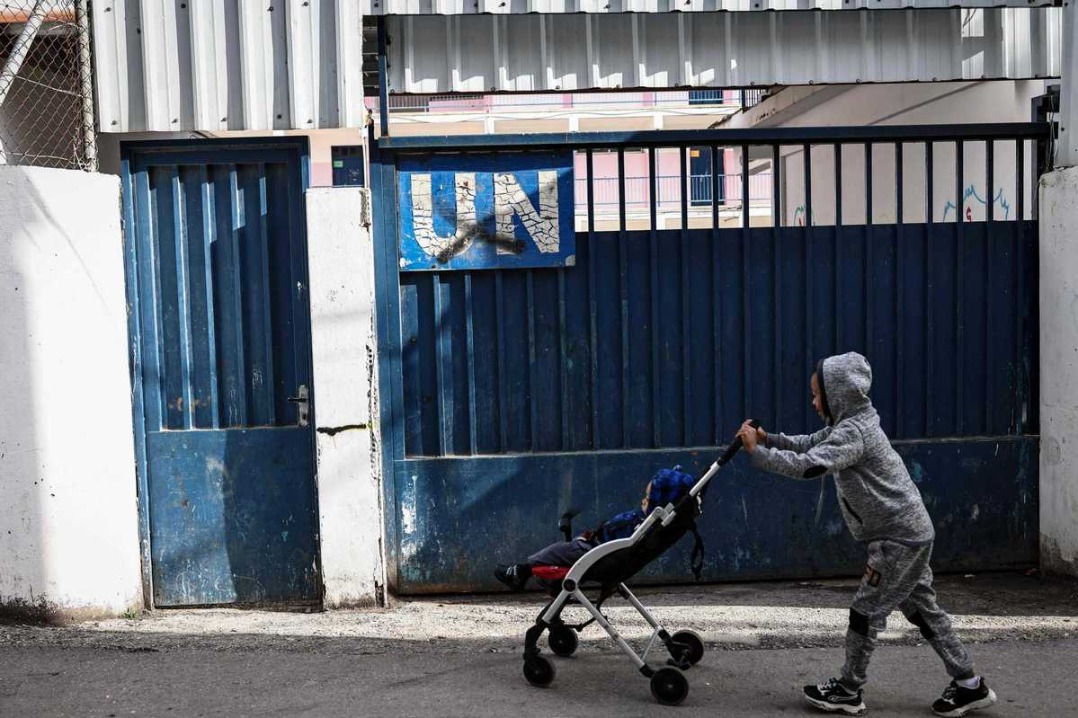
    The United Nations headquarters in New York witnessed a year of profound turbulence as the organization grappled with escalating global conflicts, deepening humanitarian emergencies, and intensifying geopolitical fractures. The multilateral system faced unprecedented strain throughout 2025, testing the institution’s capacity to maintain international peace and security.

    The Palestinian situation emerged as a dominant concern, culminating in the 80th UN General Assembly’s adoption of the ‘New York Declaration’ on September 12. This resolution, crafted through Franco-Saudi collaboration and supported by 142 nations, demanded an immediate ceasefire, prisoner releases, and the establishment of a sovereign Palestinian state. This diplomatic achievement coincided with a wave of recognitions, with the UK, Canada, Australia, and numerous other states formally acknowledging Palestinian statehood. By late September, an overwhelming 157 of 193 member states had extended recognition.

    November marked a significant breakthrough when the Security Council finally endorsed a US-proposed Gaza ceasefire plan after two years of deadlock. The resolution authorized an International Stabilization Force to support reconstruction efforts, representing a notable shift from previous American vetoes that had blocked similar measures. China’s UN ambassador Fu Cong emphasized the urgency, stating: ‘Gaza already faces famine with rapidly spreading disease. As a permanent member, the US must support the council’s duties rather than undermine UN authority.’

    The organization simultaneously confronted internal challenges, including a deepening liquidity crisis exacerbated by reduced contributions from the United States and other Western donors. President Donald Trump’s extended General Assembly speech criticized the UN’s operational framework, accusing the organization of funding migratory assaults on Western nations.

    Structural reform gained momentum with the December launch of the Group of Friends of Global Governance, comprising 43 founding members. China championed reforms that would enhance developing nations’ representation and reflect contemporary geopolitical realities. Ambassador Fu articulated this vision: ‘We must uphold the UN Charter’s principles, advance international relations democratization, and strengthen developing countries’ voice in global affairs.’

    The reform debate intensified when China opposed Japan’s Security Council aspirations, with Fu declaring Japan ‘totally unqualified’ following Prime Minister Takaichi’s comments regarding a potential ‘Taiwan contingency.’ China subsequently submitted formal objections to the Secretary-General reaffirming Taiwan as China’s internal affair.

    As the year concluded amidst ongoing conflicts, Secretary-General António Guterres delivered a poignant New Year’s message urging global leaders to ‘choose people and planet over pain,’ acknowledging that ‘chaos and uncertainty surround us’ as the world stands at a critical crossroads.

  • US military says five killed in latest strike on alleged drug boats

    US military says five killed in latest strike on alleged drug boats

    The US Southern Command has confirmed a new series of lethal maritime engagements as part of its intensified counter-narcotics operations. On Wednesday, US forces conducted strikes on two vessels allegedly involved in drug trafficking, resulting in the deaths of five individuals aboard. This action follows another targeted operation just one day prior, where US military assets engaged what they described as a three-vessel narco-trafficking convoy, killing at least three people.

    These recent strikes represent the latest escalation in a controversial campaign that began on September 2nd, with over thirty vessels targeted and more than 110 fatalities recorded to date. The operations extend across international waters in the Caribbean and eastern Pacific regions, areas known for narcotics smuggling routes.

    The Trump administration has framed these operations as part of a non-international armed conflict against drug traffickers. However, this characterization has drawn scrutiny from legal experts who question its compliance with international laws governing armed conflict. Particularly controversial is the emergence of ‘double-tap’ strike patterns, where targets are engaged multiple times in quick succession.

    The initial September attack has come under particular congressional scrutiny after revelations that US forces struck the same vessel twice. Two survivors who had been clinging to the hull following the first strike were killed in the second engagement, raising concerns about potential violations of rules of engagement.

    In its most recent statement regarding the December 30th convoy engagement, US Southern Command reported that several individuals abandoned their vessels before subsequent engagements sank the boats. The command stated that the US Coast Guard was immediately notified to search for survivors, with Reuters reporting an anonymous US official confirming eight individuals were being sought. The current status of these survivors remains unknown.

    The military justification for these strikes rests on intelligence claims that targeted vessels were transiting known narco-trafficking routes and engaged in illegal activities, though concrete evidence of drug cargo has not been publicly provided despite repeated insistences from Southern Command.