分类: world

  • Gaza enters 2026 with more deaths and Israeli attacks

    Gaza enters 2026 with more deaths and Israeli attacks

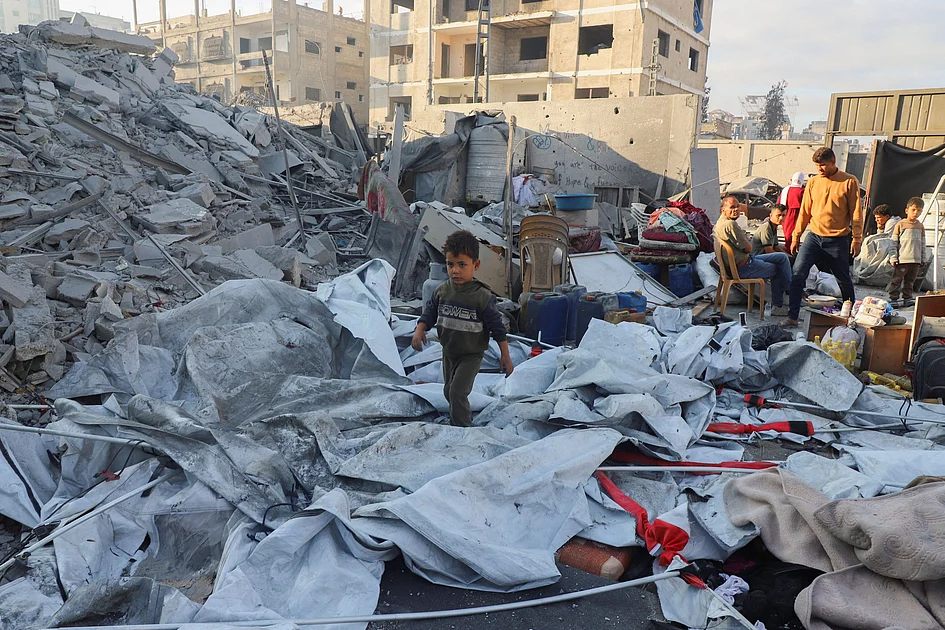
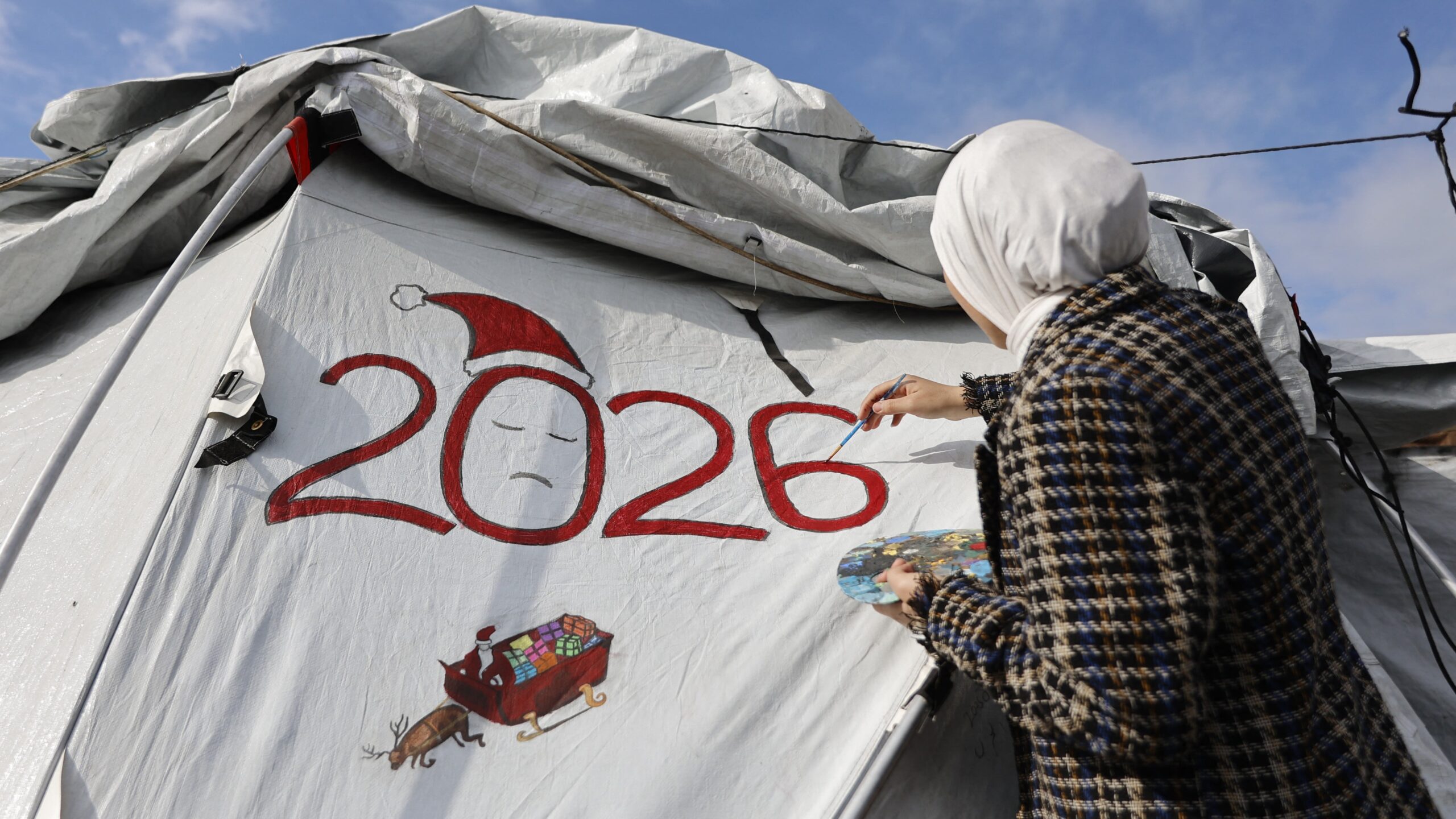
    The new year in Gaza has been marred by escalating tragedy as a combination of severe winter conditions and ongoing Israeli military operations exacerbates an already dire humanitarian crisis. Civil defence authorities reported multiple fatalities, including a five-year-old boy, Saud Muhammad Abu al-Khair, and his 65-year-old grandmother, Amal Hamed Abu al-Khair, who perished in a tent fire caused by a cooking accident amplified by strong winds near Gaza City. In a separate incident, a young child, Malak Rami Ghneim, succumbed to hypothermia in central Gaza’s Nuseirat camp, highlighting the lethal consequences of inadequate shelter during plummeting temperatures.

    These deaths occur against a backdrop of continued violence, with the Israeli military reported to have shot and killed a Palestinian man near Khan Younis, further violating a fragile ceasefire agreement that has been breached nearly a thousand times since its inception. The cumulative death toll from the two-year conflict now exceeds 71,271 Palestinians, with over 171,233 wounded.

    Compounding the disaster, a coalition of international aid organizations, including Doctors Without Borders (MSF), faces an operational ban imposed by Israeli authorities. MSF issued a stark warning that this decision would sever hundreds of thousands of Palestinians from essential medical care, emphasizing that the decimated health system and destroyed infrastructure necessitate more humanitarian services, not less. Philippe Lazzarini, Commissioner-General of UNRWA, condemned the new restrictions as part of a ‘troubling pattern of disregard for international humanitarian law,’ setting a ‘dangerous precedent’ that undermines the principles of neutral and impartial aid.

    The humanitarian response is further crippled by infrastructural collapse. Recent storms have damaged over 42,000 tents and makeshift shelters, displacing nearly a quarter of a million people. The Gaza-based Government Media Office accuses Israel of systematically evading its ceasefire obligations, allowing only approximately 20,000 aid trucks into the strip since October against an agreed-upon 48,000, a deficit it describes as instituting a ‘slow death’ for the population.

    Diplomatic pressure is mounting, with a joint statement from eight nations—Egypt, Qatar, Jordan, Saudi Arabia, the UAE, Indonesia, Pakistan, and Turkey—demanding Israel grant aid groups ‘sustainable, predictable and unrestricted access.’ This echoes earlier calls from a group of ten major countries, reflecting growing international alarm over the restrictions on life-saving assistance during a critical winter emergency.

  • Watch: Earthquake interrupts Mexico’s president during press conference

    Watch: Earthquake interrupts Mexico’s president during press conference

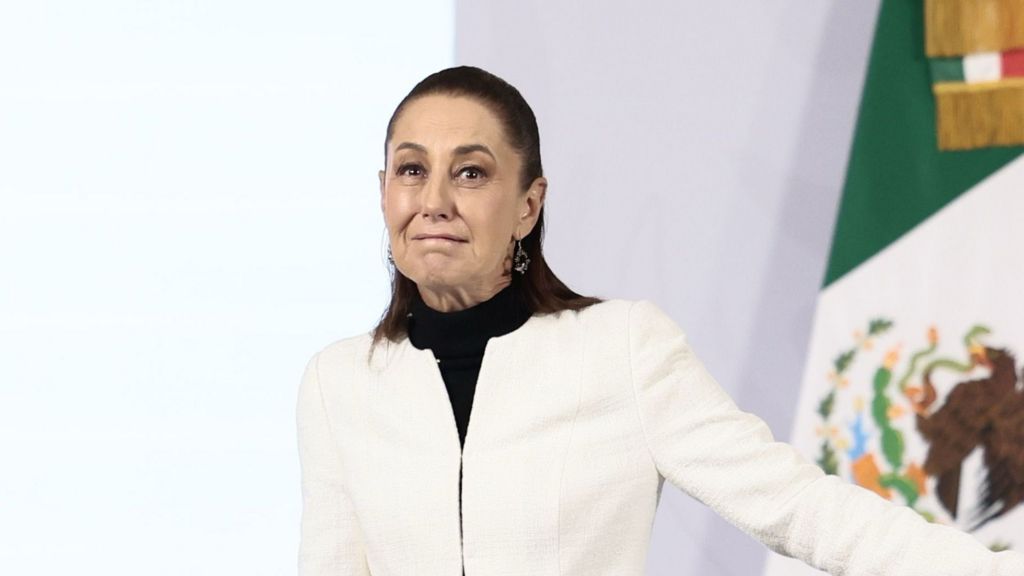
    A significant seismic event measuring 6.5 on the Richter scale abruptly disrupted Mexican President Andrés Manuel López Obrador’s scheduled press conference today, creating a dramatic moment captured on live broadcast. The tremor originated near the southwestern coast, causing substantial building vibrations across multiple regions and triggering the nation’s sophisticated earthquake early warning system.

    The incident occurred precisely as the president was addressing journalists at the National Palace in Mexico City, forcing an immediate suspension of governmental proceedings. Security protocols were swiftly implemented as structural engineers conducted preliminary safety assessments of the presidential compound and surrounding government buildings.

    Mexico’s renowned Seismic Alert System, considered among the world’s most advanced earthquake detection networks, successfully activated alarms approximately two minutes before substantial shaking reached urban centers. This critical advance warning enabled countless citizens to implement emergency evacuation procedures despite the sudden nature of the event.

    Preliminary reports from the U.S. Geological Survey indicate the epicenter was located approximately 15 kilometers southeast of Aquila in Michoacán state, with a depth of 10 kilometers. While structural damage appears limited to non-critical infrastructure, emergency response teams remain deployed throughout affected regions conducting comprehensive impact evaluations.

    The presidential administration confirmed no injuries among government staff or press corps, with Obrador resuming his briefing following all-clear verification from seismic authorities. This incident marks another testament to Mexico’s continued investment in seismic preparedness following devastating earthquakes in 1985 and 2017 that transformed the nation’s approach to geological hazards.

  • Sparklers on champagne bottles likely cause of deadly Swiss bar fire

    Sparklers on champagne bottles likely cause of deadly Swiss bar fire

    A catastrophic fire that erupted at a popular Swiss ski resort bar during New Year’s celebrations has been preliminarily attributed to sparklers placed on champagne bottles that were positioned dangerously close to the ceiling, according to official investigations. The devastating incident at Le Constellation nightclub in Crans-Montana resulted in 40 fatalities and left 119 injured, many in critical condition with severe burns.

    Valais Attorney General Beatrice Pilloud disclosed at a Friday press conference that the rapidly spreading blaze appears to have originated from sparkling candles attached to champagne bottles that were elevated too close to the ceiling materials. The investigation will comprehensively examine multiple factors including the establishment’s compliance with building regulations, fire safety protocols, ceiling materials (particularly foam installation), and whether the venue exceeded its 300-person capacity during the celebrations.

    Authorities are currently prioritizing the formal identification process for the victims, with police commander Frédéric Gisler confirming that 113 injured individuals have been identified thus far. The casualties include 71 Swiss citizens, 14 French nationals, 11 Italians, and four Serbians among others. Notably, 19-year-old French footballer Tahirys Dos Santos was severely burned and has been airlifted to Germany for specialized treatment.

    Mathias Reynard, president of the Valais region, announced that approximately 50 injured individuals are being transferred to specialized burn centers across Europe. A national mourning ceremony is scheduled for January 9th in Crans-Montana to honor the victims. The two French managers of the establishment have been interviewed as part of the ongoing investigation, which will determine whether criminal prosecutions are warranted.

    Eyewitness Lea Zehnder, who was celebrating at a nearby venue, described hearing screams from the nightclub and witnessing victims who “couldn’t walk or talk.” The community has established makeshift memorials with flowers and candles near the police-cordoned site, while a conference center outside town provides support to families of the missing.

  • Russia accuses Ukraine of killing 27 people in New Year attack in occupied Kherson

    Russia accuses Ukraine of killing 27 people in New Year attack in occupied Kherson

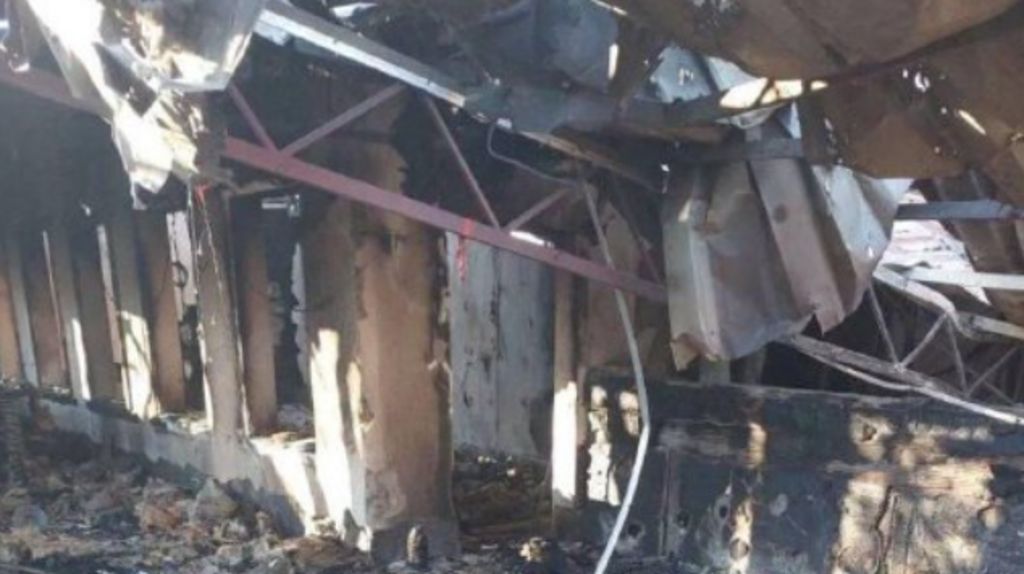
    Russian-installed authorities in occupied Kherson have alleged that Ukrainian forces conducted a deadly drone strike on a civilian New Year’s celebration, resulting in significant casualties. According to Vladimir Saldo, the Moscow-appointed regional governor, three unmanned aerial vehicles targeted a coastal cafe and hotel in the village of Khorly, killing at least 27 people and injuring over 30 others.

    Russian state media circulated photographs showing extensive structural damage to a three-story building identified as the former ‘Ukrainian House,’ now operating as ‘Buganova’s Cafe.’ One image depicted what appeared to be a body covered by a sheet beneath collapsed roofing materials.

    Ukrainian officials declined to directly address the specific allegations but maintained their adherence to international humanitarian law. A defense forces source quoted by AFP confirmed a military strike occurred but asserted it targeted a closed military gathering rather than civilian facilities.

    The United Nations Human Rights Monitoring Mission in Ukraine acknowledged awareness of the incident and committed to verifying reports of civilian harm in future documentation.

    This incident occurs amid heightened tensions following recent mutual accusations of provocative actions. Russia’s Investigative Committee has launched a formal probe into the attack, while the foreign ministry accused President Zelensky of attempting to intimidate populations in annexed territories.

    The diplomatic context remains complex, with Zelensky recently suggesting a US-brokered agreement with Russia was ‘90% ready’ in his New Year address. Meanwhile, Ukraine’s foreign intelligence service has counter-accused Russia of preparing large-scale provocations with human casualties to undermine peace negotiations.

  • Israel confirms ban on 37 NGOs in Gaza, orders them to cease operations by March 1

    Israel confirms ban on 37 NGOs in Gaza, orders them to cease operations by March 1

    Israel has officially revoked the operating licenses of 37 international humanitarian organizations in Gaza, mandating complete cessation of their activities by March 1, 2026. The decision comes after these agencies failed to meet a December 31, 2025 deadline to comply with new security and transparency regulations imposed by Israel’s Ministry of Diaspora Affairs and Combating Antisemitism.

    The controversial regulatory framework, introduced in March 2025, required non-governmental organizations to provide comprehensive documentation including detailed staff information, funding sources, and operational structures. Israeli authorities maintain these measures are essential to prevent terrorist infiltration into humanitarian operations. Minister Amichai Chikli stated: ‘Humanitarian assistance is welcome—the exploitation of humanitarian frameworks for terrorism is not.’

    Among the affected organizations are prominent international groups including Doctors Without Borders (MSF), Norwegian Refugee Council, World Vision International, and Oxfam. The ministry specifically accused MSF of employing two individuals with alleged ties to Palestinian militant groups Jihad and Hamas—claims MSF strongly denies, asserting they ‘would never knowingly employ people engaging in military activity.’

    The United Nations and multiple humanitarian organizations have condemned the move as a dangerous precedent that violates international humanitarian principles. UNRWA chief Philippe Lazzarini warned this represents a ‘weaponization of bureaucracy’ that undermines the fundamental principles of neutrality, independence, and impartiality in humanitarian work.

    With Gaza’s population already facing catastrophic conditions—where approximately 80% of buildings have been damaged or destroyed and 1.5 million residents remain displaced—the removal of these aid agencies threatens to exacerbate one of the world’s most severe humanitarian crises. The decision has drawn international criticism, with foreign ministers from ten nations including France and Britain urging Israel to guarantee humanitarian access to the besieged territory.

  • Like the ‘apocalypse’: Shock, pain after Swiss bar fire kills 40; hundreds hold vigil

    Like the ‘apocalypse’: Shock, pain after Swiss bar fire kills 40; hundreds hold vigil

    The Swiss Alpine resort of Crans-Montana remains in a state of profound grief following a catastrophic fire that engulfed the popular Le Constellation bar during New Year’s celebrations, claiming 40 lives and injuring over 100 revelers. The tragedy struck approximately at 1:30 AM local time (0030 GMT) on January 1st, 2026, as hundreds gathered for midnight festivities.

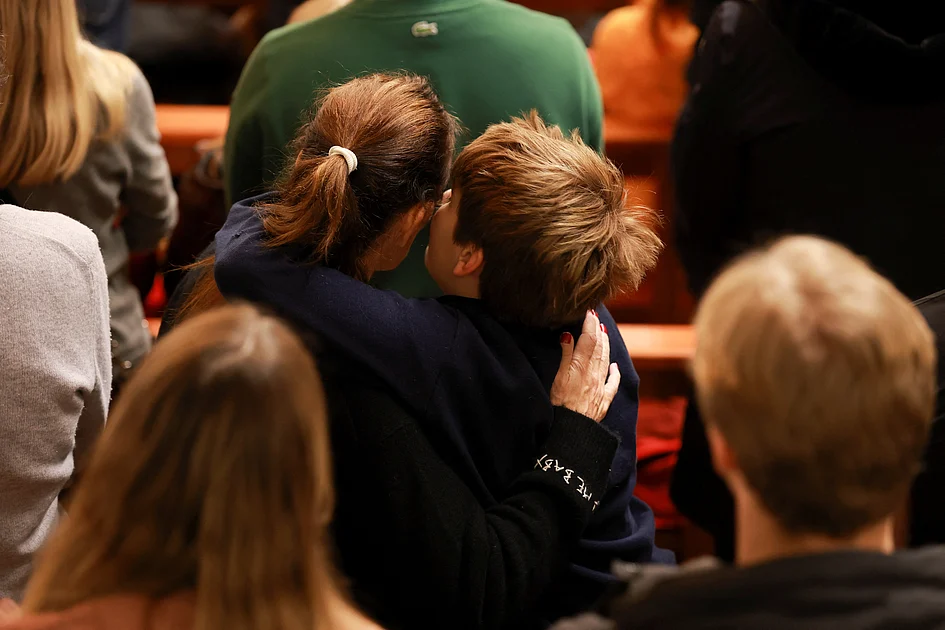
    Hundreds of local residents and visitors braved freezing temperatures Thursday evening for a solemn vigil at the disaster site. Mourners created an impromptu memorial with flowers and candles placed on a temporary table near police cordons, where white screening obscured the charred remains of the establishment. The atmosphere was characterized by stunned silence, whispered condolences, and emotional embraces among grieving community members.

    Eyewitness accounts conveyed the horror of the incident. One local resident, identified only as Mathys from neighboring Chermignon-d’en-Bas, described the scene as ‘the apocalypse,’ noting that the bar had been a regular weekend gathering spot for friends. ‘We thought it was just a small fire,’ he recounted, ‘but when we got there, it was war.’

    The tragedy’s personal impact was evident in numerous testimonies. Paulo Martins, a long-time French resident, revealed his son had narrowly avoided the disaster after changing plans at the last moment. Others reported friends and family members among the missing, injured, or deceased, including a 17-year-old currently receiving specialized burn treatment in Germany with 30% body coverage injuries.

    Religious services provided some solace, with a memorial mass at Montana-Station church focusing on themes of hope amidst overwhelming grief. Local businesses demonstrated solidarity through spontaneous closures, while the community’s multicultural fabric was reflected in mourners of various nationalities united in sorrow. As Veronica, an Italian resident for four decades, poignantly summarized: ‘The pain of others is everyone’s pain.’ Swiss authorities continue investigations into the fire’s cause while emergency services work to identify victims and support affected families.

  • Russia puts death toll from Ukrainian strike on occupied village at 27. Kyiv rejects accusation

    Russia puts death toll from Ukrainian strike on occupied village at 27. Kyiv rejects accusation

    Russian authorities have dramatically escalated their allegations against Ukraine, claiming a Ukrainian drone strike on a civilian gathering in the occupied village of Khorly has resulted in 27 fatalities. The incident reportedly occurred during New Year’s Eve celebrations at a local café and hotel in Ukraine’s Kherson region, which is currently under Russian control. According to Svetlana Petrenko, spokeswoman for Russia’s Investigative Committee, the attack also left 31 individuals hospitalized, including five minors. Russian officials have initiated a criminal terrorism investigation in response.

    Kyiv has issued a firm and comprehensive denial of these allegations. Dmytro Lykhovii, spokesman for Ukraine’s General Staff, asserted that Ukrainian forces strictly adhere to international humanitarian law and target exclusively military installations, Russian energy sector facilities, and other legitimate objectives. He emphasized that an official list of targets struck on New Year’s Eve had been published, which did not include any operations in the occupied parts of Kherson region. Lykhovii further characterized Russia’s claims as a disinformation campaign aimed at undermining ongoing peace negotiations.

    The exchange of accusations unfolds against a backdrop of intensified diplomatic efforts to end the nearly four-year conflict. Ukrainian President Volodymyr Zelenskyy recently stated that a peace agreement was ‘90% ready,’ while cautioning that critical territorial issues within the remaining 10% would prove decisive. This week also saw Moscow alleging a Ukrainian drone attack on President Putin’s residence, which Kyiv similarly dismissed as a fabricated pretext to disrupt talks.

    Meanwhile, the conflict’s violence continued elsewhere. Russian forces launched what local authorities described as one of their most massive drone assaults on Zaporizhzhia, damaging dozens of residential buildings and civilian infrastructure, though no casualties were reported. Ukraine’s Air Force stated that 86 of 116 incoming long-range drones were intercepted overnight. Simultaneously, the Russian Defense Ministry claimed its air defenses shot down 64 Ukrainian drones over multiple Russian regions, with the governor of Belgorod region accusing Ukrainian forces of a missile strike that injured two women.

  • Police in Finland arrest 2 in connection with damage to undersea telecom cable

    Police in Finland arrest 2 in connection with damage to undersea telecom cable

    Finnish law enforcement has taken decisive action following damage to critical underwater telecommunications infrastructure in the Gulf of Finland. Authorities confirmed Thursday the arrest of two individuals connected to the incident involving the cable belonging to Finnish telecommunications provider Elisa, which was damaged earlier this week between the capitals of Finland and Estonia.

    The damage, discovered Wednesday within Estonia’s exclusive economic zone, has prompted Helsinki police to launch a comprehensive investigation into charges of aggravated criminal damage, attempted aggravated criminal damage, and aggravated interference with telecommunications. In addition to the arrests, officials have imposed travel bans on two other persons of interest as the probe continues.

    The investigation centers on the vessel Fitburg, registered under the flag of St. Vincent and the Grenadines, which was transiting from Russia to Israel when the incident occurred. Finnish National Police Commissioner Ilkka Koskimäki revealed that the ship had been dragging its anchor for hours within Finland’s exclusive economic zone prior to the discovery of the cable damage. The ship’s 14 crew members, representing Russian, Georgian, Azerbaijani, and Kazakh nationalities, remain detained by Finnish authorities.

    Adding complexity to the case, Finnish Customs officials discovered structural steel in the vessel’s cargo that originated from Russia and falls under European Union sanctions. ‘Import of such sanctioned goods into the EU is prohibited under EU sanctions regulations,’ customs authorities stated, confirming their ongoing investigation into potential sanctions violations.

    This incident marks the second occurrence within a year involving damage to critical underwater infrastructure between Finland and Estonia. In a related case from Christmas Day 2024, Finnish authorities charged the captain and two senior officers of the Russia-linked oil tanker Eagle S with similar offenses. That vessel had been identified as part of Russia’s ‘shadow fleet’ of aging tankers with obscure ownership structures allegedly designed to evade Western sanctions during the ongoing conflict in Ukraine.

    Western security experts have increasingly viewed such incidents as potential components of widespread sabotage operations in Europe allegedly connected to Moscow following the 2022 invasion of Ukraine. These underwater cables and pipelines represent vital infrastructure that facilitates trade, energy security, and reduced dependence on Russian energy resources across Nordic, Baltic, and central European nations.

    Police officials have refrained from speculating about potential state-level involvement in the current case, maintaining that their investigation remains focused on establishing factual evidence and determining applicable legal violations under both Finnish law and EU sanctions regulations.

  • World rings in 2026 with fireworks

    World rings in 2026 with fireworks

    The world transitioned into 2026 with a symphony of celebrations spanning continents, blending traditional festivities with somber reflections on recent tragedies. From the Pacific islands to major global capitals, diverse cultures marked the occasion with unique customs while maintaining heightened security awareness.

    The first moments of 2026 emerged in the Pacific, with Kiritimati (Christmas Island), Tonga, and New Zealand leading the global countdown. Australia’s Sydney Harbour erupted in a spectacular pyrotechnic display featuring 40,000 effects spanning seven kilometers, including an innovative waterfall effect from the Harbour Bridge. The celebration occurred under reinforced security following December’s tragic attack that claimed 15 lives at a Jewish event, with organizers holding a minute’s silence at 11 PM to honor the victims.

    In Seoul, thousands gathered at the Bosingak bell pavilion where a bronze bell resonated 33 times at midnight—a Buddhist tradition symbolizing the 33 heavens and believed to usher in peace and prosperity. Rio de Janeiro’s Copacabana Beach hosted its renowned ‘Reveillon’ celebration with organizers attempting to surpass their 2024 Guinness World Record for the largest New Year’s Eve gathering.

    New York’s Times Square witnessed revelers enduring subzero temperatures to watch the traditional descent of the 5,600-kilogram ball, which subsequently rose again illuminated in red, white, and blue to commemorate America’s upcoming 250th anniversary. In a historic transition, Zohran Mamdani was sworn in as mayor in a decommissioned subway station shortly after midnight.

    European celebrations adopted quieter approaches, with Greece and Cyprus implementing low-noise pyrotechnics to create more inclusive environments for children and pets. However, the festive atmosphere was marred by tragedy in Crans-Montana, Switzerland, where a bar fire in the early hours claimed dozens of lives and injured approximately 100 people. Swiss authorities confirmed the ongoing identification process while declining to provide specific casualty figures during their preliminary assessment.

  • Dozens missing after boat carrying 200 migrants sinks off Gambia

    Dozens missing after boat carrying 200 migrants sinks off Gambia

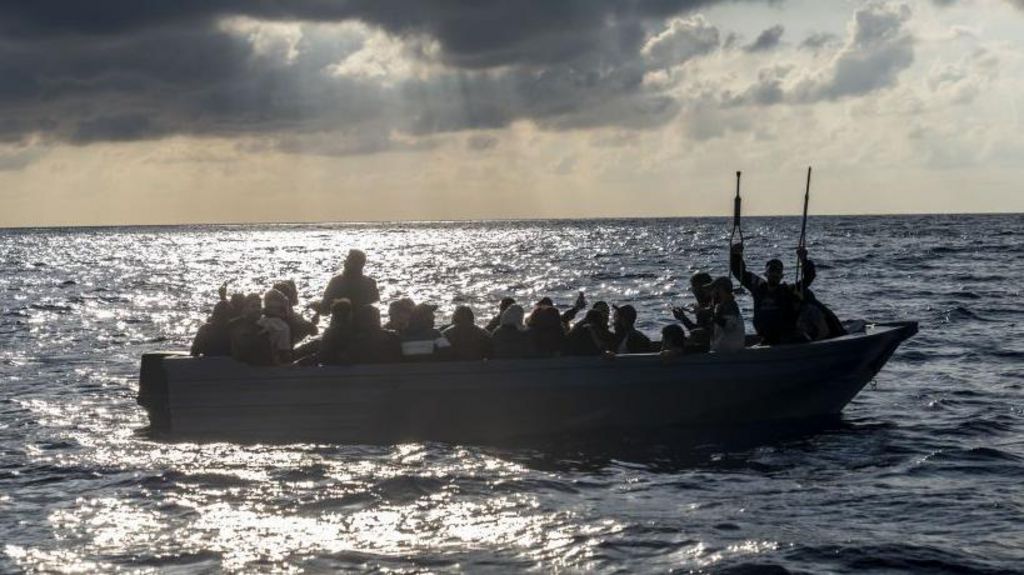
    A vessel carrying approximately 200 migrants en route to Europe met with tragedy off the coast of The Gambia, resulting in at least seven confirmed fatalities and numerous individuals missing, according to official statements from the country’s defense ministry.

    The maritime disaster occurred around midnight on Wednesday near Jinack village in the North Bank Region. The ill-fated boat, which was attempting the perilous Atlantic crossing to Spain’s Canary Islands, subsequently overturned and was discovered stranded on a sandbank.

    Search and rescue operations led by The Gambian Navy have successfully recovered 96 survivors thus far, with emergency crews continuing their efforts to locate additional passengers. Ten of those rescued are reported to be in critical condition and receiving urgent medical treatment.

    Authorities indicate that several victims are not Gambian nationals, with identification procedures currently underway to establish their nationalities. The rescue mission has deployed multiple naval vessels alongside assistance from local fishing boats.

    This tragic incident highlights the increasingly common yet extremely dangerous migration route across the Atlantic Ocean that African migrants undertake in attempts to reach European shores. Official statistics reveal that nearly 47,000 individuals reached the Canary Islands in 2024 alone, while Spanish non-governmental organization Caminando Fronteras estimates that over 9,000 migrants have perished attempting this journey.

    The Gambia has emerged as one of the primary transit points for migrants embarking on hazardous sea and land journeys to Europe. In response to growing migration pressures, the European Union has recently established agreements with several North African nations aimed at reducing irregular migration patterns.