分类: world

  • Maduro’s capture disrupts Caribbean holiday travel, hundreds of flights canceled

    Maduro’s capture disrupts Caribbean holiday travel, hundreds of flights canceled

    A dramatic U.S. military operation that resulted in the capture and extraction of Venezuelan President Nicolás Maduro in the early hours of Saturday has triggered significant disruption to Caribbean aviation during one of the region’s peak travel periods. The aftermath has compelled major airlines to cancel hundreds of flights, with warnings of potential continued interruptions lasting several days.

    The Federal Aviation Administration (FAA) implemented immediate airspace restrictions, leading to a complete halt of commercial airline traffic over Venezuelan airspace as tracked by FlightRadar24.com. The disruptions extended to key tourist destinations including Puerto Rico, the U.S. Virgin Islands, and Aruba. Luis Muñoz Marín International Airport in San Juan officially confirmed the restrictions, attributing them directly to the “security situation related to military activity” in Venezuela.

    In response, U.S. carriers have universally suspended operations to and from affected airports. JetBlue announced the cancellation of approximately 215 flights specifically citing “airspace closures across the Caribbean related to military activity.” Similarly, United Airlines stated it is actively adjusting its schedule to accommodate the Venezuela region closures, while Southwest canceled all Saturday flights to Aruba and suspended Puerto Rico services until late afternoon.

    To mitigate passenger inconvenience, airlines are implementing flexible rebooking policies. American Airlines, Delta Air Lines, JetBlue, and United are all waiving change fees for travel to a wide array of impacted islands, such as Saint Lucia, Curacao, Anguilla, and the British Virgin Islands. These travel advisories encourage all passengers to verify their flight status directly with their airline before departing for the airport. Notably, the FAA’s restrictions apply solely to U.S. commercial airlines and do not affect foreign carriers or military aircraft.
  • Look: Multiple explosions rock Venezuelan capital Caracas; Trump claims US strikes

    Look: Multiple explosions rock Venezuelan capital Caracas; Trump claims US strikes

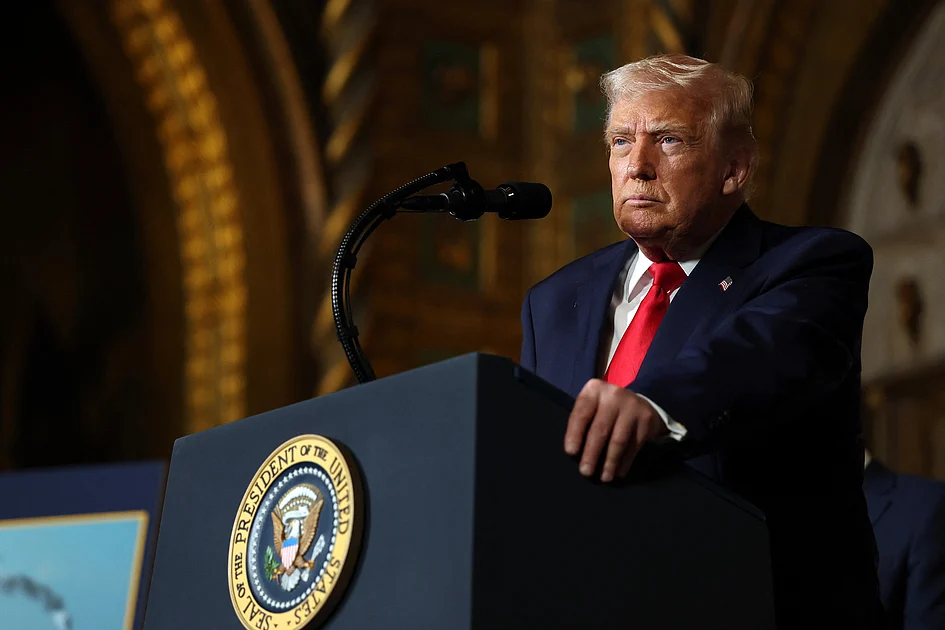
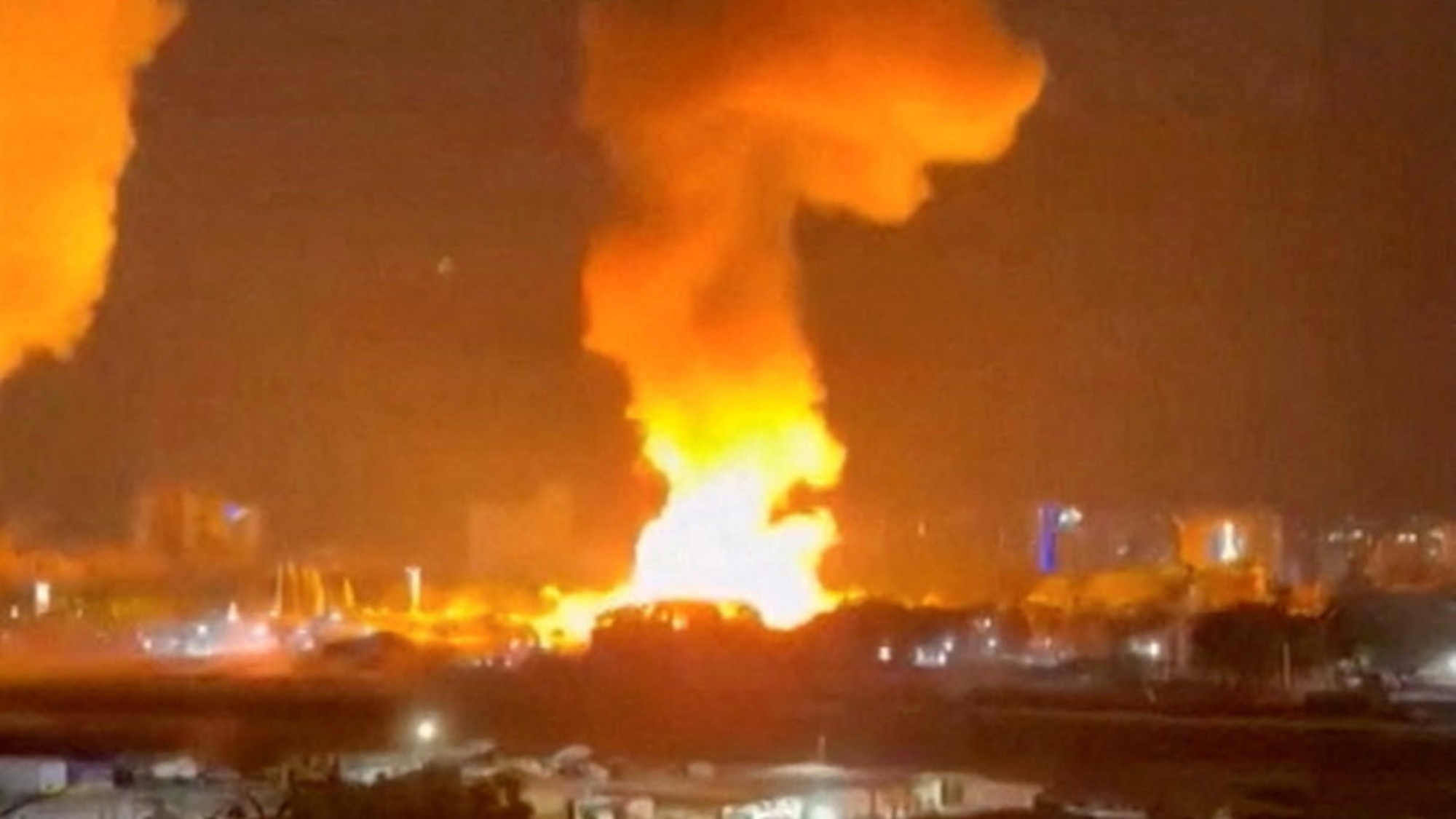
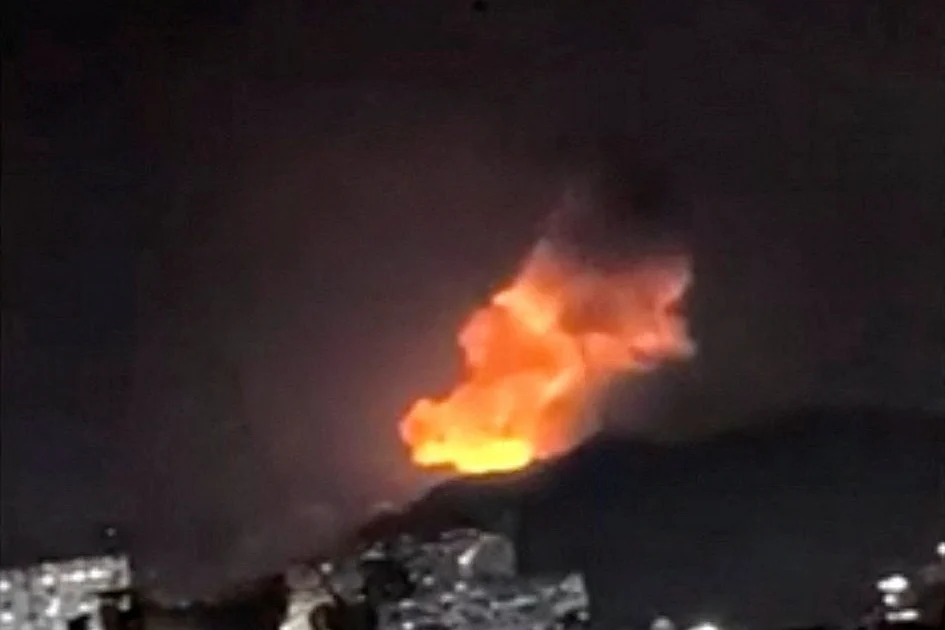
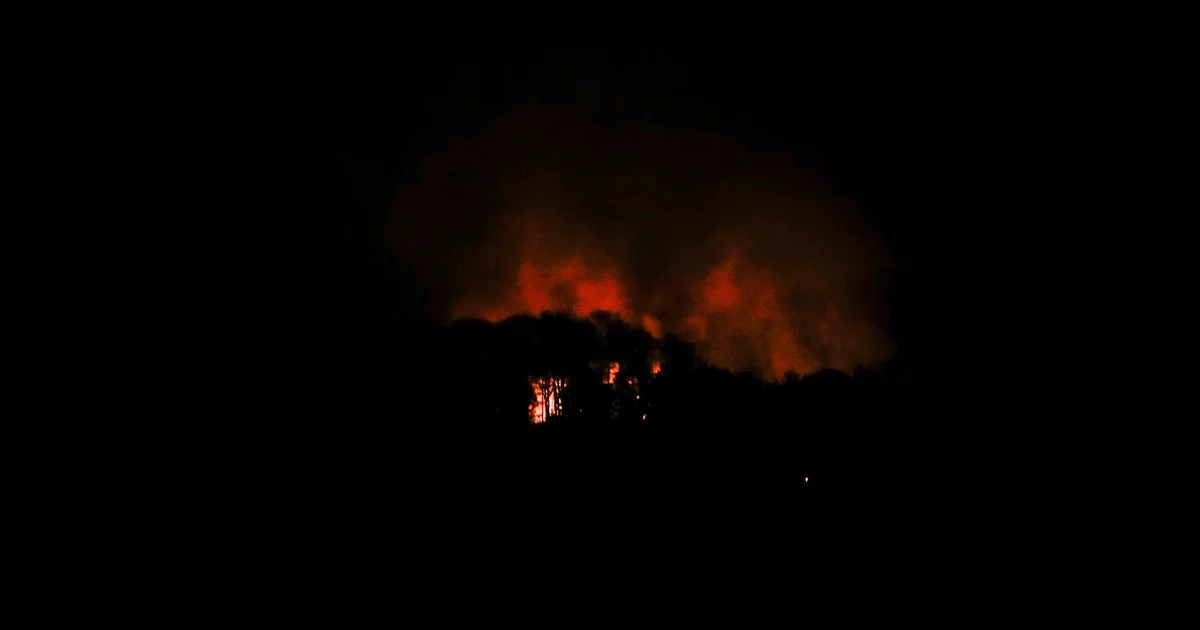
    Multiple powerful explosions struck the Venezuelan capital of Caracas on Saturday, January 3rd, 2026, creating widespread panic and confusion throughout the city. The incident occurred amid escalating tensions between Venezuela and the United States, with former U.S. President Donald Trump immediately claiming responsibility for the blasts, characterizing them as authorized American military strikes.

    Eyewitnesses reported hearing successive detonations across different districts of Caracas, with plumes of smoke visible rising above the metropolitan area. Venezuelan authorities have yet to release an official statement regarding the nature of the explosions or possible casualties. Emergency services were deployed throughout the city as residents sought shelter amid the chaos.

    The situation represents a significant escalation in the ongoing political confrontation between the two nations. Trump’s assertion of U.S. involvement, made through his preferred communication channels, directly contradicts established diplomatic protocols and raises serious questions about the nature of military engagement between the countries. International observers are monitoring the situation closely, with many world leaders calling for restraint and verification of the claims.

    This development occurs against the backdrop of prolonged political instability in Venezuela and complicated U.S.-Venezuela relations that have spanned multiple American administrations. The international community awaits official confirmation from both governments regarding the precise nature of the explosions and the validity of the claims being made.

  • Ouster of Maduro government sparks celebrations among Venezuelans in South Florida

    Ouster of Maduro government sparks celebrations among Venezuelans in South Florida

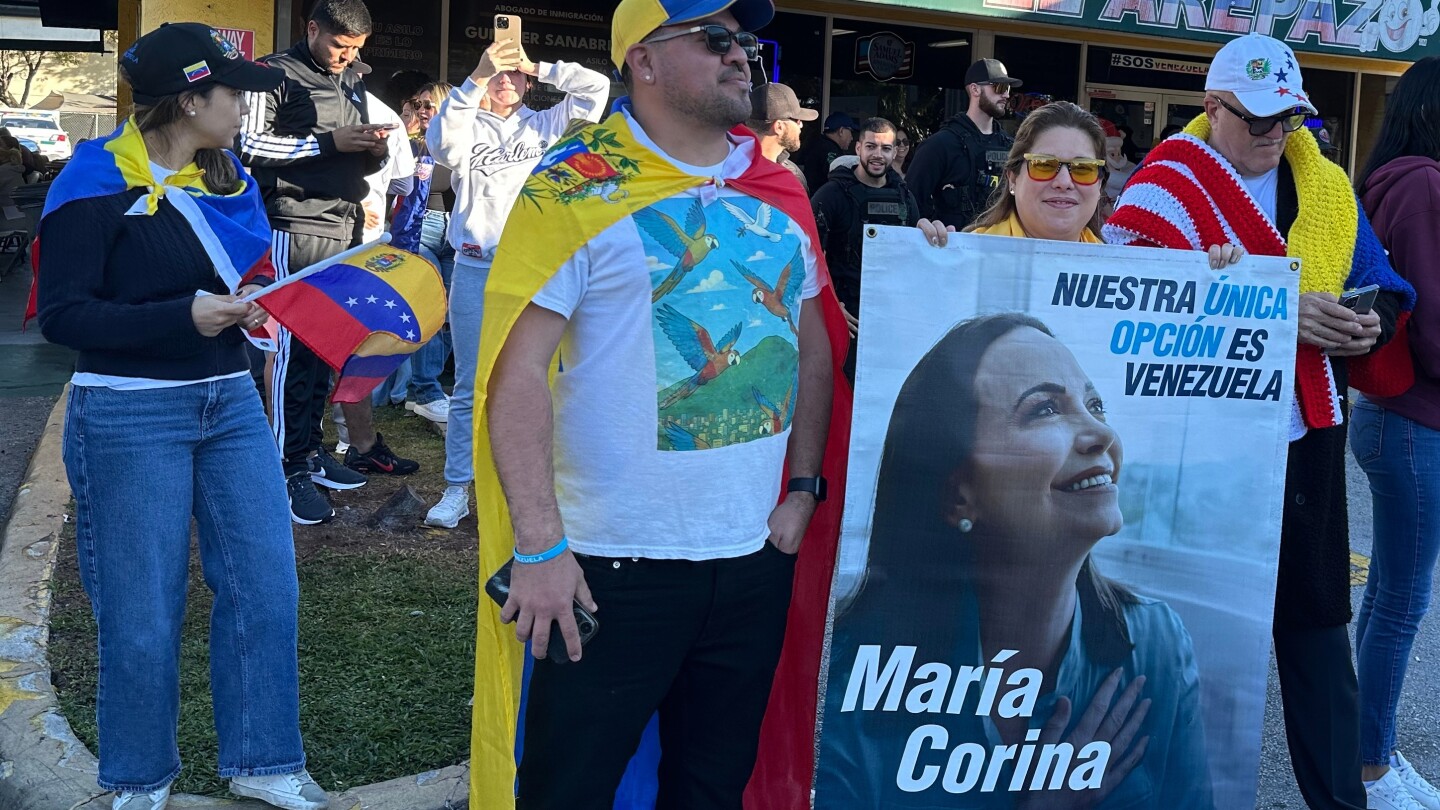
    SOUTH FLORIDA — Venezuelan expatriates across South Florida erupted in emotional celebrations Saturday as news spread of Nicolás Maduro’s dramatic capture and removal from power through American military intervention. The atmosphere in Doral—a Miami suburb with deep Venezuelan ties and home to one of the largest exile communities—became a vibrant tapestry of national flags and cathartic chanting as decades of political anguish momentarily gave way to triumphant relief.

    The gathering outside El Arepazo restaurant, a cultural hub for Venezuelans, embodied the complex emotional landscape of a diaspora witnessing unprecedented change. Participants held handmade signs bearing the word ‘Libertad’ (liberty) while voices united in repeated chants of ‘Liberty! Liberty! Liberty!’—a powerful expression of hope for their homeland’s future.

    President Donald Trump confirmed the operation’s success, stating the U.S. government would temporarily administer Venezuela during the transition period. This development represents the culmination of an intensifying pressure campaign against Maduro’s regime and weeks of strategic planning targeting the leader’s behavioral patterns.

    The Venezuelan diaspora in South Florida represents a microcosm of the broader exile experience. Initial waves of upper-middle-class professionals and entrepreneurs arrived following Hugo Chávez’s election in the late 1990s, followed by political dissidents and, more recently, lower-income refugees seeking economic stability. This community of approximately 8 million Venezuelans who have fled since 2014 includes naturalized citizens, asylum seekers, and undocumented immigrants with American-born children.

    Niurka Meléndez, who fled Venezuela in 2015 and co-founded Venezuelans and Immigrants Aid in New York, characterized the intervention as ‘the start of the justice we need to see.’ She described her homeland as having reached a ‘breaking point’ due to systematic repression, humanitarian crises, and widespread fear, while emphasizing that Maduro’s removal creates ‘the possibility, not a guarantee, for recovery.’

    The celebrations were tempered by underlying anxieties about Venezuela’s future trajectory. Alejandra Arrieta, a Venezuelan immigrant since 1997, captured the collective emotional complexity: ‘We’re like everybody—it’s a combination of feelings. There’s fears. There’s excitement. There’s so many years that we’ve been waiting for this.’

  • Venezuelan capital quiet, streets emtpy after US strike

    Venezuelan capital quiet, streets emtpy after US strike

    The Venezuelan capital remained in a state of suspended animation Saturday as residents emerged from a night of unprecedented military action that resulted in the capture of President Nicolás Maduro by US special forces. A palpable tension hung over Caracas, where the acrid scent of explosives lingered hours after pre-dawn strikes targeted key military installations.

    The operation commenced approximately at 2:00 AM local time, unleashing a series of powerful detonations that initially confused residents. María Eugenia Escobar, a 58-year-old resident, described being jolted from sleep by the force of explosions. ‘I felt the explosions lift me out of bed. In that instant I thought: My God, the day has come,’ she recounted to AFP correspondents.

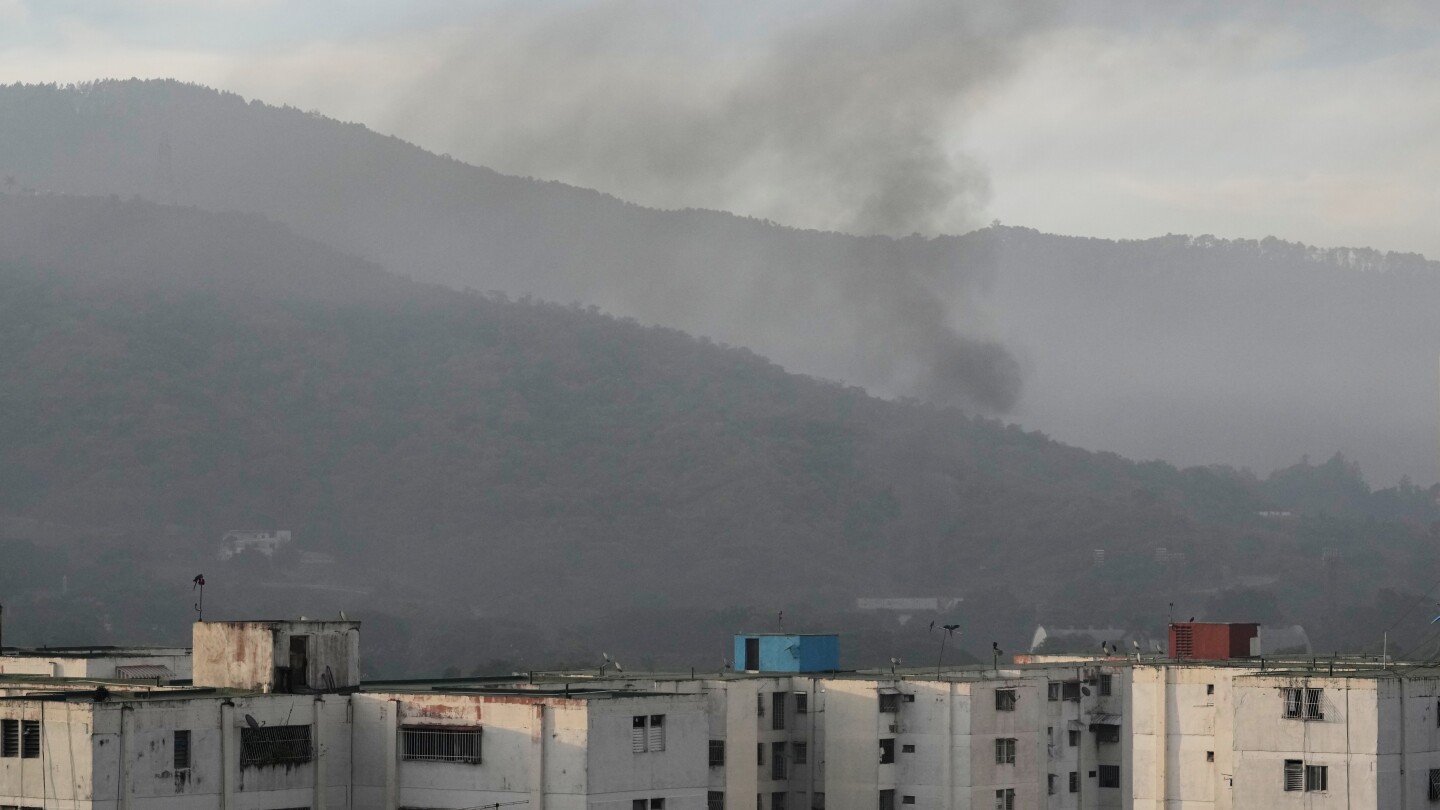
    Military aircraft roared over residential neighborhoods while shockwaves rattled windows throughout the city. Witnesses reported substantial columns of smoke rising from multiple locations including La Guaira, Caracas’s primary airport and port facilities, alongside military complexes in Maracay and Higuerote.

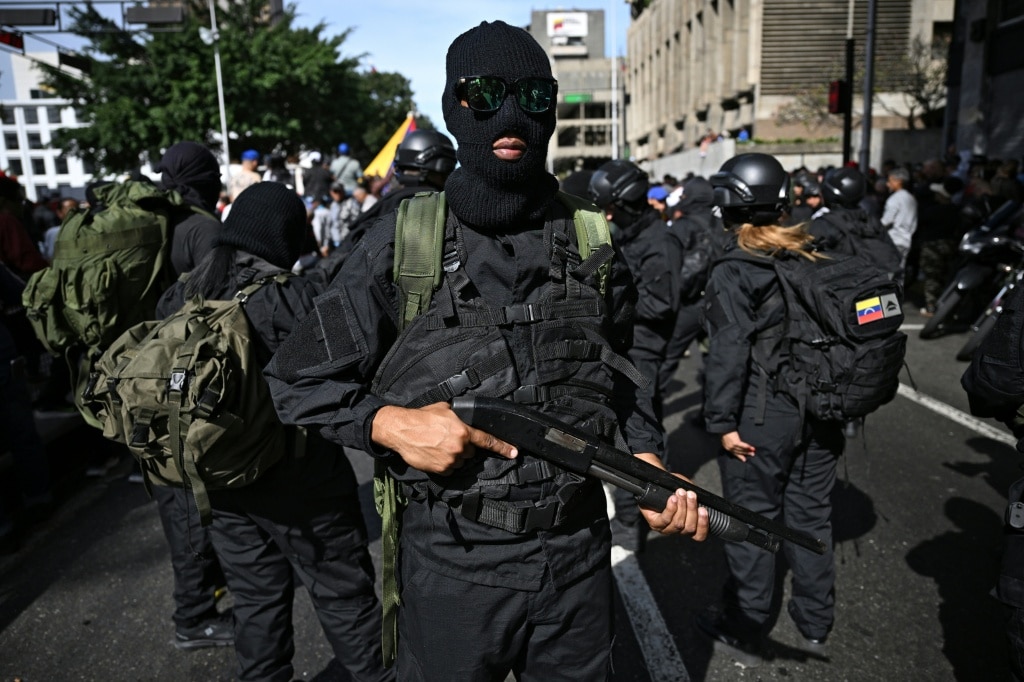
    The city’s normally vibrant streets presented an eerie tableau of abandonment, with minimal vehicular traffic and most commercial establishments shuttered. The few citizens venturing outside encountered heavily armed security patrols monitoring movement across urban centers.

    Despite the overwhelming military presence, several hundred loyalists to the deposed leader congregated at impromptu rallies, chanting revolutionary slogans and demanding information regarding Maduro’s whereabouts. Protestor Katia Briceno, a 54-year-old academic, condemned the intervention as ‘barbarism,’ questioning the legitimacy of foreign forces removing a national leader.

    US President Donald Trump confirmed the successful extraction of Maduro, who now faces prosecution in New York federal courts. Trump emphasized the operation concluded without American casualties while leaving Venezuelan military losses unquantified. The Defense Ministry, under General Vladimir Padrino Lopez, accused US forces of employing combat helicopters to strike civilian residential areas with missile and rocket fire.

    Political uncertainty grips the nation as Trump announced US administration of Venezuela pending political transition. Contrary to expectations, Trump dismissed opposition leader Maria Corina Machado as a viable successor, instead suggesting potential collaboration with Maduro’s deputy Delcy Rodriguez to facilitate Venezuela’s reconstruction.

  • US says Venezuelan President ‘captured, flown out’ of country after ‘large-scale strike’

    US says Venezuelan President ‘captured, flown out’ of country after ‘large-scale strike’

    In an unprecedented military escalation, the United States has confirmed executing large-scale strikes against Venezuelan targets, resulting in the alleged capture and extraction of President Nicolás Maduro and his wife from the country. The operation, announced by former President Donald Trump via Truth Social on Saturday, represents the most direct U.S. military intervention in Latin America since the 1989 Panama invasion.

    According to Venezuelan authorities, the capital Caracas and surrounding regions experienced severe explosions accompanied by aircraft activity around 2:00 AM local time (0600 GMT). The government condemned the actions as ‘extremely serious military aggression’ and immediately declared a national state of emergency while mobilizing defense forces.

    The strikes reportedly extended beyond Caracas to multiple regions including Miranda, Aragua, and the coastal state of La Guaira—home to Venezuela’s primary airport and port facilities. The Trump administration has consistently accused Maduro’s government of operating a ‘narco-state’ and facilitating drug trafficking to the United States, allegations Venezuela denies while maintaining that Washington seeks control over its vast oil reserves.

    International reaction emerged swiftly, with Colombian President Gustavo Petro calling for an emergency United Nations session to address the military action. The development follows months of heightened tensions between the two nations, with the U.S. previously targeting vessels allegedly transporting narcotics from South American waters.

  • Trump says Maduro ‘captured’ as US bombs Venezuela

    Trump says Maduro ‘captured’ as US bombs Venezuela

    In a dramatic escalation of tensions, former U.S. President Donald Trump declared on his Truth Social platform that American military forces had successfully captured Venezuelan President Nicolás Maduro during a series of large-scale strikes within Venezuela. Trump asserted that Maduro and his wife, Cilia Flores, had been extracted from the country by U.S. forces.

    The announcement followed reports of significant explosions near key civilian and military installations in Caracas, as well as in the states of La Guaira, Aragua, and Miranda. According to U.S. officials speaking to CBS News, the high-risk operation was executed by the elite Delta Force unit, which Trump later praised as a ‘brilliant’ mission in communications with The New York Times.

    Venezuelan Vice President Delcy Rodríguez, who stands next in the line of succession, immediately challenged Trump’s claims, stating that the whereabouts of both Maduro and his wife were unknown. She publicly demanded that the U.S. provide verifiable proof that Maduro was alive and in their custody.

    The Venezuelan government reported numerous casualties from the attacks, though no specific death toll was immediately provided. U.S. authorities confirmed they sustained no American casualties during the operation.

    Contradictory narratives emerged regarding the circumstances of Maduro’s apparent removal. Sky News cited senior Venezuelan opposition sources suggesting Maduro’s exit had been ‘negotiated’ with the United States, while U.S. Senator Mike Lee of Utah stated on social media platform X that Secretary of State Marco Rubio anticipated ‘no further action in Venezuela now.’ Lee further revealed that Rubio informed him Maduro would face criminal charges in the United States.

    In response to the military action, Venezuelan Defense Minister Vladimir Padrino condemned the strikes as ‘the worst aggression’ against the nation and announced the full deployment of military forces across Venezuela, vowing to resist any foreign troop presence.

  • Venezuela denounces ‘extremely serious military aggression’ by US

    Venezuela denounces ‘extremely serious military aggression’ by US

    Venezuela has initiated a state of emergency following what President Nicolas Maduro’s administration characterizes as an act of severe military aggression by the United States against its capital. Early Saturday, Caracas was shaken by multiple explosions, with Reuters witnesses and social media footage documenting columns of black smoke and military aircraft activity over the city.

    The Venezuelan government issued a formal condemnation, stating it “rejects, repudiates, and denounces before the international community the extremely serious military aggression perpetrated by the current government of the United States of America.” The disturbances, commencing around 2:00 AM local time (0600 GMT), triggered a power outage in southern districts near a significant military installation, though the precise origins and locations remained initially unclear.

    This escalation follows a pattern of heightened tensions between the two nations. U.S. President Donald Trump has consistently advocated for ground operations in Venezuela and recently acknowledged conducting strikes on Venezuelan territory targeting alleged drug trafficking operations—marking Washington’s first confirmed land operations in the country. The White House and Pentagon have declined to comment on the latest developments.

    Colombian President Gustavo Petro amplified the crisis via social media, asserting “At this moment they are bombing Caracas” and urgently calling for immediate meetings of the Organization of American States and United Nations. Petro, while not disclosing his information sources, has historically opposed U.S. pressure tactics against Venezuela.

    The Trump administration has significantly increased military assets in the region, deploying an aircraft carrier, warships, and advanced fighter jets to the Caribbean. Additional measures include expanded sanctions, a naval blockade of Venezuelan waters, and over two dozen strikes on vessels allegedly involved in drug trafficking. Maduro maintains that these actions represent an attempt to orchestrate regime change to access Venezuela’s substantial oil reserves, while the U.S. justifies its operations as necessary to combat drug trafficking—claims consistently denied by Caracas.

  • Explosions heard in Venezuela’s capital Caracas at 2am

    Explosions heard in Venezuela’s capital Caracas at 2am

    Residents of Venezuela’s capital were awakened by powerful explosions in the early hours of Saturday, with detonations commencing around 2:00 AM local time (0600 GMT). An AFP correspondent confirmed the disturbances, noting accompanying sounds reminiscent of aircraft flyovers. The unexplained blasts continued for at least fifteen minutes, though their precise origin remained unverified.

    This development occurs against the backdrop of heightened military posturing from the United States. President Donald Trump revealed earlier this week that American forces had executed a targeted strike against a suspected Venezuelan narcotics trafficking facility. The operation, which Trump declined to attribute to either military or intelligence agencies, reportedly destroyed a coastal docking area allegedly used by drug-running vessels.

    The administration characterizes this as part of an intensified counter-narcotics campaign, marking potentially the first documented land-based offensive on Venezuelan territory. President Nicolás Maduro has maintained ambiguity regarding the alleged strike, neither confirming nor denying its occurrence. In a notable shift, Maduro expressed willingness to explore cooperative measures with Washington following sustained US military pressure.

    US officials have levied serious accusations against Maduro, alleging his direct involvement in narcotics operations—charges the socialist leader vehemently denies. Maduro contends that Washington’s true motivation involves regime change driven by Venezuela’s vast petroleum reserves, the largest globally verified.

    Recent US measures have included informal airspace restrictions, expanded economic sanctions, and authorized seizures of Venezuelan oil tankers. Since September, American forces have conducted numerous maritime strikes in Caribbean and Pacific waters, purportedly targeting drug smuggling operations. These actions have resulted in significant casualties, with US military reports acknowledging at least 107 fatalities across approximately 30 engagements.

    The legal basis for these operations remains subject to international debate, as the administration has not publicly substantiated its claims regarding the targeted vessels’ involvement in illicit activities.

  • Minor earthquake hits Musandam region, UAE’s NCM reports

    Minor earthquake hits Musandam region, UAE’s NCM reports

    The United Arab Emirates’ National Centre of Meteorology (NCM) documented a minor seismic event in the southern sector of the Musandam region on Saturday, January 3, 2026. According to official reports, the tremor registered a magnitude of 2.2 on the Richter scale and occurred precisely at 10:43 AM UAE local time.

    The Musandam peninsula, known for its strategic location at the Strait of Hormuz, occasionally experiences such low-intensity seismic activity due to its proximity to tectonic plate boundaries. The NCM, which maintains advanced monitoring systems across the region, confirmed the earthquake’s parameters through its seismic detection network.

    Geological experts emphasize that earthquakes of this magnitude typically cause no structural damage or human impact, often going unnoticed by the general population. The event occurred without any reports of aftershocks or subsequent seismic activity. Regional authorities have confirmed that no emergency protocols were activated following the tremor, and daily life continued without interruption throughout the affected area.

    The timely reporting by the NCM demonstrates the UAE’s sophisticated disaster preparedness capabilities and advanced meteorological monitoring infrastructure. Such precise documentation of minor seismic events contributes valuable data to the broader scientific understanding of regional geological patterns and enhances predictive modeling for potential future seismic activity.

  • 4 people killed after helicopter crashes in US state of Arizona: media

    4 people killed after helicopter crashes in US state of Arizona: media

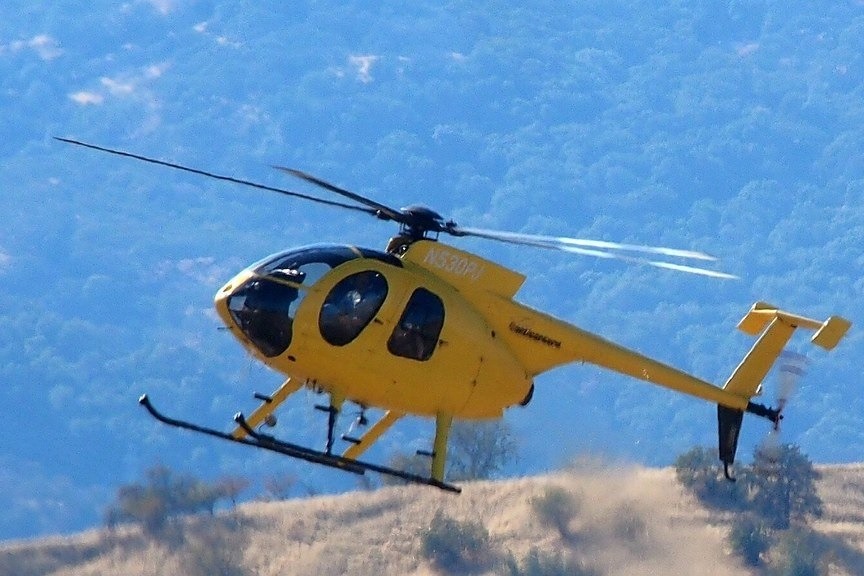
    A tragic aviation incident in the southwestern United States has resulted in multiple fatalities after a helicopter crashed in Arizona on Saturday. According to preliminary reports from local authorities, all four occupants aboard the aircraft perished upon impact.

    The crash occurred in a remote desert region, approximately 85 miles northwest of Phoenix, near the town of Wickenburg. Emergency response teams encountered significant challenges reaching the crash site due to the rugged terrain and limited accessibility. The Yavapai County Sheriff’s Office confirmed that first responders arrived at the scene shortly after receiving distress signals but found no survivors.

    Aviation safety investigators from the National Transportation Safety Board (NTSB) have deployed a specialized team to determine the cause of the catastrophic failure. Preliminary examination suggests the aircraft was a privately-owned Robinson R44 helicopter, though official identification of the model and victims remains pending thorough investigation.

    Meteorological data indicates favorable weather conditions at the time of the incident, with clear visibility and minimal wind interference. This development raises critical questions about potential mechanical failures or human error factors that might have contributed to the disaster.

    The fatal crash represents one of the deadliest aviation incidents in Arizona in recent years, highlighting ongoing concerns about regional aviation safety protocols. The NTSB investigation is expected to continue for several months, with a preliminary report anticipated within the next two weeks.