分类: world

  • Europe faces transport chaos as deadly cold snap persists

    Europe faces transport chaos as deadly cold snap persists

    A severe Arctic freeze continues to wreak havoc across Europe for a third consecutive day, plunging transportation systems into widespread chaos and resulting in tragic fatalities. The relentless cold snap, described as the most brutal of the winter season, has crippled major aviation hubs, stranded thousands of passengers, and claimed multiple lives.

    Air travel has been disproportionately affected, with Amsterdam’s Schiphol Airport emerging as a primary epicenter of disruption. Officials reported over 1,000 travelers were compelled to overnight within the terminal, while more than 700 flights were canceled with warnings of further interruptions. Similarly, Parisian aviation faced extreme duress; Charles de Gaulle Airport canceled over 100 flights, with an additional 40 axed at Orly Airport. Belgium’s Brussels Airport confirmed 40 cancellations, compounding continental travel misery.

    Ground transportation has fared no better. In a drastic measure, all public bus services across Paris and its metropolitan suburbs were indefinitely suspended due to perilously icy road conditions. The Eurostar rail service, a critical link between London and mainland Europe, experienced significant delays and cancellations, further isolating communities.

    The human cost of the extreme weather is mounting. Authorities have confirmed six weather-related fatalities across the continent. Five deaths occurred in France on Tuesday, while another woman perished in Bosnia amid heavy snowfall and catastrophic flooding that triggered widespread power outages throughout the Balkans.

    Vulnerable populations, particularly the homeless, are enduring immense hardship. Testimonies from individuals like 19-year-old Boubacar Camara from Guinea, who is sheltering in a tent in Paris, highlight the severe shock of the cold to those without adequate refuge. Meanwhile, meteorological agencies across nearly half of mainland France have issued high-alert warnings for heavy snow and black ice, with similar advisories active from Scotland to Sweden. Nordic nations are also grappling with the onslaught; eastern Sweden faces likely power cuts from heavy snow, and Danish authorities are urging extreme caution for necessary travel.
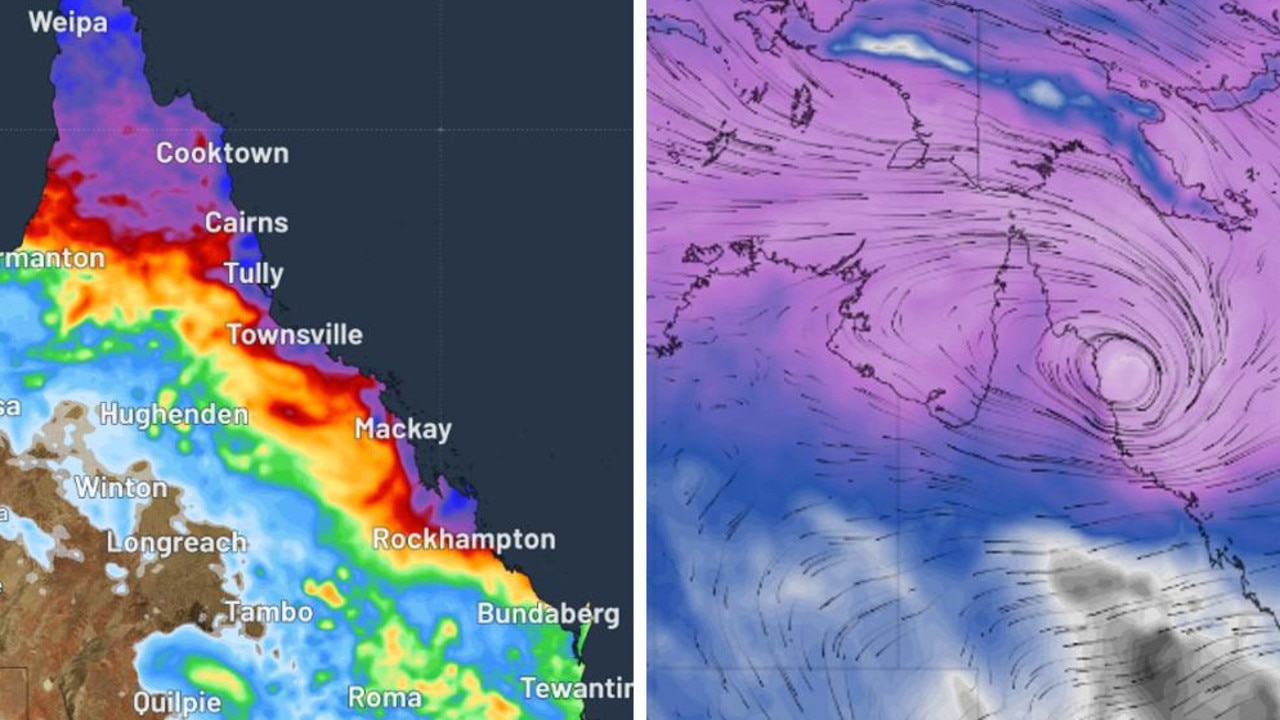

  • Heavy falls of 200mm+, wind gusts and flash flooding forecast as tropical low approaches Qld’s North Tropical Coast

    Heavy falls of 200mm+, wind gusts and flash flooding forecast as tropical low approaches Qld’s North Tropical Coast

    A significant tropical weather system is advancing toward Queensland’s northeastern coastline, placing millions of Australian residents under severe weather advisories. Meteorological authorities have issued alerts indicating potential rainfall exceeding 200mm in certain regions, accompanied by destructive wind gusts reaching 90km/h.

    The developing system, designated Tropical Low 12U, has formed within the Coral Sea and demonstrates a gradual westward trajectory toward coastal communities. While the Bureau of Meteorology indicates a 25-35% probability of cyclonic development by Friday, the immediate concern remains intense precipitation and powerful winds affecting coastal towns from Hope Vale to Hamilton Island.

    Forecast models project the most severe conditions developing throughout Friday and persisting into Saturday, with six-hour rainfall accumulations potentially reaching 150mm and isolated areas experiencing over 200mm. Concurrently, easterly wind systems are expected to generate sustained winds of 55-65km/h with significantly stronger gusts.

    This meteorological event compounds existing weather challenges across Queensland, where northwestern regions have already experienced substantial flooding. Preliminary reports indicate exceptional rainfall totals, including Cowley Beach recording 1284mm within a seven-day period and Townsville receiving over 500mm recently.

    Federal and state authorities have initiated disaster response measures, announcing a $38 million relief package targeting agricultural recovery and infrastructure repairs. Prime Minister Anthony Albanese emphasized coordinated government efforts to address both immediate response needs and long-term resilience building.

    Simultaneously, southeastern Australia confronts contrasting extreme conditions as heatwave alerts cover multiple regions and firefighters combat uncontrolled bushfires in Victoria. Emergency management officials have highlighted the compound risks presented by concurrent weather extremes across the nation.

  • Venezuela move draws condemnation

    Venezuela move draws condemnation

    The United States faces mounting international condemnation following its controversial military intervention in Venezuela and the apprehension of President Nicolas Maduro. During an emergency session of the United Nations Security Council on Monday, numerous nations denounced Washington’s unilateral actions as flagrant violations of the UN Charter and established international legal norms.

    UN Secretary-General Antonio Guterres expressed profound apprehension regarding the apparent disregard for international law demonstrated by Saturday’s military operation. He emphasized concerns about potential regional destabilization and the dangerous precedent set for future inter-state relations.

    Eritrean Permanent Representative Sophia Tesfamariam Yohannes characterized American actions as “a clear breach of international law and fundamental principles governing international relations.” Iranian Ambassador Amir Saeid Iravani went further, labeling the operation “state terrorism” and “a full-fledged act of aggression” that violated peremptory norms of international law.

    Venezuelan UN Ambassador Samuel Moncada appealed for decisive Security Council action, asserting that international peace can only be maintained through consistent application of international law without “double standards or selective interpretations.”

    The operation has drawn criticism even from traditional US allies. In Japan, political figures and media outlets warned that the intervention undermines international law and the postwar rules-based order. Opposition leader Yoshihiko Noda expressed “serious doubts” about the operation’s legal justification, while the Nikkei newspaper suggested it disregarded three core pillars of legal order: national sovereignty respect, congressional oversight, and the rules-based system.

    International legal scholar Hadi Rahmat Purnama from Universitas Indonesia cautioned that “applying national jurisdiction against other sovereign countries constitutes an act of war,” adding that Washington’s non-recognition of the Maduro government provides no legal basis for the apprehension.

  • Israel defies ceasefire with Gaza strikes

    Israel defies ceasefire with Gaza strikes

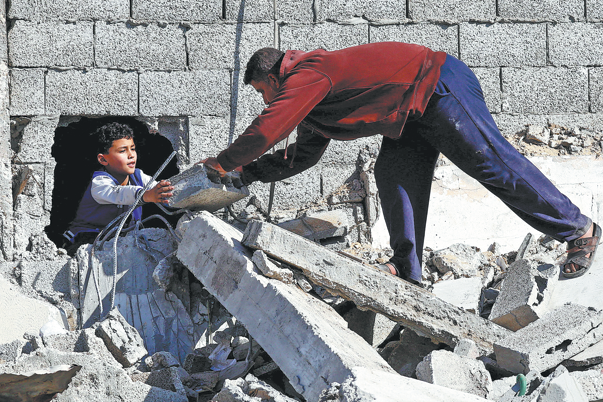
    Israeli military operations have resumed in the Gaza Strip with artillery and helicopter strikes targeting southern regions on Monday, directly violating the established ceasefire agreement. The attacks resulted in the deaths of a young girl and her uncle while injuring four others, including children, when a strike hit a civilian tent in the al-Mawasi area of Khan Younis.

    The Israel Defense Forces claimed via social media platform X that their operation targeted a Hamas terrorist allegedly planning an imminent attack against Israeli forces. However, no evidence was provided to substantiate this claim, and the military made no mention of the civilian casualties resulting from the strike.

    United Nations spokesperson Stephane Dujarric confirmed during a press briefing that Israeli airstrikes continued across multiple areas of Gaza, exacerbating an already severe humanitarian situation. The attacks coincide with destructive winter storms that have damaged critical infrastructure and placed additional strain on water, sanitation, and hygiene services.

    According to the UN Office for the Coordination of Humanitarian Affairs (OCHA), heavy rainfall has compromised damaged water infrastructure, raising water levels in Wadi Gaza and Sheikh Radwan lagoon. The humanitarian community is engaging with Israeli authorities to allow specialized equipment entry to operate dewatering pumps.

    While the UN reported meeting 100 percent of minimum caloric standards in Gaza for the first time since October 2023, concerns mount over Israel’s recent ban on 37 international NGOs operating in the territory. The organizations, accused of failing to comply with security requirements, collectively provide more than half of all food assistance, support 60 percent of field hospitals, and implement nearly three-quarters of shelter activities.

    A joint statement from 53 NGOs emphasized that humanitarian access must be measured by whether civilians receive appropriate assistance in the right place and time, warning that the ban threatens to severely impede critical aid delivery to Gaza’s civilian population.

  • Ex-CIA agent convicted of spying for Soviets dies in prison

    Ex-CIA agent convicted of spying for Soviets dies in prison

    Aldrich Hazen Ames, the former Central Intelligence Agency officer whose espionage for the Soviet Union stands as one of the most damaging breaches in American intelligence history, has died in federal custody at age 84. The Bureau of Prisons confirmed his death on Monday while serving a life sentence without parole.

    Ames leveraged his 31-year tenure as a counterintelligence analyst to compromise U.S. operations from 1985 to 1993, systematically betraying national secrets in exchange for over $2.5 million from Soviet and later Russian intelligence services. His disclosures led directly to the execution of at least a dozen U.S. assets operating within Soviet territory.

    Operating from his strategically sensitive position as head of the CIA’s Soviet branch, Ames provided Moscow with comprehensive intelligence, including the identities of double agents and highly classified operational details. The magnitude of his betrayal became apparent through his family’s conspicuously lavish lifestyle—maintaining Swiss bank accounts, purchasing luxury vehicles like a Jaguar, and accruing $50,000 in annual credit card expenditures.

    The exposure of Ames in 1994 triggered seismic repercussions across diplomatic and intelligence spheres. His actions deliberately misinformed three presidential administrations—Reagan, George H.W. Bush, and Clinton—regarding Soviet military capabilities through fabricated intelligence assessments. The subsequent investigation compelled the resignation of then-CIA Director James Woolsey and initiated sweeping institutional reforms under successor John Deutch.

    International relations deteriorated rapidly as the White House expelled Russian diplomat Aleksander Lysenko for alleged involvement, while Moscow dismissed the incident as American emotionalism. The Ames case remains a paradigm of Cold War espionage, alongside historical precedents like the Rosenbergs’ atomic secrets transmission and John Walker’s naval intelligence deciphering operations.

  • 55 Cuban, Venezuelan troops killed during US capture of Maduro: official tolls

    55 Cuban, Venezuelan troops killed during US capture of Maduro: official tolls

    A military operation conducted by United States forces in Caracas has resulted in the deaths of fifty-five Cuban and Venezuelan military personnel, according to official statements released by both nations. The incident occurred during a nighttime assault on January 3rd that led to the capture of Venezuelan leader Nicolás Maduro from his residence.

    Venezuelan Defense Minister Vladimir Padrino López characterized the operation as a brutal engagement, stating that Maduro’s presidential guard was largely eliminated ‘in cold blood’ by American troops who initiated bombardment in the capital city. The minister’s comments, delivered on Sunday, described the operation as disproportionate in its use of force.

    Cuba subsequently released the identities of thirty-two deceased military members, including three high-ranking officers from the country’s interior ministry. Simultaneously, Venezuela published an online memorial honoring twenty-three fallen personnel, among them five admirals from its naval forces.

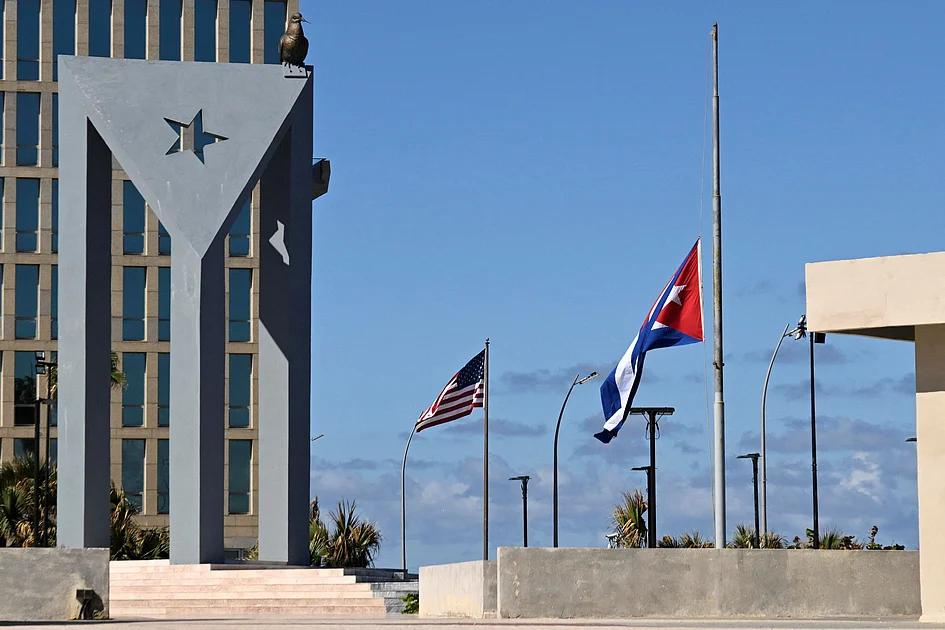
    The longstanding military cooperation between Cuba and Venezuela, maintained despite consistent pressure from Washington, represents a strategic alliance that has persisted through both the Chavez and Maduro administrations. This partnership extends beyond defense to include collaborative efforts in public health and educational exchanges, forming a cornerstone of leftist governance in the region.

    The operation marks a significant escalation in international tensions regarding Venezuela’s political leadership, which has faced sustained opposition from Western governments questioning the legitimacy of Maduro’s presidency since his controversial 2018 re-election.

  • As China sharpens Pacific kill chain US revives island airfields

    As China sharpens Pacific kill chain US revives island airfields

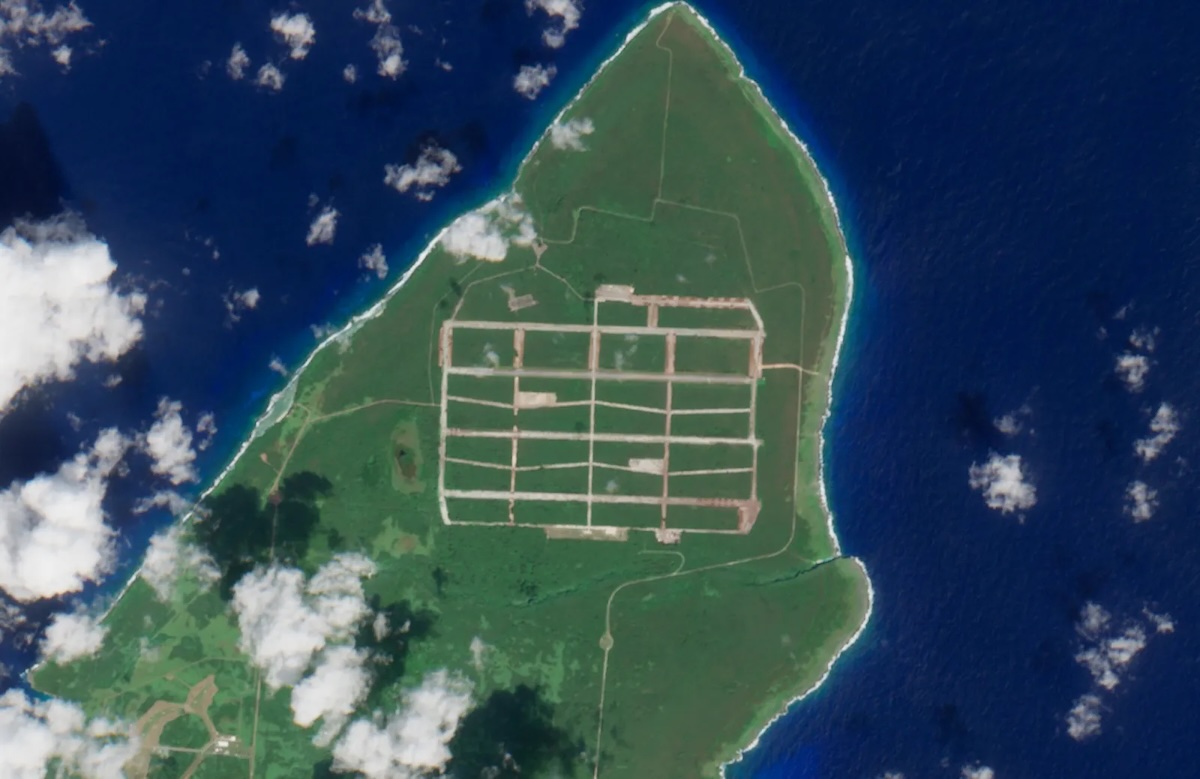
    The United States is undertaking a massive military engineering project across the Pacific theater, revitalizing World War II-era airfields in a strategic effort to counter China’s growing missile capabilities. This initiative, driven by the Air Force’s Agile Combat Employment (ACE) doctrine, seeks to disperse American airpower across numerous remote locations including Tinian, Guam, Palau, Micronesia, the Philippines, and Alaska.

    The strategic motivation stems from Pentagon assessments that China’s expanding ballistic missile arsenal could overwhelm critical US bases in Guam and Okinawa during the initial phases of a Taiwan conflict. By creating multiple operational airfields with pre-positioned fuel, munitions, and repair equipment, US planners aim to complicate Chinese targeting calculations and maintain combat operations even after initial attacks.

    However, military analysts express concerns about the viability of this dispersal strategy. China has tripled its intelligence, surveillance, and reconnaissance (ISR) satellite constellation since 2018, now operating over 359 dedicated ISR satellites. This network, combined with over-the-horizon radar capable of detecting aircraft up to 3,000 kilometers away, provides China with unprecedented tracking capabilities across the Pacific.

    Simulations from the Center for Strategic and International Studies indicate devastating potential losses: approximately 300-500 US aircraft could be destroyed within the first weeks of conflict, with 90% of these losses occurring on the ground before aircraft can disperse. Chinese strikes could render Japanese airbases inoperable for up to 12 days and eliminate aerial refueling capabilities for over a month, potentially granting China a critical window of air superiority.

    Concurrently, China has been expanding its presence in Oceania through port and airfield investments in Solomon Islands, Fiji, and Samoa, enhancing its military reach and monitoring capabilities. The US response includes strengthening compacts of free association with Micronesia, Palau, and the Marshall Islands, securing exclusive basing rights across vast Pacific territories.

    The ultimate success of the ACE strategy may depend less on technical agility and more on political access, ability to disrupt Chinese ISR networks, and sustained operations across an increasingly contested battlespace.

  • Nine dead in clashes between Syria govt, Kurdish forces in Aleppo

    Nine dead in clashes between Syria govt, Kurdish forces in Aleppo

    A violent confrontation between Syrian government troops and Kurdish-led forces in the northern city of Aleppo resulted in at least nine fatalities on Tuesday, marking one of the most severe outbreaks of hostilities between the factions in recent months. The clashes, which persisted throughout the night, primarily claimed civilian lives and have severely jeopardized a critical integration agreement.

    The conflict ignited in the early hours when factions aligned with the Damascus government allegedly targeted the Kurdish-majority neighborhood of Sheikh Maqsud, according to the US-backed Syrian Democratic Forces (SDF). The SDF reported that the assault involved indiscriminate artillery, missile strikes, drone deployments, and direct sniper fire. By nightfall, the death toll in the districts of Sheikh Maqsud and Ashrafiyeh had risen to four civilians, including two women and a child.

    In a sharp rebuttal, Syria’s defence ministry, via the state news agency SANA, accused the SDF of initiating the violence by shelling government-adjacent neighborhoods. Official reports claimed five fatalities from SDF fire: four civilians, one of them a child, and a ministry of defence employee. The agriculture ministry further stated that two of the deceased were workers at a research centre, condemning the SDF for undermining the March 10 integration accord.

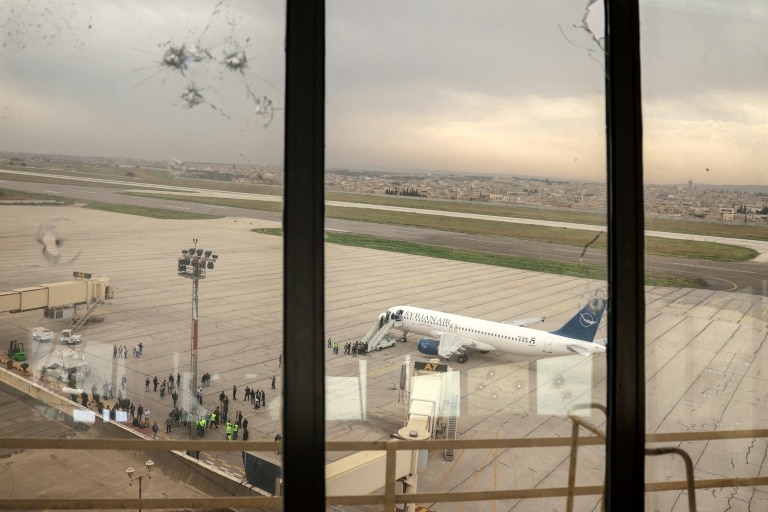
    The repercussions of the fighting extended beyond the immediate casualties. Syrian civil aviation authorities suspended all flights at Aleppo’s international airport for 24 hours, diverting air traffic to Damascus. The provincial governor announced the closure of schools, universities, and government offices for Wednesday, citing the targeting of medical facilities and public institutions.

    This flare-up represents a significant setback for the March agreement, which aimed to merge the SDF’s semi-autonomous administration and military apparatus into Syria’s new Islamist government by the end of 2025. Implementation has largely stalled, with the Kurds advocating for decentralized rule—a concept firmly rejected by the central authorities in Damascus.

    The international dimension of the conflict was also highlighted. In Ankara, Turkish Defence Minister Yasar Guler issued a stern warning, demanding that the SDF and its affiliated groups, which Turkey views as terrorist entities linked to the PKK, immediately lay down their weapons. Turkey, a key ally of Syria’s new government, has conducted multiple military operations along its 900-kilometer border with Syria to push Kurdish forces back from its frontier.

  • BBC looks into the relationship between Cuba and Venezuela

    BBC looks into the relationship between Cuba and Venezuela

    The BBC has initiated a comprehensive examination of the intricate bilateral relationship between Venezuela and Cuba, with on-the-ground correspondent Will Grant providing expert analysis on this geopolitically significant alliance. This partnership, often described as a cornerstone of Latin American leftist solidarity, represents one of the most strategically important relationships in the Western Hemisphere.

    The Venezuela-Cuba dynamic operates through a well-established framework of reciprocal exchange that has evolved over decades. Venezuela provides Cuba with substantially discounted petroleum resources, which serve as a critical economic lifeline for the Caribbean nation amidst ongoing trade restrictions. In return, Cuba dispatches thousands of medical professionals, educational specialists, and security advisors to Venezuela, creating an interdependence that has weathered numerous political and economic challenges.

    This symbiotic relationship traces its origins to the personal rapport between the late Venezuelan President Hugo Chávez and Cuban revolutionary leader Fidel Castro, whose shared ideological vision forged an alliance that has persisted through leadership transitions in both nations. The partnership has consistently defied conventional diplomatic norms, maintaining resilience despite fluctuating global oil prices, international sanctions, and changing political landscapes across Latin America.

    The BBC’s investigation comes at a pivotal moment as both nations navigate complex economic circumstances and evolving international relations. The analysis provides crucial insights into how this bilateral relationship continues to influence regional politics, economic cooperation models, and geopolitical alignments throughout Latin America and beyond.

  • Swiss bar fire: Remains of UAE resident repatriated with honours

    Swiss bar fire: Remains of UAE resident repatriated with honours

    The remains of Emanuele Galeppini, a 17-year-old Italian student and promising golfer residing in Dubai, were repatriated to Italy with full military honors on Monday. Galeppini was among the 40 victims of a catastrophic New Year’s Eve fire that erupted at a popular bar in the exclusive Swiss ski resort of Crans-Montana.

    The tragic incident occurred during a celebratory event when an explosion, potentially ignited by sparkler candles placed on bottles too close to the ceiling, triggered a devastating flashover. This phenomenon caused the fire to engulf the entire enclosed space within seconds, resulting in significant casualties. Swiss authorities confirmed that all victims and 116 injured individuals have now been formally identified.

    Galeppini was returned to his homeland alongside four other Italian nationals who perished in the blaze: Achille Barosi and Chiara Costanzo from Milan, Giovanni Tamburi from Bologna, and another victim from Genoa. A military aircraft transported the coffins to Milan, where armed forces personnel rendered solemn salutes during the dignified transfer ceremony.

    The young golfer, ranked 3,454th in the world amateur golf rankings, was remembered by the Italian Golf Federation as “a young athlete who carried passion and authentic values with him.” The federation released an official statement expressing profound grief and extending condolences to his family and the wider sporting community.

    Tributes have emerged internationally, particularly from the United Arab Emirates where Galeppini had established his home. Stephen Deane, Dubai Golf Head International Development Coach who mentored Galeppini for several years, described him to Khaleej Times as both exceptionally talented and remarkably kind-hearted, emphasizing his genuine concern for others.

    While Italian officials and media have publicly confirmed the young athlete’s passing, Swiss police investigators continue their ongoing examination into the precise causes and circumstances surrounding one of Switzerland’s deadliest nightlife disasters in recent history.