分类: world

  • Oman: Man arrested for murder; legal procedures underway

    Oman: Man arrested for murder; legal procedures underway

    Omani authorities have confirmed the arrest of an African national in connection with a homicide case that occurred at an agricultural facility in North Batinah Governorate. The Royal Police of Oman disclosed on January 7, 2026, that both the alleged perpetrator and deceased victim were determined to be working illegally within the Sultanate’s agricultural sector.

    Investigative findings indicate the violent incident resulted from an altercation between workers employed without proper documentation at the farm. Police reports confirm both individuals shared the same African nationality, though specific country origins remain undisclosed by authorities.

    This case marks the second major homicide involving migrant workers in Oman within six months. In July 2025, Omani police detained a Bangladeshi national in the Wilayat of Sur following the fatal stabbing of another Bangladeshi citizen, an incident handled by the South Al Sharqiyah Governorate Police Command.

    The Royal Police emphasized that standard legal procedures are currently being finalized for the North Batinah case. Oman maintains strict regulations regarding foreign labor, with illegal employment situations occasionally leading to tensions within migrant communities. The Sultanate has been working to balance its labor market needs with proper immigration enforcement amid growing agricultural and construction sectors that frequently employ foreign workers.

  • Australia tells citizens to leave Iran due to violent protests

    Australia tells citizens to leave Iran due to violent protests

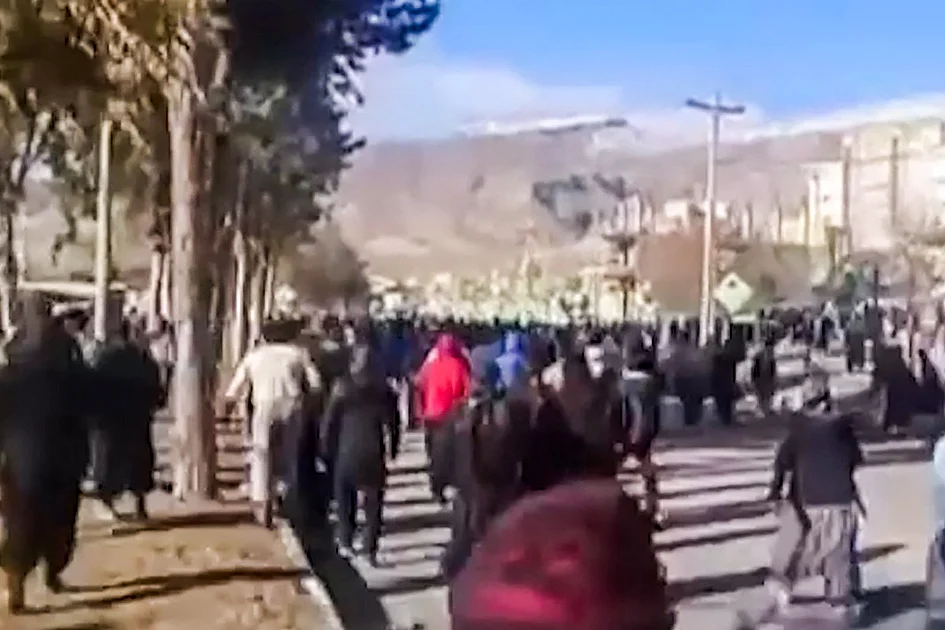
    The Australian government has escalated its travel advisory for Iran, issuing an urgent directive for all citizens to depart the country immediately. The updated warning, published on Wednesday, cites rapidly deteriorating security conditions stemming from widespread violent protests across the nation.

    Official government channels emphasized the extreme volatility of the situation, noting that the ongoing civil unrest ‘may further escalate without notice.’ The advisory specifically instructs Australian nationals currently in Iran to arrange for their departure ‘as soon as possible’ due to the unpredictable and potentially dangerous environment.

    The travel warning highlights concerns about the Iranian government’s response to the protests and the potential for sudden escalations in violence. Australian authorities have expressed particular apprehension about the possibility of foreign nationals becoming inadvertently caught in clashes between security forces and demonstrators.

    This advisory represents one of the strongest warnings issued by Australia regarding travel to Iran, reflecting growing international concern about the stability of the region. The government has recommended that citizens monitor local media for developments and register their whereabouts with Australian diplomatic missions if they must remain in the country.

    The updated travel guidance comes amid reports of increased tensions throughout Iran, with protests reportedly addressing various social and political grievances. Other nations are monitoring the situation closely, with several expected to review their own travel advisories for the region in response to the evolving security landscape.

  • US military seizes Russian-flagged oil tanker M/T Sophia in North Atlantic

    US military seizes Russian-flagged oil tanker M/T Sophia in North Atlantic

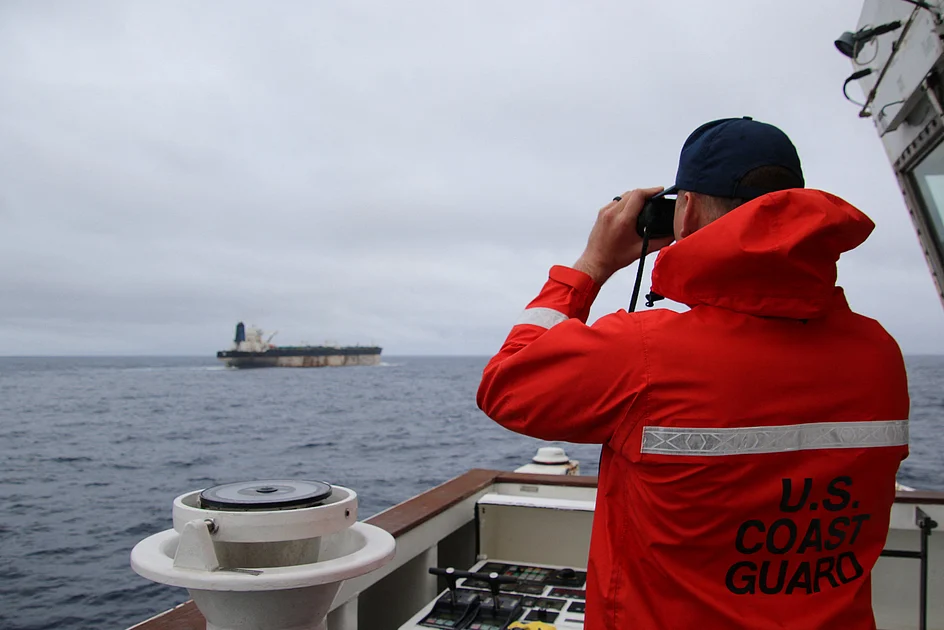
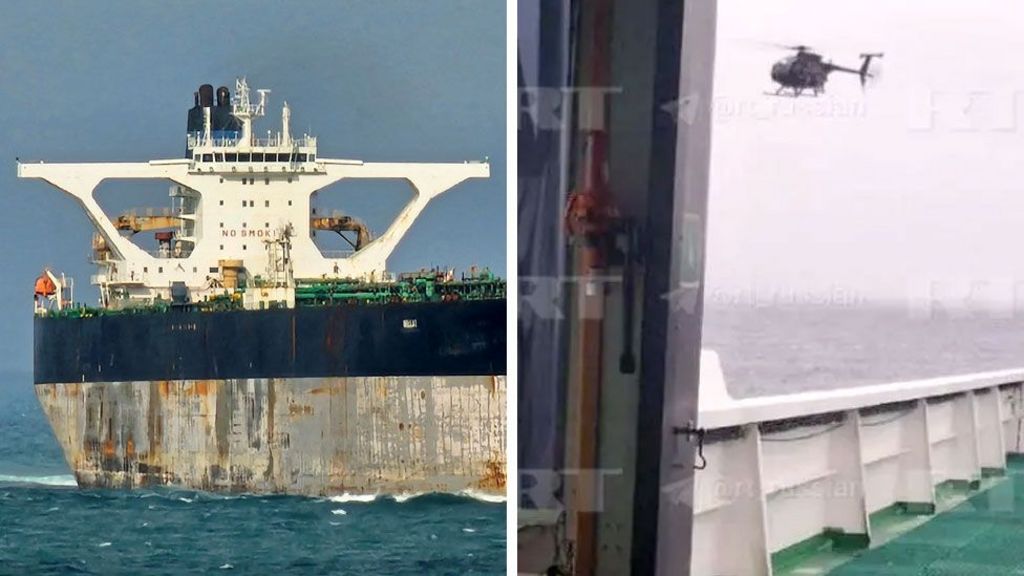
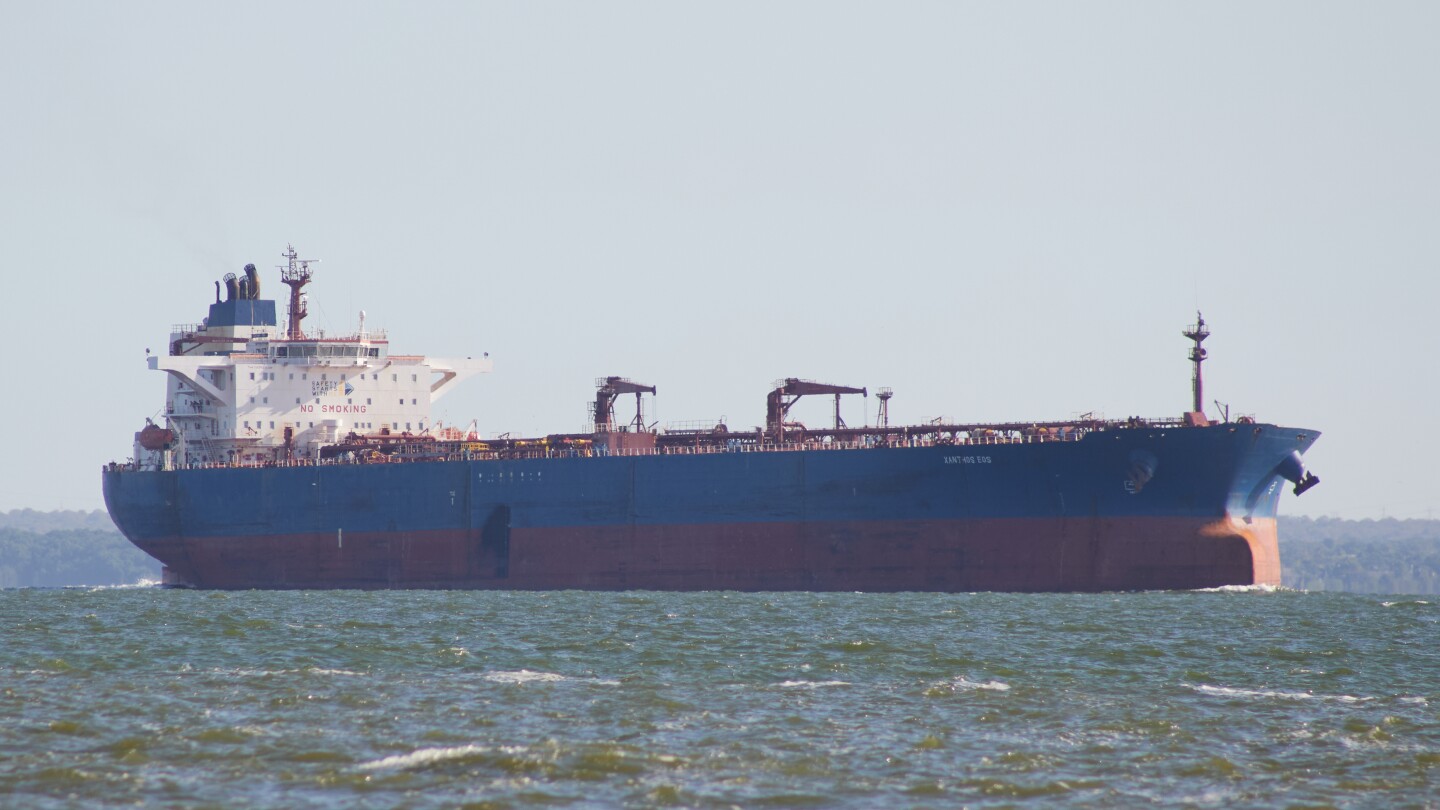
    In a significant escalation of maritime enforcement operations, the United States military has confirmed the seizure of the Russian-flagged oil tanker M/T Sophia in the North Atlantic Ocean. The vessel was apprehended on Wednesday following an extensive multi-week pursuit by American forces for alleged violations of international sanctions.

    The operation was conducted as a collaborative effort between the Department of Homeland Security and U.S. military personnel, according to an official statement from U.S. European Command posted on social media platform X. The tanker had previously evaded boarding attempts near Venezuelan waters before its eventual capture in international waters.

    This seizure occurs within the context of heightened geopolitical tensions following the deposition of Venezuelan leader Nicolas Maduro. Washington has implemented a comprehensive blockade strategy targeting sanctioned vessels operating near the South American OPEC member nation. The U.S. Coast Guard and military forces had been pursuing this particular tanker since last month when it refused compliance with boarding procedures while sailing under the Russian flag.

    The interception operation carried substantial diplomatic risks as Russian submarine and naval vessels were operating in proximity to the pursuit area after the two-week Atlantic chase. Moscow, which has consistently condemned U.S. actions regarding Venezuela and maintains existing tensions with Western nations over the Ukraine conflict, has characterized the seizure as provocative.

    In a related development, U.S. authorities have simultaneously intercepted another fully-loaded tanker with connections to Venezuela near the northeastern coast of South America. This marks at least the fourth such enforcement action in recent weeks, signaling an intensified campaign to enforce sanctions through maritime interdiction operations.

  • US seizes two ‘shadow fleet’ tankers linked to Venezuelan oil

    US seizes two ‘shadow fleet’ tankers linked to Venezuelan oil

    In a significant escalation of sanctions enforcement, United States military forces have executed dual maritime interdictions targeting tankers associated with Venezuelan oil exports. The operations, conducted in both the North Atlantic and Caribbean Sea, represent the latest development in Washington’s campaign to restrict Caracas’s petroleum revenue streams.

    The Russian-flagged vessel Marinera was apprehended following an extensive two-week pursuit through waters between Iceland and Scotland. US personnel boarded the tanker with logistical support provided by the UK Royal Navy through aerial and naval assets. Concurrently, American forces seized the M/T Sophia in Caribbean international waters, alleging the vessel was engaged in ‘illicit activities.’

    These seizures occur amidst heightened tensions following the recent detention of Venezuelan President Nicolás Maduro by US special forces. Defense Secretary Pete Hegseth publicly affirmed that the ‘blockade of sanctioned Venezuelan oil remains in FULL EFFECT’ globally via social media.

    Moscow has formally protested the seizure of the Marinera, despite the vessel having received only ‘temporary permission’ to fly the Russian flag according to transport ministry officials. The Russian government demanded proper treatment of crew members and their prompt repatriation. Initial reports suggesting Russian submarine deployment to safeguard the tanker proved unsubstantiated as US forces encountered no resistance during boarding.

    The White House designated the intercepted vessel as ‘stateless’ due to alleged false flag representation, operating as part of Venezuela’s ‘shadow fleet’ with an existing judicial order against it.

    Secretary of State Marco Rubio revealed Venezuela’s cooperation regarding the Caribbean seizure, stating Venezuelan authorities recognize that ‘the only way they can move oil and generate revenue’ without economic collapse is through cooperation with the United States. This development follows President Donald Trump’s announcement that Venezuela would transfer up to 50 million barrels of oil valued at approximately $2.8 billion to US control.

    Rubio elaborated that confiscated petroleum would be sold at market rates, with proceeds managed to ‘benefit the Venezuelan people.’ The administration outlined a three-phase plan for Venezuela involving stabilization, recovery, and transition.

    Congressional response remains divided, with Senate Majority Leader Chuck Schumer demanding clarification regarding troop commitments and operational costs. The Senate prepares to vote on a bipartisan war powers resolution seeking to constrain military engagement in Venezuela without legislative approval.

    China, Venezuela’s primary oil customer in recent years, condemned US actions as threatening global energy security.

    US European Command confirmed the Marinera (previously named Bella 1) was boarded for ‘violations of US sanctions’ pursuant to a federal warrant. Britain’s Ministry of Defence characterized their participation as ‘in full compliance with international law’ supporting global sanctions enforcement.

    Maritime experts clarified that the vessel’s identity confusion stemmed from regulations prohibiting flag changes during voyages without legitimate ownership transfer. Under UN maritime law, stateless vessels remain subject to interdiction.

    US Southern Command separately announced the apprehension of the ‘stateless, sanctioned dark fleet’ tanker M/T Sophia, now being escorted to the United States for disposition. Homeland Security Secretary Kristi Noem described the coordinated pre-dawn operations targeting ‘ghost fleet’ vessels with recent Venezuelan port connections.

  • 180 tourists evacuated from Yemen’s Socotra to Jeddah as others await rescue

    180 tourists evacuated from Yemen’s Socotra to Jeddah as others await rescue

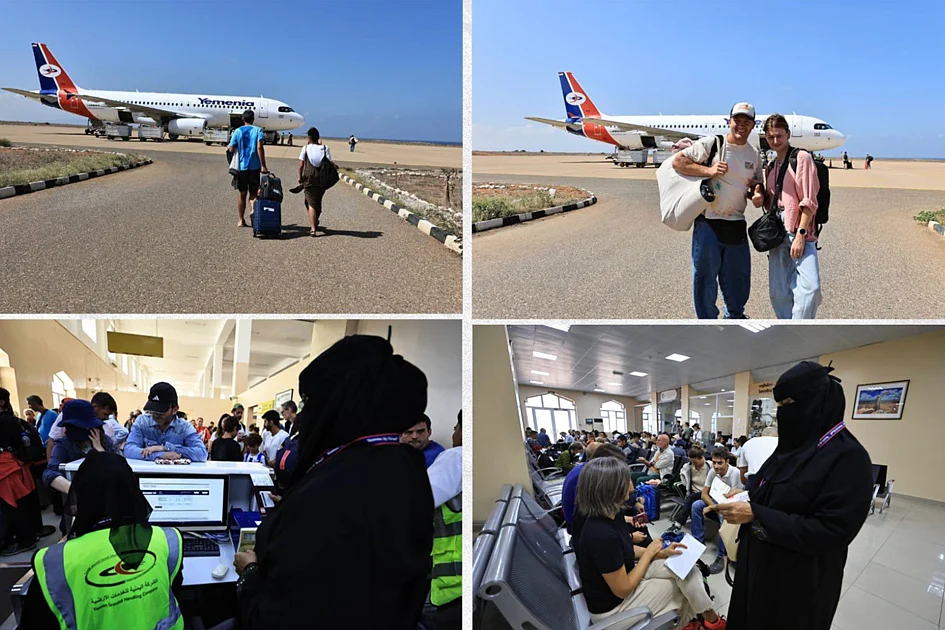
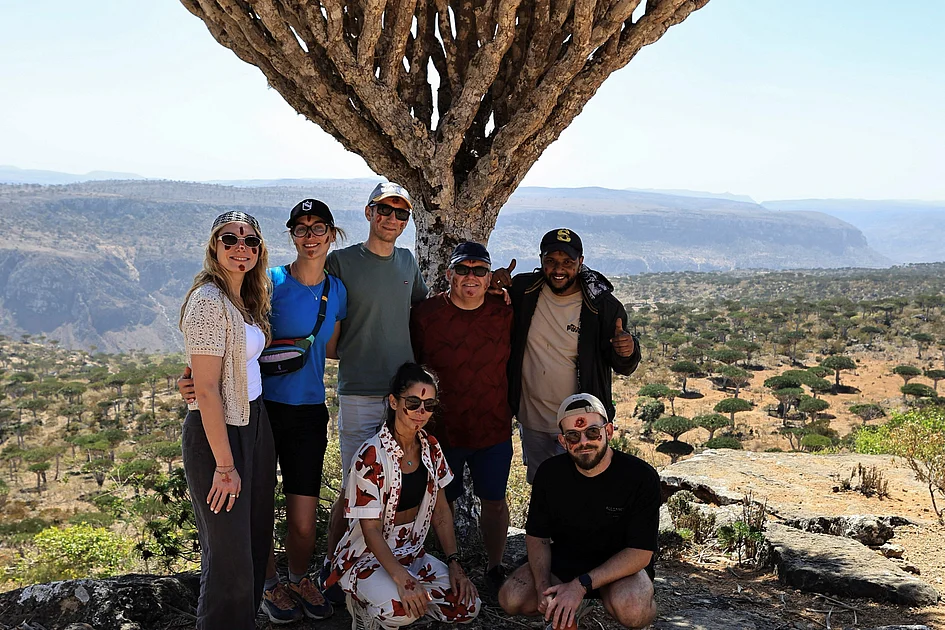
    Yemenia Airways has successfully evacuated 180 international tourists from the remote Socotra Archipelago to Jeddah, Saudi Arabia, marking a critical development in resolving the travel crisis caused by escalating regional tensions. The evacuation flight operated Wednesday represents the first major effort to restore air connectivity to the island paradise known for its unique biodiversity and pristine beaches.

    According to Moammar Al Eyrani, Yemen’s Minister of Information, Culture and Tourism, this operation signifies a pivotal step toward reestablishing international travel routes to Socotra. In an official statement, the minister praised Yemen’s national carrier for executing the evacuation and expressed hope that this would evolve into regular direct services between Socotra and Jeddah.

    The evacuation follows days of uncertainty for visitors who became trapped on the island when Yemeni authorities suspended all flights and closed exit ports due to deteriorating security conditions on the mainland. The exact number of remaining stranded tourists varies by source, with estimates ranging from 416 to approximately 600 individuals representing various nationalities including Russian, French, American, and British citizens.

    Minister Al Eyrani emphasized that future tourism development would be approached with careful consideration for environmental sustainability, prioritizing the protection of Socotra’s unique ecosystem while developing local infrastructure and economic opportunities.

    Situated approximately 300 kilometers south of Yemen’s coastline, Socotra has maintained relative tranquility throughout Yemen’s decade-long conflict. The island’s accessibility shifted significantly in December 2025 when the United Arab Emirates announced the withdrawal of its forces and the conclusion of counter-terrorism operations in Yemen, ending a military presence that had existed since 2018.

  • 11 Jordanian Umrah pilgrims injured in bus accident in Saudi Arabia

    11 Jordanian Umrah pilgrims injured in bus accident in Saudi Arabia

    A bus transporting Jordanian pilgrims met with an accident in Saudi Arabia’s Miqwa region on Wednesday morning, resulting in injuries to eleven citizens undertaking the Umrah pilgrimage. The Jordanian Ministry of Foreign Affairs and Expatriates confirmed the incident involved a vehicle carrying thirty-four Jordanian nationals.

    Jordanian diplomatic missions have activated comprehensive response protocols following the accident. The Operations and Consular Affairs Directorate, in coordination with Jordan’s Riyadh embassy and Jeddah consulate general, is maintaining continuous oversight of the situation. Officials are working closely with Saudi authorities to ensure optimal medical care and support for the injured pilgrims.

    Ambassador Fouad Al-Majali, official spokesperson for the ministry, emphasized the government’s commitment to providing all necessary assistance to affected citizens. “We are coordinating extensively with Saudi authorities to ensure our citizens receive the best possible care,” Al-Majali stated, while expressing official hopes for the pilgrims’ swift and complete recovery.

    The incident recalls previous transportation tragedies involving religious pilgrims in the region. In November 2025, a devastating bus crash in Saudi Arabia claimed forty-five lives, predominantly Indian pilgrims. That tragedy included multiple family members among the victims and affected long-term UAE residents undertaking their spiritual journey.

    This latest accident highlights ongoing transportation safety concerns for international pilgrims visiting Saudi holy sites. Both Jordanian and Saudi authorities continue to collaborate in addressing immediate medical needs while implementing measures to prevent similar incidents during religious pilgrimages.

  • Syria govt demands Kurdish fighters leave Aleppo neighbourhoods

    Syria govt demands Kurdish fighters leave Aleppo neighbourhoods

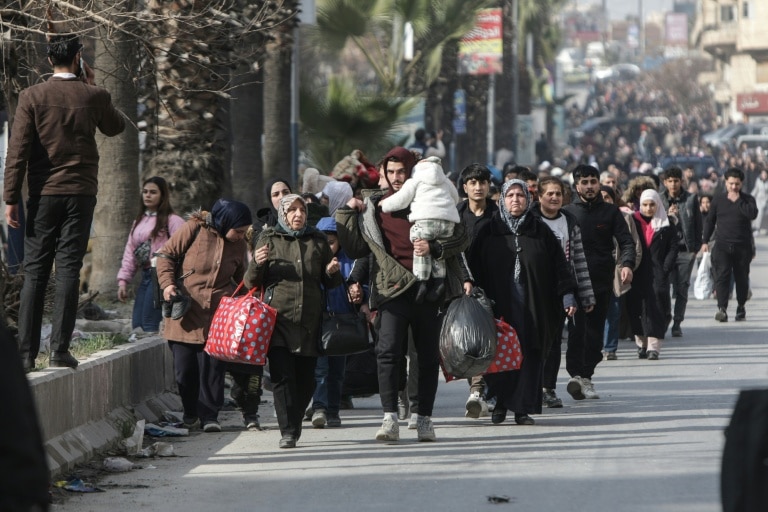
    Tensions in the northern Syrian city of Aleppo escalated dramatically this week as the Syrian government issued an ultimatum demanding Kurdish fighters evacuate their strongholds in the Sheikh Maqsud and Ashrafiyeh neighborhoods. The confrontation has triggered a severe humanitarian crisis, with thousands of civilians fleeing under artillery fire after the areas were declared closed military zones.

    The violence erupted on Tuesday, resulting in the deaths of at least 16 civilians and one defense ministry official. Both the Syrian government and the Kurdish-led Syrian Democratic Forces (SDF) have exchanged accusations regarding which party initiated the hostilities. In response to the crisis, Syrian authorities established humanitarian corridors, through which over 3,000 civilians were evacuated, many carrying their possessions and expressing despair after 14 years of continuous conflict.

    This military confrontation represents a significant breakdown of the March agreement that aimed to integrate the Kurdish semi-autonomous administration and its military forces into Syria’s new Islamist-led government structure by the end of 2025. The fundamental disagreement centers on governance models, with Kurdish leadership advocating for decentralized rule—a proposal firmly rejected by Damascus.

    Kurdish official Ilham Ahmed condemned the government offensive as a ‘genocidal war’ against the Kurds and called for a return to diplomatic solutions. Conversely, the SDF maintains they have no military presence in the affected neighborhoods and urged immediate cessation of what they described as aggression against innocent civilians.

    The United Nations has intervened diplomatically, with spokesperson Stephane Dujarric urging all parties to de-escalate tensions, exercise restraint, and protect civilian populations. The international body emphasized the importance of resuming negotiations to implement the previously agreed integration roadmap.

    The conflict has paralyzed normal life in Aleppo, with educational institutions, government offices, and the city’s airport suspending operations indefinitely. Residents in government-controlled areas reported the violence reviving traumatic memories of the city’s brutal siege during the civil war, with many expressing they have nowhere left to flee.

    This development threatens to reignite broader conflict across Syria, particularly concerning minority communities who remain wary of their security under the new authorities, following recent sectarian violence in Alawite and Druze regions that resulted in hundreds of casualties.

  • Hundreds of tourists stranded on Yemen’s Socotra Island after flights suspended

    Hundreds of tourists stranded on Yemen’s Socotra Island after flights suspended

    A state of emergency declaration and subsequent flight suspensions have left hundreds of international tourists stranded on Yemen’s remote Socotra Island, as regional conflicts escalate. The exact number of affected travelers remains disputed, with estimates ranging from 416 to 700 individuals representing various nationalities including Russian, French, American, British, Polish, and Lithuanian citizens.

    Situated approximately 300 kilometers south of Yemen’s mainland in the Indian Ocean, Socotra has historically remained insulated from the country’s decade-long civil war. The island’s UNESCO World Heritage status, unique biodiversity, and pristine beaches have made it an increasingly popular destination for adventure tourism despite Yemen’s ongoing humanitarian crisis.

    The current logistical crisis stems from recent geopolitical developments, including the United Arab Emirates’ withdrawal of its military presence and counter-terrorism units from Yemen in December 2025. This power shift has created transportation vulnerabilities for the island, which is now controlled by the Southern Transitional Council (STC) that has engaged in conflicts with Yemen’s central government.

    Stranded tourists report mounting concerns regarding financial limitations and essential services. With no functioning ATMs or electronic payment systems available, visitors face imminent cash shortages that threaten their ability to secure basic necessities. Many have expressed frustration over the lack of reliable information regarding evacuation timelines.

    Potential evacuation options include risky sea transport via cargo vessels to Salalah, Oman, or awaiting uncertain airlift operations. Recent reports from airport officials suggest possible Yemenia Airways flights to Aden and onward to Jeddah, Saudi Arabia, though these arrangements remain unconfirmed.

    The United States Department of State has reinforced its travel advisory against all travel to Yemen, noting the government’s inability to provide consular services to citizens in the region. Despite current physical safety, stranded tourists experience growing uncertainty about their repatriation timelines.

    Socotra’s transformation from isolated territory to tourist destination was largely facilitated by UAE-backed infrastructure development between 2018-2025, which modernized airport facilities and introduced essential services including electricity and clean water systems. This development paradoxically occurred while Yemen mainland continued to suffer one of the world’s most severe humanitarian crises.

  • Venezuela’s military buries soldiers slain in US operation to capture Maduro

    Venezuela’s military buries soldiers slain in US operation to capture Maduro

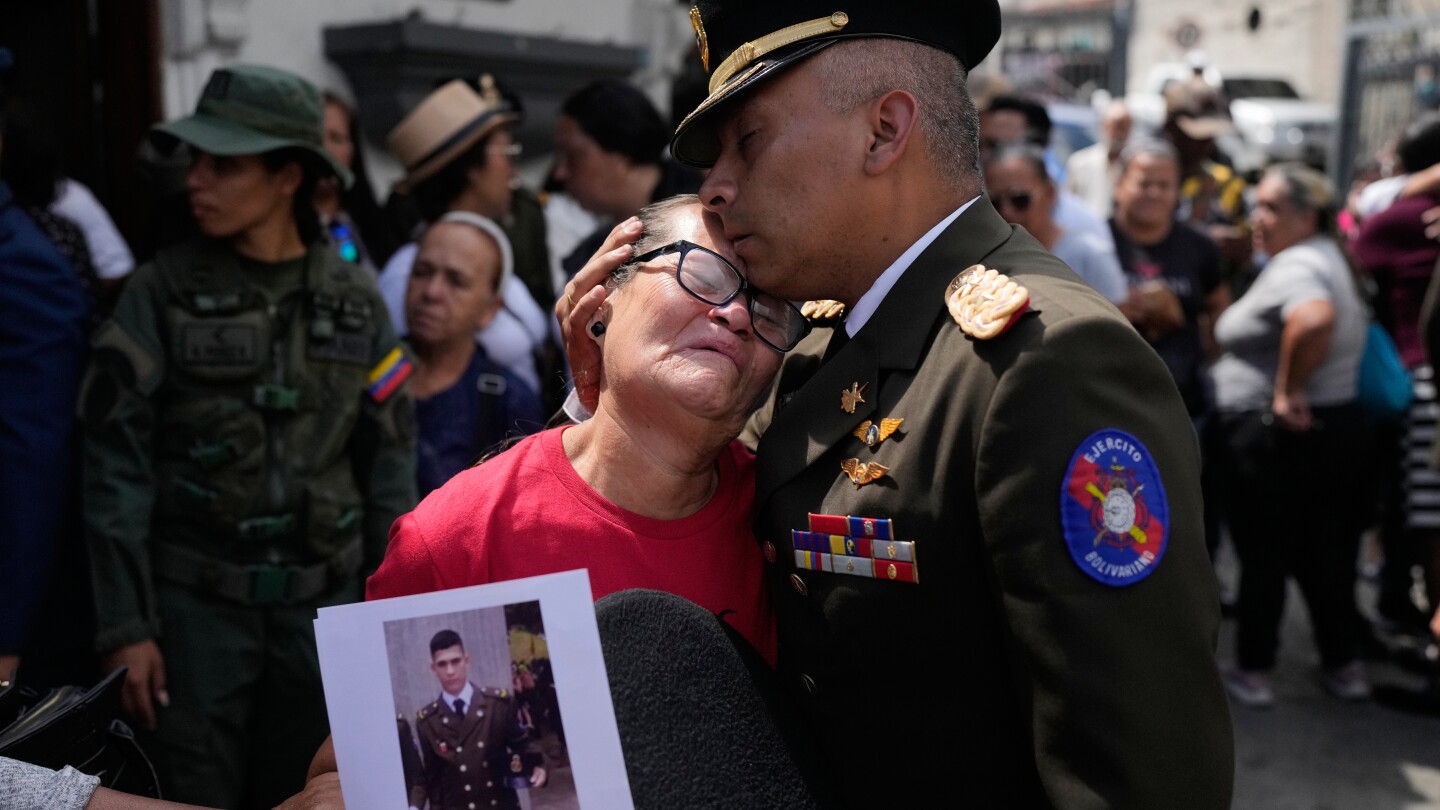
    CARACAS, Venezuela — Venezuela’s armed forces conducted a solemn state funeral ceremony on Wednesday for military personnel killed during a U.S. military operation that resulted in the capture of former President Nicolás Maduro. The emotionally charged proceedings unfolded at a public cemetery in southern Caracas, where uniformed personnel carried flag-draped caskets past formations of grieving comrades and family members.

    The atmospheric scene featured traditional military honors, with orchestral music accompanying the procession and ceremonial gunfire echoing across the burial grounds. Earlier wakes had seen distraught relatives embracing coffins containing their loved ones, their mourning observed by armed National Guard members providing security throughout the proceedings.

    According to Venezuelan military officials, at least 24 security force members perished during the nighttime U.S. operation that extracted Maduro to face narcotics charges in the United States. In a significant regional development, Cuba separately acknowledged the loss of 32 military and police advisors stationed in Venezuela, declaring two days of national mourning.

    Venezuelan Attorney General Tarek William Saab characterized the incident as a ‘war crime’ involving dozens of military and civilian casualties, promising full investigations into the circumstances surrounding the deaths. The Venezuelan military issued an official statement vowing to ‘rescue our legitimate President’ and prevent future violations of national sovereignty, emphasizing that the fallen soldiers’ sacrifice ‘reaffirms our unwavering oath’ to protect the nation.

    The geopolitical implications continue to develop as regional powers assess the extraordinary intervention and its consequences for international relations in the Western Hemisphere.

  • Why the US has designs on Venezuela’s oil

    Why the US has designs on Venezuela’s oil

    In a dramatic geopolitical maneuver, the United States has initiated a comprehensive strategy to reshape Venezuela’s oil industry following recent military actions. The Trump administration has outlined ambitious plans to revitalize the nation’s crippled energy sector while securing substantial oil shipments for American markets.

    Venezuela possesses the world’s largest proven oil reserves, estimated at 303 billion barrels—approximately 17% of global supply. However, decades of mismanagement, infrastructure decay, and political turmoil have reduced production to merely 1% of worldwide output. Energy experts warn that this situation represents both a critical challenge and unprecedented opportunity as global demand projections indicate potential supply shortages in the coming decades.

    The administration has selectively lifted sanctions to facilitate Venezuelan oil shipments, with proceeds directed to U.S.-controlled accounts for distribution to both American and Venezuelan populations. Initial agreements call for 30-50 million barrels of Venezuelan crude to supply U.S. refineries, particularly those on the Gulf Coast configured to process Venezuela’s heavy, sour crude variety.

    Energy analysts highlight dual objectives: reducing global energy prices through increased supply and addressing specific refinery needs for heavy crude. Kevin Book of ClearView Energy Partners notes that increased Venezuelan production could lower transportation and energy costs for consumers worldwide while improving availability of diesel and jet fuel.

    However, significant hurdles remain. Venezuela’s oil infrastructure has suffered catastrophic damage, with leaking pipelines, looted equipment, and chronic electricity shortages. The country has experienced massive brain drain as skilled workers fled economic collapse. Rystad Energy estimates require $54 billion in investment over 15 years just to maintain current production levels.

    Major oil companies approach Venezuela with caution despite potential opportunities. Exxon Mobil and ConocoPhillips remain owed billions from previous nationalizations, and industry experts question whether Venezuela can offer sufficient stability and returns compared to other global investment opportunities. Historical precedents from Iraq, Iran, and Libya suggest regime changes typically lead to prolonged production declines before recovery.

    The administration believes U.S. support could rebuild Venezuela’s oil industry within 18 months, but energy experts remain skeptical given the scale of physical, technical, and political challenges facing any potential recovery.