分类: world

  • Qatar says no diplomats, staff hurt in shelling that damaged its embassy in Kyiv

    Qatar says no diplomats, staff hurt in shelling that damaged its embassy in Kyiv

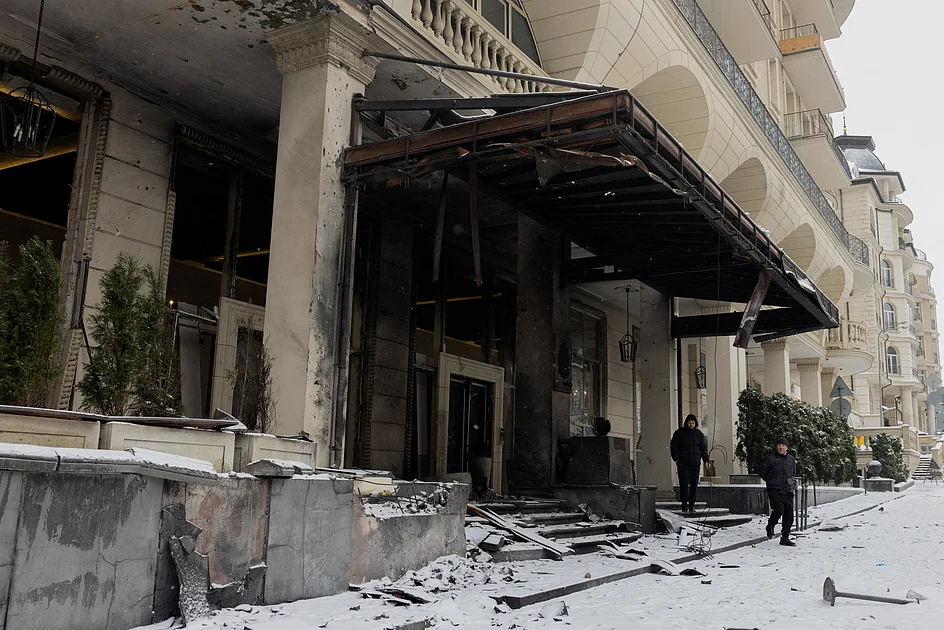
    Qatar confirmed on Friday that its embassy compound in Kyiv sustained structural damage during an extensive Russian missile offensive against the Ukrainian capital. The Gulf nation’s Foreign Ministry verified that all diplomatic personnel and staff emerged unharmed from the overnight attack which struck multiple locations throughout the city.

    The incident occurred during what Ukrainian President Volodymyr Zelensky described as a ‘massive’ nighttime assault involving sophisticated weaponry. Russian forces reportedly launched 13 ballistic missiles—including advanced hypersonic Oreshnik systems—alongside 22 cruise missiles and 242 combat drones amid freezing temperatures across Ukraine.

    In an official statement, Qatari authorities expressed profound regret regarding the damage to their diplomatic mission while emphasizing the critical importance of protecting embassy compounds and international organization facilities during armed conflicts. The statement reiterated Doha’s consistent position advocating for peaceful resolution through diplomatic dialogue to end the nearly four-year conflict.

    Qatar, which has maintained an active mediation role between Moscow and Kyiv particularly regarding prisoner exchanges and civilian releases, called for renewed commitment to international law protocols that safeguard diplomatic premises and personnel. The attack damaged approximately 20 residential buildings in Kyiv and surrounding areas according to Ukrainian officials, highlighting the continued escalation of hostilities despite ongoing international peace efforts.

    Moscow’s latest military action represents a significant rejection of Western-mediated peace proposals, demonstrating the persistent volatility in Eastern European security dynamics. The targeting of diplomatic facilities marks a concerning development in the conflict’s progression, raising questions about the protection of neutral diplomatic missions in active war zones.
  • Defiant Khameini refuses to ‘back down’; several flights to Iran cancelled amid protests

    Defiant Khameini refuses to ‘back down’; several flights to Iran cancelled amid protests

    Supreme Leader Ayatollah Ali Khamenei has adopted an uncompromising position in response to widespread civil demonstrations, signaling no intention of concession as international concerns mount over Iran’s internal stability. The political defiance coincides with operational disruptions as multiple international carriers have cancelled flights to Iranian destinations, reflecting growing apprehension about the nation’s security climate.

    Aviation industry sources confirm that several major airlines have temporarily suspended service routes into Iran, citing volatile conditions and potential risks to aircraft and passenger safety. This logistical recalibration represents a tangible international response to the escalating protests that have emerged across key Iranian urban centers.

    Independent observers report that the demonstrations represent significant public discontent regarding socioeconomic conditions and governmental policies. Despite the visible dissent, authoritative channels maintain that institutional control remains firmly established, with state apparatus demonstrating operational capacity throughout the ongoing challenges.

    The aviation suspensions primarily affect European and Asian carriers, with flight tracking data showing notable reductions in aerial traffic toward Tehran’s Imam Khomeini International Airport. Transportation analysts indicate these measures reflect standard corporate risk assessment protocols when operating in regions experiencing civil unrest.

    Diplomatic circles continue monitoring developments, with several governments issuing updated travel advisories for citizens currently in or planning travel to Iran. The convergence of political steadfastness and international caution creates a complex landscape that continues evolving amid uncertain prospects for resolution.

  • Trump says there could be more US strikes in Nigeria

    Trump says there could be more US strikes in Nigeria

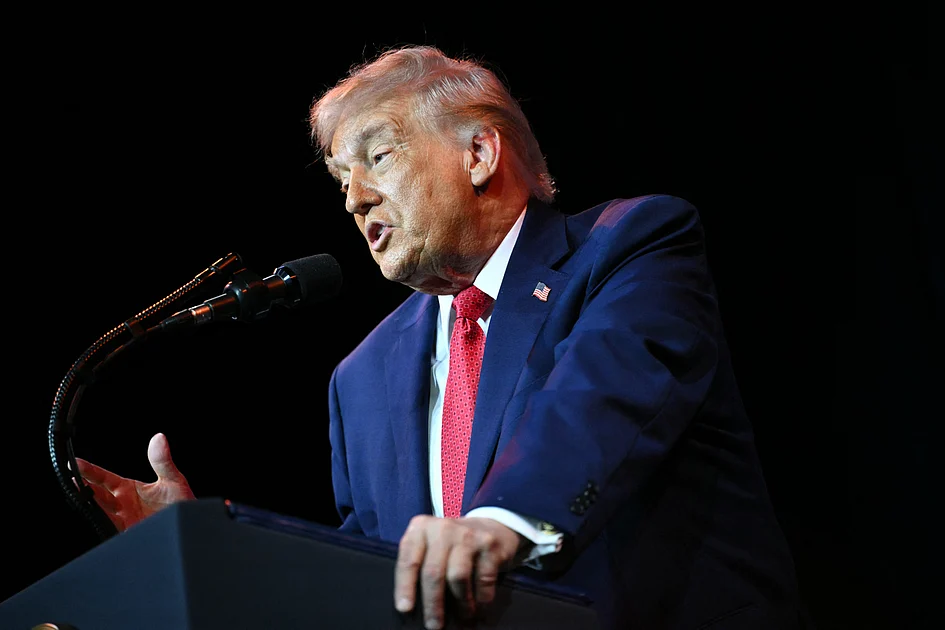
    Former President Donald Trump has indicated potential escalation of U.S. military involvement in Nigeria during a recent interview with the New York Times. Trump asserted that continued violence against Christian communities in the African nation could prompt multiple American strikes, despite Nigeria’s consistent denials of systematic religious persecution.

    The remarks follow a controversial Christmas Day operation where U.S. forces conducted a targeted strike against Daesh militants in northwestern Nigeria. According to military officials, this action was executed at the explicit request of the Nigerian government, which subsequently characterized it as a joint counterterrorism effort with no religious motivations.

    Trump’s statements reveal a significant policy position: ‘I’d prefer to consider this a single intervention… However, if the killing of Christians persists, we will respond with multiple strikes.’ This stance appears at odds with assessments from his own Africa advisory team, which noted that extremist groups like Daesh and Boko Haram have actually claimed more Muslim than Christian lives in the region.

    When confronted with this discrepancy, Trump acknowledged Muslim casualties but maintained that ‘the primary victims are Christians.’ His comments extend previous warnings issued in late October, when he declared Christianity faced an ‘existential threat’ in Nigeria and threatened military intervention over perceived government inaction.

    Nigeria, with its population of approximately 230 million people divided nearly equally between Christians (predominantly in the south) and Muslims (mainly in the north), continues to face complex security challenges. While acknowledging persistent violence from extremist insurgents in northern regions, Nigerian authorities strongly reject characterization of systematic religious persecution, noting that militants target both Muslim and Christian communities alike.

    The Nigerian government has previously responded to Trump’s threats by expressing willingness to collaborate with Washington against militant groups while firmly rejecting language suggesting special peril for Christian communities.

  • Five Palestinian children among 14 killed by Israel in heavy Gaza bombing

    Five Palestinian children among 14 killed by Israel in heavy Gaza bombing

    Israeli military forces launched a severe aerial bombardment across the Gaza Strip on Thursday, resulting in the deaths of at least 14 Palestinians, among them five children. The attacks targeted multiple locations including displacement tents in Khan Younis, educational facilities converted into shelters in northern Gaza, and residential buildings within the Nuseirat refugee camp and Gaza City.

    This military escalation occurs precisely three months after Israel and Hamas formalized a ceasefire agreement designed to terminate hostilities and alleviate the humanitarian siege. Despite this accord, documentation indicates Israel has committed nearly 1,200 violations over the past three months, encompassing airstrikes, artillery shelling, and home demolitions that have collectively claimed 439 Palestinian lives. The longstanding blockade remains predominantly enforced, with border crossings persistently closed and critical humanitarian aid severely constrained.

    Philippe Lazzarini, Commissioner-General of UNRWA, confirmed to Anadolu Agency that assistance efforts “is still not at scale,” describing inadequate living conditions where populations reside in non-waterproof tents and suffer from comprehensive deprivation of basic necessities.

    Hamas authorities issued a formal condemnation of Thursday’s operations, alleging Israeli violation of the truce agreement and deliberate obstruction of the US-supported transition plan for Gaza. The group appealed to international mediators and guaranteeing nations to denounce these actions, which they attribute to Israeli leadership under false pretenses.

    Israel’s military justification cited a reportedly failed projectile launch from Gaza City that allegedly fell within Palestinian territory, though no substantiating evidence was provided. The military stated its strikes specifically targeted Hamas infrastructure and combatants.

    Among the victims was 11-year-old Hamsa Nidal Hawso, whose uncle expressed profound anguish to local media, questioning the continued violence despite the supposed ceasefire. According to Palestinian health authorities, Israeli military operations since October 2023 have resulted in over 71,400 Palestinian fatalities, including at least 20,000 children.

  • Watch: Iran rocked by night of protests despite internet blackout

    Watch: Iran rocked by night of protests despite internet blackout

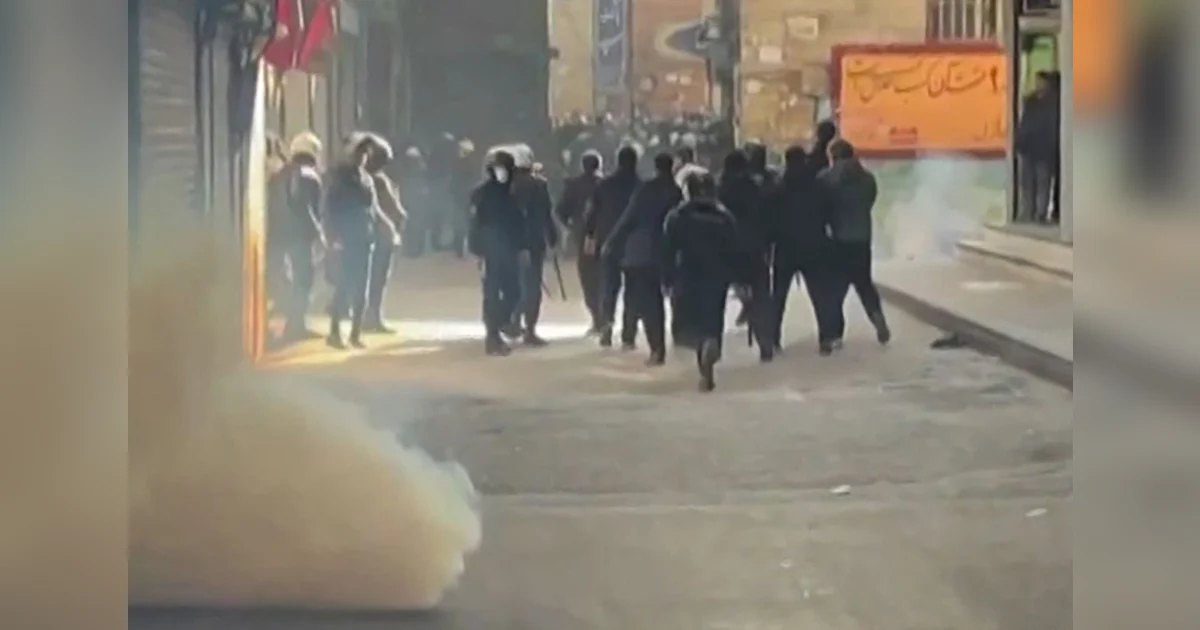
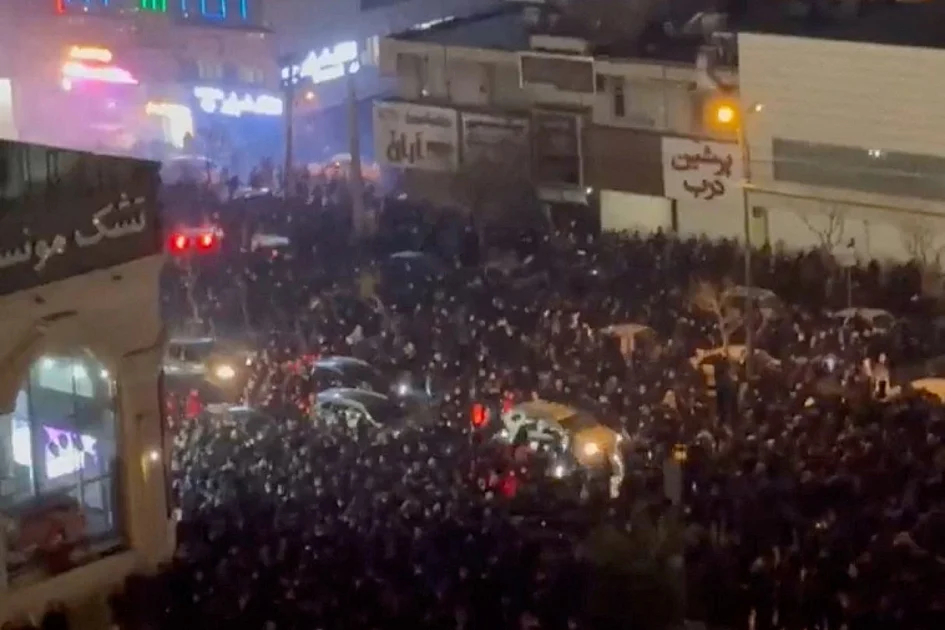
    Iran experienced its most significant wave of civil unrest in recent years on Friday night as widespread protests swept across multiple cities despite government-imposed internet restrictions. The demonstrations, now entering their second week, initially sparked by economic grievances but have since evolved into broader anti-government sentiment.

    Verified footage shows substantial crowds gathering along Tehran’s Ayatollah Kashani Boulevard, with vehicles honking in solidarity with protesters. The movement has expanded beyond the capital to include major urban centers such as Tabriz in the north, Mashhad in the east, and Kermanshah in the predominantly Kurdish western regions.

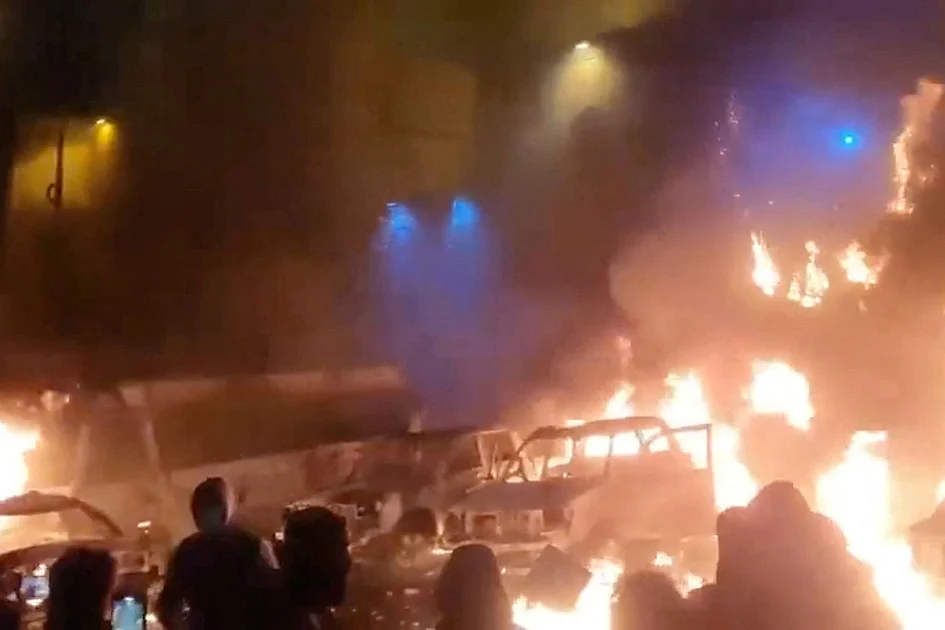
    In a notable escalation, protesters targeted symbolic government institutions. Visual evidence indicates the regional state television building in Isfahan sustained damage from fires set at its entrance, while the governor’s complex in Shazand, Markazi province, also showed signs of arson. These actions represent a direct challenge to state authority.

    The government response included implementing a comprehensive internet blackout beginning Thursday evening, with connectivity remaining severed for over twelve hours according to internet monitoring organization Netblocks. This digital suppression tactic mirrors previous strategies employed during the 2022-2023 demonstrations that followed Mahsa Amini’s tragic death in custody.

    International attention has intensified as Reza Pahlavi, US-based son of Iran’s deposed monarch, publicly endorsed the protests. In video statements, Pahlavi characterized Thursday’s demonstrations as successfully forcing security forces to retreat and called for expanded participation to further weaken governmental control.

    Human rights organizations have raised concerns about potential lethal force being used against protesters in earlier clashes, though Friday’s footage from Tehran notably lacked visible security force intervention. The evolving situation continues to develop amid limited information flow due to communication restrictions.

  • Turkish Airlines cancels Friday’s Istanbul-Tehran flights as protests rock Iran

    Turkish Airlines cancels Friday’s Istanbul-Tehran flights as protests rock Iran

    Turkish Airlines has suspended all scheduled flights to Tehran on Friday amid ongoing civil unrest in Iran, according to official airport tracking applications. The cancellation affects five Istanbul-Tehran routes operated by the Turkish flag carrier, while Iranian airlines have similarly canceled five additional flights. Seven other scheduled flights between the two nations remain operational despite the turmoil.

    The flight disruptions occur as Iran experiences widespread protests triggered by severe economic pressures and rising living costs. These demonstrations represent one of the most significant challenges to Ayatollah Ali Khamenei’s government in recent years. The civil unrest has been further complicated by Iran’s ongoing economic crisis, exacerbated by international sanctions and recovery efforts following June’s military conflict with Israel.

    Aviation monitoring services reported that on Thursday evening, a Turkish Airlines aircraft bound for Shiraz and a Pegasus Airlines flight heading to Mashad were forced to abort their journeys and turn back from Iranian airspace. Turkey and Iran share a 500-kilometer (300-mile) border with three active land crossings, though the impact of the protests on ground transportation remains unclear.

    Human rights organizations have documented significant violence during the protests. Norway-based Iran Human Rights reported Thursday that security forces have killed at least 45 protesters, including eight minors, since the demonstrations began. Turkish authorities have not yet issued official statements regarding the situation in neighboring Iran.

  • Iran rights NGO says at least 45 protesters killed, hundreds wounded, since movement started

    Iran rights NGO says at least 45 protesters killed, hundreds wounded, since movement started

    A Norway-based human rights organization has documented a severe escalation in Iran’s suppression of civilian protests, reporting at least 45 fatalities including eight minors since demonstrations began in late December. Iran Human Rights (IHR), an independent monitoring group, disclosed that Wednesday marked the deadliest single day of the 12-day movement with 13 confirmed protester deaths.

    According to IHR Director Mahmood Amiry-Moghaddam, the evidence indicates a daily expansion in both the violence and geographical scope of the government crackdown. The organization estimates hundreds have sustained injuries while security forces have conducted over 2,000 arrests nationwide.

    These figures significantly contrast with official Iranian media reports and government statements, which acknowledge approximately 21 fatalities including security personnel according to Agence France-Presse documentation. The discrepancy highlights the ongoing information warfare surrounding the protests and the government’s restrictive control over domestic media coverage.

    The protest movement, now entering its second week, represents one of the most significant challenges to Iranian authorities in recent years. The involvement of minors among the casualties has drawn particular international concern regarding the proportionality of force employed by security services.

  • Why boosting production of Venezuela’s ‘very dense, very sloppy’ oil could harm the environment

    Why boosting production of Venezuela’s ‘very dense, very sloppy’ oil could harm the environment

    Environmental experts are raising alarms about potential ecological consequences as the United States moves to revitalize Venezuela’s extensive petroleum reserves. This development follows heightened political tensions after the capture of former President Nicolás Maduro, prompting Washington to intensify control over Venezuela’s primary revenue source—oil exports.

    The Trump administration’s strategy involves selling 30-50 million barrels of Venezuelan crude globally under US supervision, with proceeds maintained in American-controlled accounts. However, industry analysts question the feasibility of rapid production increases, noting that Venezuela’s energy infrastructure requires massive investment—potentially tens of billions of dollars—after years of deterioration.

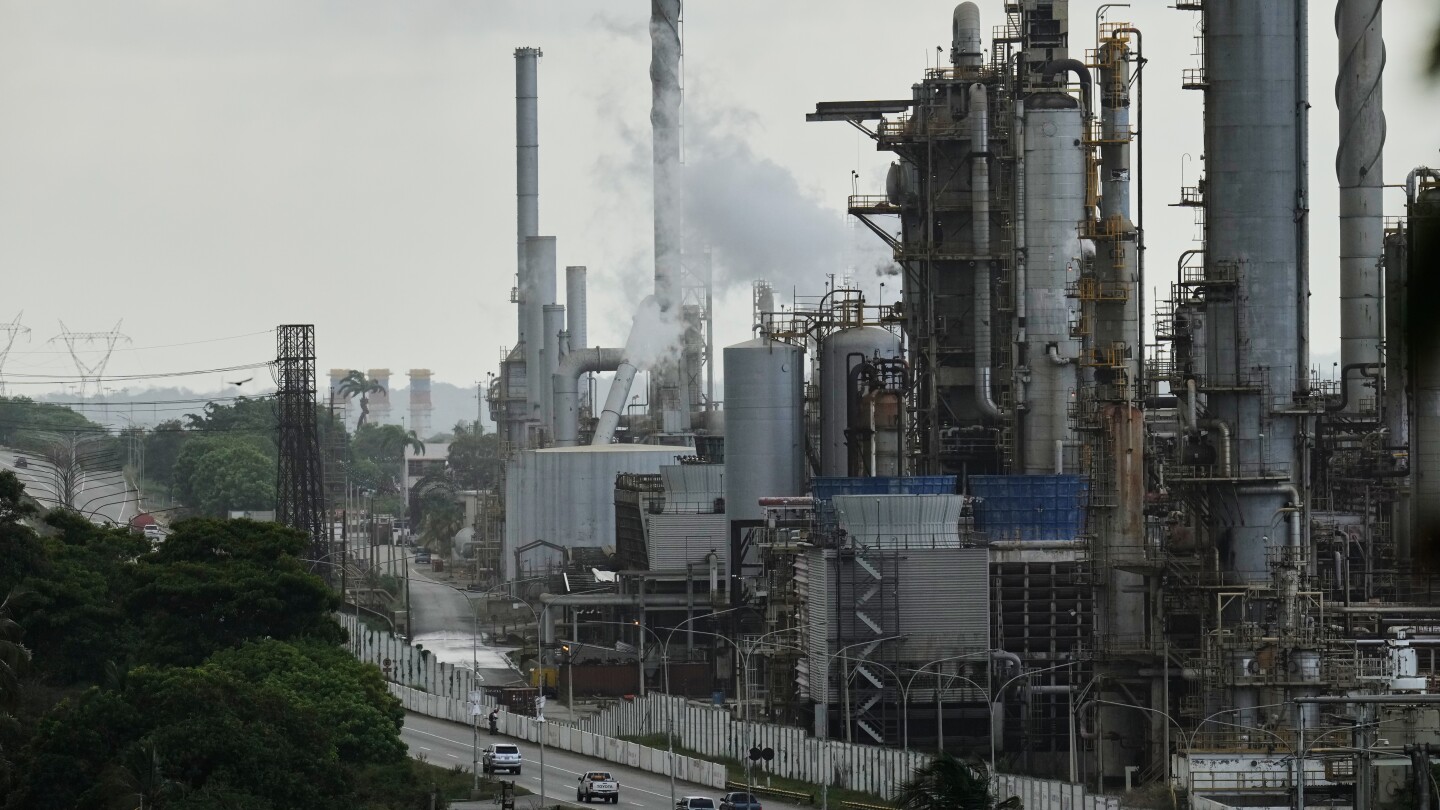
    Venezuela possesses the world’s largest oil reserves, estimated at 300 billion barrels, but produces heavy crude with exceptionally high pollution characteristics. Extraction and refining processes demand significantly more energy than conventional oil, resulting in substantially greater greenhouse gas emissions. According to International Energy Agency data, Venezuela’s methane emissions intensity exceeds global averages by approximately six times, while flaring intensity reaches ten times typical worldwide levels.

    The country already faces severe environmental challenges, including nearly 200 documented oil spills between 2016-2021 and the loss of 2.6 million hectares of forest cover over two decades. Experts warn that renewed oil activity could exacerbate damage in ecosystems already compromised by decades of pollution, particularly in sensitive regions like Lake Maracaibo—one of the world’s most oil-contaminated aquatic environments.

    While US officials claim American companies will implement high environmental standards, critics argue that rapid production expansion will likely prioritize output over ecological protections. The complex geography of Venezuela’s oil-producing regions, characterized by fragile plains and slow-moving rivers, creates conditions where contamination can persist for extended periods with devastating consequences for biodiversity and local communities.

  • US welcomes ceasefire in Syria’s Aleppo after days of deadly clashes

    US welcomes ceasefire in Syria’s Aleppo after days of deadly clashes

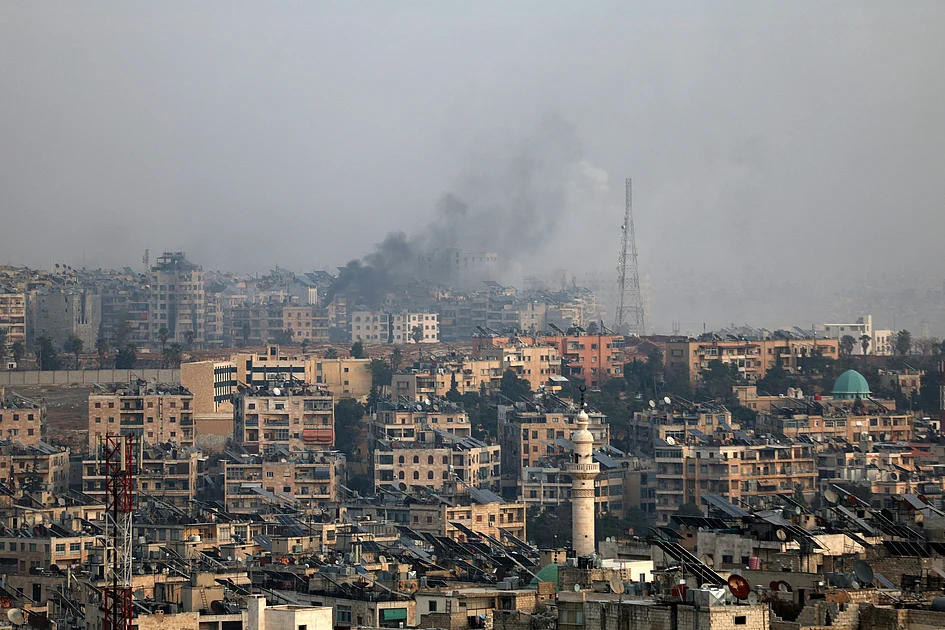
    The United States has formally endorsed a newly established ceasefire in the Syrian city of Aleppo, a critical development following several days of intense combat that triggered a significant humanitarian crisis. The hostilities, primarily between Syrian governmental forces and Kurdish-led fighters, had escalated dramatically in the Ashrafiyeh and Sheikh Maqsoud districts, compelling thousands of civilians to abandon their homes in search of safety.

    US Special Envoy Tom Barrak publicly commended the truce in a statement released on social media platform X. He expressed that the nation ‘warmly welcomes the temporary ceasefire achieved last night’ and extended ‘profound gratitude to all parties’ involved in the negotiation. Barrak’s acknowledgment specifically highlighted the cooperation of the Syrian government, the Syrian Democratic Forces (SDF), along with local authorities and community figures, crediting their ‘restraint and goodwill’ for enabling the crucial pause in violence.

    The ceasefire represents a vital window for humanitarian aid organizations to access affected populations and provide urgent assistance. It also offers a fragile opportunity for diplomatic channels to work toward a more enduring de-escalation in one of Syria’s most strategically important and war-torn cities. The international community continues to monitor the situation closely, hoping the temporary halt in fighting can evolve into a more stable resolution for the region’s protracted conflict.

  • The continued mysteries surrounding the intelligence operation to seize Maduro

    The continued mysteries surrounding the intelligence operation to seize Maduro

    The meticulously orchestrated capture of Venezuelan President Nicolás Maduro represents a watershed moment in modern intelligence and military operations. New disclosures reveal an unprecedented multi-agency mission involving months of strategic planning and cutting-edge technological warfare.

    Operating in what intelligence communities classify as a ‘denied area’ without diplomatic cover, CIA operatives conducted extensive ground reconnaissance in Venezuela throughout August. Their success hinged on a crucial government source within Maduro’s inner circle who provided real-time intelligence on the leader’s movements—a testament to the penetration of his security apparatus.

    The operational execution demonstrated remarkable coordination: approximately 150 aircraft participated in the mission, with helicopters flying at ultra-low altitudes to evade detection. The involvement of US Cyber Command proved pivotal, as their expertise facilitated a city-wide blackout in Caracas that provided critical cover for special forces insertion. Simultaneously, US Space Command created an invisible ‘pathway’ for forces to approach undetected, while advanced electronic warfare systems reportedly neutralized Chinese and Russian air defense systems.

    The assault on Fuerte Tiuna, Venezuela’s largest military complex, resulted in the deaths of 32 Cuban nationals serving as Maduro’s personal security detail. Notably absent were Venezuelan security forces at the compound’s inner perimeter, raising questions about possible internal collaboration. US forces intercepted Maduro moments before he could secure himself in a reinforced safe room, demonstrating precise knowledge of the compound’s layout.

    Pre-operation analysis by CIA strategists concluded that maintaining stability would require cooperation with elements of the existing regime rather than installing exiled opposition figures. This assessment paved the way for back-channel communications with Maduro’s inner circle, including Vice President Delcy Rodríguez, to discuss transitional arrangements.

    The mission’s flawless execution—achieved without US casualties—marks a paradigm shift in combined intelligence and military operations, though many technological and strategic details remain classified. America’s adversaries are now undoubtedly analyzing the operation to understand the full scope of capabilities demonstrated.