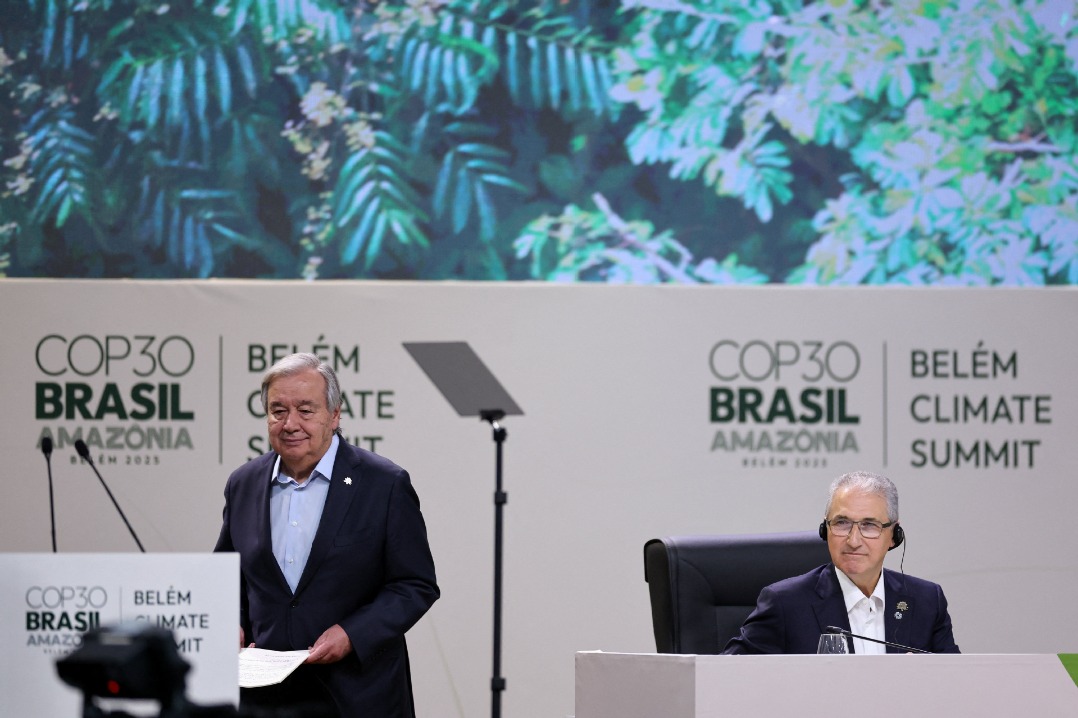
In a powerful address at the World Leaders Climate Action Summit in Belem, Brazil, United Nations Secretary-General Antonio Guterres called for immediate and decisive global efforts to tackle the escalating climate crisis. Speaking ahead of the 30th United Nations Climate Change Conference (COP30), Guterres emphasized the urgent need for a paradigm shift to address the failure to meet the 1.5-degree Celsius target set by the 2015 Paris Agreement. He warned of severe ecological and socioeconomic consequences if global warming continues unchecked. Guterres urged leaders to act swiftly and collaboratively, stating that rapid and large-scale action could minimize the overshoot and bring temperatures back to safe levels by the end of the century. He also highlighted the transformative potential of clean energy, noting that nearly all new power capacity in 2024 came from renewable sources. The two-day summit, which began on November 6, 2025, brought together global leaders to discuss pressing climate challenges and commitments.
分类: world
-
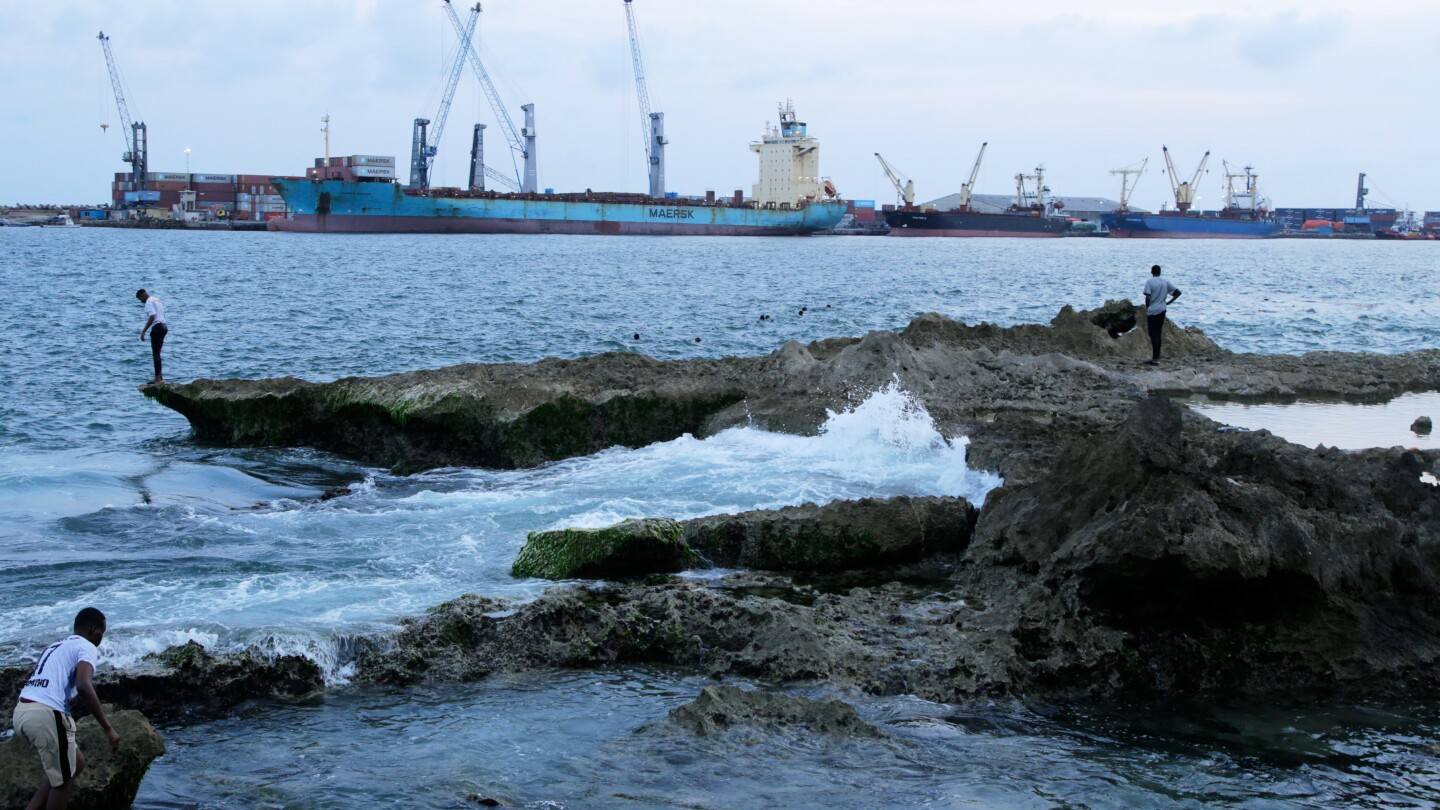
EU naval force races to ship seized by pirates off the coast of Somalia
In a dramatic maritime incident off the coast of Somalia, a Malta-flagged tanker, the Hellas Aphrodite, was seized by pirates on Thursday, prompting a swift response from the European Union’s naval force. The vessel, carrying gasoline from India to South Africa, was attacked with machine guns and rocket-propelled grenades, forcing its 24-member crew to seek refuge in a secure citadel aboard the ship. The EU’s Operation Atalanta, an anti-piracy coalition, confirmed that its assets were en route to the scene, located over 1,000 kilometers (620 miles) off the Somali coast, and prepared to take necessary action. Simultaneously, the British military’s United Kingdom Maritime Trade Operations center reported another attempted pirate approach in the same area on Friday, involving a small vessel with three individuals believed to be part of the same pirate group. This latest hijacking marks the first commercial ship seized by Somali pirates since May 2024, reigniting concerns over maritime security in the region. Somali piracy, which peaked in 2011 with 237 attacks, had significantly declined due to international naval patrols and Somalia’s strengthening governance. However, recent instability, including Yemen’s Houthi rebel activities in the Red Sea, has contributed to a resurgence of pirate attacks. Local fisherman Osman Abdi from Mogadishu expressed fears that such incidents would stigmatize Somali fishermen, associating them with piracy and instilling widespread fear.
-
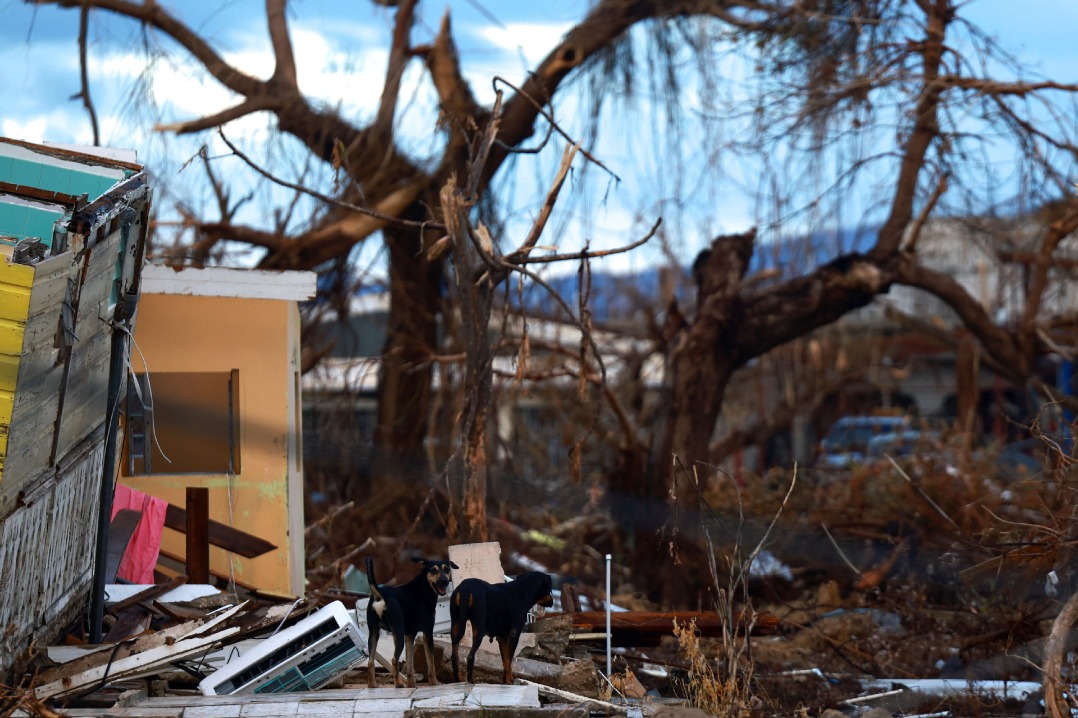
Hurricane Melissa causes damage in Jamaica equivalent to 30% of GDP: UN official
Jamaica is reeling from the catastrophic impact of Hurricane Melissa, with damages estimated to be equivalent to 30% of the nation’s GDP, according to a UN Development Programme (UNDP) official. Kishan Khoday, UNDP resident representative for the region, revealed during a video conference that initial assessments indicate the financial toll is expected to rise. The Category 5 storm, which struck last week, has left western Jamaica in ruins, generating nearly 5 million metric tonnes of debris. The human cost is equally staggering, with 32 confirmed fatalities and approximately 1.5 million people affected. In response, the UNDP has allocated $400,000 for immediate assessment and recovery efforts, while the UN World Food Programme is airlifting food supplies from Barbados to support over 6,000 households for a week. The scale of the disaster underscores the urgent need for international aid and long-term recovery strategies.
-
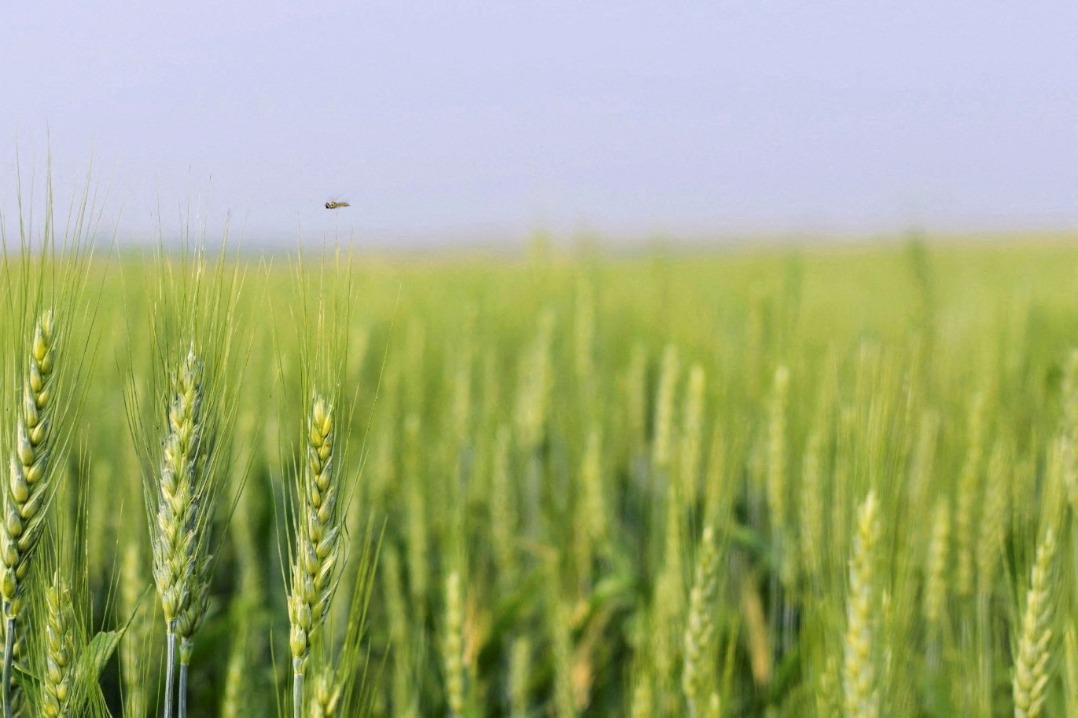
Kazakhstan sends 1st wheat shipment to Armenia via Azerbaijan in 30 years
In a landmark development, Kazakhstan has successfully dispatched its first wheat shipment to Armenia via Azerbaijan in over 30 years. This historic move was facilitated by recent agreements between the leaders of Kazakhstan and Azerbaijan, which reopened transit routes through Azerbaijani territory. The shipment, consisting of 15 rail wagons, crossed the Azerbaijani border on Thursday and is en route to Dalarik railway station in Armenia, where it is expected to arrive within days. The initiative marks a significant step in enhancing regional trade and logistics connectivity in the South Caucasus. According to Kazakhstan’s Ministry of Agriculture, this new transit route not only expands the export potential of Kazakh grain but also strengthens economic and trade cooperation among neighboring countries. The resumption of this trade corridor underscores the growing diplomatic and economic ties in the region, paving the way for future collaborative ventures.
-
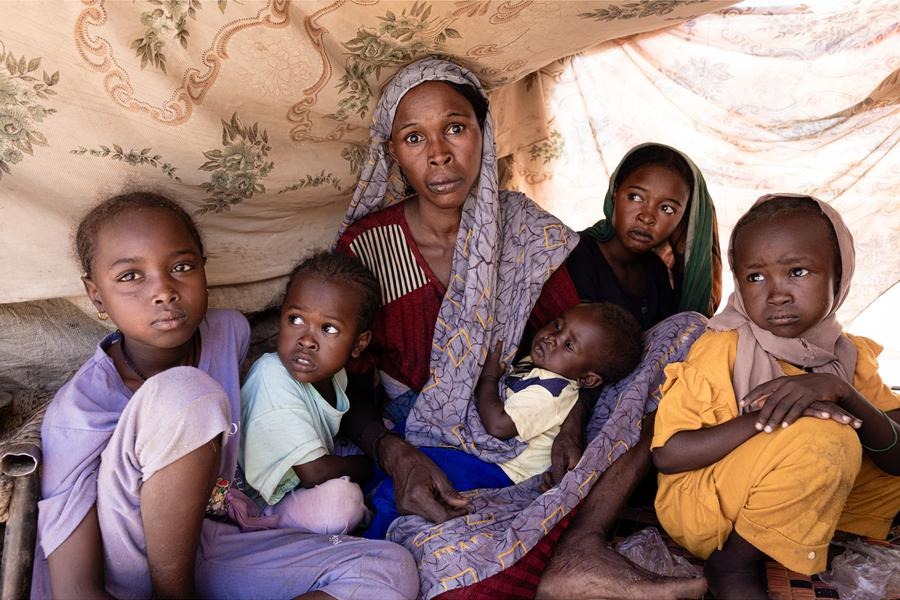
UN, aid partners beef up support for displaced people in Sudan’s North Darfur
The United Nations and its humanitarian partners are intensifying efforts to assist thousands of displaced families in Sudan’s North Darfur region, where a worsening crisis has left communities in dire need of basic necessities. Since the October 26 takeover of El Fasher, the state capital, thousands have fled violence, seeking refuge in areas like Tawila, approximately 40 kilometers west. However, these displaced populations are facing severe challenges, including a lack of food, clean water, shelter, and medical care. The UN Office for the Coordination of Humanitarian Affairs (OCHA) has described the situation as critical, with over 3,000 recent arrivals at the Al Omda displacement camp alone requiring urgent assistance. Many, including injured individuals, people with disabilities, and unaccompanied children, are forced to sleep in the open without proper sanitation or protection from the cold. Similar conditions have been reported in other camps, such as Daba Al Naira and Um Jangour, where more than 6,500 people are without shelter or essential supplies. Additionally, hundreds of families who fled El Fasher on foot have reached Al Dabba in Northern State, enduring days of harsh conditions. Approximately 2,800 people are now sheltering in overcrowded sites with limited access to food, water, or medical aid. Many have lost family members during their arduous journey. With more families expected to arrive in the coming days, OCHA has emphasized the urgent need for food, medical care, psychosocial support, shelter, and warm clothing. While the UN and its partners are mobilizing emergency supplies, available resources remain insufficient. The humanitarian response plan for Sudan is only 28 percent funded, highlighting the need for additional support to address the escalating crisis in Darfur and Kordofan regions.
-
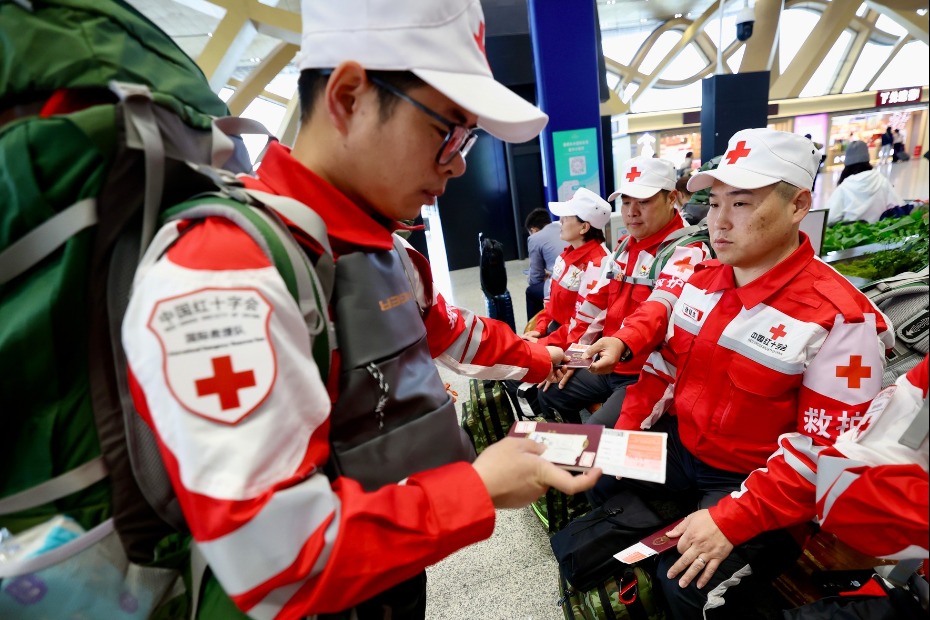
China calls for improved international cooperation on disaster response
In a significant move to bolster global disaster management, China has called for intensified international cooperation in disaster prevention and response. Vice-Premier Zhang Guoqing emphasized this during his address at the Belt and Road ministerial meeting on natural disaster prevention and control, held in Sanya, Hainan Province. Zhang, who also serves as a member of the Political Bureau of the Communist Party of China Central Committee, highlighted China’s commitment to enhancing disaster resilience through technological advancements and collaborative efforts. He noted that China has been actively contributing to international disaster response by deploying rescue teams and supplying essential relief materials. The meeting saw participation from emergency management officials and representatives of 36 countries, alongside 11 international organizations, along with experts and scholars in the field. This gathering underscores the global recognition of the need for a unified approach to tackling natural disasters, which are increasingly frequent and severe due to climate change and other factors.
-
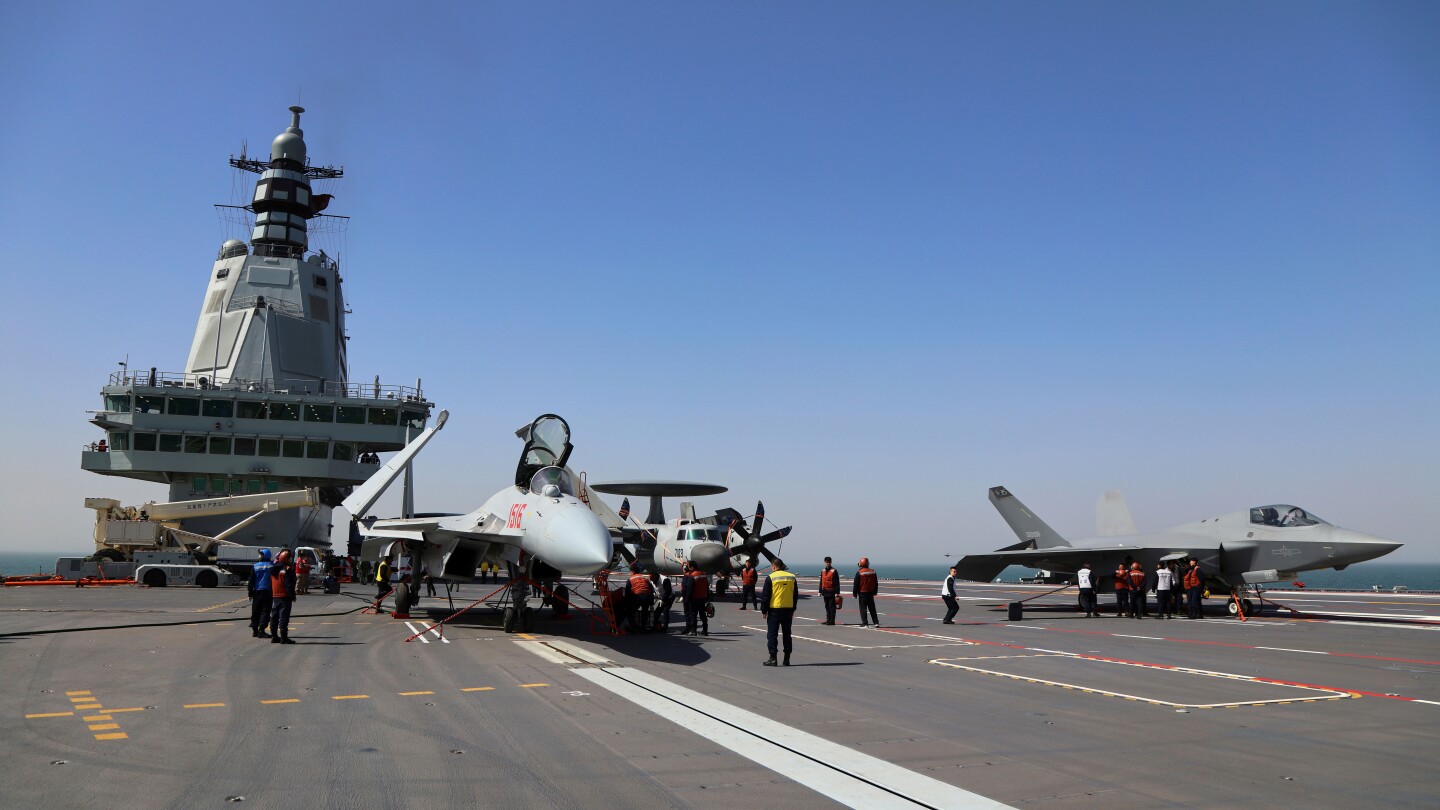
What to know about China’s newest aircraft carrier, the Fujian
China has officially commissioned its third aircraft carrier, the Fujian, solidifying its position as the nation with the second-largest carrier fleet globally, trailing only the United States. The Fujian, unveiled in a ceremony attended by President Xi Jinping, represents a significant technological leap with its electromagnetic catapult launch system. This innovation enhances the carrier’s ability to project power across the Pacific, particularly in contested regions like the East China Sea, the Taiwan Strait, and the South China Sea. The Fujian is China’s first domestically designed carrier, distinguishing it from its predecessors, the Liaoning and Shandong, which were based on Soviet designs. The Fujian’s advanced catapult system allows it to launch heavier, fully-loaded aircraft, including early-warning and control planes, extending its operational range and firepower. While China’s carrier fleet now surpasses those of India, the UK, and Italy, it still lags behind the U.S., which operates 11 nuclear-powered carriers. The Fujian’s electromagnetic catapult system, second only to the U.S. Navy’s USS Gerald R. Ford, offers greater efficiency and flexibility, enabling the launch of a wider range of aircraft. However, the Fujian’s non-nuclear propulsion limits its operational range compared to U.S. carriers. China is reportedly developing nuclear propulsion for future carriers, though the timeline remains uncertain. Despite its advancements, the Fujian is smaller than U.S. carriers, with a displacement of over 80,000 tons and an estimated capacity of 40 to 60 aircraft, compared to the 60 to 70 planes on U.S. carriers. The Fujian’s commissioning underscores China’s growing naval ambitions, though it still faces significant gaps in carrier technology and capacity compared to the U.S.
-
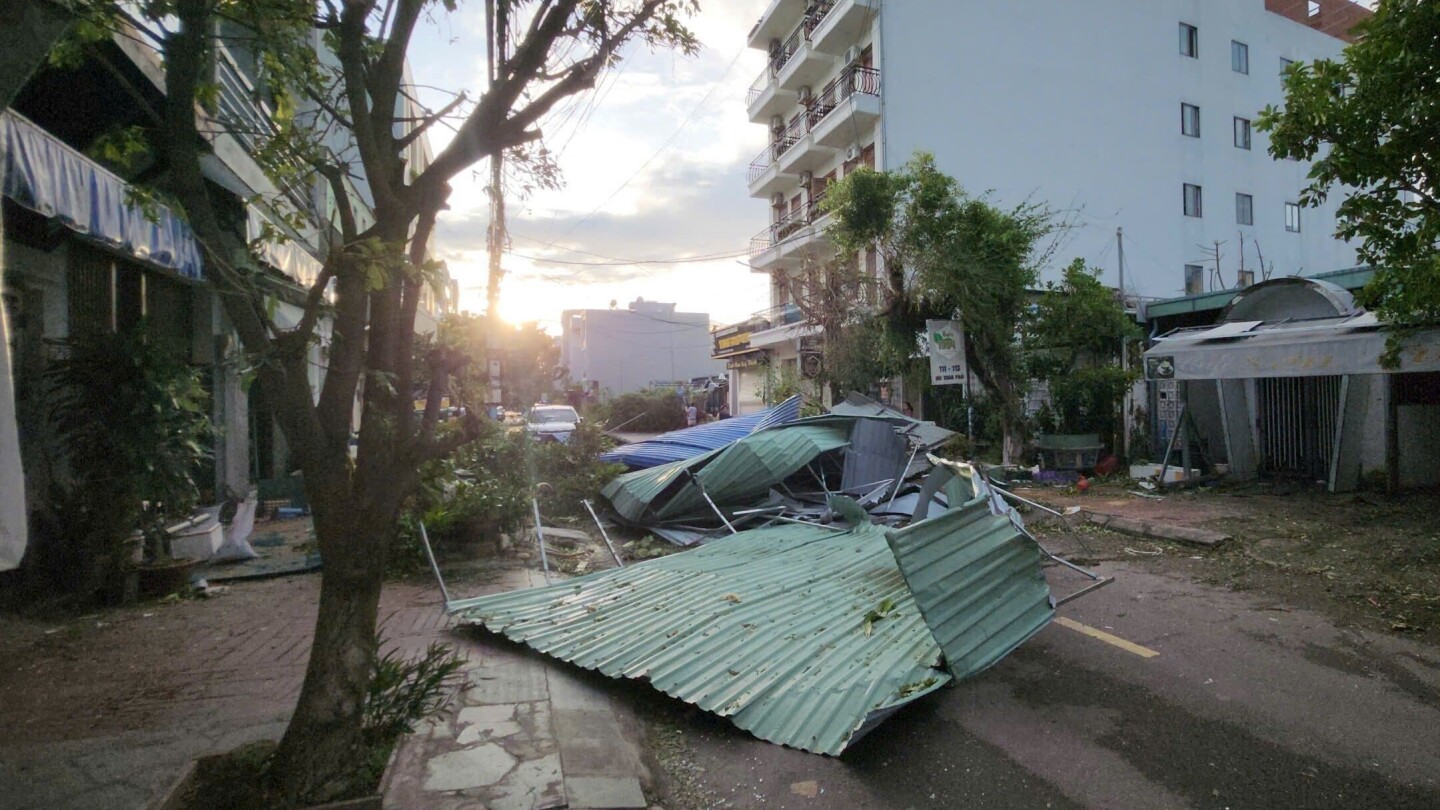
Typhoon Kalmaegi kills 5 people in Vietnam as the Philippines prepares for a new storm
Typhoon Kalmaegi wreaked havoc across Vietnam and the Philippines, claiming lives and causing extensive damage in its path. The storm, which had already battered the Philippines earlier in the week, struck Vietnam on Friday with fierce winds and torrential rains, resulting in at least five fatalities and widespread destruction. Three deaths occurred in Dak Lak province, while two were reported in Gia Lai. Three individuals remain missing in Quang Ngai, and six others sustained injuries. The storm caused 52 houses to collapse and damaged nearly 2,600 more, with over 2,400 homes in Gia Lai alone losing their roofs. Power outages affected more than 1.6 million households. In the Philippines, where Kalmaegi had previously made landfall, the death toll rose to 188, with 135 still missing. Over half a million people were displaced, and nearly 450,000 sought refuge in shelters. President Ferdinand Marcos Jr. declared a state of national emergency as the country prepared for another impending storm, Typhoon Fung-wong. In Vietnam, recovery efforts are underway as residents and authorities clear debris and repair damaged infrastructure. The storm’s impact was exacerbated by recent record-breaking floods in the central region, which had already displaced over 537,000 people. Scientists warn that climate change is intensifying storms and rainfall in Southeast Asia, making such disasters increasingly frequent and destructive.
-
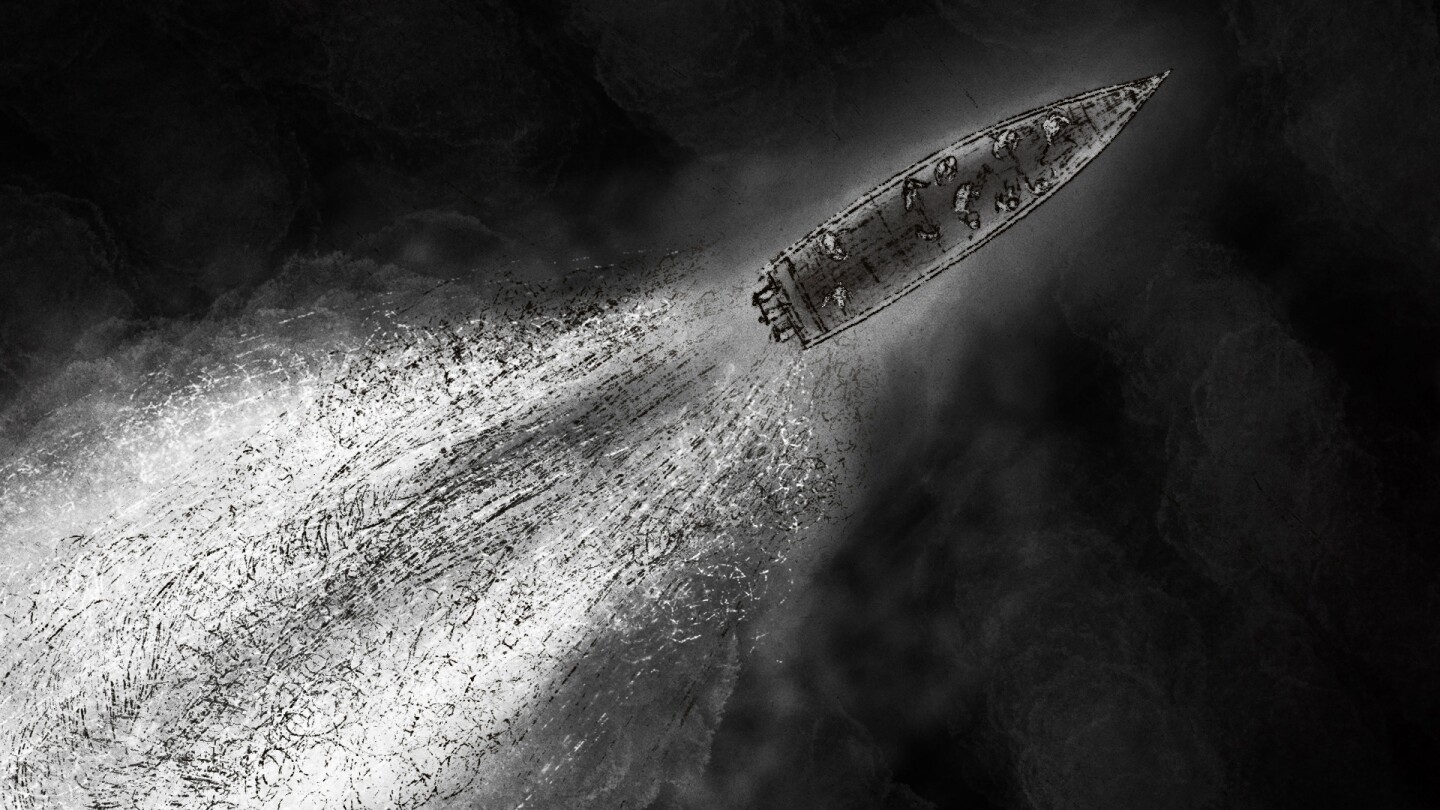
What a reporter found when she investigated US military strikes on Venezuelan drug boats
In the aftermath of recent U.S. military strikes targeting alleged drug-smuggling boats off Venezuela’s northeastern coast, Regina Garcia Cano, a reporter for The Associated Press, embarked on a mission to uncover the identities and stories of the men killed. Her investigation, conducted through dozens of interviews in local villages, revealed a stark contrast between the U.S. government’s portrayal of the victims as narco-terrorists and the reality of their lives. Most of the nine men identified were first-time or occasional crew members, earning modest sums for their work. Among the dead were a fisherman, a struggling bus driver, a former military cadet, and a local crime boss, alongside laborers and a motorcycle driver. Garcia Cano’s reporting highlighted the pervasive fear among residents, many of whom were reluctant to speak due to potential repercussions from the Venezuelan government. The region’s stifling poverty, crumbling infrastructure, and the government’s refusal to confirm the deaths have left families unable to properly mourn their loved ones. This story sheds light on the human toll of geopolitical conflicts and the challenges of reporting in repressive environments.
-

Trump has accused boat crews of being narco-terrorists. The truth, AP found, is more nuanced
In the coastal towns of Venezuela, the U.S. military’s recent crackdown on alleged drug smuggling has left a trail of devastation, claiming the lives of over 60 individuals since early September. Among the dead are a struggling fisherman, a career criminal, a former military cadet, and a bus driver facing financial ruin. These men, hailing from the impoverished Paria Peninsula, were drawn into the dangerous world of drug trafficking by economic desperation.