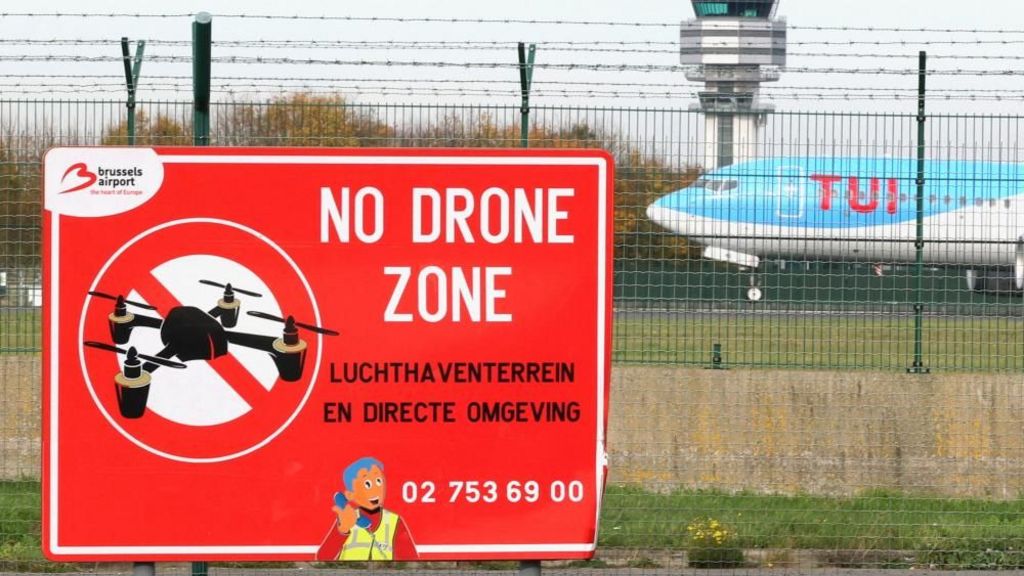
The Belgian government has revealed to the BBC that it is urgently working to acquire advanced drone defense systems following a recent incident that forced the temporary closure of Zaventem Airport, the main airport near Brussels. The disruption occurred on Thursday night after drones were sighted near the airport and other sensitive locations, including a military base. Defense Minister Theo Francken emphasized that what was once considered a localized issue for military bases has now escalated into a significant threat to civilian infrastructure across multiple European nations. Francken confirmed that several European allies, including Germany, have offered assistance, with the German military providing anti-drone defenses. The incident impacted approximately 3,000 passengers of Brussels Airlines, leading to considerable costs from flight cancellations and diversions. Joelle Neeb of Brussels Airlines noted that while EU compensation schemes do not apply, the airline is obligated to ensure passengers reach their destinations promptly by offering refunds, alternative flights, and covering accommodation and transport expenses. Neeb described drones as a ‘new threat,’ prompting the airline to revise its contingency plans. Recent months have seen similar drone-related disruptions across Europe, including in Sweden, Norway, and Denmark. Some officials have accused Russia of engaging in ‘hybrid warfare,’ though the Kremlin denies any involvement. German Defense Minister Boris Pistorius has suggested that these incidents may be linked to EU discussions about using frozen Russian assets to support Ukraine, a controversial plan that could see Belgium legally obligated to repay Moscow post-conflict. While Belgian security services suspect Russian involvement, Francken acknowledged the lack of concrete evidence. The situation has been further complicated by recent Russian airspace incursions in Eastern Europe, involving fighter jets and larger attack drones, which are seen as attempts to test European defenses and divert attention from Ukraine.
分类: world
-
Afghanistan and Pakistan are holding peace talks. Here’s what to know
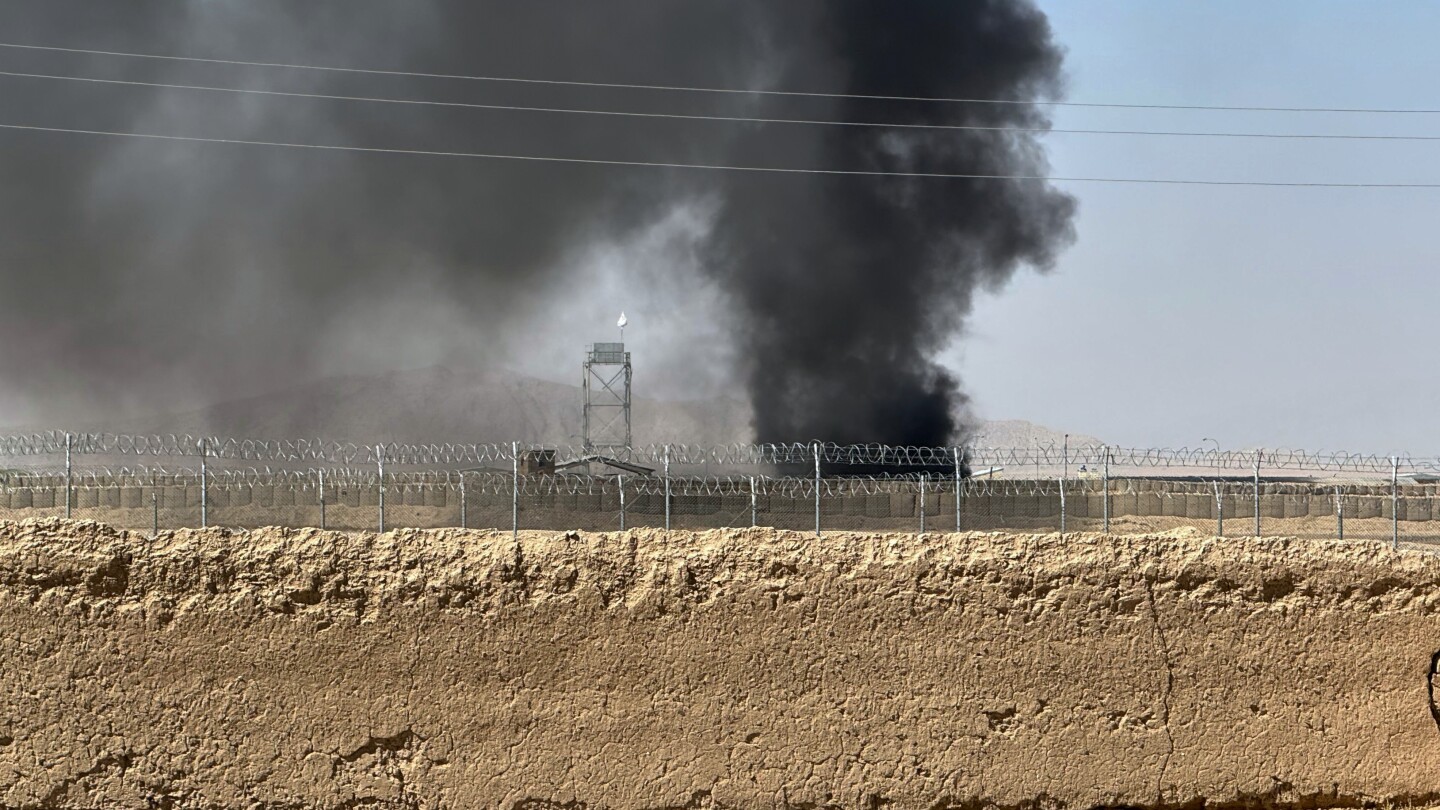
In a bid to de-escalate mounting tensions, Pakistan and Afghanistan have initiated peace talks following a fragile ceasefire that came into effect after deadly cross-border clashes. The recent violence, which erupted in early October, has been the most severe in years, resulting in significant civilian and military casualties on both sides. The conflict was triggered by explosions in Kabul and Paktika on October 9, which the Taliban-led Afghan government attributed to Pakistan. While Pakistani officials neither confirmed nor denied involvement, the incident sparked a series of shelling and shooting exchanges along the border, leading to dozens of deaths and hundreds of injuries. Discrepancies in casualty figures have further complicated the situation, with both nations accusing each other of inflating numbers. Pakistan claims to have targeted militant hideouts in Afghanistan, while Kabul denies these assertions and highlights civilian casualties. Amid the hostilities, Qatar and Turkey have stepped in as mediators, facilitating negotiations in Doha and Istanbul. Despite the ceasefire holding since October 19, sporadic clashes continue, underscoring the fragility of the peace process. The border region, known as the Durand Line, remains a contentious issue, with Afghanistan refusing to recognize it as an official boundary. Both countries accuse each other of harboring militant groups, with Pakistan pointing fingers at the Tehrik-e-Taliban Pakistan (TTP) operating from Afghan soil. The TTP, designated as a terrorist organization by the UN and the US, seeks stricter Islamic laws and reduced Pakistani military presence in border areas. The group’s alliance with the Afghan Taliban has further strained relations between the two nations. As peace talks progress, the international community remains watchful, given the region’s history of militant activity and the potential for further escalation.
-
Sudan capital hit by drone attacks a day after RSF agrees to truce – reports
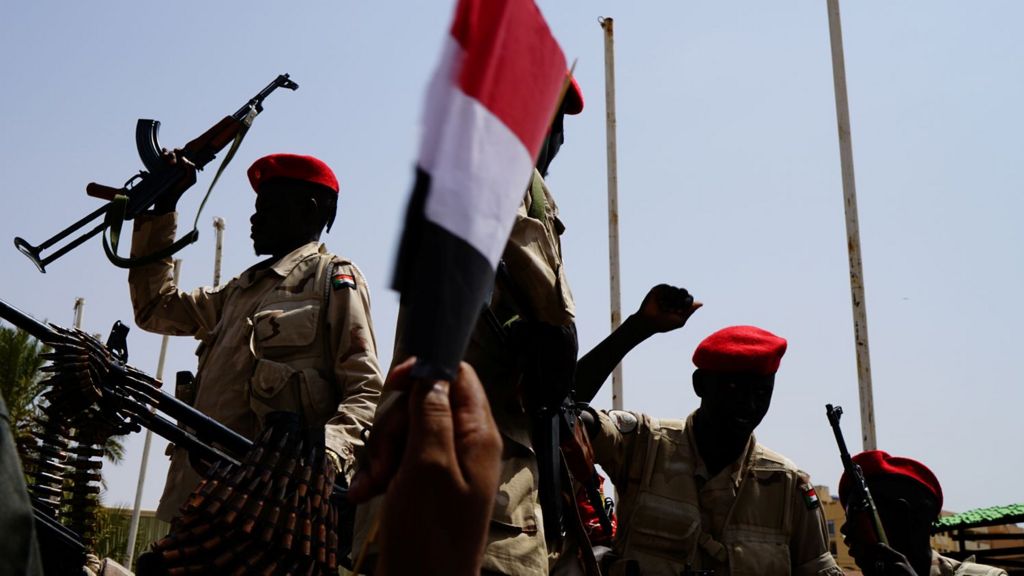
The Sudanese capital of Khartoum witnessed renewed violence as explosions echoed near military installations and power stations, despite the Rapid Support Forces (RSF) announcing their willingness to agree to a humanitarian ceasefire. Residents reported being awakened by the sounds of drones and blasts in the early hours of Friday, signaling a potential breach of the proposed truce. The RSF, a paramilitary group, has not commented on these incidents, while Sudan’s military-led government expressed skepticism about the ceasefire, citing the RSF’s history of disregarding such agreements. The ongoing civil war, which began in April 2023, has claimed at least 150,000 lives and displaced 12 million people, with famine conditions now spreading in conflict zones. The RSF recently consolidated its control over el-Fasher, a strategic city in Darfur, which could strengthen its position in future negotiations. However, the group faces international condemnation over allegations of mass killings and sexual violence during the city’s fall. The ceasefire proposal, backed by the US, UAE, Saudi Arabia, and Egypt, includes plans for a permanent truce and a transition to civilian rule, but Sudan’s government has rejected foreign interference and accused the UAE of supporting the RSF. UN experts have deemed these accusations credible, though the UAE denies involvement. As the conflict continues, the prospects for lasting peace remain uncertain.
-
Video: Trump event paused when guest faints; White House says ‘gentleman is okay’
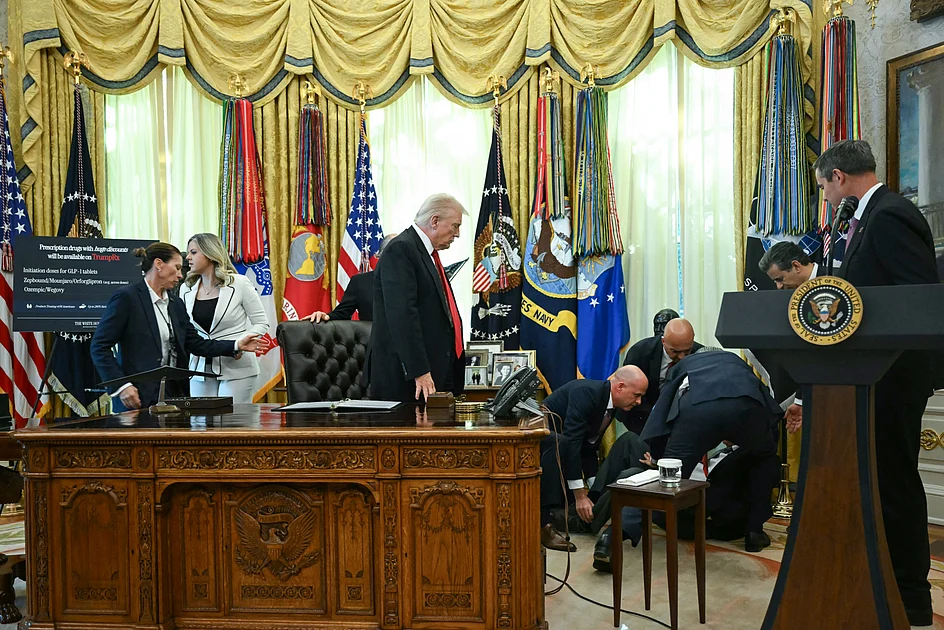
A White House event hosted by President Donald Trump was temporarily halted on Thursday when a guest fainted during a significant announcement about reducing the cost of weight-loss medications. The incident occurred in the Oval Office as a representative from one of the two pharmaceutical companies invited to unveil the pricing agreement was speaking. The man suddenly collapsed to the floor, prompting immediate action from attendees. President Trump, who was seated at the time, stood up and remained behind his desk as several individuals, including Dr. Mehmet Oz, the administrator for the Centers for Medicare and Medicaid Services, rushed to assist the unconscious guest. The White House Medical Unit swiftly intervened, and the individual was reported to be in stable condition. White House Press Secretary Karoline Leavitt later confirmed, ‘The gentleman is okay.’ The event resumed approximately an hour later, continuing its focus on the groundbreaking price reduction initiative for weight-loss drugs.
-

Typhoon Kalmaegi kills 188 in Philippines, brings more destruction to Vietnam
Typhoon Kalmaegi has wreaked havoc across the Philippines and Vietnam, claiming at least 188 lives and causing extensive damage. In the Philippines, officials reported 135 people missing and 96 injured, while Vietnam faced significant destruction in its coastal regions. The storm, which made landfall in central Vietnam late Thursday, uprooted trees, damaged homes, and caused widespread power outages. Although it weakened as it moved inland, authorities warned of continued heavy rainfall, with up to 200 millimeters expected in central provinces from Thanh Hoa to Quang Tri. In Vietnam, state media confirmed one fatality in Dak Lak province due to a collapsed house, while social media images depicted scenes of devastation, including flooded homes, torn-off roofs, and streets strewn with debris. The Philippine government mobilized over 268,000 soldiers for search-and-rescue operations and issued flood warnings for low-lying areas, which could impact agriculture in the Central Highlands, a key coffee-growing region. Kalmaegi is the 13th typhoon to form in the South China Sea this year, highlighting the vulnerability of Vietnam and the Philippines, both located along the Pacific typhoon belt. As the region braces for another impending typhoon, the Philippines’ civil aviation regulator has heightened alert levels for airport operations and area centers.
-

World leaders gather for second day in Brazil, seeking solutions to confront global warming
As global leaders convened for the second day of the COP30 climate summit in Belem, Brazil, President Luiz Inácio Lula da Silva unveiled a groundbreaking initiative aimed at safeguarding the world’s tropical forests. The proposed Tropical Forests Forever Facility seeks to incentivize 74 developing nations to preserve their forests by offering financial rewards funded through interest-bearing loans from wealthier countries and commercial investors. This innovative approach aims to make forest conservation more economically viable than deforestation, which currently benefits industries like cattle ranching, mining, and illegal logging. Belem, the summit’s host city, holds symbolic significance as part of the Amazon rainforest, a critical regulator of the global climate. The fund’s structure allocates 20% of its resources to Indigenous communities, who have historically been stewards of these lands. Norway led the charge with a $3 billion pledge, followed by other nations, bringing total commitments to $5.5 billion. However, the absence of leaders from the world’s top polluters—China, the United States, and India—highlighted ongoing geopolitical divisions. U.N. Secretary-General António Guterres criticized global powers for prioritizing fossil fuel interests over public welfare, warning that exceeding the 1.5°C warming threshold would result in catastrophic consequences. The summit underscored the urgent need for collective action to combat climate change while addressing economic and social inequities.
-
Sudanese army intercepts RSF drones targeting 2 cities
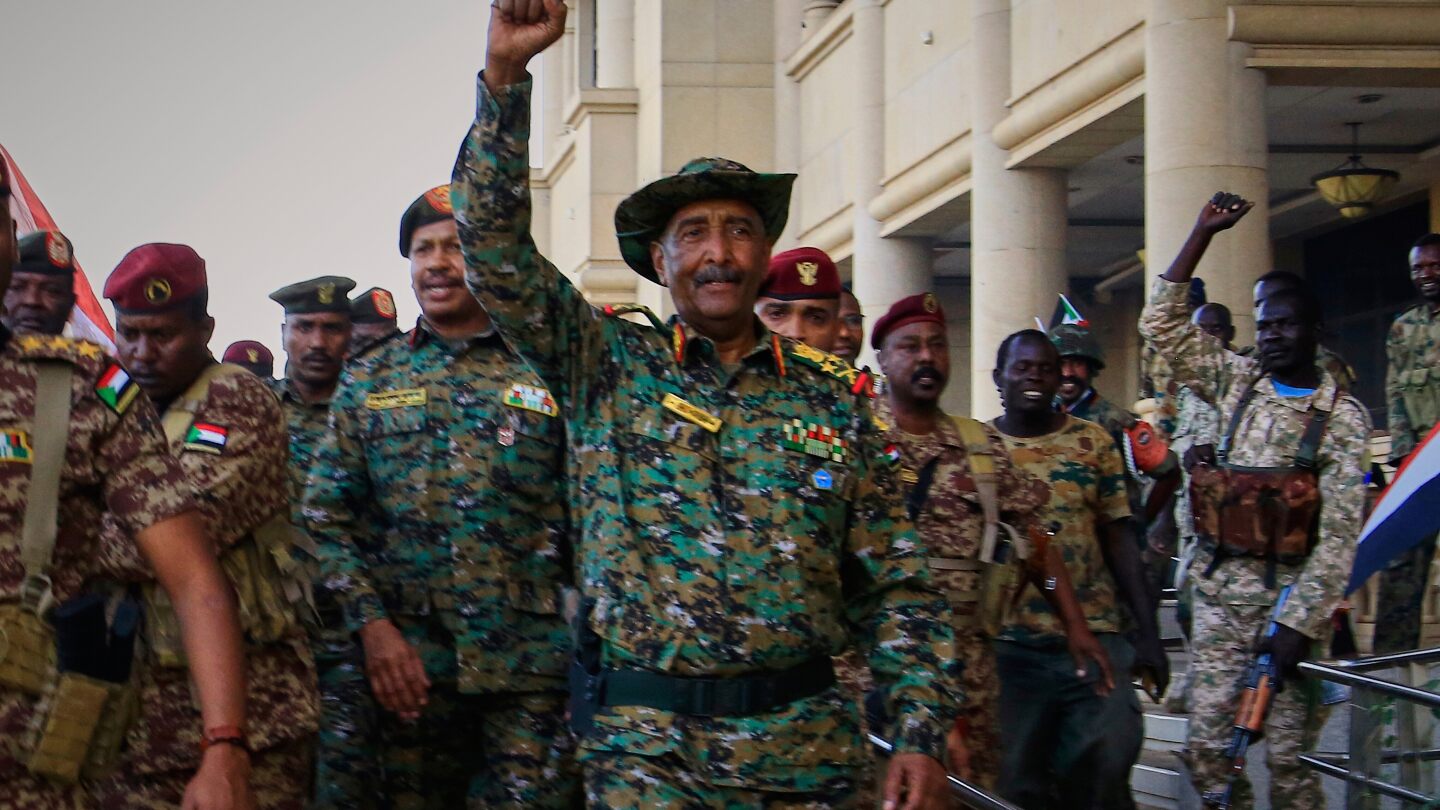
The Sudanese military successfully intercepted a series of drone attacks launched by the Rapid Support Forces (RSF) overnight in two northeastern cities, a senior army official disclosed on Friday. Speaking anonymously to discuss sensitive matters, the official revealed that 15 drones targeted Atbara in River Nile province, north of the capital, Khartoum. While no casualties were reported, local residents confirmed hearing explosions. A smaller-scale drone assault was also thwarted in Omdurman, Khartoum’s sister city. These strikes occurred just a day after the RSF announced its acceptance of a U.S.-proposed humanitarian truce mediated by the Quad, a coalition of international mediators. However, the Sudanese army emphasized that it would only agree to a ceasefire if the RSF withdraws from civilian areas and disarms, as stipulated in previous peace agreements. The conflict between the RSF and the military, which erupted in 2023 following a breakdown in their alliance during Sudan’s democratic transition, has claimed at least 40,000 lives and displaced 12 million people, according to the World Health Organization. Aid agencies warn that the actual death toll could be significantly higher, with over 24 million people facing acute food insecurity. Meanwhile, the U.N. Human Rights Council has scheduled an emergency session on November 14 to address the escalating violence in Sudan, particularly in the Darfur region. UNICEF reported that over 81,000 people have fled el-Fasher since late October, with widespread shortages of essential supplies and rampant violence against civilians, especially women and children.
-
Drone sightings halt flights at major European cargo airport in Belgium
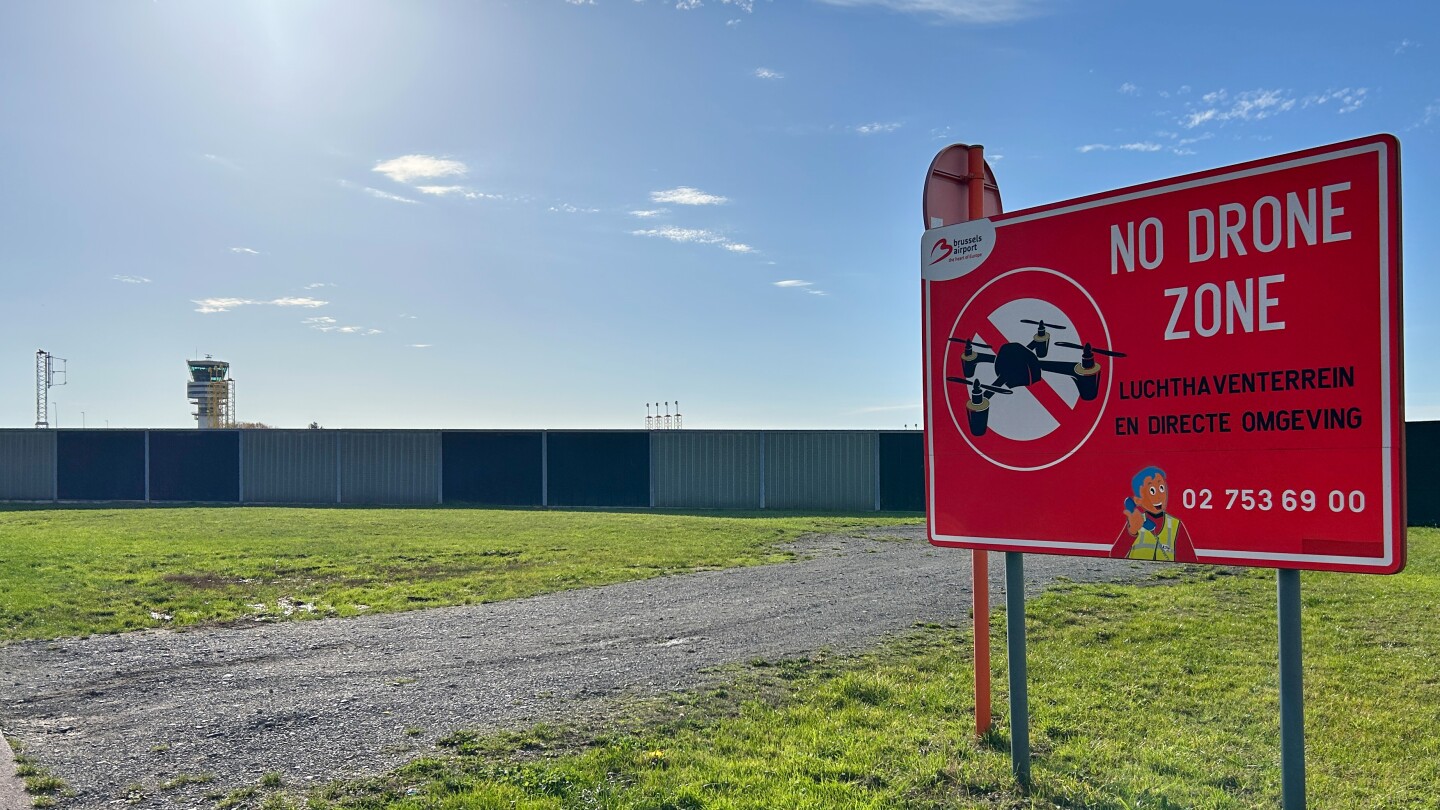
Belgium’s airspace has been thrust into turmoil following a series of drone sightings that disrupted operations at two major airports. Liege Airport, one of Europe’s largest cargo hubs, experienced multiple flight suspensions between Thursday evening and Friday morning due to unauthorized drone activity. This incident follows a similar disruption at Brussels Airport, Belgium’s primary international gateway, which was temporarily shut down on Wednesday after drone sightings the previous night. The closure marked the first time Brussels Airport had been forced to halt operations due to drones.
-
Kenya demands safety for its citizens after Tanzania’s post-poll crackdown
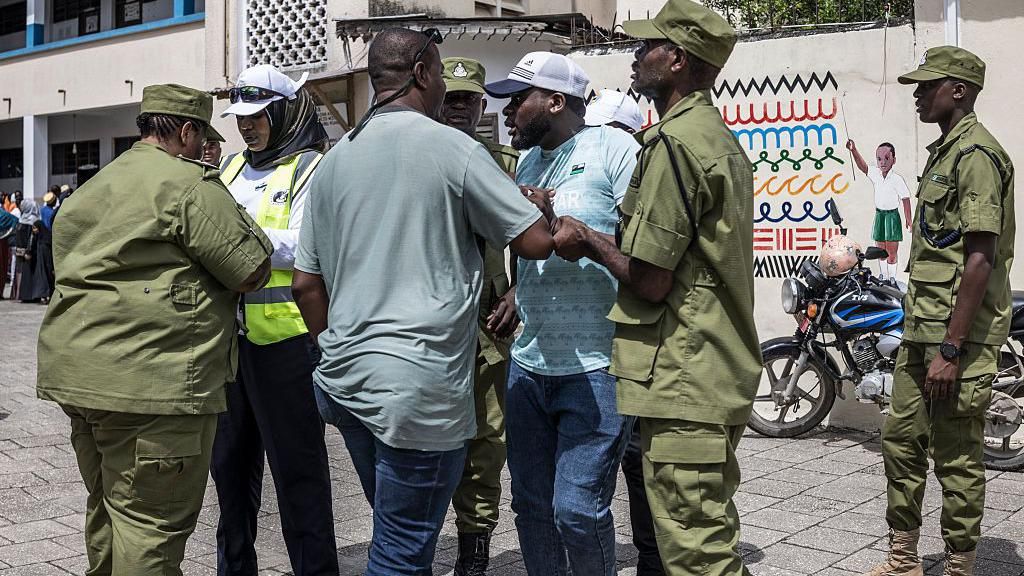
The safety of Kenyans in Tanzania has become a pressing concern following reports of targeted harassment and violence in the aftermath of Tanzania’s disputed election. Kenyan Foreign Minister Musalia Mudavadi has formally raised the issue with Tanzanian authorities, emphasizing the need to protect the rights and dignity of Kenyan nationals. Tanzanian President Samia Suluhu Hassan, who secured 98% of the vote in the contested election, has blamed foreigners for inciting unrest, a claim that has intensified scrutiny on Kenyans living in Tanzania. Mudavadi confirmed that formal complaints have been submitted, urging resolution through diplomatic channels. However, concerns persist as reports emerge of Kenyans being killed, injured, or detained by Tanzanian security forces. Kenyan human rights activist Hussein Khalid has accused Tanzanian authorities of using Kenyans as scapegoats for police atrocities. The Tanzanian government has dismissed allegations of excessive force, claiming that foreign agitators entered the country illegally to cause chaos. Meanwhile, Kenyan families are increasingly anxious about their relatives in Tanzania, with some fleeing the country amid warnings against employing undocumented workers. The election, criticized by observers for falling short of democratic standards, has deepened political tensions between the two East African neighbors, which have a history of diplomatic friction. President Samia, Tanzania’s first female leader, initially garnered praise for easing political repression but has since faced criticism for narrowing political freedoms. The situation underscores the fragility of regional relations and the urgent need for accountability and protection of vulnerable communities.
-
Spanish police arrest 13 suspected members of Venezuela’s Tren de Aragua gang
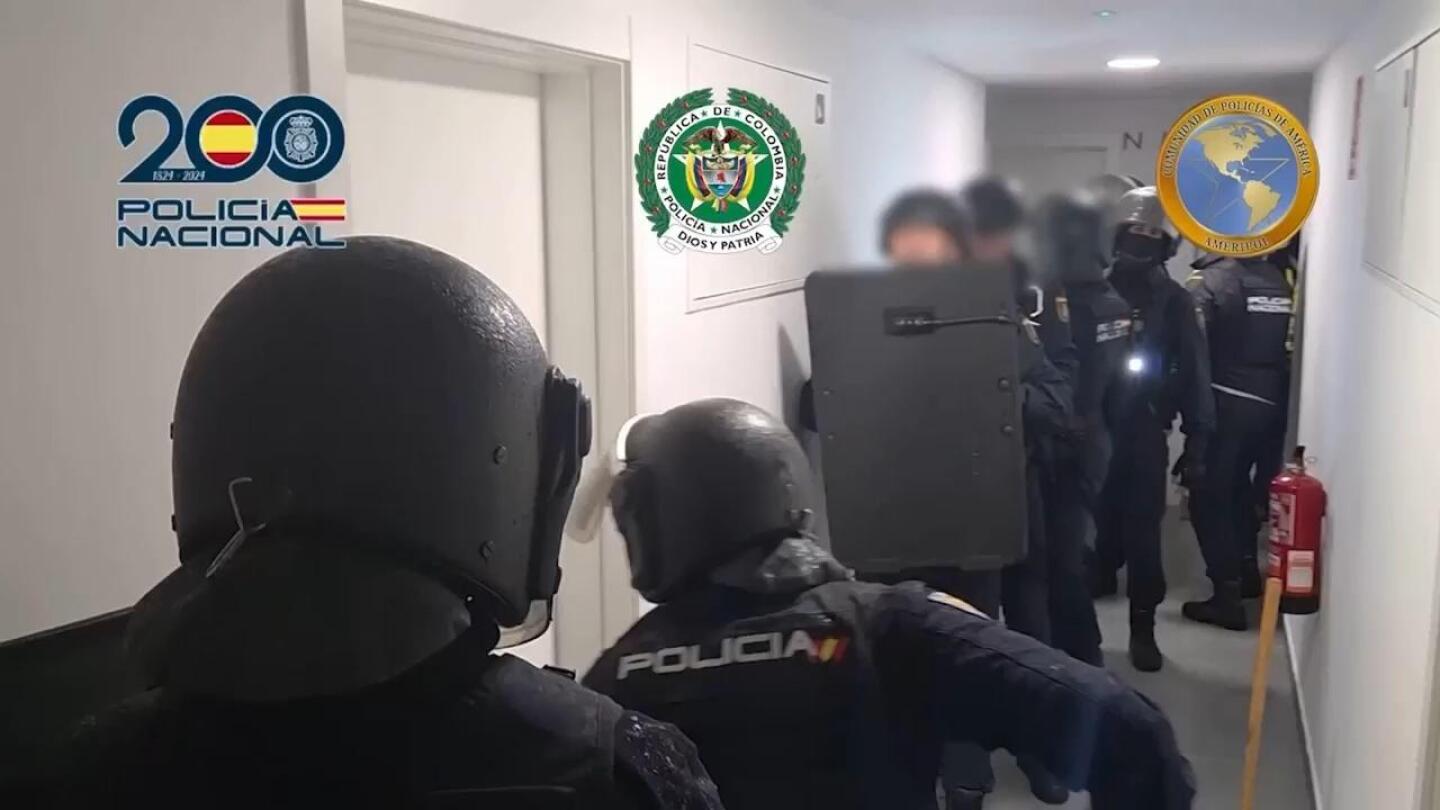
In a significant operation targeting organized crime, Spanish authorities announced on Friday the arrest of 13 suspected members of the Venezuelan Tren de Aragua gang. The arrests were carried out across five cities—Barcelona, Madrid, Girona, A Coruña, and Valencia—marking the first such operation in Spain to dismantle a suspected cell of this notorious gang. The U.S. government had designated Tren de Aragua as a foreign terrorist organization in February, highlighting its growing influence in international drug trafficking and organized crime. Spanish police also dismantled two drug laboratories used to produce tusi, a potent mixture of cocaine, MDMA, and ketamine, and seized significant quantities of synthetic drugs and cocaine. The operation followed an investigation initiated last year after the brother of the gang’s leader, known as ‘Niño Guerrero,’ was arrested in Barcelona under an international warrant issued by Venezuelan authorities. Tren de Aragua, which originated in a lawless Venezuelan prison over a decade ago, has expanded its reach amid the mass migration of Venezuelans fleeing economic turmoil, establishing a presence in Latin America, the U.S., and Spain. The gang has also been a focal point of the Trump administration’s military strikes against suspected drug vessels in the Caribbean and its domestic immigration crackdown. This latest operation underscores the global efforts to combat the gang’s criminal activities and its ties to international drug trafficking networks.