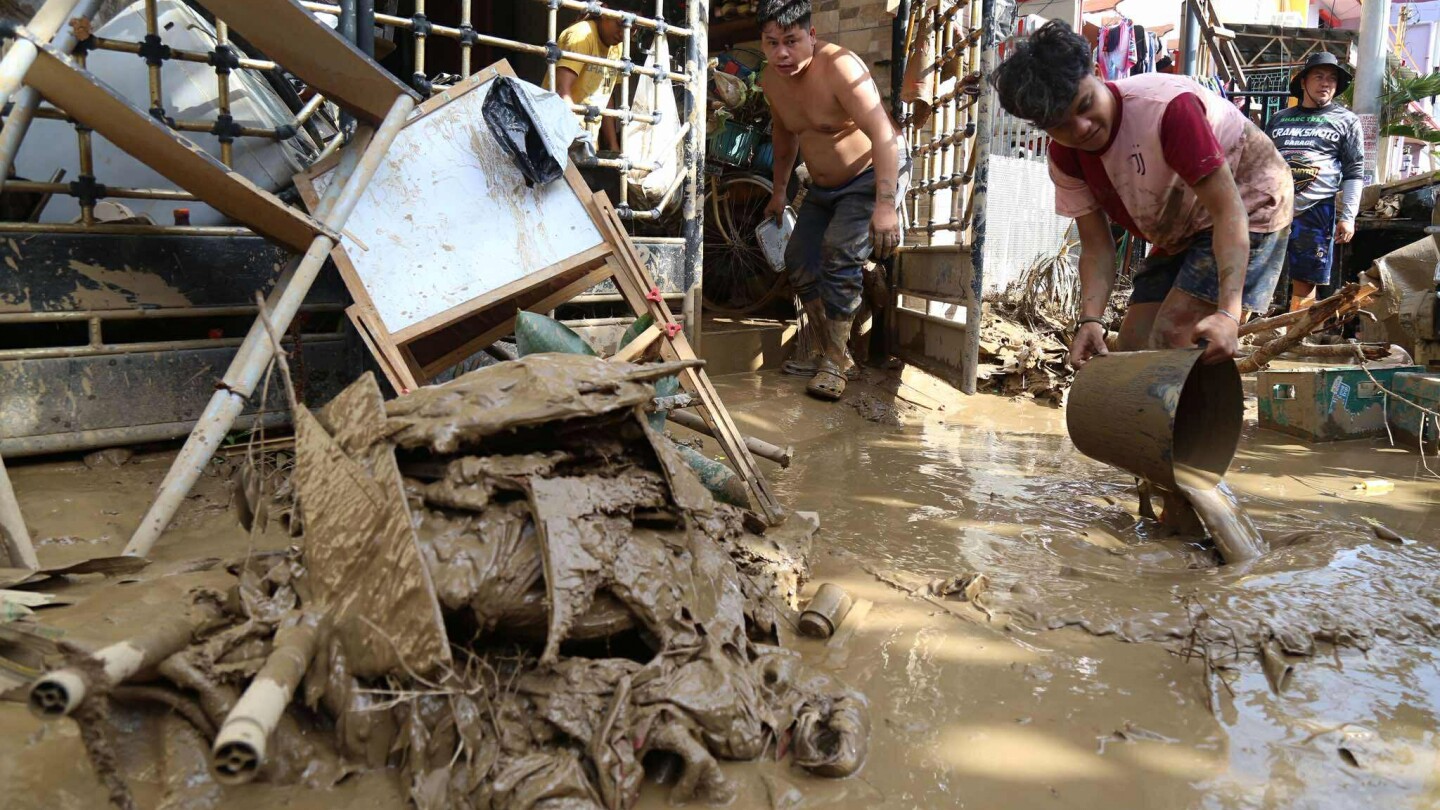
Typhoon Kalmaegi has left a trail of destruction in the Philippines, claiming at least 114 lives and leaving many more missing. The storm subsequently made landfall in Vietnam on Friday, exacerbating the region’s challenges. Meanwhile, a second typhoon, Fong-Wong, is predicted to strike the Philippines by Sunday, potentially intensifying into a major storm.
分类: world
-
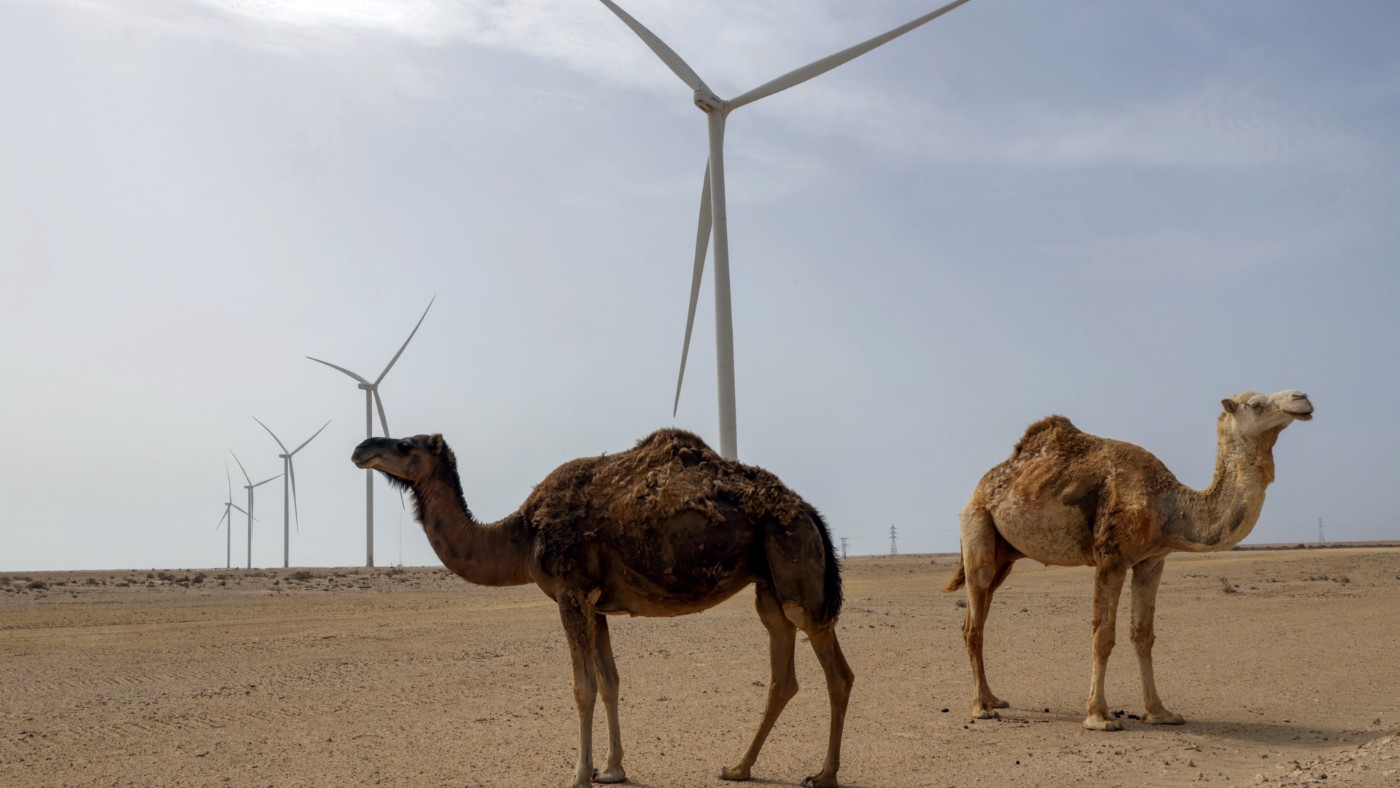
Fifty years of plunder: How Morocco and its allies profit from Western Sahara
In late October 2020, Minatu Ljatat, a Sahrawi refugee from the Awserd camp in southwestern Algeria, joined a group of 200 activists to protest at the Guerguerat crossing in occupied Western Sahara. Known as the “plunder corridor,” this area is the primary route for Morocco to export resources from the territory it has controlled since 1975. The activists aimed to block traffic, including trucks transporting fish from Moroccan-occupied waters, in a peaceful demonstration for Sahrawi independence. However, on November 13, Morocco forcibly removed the protesters, prompting the Polisario Front to end a ceasefire that had held since 1991. This marked a turning point in the decades-long conflict, as foreign companies from France, Spain, Israel, and the U.S. intensified their exploitation of Western Sahara’s resources, often under the guise of renewable energy projects. Despite legal challenges in the European Court of Justice, Sahrawis feel increasingly marginalized, with many advocating for a return to armed struggle. The international community’s complicity in Morocco’s occupation has further complicated efforts for self-determination, leaving the Sahrawi people in a precarious position. Ljatat, who fled her homeland in 1976, remains hopeful for a free Western Sahara but laments the lack of progress. The conflict, often referred to as Africa’s last colonial struggle, continues to draw global attention as the Sahrawis fight for their right to exist on their ancestral land.
-
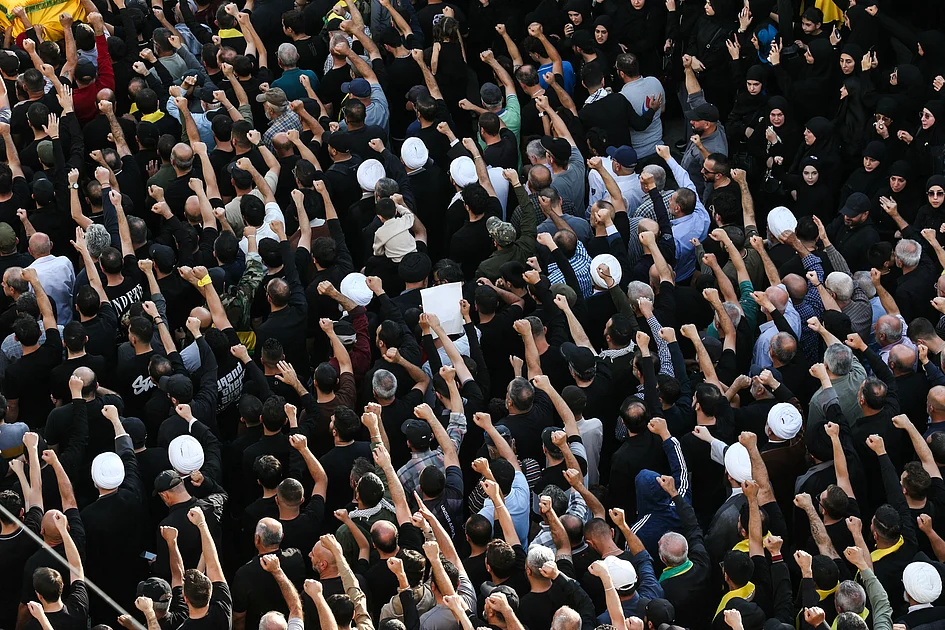
Hezbollah rejects any negotiations between Lebanon and Israel
Hezbollah, the Iran-backed militant group in Lebanon, has firmly rejected any potential political negotiations between Lebanon and Israel, asserting its right to self-defense. This declaration comes amid increasing pressure from the United States and Egypt on Lebanese leaders to engage in direct talks with Israel. Despite a ceasefire agreement reached in November 2024, tensions remain high, with Israel maintaining troops in southern Lebanon and continuing military strikes against Hezbollah positions. Hezbollah, which has refused to disarm since the Lebanese Civil War, criticized the Lebanese government’s efforts to dismantle its military capabilities, calling the disarmament push a ‘hasty decision’ that Israel has exploited. The group also reaffirmed its commitment to the ceasefire but warned against any threats to its sovereignty. Meanwhile, Israel has accused Hezbollah of attempting to rearm and has intensified its operations in Lebanon. The Lebanese government, under international pressure, is set to discuss the progress of its disarmament efforts, though Hezbollah and its allies remain staunchly opposed to such measures.
-
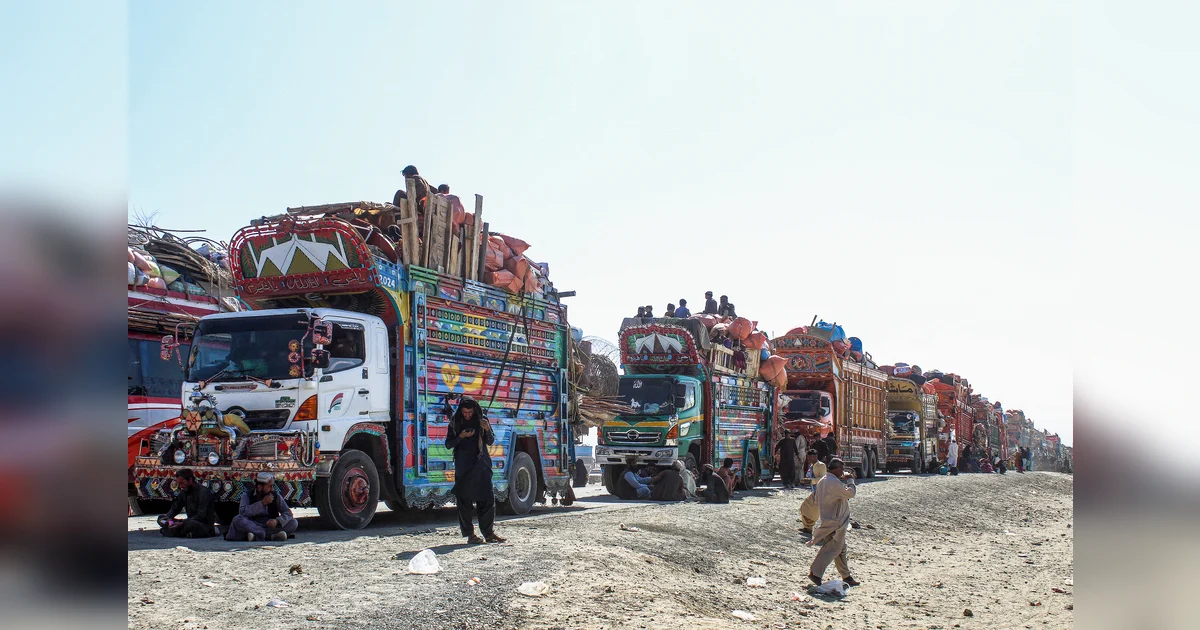
The frontier at the heart of Pakistan-Afghanistan tensions
The longstanding border dispute between Pakistan and Afghanistan, centered on the Durand Line, has reignited tensions between the two nations. The Taliban-led Afghan administration refuses to recognize the 2,600-kilometer border, labeling it as ‘imaginary,’ while Pakistan asserts its international legitimacy. The Durand Line, established in the late 19th century by British diplomat Sir Mortimer Durand, divides Pashtun communities and separates Afghanistan from the sea. Despite Islamabad’s efforts to fortify the border with trenches and fencing, Kabul has consistently condemned these measures. The porous border facilitates both informal crossings and vital trade, with Pakistan being Afghanistan’s largest trading partner. However, recent closures have resulted in significant economic losses, estimated at $50 million since October 12, 2025. Security concerns have escalated since the Taliban’s return to power in 2021, with Pakistan accusing Afghanistan of harboring armed groups, including the Pakistani Taliban (TTP). In December 2024, Pakistani airstrikes in Afghanistan’s Paktika province, targeting alleged terrorist hideouts, reportedly killed nearly 50 people. The Taliban denies these accusations and rejects the border as a colonial relic. Recent clashes in October 2025, which began with explosions in Kabul, led to over 70 deaths and hundreds of injuries. A fragile ceasefire brokered by Turkey and Qatar has temporarily halted violence, but negotiations in Istanbul have yet to yield a lasting agreement. Talks are set to resume, with both sides warning that failure to reach a deal could reignite conflict.
-
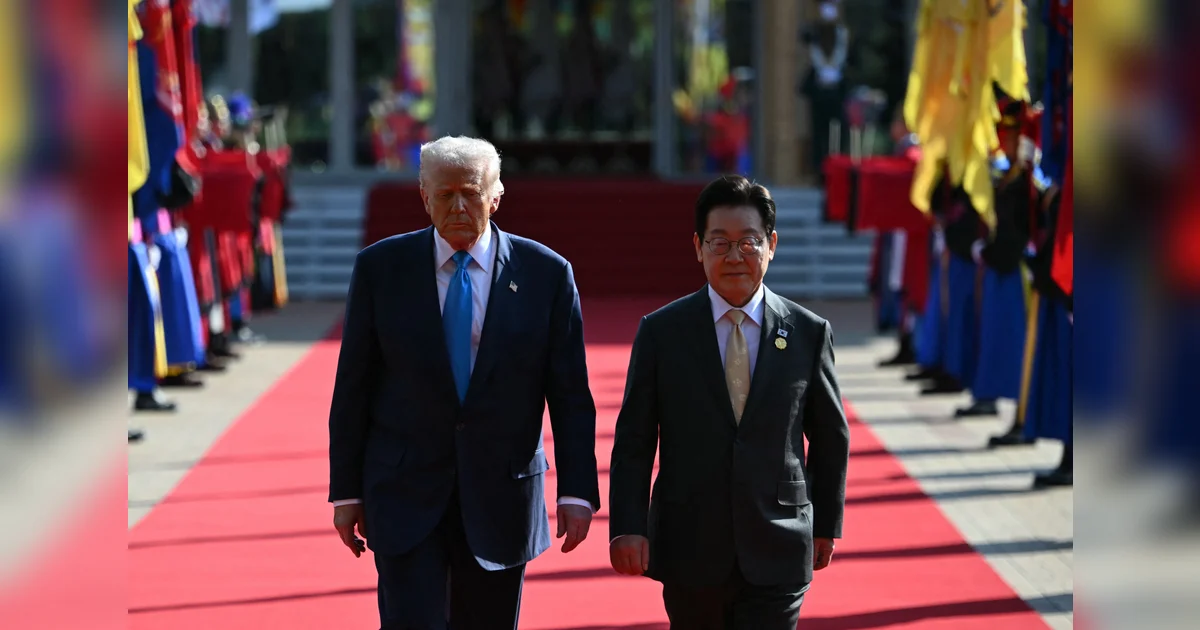
South Korean officials question feasibility of building nuclear submarine in US shipyard
South Korean officials have raised doubts about the feasibility of constructing a nuclear-powered submarine in a US shipyard, following US President Donald Trump’s recent social media announcement. Trump stated last week that he had approved South Korea’s request to build such a submarine, specifying it would be constructed at the Philadelphia shipyard. However, Prime Minister Kim Min-seok clarified during a parliamentary hearing on Thursday that the South Korean-owned Philly Shipyard currently lacks the capability to undertake such a project. This statement comes after Trump’s post on Truth Social, where he responded to South Korean President Lee Jae Myung’s request for nuclear fuel to power submarines equipped with conventional weapons. Defence Minister Ahn Gyu-back further emphasized that it would be more logical to build the submarines in South Korea, given the nation’s advanced shipbuilding expertise. South Korea is home to leading shipbuilders like Hanwha Ocean, which owns the Philly Shipyard but has declined to comment on the matter. US Defence Secretary Pete Hegseth assured that the Trump administration would collaborate with relevant departments to fulfill the commitment, emphasizing the president’s desire for strong alliances.
-
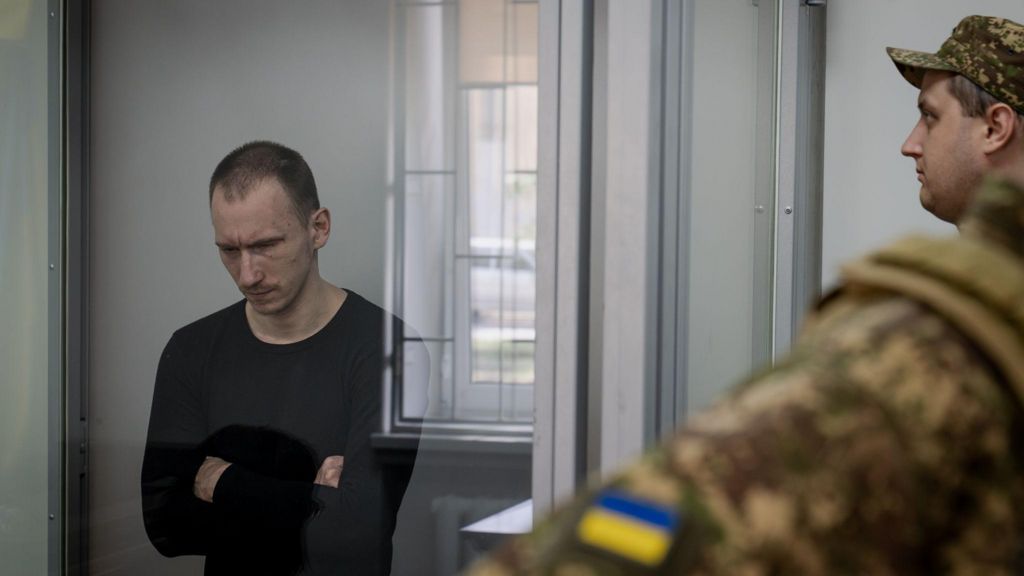
Russian soldier sentenced to life in jail in unprecedented Ukrainian trial
In a landmark ruling, a Ukrainian court has sentenced 27-year-old Russian soldier Dmitry Kurashov to life imprisonment for the execution of a Ukrainian prisoner of war, marking the first such sentence handed down since the conflict began. Kurashov was found guilty of fatally shooting 41-year-old Ukrainian veteran Vitalii Hodniuk, who had surrendered after being captured in the Zaporizhzhia region on January 6, 2024. The court determined that Kurashov acted on orders from his commanders, who had instructed troops not to take Ukrainian soldiers captive. Evidence, including expert reports, witness testimonies, and video footage, confirmed the deliberate nature of the killing. During the trial, it was revealed that Hodniuk had emerged unarmed from a dugout with his hands raised, only to be shot point-blank by Kurashov. Kurashov initially pleaded guilty but later retracted his confession, claiming he had done so to expedite a potential prisoner swap. He alleged that a Russian medic, who later died, was responsible for the shooting. However, testimonies from other members of his unit contradicted his account, stating that Kurashov was the only person present when the gunshots were heard. Kurashov’s lawyer argued that he was following orders, while the prosecutor emphasized his lack of remorse. The case highlights the broader issue of Russian prisoners being recruited to fight in Ukraine, often in poorly trained penal units like Storm V, which are deployed in high-casualty assaults. Ukrainian intelligence has documented over 150 cases of battlefield executions of POWs by Russian forces since the invasion began in 2022, with Ukrainian officials describing these acts as part of a systematic policy. While Ukrainian forces have also faced accusations of executing Russian POWs, such reports are significantly fewer in number.
-
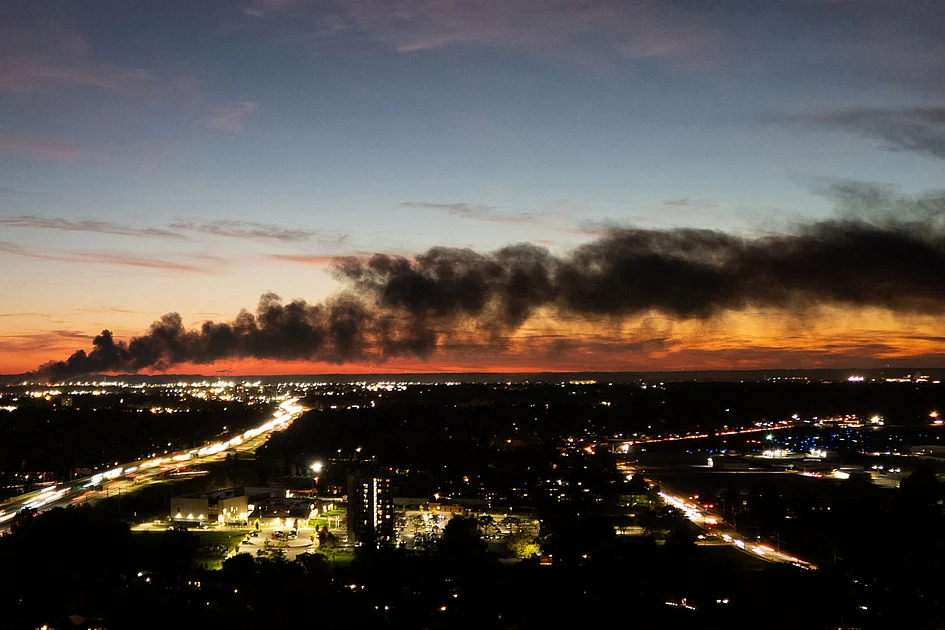
Engine fell off US cargo plane before deadly crash; death toll rises to 12
A catastrophic cargo plane crash in Kentucky has claimed the lives of 12 individuals, with investigators attributing the disaster to an engine fire and detachment during takeoff. The McDonnell Douglas MD-11, operated by UPS and en route to Hawaii, crashed shortly after departing from Louisville Muhammad Ali International Airport on Tuesday evening. The aircraft exploded into flames upon impact, devastating nearby businesses and leaving a fiery debris field nearly half a mile long. Louisville Mayor Craig Greenberg expressed profound sorrow over the rising death toll, while Kentucky Governor Andy Beshear described the incident as ‘heartbreaking’ and ‘unimaginable.’
The National Transportation Safety Board (NTSB) has launched a comprehensive investigation, with preliminary findings from airport footage revealing the left engine detaching during the takeoff roll. The flight data recorder and cockpit voice recorder, commonly known as black boxes, have been identified and will be sent to Washington for detailed analysis. The crash, reportedly the deadliest in UPS’s history, has prompted the company to suspend package sorting operations at its Louisville facility, which serves as its primary hub.
The aircraft, carrying approximately 38,000 gallons of fuel, narrowly avoided a major Ford assembly plant, averting an even greater catastrophe. Aerial footage of the crash site depicted a trail of debris and firefighters battling intense flames. The NTSB confirmed the plane was built in 1991 and later converted into a cargo aircraft. Boeing, which merged with McDonnell Douglas in 1996, has offered technical assistance to the NTSB. The incident has reignited concerns about the US air traffic control system, already strained by staffing shortages and aging equipment, following a series of fatal aviation accidents in recent years.
-

Japan to arm riot police with rifles in fight against bear attacks
In response to a surge in fatal bear attacks, Japan has revised its stringent gun laws to arm riot police with rifles. The decision, announced on Thursday, comes as the country grapples with a record number of bear-related fatalities, with 13 deaths reported since April 1—more than double the previous annual record. The National Police Agency (NPA) has identified northern regions such as Iwate and Akita as hotspots for these incidents and will deploy rifle-equipped riot police to these areas starting November 13. These officers will receive specialized training from local hunters’ associations to better understand bear behavior. The move follows criticism that standard police handguns are ineffective against bears. Meanwhile, Japan has also deployed soldiers to assist in bear management, though they will not carry firearms. Instead, troops will focus on transporting traps and using anti-bear sprays, protective gear, and net launchers. Prime Minister Sanae Takaichi’s administration is urgently drafting a policy package to address the crisis. Scientists attribute the rise in bear populations to climate change, which has increased food sources like acorns, deer, and boars. Additionally, rural depopulation has blurred the boundaries between human settlements and bear habitats, prompting bears to venture closer to residential areas.
-

Weekly quiz: Which supermodel turned her husband to stone for Halloween?
This week witnessed a series of notable events across the globe. In Georgia, Bella Culley, a pregnant British teenager, was released from prison, marking a significant moment in her life. Meanwhile, in Thailand, the Miss Universe competition experienced an unexpected walkout, adding drama to the prestigious event. On a more celebratory note, David Beckham was knighted by King Charles, a recognition of his contributions to sports and philanthropy. These events, though diverse, highlight the dynamic nature of global news. As we reflect on the past seven days, it’s essential to stay informed about the broader happenings that shape our world. For those keen on testing their knowledge, quizzes curated by Ben Fell offer an engaging way to recall and learn about recent events.
-

Uproar in France over Shein platform, calls for EU to sanction the e-commerce giant
France has escalated its concerns regarding the Chinese-founded e-commerce giant Shein, calling on the European Union to impose sanctions following a scandal involving the sale of childlike sex dolls on its French platform. Foreign Minister Jean-Noel Barrot emphasized the urgency of the situation, stating, ‘The European Commission must take action. It can no longer wait.’ He highlighted that the Commission has already conducted investigations and must now enforce appropriate measures.