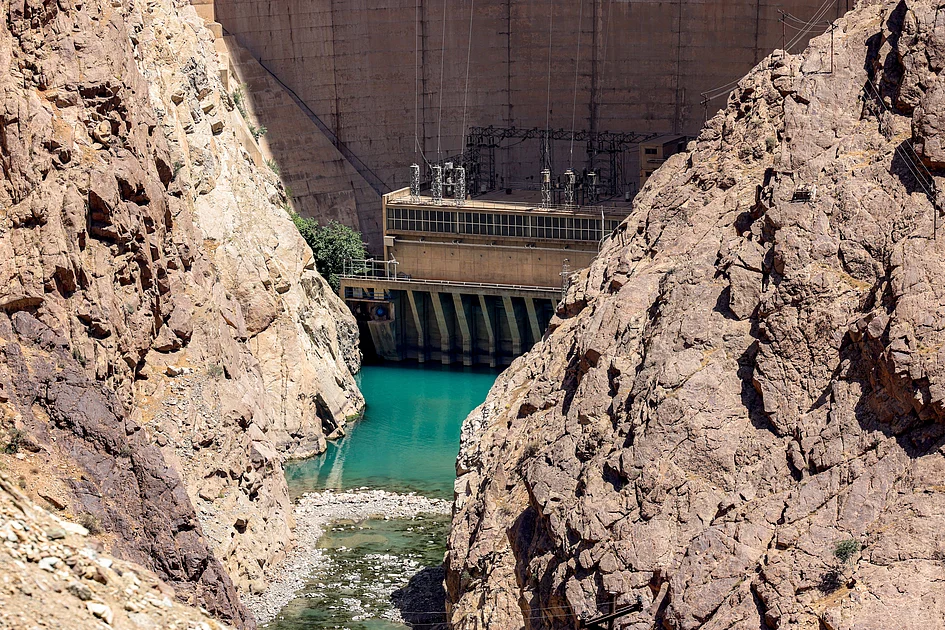
Iranian President Masoud Pezeshkian issued a stark warning on Friday, stating that the capital city of Tehran may face evacuation due to an escalating water shortage crisis. In a televised address, Pezeshkian emphasized that if significant rainfall does not occur by the end of the year, the city will be forced to implement water rationing measures. He further cautioned that continued drought conditions could lead to the complete depletion of water reserves, necessitating the evacuation of Tehran’s 10 million residents. The announcement comes as Iran grapples with one of its most severe droughts in decades, exacerbated by a 40% decline in precipitation compared to the 57-year average. Tehran, a sprawling megacity, is particularly vulnerable, with its main reservoir reportedly holding only two weeks’ worth of water. Recent conservation efforts, including water supply cuts in several neighborhoods and public holidays declared to save water and energy, have failed to mitigate the crisis. Authorities have urged citizens to reduce water consumption by 20% to stabilize the situation until the anticipated winter rains. The dire circumstances underscore the urgent need for long-term solutions to address Iran’s water scarcity challenges.
分类: world
-
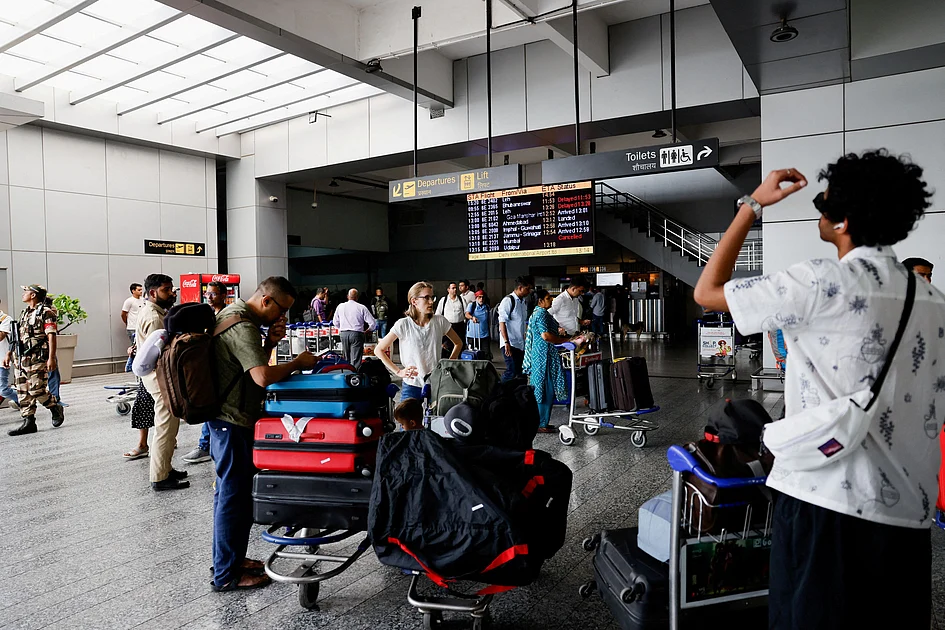
Technical glitch with air traffic system at Delhi airport resolved
A significant technical malfunction in the Automatic Message Switching System (AMSS) at Delhi’s Indira Gandhi International Airport, one of the world’s busiest, caused widespread flight disruptions over two days. The Airports Authority of India (AAI) confirmed the system was restored late Friday, but warned that normal operations would take time due to a massive backlog. The glitch, which began Thursday evening, delayed over 200 flights, including international carriers like ITA Airways and Virgin Atlantic. Airlines such as IndiGo and SpiceJet saw their shares drop by 2% and 1%, respectively, as they warned passengers of ongoing disruptions. The AMSS, crucial for generating flight plans, forced air traffic controllers to manually process plans, significantly slowing operations. Delhi Airport, handling 78 million passengers in 2024, ranks as the ninth busiest globally. The incident follows a recent ransomware attack on European airports, highlighting vulnerabilities in aviation infrastructure.
-
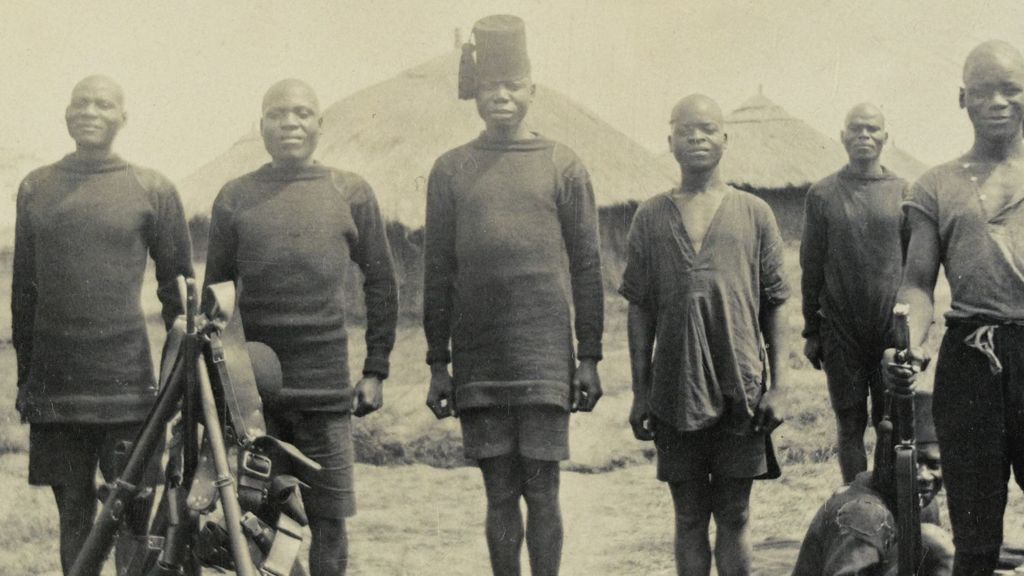
‘They went and never came back’: Honouring Kenya’s forgotten World War soldiers
Nearly eight decades after his disappearance, the fate of Mutuku Ing’ati, a Kenyan soldier who fought in the British army during World War Two, has come to light. Ing’ati, who vanished from his village of Syamatani in southern Kenya, was discovered through British military records to have enlisted as a private with the East African Scouts. Tragically, he was killed in action on June 13, 1943, though the exact circumstances and location of his death remain unknown. His family, who had spent years searching for him, only learned of his fate recently through the efforts of the Commonwealth War Graves Commission (CWGC).
The CWGC, dedicated to commemorating those who died in the world wars, has been working to uncover the stories of thousands of Kenyan soldiers like Ing’ati who served in the British forces. These soldiers, many of whom were never officially recognized or commemorated, played a significant role in the global conflicts. The CWGC, in collaboration with the Kenyan Defence Force, has unearthed a trove of colonial-era military records, shedding light on the lives and sacrifices of over 3,000 East African soldiers.
Among the records are stories of individuals like George Williams, a decorated sergeant major with the King’s African Rifles, and Abdulla Fadlumulla, a Ugandan soldier who enlisted at just 16 years old. Both died in combat, their contributions largely forgotten until now. Historians like Patrick Abungu, whose own great uncle was conscripted and never returned, emphasize the emotional toll on families who were left without answers for decades.
The CWGC aims to build memorials to honor these soldiers and integrate their stories into Kenya’s educational curriculum, ensuring future generations understand the pivotal role Africans played in the world wars. As George Hay, a CWGC historian, notes, ‘These are not just dusty files—they are personal stories.’ The organization’s efforts to recover and commemorate these forgotten heroes will continue indefinitely, ensuring their sacrifices are never erased from history.
-
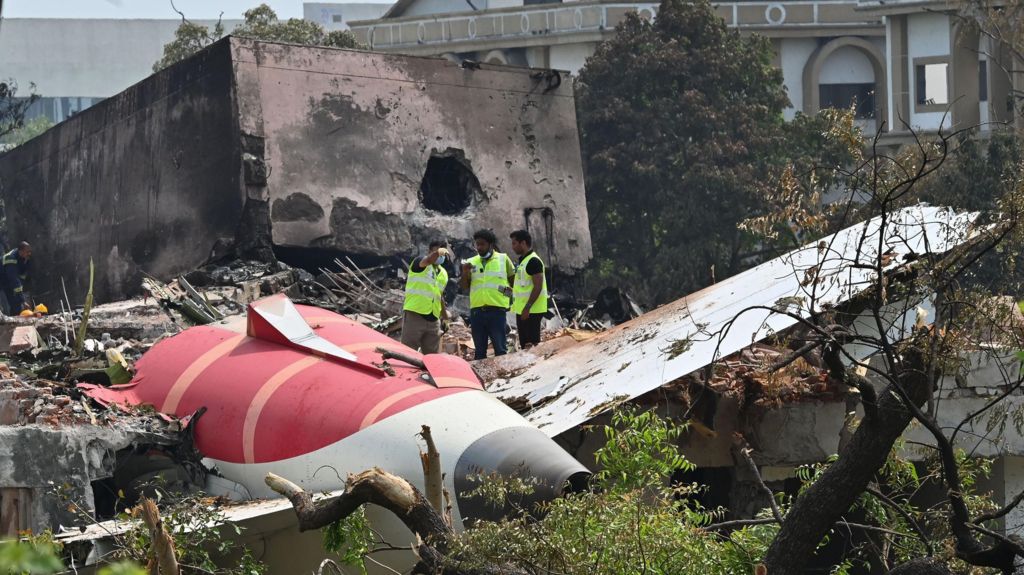
Blame game over Air India crash goes on
Nearly five months after the tragic crash of Air India Flight 171, which claimed 260 lives, the investigation has become embroiled in controversy, with India’s Supreme Court now weighing in. The flight, en route from Ahmedabad to London on June 12, crashed into a building just 32 seconds after takeoff. An interim report released in July has drawn criticism for allegedly focusing on pilot actions rather than potential aircraft malfunctions. Recently, a Supreme Court judge emphasized that no blame should be placed on the aircraft’s captain, echoing comments from Air India’s CEO, Campbell Wilson, who asserted that initial investigations found no issues with the aircraft or its engines. The investigation, led by India’s Air Accident Investigation Bureau (AAIB) with U.S. involvement due to the aircraft’s American origins, has faced scrutiny over its preliminary report. The report highlighted that fuel cutoff switches were moved shortly after takeoff, leading to engine shutdown, but did not conclusively determine the cause. Speculation has arisen over whether the pilots, Captain Sumeet Sabharwal and First Officer Clive Kunder, were responsible, with some experts suggesting an electrical fault may have triggered the shutdown. Critics argue that the investigation has been biased, with incomplete technical data and undue focus on pilot error. The Supreme Court is considering a petition from Captain Sabharwal’s father for an independent inquiry. Meanwhile, the U.S.-based Foundation for Aviation Safety has called for reforms in investigation protocols, citing systemic failures. As the investigation continues, the aviation community awaits the final report to uncover the true cause of the disaster.
-

Mexico and France announce plan to boost economic and cultural ties after leaders meet
Mexico and France have unveiled ambitious plans to enhance their economic and cultural collaboration, marking a significant step in Mexico’s strategy to diversify its trade partnerships beyond the United States. The announcement followed a historic meeting between Mexican President Claudia Sheinbaum and French President Emmanuel Macron at Mexico City’s National Palace, Macron’s first official visit to the country. This move comes as Mexico grapples with persistent trade tensions with the US, which has imposed tariffs of up to 50% on key Mexican exports, including steel, copper, and tomatoes, outside the scope of the USMCA agreement. Macron emphasized the deepening of the strategic alliance, stating, ‘Today we begin a new chapter in our strategic alliance, one that demands — and that we want to be — even more global.’ He highlighted the role of 700 French companies operating in Mexico, particularly in the aerospace sector, which collectively generate 150,000 direct jobs and 700,000 indirect jobs. Sheinbaum underscored the importance of next year’s renewal of the EU-Mexico Free Trade Agreement, coinciding with the bicentennial of diplomatic relations between the two nations. Additionally, both leaders celebrated the reciprocal temporary exhibition of pre-Hispanic codices, including the Azcatitlan and Boturini manuscripts, which hold immense historical significance for Mexico. These efforts reflect a shared commitment to strengthening bilateral ties and fostering mutual cultural appreciation.
-

‘We had to create a human chain to evacuate’ – Jamaican hospital rebuilds after hurricane
The aftermath of Hurricane Melissa continues to unfold in Falmouth, Jamaica, where the historic town remains partially submerged in stagnant, sewage-laden water. The storm, a Category 5 hurricane, wreaked havoc across the Caribbean, leaving a trail of destruction in its wake. The regional hospital, situated on a low-lying road, was among the hardest hit, with floodwaters inundating its lower levels and causing significant damage to infrastructure, including the boiler room and ward roofs. Donna-Marie Hamilton-Wallace, the head of nursing, recounted the harrowing experience of evacuating patients and staff during the storm surge, describing it as both terrifying and miraculous that everyone survived. Ten days post-hurricane, recovery efforts are slowly gaining momentum. The Royal Navy, alongside local workers and international aid teams, is spearheading the cleanup, tackling the daunting task of restoring essential services. HMS Trent, a Royal Navy offshore patrol vessel, has been deployed to assist, with Marine Engineer Naomi Pearmine playing a crucial role in getting the hospital’s boiler operational. Machelle Stubbs, the chief medical officer, emphasized the critical need for external support, as many staff members continue to work tirelessly despite personal challenges. Keriesa Bell Cummings, the hospital’s CEO, has been coordinating relief efforts, rallying support from both local and international sources. While communications remain patchy, there is a growing sense of hope as aid and resources begin to arrive, marking a gradual return to normalcy for the resilient community.
-

Panache, parades and power: Africa’s top shots
This week, Africa showcased a vibrant tapestry of events, blending culture, politics, and sports. In Mogadishu, Somalia, locals sought respite from the scorching heat by plunging into the Indian Ocean. Meanwhile, Egypt buzzed with anticipation as the Grand Egyptian Museum prepared for its grand opening near the iconic Pyramids. Nigeria’s Lagos Fashion Week turned heads with Bubu Ogisi’s bold blue designs, while further north in Kwara State, brides-to-be readied themselves for the annual Awon mass wedding. Sports took center stage in Morocco as Chad triumphed over Tunisia in the Fifa Unites women’s football series. South Africa’s Cape Town hosted a spooky yet charitable Zombie Walk, complete with Halloween costumes. In Kenya, Rastafarian faithful celebrated the 95th anniversary of Haile Selassie’s coronation, while Senegal’s Fadiouth marked All Saint’s Day with a solemn procession to a local cemetery. Western Sahara saw crowds commemorating the 50th anniversary of the Green March, a pivotal moment in the region’s history. Zanzibar rehearsed for its presidential inauguration, while Tanzania mourned the loss of a young opposition leader amid political tensions. Guinea’s military ruler, Gen Mamadi Doumbouya, broke his promise to transition to civilian rule by submitting his candidacy for the upcoming presidential election. Finally, Senegal’s Dakar witnessed the breathtaking rise of the Beaver supermoon, capping off a week of diverse and dynamic events across the continent.
-
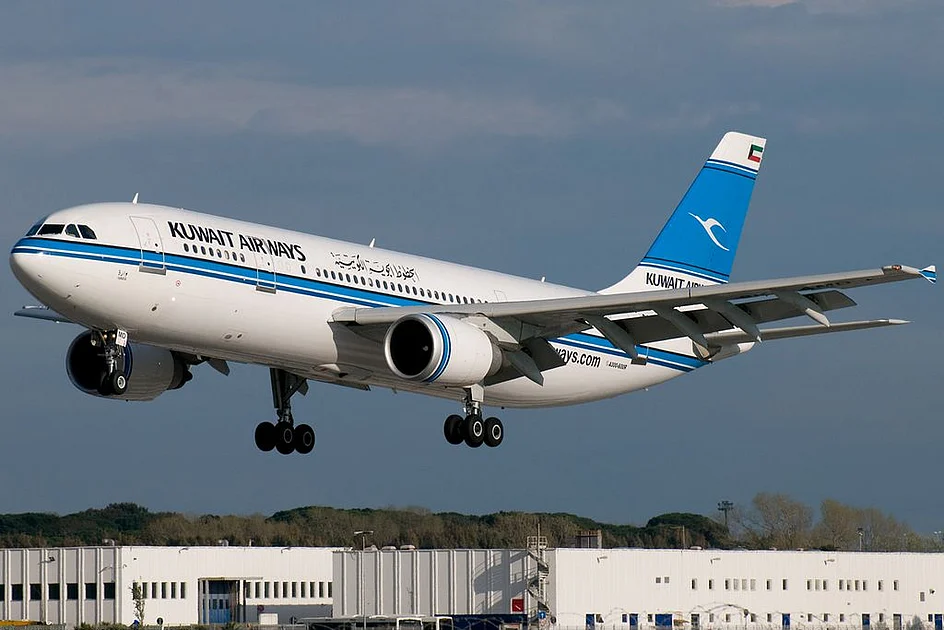
Kuwait Airways flight bound for Philippines faces technical glitch before takeoff
A Kuwait Airways flight scheduled to depart for the Philippines encountered a technical issue early Friday morning, delaying its takeoff. The incident occurred at 4:24 am at Kuwait International Airport when the aircraft experienced a sudden malfunction in its braking system while taxiing. The Directorate General of Civil Aviation (DGCA) confirmed the incident in a press release, assuring that no injuries were reported among the 284 passengers or crew members. DGCA spokesperson Abdullah Al-Rajhi stated that the minor damage was confined to the aircraft’s fuselage. Immediate action was taken by technical authorities to secure the plane and conduct thorough safety inspections. Passengers were accommodated on an alternative flight, which departed at 12:20 pm. Al-Rajhi emphasized that the safety of passengers and crew remains the top priority for both the DGCA and Kuwait Airways, and such incidents are managed with the highest air safety standards.
-

The Line: Saudi Arabia scales back megacity plans as crown prince’s ambitions falter
Saudi Arabia’s ambitious ‘The Line,’ a 170-kilometer-long linear city central to the futuristic Neom mega-project, is undergoing significant downsizing due to escalating costs, design impracticalities, and mounting controversies. A recent investigation by The Financial Times (FT) reveals that architects and developers are scaling back plans drastically, with the project now reduced to just three modules from an initial 20. Over $50 billion has already been spent, yet senior construction managers label the project as ‘uninvestible.’ The Line, envisioned as a high-tech urban marvel, has faced criticism for its unrealistic design, driven by Crown Prince Mohammed bin Salman’s fascination with science-fiction-inspired architecture. Despite warnings from engineers, the prince insisted on a 500-meter-high, 200-meter-wide structure, far exceeding feasible limits. The project has also drawn ire for its environmental impact, including threats to migratory species, and the displacement of local communities. Entire villages, such as Qayal and al-Khuraybah, have been demolished, leading to protests and arrests. Human rights organizations have condemned the harsh working conditions and exploitation of laborers, with reports of fatalities and inadequate investigations. Amid these challenges, Saudi Arabia is reportedly shifting focus from mega-projects like Neom to sectors such as logistics, minerals, and artificial intelligence, signaling a broader reevaluation of its economic priorities.
-

Exclusive: JD Vance plans to join Pope Leo’s visit to Turkey’s Iznik
US Vice President JD Vance is reportedly planning to accompany Pope Leo on his visit to Turkey to mark the 1,700th anniversary of the First Council of Nicaea, according to sources cited by Middle East Eye. The historic event will take place in Iznik, where the remains of an ancient basilica, believed to be the site of the First Council in 325 AD, are located. This council was one of early Christianity’s most pivotal gatherings, where bishops resolved theological disputes that shaped Christian doctrine. Vance, a devout Catholic, is expected to join the pope on November 28, though his participation has not yet been confirmed. Turkish officials anticipate his attendance and suggest he may also meet with President Recep Tayyip Erdogan, following their previous encounter in September. The Iznik basilica, measuring 20 by 40 meters, is considered the town’s largest known church and is increasingly accepted by scholars as the long-lost Church of the Holy Fathers. Pope Leo’s visit is expected to elevate Iznik’s status as a center for Christian pilgrimage and faith tourism. Excavations at the site, led by Mustafa Sahin of Bursa Uludag University, have uncovered 37 graves, many of which have been restored to preserve their historical authenticity. A 38-member Vatican delegation has already arrived in Iznik to finalize preparations for the pope’s visit.