分类: world

  • Ukrainian drone attack in Russia kills 1 following Moscow’s intense bombardment

    Ukrainian drone attack in Russia kills 1 following Moscow’s intense bombardment

    In a significant escalation of cross-border hostilities, Ukrainian drone operations struck the Russian city of Voronezh on Saturday, resulting in one fatality and three injuries according to regional governor Alexander Gusev. The attack damaged over ten residential buildings and educational facilities while Russian air defenses claimed interception of 17 drones approximately 155 miles from Ukrainian territory.

    Simultaneously, Ukraine’s military leadership announced a strategic strike against three Caspian Sea drilling platforms operated by Russian energy conglomerate Lukoil. These precision operations represent Kyiv’s systematic campaign to disrupt Moscow’s oil export capabilities, thereby constraining financial resources available for military operations.

    The retaliatory measures followed Russia’s massive aerial bombardment of Ukrainian infrastructure earlier in the week, which included the unprecedented deployment of advanced hypersonic missile systems. Ukrainian officials reported that the attacks left approximately 30,000 Kyiv residents without power during subzero temperatures, creating a humanitarian crisis in the capital.

    Military analysts note the conflict’s technological evolution as Russia reportedly deployed the new jet-powered ‘Geran-5′ strike drone, capable of carrying 200-pound warheads over 600 miles. This development signals both nations’ increasing reliance on advanced unmanned systems for long-range engagements.

    Diplomatic channels remain active despite the violence, with Ukrainian President Zelenskyy confirming ongoing negotiations with American counterparts regarding enhanced defensive capabilities and potential peace frameworks.
  • Israel planning renewed Gaza offensive in March, report says

    Israel planning renewed Gaza offensive in March, report says

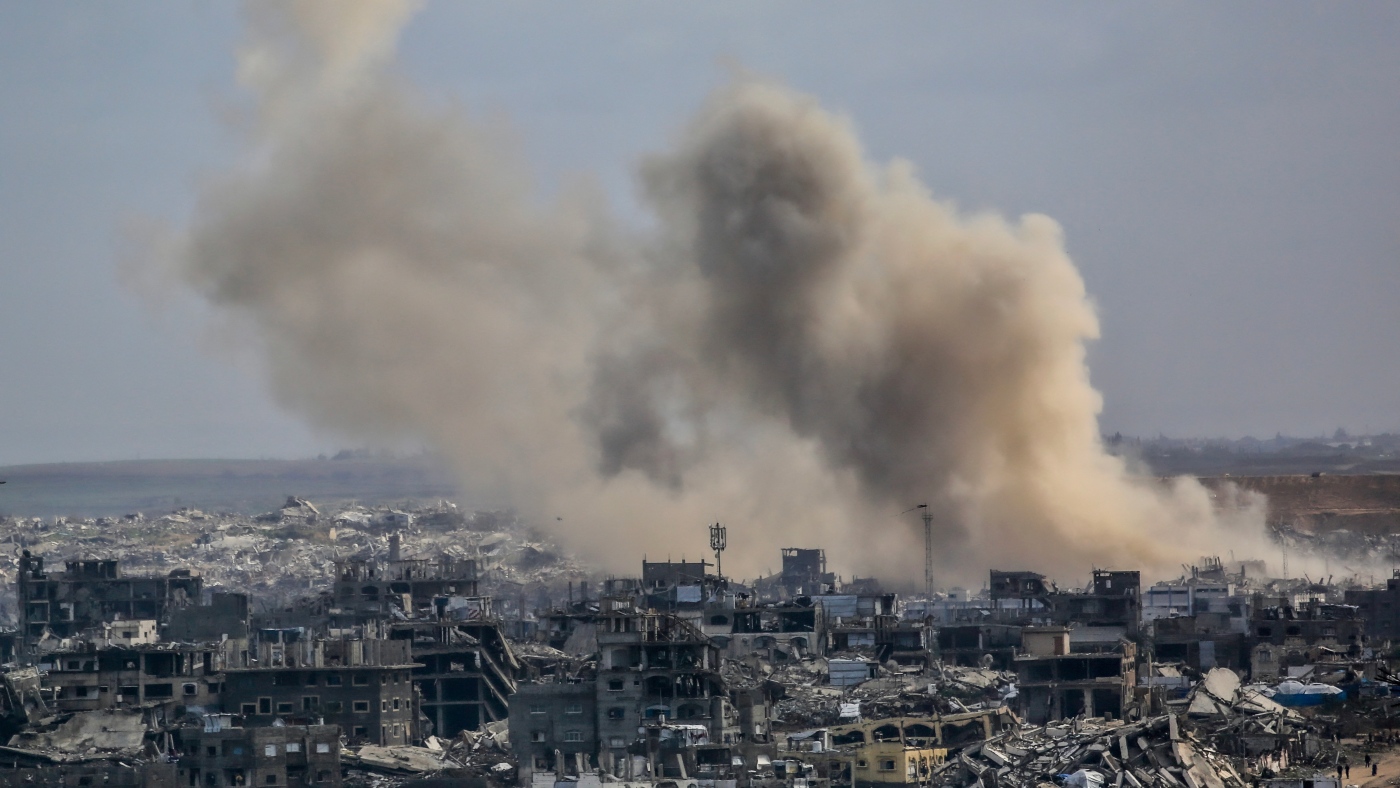
    The Israeli military is reportedly preparing to initiate a renewed ground offensive in the Gaza Strip by March, aiming to expand its territorial control westward toward the coastal region. According to a Times of Israel report citing official sources, this planned operation would focus on Gaza City and represents a significant escalation despite ongoing ceasefire negotiations.

    The current ceasefire, brokered by the United States on October 10, 2025, established the Yellow Line demarcation that granted Israel control over approximately 53% of Gaza territory. Israeli officials justify the planned offensive by citing Hamas’s refusal to disarm, though Arab diplomats question this rationale.

    Hamas spokesperson Hazem Qassem announced the group’s intention to dissolve governmental bodies in Gaza and transfer authority to a technocratic committee. However, Hamas simultaneously accuses Israel of repeatedly violating the ceasefire agreement, documenting nearly 1,200 violations including airstrikes, shelling, and home demolitions that have resulted in 439 Palestinian fatalities over three months.

    The humanitarian situation in Gaza continues to deteriorate catastrophically. Palestinian health authorities report that Israeli forces have killed more than 71,400 Palestinians since October 2023, including at least 20,000 children, with thousands more missing beneath rubble. Rescue operations are severely hampered by inadequate equipment and deteriorating weather conditions.

    UN agencies warn that recent storms have exacerbated the crisis, with flooding affecting approximately 65,000 families and over one million people requiring emergency shelter assistance. Philippe Lazzarini, head of UNRWA, emphasized that current aid remains insufficient and poorly suited to winter conditions, with non-waterproof tents providing inadequate protection.

    Complicating international efforts, Israeli Prime Minister Benjamin Netanyahu has opposed Turkey’s participation in a proposed stabilization force, discouraging contributions from other potential partners including Azerbaijan, Pakistan, Saudi Arabia, and Indonesia. Meanwhile, Israel’s announced restrictions on humanitarian organizations operating in Gaza have drawn widespread condemnation, with aid groups warning that hundreds of thousands would be cut off from essential care if implemented.

    Arab and European nations are demanding Israel permit “sustainable, predictable and unrestricted” access for rights groups, particularly during the challenging winter months, as the UN humanitarian office reports damaged infrastructure further impedes aid delivery.

  • US urges Americans to leave Venezuela ‘immediately’ due to risks

    US urges Americans to leave Venezuela ‘immediately’ due to risks

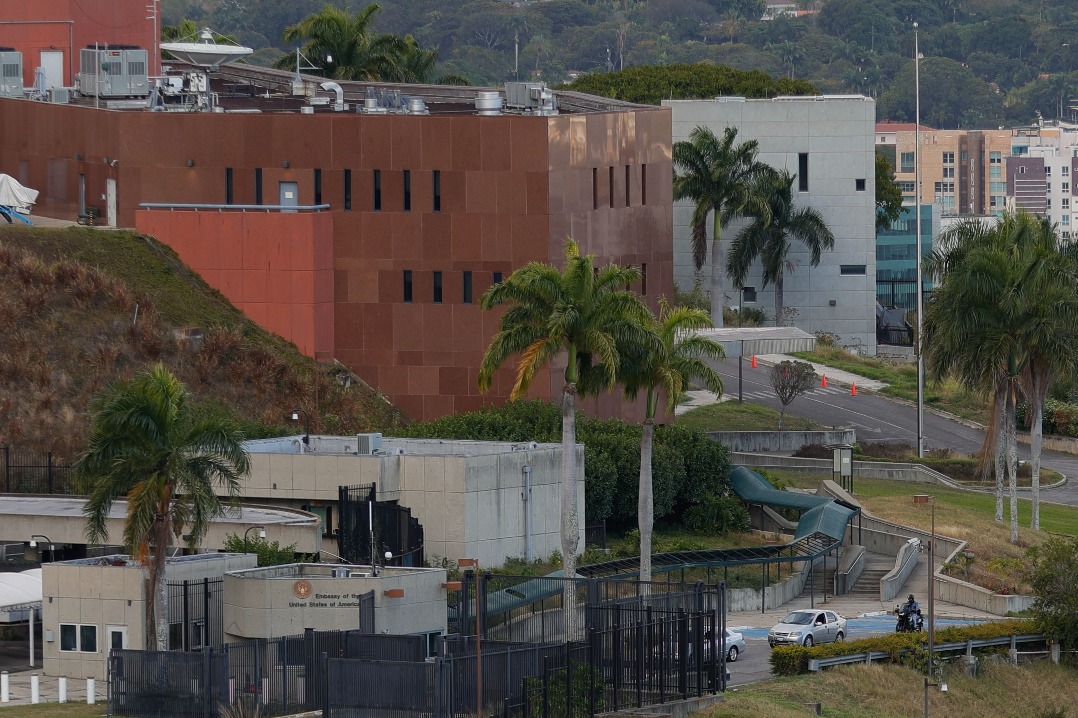
    The United States has escalated its travel warnings for Venezuela to the most critical level, urging American citizens to evacuate the South American nation immediately. This urgent advisory comes amid deteriorating security conditions and heightened risks to U.S. nationals.

    The U.S. Department of State’s Bureau of Consular Affairs issued the Level 4: Do Not Travel alert—the highest danger classification—citing multiple severe threats including wrongful detention, torture in custody, terrorism, kidnapping, arbitrary law enforcement, widespread crime, civil unrest, and inadequate healthcare infrastructure.

    According to official communications, the security situation in Venezuela remains highly volatile. Intelligence reports indicate armed militia groups, locally known as ‘colectivos,’ have established roadblocks throughout the country where they systematically search vehicles for evidence of U.S. citizenship or perceived support for American interests.

    The timing of this heightened alert follows the recent resumption of international flights, providing evacuation opportunities that previously didn’t exist. U.S. citizens are advised to maintain extreme vigilance during road travel and closely monitor airline communications for updated flight information.

    This development occurs against the backdrop of heightened tensions between Washington and Caracas following recent military actions. The current security landscape presents what U.S. officials characterize as an unacceptable risk environment for American citizens, necessitating immediate departure while commercial options remain available.

  • ‘A race against time’: Jerusalem’s Silwan faces escalating Israeli expulsions

    ‘A race against time’: Jerusalem’s Silwan faces escalating Israeli expulsions

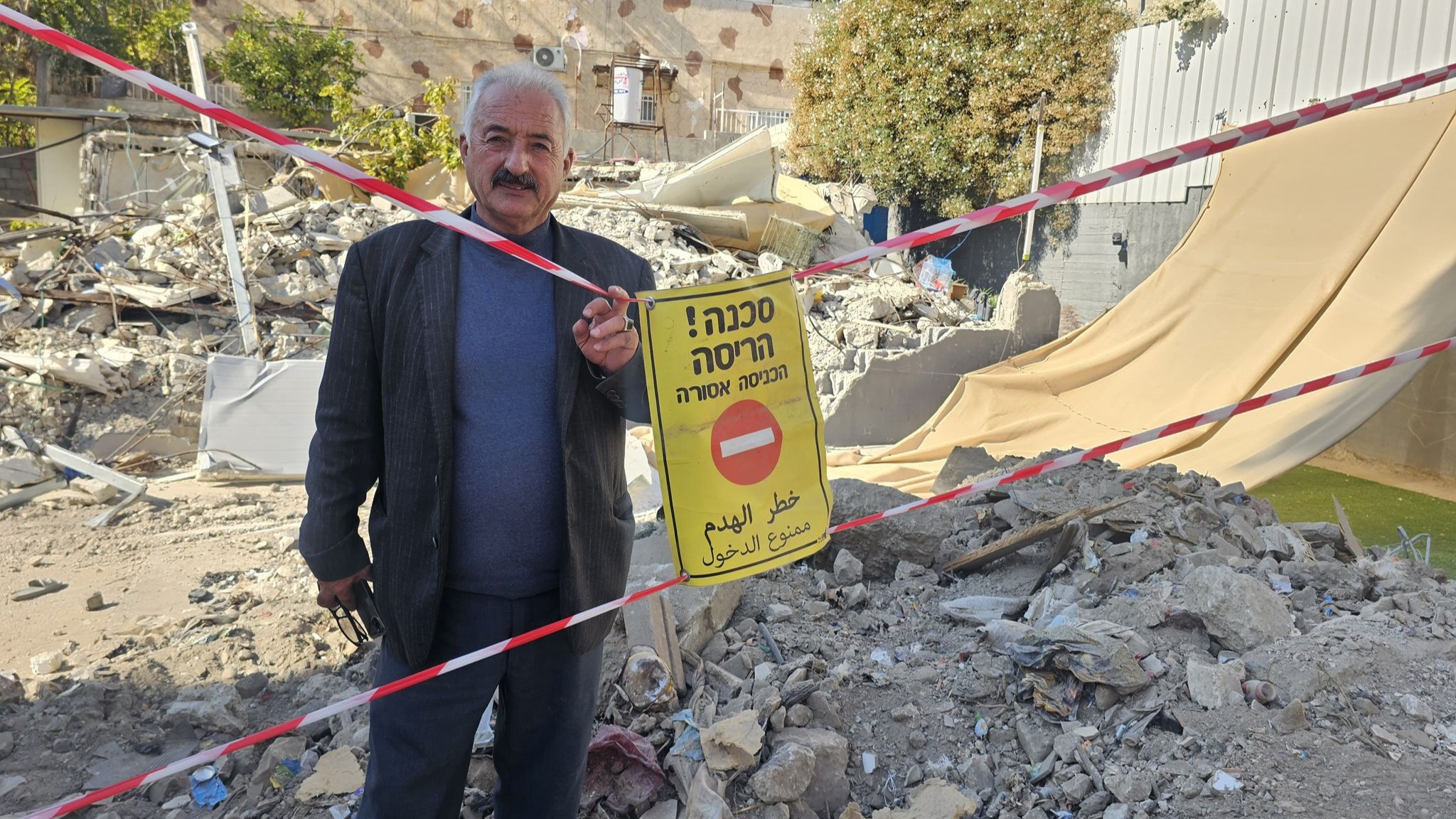
    In the occupied East Jerusalem neighborhood of Silwan, a profound humanitarian crisis unfolds as Israeli authorities accelerate property demolitions and settler takeovers. Fakhri Abu Diab, a prominent community activist, embodies this struggle having witnessed his family home destroyed twice in 2024 alone—each demolition compounding what he describes as overwhelming psychological trauma and financial devastation.

    The architectural dismantling of Palestinian residences occurs under the justification of building permit violations, a requirement local residents argue is systematically designed for their failure. Beyond bureaucratic mechanisms, settler organizations employ both legal maneuvers and intimidation tactics to displace longstanding communities. Current estimates indicate approximately 2,200 Palestinians face imminent expulsion from Silwan, with 24 families comprising 130 people at immediate risk.

    Israeli human rights organization B’Tselem characterizes these coordinated actions as government-sanctioned ethnic cleansing. The campaign extends beyond residential properties to include educational institutions and community infrastructure, fundamentally altering the neighborhood’s social fabric.

    Financial burdens compound the trauma, with displaced families forced to pay demolition costs—often exceeding $100,000 for permit applications that remain virtually unattainable. The judicial system offers limited protection, with courts frequently favoring state interests according to political analyst Firas Yaghi.

    Urban planning restrictions further exacerbate the crisis, with only 13% of East Jerusalem zoned for Palestinian construction. The separation wall compounds these restrictions, simultaneously isolating communities and providing pretexts for residency revocation.

    This systematic displacement forms part of what researchers identify as the ‘Judaisation of Jerusalem’—a strategic effort to replace the city’s Palestinian character with Jewish settlement. Plans reportedly exist to demolish up to 45,000 Palestinian homes across the city.

    Despite international condemnation, residents report accelerated actions on the ground. Abu Diab warns that without robust international intervention and legal protection, Israel will continue implementing these policies with impunity, permanently erasing Palestinian heritage from the city.

  • US launches large-scale strikes against IS targets in Syria

    US launches large-scale strikes against IS targets in Syria

    The United States Central Command (CENTCOM) has executed a significant military operation against Islamic State (ISIS) targets throughout Syria. The large-scale aerial strikes, carried out on Saturday afternoon Eastern Time, represent a decisive response to recent terrorist activities against American personnel.

    According to an official statement released on social media platform X, the operation involved coordinated efforts between U.S. forces and allied partner nations. The military action forms part of Operation Hawkeye Strike, an ongoing campaign initiated on December 19th following a deadly ambush in Palmyra, Syria.

    The previous incident on December 13th involved a lone ISIS operative attacking U.S. and Syrian forces, resulting in the tragic deaths of two American soldiers and one civilian interpreter. CENTCOM emphasized that these strikes demonstrate America’s continued determination to combat Islamic terrorism, safeguard military personnel, and prevent future attacks against U.S. and coalition forces in the region.

    The command further reaffirmed the unwavering commitment of combined forces to pursue terrorist elements that threaten United States security interests, highlighting the strategic importance of maintaining pressure on extremist organizations in the Middle East.

  • Millions of Venezuelans scattered across Latin America cautiously watch what comes next

    Millions of Venezuelans scattered across Latin America cautiously watch what comes next

    Across Latin America, the Venezuelan diaspora responded to news of Nicolás Maduro’s deposition with measured optimism rather than immediate plans to return home, despite calls from U.S. and regional leaders for repatriation. From textile markets in Lima to migrant shelters in Monterrey, Venezuelan expatriates expressed cautious hope while acknowledging the profound challenges preventing their return.

    In Peru’s capital, 22-year-old graphic designer Yanelis Torres capitalized on the political shift by selling T-shirts emblazoned with Maduro’s image and captions like “Game Over.” Despite the enthusiastic response from Peruvian customers, Torres reflected the prevailing sentiment among migrants: “I have a lot of things here. You’ve got to keep an eye on it, know what’s going on, but not lose hope.”

    The scale of displacement remains staggering, with nearly 7 million Venezuelan migrants and refugees scattered throughout Latin America. Colombia hosts the largest population at 2.8 million, followed by Peru with 1.5 million, according to United Nations-coordinated data. These numbers represent one of the largest displacement crises globally, driven by complex political and economic collapse that has pushed 80% of Venezuela’s population into poverty despite the nation’s vast oil reserves.

    Eduardo Constante’s journey exemplifies the diaspora’s struggles. Having left Venezuela during the 2017 “hunger crisis,” he spent years navigating South America’s precarious migrant trail—from Colombia to Peru, then Chile, and finally to Mexico’s northern border. His optimism about Maduro’s ouster was tempered by concerns about family members still facing food scarcity and government surveillance back home.

    The political landscape in host countries presents additional complications. Chile’s ultra-conservative President-elect José Antonio Kast has made deporting undocumented immigrants a central policy, giving thousands “63 days left to leave our country.” Similar immigration-focused elections loom in Peru and Colombia, potentially jeopardizing the protected status of Venezuelan refugees.

    Human rights experts warn of a “perfect storm” brewing for vulnerable migrants. Maureen Meyer of the Washington Office on Latin America (WOLA) noted that returning refugees would face exploitation risks from organized crime groups, particularly as smuggling networks have diminished. The organization emphasizes that Venezuela remains far from providing conditions that would ensure safe and sustainable returns.

    Despite these challenges, glimpses of hope persist. In Santiago’s “little Caracas” district, initial celebrations have settled into determined resilience. Sixty-six-year-old Alexander Leal, who sells homemade ice cream while dreaming of eventual repatriation, captured the collective aspiration: “It won’t be this year, but maybe it will be next year. That is everyone’s aspiration, that the country is fixed.”

  • Morocco’s king requires rest for lower back pain: State news agency

    Morocco’s king requires rest for lower back pain: State news agency

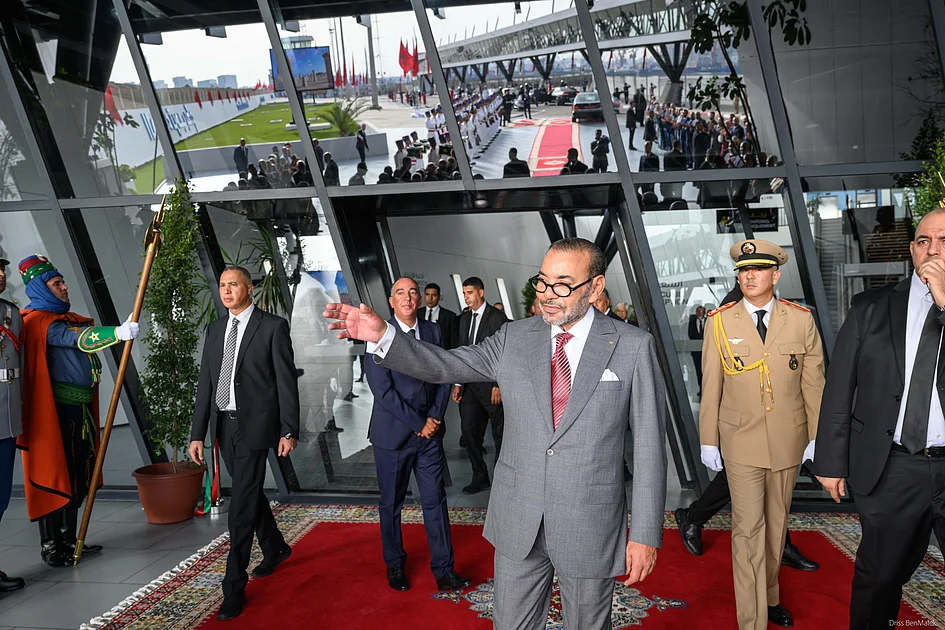
    RABAT – Morocco’s monarch King Mohammed VI has been advised to undergo a period of medical rest to address lower back pain stemming from muscular tension, according to an official statement released on Saturday. The royal court’s announcement, disseminated through the state news agency and attributed to the King’s personal physician, confirmed the non-severe nature of the condition while emphasizing the necessity for therapeutic intervention. The 62-year-old sovereign’s treatment regimen will involve appropriate medical protocols coupled with functional rest to ensure a full recovery. The bulletin aimed to provide transparency regarding the monarch’s health, a subject of significant national interest, while reassuring the public of the routine medical nature of the situation. The announcement did not specify the exact duration of the rest period required for the King, who has ruled the North African nation since 1999. Palace communications regarding the health of the monarch are typically measured and factual, reflecting the institution’s stature within Moroccan society.

  • US military strikes Islamic State group targets in Syria, officials say

    US military strikes Islamic State group targets in Syria, officials say

    In a significant military escalation, United States Central Command (CENTCOM) has confirmed the execution of large-scale airstrikes against Islamic State (ISIS) targets across Syria. The operation, authorized directly by President Donald Trump, represents a forceful response to the December 13th ambush in Palmyra that resulted in the deaths of two American soldiers and a civilian interpreter.

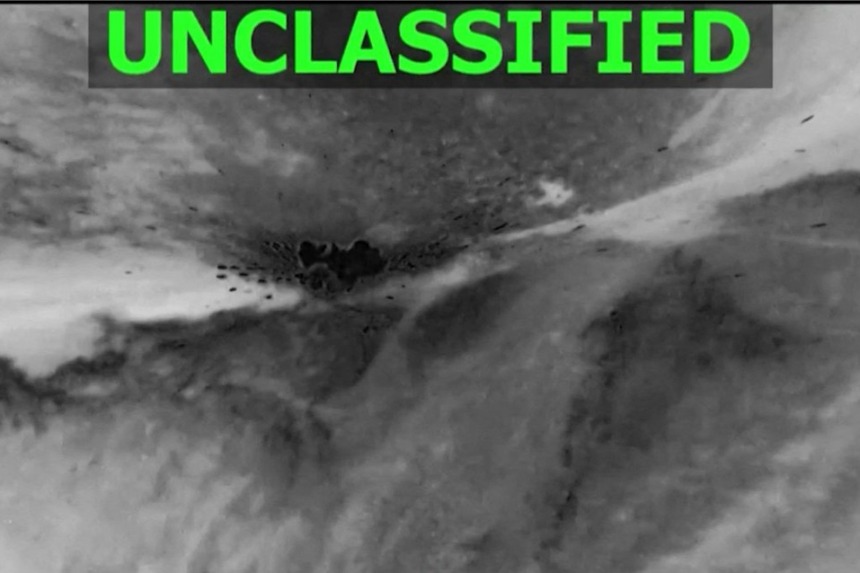
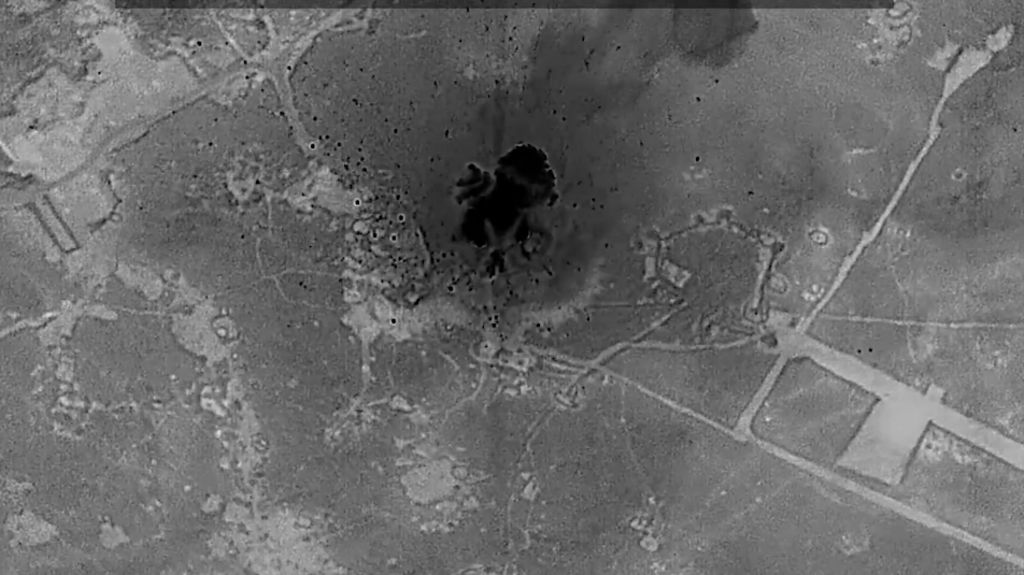
    Dubbed Operation Hawkeye Strike, the mission involved a formidable coalition of air assets. An official speaking to CBS News detailed that over 20 aircraft, including F-15Es, A-10s, AC-130J gunships, MQ-9 Reaper drones, and Jordanian F-16 fighter jets, delivered more than 90 precision-guided munitions against in excess of 35 confirmed ISIS targets.

    The strategic objective, as stated by CENTCOM, is twofold: to degrade terrorist capabilities and to ensure the security of US and partner forces operating within the region. The command issued a stark warning on social media platform X: ‘Our message remains strong: if you harm our warfighters, we will find you and kill you anywhere in the world, no matter how hard you try to evade justice.’

    This recent action is part of a sustained campaign. Prior to Saturday’s strikes, CENTCOM reported that nearly 25 ISIS operatives had been killed or captured in 11 separate missions conducted between December 20th and 29th. The operation commenced with a massive joint US-Jordanian assault on December 19th, which employed over 100 precision munitions against more than 70 targets.

    Defense Secretary Pete Hegseth characterized the operation not as the start of a new war but as a ‘declaration of vengeance,’ affirming the administration’s unwavering commitment to defending American personnel. The exact location of the latest strikes and assessments regarding enemy casualties remain undisclosed at this time.

    The ongoing operations occur against a complex geopolitical backdrop. Syria remains in a fragile state following the ouster of President Bashar al-Assad in late 2024, which concluded a devastating 13-year civil war. The country is now under the control of rebel leader Ahmed al-Sharaa (Abu Mohammed al-Jolani). Although significantly weakened, ISIS persists as an active insurgent threat, primarily conducting attacks against Kurdish-led forces in the nation’s northeast.

  • Oman sentences 59 expat workers to jail for Christmas Day riot, vandalism

    Oman sentences 59 expat workers to jail for Christmas Day riot, vandalism

    A court in Oman has delivered a decisive verdict against 59 expatriate workers, sentencing them to imprisonment and subsequent deportation from the Sultanate for their involvement in a violent protest on Christmas Day 2025. The ruling, announced by Oman’s Public Prosecution Authority on January 10th, 2026, concludes a case that has drawn significant attention to labor relations and public order in the Gulf nation.

    The incident unfolded on the evening of December 25th in the Sa’al area of Wilayat Bidbid, where Royal Oman Police responded to reports of mass gatherings and property destruction near a company-owned residential complex. Upon arrival, law enforcement discovered a substantial group of workers engaged in acts of vandalism against company facilities and vehicles, including the damaging of transportation buses, which severely disrupted operations.

    Despite direct orders from police to disperse and cease destructive activities, the workers refused to comply, leading to their immediate arrest and subsequent interrogation. Following comprehensive investigations, prosecutors charged the individuals with multiple criminal offenses under Omani law.

    The Court of First Instance handed down convictions on four distinct charges: incitement to gather (carrying a 3-month sentence), participation in a public gathering of ten or more persons that could disrupt security (6-month sentence), damaging movable and immovable property (1-year sentence), and using information technology to produce and disseminate material harmful to public order (1-year sentence).

    In addition to cumulative prison terms, the court mandated the permanent deportation of all convicted individuals from Oman and ordered the confiscation of mobile phones used in committing cyber offenses. Notably, twenty-three other defendants involved in the same incident were acquitted of all charges, suggesting careful judicial consideration of individual participation levels.

    This case highlights Oman’s stringent approach to maintaining public order while simultaneously raising questions about labor conditions for foreign workers in the region. The timing of the incident on Christmas Day suggests possible cultural or religious dimensions to the protest, though official statements focused exclusively on the legal violations rather than underlying causes.

  • Iran intensifying deadly crackdown under internet blackout cover, say rights groups

    Iran intensifying deadly crackdown under internet blackout cover, say rights groups

    Human rights organizations are sounding alarms over Iran’s intensified suppression of widespread protests, with security forces allegedly escalating lethal tactics under the concealment of a comprehensive nationwide internet blackout now extending beyond 36 hours. The demonstrations, representing the most significant challenge to Iran’s theocratic leadership in over three years, have reportedly resulted in at least 51 fatalities according to Norway-based Iran Human Rights, though actual numbers may be substantially higher.

    Amnesty International confirmed it is investigating disturbing accounts of security personnel intensifying their unlawful deployment of lethal force against demonstrators since Thursday, resulting in additional casualties. Nobel Peace Laureate Shirin Ebadi issued warnings that authorities might be preparing to execute a ‘massacre under the cover of a sweeping communications blackout.’

    Verified footage reveals continued protests across multiple cities including Tehran, Mashhad, Tabriz, and Qom, with participants chanting anti-government slogans and demanding political change. In response, Supreme Leader Ayatollah Ali Khamenei has accused the United States of instigating the unrest and denounced protesters as ‘vandals,’ while Iranian military forces pledged to ‘vigorously protect national interests’ against perceived external threats.

    The internet shutdown imposed by authorities has severely hampered communication capabilities, with Netblocks confirming the blackout remains actively enforced. This digital censorship coincides with reports of significant property damage, security force deployments, and early business closures throughout Tehran. International observers continue to monitor the situation closely as both protesters and government forces demonstrate increased determination in the ongoing confrontation.