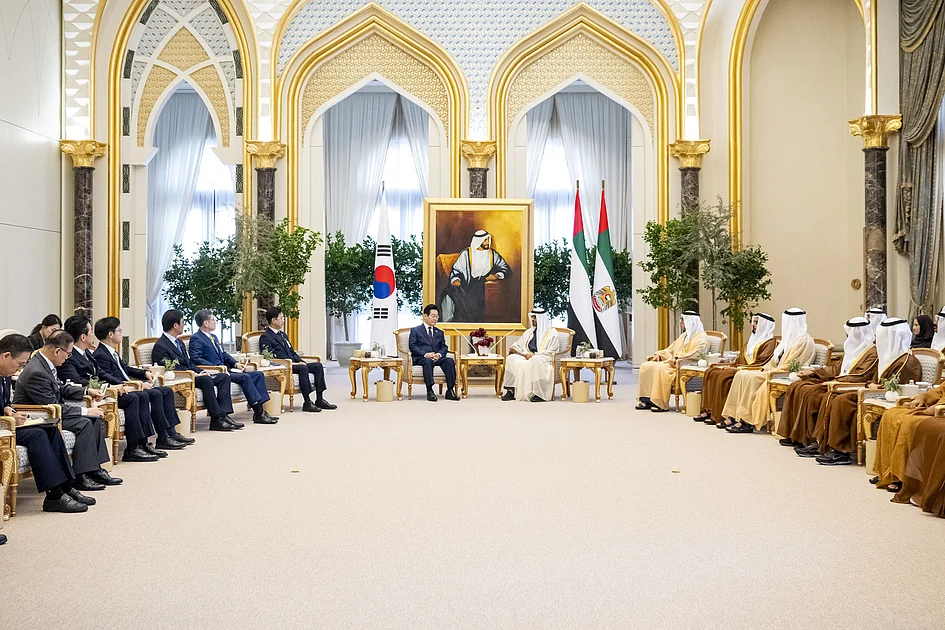
The United Arab Emirates (UAE) and South Korea have taken a significant step toward strengthening their bilateral ties with the issuance of a joint declaration during South Korean President Lee Jae-myung’s visit to Abu Dhabi. The declaration, described as ‘a new leap toward a shared journey for the next century,’ outlines expanded cooperation across several strategic sectors, including artificial intelligence (AI), semiconductors, civil nuclear energy, defence technology, water management, public health, and education. The agreement was reached during a meeting between President Lee and UAE President Sheikh Mohamed bin Zayed Al Nahyan. The two nations have committed to enhancing water innovation ahead of the 2026 UN Water Conference, improving healthcare through the establishment of a Pre-Post Care Center and a K-Medical Cluster, and fostering educational exchanges via training and youth programs. In the defence sector, the partnership will focus on joint development, technology collaboration, and localized production, emphasizing knowledge transfer and capacity building. Additionally, the UAE and South Korea will strengthen their collaboration in civil nuclear energy, particularly in nuclear fuel, maintenance, and digital transformation at the Barakah Nuclear Energy Plant. The two countries also plan to promote the Barakah model internationally and advance clean-energy goals through next-generation nuclear technologies and AI-driven efficiency improvements. A notable highlight of the partnership is the UAE’s involvement in the US-backed Stargate project, which aims to build a massive AI data campus in the Gulf region. The first phase, Stargate UAE, will be developed by UAE firm G42 in collaboration with US tech giants OpenAI, Oracle, Nvidia, and Cisco Systems, as well as Japan’s SoftBank Group. The joint declaration also outlines plans for a high-level inter-ministerial dialogue on responsible AI governance, cybersecurity, and semiconductor ecosystem resilience. Furthermore, the UAE and South Korea are exploring the establishment of ‘K-City,’ a hub designed to serve as a one-stop destination for Korean culture, food, and business in the Middle East. This initiative aims to position the UAE as the region’s cultural and economic gateway to South Korea.
分类: world
-
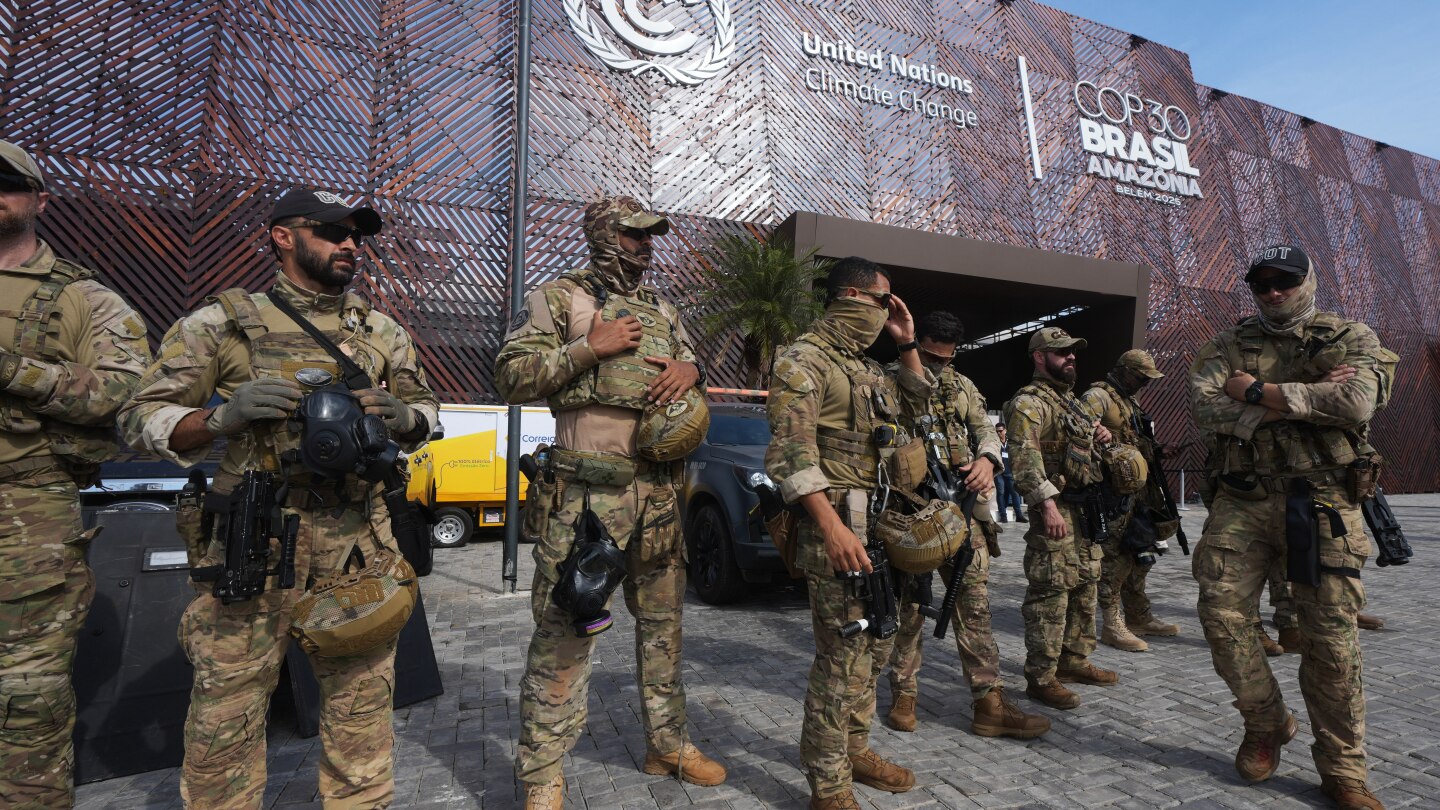
Brazil’s Lula joins negotiators at UN climate talks, but no deal yet on major issues
At the COP30 United Nations climate summit in Belem, Brazil, President Luiz Inácio Lula da Silva called for urgent global action to reduce reliance on fossil fuels, emphasizing the need for a collective transition to renewable energy. Despite his presence and that of UN Secretary-General António Guterres, progress on key issues remains slow, with negotiators missing self-imposed deadlines. Lula, flanked by Brazilian negotiators and his wife, stressed the existential threat of climate change, stating, ‘We haven’t found another place to live.’ He advocated for a flexible approach, allowing countries to transition at their own pace while receiving financial support. COP30 President André Corrêa do Lago had set a Wednesday deadline for decisions on four critical issues: toughening climate plans, distributing $300 billion in climate aid, addressing trade barriers, and improving transparency. However, negotiations have yet to yield concrete outcomes. Scientists criticized the proposed fossil fuel phaseout road map as inadequate, urging a more detailed and actionable plan. Lula also promoted the Tropical Forests Forever Facility, a multibillion-dollar fund aimed at incentivizing forest conservation. Despite the challenges, experts like Neil Grant of Climate Analytics remain hopeful, asserting that existing tools can still achieve the Paris Agreement’s goals. Over 110 climate action plans were celebrated at the summit, highlighting ongoing efforts to implement past agreements. COP30 Climate Champion Dan Ioschpe emphasized the importance of real-world implementation, particularly in industries like aviation, maritime, and agriculture. A new initiative aims to secure $1 trillion in investments to upgrade global electricity grids, renewable energy storage, and biofuel production.
-
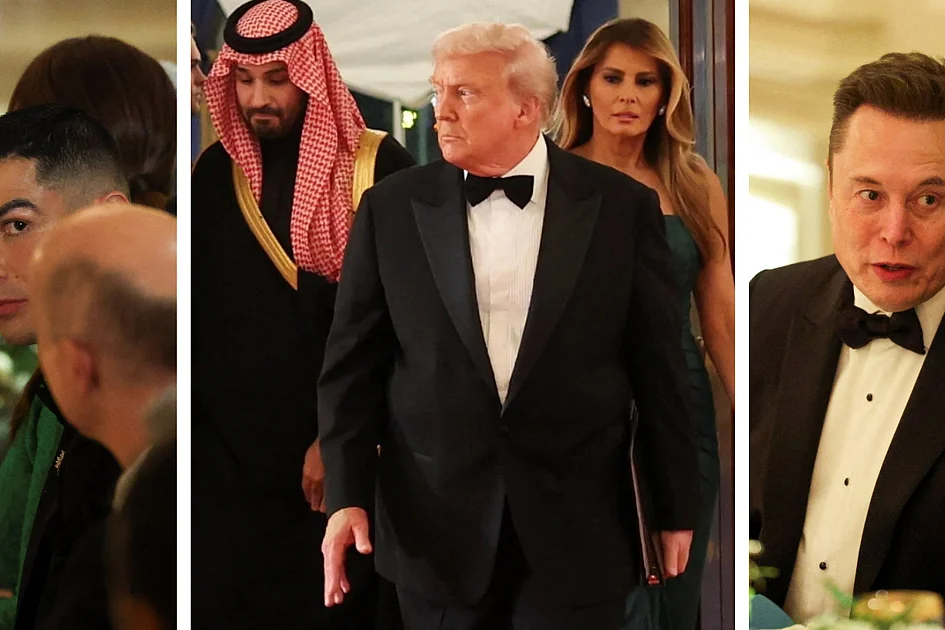
Ronaldo and Musk attend Trump’s dinner with Saudi Crown Prince
In a high-profile gathering at the White House, US President Donald Trump hosted a lavish dinner for Saudi Crown Prince Mohammed bin Salman on Tuesday, attended by notable figures including Portuguese soccer legend Cristiano Ronaldo and billionaire entrepreneur Elon Musk. The event, held in a formal black-tie setting, underscored the convergence of sports, business, and international diplomacy. Ronaldo, who currently plays for Saudi club Al Nassr, was seated near the head of the table, while Musk, CEO of SpaceX and Tesla, marked a notable reconciliation with Trump after their previous public disputes. FIFA President Gianni Infantino also attended, highlighting the upcoming 2026 World Cup, co-hosted by the United States. During the dinner, Trump praised the Saudi Crown Prince as a ‘man of leadership’ and shared a personal anecdote about his son Barron’s admiration for Ronaldo. The event also featured other prominent guests, including Nvidia CEO Jensen Huang, further emphasizing its significance as a platform for global networking and diplomacy.
-
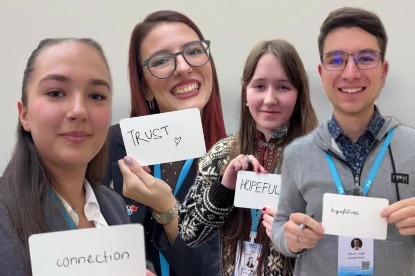
China-Europe youths look toward a shared future
The China-Europe Youth Dialogue 2025 convened in Beijing on Monday, uniting over 100 young representatives from 30 European countries and China. This landmark event highlighted the pivotal role the younger generation will play in fostering bilateral relations over the next half-century. Participants engaged in dynamic discussions, sharing their visions for the future and strategies to actively contribute to this evolving partnership. The dialogue underscored the importance of youth-driven initiatives in addressing global challenges and strengthening cross-cultural understanding. As the world faces unprecedented changes, the event emphasized the need for collaborative efforts to build a sustainable and inclusive future. The insights and aspirations shared during the dialogue are expected to influence policy-making and international cooperation in the years to come.
-
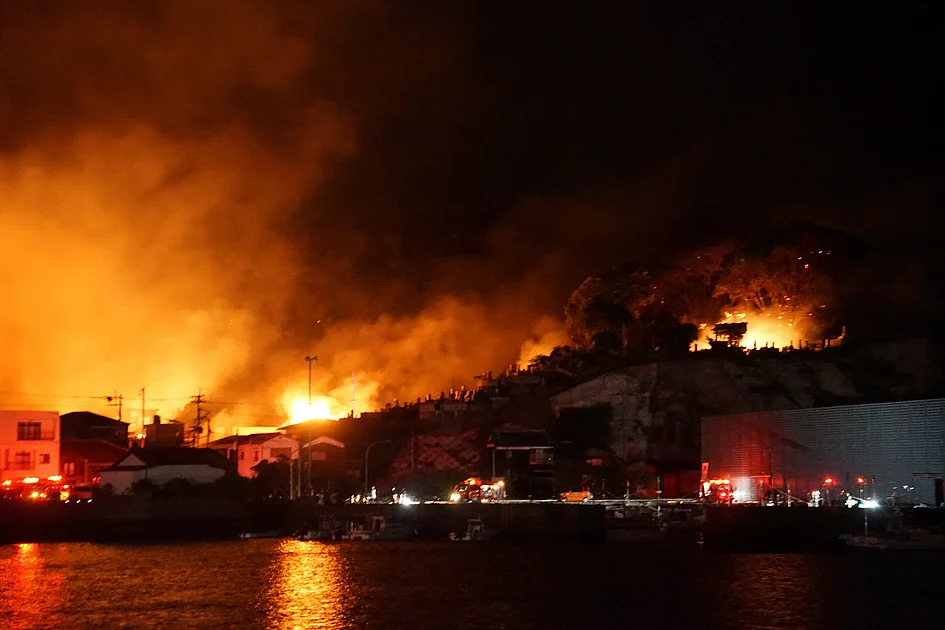
Japan: Major fire engulfs residential area; 300 houses under power blackout
A devastating fire erupted in the southern Japanese city of Oita late Tuesday, engulfing a residential area and spreading to a nearby forested mountain. The blaze, which remains uncontained, has forced the evacuation of 175 residents from 115 households, with one individual still unaccounted for. Firefighters have been battling the ferocious flames throughout the night, as footage captured the inferno turning the sky red and consuming homes. Witnesses described the fire as unprecedented, with strong winds exacerbating its spread. ‘The mountain was burning, the one behind,’ one resident recounted, adding that he only managed to grab his driver’s license and smartphone before fleeing. The fire has affected at least 170 buildings and caused a power blackout in 300 houses. Oita’s governor has sought military assistance to aid in the crisis. Authorities continue to monitor the situation closely as efforts to extinguish the fire persist.
-
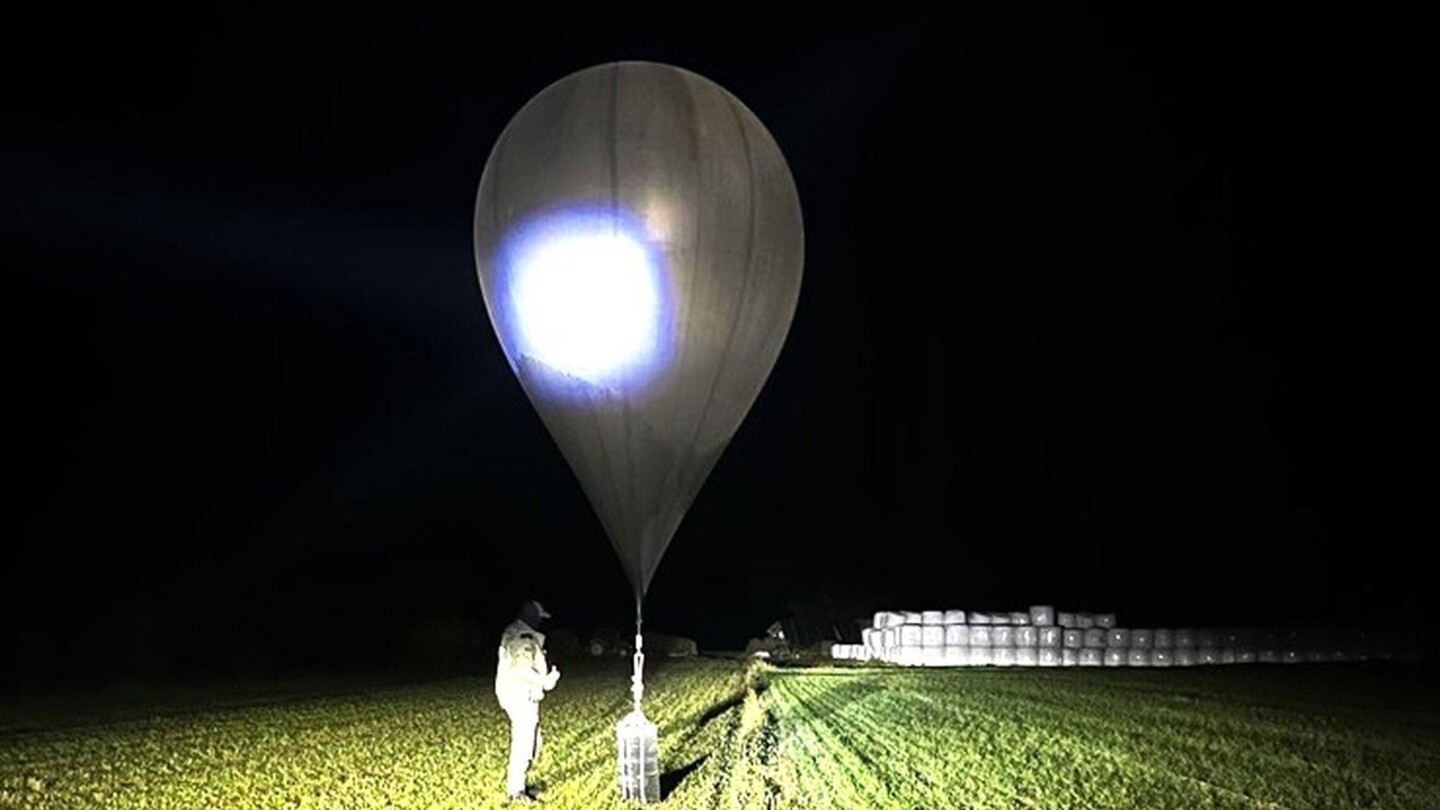
Lithuania to reopen border crossings with Russia-allied Belarus after tensions over balloons
In a significant diplomatic move, the Lithuanian government announced on Wednesday the reopening of its two border crossings with Belarus, weeks after their closure due to disruptions caused by cigarette-smuggling balloons. The crossings at Medininkai and Šalčininkai will resume operations on Thursday, marking a potential thaw in the strained relations between the neighboring countries. The decision follows a month-long closure initiated in late October, which Lithuanian officials attributed to deliberate provocations by Belarus, a close ally of Russia. The reopening is expected to alleviate the plight of Lithuanian trucks stranded in Belarus, as Minsk had refused to create an exclusive evacuation corridor without a full border reopening. Technical negotiations between customs officials from both nations took place on Tuesday, paving the way for this resolution. Belarusian President Alexander Lukashenko had previously threatened to seize over 1,200 stranded vehicles if Lithuania did not reopen the border, labeling the closure as part of a ‘hybrid war’ against his country. Lithuania, a NATO and EU member on the alliance’s eastern flank, has cautioned that the border could be shut again if airspace violations involving balloons or drones recur. Prime Minister Inga Ruginienė emphasized that the decision was made after several weeks of relative calm, but the government retains the right to close the borders if the situation deteriorates.
-
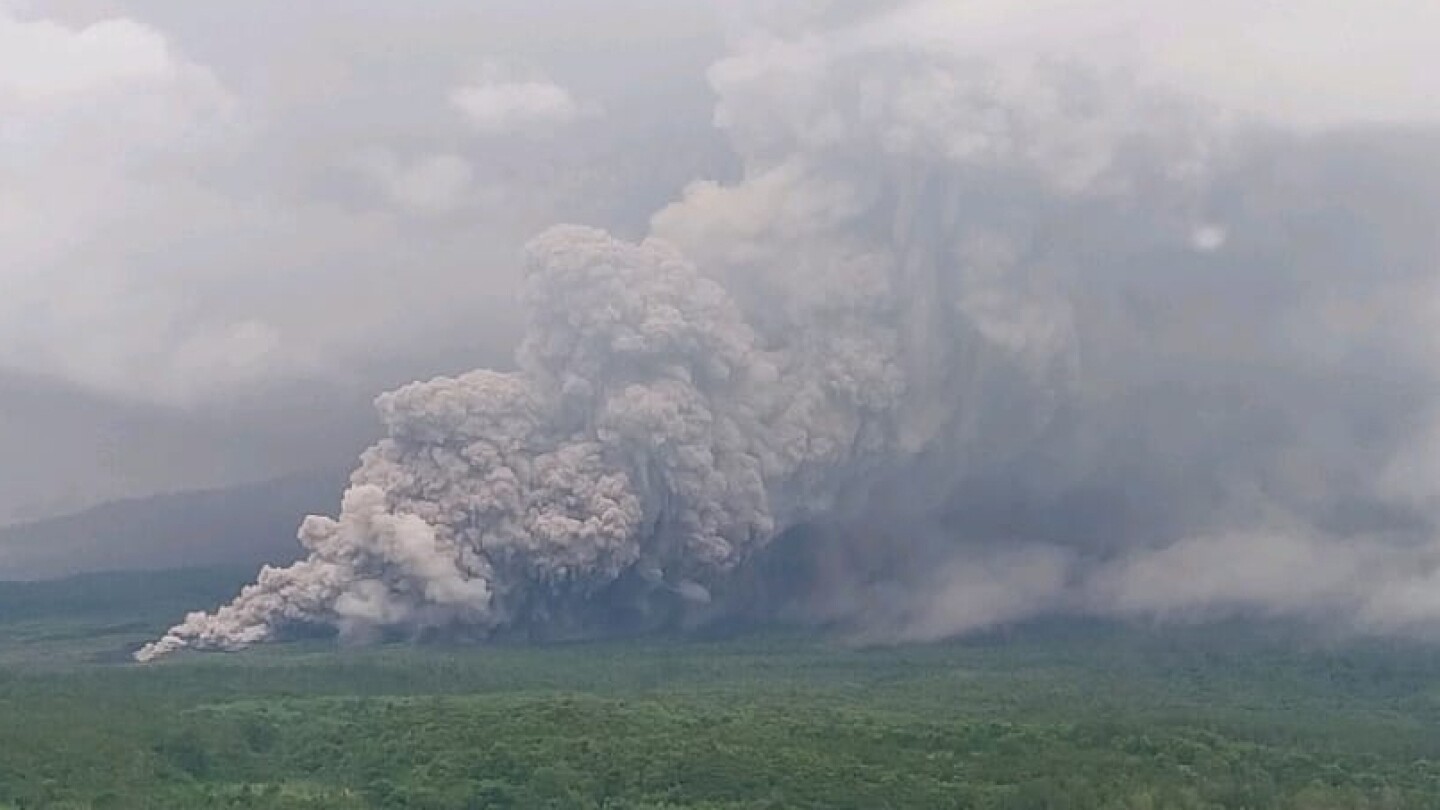
Indonesia raises alert for Mount Semeru volcano to the highest level after a series of eruptions
JAKARTA, Indonesia — Indonesian authorities escalated the alert status for Mount Semeru, the tallest volcano on Java Island, to its highest level on Wednesday following a series of intense eruptions. The volcanic activity, which began midday and continued into the evening, produced avalanches of scorching ash clouds, molten rock, and gas, traveling up to 7 kilometers (4.3 miles) down its slopes. A towering column of hot ash rose 2 kilometers (1.2 miles) into the atmosphere, according to a statement from Indonesia’s Geology Agency. The eruptions blanketed nearby villages with ash, prompting authorities to raise the alert level twice within a single day. No casualties have been reported so far. Over 300 residents from three high-risk villages in Lumajang district were evacuated to government shelters, as confirmed by Abdul Muhari, spokesperson for the National Disaster Mitigation Agency. Mount Semeru, also known as Mahameru, has a history of eruptions spanning over two centuries. Despite the risks, tens of thousands of people continue to inhabit its fertile slopes, a common scenario across Indonesia’s 129 active volcanoes. The nation, home to more than 270 million people, lies along the Pacific ‘Ring of Fire,’ a seismically active region prone to earthquakes and volcanic eruptions.
-

UAE to establish ‘K-City’ as regional hub for Korean food, culture
In a landmark announcement on November 18, 2025, the UAE and South Korea unveiled plans to establish ‘K-City,’ a comprehensive hub dedicated to Korean culture, cuisine, and business in the UAE. This initiative, born from a high-level meeting between the two nations’ presidents, aims to solidify the UAE’s position as the Middle Eastern epicenter for Korean cultural exchange. The project builds on the success of the recent K-content expo in Dubai, which saw significant participation from both government and private sectors. The UAE has long been a hotspot for Korean culture, with the Hallyu wave captivating the younger generation. K-pop concerts, K-drama events, and Korean restaurants consistently draw large crowds, while K-beauty products have become staples in the local market. ‘K-City’ will further enhance these cultural ties by fostering active people-to-people exchanges. This ambitious project is expected to deepen bilateral relations and create exciting opportunities for Korean culture enthusiasts in the Emirates.
-

Belgian farmer sues French energy giant for damage caused by climate change
In a landmark legal battle, a Belgian farmer, Hugues Falys, is confronting French oil giant TotalEnergies in court, demanding accountability for climate change-induced damages. Supported by Greenpeace, Falys seeks financial compensation and urges the company to reduce its oil and gas production to mitigate greenhouse gas emissions. The lawsuit, filed in Tournai, Belgium, represents a growing trend of environmental activists holding major energy corporations responsible for their role in global warming. Falys, addressing a crowd of 50 supporters in the rain, emphasized his goal to compel TotalEnergies to adopt more sustainable practices, particularly for agriculture and society at large. TotalEnergies has not publicly commented on the case but has previously stated its commitment to reducing emissions and investing in renewable energy. This case is part of a broader wave of nearly 100 lawsuits worldwide targeting oil giants like BP, Exxon Mobil, and Shell over the past two decades. A 2023 UN report highlighted a significant increase in such litigation, though none have yet resulted in companies paying for climate-related damages. The hearing is expected to continue until mid-December. Globally, activists have achieved more success in suing governments than corporations. Notable rulings include the Dutch Supreme Court’s 2019 decision affirming climate protection as a human right and a 2021 Paris court ruling that held the French government accountable for climate inaction. Internationally, the UN’s top court recently issued an advisory opinion stating that nations failing to address climate change could face legal consequences. These cases, while still unfolding, are shaping the legal landscape for future climate-related litigation.
-
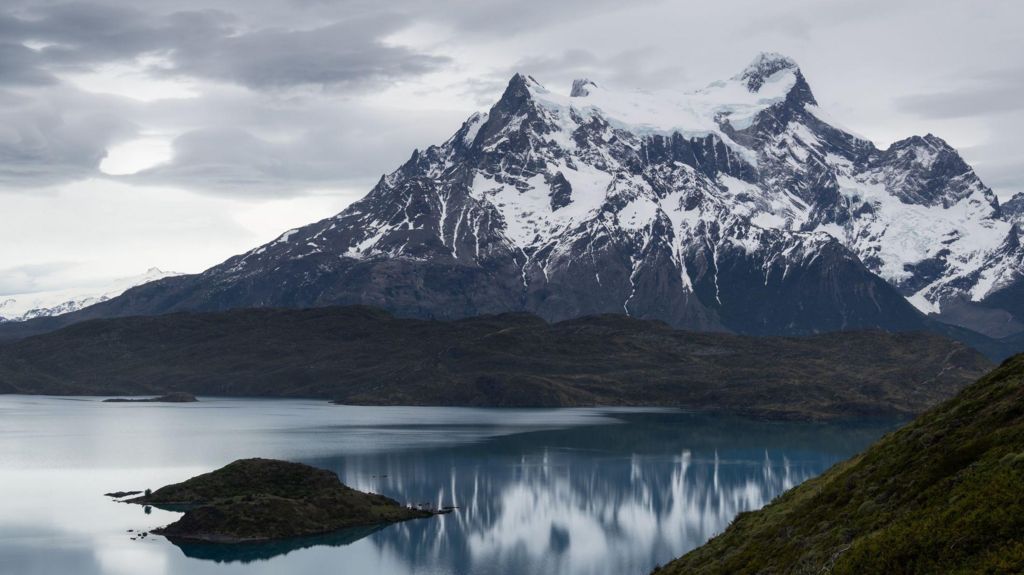
British woman among five killed in Chile snowstorm
A tragic snowstorm in Chilean Patagonia has claimed the lives of five individuals, including a British woman. Victoria Bond, hailing from Cornwall, was identified by Chilean authorities as one of the victims in the Torres del Paine National Park, a renowned tourist destination in southern Chile. The incident also claimed the lives of two German and two Mexican nationals, as confirmed by Jose Antonio Ruiz, the presidential delegate of the Magallanes region. The victims’ bodies were discovered on Tuesday amidst severe weather conditions characterized by heavy snowfall and winds reaching up to 118mph (190km/h). The Foreign, Commonwealth and Development Office has expressed its support for the bereaved family of the British woman and is actively engaging with local authorities. Chilean officials have concluded the search operations and are now focused on repatriating the bodies and coordinating with foreign consulates. Chilean President Gabriel Boric Font extended his heartfelt condolences to the families and friends of the deceased, emphasizing the unwavering support of Chilean authorities during this challenging period.