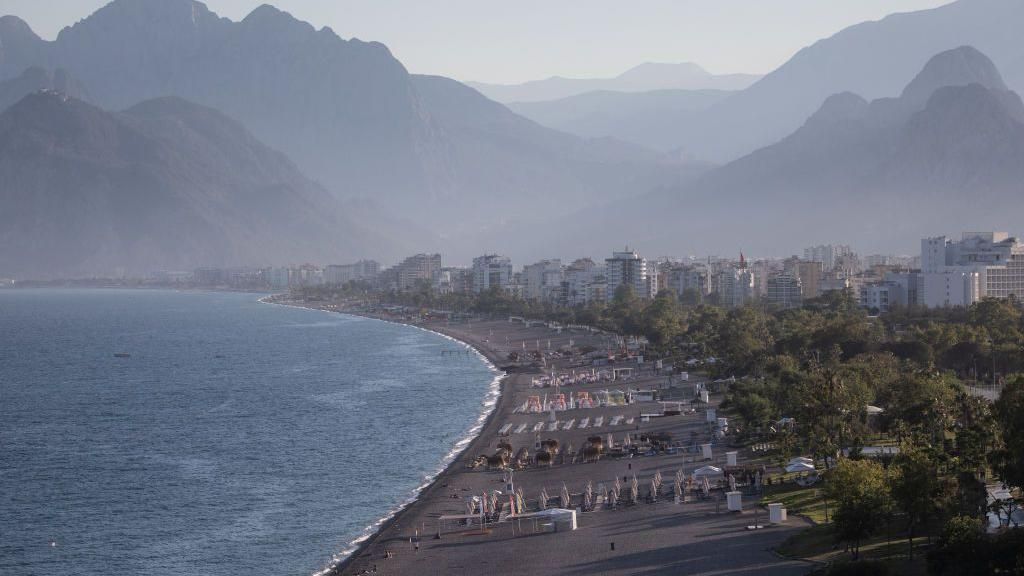
In a surprising turn of events, Turkey has been selected to host the 2026 United Nations Climate Change Conference (COP31) in Antalya, following Australia’s decision to withdraw its bid. The announcement came during the ongoing COP30 summit in Belém, Brazil, where negotiations led to an unprecedented compromise. Under UN regulations, the hosting rights for COP31 were to be awarded to a group of countries including Western Europe and Australia, but neither party was initially willing to concede. After intense discussions, Australia agreed to support Turkey’s bid in exchange for its climate minister, Chris Bowen, chairing the talks. This arrangement marks a departure from the traditional practice of the COP president being from the host country, raising questions about how this partnership will function in practice. Australian Prime Minister Anthony Albanese hailed the agreement as an ‘outstanding result,’ emphasizing the importance of Pacific issues in the global climate agenda. However, some Pacific leaders, including Papua New Guinea’s Foreign Minister Justin Tkatchenko, expressed disappointment over Australia’s withdrawal. The compromise ensures that a pre-COP meeting will be held on a Pacific island, while the main event takes place in Turkey. The decision has been welcomed by delegates at COP30, who were concerned about the potential embarrassment of failing to reach an agreement. Turkey’s bid was bolstered by its decision to step aside in 2021, allowing the UK to host COP26 in Glasgow. If no compromise had been reached, the event would have been held in Bonn, Germany, the headquarters of the UN’s climate body. The agreement is expected to be ratified by the 190+ countries attending COP30, with no significant objections anticipated.
分类: world
-
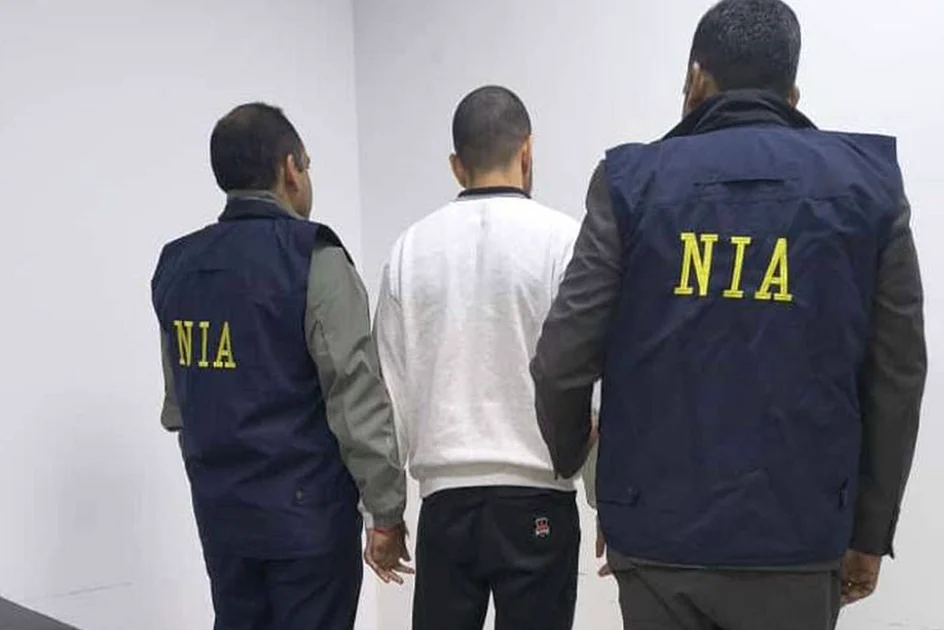
Video: Indian Gangster Anmol Bishnoi in NIA custody after extradition from US
Anmol Bishnoi, a key associate of jailed gangster Lawrence Bishnoi, has been extradited from the United States and placed in the custody of India’s National Investigation Agency (NIA) for an 11-day remand. The special NIA Court at Patiala House granted the remand on Wednesday, and Bishnoi is scheduled to reappear before the court on November 29. Bishnoi, who had been absconding since 2022, is the 19th accused in a terror-gangster conspiracy case led by his brother Lawrence Bishnoi. The NIA alleges that Anmol Bishnoi played a pivotal role in coordinating terrorist activities from abroad, providing logistical support to gang operatives, and engaging in extortion. He is also linked to high-profile crimes, including the murder of NCP leader Baba Siddique and the shooting outside Bollywood actor Salman Khan’s residence. Special Public Prosecutor Rahul Tyagi emphasized Bishnoi’s involvement with the Babbar Khalsa International gang and their efforts to revive the Khalistan Movement. Bishnoi’s legal team has pledged full cooperation with the investigation while denying any involvement in terrorist activities. Security was heightened around the court complex during the proceedings, and the NIA discreetly transported Bishnoi from Delhi Airport to avoid potential threats. The case underscores India’s ongoing efforts to dismantle the nexus between organized crime, terrorism, and arms smuggling.
-
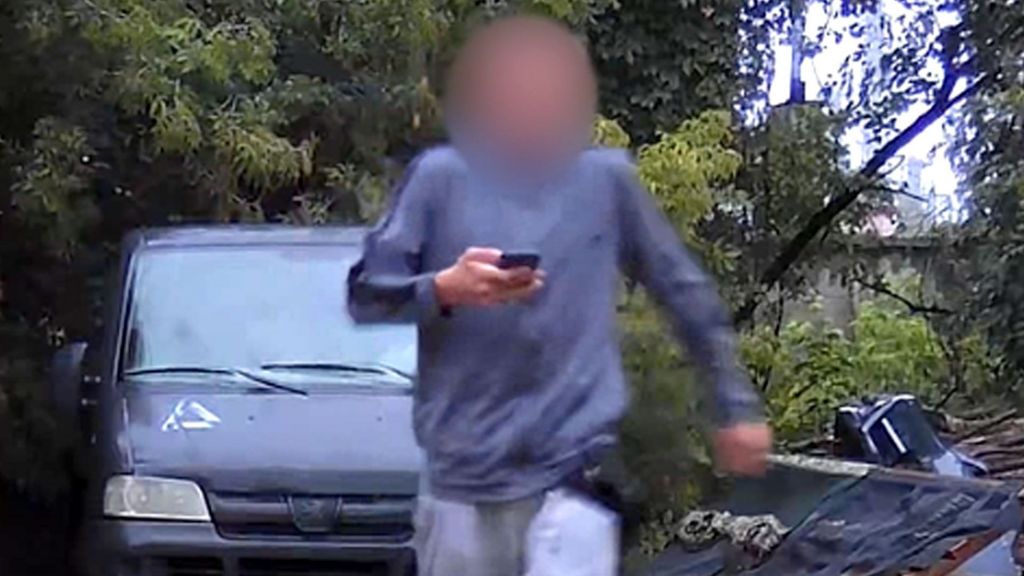
Ukrainian teen saboteurs recruited on Telegram to attack their own country
In a chilling revelation, a Ukrainian teenager, now 18, has confessed to attempting to plant a bomb in a military conscription van under the direction of Russian handlers. The young man, identified only as Vlad to protect his identity, was promised $2,000 for the act of sabotage. However, Ukraine’s Security Service (SBU) had been monitoring him, ultimately thwarting the attack. Vlad is now awaiting trial on terrorism charges, which could result in a 12-year prison sentence.
Vlad’s case is part of a broader pattern of Russian recruitment of Ukrainian minors for sabotage and attacks against their own country. According to the SBU, over 800 Ukrainians, including 240 minors, have been recruited by Russia in the past two years. Some of these recruits are as young as 11, with reports of attempts to recruit children as young as nine.
The recruitment primarily occurs on platforms like Telegram, TikTok, and even video game platforms. The handlers exploit financial desperation, offering payments for increasingly dangerous tasks. Vlad, for instance, was initially reluctant but was persuaded to undertake a series of assignments, culminating in the bomb plot. He was paid a fraction of the promised cryptocurrency, highlighting the manipulative nature of these recruitments.
Ukrainian officials have publicly named suspected Russian intelligence agents involved in these operations. While the BBC has not independently verified the Russian state’s direct involvement, several European governments have reported evidence of Russian agents recruiting young men for acts of vandalism, arson, and surveillance.
The SBU has been proactive in countering these threats, conducting awareness campaigns in schools and removing some of the recruitment channels on Telegram. However, many of these channels remain active, with some even growing in subscribers. Telegram has stated that calls to violence are explicitly forbidden and removed when discovered, but the persistence of these channels suggests a significant challenge.
Vlad’s story serves as a stark warning to others tempted by such offers. ‘It’s not worth it,’ he says. ‘They will either cheat you, and then you will end up in prison just like me, or you can take a bomb in your hands and it will simply blow you up.’
-
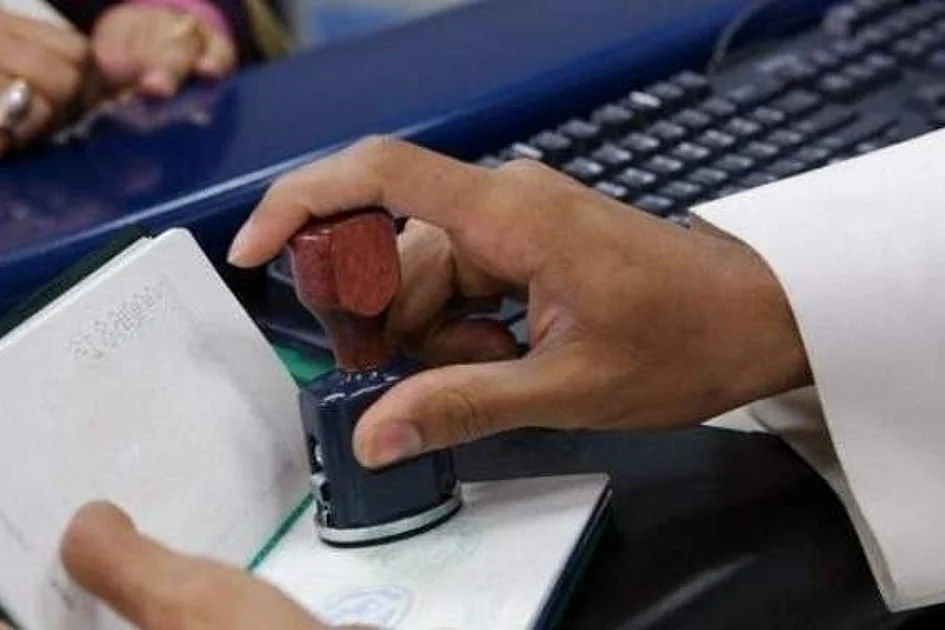
India expands visa-on-arrival for UAE nationals to 9 international airports
India has significantly expanded its visa-on-arrival (VoA) facility for UAE nationals, now including nine international airports across the country. The Indian Embassy in the UAE announced that Cochin, Calicut, and Ahmedabad airports have been added to the list, which previously included Bangalore, Chennai, Delhi, Hyderabad, Kolkata, and Mumbai. This move aims to streamline travel for UAE citizens who have previously obtained an e-Visa or regular visa for India. First-time visitors, however, must still apply for an e-Visa or regular visa before their trip. The VoA facility is available for UAE nationals visiting India for business, tourism, conference, or medical purposes, with a stay not exceeding 60 days. Applicants must hold a passport with a minimum validity of six months and may be required to provide proof of sufficient funds, accommodation, and a return or onward ticket. The VoA is non-extendable and non-convertible, but there are no restrictions on the number of times it can be availed. Notably, this facility is not available to individuals with Pakistani origins or residency. The application process involves filling out a form upon arrival, either online or via the ‘Indian Visa Su-Swagatam’ mobile app, and paying a fee of Rs 2,000 (Dh83) per passenger. This expansion follows the UAE’s earlier decision in February 2025 to broaden its visa-on-arrival program for Indian nationals, allowing entry with valid visas or residency permits from additional countries, including Singapore, Japan, and Australia.
-
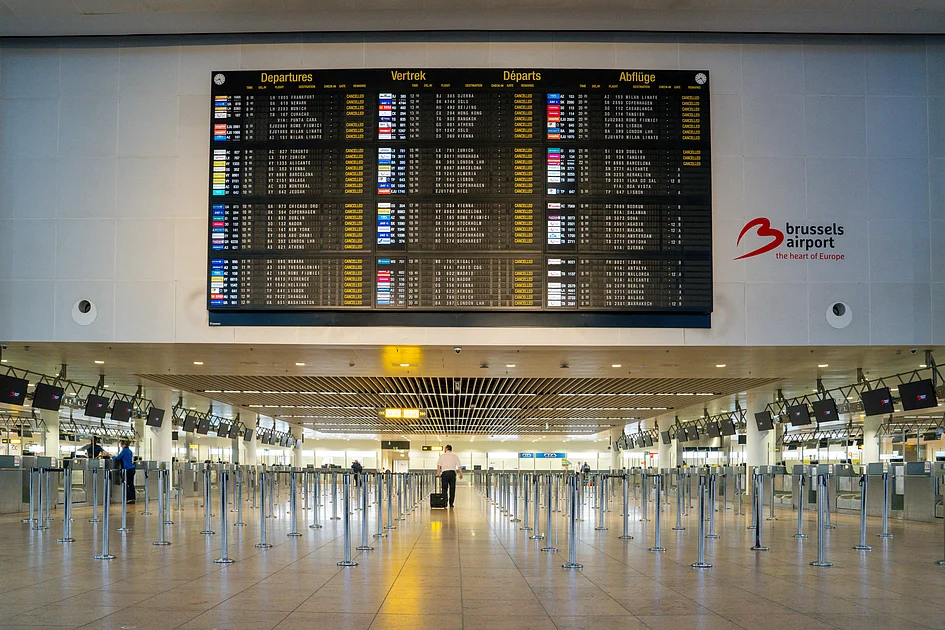
Brussels Airport cancels all departing flights on November 26 due to strike
Brussels Airport has announced the cancellation of all departing flights scheduled for November 26, 2025, due to a nationwide strike involving a significant portion of its security and handling staff. The airport issued a statement on Wednesday, November 19, warning travelers of potential disruptions. In addition to departures, some arriving flights may also face cancellations, and public transportation services to and from the airport could be severely impacted. The strike, which is part of broader labor actions across the country, is expected to cause widespread inconvenience for passengers and airlines alike. Authorities are urging travelers to monitor updates and make alternative arrangements if necessary. This disruption comes at a time when the aviation industry is already grappling with challenges such as fluctuating demand and operational complexities.
-
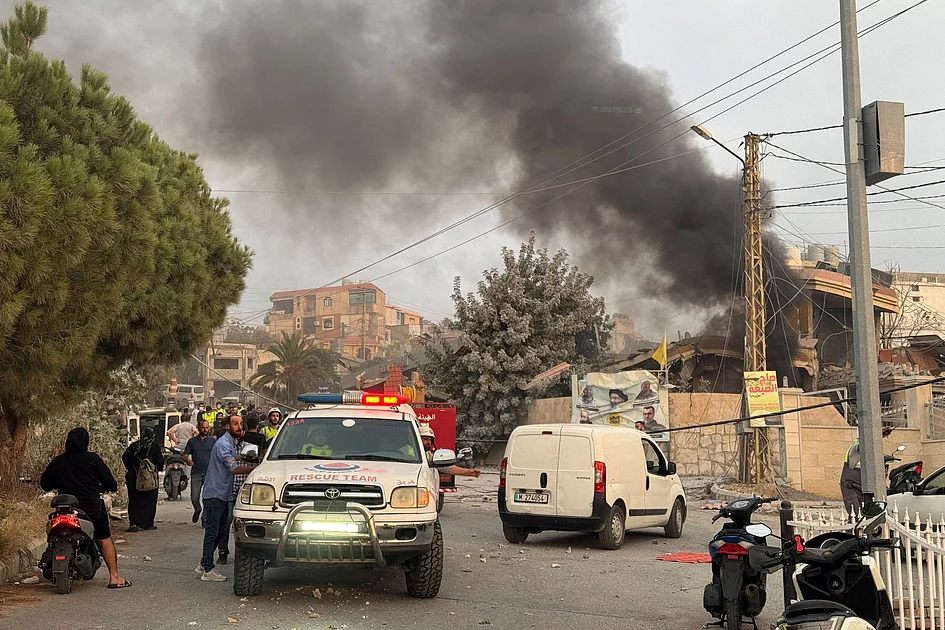
Israeli military strikes southern Lebanon after evacuation warning
The Israeli military launched a series of intense airstrikes targeting southern Lebanon on Wednesday, focusing on the villages of Deir Kifa and Chehour. Witnesses reported significant explosions as the strikes hit what the Israeli military described as ‘several Hezbollah terror infrastructure sites.’ This operation is part of an ongoing campaign in the border region, where Israel claims to be countering Iran-backed Hezbollah activities. Prior to the attacks, the Israeli military issued evacuation warnings to residents of specific buildings in the affected villages, signaling imminent military action. No casualties have been reported so far. The strikes underscore the escalating tensions in the region, with Israel intensifying its efforts to neutralize perceived threats from Hezbollah. The situation remains volatile, with both sides maintaining a high state of alert.
-
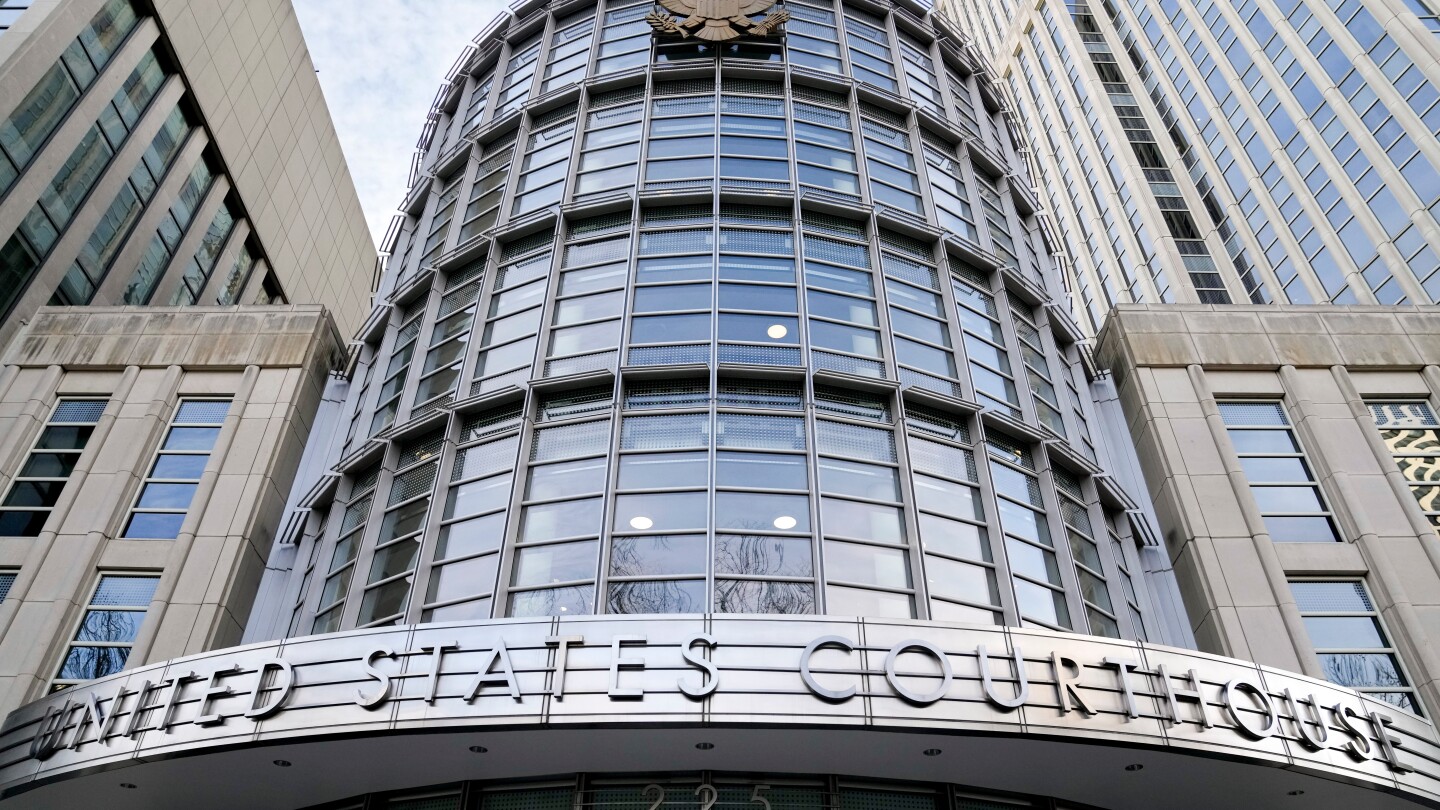
Chinese drug trafficking suspect handed to the US by Mexico pleads not guilty in NYC
A high-profile Chinese drug trafficking suspect, Zhi Dong Zhang, also known by aliases including “Brother Wang,” has been extradited to the United States to face charges of trafficking large quantities of cocaine and fentanyl. Zhang, who escaped custody in Mexico only to be recaptured in Cuba, pleaded not guilty during his arraignment in Brooklyn federal court on Wednesday. His defense attorney refrained from commenting post-court appearance. Federal authorities allege that Zhang orchestrated an extensive drug trafficking and money laundering operation, importing thousands of kilograms of narcotics into the U.S. and other countries. U.S. Deputy Attorney General Todd Blanche emphasized the significance of Zhang’s extradition, stating, “His return to the United States is a major step in dismantling a network that has fueled addiction, violence, and death.” Zhang’s criminal enterprise, based in Mexico since at least 2016, allegedly laundered drug proceeds through over 100 shell companies in the U.S., using fraudulent documents and false social security numbers to conceal illicit activities. Mexican authorities initially apprehended Zhang in Mexico City in October 2024 at the U.S. government’s request. However, after being granted house arrest, he escaped from a military-guarded residence. He was later recaptured in Cuba and handed over to U.S. officials on October 23. Zhang remains in custody pending his next court appearance in January and faces additional federal charges in Georgia. Court documents reveal a sprawling cocaine and fentanyl trafficking network with operations in Atlanta and Los Angeles, where millions in drug proceeds were allegedly collected and deposited into accounts accessible to Zhang from Mexico.
-

South Korean ferry with 260 passengers hits rocky island
A South Korean passenger ferry transporting approximately 260 individuals collided with a rocky island near Jindo on Wednesday, leaving the vessel stranded, according to reports from YTN. The incident prompted an immediate response from the coast guard, which is currently conducting a rescue operation to ensure the safety of all passengers and crew. Officials have confirmed the ongoing efforts but have yet to provide further details regarding the condition of those on board or the extent of the damage to the ferry. The accident has raised concerns about maritime safety in the region, particularly as the area is known for its challenging navigation conditions. Authorities are expected to investigate the cause of the collision and assess whether any preventive measures could have been taken to avoid the incident. The stranded ferry has drawn significant attention, with local media closely monitoring the rescue operation and updates from officials.
-

Italian court approves extradition to Germany of Ukrainian suspect in Nord Stream pipeline blast
Italy’s highest court has greenlit the extradition of a Ukrainian national to Germany, where he faces allegations of orchestrating the 2022 explosions that severely damaged the Nord Stream pipelines. The Cassation Court dismissed a final appeal by 49-year-old Serhii Kuznietsov, paving the way for his transfer to German authorities within days. Kuznietsov, detained in August 2023 while vacationing near Rimini, is accused of detonating multiple underwater bombs in the Baltic Sea, targeting the Nord Stream 1 and 2 pipelines. His defense lawyer, Nicola Canestrini, maintains his client’s innocence, expressing confidence in an acquittal. The incident, which occurred in September 2022, disrupted the Nord Stream 1 pipeline—a critical conduit for Russian natural gas to Germany—and damaged the inactive Nord Stream 2 pipeline. Germany had suspended certification of Nord Stream 2 following Russia’s invasion of Ukraine earlier that year. Kuznietsov denies involvement, claiming he was serving in the Ukrainian military at the time. Meanwhile, Poland has blocked the extradition of another suspect linked to the case.
-
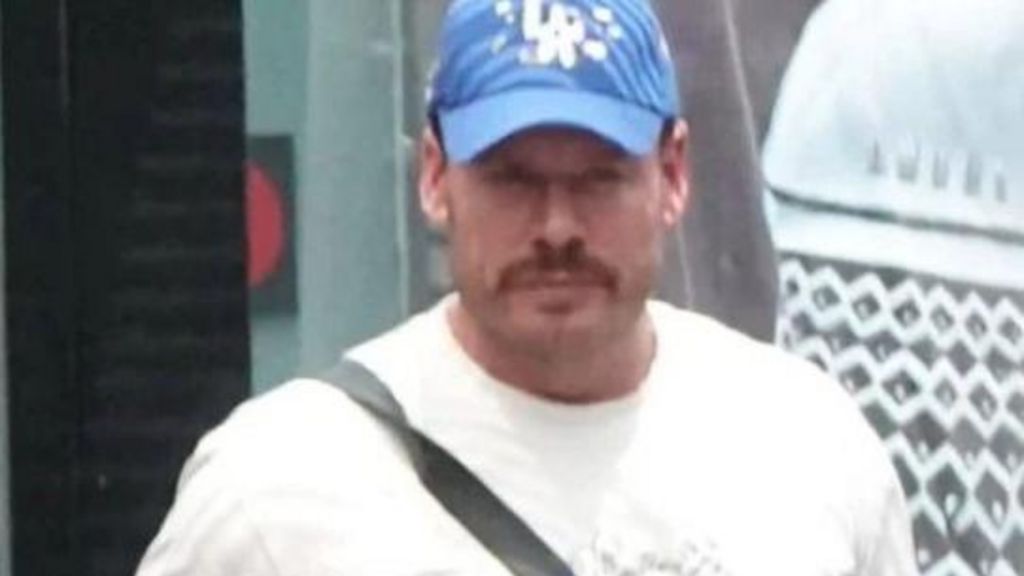
Olympic snowboarder-turned-drug kingpin charged with murder of witness
The US Department of Justice has accused Ryan Wedding, a former Olympic snowboarder, of leading a sprawling international drug cartel and orchestrating the murder of a federal witness. Wedding, 44, allegedly released the witness’s image to a fake news website, The Dirty Newz, in October 2024, leading to the individual’s fatal shooting in Medellin, Colombia, in January. The FBI has since removed the website and increased the reward for Wedding’s capture from $10 million to $15 million, likening him to the infamous Colombian drug lord Pablo Escobar. FBI Director Kash Patel described Wedding’s operations as a ‘narco trafficking and narco terrorism programme’ unprecedented in recent history. Authorities believe Wedding is currently under the protection of Mexico’s Sinaloa cartel. In addition to the witness’s murder, Wedding faces charges of witness tampering, intimidation, money laundering, and drug trafficking. Recent developments in the case include a new indictment and the arrest of 10 individuals allegedly linked to his cartel, which is accused of being the largest supplier of cocaine to Canada, generating over $1 billion annually. Among those arrested is Deepak Balwant Paradkar, a Canadian lawyer accused of providing illegal services to Wedding’s organization, including advising on the witness’s murder to avoid extradition. The alleged co-founder of The Dirty Newz, Gursewak Singh Bal, was also detained, alongside Carmen Yelinet Valoyes Florez, a Colombian national accused of running a high-end prostitution ring in Mexico, and Atna Ohna, who allegedly hired a hitman for the cartel. Wedding, who competed in the 2002 Winter Olympics, reportedly launched his criminal enterprise after being released from a US federal prison in 2011, where he was serving a sentence for cocaine distribution. The FBI alleges he has ordered dozens of murders globally, including in the US, Canada, and Latin America.