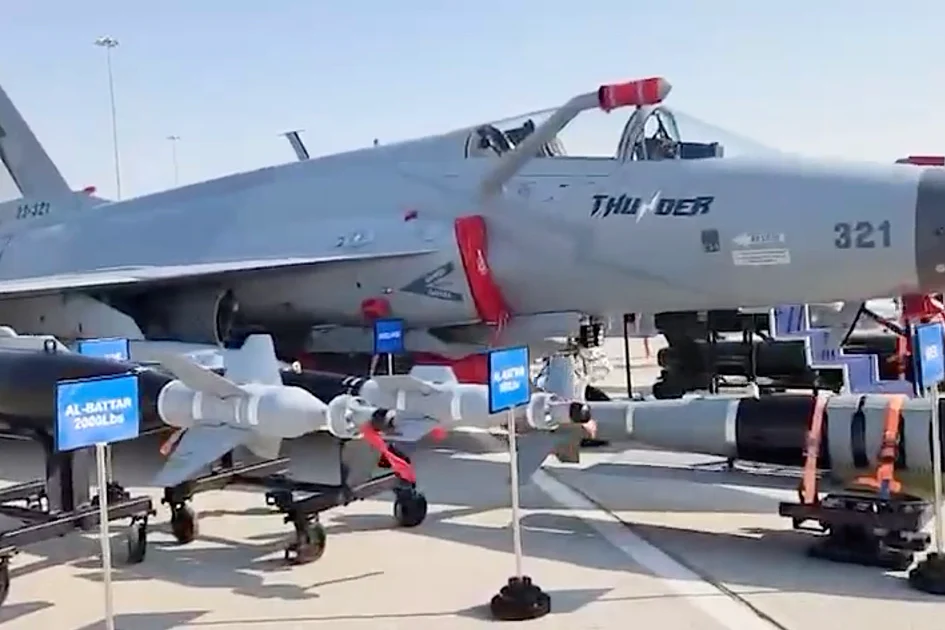
At the Dubai Airshow 2025, Pakistan announced a significant memorandum of understanding (MoU) with an undisclosed ‘friendly country’ for the sale of its JF-17 Thunder fighter jets. This deal has garnered substantial attention from defense analysts, aviation experts, and attendees at the event. While the specifics of the agreement, including the buyer’s identity and the number of jets sold, remain undisclosed, the announcement underscores growing international confidence in Pakistan’s aviation industry. Notably, in 2024, Azerbaijan signed a $4.6 billion contract to purchase JF-17 Block-III jets, further solidifying the aircraft’s global appeal. The JF-17 Thunder, a lightweight, multirole fighter developed jointly by Pakistan and China, is celebrated for its advanced avionics, versatility, and cost-effectiveness. It serves as a cornerstone of the Pakistan Air Force’s modern fleet, capable of executing air-to-air, air-to-ground, and reconnaissance missions. During the airshow, Pakistan Air Force Chief Air Chief Marshal Zaheer Ahmed Baber Sidhu engaged in high-level discussions with UAE defense officials, including Lieutenant General Pilot Ibrahim Nasser Al-Alawi and Major General Rashid Mohammed Al-Shamsi. These talks focused on enhancing bilateral cooperation in advanced training, aerospace technologies, and operational coordination. The UAE military leadership praised Pakistan’s modernization efforts and expressed a shared commitment to deepening military ties through joint exercises and professional exchanges. The Pakistan Air Force showcased its advanced JF-17 Thunder Block-III and Super Mushshak trainer aircraft at the event, highlighting its growing indigenous capabilities.
分类: world
-
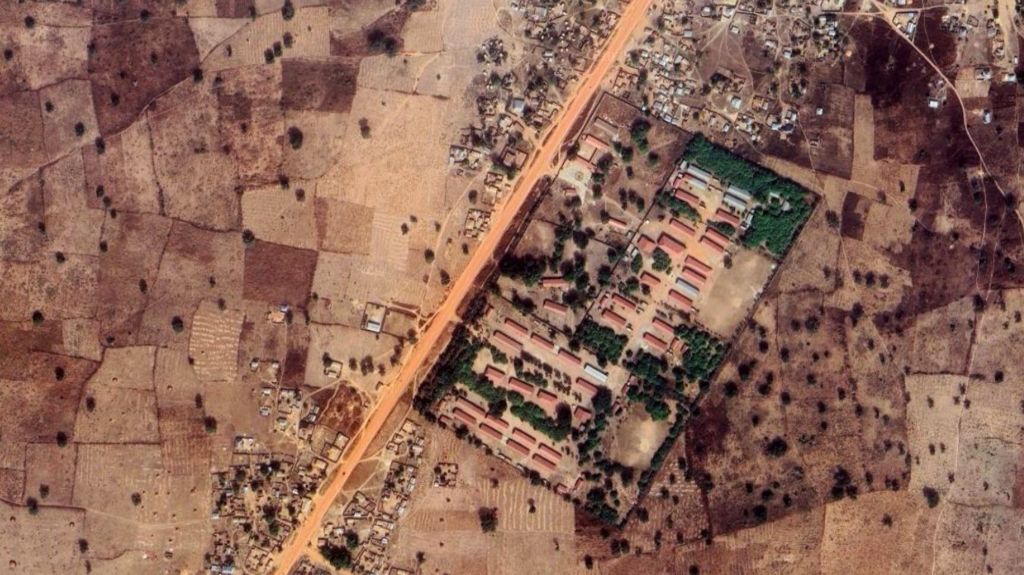
Pupils abducted from Catholic school in fresh Nigeria attack
In a troubling escalation of violence, armed men abducted an unknown number of students and staff from St Mary’s School in Papiri, Niger state, central Nigeria. This marks the second mass school kidnapping in the country this week, following the abduction of over 20 schoolgirls from a boarding school in Kebbi state on Monday. The latest attack occurred early Friday morning, with local residents fearing that nearly 100 individuals may have been taken. Authorities had previously ordered the temporary closure of all boarding schools in the region due to heightened security threats, but St Mary’s School reportedly reopened without government clearance, exposing students to avoidable risk. Security agencies are now conducting extensive search operations in nearby forests to rescue the victims. The incident has sparked widespread fear and uncertainty among families awaiting news of their loved ones. Nigeria is currently grappling with multiple overlapping security crises, including kidnappings for ransom by criminal gangs, jihadist insurgencies in the north-east, and deadly clashes between herders and farmers in the central region. These challenges have been compounded by recent claims from US President Donald Trump that Christians are being persecuted in Nigeria, allegations vehemently denied by the Nigerian government. President Bola Tinubu has postponed his foreign trips to address the escalating violence in Africa’s most populous nation. The situation underscores the urgent need for comprehensive security reforms to protect vulnerable communities and restore stability.
-
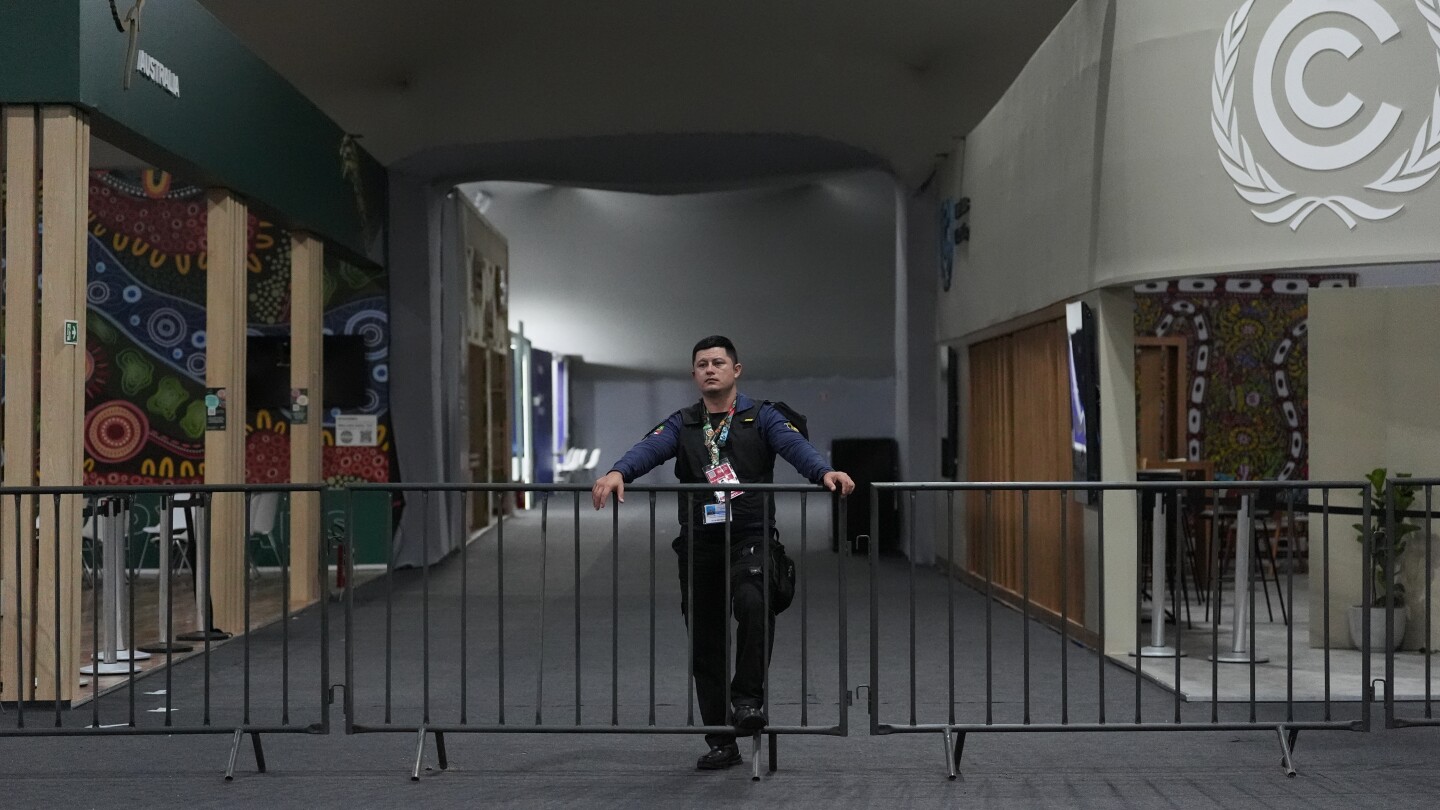
Brazil’s final text proposal at UN climate talks draws fire as weak — after a real fire at the COP30
BELEM, Brazil — The final day of the United Nations climate talks, COP30, was marked by controversy as Brazil, the host nation, presented several key proposals that notably omitted explicit references to fossil fuels, the primary driver of global warming. This glaring exclusion drew sharp criticism from over two dozen nations and climate advocates, who expressed deep disappointment and frustration. The omission came amidst heightened tensions following a fire that erupted on Thursday in the conference pavilions, leading to evacuations and 13 individuals being treated for smoke inhalation. Brazil’s central proposal, the ‘mutirao decision,’ addressed four critical issues: climate financial aid, strengthening inadequate national climate plans, and the global transition to low greenhouse gas emissions. However, it failed to provide a detailed roadmap for phasing out fossil fuels, a key demand from more than 80 nations and Brazilian President Luiz Inácio Lula da Silva. A coalition of 29 countries, including the United Kingdom, France, Germany, and vulnerable island nations like Palau and Vanuatu, drafted a letter condemning the proposal as insufficient. Activists, including Greenpeace’s Tracy Carty and Oil Change International’s Bronwen Tucker, echoed these sentiments, labeling the text as weak and vague. The talks, initially set to conclude on Friday, are likely to extend as negotiators seek consensus on these contentious issues.
-
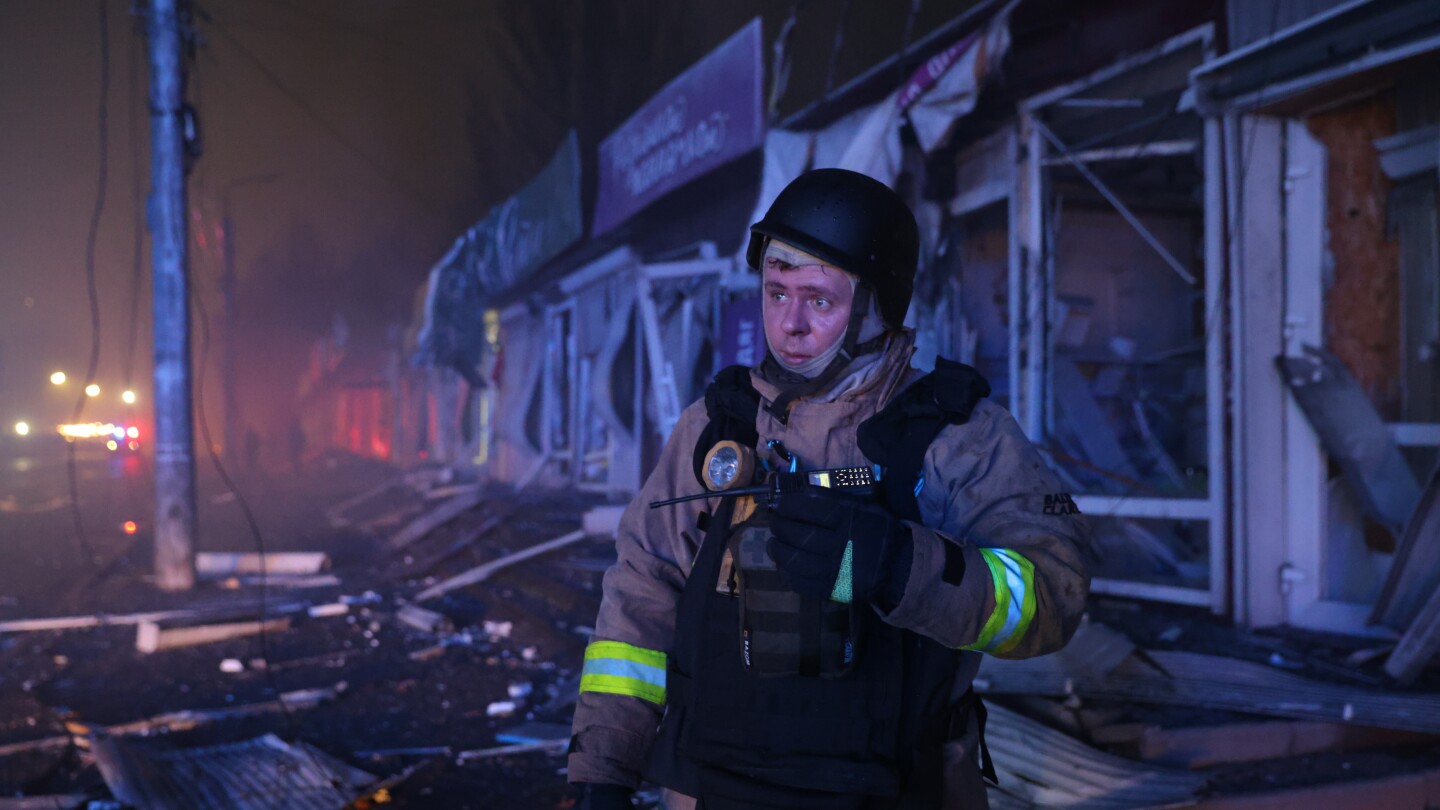
Russian glide bomb hits an apartment block and kills 5 in southern Ukraine
A devastating Russian glide bomb attack targeted a residential district in Zaporizhzhia, southern Ukraine, resulting in the deaths of five individuals and injuring ten others, including a teenage girl. The assault, which occurred overnight, damaged high-rise apartment buildings and a local market, marking the third such incident in the city since the war began. The glide bomb, a modified Soviet-era weapon launched from high-altitude Russian jets, has proven devastating for Ukraine’s frontline cities, with no effective countermeasures currently available. This attack follows a recent barrage of Russian drones and missiles on Ternopil, which claimed 31 lives, including six children, and left 94 injured. Meanwhile, Ukrainian officials are evaluating a U.S. proposal to end the conflict, as President Volodymyr Zelenskyy anticipates discussions with U.S. President Donald Trump. The relentless targeting of civilian areas underscores the ongoing humanitarian crisis in Ukraine, nearly four years after Russia’s full-scale invasion.
-

Former US ambassador sees BRI unlocking Africa’s youth potential
As the Belt and Road Initiative (BRI) marks its second decade in Africa, experts are lauding its transformative impact on the continent’s digital infrastructure, which is poised to harness the potential of Africa’s youthful population for shared economic prosperity. Charles Ray, former US ambassador to Zimbabwe and a seasoned expert on African affairs, emphasized the BRI’s capacity to unlock Africa’s demographic dividend through projects like 5G networks and e-commerce platforms. ‘When implemented thoughtfully, aligning with a country’s capacity and prioritizing job creation and environmental sustainability, BRI-driven digital infrastructure can significantly tap into Africa’s vast demographic potential,’ Ray stated. Since its inception in 2013, the BRI has facilitated over $290 billion in completed construction contracts across Africa, enhancing trade and connectivity through roads, ports, and railways, according to the China Global Investment Tracker. With over 60% of Africa’s population under 25, these investments are crucial in addressing youth unemployment and fostering economic diversification. Ray also underscored the BRI’s potential to exemplify multilateralism through economic collaboration rather than political imposition, provided governance risks are mitigated. He advocated for robust policy frameworks to ensure transparency and sustainability in BRI projects, emphasizing the importance of assessing a country’s ability to manage foreign debt before finalizing agreements. Recent research, including findings from the Africa-China Centre for Policy and Advisory, debunks the ‘China debt trap’ narrative, with no empirical evidence supporting such claims. Ray highlighted the importance of African nations fostering BRI partnerships based on shared responsibility, local ownership, and equal management voice under local laws. He also noted the potential for US-China collaboration in Africa, advocating for mutually beneficial partnerships that prioritize local capacity building and self-sufficiency. Looking ahead, Ray envisioned the BRI as a catalyst for reshaping Africa-China relations into a model of shared prosperity, emphasizing the need for inclusive growth and long-term partnerships that reflect Africa’s demographic and economic potential.
-

Pilot dies in small plane crash in Republic of Ireland
A tragic aviation incident occurred near Tramore in County Waterford, Republic of Ireland, on Thursday at approximately 12:50 local time. The small aircraft, a privately-owned Vulcanair P68C, crashed during its approach to Waterford Airport, resulting in the death of the sole pilot on board. Irish police, known as gardaí, confirmed that the pilot was alone in the plane at the time of the accident. Emergency services, including Coast Guard Rescue 117, swiftly responded to the scene. The pilot’s body was later transported to University Hospital Waterford, as reported by Irish broadcaster RTÉ. The aircraft was en route from Sligo, Ireland, to Beziers, France, when it abruptly turned around off the south coast of Ireland and headed back towards Waterford Airport. The Air Accident Investigation Unit conducted an initial examination of the crash site on Thursday and announced that four inspectors would return for further investigation on Friday morning. This incident has raised concerns about aviation safety in the region, and further details are awaited as the investigation progresses.
-

Canada eyes talent amid US curbs on immigration
As the United States tightens immigration policies and reduces research funding, Canada is emerging as a potential beneficiary in the global competition for skilled talent. Experts suggest that the shifting landscape in the US is prompting many highly skilled workers to reconsider their options, with Canada increasingly seen as a viable alternative. Rupa Banerjee, a Canada Research Chair and professor at Toronto Metropolitan University, noted that the US administration’s policies are driving talent to explore opportunities elsewhere. ‘Many individuals who either reside in the US or aspired to move there are now looking at other destinations,’ she told China Daily. The Canadian federal government recently passed a budget that includes a C$1.7 billion commitment over the next decade to attract top international researchers, including scholars from US universities and H-1B visa holders. Banerjee emphasized that this move reflects Canada’s recognition of a unique opportunity to address its long-standing challenges in innovation and productivity. ‘Policymakers understand that this is a great chance for Canada to leverage the turbulence in the US,’ she said. While Canada has traditionally been a second choice for many immigrants, Banerjee believes this perception is changing. ‘Canada is becoming a better and better choice, and it’s up to policymakers to ensure it remains a top destination,’ she added. However, she cautioned that Canada’s research infrastructure and policy framework may not yet be equipped to attract talent at scale. Mikal Skuterud, an economics professor at the University of Waterloo, noted that Canada’s efforts are part of a broader global competition for human capital. ‘Human capital is scarce, and there’s a constant global war for talent,’ he said. Skuterud suggested that Canada could benefit if US policies restrict certain foreign applicants, but he emphasized that the federal funding is more of a political signal than a transformative policy. ‘If the US is closing the door on some people, maybe Canada can open its door,’ he said. Despite the potential advantages, both experts agree that Canada must focus on long-term strategies to fully capitalize on this opportunity.
-
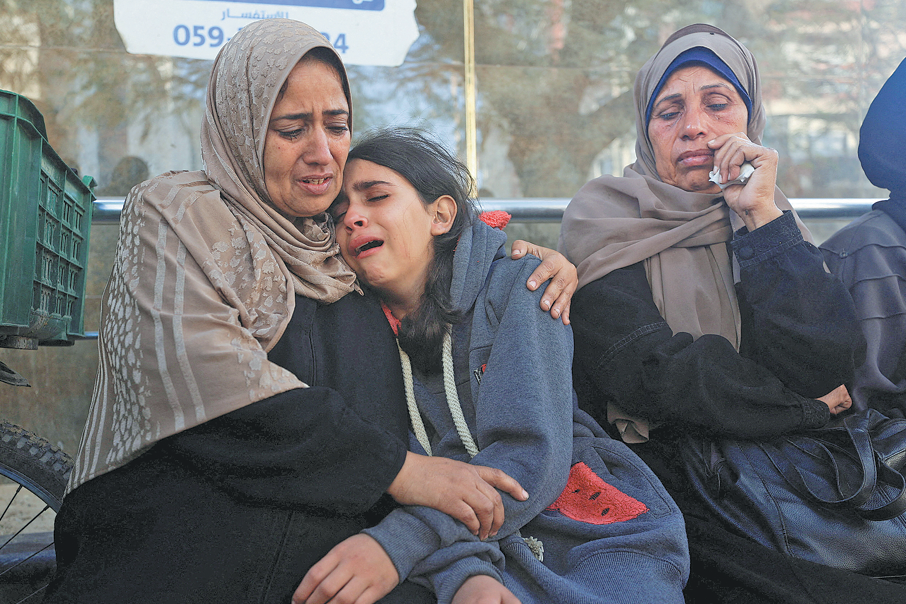
Deadly Israeli strikes test fragile Gaza truce
The fragile truce in Gaza has been severely tested following a series of deadly Israeli strikes on Wednesday, resulting in one of the bloodiest days since a US-brokered ceasefire was established last month. According to Gaza’s health authority, 32 Palestinians, including 12 children and eight women, were killed, with 88 others injured. Concurrently, in the occupied West Bank, Israeli forces detained 100 Palestinians. These developments occurred just two days after the United Nations Security Council adopted a resolution to establish an International Stabilization Force in Gaza. The Israel Defense Forces (IDF) confirmed the attacks, stating they targeted terrorists who posed an immediate threat. However, Hamas dismissed these claims as attempts to justify Israeli crimes. Meanwhile, US Ambassador to Israel Mike Huckabee labeled the surge in settler violence in the West Bank as ‘terrorism.’ UN Secretary-General Antonio Guterres emphasized the need for all parties to respect the ceasefire and work towards a two-state solution. Analysts warn that the current situation resembles a pause in conflict rather than a functioning ceasefire, with ongoing violence and deteriorating humanitarian conditions in Gaza.
-
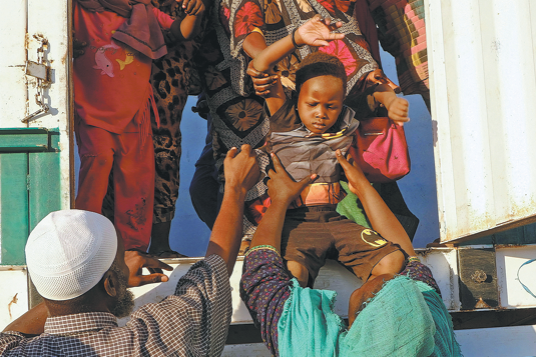
AU criticizes external interference in security issues
The African Union (AU) has issued a strong condemnation of external interference in African nations grappling with security crises, particularly highlighting the ongoing conflict in Sudan. Bankole Adeoye, AU Commissioner for Political Affairs, Peace, and Security, emphasized that the AU must spearhead peace negotiations across the continent, adhering to the principle of ‘African solutions to African problems.’ Speaking in Addis Ababa, Ethiopia, Adeoye stated, ‘We unequivocally condemn all forms of external interference in Sudan or any part of our continent. The AU must lead efforts to identify structural solutions and secure sustainable peace.’ The AU is actively working to end the conflict in Sudan by facilitating political dialogue among all parties, aiming for a comprehensive and unconditional ceasefire. Meanwhile, UN Humanitarian Chief Tom Fletcher expressed concern over the ‘complete impunity’ surrounding atrocities in Sudan’s Darfur region, criticizing global indifference to the crisis. The AU also noted progress in Madagascar, where its Panel of the Wise is assisting in restoring constitutional order, and welcomed the Doha Framework for a Comprehensive Peace Agreement in the Democratic Republic of Congo.
-
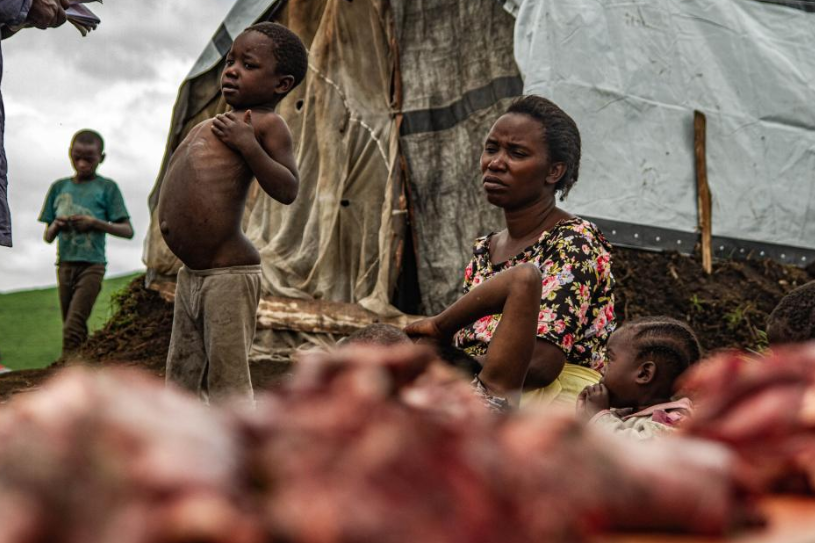
UN humanitarians alarmed by escalating violence in eastern DRC
The United Nations has raised urgent concerns over the escalating violence in the eastern regions of the Democratic Republic of the Congo (DRC), particularly in North Kivu and Ituri provinces. According to the UN Office for the Coordination of Humanitarian Affairs (OCHA), over 45 individuals have been killed in North Kivu since last Friday due to attacks on multiple villages in the Lubero territory. A particularly devastating incident involved an assault on a health center, resulting in the deaths of at least 17 people, including patients. Additionally, two health workers were abducted, medical supplies were stolen, and the facility was set ablaze. The surge in violence has displaced more than 30,000 people in less than a week, with many families continuing to flee amidst fears of further attacks. Humanitarian efforts are being hampered by ongoing insecurity, although OCHA partners are working to assess needs and provide assistance where possible. In Ituri province, two attempted armed attacks on the Lolwa hospital were reportedly thwarted. Since the beginning of the year, over 240 civilians have been killed, and more than 114,500 people have been displaced. OCHA has strongly condemned the attacks on civilians and health facilities, urging all parties to adhere to international humanitarian law and ensure the protection of civilians and civilian infrastructure. The violence is attributed to numerous militia groups operating in the region, including the M23 Movement, the Cooperative for the Development of the Congo, and the Allied Democratic Forces.