
Unidentified drones were reported hovering over Volkel Air Base, a key NATO military installation in the Netherlands, prompting heightened security measures. The incident occurred between 19:00 and 21:00 local time on Friday, with Dutch military personnel deploying weapons in an attempt to intercept the drones. However, the devices reportedly departed and were never recovered, leaving authorities without concrete evidence of their origin. This event is part of a broader pattern of drone sightings across northern Europe, including Belgium, Denmark, and Germany, which have disrupted air traffic and raised significant security concerns. While some European officials have suggested these incidents could be linked to “hybrid warfare” tactics by Russia, the Kremlin has consistently denied any involvement. In response, defense ministers from 10 EU countries have agreed to establish a “drone wall” to enhance surveillance and countermeasures. The Netherlands, along with its NATO allies, continues to investigate the incidents, but the lack of evidence has complicated efforts to identify the perpetrators or their motives.
分类: world
-
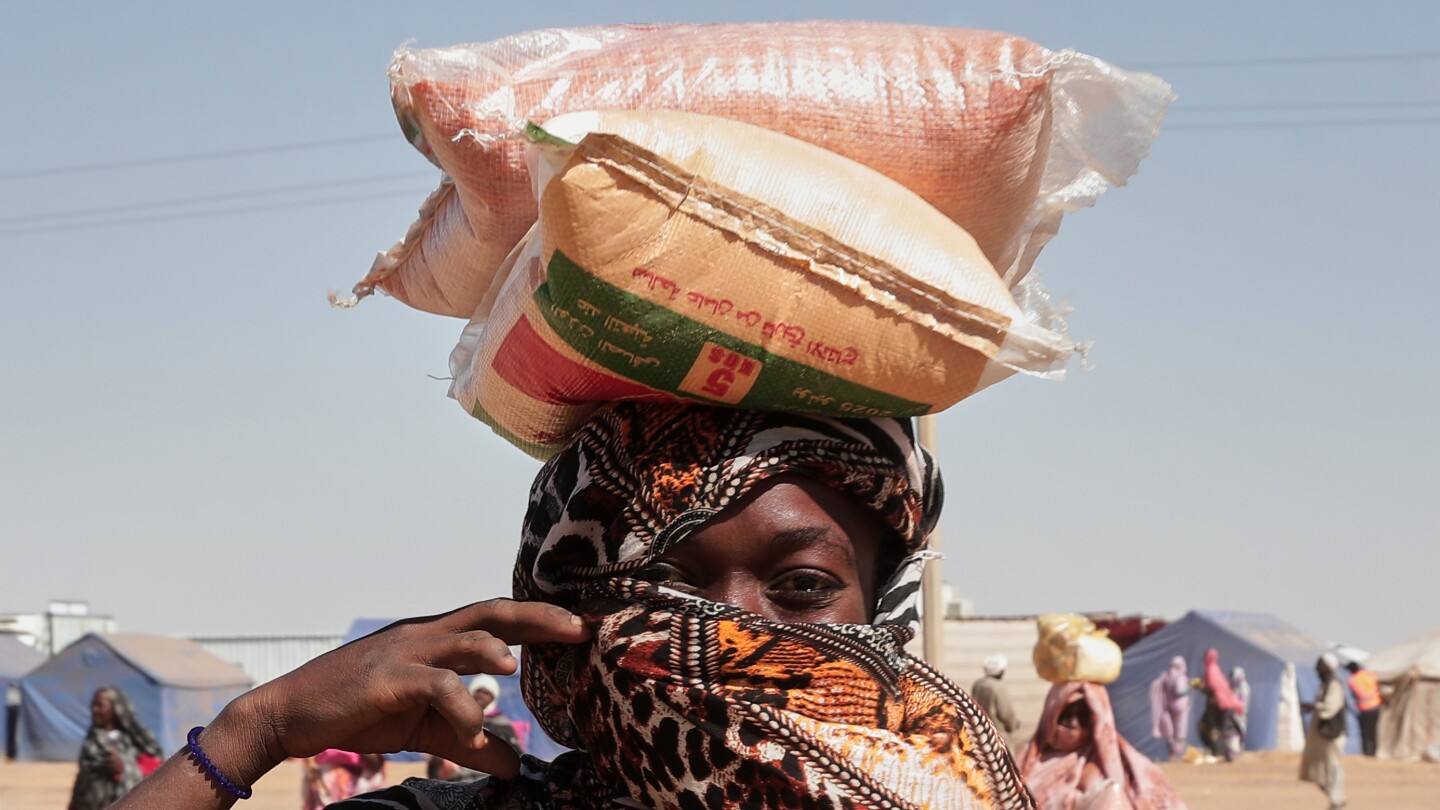
23 children die of malnutrition within a month in Sudan’s Kordofan region
In a tragic revelation, nearly two dozen children have succumbed to malnutrition-related causes in central Sudan over the span of a month, according to a medical group. The deaths occurred in the Kordofan region, a focal point of the ongoing conflict between Sudan’s military and the paramilitary Rapid Support Forces (RSF). This grim statistic highlights the escalating humanitarian catastrophe in the northeastern African nation, where famine is spreading after more than 30 months of relentless warfare. The conflict, which erupted in April 2023 following a power struggle between the military and the RSF, has claimed over 40,000 lives, according to U.N. estimates, though aid organizations believe the actual toll is significantly higher. The war has displaced over 14 million people, triggered disease outbreaks, and pushed parts of the country into famine. As of September, approximately 370,000 people in Kordofan and Darfur were classified as experiencing famine, with an additional 3.6 million teetering on the brink. The Sudan Doctors Network reported that the 23 children died between October 20 and November 20 in the besieged city of Kadugli and the town of Dilling, attributing the deaths to severe acute malnutrition and shortages of essential supplies. Kadugli, the capital of South Kordofan province, has been under blockade for months, preventing the entry of food and medicine and endangering thousands of civilians. Dilling, also in South Kordofan, faces similar conditions, though famine has not been officially declared due to insufficient data. The RSF’s aggressive campaign in Kordofan and el-Fasher has exacerbated the crisis, with tens of thousands fleeing reported atrocities, including mass killings and sexual assaults. Satellite images from the Yale School of Public Health’s Humanitarian Research Lab suggest ongoing efforts by the RSF to dispose of bodies in el-Fasher, raising grave concerns about the fate of civilians remaining in the city.
-

Direct dialogue on climate change stressed
Former US climate envoy John Kerry has emphasized the critical need for direct dialogue between the United States and China to address global climate change. Speaking at a Council on Foreign Relations event in New York City, Kerry highlighted the indispensable role China plays in achieving global climate goals. ‘You can’t really make anything happen if China isn’t on board,’ he stated. The discussion took place during the United Nations climate change conference in Belem, Brazil, where nearly 200 countries are working to enhance multilateral climate action, despite the US’s absence. Kerry pointed to past successes, such as the US-China joint announcement that led to the Paris Agreement in 2015, as evidence of the power of bilateral cooperation. He also noted that China’s emissions could decline sooner than expected, despite maintaining its 2030 carbon peak and 2060 carbon neutrality targets. Kerry acknowledged China’s recent coal construction but explained it as a safeguard against potential electricity shortages. Vijay Vaitheeswaran of The Economist praised China’s clean-energy expansion, calling it ‘a gift to the planet’ and highlighting the global impact of inexpensive Chinese solar, wind, and battery technologies.
-

Forum hailed for promoting Global South modernization
The Global South Modernization Forum, held in Beijing on November 21, 2025, brought together international experts to discuss tailored development paths for Global South nations. The event, themed ‘Working Together to Advance Modernization: A Shared Vision and the Path to Development,’ emphasized unity, cooperation, and reforms in the global governance system. Li Shulei, a senior official of the Communist Party of China, highlighted the transformative role of Global South countries in reshaping the global economic landscape and fostering international stability. He underscored China’s commitment to the Global South, stating that China will always remain an integral part of this collective. The forum also saw the release of two significant reports by the Chinese Academy of Social Sciences (CASS): the World Modernization Development Report and the Chinese Modernization Development Report. CASS President Gao Xiang emphasized that Chinese modernization aligns with global human development interests and advocated for a cooperative approach to modernization that ensures shared prosperity. Pablo Vommaro of the Latin American Council of Social Sciences criticized the Western-dominated development model, calling for a new civilizational framework that empowers Global South nations. He praised China’s Belt and Road Initiative and Global Governance Initiative as models for sustainable and cooperative modernization. Andrei Chevelev, a former UNESCO official, stressed the need for reforms in international governance to amplify the voices of the Global South. He highlighted the role of initiatives like BRICS, the Shanghai Cooperation Organization, and the Belt and Road Initiative in promoting a more equitable international order. The forum concluded with a call for collective action to address global challenges and advance a shared future for humanity.
-
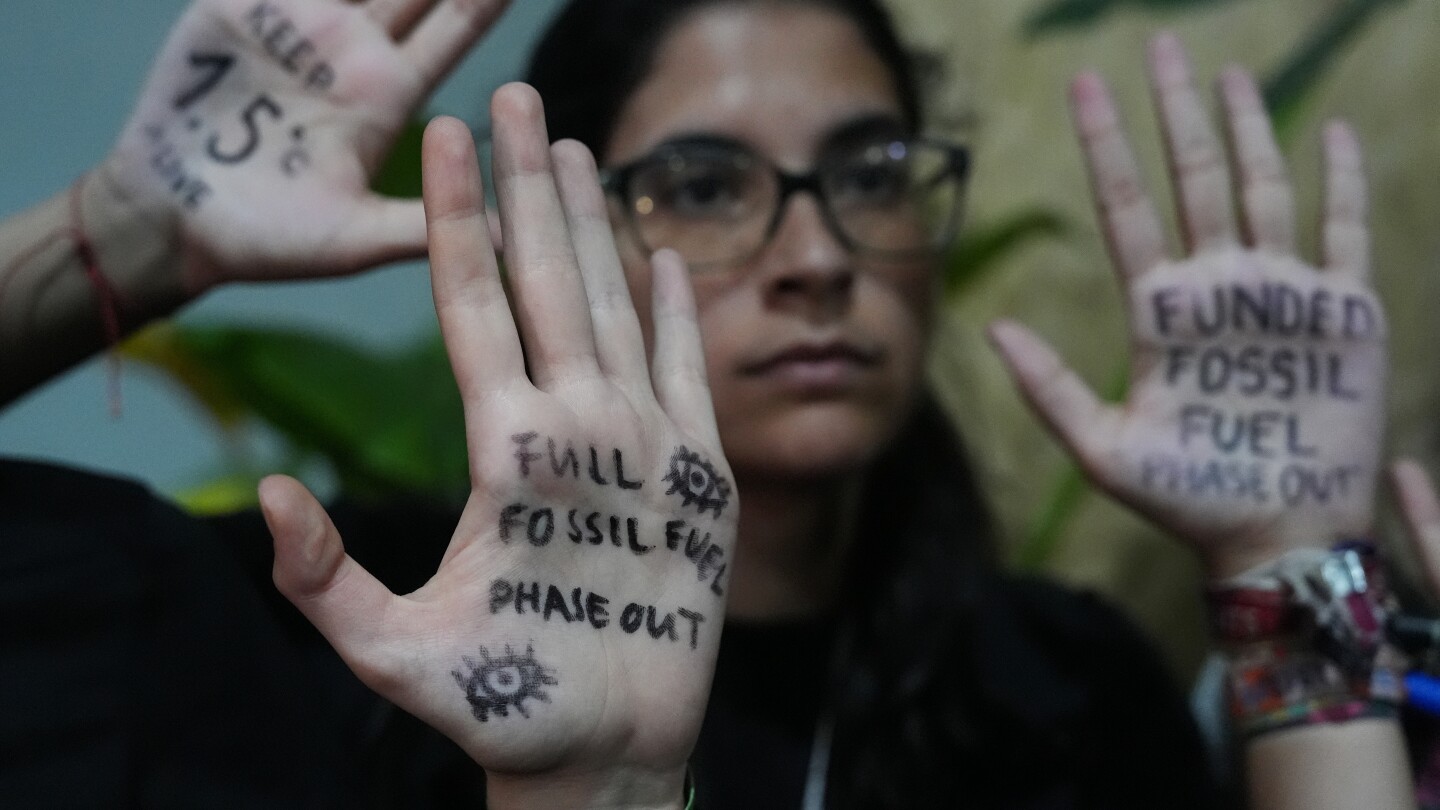
Negotiators at UN climate talks split over when and how to phaseout use oil, gas and coal
The United Nations climate talks in Belem, Brazil, have extended beyond their scheduled conclusion as delegates grapple with contentious issues, particularly the transition away from fossil fuels. Hosted in a city on the edge of the Amazon rainforest, the annual COP30 conference aimed to address global warming but faced significant delays and disagreements. A key point of contention is the omission of explicit language in the draft text outlining a roadmap for phasing out oil, gas, and coal, despite calls from 36 nations, including Panama, for stronger commitments. Panama’s lead negotiator, Juan Carlos Monterrey Gomez, criticized the process, warning it risks becoming a ‘clown show’ due to its lack of clarity. The European Union also rejected the draft, with Climate Commissioner Wopke Hoekstra lamenting its ‘weakness’ and failure to align with scientific imperatives. Small island nations like Tuvalu echoed these concerns, emphasizing the urgent need for a ‘survival roadmap’ to combat climate change. Brazil’s proposals included financial aid for vulnerable nations and stricter emissions reduction plans, but the absence of a detailed fossil fuel phase-out plan drew widespread criticism. Former U.S. Vice President Al Gore accused oil-producing nations like Saudi Arabia and Russia of obstructing progress. Despite acknowledging the irreversible global transition toward low emissions, the draft text fell short of providing concrete timelines or processes. The talks, now behind schedule, continue as negotiators seek common ground amidst mounting pressure to deliver meaningful outcomes.
-
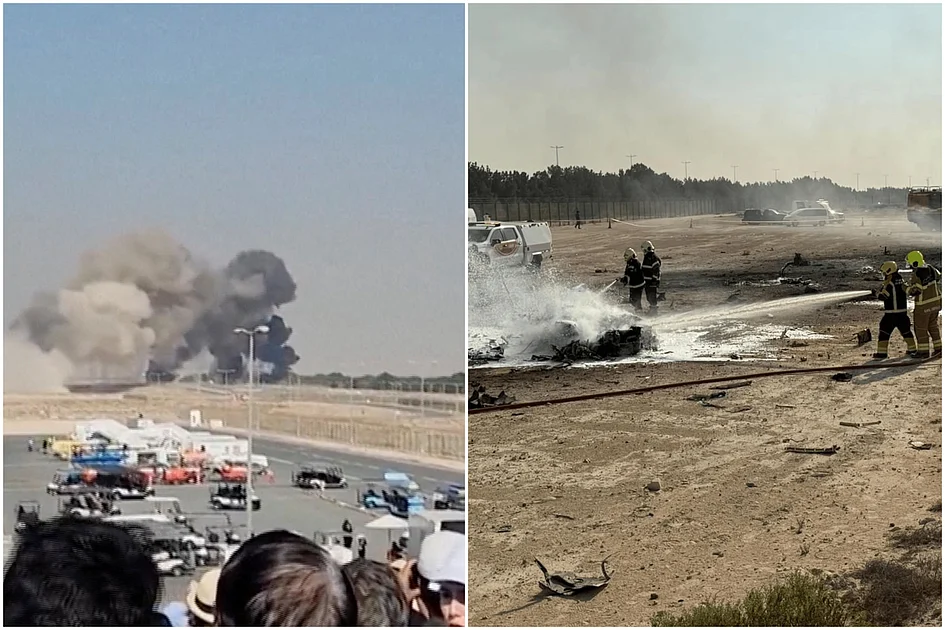
Dubai Airshow crash: UAE offers condolences after Indian Tejas fighter jet pilot’s death
In a somber turn of events at the Dubai Airshow, the United Arab Emirates (UAE) has expressed profound sorrow over the tragic demise of an Indian Tejas fighter jet pilot. The incident, which occurred on Friday, November 21, 2025, has cast a pall over the prestigious aviation event, drawing global attention to the risks inherent in high-stakes aerial demonstrations. The UAE government swiftly issued a statement extending heartfelt condolences to the pilot’s family, the Indian government, and the broader aviation community. The Tejas, a domestically manufactured light combat aircraft, was performing a routine display when the crash transpired, prompting immediate investigations into the cause of the accident. The Dubai Airshow, renowned for showcasing cutting-edge aerospace technology, has temporarily suspended flight displays as a mark of respect. This incident underscores the challenges faced by military aviation and the sacrifices made by pilots in the line of duty. The international community has rallied in solidarity, offering support and condolences to India during this difficult time.
-
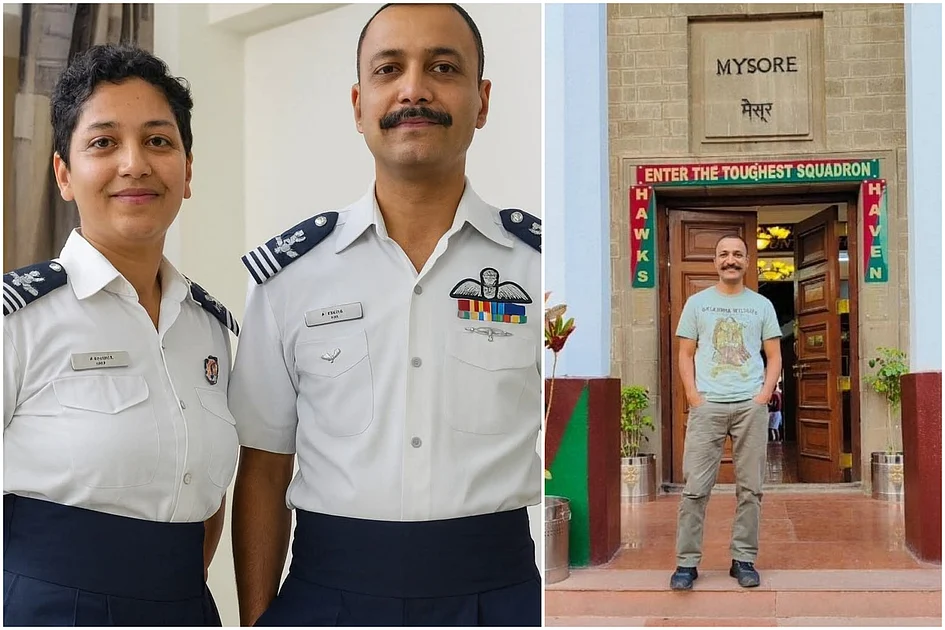
Who was Namansh Syal, Indian Tejas fighter jet pilot who died in Dubai Airshow crash?
A tragic incident unfolded at the Dubai Airshow on Friday afternoon when an Indian Tejas fighter jet, piloted by Wing Commander Namansh Syal, crashed during a display. The 34-year-old pilot, a highly skilled member of the Indian Air Force’s No. 45 Squadron, the Flying Daggers, could not eject in time and perished as the aircraft burst into flames. The event, which was meant to showcase India’s indigenous Light Combat Aircraft (LCA), ended in shock and sorrow for spectators and the nation alike. This marks the second known Tejas accident but the first fatal one at an international airshow. The Chief Minister of Himachal Pradesh, Sukhvinder Singh Sukhu, confirmed Syal’s identity in a heartfelt post on X, describing him as a brave and courageous son of Kangra district. Syal’s family has a strong connection to the Indian Air Force, with his father being a retired officer and his wife currently serving as a senior officer. The Indian Air Force and Defence Minister Rajnath Singh have expressed deep condolences, while Hindustan Aeronautics Ltd (HAL), the manufacturer of the Tejas, mourned the loss of a ‘courageous pilot.’ A court of inquiry has been initiated to determine the cause of the crash. The incident has cast a shadow over India’s participation in the Dubai Airshow, where it has showcased its aerospace innovations for decades.
-

Israel bans Sudanese refugee protests against UAE’s support for RSF
Israeli authorities have prohibited two demonstrations organized by Sudanese refugees aimed at condemning the atrocities committed by the Rapid Support Forces (RSF) in Sudan, a paramilitary group allegedly supported by the United Arab Emirates (UAE). One protest was planned outside the Emirati embassy in Herzliya, north of Tel Aviv, to highlight the UAE’s backing of the RSF, which has been accused of genocide. The Israeli police justified the cancellation by claiming the demonstrations could jeopardize national security and public order. The Association for Civil Rights in Israel challenged the decision in the Supreme Court, arguing it violated freedom of expression. However, the court upheld the police’s stance after the National Security Council warned that the protests could harm Israel’s foreign relations. Anwar Suliman, a Sudanese asylum seeker and organizer, revealed that the UAE had requested the protest be halted, raising concerns about Israel’s alignment with the UAE. Despite the cancellations, Suliman vowed to continue raising awareness about the RSF’s crimes, which include widespread killings, sexual violence, and expulsions in Sudan. The RSF’s recent capture of el-Fasher in Darfur has exacerbated the humanitarian crisis, with reports of 27,000 deaths in just three days. Suliman criticized the lack of Israeli media coverage, attributing it to fear or censorship. Israel’s treatment of Sudanese asylum seekers has also been contentious, with many facing legal and social obstacles despite their refugee status. The Hotline for Refugees and Migrants has documented systemic discrimination against asylum seekers, who are often stigmatized as security threats. The incident underscores the complex interplay between domestic policies, international relations, and human rights advocacy in Israel.
-
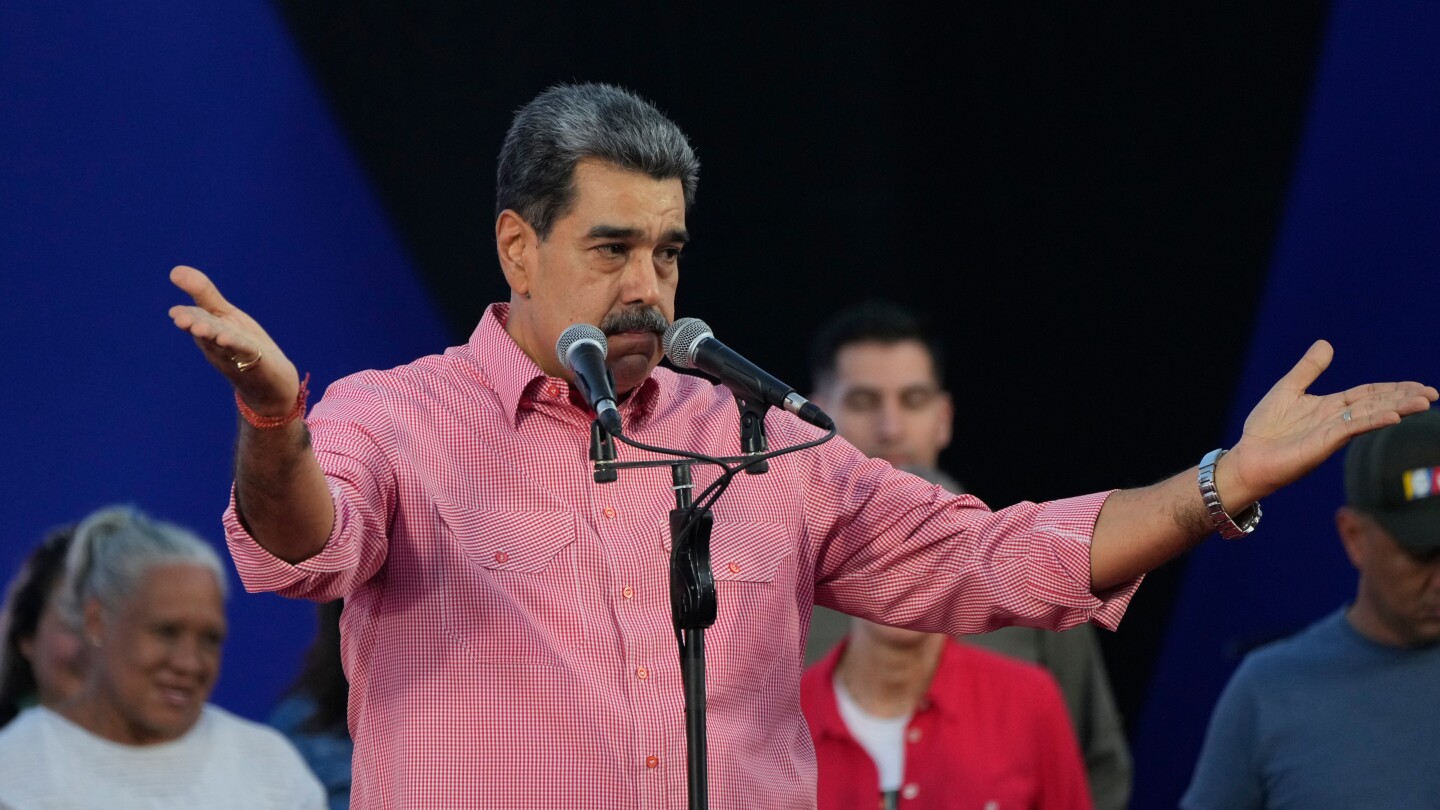
FAA warns all pilots of risks of flying over Venezuela over ‘worsening security situation’
The Federal Aviation Administration (FAA) issued a stern advisory on Friday, urging pilots to exercise heightened vigilance when navigating Venezuelan airspace. This warning stems from the deteriorating security landscape and increased military operations in the region, which could jeopardize aircraft at all altitudes, including those taking off, landing, or stationed on the ground. The FAA’s alert underscores the volatile environment surrounding Venezuela, where unspecified threats loom large. This development coincides with the Trump administration’s intensified pressure on Venezuelan President Nicolás Maduro, whom the U.S. does not recognize as the legitimate leader. Maduro faces narcoterrorism charges in the U.S., further complicating bilateral relations. In a show of force, the U.S. military has deployed the USS Gerald R. Ford aircraft carrier and several destroyers to the Caribbean Sea, marking the largest U.S. military presence in the region in decades. Additionally, the U.S. has conducted bomber flights near Venezuela’s coast, simulating attack scenarios as part of training exercises. The Trump administration has also targeted small boats allegedly involved in drug trafficking, resulting in over 80 fatalities since early September. Mary Schiavo, former inspector general for the Department of Transportation, noted that such FAA warnings are common during military conflicts but emphasized the importance of pilots adhering to them. While the Pentagon redirected inquiries to the FAA, the agency confirmed the warning’s issuance and its 90-day validity, leaving the underlying motivations for the alert open to interpretation.
-

Serbian president denies involvement in alleged Bosnia ‘sniper tourism’
Serbian President Aleksandar Vucic has vehemently denied allegations of his involvement in ‘sniper tourism’ during the siege of Sarajevo, labeling the claims as a ‘lie.’ The accusations stem from a complaint filed by Croatian journalist Domagoj Margetic with Italian prosecutors, who cited 1990s video footage and testimonies from Bosnian officials suggesting Vucic was a ‘war volunteer’ with Bosnian-Serb forces. Vucic, speaking at a UK-Western Balkans business conference in Belgrade, asserted that he had ‘never killed anyone, wounded anyone, or done anything similar,’ and clarified that images purportedly showing him with a sniper rifle actually depicted him carrying a camera tripod. He accused the journalist of attempting to portray him as a ‘monster’ and a ‘cold-blooded murderer.’ The siege of Sarajevo, which lasted from 1992 to 1996, claimed over 11,000 lives as the city was encircled by Serb forces and subjected to relentless shelling and sniper fire. Italian prosecutors recently launched an investigation into claims that wealthy foreigners paid to shoot at civilians during the siege, following a complaint by Italian writer Ezio Gavazzeni, who referenced the 2022 Slovenian documentary ‘Sarajevo Safari.’ Vucic’s spokesperson, Suzana Vasiljevic, dismissed the allegations as ‘malicious disinformation’ aimed at undermining Serbia’s institutional credibility. She emphasized that Vucic was working as a journalist and translator in Pale during the conflict, with no involvement in military activities. While similar allegations of ‘human hunters’ have surfaced over the years, the International Residual Mechanism for Criminal Tribunals in The Hague has stated it lacks information on the matter, and Bosnia’s war crimes prosecutor has yet to issue any indictments. UK special forces veterans who served in Sarajevo have also dismissed the claims as an ‘urban myth.’