分类: world

  • Eel populations are falling, and new protections were defeated. Japan and the US opposed them

    Eel populations are falling, and new protections were defeated. Japan and the US opposed them

    SCARBOROUGH, Maine — Freshwater eels, a prehistoric species vital to the global sushi industry, are facing precipitous decline, with some populations plummeting over 90% since the 1980s. This alarming trend prompted the Convention on International Trade in Endangered Species of Wild Fauna and Flora (CITES) to consider stringent trade restrictions during its recent meeting in Uzbekistan.

    Despite scientific consensus on their vulnerability, CITES member nations voted against implementing new protections on Thursday, delivering a significant setback to conservation efforts. The decision highlights the intense conflict between international environmental policy and economic interests in the multi-million dollar eel trade.

    These serpentine fish, which have existed since the dinosaur era, are succumbing to a perfect storm of threats including river dams, hydroelectric turbines, pollution, habitat degradation, climate change, and rampant illegal poaching. Their peculiar life cycle—migrating to oceans to spawn before dying—makes them particularly vulnerable to human activities.

    The culinary value of eels, especially juvenile “elvers,” has skyrocketed alongside their scarcity. In Maine, America’s only significant elver fishery, prices reached unprecedented heights exceeding $1,200 per pound in 2024. This economic incentive has fueled both legal harvesting and illegal trafficking operations.

    The proposed CITES protections would have required export permits and scientific verification that trade wouldn’t harm species survival. Conservation organizations including the Wildlife Conservation Society argued these measures were “vital to strengthen trade monitoring, aid fisheries management, and ensure the species’ long-term survival.”

    However, fishing industries and regulatory bodies from the United States, Japan, and China—nations where eel consumption is culturally and economically significant—successfully opposed the restrictions. They maintained that national management strategies are more effective than international trade bans, with some industry representatives criticizing CITES as “an international body dominated by volunteer scientists and unelected bureaucrats.”

    Environmental groups warn that without coordinated international action, these ancient migratory fish may continue their slide toward extinction, with irreversible consequences for both marine ecosystems and global food cultures.

  • Ukrainian man suspected of Nord Stream pipeline explosions placed in custody in Germany

    Ukrainian man suspected of Nord Stream pipeline explosions placed in custody in Germany

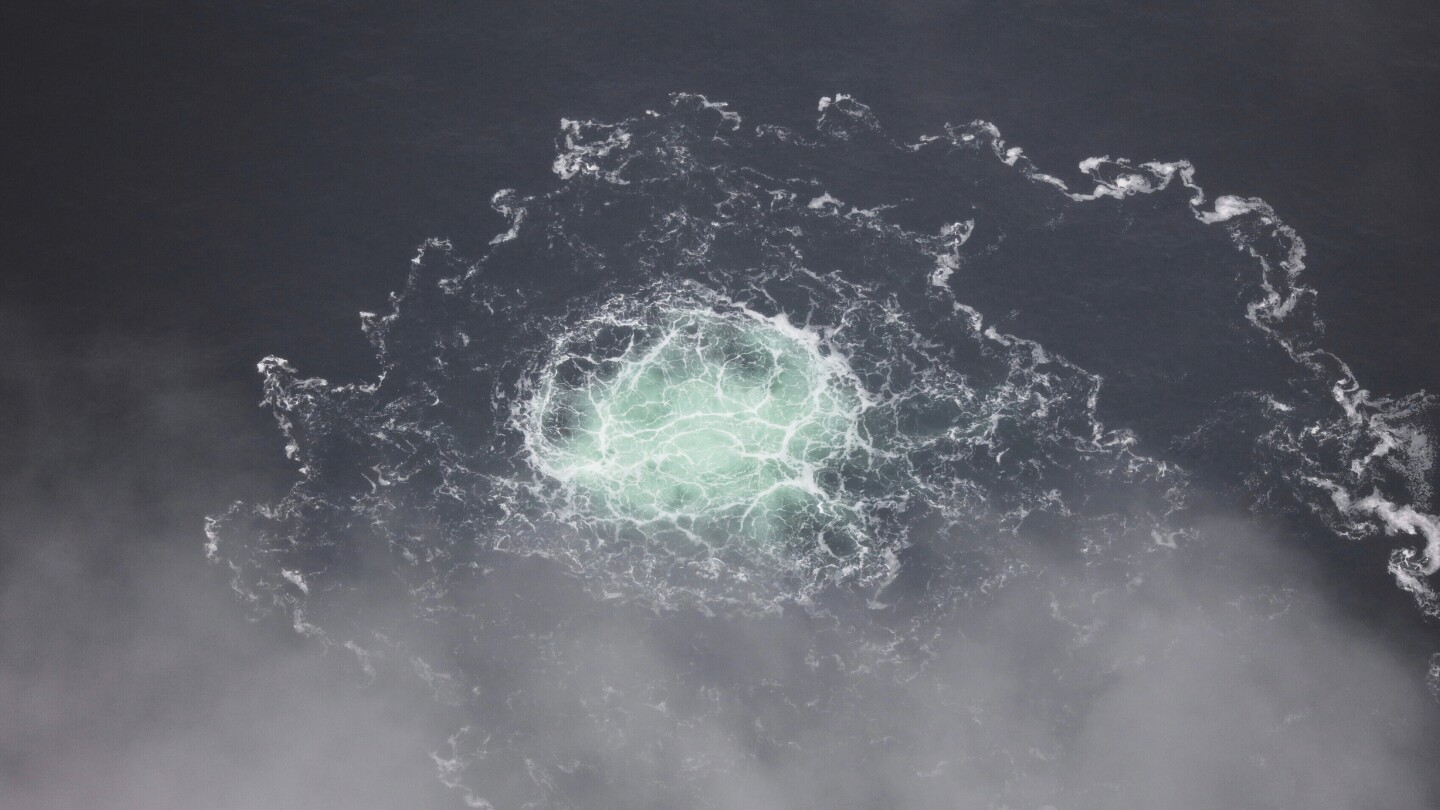
    German authorities have taken into custody a Ukrainian national allegedly responsible for coordinating the September 2022 explosions that severely damaged the Nord Stream gas pipelines. Serhii Kuznietsov, 49, was ordered detained by a Federal Court of Justice judge in Karlsruhe on Friday following an arrest warrant issued by federal prosecutors.

    The sophisticated operation, which targeted critical energy infrastructure beneath the Baltic Sea, involved the use of a yacht chartered from a German company using falsified identification documents. According to investigative findings, Kuznietsov allegedly masterminded the placement of explosives on the pipelines that were designed to transport Russian natural gas to Germany.

    Kuznietsov’s extradition from Italy culminated on Thursday after the Italian Supreme Court approved his transfer on November 19. His initial detention occurred on August 21 at an Adriatic coastal campground where he was vacationing with family members. The suspect has consistently denied involvement, claiming he was serving as an army captain in Ukraine during the time of the explosions.

    This development contrasts sharply with a recent Polish judicial decision that blocked the extradition of another Ukrainian suspect in the same case. A Polish judge had characterized the pipeline attack as legitimate military action in the context of the Ukraine conflict, thereby exempting individuals from criminal liability—a legal interpretation explicitly rejected by Italian authorities in Kuznietsov’s case.

    The 2022 pipeline explosions significantly escalated geopolitical tensions as European nations sought to reduce dependence on Russian energy resources following Moscow’s full-scale invasion of Ukraine. The incident remains one of the most consequential acts of energy infrastructure sabotage in recent European history.

  • Search for British man who fell from cruise ship off Tenerife coast

    Search for British man who fell from cruise ship off Tenerife coast

    A multinational maritime search operation is currently underway off the northwestern coast of Tenerife following the distressing incident involving a British national who fell from a cruise vessel. The 76-year-old passenger was reportedly observed entering the water while the Marella Explorer 2, operated by TUI Group, was transiting toward La Gomera island on Thursday morning.

    The Spanish Coast Guard initiated coordinated search and rescue protocols at 09:48 local time (08:48 GMT), mobilizing maritime assets to scour the waters where the incident occurred. The Malta-registered cruise ship, which specializes in adult-only voyages, immediately participated in initial search efforts before proceeding to its scheduled docking in Santa Cruz de Tenerife during Friday’s early hours.

    Marella Cruises, TUI’s cruise division, confirmed the company is providing comprehensive support to the passenger’s family while maintaining close collaboration with Spanish authorities. The vessel was completing an inter-island journey from Madeira, Portugal to Spain’s Canary Islands archipelago when the overboard incident transpired.

    According to TUI’s specifications, the Marella Explorer 2 represents modern cruise hospitality with capacity for 1,814 passengers distributed across 907 cabins and 14 decks. The Foreign Office has been contacted regarding the incident involving the British citizen, though official statements remain pending as search operations continue.

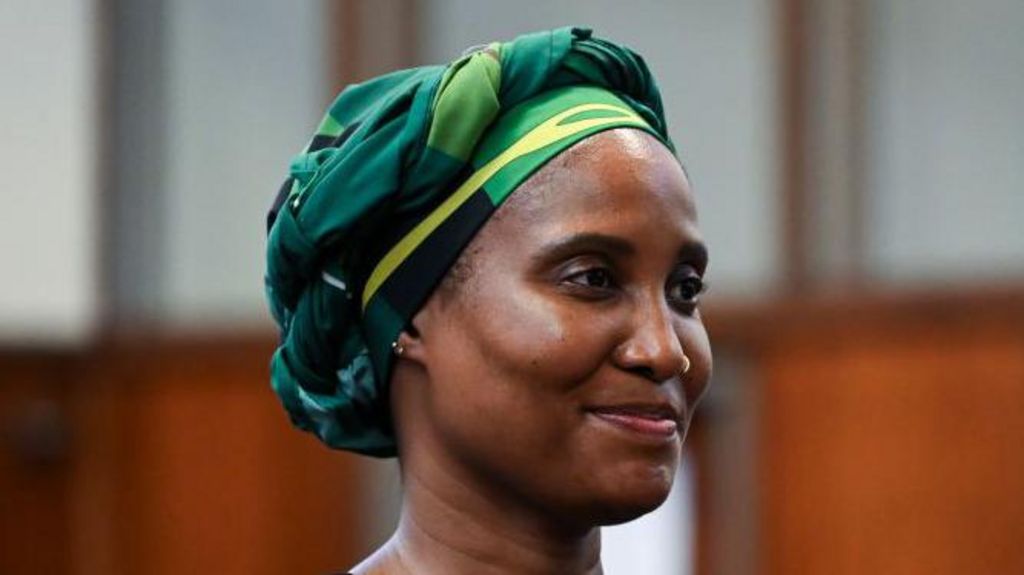
  • ‘Scared and desperate’ – the South Africans who claim they were duped by Zuma’s daughter to fight for Russia

    ‘Scared and desperate’ – the South Africans who claim they were duped by Zuma’s daughter to fight for Russia

    A disturbing case of international deception has emerged as South African citizens find themselves trapped in Ukraine’s war-torn Donbas region after being allegedly recruited under false pretenses. Multiple sources confirm that approximately two dozen men were lured to Russia with promises of security training programs, only to be forced into combat operations alongside Russian forces.

    The recruitment scheme allegedly involves high-profile political figures, including Duduzile Zuma-Sambudla, daughter of former South African President Jacob Zuma and current MP for the uMkhonto weSizwe (MK) opposition party. While Zuma-Sambudla denies intentional wrongdoing, claiming she herself was deceived, victims’ families provide chilling accounts of their relatives’ ordeal.

    One identified only as ‘Sipho’ for safety reasons described through voice messages how recruits were presented with contracts in Russian they couldn’t understand, then transported to frontlines within Ukraine. His brother Xolani, campaigning for his return in South Africa, reveals the group initially believed they were signing up for legitimate bodyguard training for the MK party.

    The situation has triggered formal investigations by South Africa’s elite Hawks police unit, examining potential charges including human trafficking, illegal recruitment, and fraud. The case has further complicated diplomatic relations, with the South African government acknowledging distress calls from 17 confirmed citizens in Donbas but remaining largely silent on rescue efforts.

    Family members report the recruits face extreme danger, with one reportedly wounded by shrapnel and others describing regular drone attacks. The victims consistently express desperation to return home, with Sipho noting in audio recordings: ‘Things you see in the movies, we’re seeing it live.’

    The scandal has exposed internal divisions within the Zuma family, with half-sister Nkosazana Zuma-Mncube filing police reports alleging her relative knowingly deceived recruits. The MK party has scheduled a press conference to address what it terms the ‘Russia-Ukraine matter,’ while international attention grows regarding mercenary recruitment practices in conflict zones.

  • Scores killed as floods sweep several Asian nations

    Scores killed as floods sweep several Asian nations

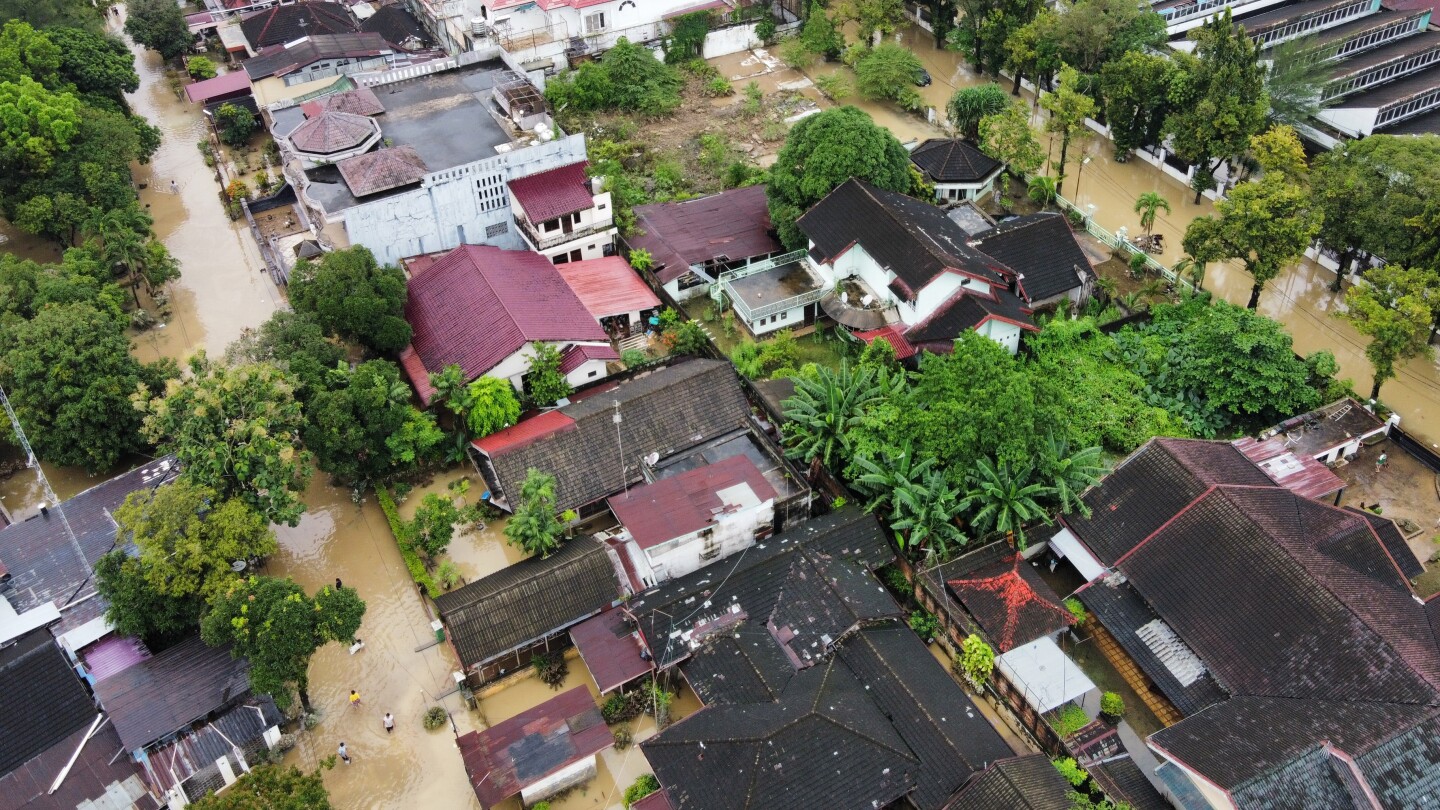
    A devastating wave of extreme weather has unleashed catastrophic flooding across multiple Asian nations, resulting in a mounting humanitarian crisis with significant loss of life. The archipelago nation of Indonesia has borne the heaviest toll, with official reports confirming at least 80 fatalities. Concurrently, the island nation of Sri Lanka has suffered profound casualties, recording 56 deaths according to emergency response officials. The severe weather system, characterized by torrential, unrelenting rainfall, has triggered widespread flooding and destructive landslides over the past week. These events have submerged entire communities, severed critical transportation networks, and displaced thousands of residents from their homes. Emergency services in both countries are engaged in extensive search and rescue operations, battling challenging conditions to reach isolated populations. The scale of the destruction points to a severe regional disaster, overwhelming local infrastructure and response capabilities. This event underscores the increasing vulnerability of densely populated regions to intense climatic phenomena, raising urgent questions about disaster preparedness and climate resilience strategies in South and Southeast Asia.

  • Pope Leo XIV receives enthusiastic welcome from Turkey’s Catholics as he opens key day in first trip

    Pope Leo XIV receives enthusiastic welcome from Turkey’s Catholics as he opens key day in first trip

    ISTANBUL, Turkey — Pope Leo XIV commenced his inaugural papal visit to Turkey with profound spiritual significance, engaging directly with the nation’s Catholic minority during Friday’s morning proceedings. The pontiff received enthusiastic welcomes at Istanbul’s Cathedral of the Holy Spirit, where congregants chanted “Papa Leo” and “Viva il Papa” in a display of reverence for the newly elected spiritual leader.

    The core objective of Leo’s pilgrimage centers on the commemoration of the Nicaean Creed’s 1,700th anniversary—a foundational document of Christian faith formulated during the 325 AD Council of Nicaea. This theological milestone represents one of Christianity’s most enduring unifying documents, accepted across Catholic, Orthodox, and major Protestant traditions despite historical doctrinal divisions.

    The commemorative ceremonies will occur in Iznik (modern-day Nicaea), approximately 93 miles southeast of Istanbul, where Pope Leo will jointly preside with Ecumenical Patriarch Bartholomew, the spiritual authority for global Orthodox Christians. This collaborative leadership underscores the ongoing ecumenical efforts toward Christian unity that have characterized interfaith dialogue for centuries.

    The pontiff’s arrival on Thursday included diplomatic discussions with Turkish President Recep Tayyip Erdogan, during which Leo emphasized peace-building initiatives and Turkey’s potential role as a regional stabilizing force. This visit marks the pope’s first international journey since assuming the papacy, signaling the Vatican’s continued commitment to interfaith dialogue and historical reconciliation.

  • Damage and more rain hamper search for flood and landslide victims in Indonesia

    Damage and more rain hamper search for flood and landslide victims in Indonesia

    Rescue operations across Indonesia’s Sumatra island face significant challenges as damaged infrastructure and continuing severe weather compound a growing humanitarian crisis. The death toll has risen to 79 with dozens more reported missing following devastating flash floods and landslides triggered by Tropical Cyclone Senyar.

    In North Sumatra province, where the most severe impact occurred, torrential monsoon rains on Tuesday caused rivers to overflow their banks. The resulting deluge swept through mountainous villages, carrying away residents and submerging over 3,200 homes and buildings. Provincial police spokesperson Ferry Walintukan reported Friday that at least 48 fatalities had been confirmed with 88 individuals still unaccounted for across 12 affected cities and districts.

    The disaster response has been severely hampered by multiple factors including widespread mudslides, power outages, compromised telecommunications, and critical damage to transportation networks. Rescue teams are struggling to access isolated communities where bridges and roads have been completely washed out, preventing the delivery of heavy excavation equipment necessary for search operations.

    West Sumatra province has reported similarly catastrophic damage, with flash floods across 15 cities and districts claiming 22 lives and leaving 10 people missing. The provincial disaster mitigation agency confirmed that more than 17,000 homes have been completely submerged, forcing approximately 23,000 residents to evacuate to government-operated temporary shelters. Agricultural losses include extensive damage to rice fields and livestock, with public facilities throughout the region rendered inoperable.

    In Aceh province, three villages in Central Aceh district suffered particularly severe landslides triggered by the torrential rains, resulting in at least nine confirmed fatalities with two individuals still missing.

    Meteorological authorities attribute the extreme weather conditions to Tropical Cyclone Senyar, which formed in the Strait of Malacca. Achadi Subarkah Raharjo, Director of Aviation Meteorology at Indonesia’s Meteorology, Climatology, and Geophysical Agency, warned that the cyclone system continues to create unstable atmospheric conditions that may persist for several days. The agency has extended its extreme weather warning due to strong water vapor supply and shifting atmospheric dynamics affecting multiple regions including Aceh, North Sumatra, West Sumatra, and Riau.

    The current disaster highlights Indonesia’s particular vulnerability to seasonal weather events. The archipelago nation of 17,000 islands has millions of inhabitants living in mountainous regions or near fertile flood plains that are increasingly susceptible to climate-related disasters.

  • How Russian drones targeting civilians are turning one Ukrainian city into a ‘human safari’

    How Russian drones targeting civilians are turning one Ukrainian city into a ‘human safari’

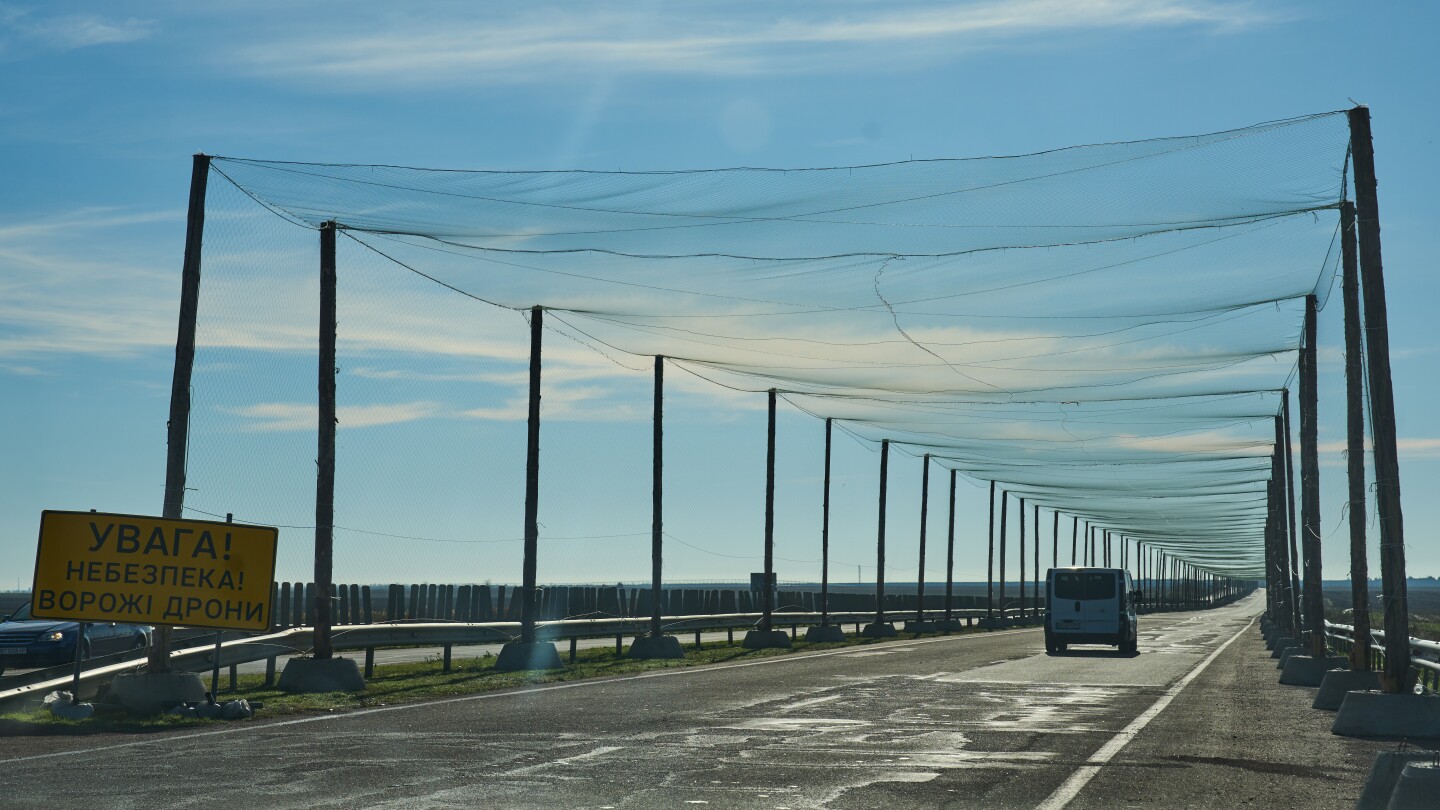
    In the liberated territories surrounding Kherson, southern Ukraine, civilians continue to endure what military officials and locals describe as a systematic ‘human safari’ – relentless drone attacks transforming their communities into testing grounds for Russian warfare tactics. Despite Ukrainian forces reclaiming the city from occupation in November 2022, the region remains trapped in a harrowing cycle of violence where first-person view (FPV) drones hunt civilians with terrifying precision.

    Residents like Olena Horlova from Komyshany village, merely 4 kilometers from the Dnipro River, navigate daily life under constant threat. Her survival strategies include driving without headlights after dark and keeping her daughters indoors indefinitely. The psychological warfare extends beyond immediate danger, with Russian Telegram channels routinely sharing attack footage accompanied by mocking captions and threats.

    The United Nations Independent International Commission of Inquiry on Ukraine has documented these attacks as deliberate campaigns violating fundamental human rights. Their October report concluded these operations constitute crimes against humanity through murder and forcible transfer, noting Russian forces specifically target vehicles including marked ambulances and civilian cars.

    Military intercepts obtained by The Associated Press reveal drones systematically scanning roadways before diving onto targets. Commander Dmytro Liashok of the 310th Separate Marine Electronic Warfare Battalion reports confronting approximately 300 daily drone incursions, with October alone seeing 9,000 drones over Kherson. His electronic warfare specialists neutralize over 90% of threats, yet the remainder causes devastating humanitarian impact.

    Local hospitals bear witness to the human cost. Dr. Yevhen Haran, deputy medical chief at Kherson’s main trauma facility, describes treating blast injuries ranging from amputations to fatal wounds daily. His hospital handled 85 inpatients and 105 outpatients last month alone – all victims of shelling and drone strikes. Haran himself survived an FPV attack while traveling with his wife in August, sustaining a concussion that still affects his speech and balance.

    The UN human rights office confirms short-range drones have become the leading cause of civilian casualties near frontlines, with over 200 killed and 2,000 wounded across three southern regions since July 2024. Nearly 3,000 homes have been damaged or destroyed, creating a humanitarian crisis that continues despite international awareness.

    As Angelina Jolie noted during her November visit, the ever-present drone threat creates ‘a heavy presence’ that civilians endure indefinitely. For survivors like 70-year-old Nataliia Naumova, recovering from a Shahed drone attack that injured her leg, existence has reduced to mere survival rather than living. Yet through the trauma, residents maintain determination – as Horlova summarizes: ‘We held out until liberation – we’ll hold out until peace as well.’

  • ICC judges to rule on provisional release of former Philippine President Rodrigo Duterte

    ICC judges to rule on provisional release of former Philippine President Rodrigo Duterte

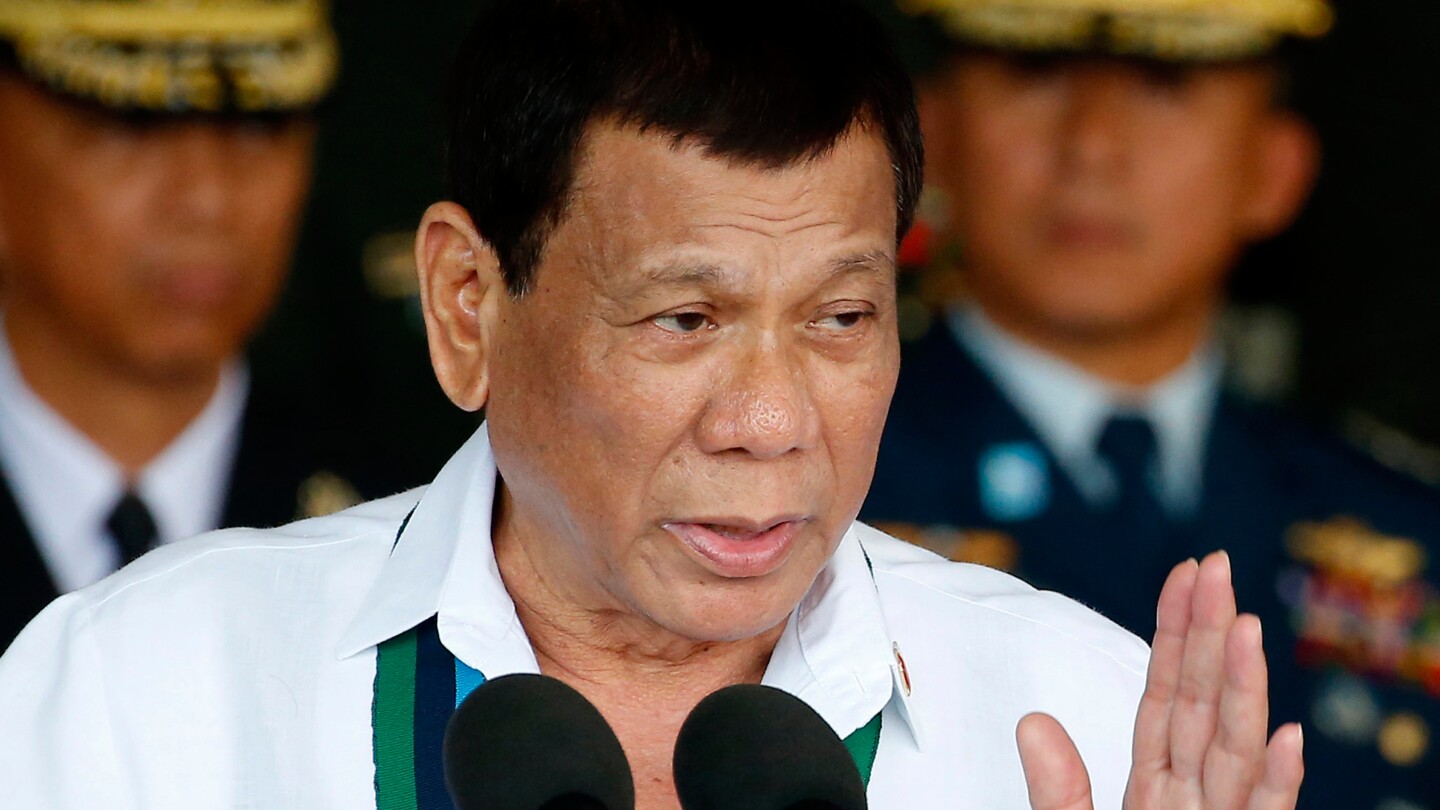
    THE HAGUE, Netherlands — The International Criminal Court is poised to deliver a pivotal ruling on Friday regarding the potential release of former Philippine President Rodrigo Duterte from detention. Appeals judges will determine whether the octogenarian leader should be granted freedom while ongoing proceedings continue regarding charges of crimes against humanity.

    This legal development follows an October decision that maintained Duterte’s custody after judges determined he posed a flight risk and potential witness intimidation threat. ICC prosecutors allege Duterte’s direct involvement in dozens of extrajudicial killings during his controversial war on drugs campaign, first as mayor of Davao City and subsequently as president. Court documents indicate he allegedly instructed and authorized “violent acts including murder” against suspected criminals.

    The human toll of Duterte’s anti-drug campaign remains contested. Official national police statistics report over 6,000 fatalities, while human rights organizations estimate casualties could reach 30,000. Victims’ families celebrated Duterte’s initial arrest in March as a landmark moment for accountability.

    Duterte’s defense team contends their client suffers from significant physical and cognitive decline, describing his continued detention as “cruel” given his alleged inability to assist with his own legal defense. The court previously postponed pretrial proceedings in September pending comprehensive medical evaluation.

    Should appeals judges rule in Duterte’s favor, he would not return to the Philippines but instead be transferred to another ICC member state’s custody during continuing legal proceedings. This case represents a critical test for international justice mechanisms confronting allegations of state-sanctioned violence.

    The legal pathway to this moment began in February 2018 when ICC prosecutors initiated a preliminary investigation into Duterte-era violence. The former president subsequently withdrew the Philippines from the Rome Statute, a move critics characterized as an attempt to evade accountability. ICC judges have consistently maintained jurisdiction, ruling that nations cannot abuse withdrawal procedures to shield individuals from justice for crimes already under consideration.

  • A visit to Somalia’s crumbling hospitals shows the toll of aid cuts and war

    A visit to Somalia’s crumbling hospitals shows the toll of aid cuts and war

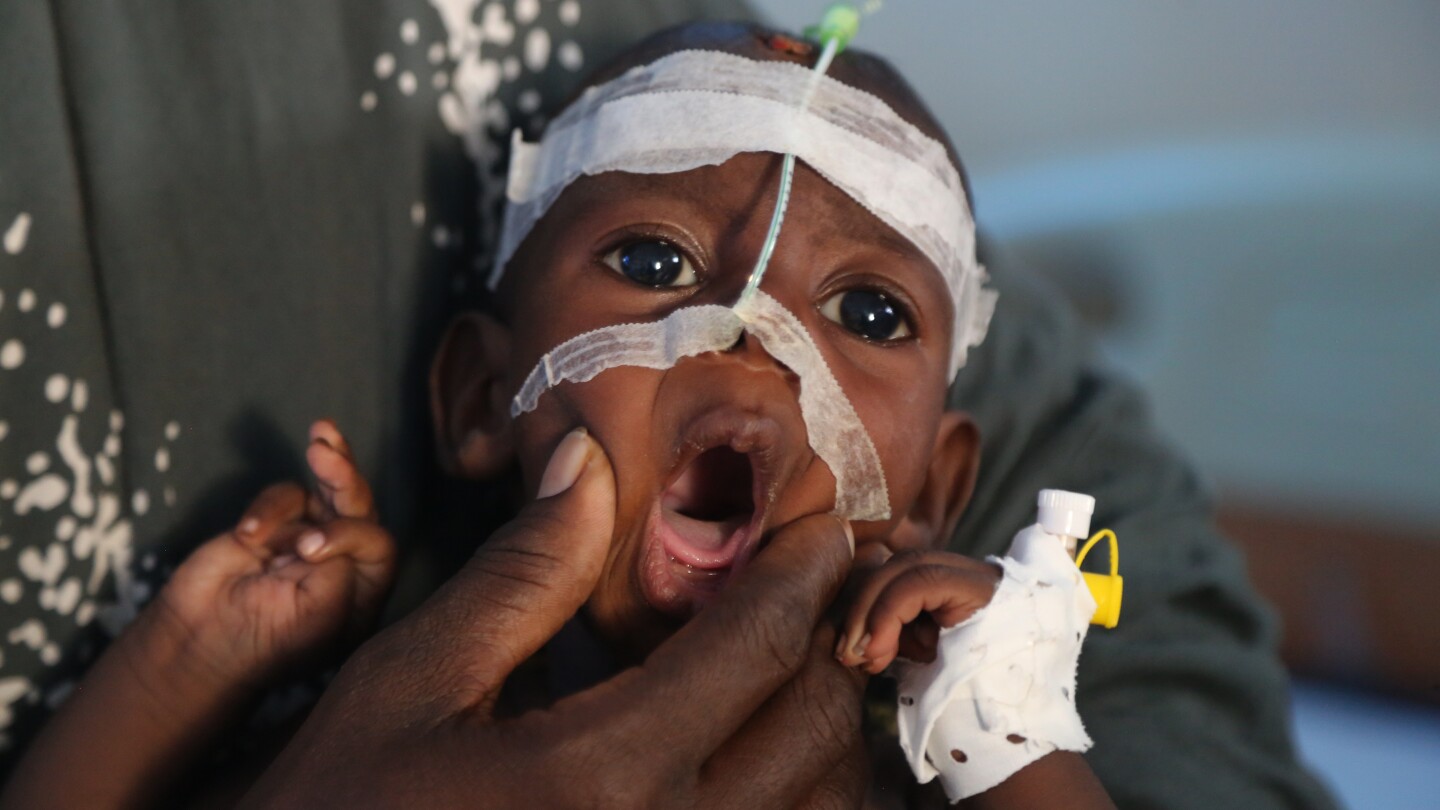
    MOGADISHU, Somalia — The precarious state of Somalia’s healthcare system has been thrust into sharp relief following drastic funding cuts from international donors, particularly the United States. The termination of USAID support has triggered a cascade of failures across the nation’s medical infrastructure, leaving vulnerable populations struggling to access basic care.

    Yusuf Bulle’s journey from rural southern Somalia to Mogadishu exemplifies the desperate measures families must take for medical treatment. His severely malnourished three-year-old son survived only after a 15-day stay at Banadir Hospital—a facility that remains operational primarily through international partnerships. “Where I come from, there is no hospital,” Bulle stated, highlighting the healthcare desert that characterizes much of the countryside.

    The Trump administration’s dissolution of USAID programs this year has resulted in over 6,000 healthcare workers losing their jobs and approximately 2,000 medical facilities facing operational challenges, according to Deputy Health Minister Mohamed Hassan Bulaale. This represents a catastrophic blow to a nation already ranked among those most vulnerable to donor withdrawal by the Center for Global Development.

    Despite recent security gains against al-Shabab militants through President Hassan Sheikh Mohamud’s “total war” campaign, hospital administrators and civic leaders report that the government’s singular focus on security has come at the direct expense of healthcare and other essential public services.

    Somalia’s healthcare system operates on a precarious financial model. The Ministry of Health received $91 million in this year’s national budget—a significant increase from last year’s $52 million—but almost entirely comprised of donor funds tied to specific projects. Mahad Wasuge of Somali Public Agenda think tank notes that “security remains the first priority” for authorities, even as foreign support diminishes from key benefactors including Britain.

    Historical institutions like Chinese-built Banadir Hospital (1977) and Italian-established De Martino Hospital (1922) now depend critically on United Nations and humanitarian organization support. At Banadir’s malnutrition unit, supervisor Dr. Mohamed Haashi revealed that 37 staff positions were eliminated due to U.S. cuts, with Concern Worldwide currently funding the remaining 13 positions along with essential nutritional supplies.

    The situation at De Martino Hospital illustrates the systemic challenges. Director Dr. Abdirahim Omar Amin expressed concern about impending funding crises when contracts with humanitarian groups expire in 2025. The hospital currently treats numerous diphtheria cases—a vaccine-preventable disease now spreading in rural areas where parents fear militant attacks during vaccination trips.

    “Donors are fatigued,” Amin observed, gesturing to laboratory equipment entirely acquired through international funding. While most services remain free through support from the International Rescue Committee and Population Services International, the hospital technically belongs to the Ministry of Health, which provides minimal direct support.

    The deputy health minister acknowledged developing contingency plans with partners but provided no specifics. The challenges are deeply rooted in Somalia’s history—De Martino Hospital once sheltered displaced people after the 1991 fall of dictator Siad Barre, when many public facilities were destroyed during civil war.

    Despite support from African Union peacekeepers, U.S. airstrikes, and security consultants from nations like Turkey (which funds an ICU-equipped hospital in Mogadishu), the federal government struggles to assert authority. As Wasuge notes, even functional public hospitals “don’t get direct government budget that allows them to provide better healthcare services.”

    National assembly representative Mohamed Adam Dini criticized the government’s “deficient” priorities, noting that “a lot of diseases have been spreading unchecked” due to the absence of both a national healthcare plan and a comprehensive political strategy. For unemployed mother Amina Abdulkadir Mohamed, who recently delivered at De Martino Hospital, the choice was simple: “I was told there is free medication.” In a nation where healthcare remains a privilege rather than a right, such institutions represent the last line of defense for Somalia’s most vulnerable citizens.