分类: world

  • Deadly conflict in the Sahel sends herders fleeing to Africa’s coastal cities

    Deadly conflict in the Sahel sends herders fleeing to Africa’s coastal cities

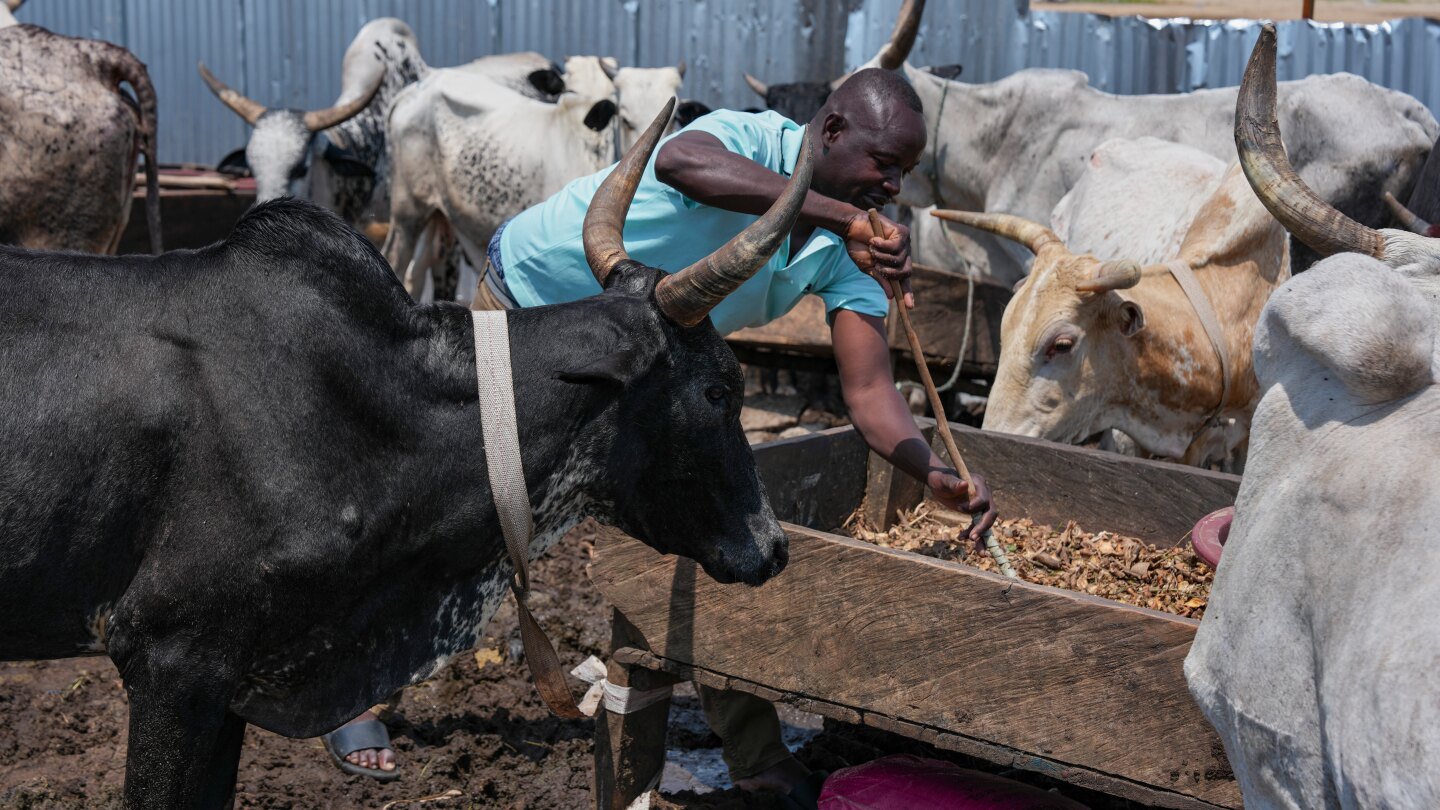
    ABIDJAN, Ivory Coast — For generations, Nouhoun Sidibè’s family identity was intertwined with pastoral life in northern Burkina Faso. That legacy shattered in 2020 when armed militants stormed his home, seizing his entire livestock inventory within minutes. The 49-year-old father of four suddenly joined thousands of displaced herders across Africa’s Sahel region—a vast semi-arid territory south of the Sahara desert experiencing escalating violence.

    For three subsequent years, Sidibè wandered through Burkina Faso seeking employment in a nation grappling with intensified attacks from armed factions, including al-Qaida affiliates. Finding no sustainable work, he eventually crossed into neighboring Ivory Coast in 2023. Now residing in a cramped, amenity-deficient settlement on Abidjan’s swampy outskirts, he assists cattle merchants with vaccinations—a stark departure from his former leadership role.

    “I feel profoundly disoriented. I was a community leader; now I labor for others,” Sidibè confessed to The Associated Press, embodying the identity crisis facing nomadic pastoralists compelled to abandon their traditions.

    This migration surge reflects the Sahel’s expanding security deterioration, which originated in Mali’s 2012 uprising and subsequently engulfed Burkina Faso and Niger. Ivory Coast—a regional economic hub with relative stability—has become a primary destination for those fleeing violence. UNICEF data reveals over 72,000 individuals sought refuge here from Mali and Burkina Faso between January and March 2024 alone, dramatically exceeding previous migration figures.

    Security analysts indicate armed groups systematically target herders to finance operations and dominate territories. Many displaced are ethnic Fulani Muslims, frequently accused of militant sympathies despite also suffering attacks. “A Fulani without cattle loses his fundamental identity,” explained Amadou Sonde, director of Burkinabè Fulani Associations in Ivory Coast, who assists newcomers finding urban employment.

    Academic researchers note some pastoralists transition into real estate or commerce, but most struggle with urbanization’s challenges. Tanané Ibrahim, who fled Burkina Faso after militants confiscated even his poultry, described urban adaptation difficulties: “Cities demand exhausting labor for minimal wages. After expenses, nothing remains.”

    With military juntas in Sahel nations increasingly overwhelmed by multifront assaults, experts foresee prolonged displacement. “This crisis shows no imminent resolution,” affirmed Oluwole Ojewale, conflict specialist at the Institute of Security Studies. For Sidibè and thousands like him, the pastoral freedom they cherished remains an unrecoverable memory.
  • Search for long-missing Malaysia Airlines flight MH370 to resume

    Search for long-missing Malaysia Airlines flight MH370 to resume

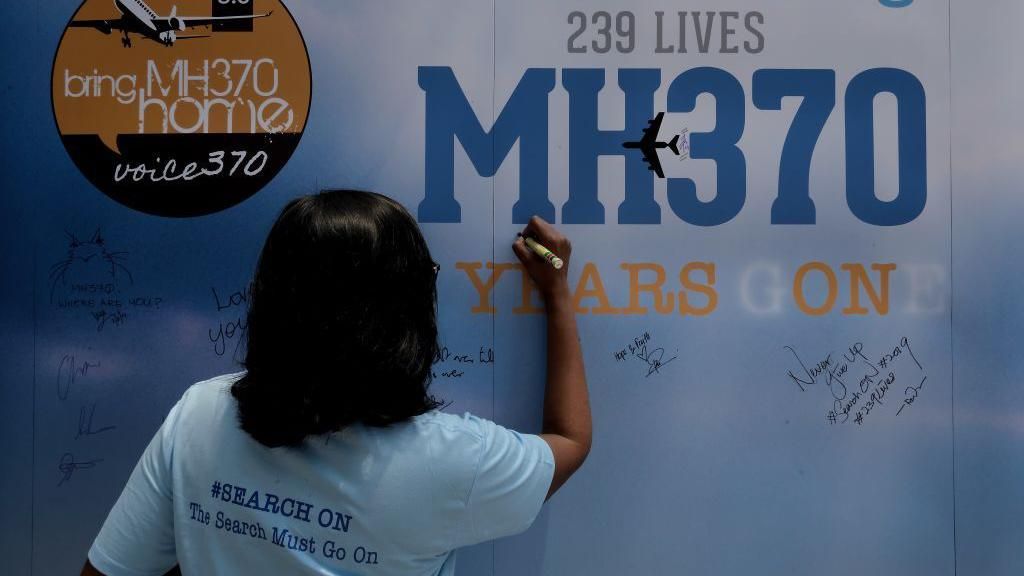
    Malaysian authorities have announced the recommencement of the search for Malaysia Airlines Flight MH370, setting December 30 as the launch date for a renewed 55-day operation. This development marks the latest chapter in what remains aviation’s most perplexing disappearance, originating from the aircraft’s vanishing in March 2014 with 239 passengers and crew aboard.

    The transport ministry emphasized Malaysia’s unwavering dedication to delivering closure for affected families, acknowledging the profound and enduring grief that has persisted over the past decade. The upcoming search operation, led by marine exploration specialist Ocean Infinity, operates under a performance-based contractual arrangement where the firm will receive $70 million exclusively upon successful wreckage discovery.

    This renewed initiative follows a previously attempted search in March that encountered immediate suspension due to adverse weather conditions. Historical efforts include an extensive multinational operation spanning 2014-2017 that deployed 60 vessels and 50 aircraft from 26 nations, followed by Ocean Infinity’s independent three-month search in 2018, both concluding without definitive results.

    Flight MH370’s disappearance occurred less than sixty minutes after its departure from Kuala Lumpur en route to Beijing, with subsequent radar tracking indicating a significant deviation from the planned flight path. The 2018 official investigation suggested deliberate manipulation of aircraft controls but stopped short of determining causation, maintaining that only physical evidence could provide conclusive answers.

    The decade-long mystery has generated extensive conspiracy theories ranging from pilot suicide to hijacking scenarios, while simultaneously representing an enduring source of anguish for families awaiting resolution. The upcoming search signifies both technological advancement in marine exploration and persistent global commitment to solving aviation’s most compelling mystery.

  • Deadly Asian floods are no fluke. They’re a climate warning, scientists say

    Deadly Asian floods are no fluke. They’re a climate warning, scientists say

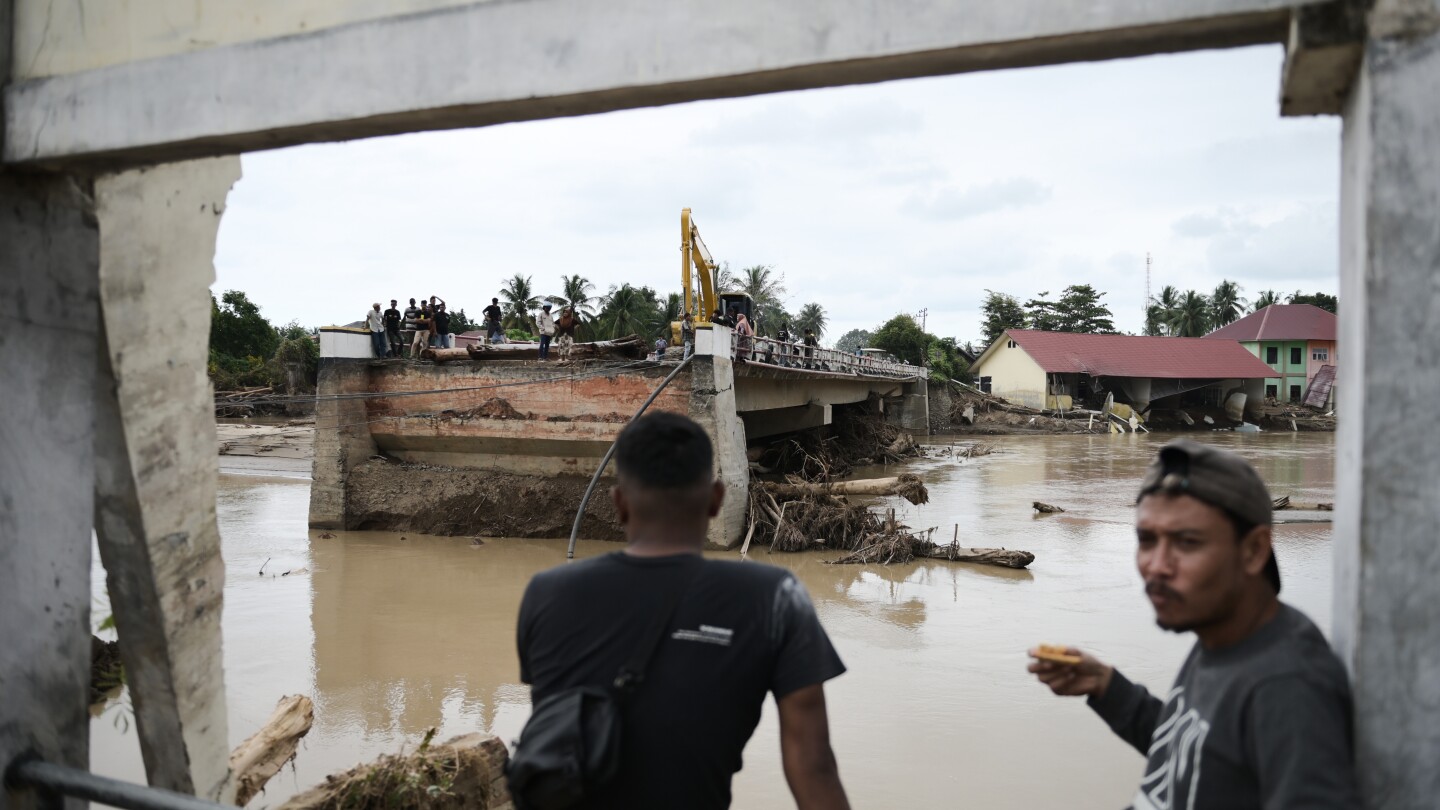
    Southeast Asia is experiencing catastrophic flooding of historic proportions, with climate scientists confirming these devastating events represent a dangerous new normal rather than anomalous weather patterns. The region has recorded over 1,200 fatalities across Indonesia, Sri Lanka, and Thailand, with more than 800 individuals still missing following relentless rains and landslides that have overwhelmed national response capabilities.

    Climate scientists point to alarming environmental triggers that set the stage for 2025’s extreme weather. Atmospheric carbon dioxide levels surged by the largest margin ever documented in 2024, creating what the UN’s World Meteorological Organization describes as a ‘turbocharged’ climate system. Asia is warming at nearly double the global average rate, resulting in stronger, wetter storms with increased frequency and unpredictability.

    The human toll is staggering: entire villages in Indonesia remain isolated after critical infrastructure was destroyed, thousands in Sri Lanka lack access to clean water, and Thailand’s leadership has publicly acknowledged deficiencies in their emergency response. Malaysia continues recovery efforts from its worst flooding in recent memory, which claimed three lives and displaced thousands. Vietnam and the Philippines have endured a year of consecutive destructive storms that have left hundreds dead.

    Professor Benjamin Horton of City University Hong Kong explains the scientific mechanisms: ‘Warmer ocean temperatures provide enhanced energy for storm formation while rising sea levels amplify storm surges. Although total storm numbers may not increase dramatically, their severity and unpredictability certainly will.’

    The region’s disaster preparedness systems have proven inadequate against these climate-fueled catastrophes. Aslam Perwaiz of the Asian Disaster Preparedness Center notes that governments traditionally prioritize disaster response over proactive preparation, leaving them vulnerable to increasingly unpredictable weather patterns. Unregulated development and ecosystem degradation have exacerbated flooding impacts, with deforestation particularly concerning in Indonesia where affected provinces have lost forest coverage exceeding New Jersey’s size since 2000.

    The economic consequences are devastating. Vietnam estimates $3 billion in losses from natural disasters during the first eleven months of 2025, while Thailand’s agricultural sector alone suffered approximately $47 million in damages since August. Southern Thailand’s November flooding caused an estimated $781 million in losses, potentially reducing national GDP by 0.1%.

    Despite contributing minimally to global carbon emissions, Southeast Asian nations bear disproportionate climate impacts while struggling with limited financial resources. At the recent COP30 conference in Brazil, countries pledged to triple climate adaptation funding and make $1.3 trillion in annual climate financing available by 2035—commitments that remain insufficient compared to developing nations’ needs and uncertain in their implementation.

    As Southeast Asia stands at a climate crossroads, expanding renewable energy while maintaining fossil fuel dependence, communities face the harsh reality that extreme weather has become their permanent reality.

  • Amnesty accuses Sudanese paramilitary of war crimes in assault on refugee camp

    Amnesty accuses Sudanese paramilitary of war crimes in assault on refugee camp

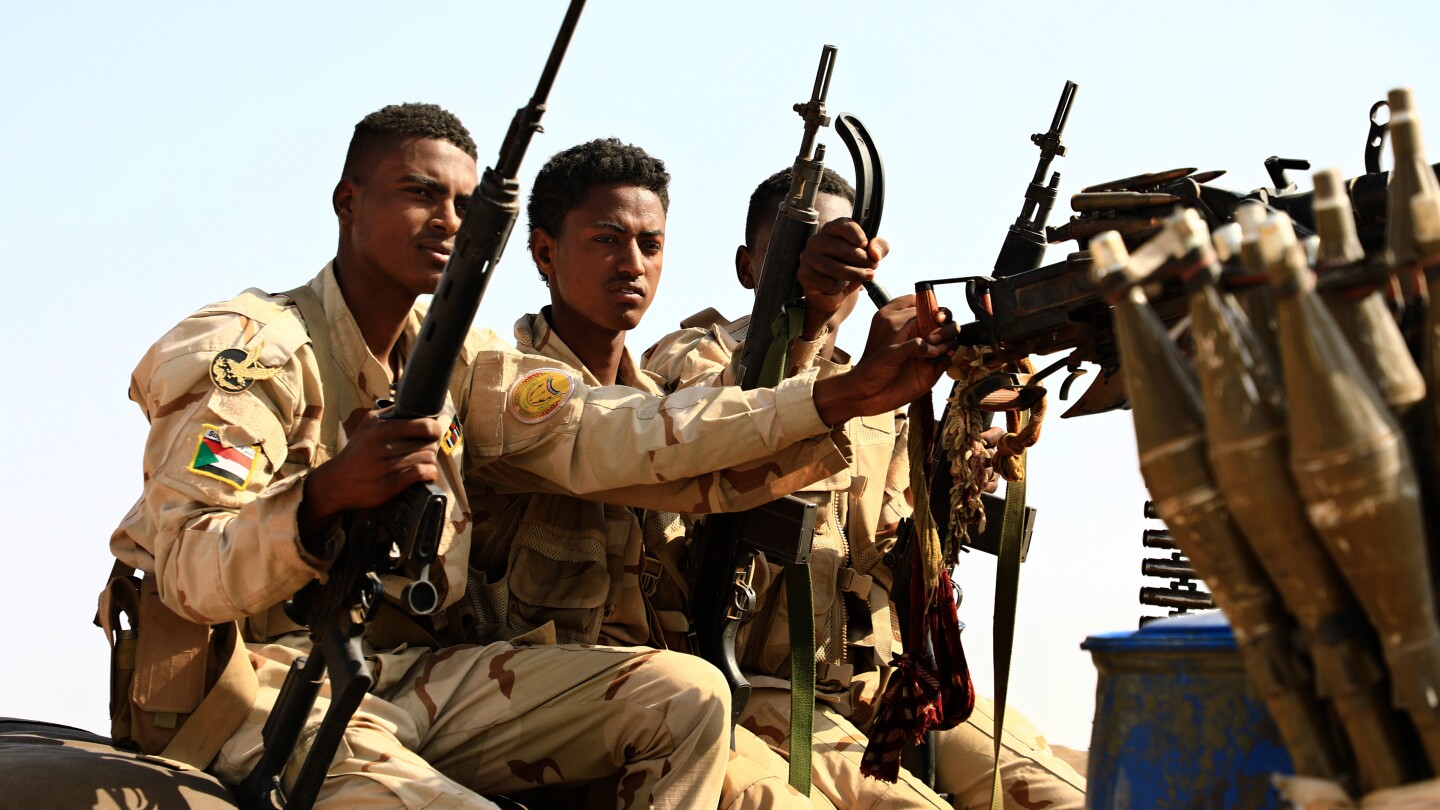
    Amnesty International has issued a damning report documenting systematic war crimes committed by Sudan’s Rapid Support Forces (RSF) during their April assault on Zamzam camp, the nation’s largest displacement settlement in the Darfur region. The comprehensive investigation reveals a pattern of atrocities including civilian executions, hostage-taking, and the deliberate destruction of essential infrastructure including mosques, schools, and medical facilities.

    The paramilitary group’s multi-day offensive on the camp, situated near el-Fasher—North Darfur’s provincial capital which subsequently fell to RSF control in October—represents what Amnesty describes as a sustained campaign targeting vulnerable populations. According to eyewitness accounts compiled by the organization, RSF fighters engaged in indiscriminate shooting in populated areas, sexual violence against women and girls, and the widespread burning of residential structures and markets.

    The attack, which occurred on April 11-12, effectively emptied the two-decade-old camp that had provided sanctuary to approximately 500,000 people originally displaced by earlier conflicts. Survivors recounted harrowing details to investigators, including the targeted killing of 47 individuals who had sought refuge in homes, clinics, and places of worship. One shell reportedly struck near a mosque during wedding ceremonies, causing multiple casualties.

    This incident occurs within the broader context of Sudan’s devastating 30-month civil war between the RSF and national military forces, which has claimed an estimated 40,000 lives and created the world’s most severe humanitarian crisis with over 14 million displaced. Both sides face allegations of atrocities, though the RSF—which evolved from the notorious Janjaweed militias responsible for early 2000s genocide in Darfur—faces particular international scrutiny.

    Amnesty Secretary-General Agnès Callamard condemned the ‘horrific and deliberate assault on desperate, hungry civilians,’ while simultaneously criticizing the United Arab Emirates for its alleged material support to the RSF. The UAE has consistently denied arms transfer accusations.

    International response continues to intensify, with the U.S. government accusing the RSF of genocide in Darfur and the International Criminal Court conducting active investigations into suspected war crimes throughout the conflict.

  • Indonesia to repatriate two Dutch men, including one on death row

    Indonesia to repatriate two Dutch men, including one on death row

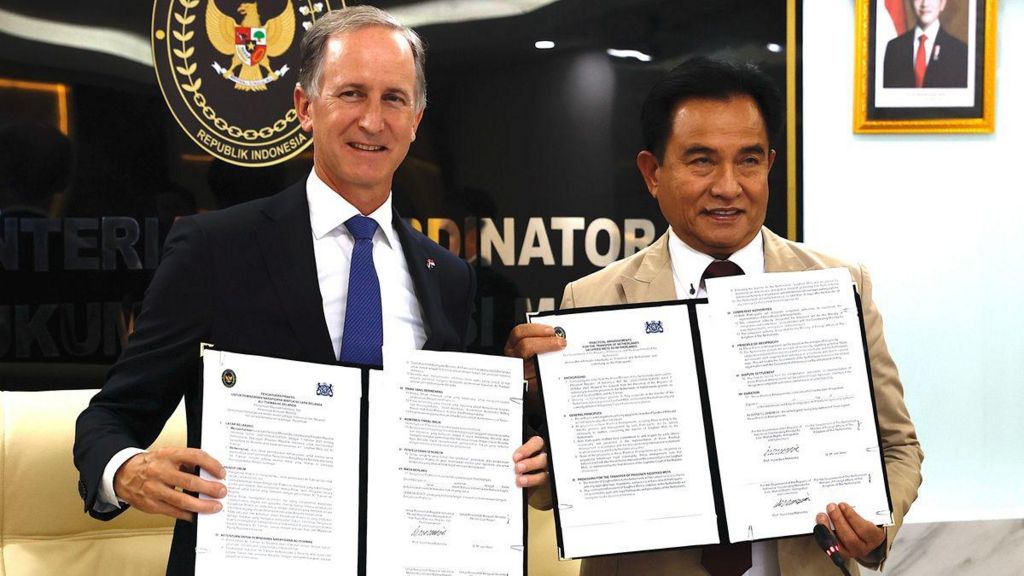
    In a significant diplomatic development, Indonesia and the Netherlands have formalized an agreement facilitating the repatriation of two elderly Dutch nationals incarcerated for drug-related offenses. The arrangement, signed on Tuesday in Jakarta, underscores a growing pattern of humanitarian transfers from Indonesia’s penal system.

    Seventy-four-year-old Siegfried Mets, who faced execution following his 2008 conviction for smuggling 600,000 ecstasy tablets, and 65-year-old Ali Tokman, originally sentenced to death in 2015 for trafficking 6kg of MDMA before receiving life imprisonment, will be transferred to Dutch custody. Both individuals have been experiencing deteriorating health conditions, which formed the central justification for their transfer.

    The signing ceremony featured virtual participation from Dutch Foreign Minister David van Weel, while Indonesian Coordinating Minister for Law and Human Rights Yusril Ihza Mahendra represented the host nation. Marc Gerritsen, Netherlands Ambassador to Indonesia, expressed profound gratitude for Indonesia’s decision to allow the prisoners to spend their remaining years nearer to family members.

    Indonesian authorities confirmed the prisoners’ scheduled departure to Amsterdam on December 8, with their future legal status now falling under Dutch jurisdiction. This transfer follows Indonesia’s October approval of the repatriation request, which the Dutch government formally submitted citing compelling humanitarian considerations.

    This case represents part of a broader trend wherein Indonesia has permitted the return of foreign nationals convicted of serious drug crimes. Recent months have seen similar repatriations involving British and French citizens, including 69-year-old Lindsay Sandiford, whose death sentence in Bali garnered international attention, and Serge Atlaoui, returned to France in February after nearly two decades on death row.

    According to Indonesia’s Law Ministry, approximately 500 prisoners currently await execution nationwide, with drug offenses constituting a substantial proportion of capital cases. The repatriation agreement specifically addresses two of the five Dutch citizens serving criminal sentences in Indonesian facilities.

  • Deep-sea search for Malaysia Airlines Flight 370 to resume Dec. 30

    Deep-sea search for Malaysia Airlines Flight 370 to resume Dec. 30

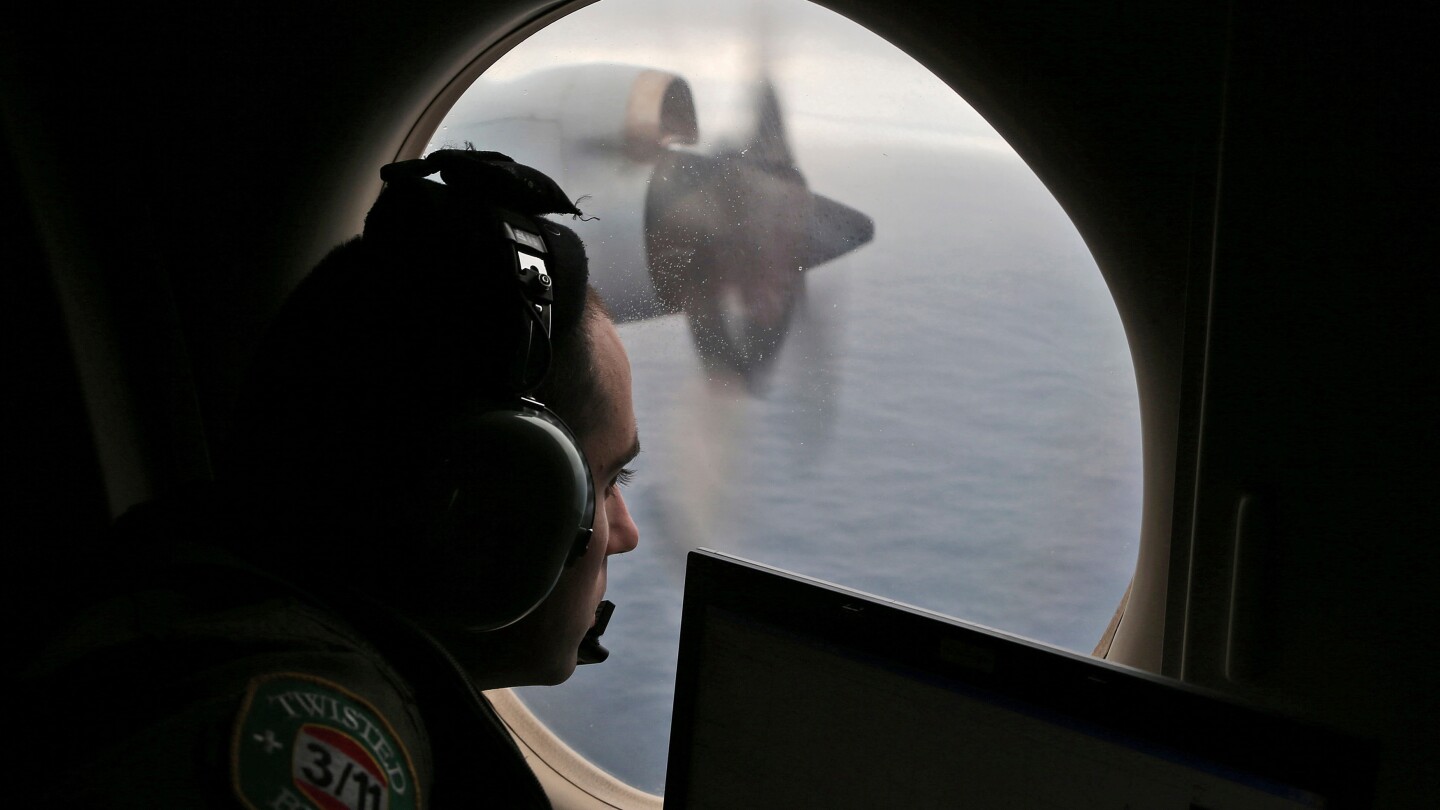
    KUALA LUMPUR, Malaysia — In a significant development to one of aviation’s most enduring mysteries, Malaysian authorities have announced the resumption of the deep-sea search for Malaysia Airlines Flight MH370. The renewed operation, scheduled to commence on December 30, represents the latest effort to locate the aircraft that disappeared without explanation over a decade ago.

    The Boeing 777 vanished from radar systems on March 8, 2014, during a routine flight from Kuala Lumpur to Beijing with 239 passengers and crew aboard, predominantly Chinese citizens. Satellite communications indicated the aircraft dramatically altered its intended flight path, diverting southward before presumably crashing in the remote southern Indian Ocean.

    According to an official statement from Malaysia’s Transport Ministry, Texas-based Ocean Infinity, a specialist in marine robotics, will conduct the search operation under a unique performance-based contract. The company will deploy advanced underwater technology across a targeted 15,000-square-kilometer (5,800-square-mile) zone identified through updated analysis as having the highest probability of containing wreckage.

    The search protocol involves intermittent operations over a 55-day period, with compensation of $70 million contingent exclusively upon successful discovery of aircraft debris. This “no-find, no-fee” arrangement, initially approved in March but delayed due to adverse weather conditions, demonstrates the government’s renewed determination to resolve the tragedy.

    Previous extensive multinational search efforts, including Ocean Infinity’s 2018 mission, yielded no definitive results despite recovering scattered debris along eastern African coastlines and Indian Ocean islands. The latest initiative reflects Malaysia’s ongoing commitment to providing closure for affected families while advancing technical understanding of deep-sea search capabilities.

  • Sudan war has created web of arms and mercenaries, report says

    Sudan war has created web of arms and mercenaries, report says

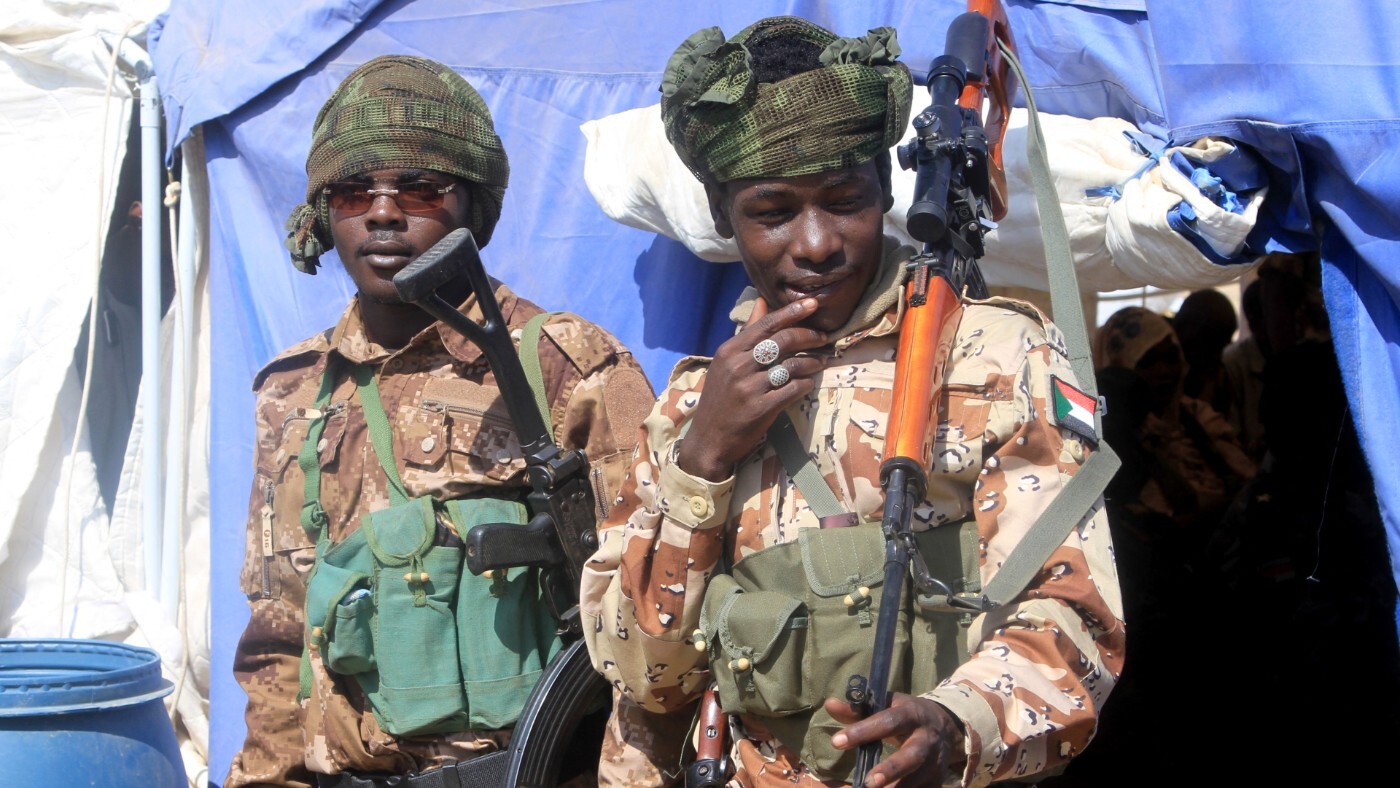
    A comprehensive study released by the Global Initiative Against Transnational Organized Crime reveals that Sudan’s ongoing civil war has catalyzed the development of extensive arms trafficking and mercenary networks spanning multiple African regions. The report, titled “Collateral Circuits: The impact of Sudan’s war on arms markets and mercenary networks in Chad and Libya,” documents how pre-existing smuggling routes were reactivated and expanded following the outbreak of hostilities between the Sudanese Armed Forces (SAF) and paramilitary Rapid Support Forces (RSF) in April 2023.

    The research demonstrates that the conflict’s repercussions have extended beyond Sudan’s borders, significantly affecting Chad and Libya while creating ripple effects across Niger, Mali, and neighboring territories. According to the findings, the United Arab Emirates has facilitated substantial support for the RSF through these channels, despite Abu Dhabi’s continued denial of such backing despite accumulating evidence.

    Emadeddin Badi, the report’s author and a senior fellow at Global Initiative, emphasized that mercenaries, arms trafficking, gold mining, and human smuggling have become fundamental components of a war economy engaging all of Sudan’s neighboring nations. This system provides financial benefits and employment opportunities for numerous individuals throughout the region.

    The investigation reveals that both the outflow and inflow of weapons and combat personnel have transformed regional security architectures. Photographic evidence shows DShKM machine guns, small arms, and other military equipment available for purchase in Chadian markets and on social media platforms, illustrating the widespread proliferation of arms from Sudanese stockpiles.

    Badi contends that the regional integration evident in arms and mercenary movements necessitates a holistic view of North Africa and the Sahel region rather than compartmentalized analysis. He notes that Emirati, Russian, and increasingly Turkish policies approach these theaters as interconnected landscapes, demonstrated through the continuity and complementarity of supply lines established for the RSF via Libya and Chad.

    The report details how supply line functionality directly influenced military developments, including the loss of Khartoum and the capture of el-Fasher in Darfur. Key logistical hubs shifted from eastern Libya’s Kufra to Chad’s Amdjarass, where the UAE established a purported field hospital in July 2023 that reportedly served as a facilitation point.

    Mercenaries have played central roles in sustaining supply pipelines, not as peripheral participants but as organizers and enablers who escort convoys, manage border access, and ensure continuous flow of materials across boundaries. The report concludes that the residual impact of this war economy will persist long after hostilities diminish, with weapons, mercenaries, and established infrastructure adapting to fulfill new functions in the region.

  • Houthis to release survivors of Red Sea sinking, says Philippines

    Houthis to release survivors of Red Sea sinking, says Philippines

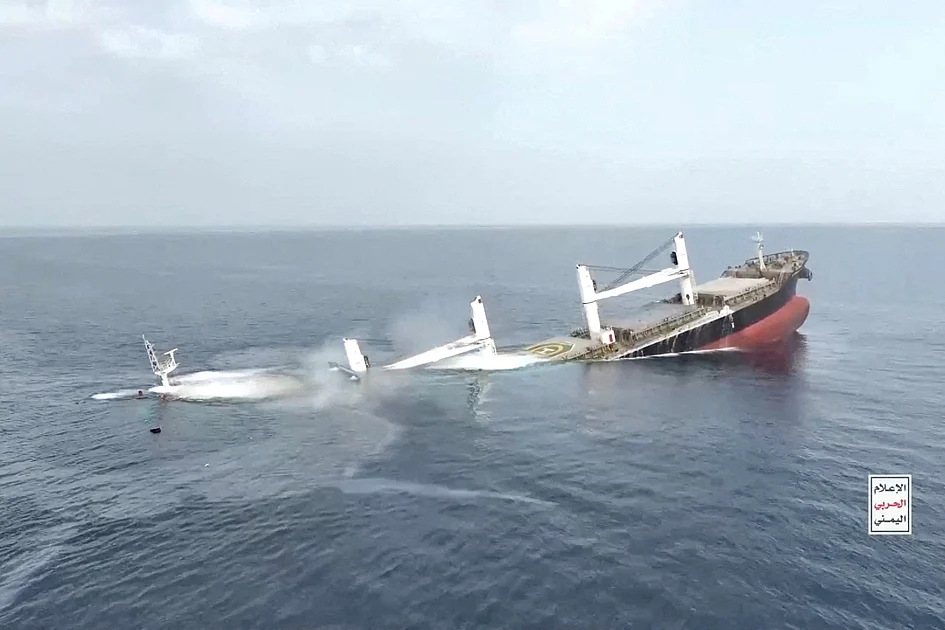
    Yemen’s Houthi rebel faction has announced the impending release of nine Filipino maritime crew members who survived the sinking of their commercial vessel in the Red Sea last July. The Philippine Department of Foreign Affairs confirmed on Tuesday that the seafarers would be transferred from the Houthi-controlled Yemeni capital of Sanaa to Oman before ultimately returning to their home country.

    The crew members were aboard the Liberian-flagged cargo ship M/V Eternity C when it was attacked and sunk by Houthi forces in July, breaking a months-long hiatus in the group’s maritime operations. The Iran-backed militants previously released footage claiming to have ‘rescued’ crew members following the attack.

    Philippine authorities acknowledged Oman’s diplomatic mediation in facilitating the release but declined to specify any conditions attached to the transfer or provide a precise timeline for the sailors’ repatriation. The July incident, which also involved the sinking of another vessel named Magic Seas, marked a significant escalation in maritime security concerns in the critical waterway.

    The Houthis have conducted numerous attacks on commercial shipping since October 2023, asserting these actions target Israel-linked vessels in solidarity with Palestinians in Gaza. These disruptions have forced many shipping companies to avoid the route that typically facilitates approximately 12% of global trade.

    The Philippines remains particularly affected by such incidents as Filipino nationals constitute nearly 30% of the global commercial shipping workforce. Their remittances, totaling nearly $7 billion in 2023, represent approximately one-fifth of the nation’s total remittance income.

  • Cyclone catastrophe in Sri Lanka awakens volunteer spirit

    Cyclone catastrophe in Sri Lanka awakens volunteer spirit

    Sri Lanka faces an unprecedented humanitarian crisis following Cyclone Ditwah’s devastating landfall last week, which submerged entire communities and triggered catastrophic landslides across the nation. The disaster has claimed over 400 lives, left hundreds missing, and rendered 20,000 households uninhabitable, affecting more than one million residents in what President Anura Kumara Dissanayake describes as the country’s ‘most challenging natural disaster’.

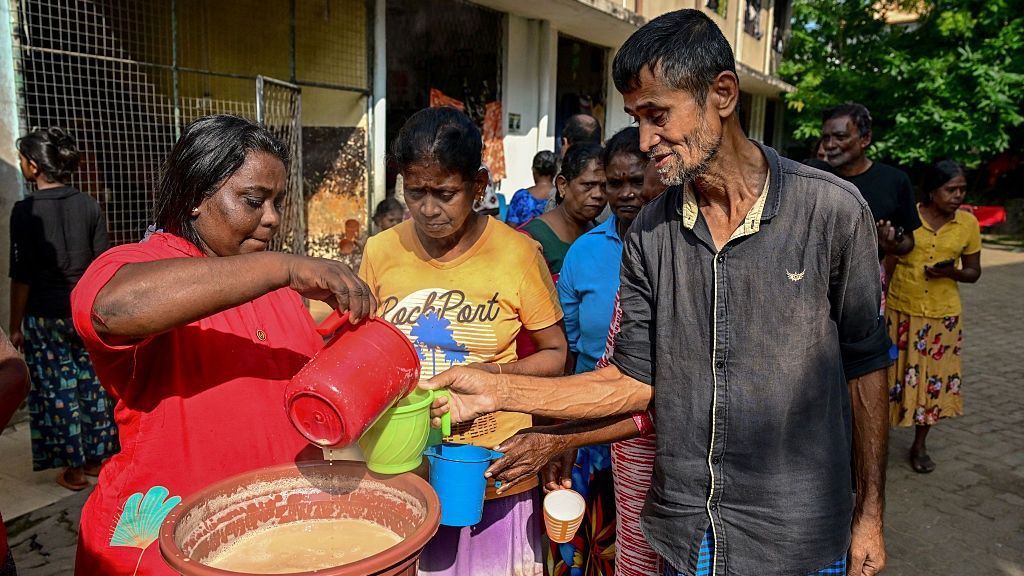
    Amidst widespread destruction, a remarkable grassroots mobilization has emerged. Citizens previously engaged in political activism during Sri Lanka’s 2022 economic crisis have repurposed their organizational skills for disaster relief. In Colombo’s Wijerama neighborhood, volunteers who once protested against former president Gotabaya Rajapaksa now operate community kitchens producing thousands of meals daily for flood victims.

    Celebrities like actor-musician GK Reginold have joined the effort, navigating submerged suburbs via motorized fishing boats to deliver essential supplies to isolated families. ‘The main reason I wanted to do this is to at least help them have one meal,’ Reginold told the BBC, expressing fulfillment in providing crucial assistance.

    The relief operation extends beyond physical spaces into digital realms. Social media activists have created public databases to coordinate donations and volunteer efforts, while volunteer-backed websites help donors identify specific needs across relief camps. Private companies and television channels have organized donation drives for food and basic necessities.

    Despite this civilian-led response, political tensions simmer. Opposition lawmakers accuse authorities of ignoring early weather warnings and staged a parliamentary walkout alleging government attempts to limit disaster debates. President Dissanayake has appealed for unity, urging Sri Lankans to ‘set aside all political differences’ in rebuilding efforts.

    Military helicopters continue rescue operations alongside incoming international aid, but the road to recovery remains long for a nation familiar with recent turmoil. As volunteer Sasindu Sahan Tharaka reflected after exhausting shifts at relief sites: ‘The empathy and capacity of our hearts is greater than the destruction that occurs during a disaster.’

  • Cyclone turns Sri Lanka’s tea mountains into death valley

    Cyclone turns Sri Lanka’s tea mountains into death valley

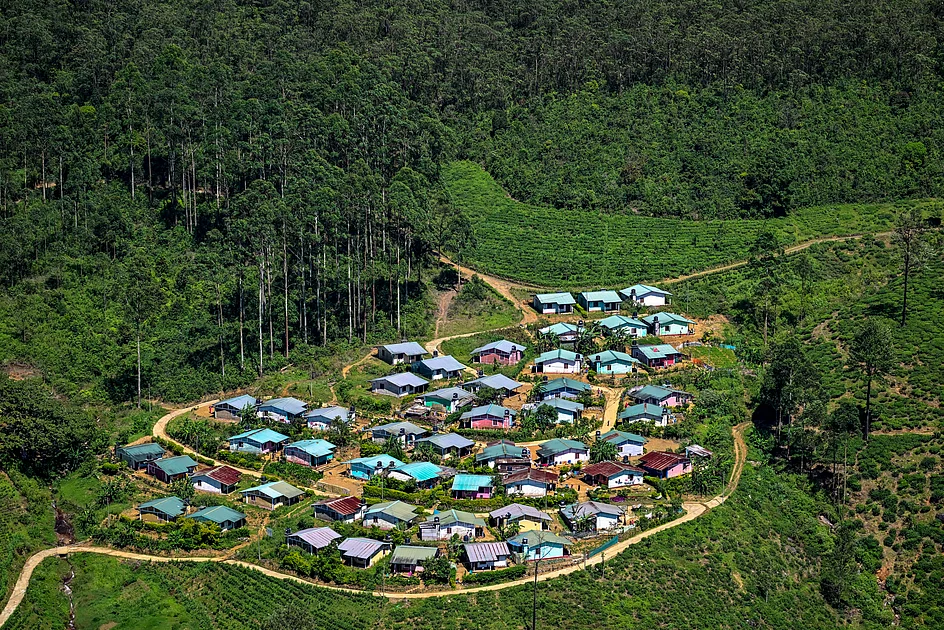
    In the wake of Cyclone Ditwah, Sri Lanka’s picturesque tea-growing highlands have transformed into a landscape of devastation and tragedy. Rescue teams continue their grim search through the mud-clogged mountainsides where at least 465 fatalities have been confirmed, with 366 individuals still unaccounted for following the island nation’s most severe natural disaster in decades.

    The aerial assessment reveals profound destruction across the central tea region, where entire slopes have sheared away, leaving ochre scars through the once-lush vegetation. Landslides have consumed road networks, infrastructure, and complete settlements, with only occasional roof peaks visible above the mud. The renowned tea plantations, vital to Sri Lanka’s economy, now appear as extensive channels of debris and uprooted vegetation.

    Military aircraft from Sri Lanka, India, and Pakistan have mobilized for relief operations, transporting essential supplies to isolated communities in the Nuwara Eliya district. Helicopters modified for cargo transport are delivering water and rations to areas that remain inaccessible by ground. The full impact on the tea industry—including plantations, processing facilities, and agricultural workers—has yet to be comprehensively assessed but is anticipated to be substantial.

    President Anura Kumara Dissanayake has declared a national state of emergency and issued an international appeal for assistance. Recovery efforts face significant challenges due to damaged infrastructure and persistent communication blackouts in remote zones. This catastrophe represents the most lethal natural event to strike Sri Lanka since the 2004 Indian Ocean tsunami, with both landslides and flooding affecting communities nationwide.