分类: world

  • Death toll rises to 2,003 in Iran’s protests, says rights group

    Death toll rises to 2,003 in Iran’s protests, says rights group

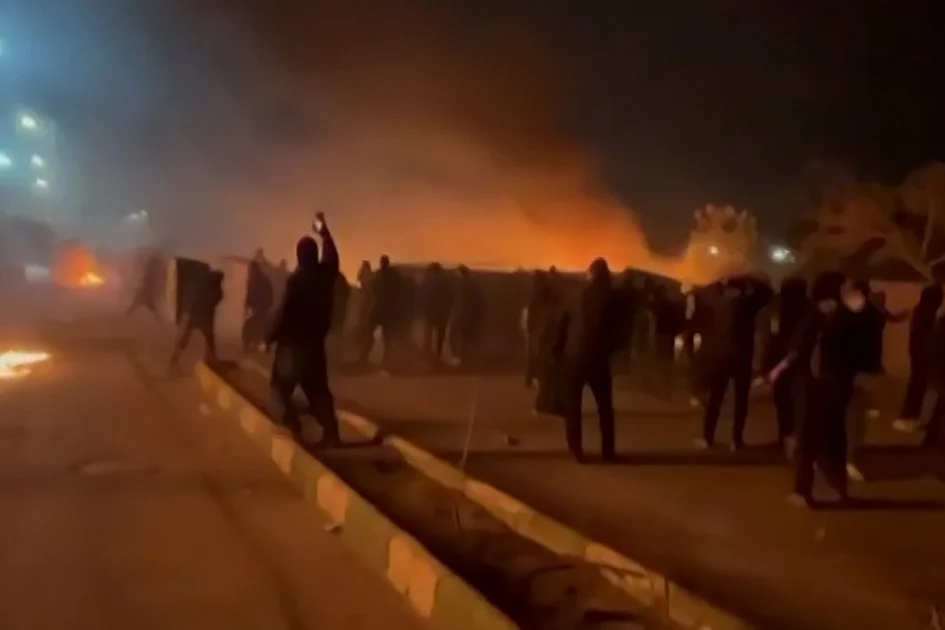
    A U.S.-based human rights monitoring organization has released verified figures indicating a devastating human cost from recent civil unrest in Iran. HRANA, the Human Rights Activists News Agency, reported on Tuesday that its thorough investigation has confirmed 2,003 fatalities connected to the protests.

    The comprehensive breakdown provided by the group reveals that the vast majority of those killed, approximately 1,850 individuals, were identified as participants in the demonstrations. The casualty figures also include 135 persons affiliated with government security forces or institutions. Notably, the verified data confirms that at least nine minors under the age of 18 were among the deceased, alongside nine civilians who were not participating in protest activities.

    The announcement from HRANA represents one of the most detailed accountings of casualties to emerge from the recent period of significant social unrest in Iran. Independent verification remains challenging within the country’s restricted media environment, making external documentation efforts crucial for understanding the scale of the events. These figures highlight the intense and widespread nature of the protests and the severe response they encountered, marking a significant moment in Iran’s contemporary civil society challenges.

  • India hunts rampaging elephant that killed 20 people

    India hunts rampaging elephant that killed 20 people

    Indian authorities have launched an extensive search operation to locate a destructive wild elephant responsible for a deadly rampage that claimed 20 lives in Jharkhand’s rural regions. The solitary male elephant, exhibiting unusually aggressive behavior, terrorized West Singhbhum district over a nine-day period starting in early January, leaving communities in profound distress.

    According to government forest officer Aditya Narayan, coordinated efforts involving drone surveillance and ground patrols are underway to track the elusive pachyderm, which hasn’t been sighted since last Friday despite intensive search operations. The victims include vulnerable children, elderly residents, and even an experienced elephant handler (mahout), highlighting the severity of the situation.

    The escalating crisis has forced inhabitants across more than 20 villages to abandon agricultural activities or implement nighttime barricades for protection. Local elected official Pratap Chachar confirmed that security teams are providing nocturnal assistance to frightened communities living under constant threat.

    This tragic incident underscores the growing human-elephant conflict in India, where shrinking habitats force these endangered giants into increasingly frequent contact with human settlements. Parliamentary data reveals that elephant attacks resulted in 629 fatalities during the 2023-2024 period alone. Wildlife experts suggest the aggressive behavior may be linked to ‘musth’—a physiological condition in male elephants characterized by heightened testosterone levels and increased aggression during mating periods.

    India hosts the world’s largest population of wild Asian elephants, recently estimated at 22,446 individuals by the Wildlife Institute of India. These elephants, classified as endangered by the International Union for Conservation of Nature, now inhabit merely 15% of their historical range due to expanding human infrastructure, mining operations, and agricultural development.

  • Iran protests: Authorities to press capital crime charges for some ‘rioters’

    Iran protests: Authorities to press capital crime charges for some ‘rioters’

    Iranian prosecutors announced Tuesday they would pursue capital crime charges against demonstrators arrested during recent protests, signaling a potential escalation in the government’s crackdown on dissent. The Tehran prosecutor’s office stated an unspecified number of individuals would face charges of “moharebeh” (waging war against God), a sharia law violation carrying the death penalty.

    The development comes amid alarming execution statistics from human rights organizations. The Norway-based Iran Human Rights group reported at least 1,500 executions in Iran during the previous year, making the country the world’s second-most prolific executioner after China. During the 2022-2023 protest wave, twelve protesters were executed, with an additional twelve put to death on espionage charges related to Israel.

    United Nations High Commissioner for Human Rights Volker Turk expressed grave concern over judicial officials publicly discussing potential death penalties for protesters through expedited proceedings. Rights organizations fear the Islamic republic is conducting rapid trials without observing fair trial standards for detained demonstrators.

    The case of 26-year-old Erfan Soltani, arrested last week in Karaj, exemplifies these concerns. According to family sources, Soltani has already received a death sentence and could face execution as early as Wednesday, though state media hasn’t reported on the case and charges remain unclear.

    Iranian state media has emphasized that dozens of security force members died at the hands of “rioters,” while rights groups report hundreds of protester fatalities, with potentially higher numbers unconfirmed. The situation continues to draw international condemnation as Iran employs severe judicial measures against dissent.

  • US withdrawal from WHO makes country, world ‘unsafe’, says chief

    US withdrawal from WHO makes country, world ‘unsafe’, says chief

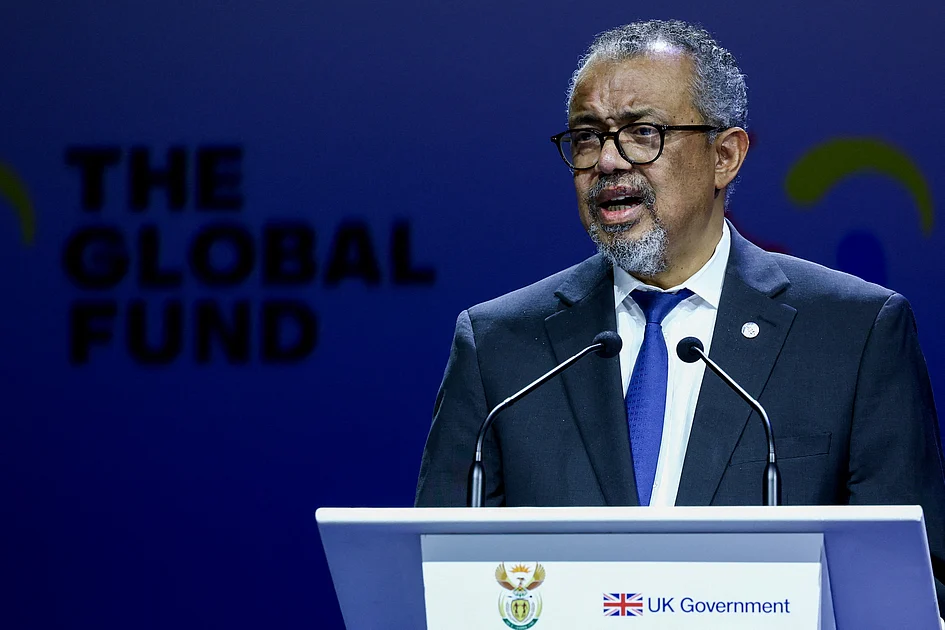
    The impending formal departure of the United States from the World Health Organization (WHO) has triggered grave concerns regarding international public health security. WHO Director-General Tedros Adhanom Ghebreyesus issued a stark warning on Tuesday, stating that the withdrawal, set to take effect next week, creates significant vulnerabilities for both American citizens and the global community.

    Tedros emphasized that the disengagement represents a substantial setback for global health cooperation, fundamentally undermining collective efforts to combat pandemics and other transnational health threats. He characterized the move as one that compromises safety and security on an international scale, creating a more precarious environment for all nations.

    The decision to withdraw, initiated by the Trump administration, concludes a prolonged period of strained relations between the U.S. and the UN health agency. This development occurs amid ongoing global health challenges that require unprecedented levels of international coordination and data sharing.

    Public health experts worldwide have expressed concern that the American withdrawal could fragment global health governance and weaken the WHO’s capacity to respond effectively to future health emergencies. The absence of U.S. funding and expertise is expected to create operational challenges for the organization while simultaneously isolating American scientists from critical global health networks and intelligence-sharing mechanisms.

  • UAE passport ranks 5th strongest globally in Henley index

    UAE passport ranks 5th strongest globally in Henley index

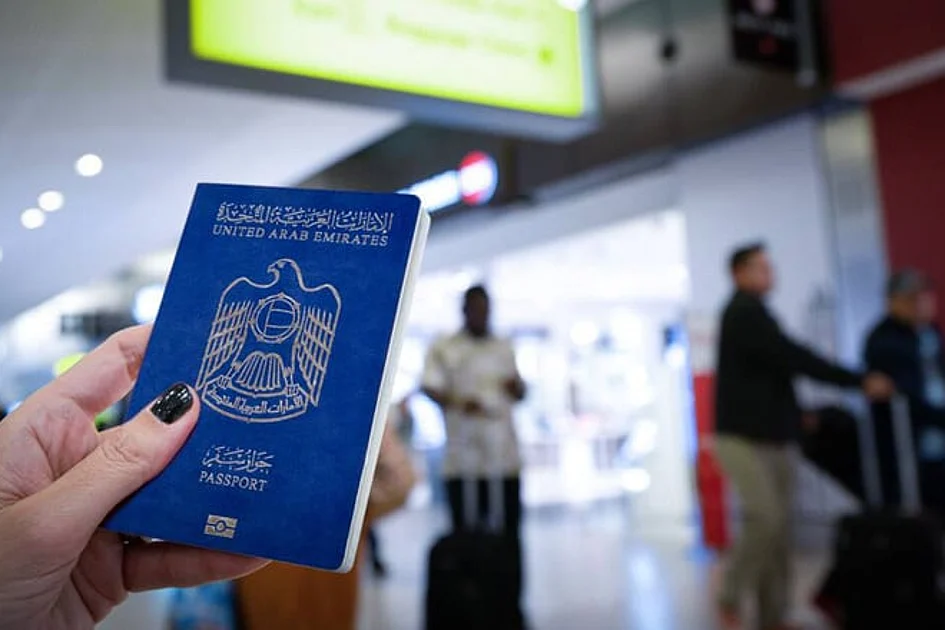
    The United Arab Emirates has achieved a landmark position in global mobility rankings, with its passport now ranked as the world’s fifth most powerful according to the 2026 Henley Passport Index. This represents a significant five-spot climb from the previous year, continuing the nation’s remarkable ascent in global passport rankings.

    The Emirates passport now provides visa-free or visa-on-arrival access to 184 destinations worldwide, placing it alongside European nations Hungary, Portugal, Slovakia, and Slovenia in the fifth position. Notably, the UAE passport now surpasses those of traditional Western powerhouses including the United States, United Kingdom, Canada, Australia, and New Zealand in terms of global access.

    Singapore maintained its top position with access to 192 countries, followed by Japan and South Korea in second place. The third position was shared by Denmark, Luxembourg, Spain, and Sweden.

    The UAE’s transformation represents the most dramatic success story in the index’s two-decade history. Since 2006, the Emirates has added an unprecedented 149 visa-free destinations to its passport privileges, climbing 57 positions from its 62nd place ranking twenty years ago. This extraordinary ascent is attributed to sustained diplomatic engagement and strategic visa liberalization policies.

    Despite this expanded access, UAE passport holders still require visas for 42 global destinations.

    Historical ranking data reveals the consistent upward trajectory:
    – 2016: 38th
    – 2020: 18th
    – 2024: 11th
    – 2025: 10th
    – 2026: 5th

    Industry experts highlight the broader implications of these shifts. Dr. Juerg Steffen, CEO of Henley & Partners, noted: “We’re witnessing a fundamental transformation in how globally mobile individuals perceive access and security. In an era of geopolitical uncertainty, residence and citizenship planning has evolved into an essential strategy for building resilience across multiple jurisdictions.”

    Misha Glenny, Rector of the Institute for Human Sciences in Vienna, emphasized the diplomatic significance: “Passport power ultimately reflects political stability, diplomatic credibility, and the ability to shape international rules. The erosion of mobility rights for countries like the US and UK signals deeper geopolitical recalibration.”

    The trend has sparked increased interest in alternative residence options, particularly among Americans. Professor Peter J. Spiro of Temple University Law School observed: “What was once seen as an extreme contingency has become mainstream risk management—a durable Plan B that offers security and peace of mind in an increasingly unpredictable world.”

  • Air India facing UK lawsuit from estates of some deceased in 2025 plane crash

    Air India facing UK lawsuit from estates of some deceased in 2025 plane crash

    Air India has been formally served with legal proceedings at London’s High Court concerning the catastrophic June 2025 aircraft accident that resulted in 279 fatalities. Court documents confirm that eleven claimants, representing estates and relatives of deceased victims, initiated personal injury litigation on December 18th, 2025.

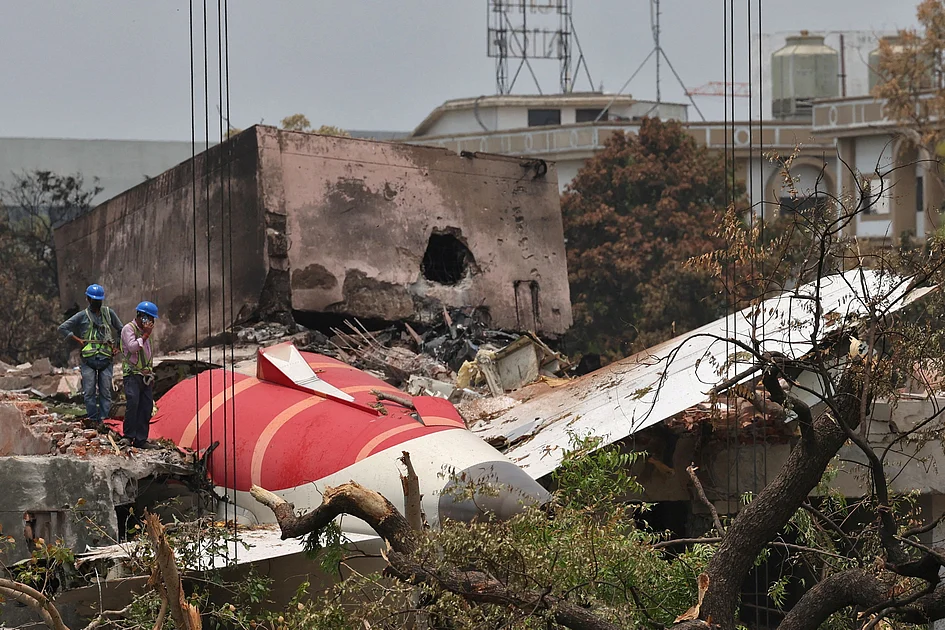
    The tragic incident occurred on June 12th, 2025, when Air India Flight AI-137, a Boeing 787-8 Dreamliner carrying 242 passengers and crew bound for London’s Gatwick Airport, experienced sudden altitude loss moments after departure from Ahmedabad’s Sardar Vallabhbhai Patel International Airport. The aircraft collided with a medical college hostel, erupting into a fireball upon impact. The disaster claimed the lives of all onboard except one survivor, plus nineteen individuals on the ground.

    While specific allegations within the UK lawsuit remain undisclosed, parallel litigation in the United States reveals potential technical factors behind the tragedy. Families of four victims have separately filed suit against aircraft manufacturer Boeing and component producer Honeywell International. Their September 2025 lawsuit alleges defective fuel switch mechanisms directly caused the catastrophic failure.

    Both Air India and legal representatives for the claimants have maintained silence regarding the ongoing proceedings, declining requests for commentary on the developing litigation. The case represents one of the most significant aviation-related legal actions in recent years, with potential implications for international aviation liability standards.

  • Last year was Ukraine’s deadliest for civilians since 2022, UN says

    Last year was Ukraine’s deadliest for civilians since 2022, UN says

    The United Nations Human Rights Monitoring Mission in Ukraine has declared 2025 the most lethal year for civilians since the escalation of hostilities in 2022. According to their latest report, conflict-related violence claimed at least 2,514 civilian lives last year—marking a significant escalation from 2,088 fatalities in 2024 and 1,974 in 2023. The number of injured civilians demonstrated a similar upward trajectory, increasing substantially each consecutive year.

    The most devastating single incident occurred in November 2025, when an attack on the western city of Ternopil resulted in at least 38 civilian casualties, including eight children. The UN mission’s data reveals that the total civilian casualties (killed and injured) in 2025 represented a 31% increase from 2024 figures and a staggering 70% surge compared to 2023.

    Danielle Bell, head of the monitoring mission, characterized these statistics as evidence of “a marked deterioration in the protection of civilians.” She elaborated that “this rise was driven not only by intensified hostilities along the frontline, but also by the expanded use of long-range weapons, which exposed civilians across the country to heightened risk.”

    Concurrent with these findings, President Volodymyr Zelensky reported that overnight Russian strikes on January 13th killed four people in Kharkiv and left “several hundred thousand households” without power in and around Kyiv amid subzero temperatures. The assault involved nearly 300 drones, 18 ballistic missiles, and seven cruise missiles targeting urban centers nationwide.

    Kyiv’s energy infrastructure suffered severe damage, with Yasno energy company CEO reporting citywide “emergency shutdowns” as emergency crews battled fires and worked to restore utilities in freezing conditions. Ukrainian officials accused Russia of deliberately targeting energy infrastructure to “deprive people of power, water and heating” during extreme cold weather.

    Additional casualties were reported across multiple regions: ten injured in a Kharkiv postal terminal strike, two killed in Donetsk region attacks, and six injured in Odesa where strikes damaged residential buildings, energy facilities, a hospital, and a kindergarten.

    The timing of these attacks carried historical significance, occurring on the 1,418th day of Russia’s full-scale invasion—equaling the duration of Soviet involvement in World War II. EU Ambassador to Ukraine Katarina Mathernova noted on social media: “Back then, the USSR was attacked, fought back, and—thanks to massive Western support—ended the war victorious… Today, Putin chose this war. Planned it. Launched it. Owns it.”

  • Australia tightens visa rules for Indian students, moves nation to ‘high-risk category’

    Australia tightens visa rules for Indian students, moves nation to ‘high-risk category’

    In a significant policy shift, Australia has intensified visa requirements for students from India and several neighboring nations, reclassifying them under the highest-risk category within its immigration framework. Effective January 8, 2026, the Australian Department of Home Affairs confirmed the adjustment of Evidence Levels for India, Nepal, Bangladesh, and Bhutan from Level 2 to Level 3—the most stringent integrity setting in the Simplified Student Visa Framework (SSVF).

    The recalibration responds to emerging integrity concerns, including heightened risks of fraud, visa refusal, and non-compliance. Under Evidence Level 3, Indian students pursuing Australian education must now submit extensive documentation, including manually verified bank statements, additional English language proficiency proofs, and detailed background records. Visa processing durations are anticipated to extend from three to eight weeks due to enhanced verification protocols, which may involve direct inquiries to educational institutions or referees.

    The SSVF employs a weighted algorithm to determine Evidence Levels, incorporating metrics such as visa cancellation rates (25%), fraud-based refusals (40%), general refusal rates (10%), incidence of unlawful non-citizens (15%), and subsequent Protection Visa applications (10%). These indicators collectively assess the immigration risk profile of source countries and education providers, independent of academic quality.

    While the Department of Home Affairs does not publicly maintain a current list of countries assigned to specific Evidence Levels, the reclassification was confirmed through official statements and can be independently verified using the government’s Document Checklist Tool. Prospective applicants are advised to consult the tool for tailored requirements based on their chosen institution and nationality.

    This move aims to balance Australia’s commitment to hosting genuine international students with robust mechanisms to safeguard immigration integrity. The policy adjustment reflects ongoing efforts to address systemic vulnerabilities while maintaining the nation’s appeal as a premier education destination.

  • Iran nationwide internet shutdown has now lasted over 108 hours, monitor says

    Iran nationwide internet shutdown has now lasted over 108 hours, monitor says

    Iran has entered its fifth consecutive day of a complete nationwide internet blackout, with digital rights monitor Netblocks confirming the disruption has surpassed 108 hours as of Tuesday. The unprecedented telecommunications shutdown has effectively severed Iran’s population of over 87 million people from global digital networks and internal communication channels.

    According to Netblocks’ latest assessment via social media platform X, the comprehensive internet blackout has left Iranian citizens completely isolated from international connectivity and from each other. Digital activists and human rights organizations express grave concerns that the extended communications blackout serves as a deliberate measure to conceal the government’s aggressive suppression of widespread civil protests.

    The prolonged disruption represents one of the most severe digital censorship measures implemented by Iranian authorities in recent years, exceeding previous intermittent shutdowns during periods of civil unrest. Internet monitoring organizations report near-total disruption across mobile data networks, broadband services, and even virtual private networks (VPNs) that citizens typically use to bypass government restrictions.

    This extended digital isolation occurs amid reports of significant public demonstrations across multiple Iranian provinces. The complete information blackout prevents independent verification of events on the ground, including potential casualties, arrests, or the scale of military and security force deployments. International human rights watchdogs have condemned the shutdown as a violation of fundamental rights to information and communication.

    The Iranian government has historically implemented temporary internet restrictions during periods of social unrest, though rarely maintaining them for such an extended duration. Telecommunications experts note that sustained nationwide blackouts require sophisticated technical capabilities and represent significant economic costs, estimated at millions of dollars in daily economic losses across various sectors.

  • Gaza ‘dying slowly’ amid collapsing buildings and severe cold

    Gaza ‘dying slowly’ amid collapsing buildings and severe cold

    A severe winter storm has plunged the Gaza Strip into a deepening humanitarian crisis, claiming at least six lives within a 24-hour period as freezing temperatures and structural collapses threaten the besieged population. According to the Palestinian health ministry, a one-year-old infant succumbed to exposure, raising the winter death toll for children to seven. Simultaneously, Gaza’s civil defense reported the death of a young man crushed by collapsing sections of al-Saraya Mosque in Gaza City—the fifth such fatality from infrastructure failures in a single day.

    The cumulative impact of seasonal storms and flooding has resulted in at least 24 fatalities this winter, exacerbating the vulnerability of over 1.5 million displaced Palestinians. The territory’s infrastructure, already decimated by more than two years of sustained Israeli bombardment, now poses lethal risks to inhabitants. Despite a ceasefire agreement signed in October, an analysis by The New York Times indicates that Israel has demolished over 2,500 buildings since the truce took effect.

    Civil defense spokesperson Mahmoud Basal accused Israeli authorities of restricting the entry of essential shelter materials, caravans, and construction supplies, intensifying the effects of the natural disaster. Basal warned of an approaching polar storm that would bring ‘catastrophic’ conditions and ‘preventable deaths.’ The Government Media Office in Gaza reported that more than 7,000 tents were swept away by strong winds and heavy rain in just 48 hours, describing the situation as ‘Gaza dying slowly.’

    Health officials highlighted the rapid spread of respiratory diseases, hypothermia, and worsening malnutrition. Muhammad Abu Salmiya, director of al-Shifa Medical Complex, reported the emergence of mutated respiratory viruses, with more than five children and ten elderly individuals recently dying from respiratory complications. Salmiya attributed the deteriorating health conditions to the combined impact of Israel’s military operations and epidemic spread among displaced populations.

    The World Health Organization noted that over 18,500 individuals, including 4,000 children, require urgent medical evacuation. Muneer al-Boursh, Director General of Gaza’s Ministry of Health, characterized the situation as the ‘engineering of slow death,’ emphasizing that much of the permitted aid consists of non-nutritional items while medicines, vitamins, and infant formula are systematically denied entry. Israeli forces continue to violate the ceasefire agreement by restricting aid flow and blocking most medical evacuation requests, alongside ongoing bombardment that has resulted in over 71,424 Palestinian fatalities, predominantly civilians, according to Israeli military data.