分类: world

  • Sudan general ready to talk to US President Trump for peace

    Sudan general ready to talk to US President Trump for peace

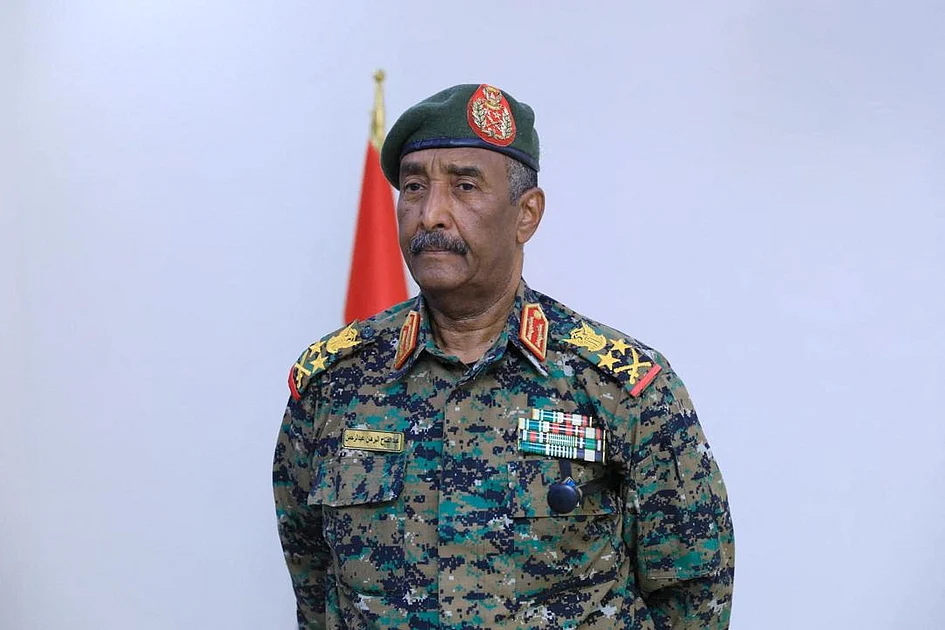
    In a significant diplomatic development, Sudan’s de facto leader General Abdel Fattah al-Burhan has expressed willingness to collaborate with U.S. President Donald Trump to resolve the ongoing conflict devastating his nation. The Sudanese foreign ministry confirmed this position on Tuesday following General al-Burhan’s diplomatic visit to Riyadh as an official guest of Saudi Crown Prince Mohammed bin Salman.

    The Saudi leadership recently presented President Trump with a comprehensive peace proposal for Sudan during Prince Mohammed’s official visit to Washington. According to the Sudanese statement, General al-Burhan commended President Trump’s demonstrated commitment to peace initiatives and acknowledged Saudi Arabia’s participatory role in these efforts.

    “He affirmed Sudan’s keenness to work with President Trump, his secretary of state, and his envoy for peace in Sudan to achieve this unquestionably noble goal,” the ministry stated, specifically referencing Secretary of State Marco Rubio and U.S. peace envoy Massad Boulos.

    This diplomatic overture occurs despite previous stalled negotiations led by a coalition of international mediators including the United States, Egypt, Saudi Arabia, and the United Arab Emirates. The peace process reached an impasse when General al-Burhan rejected envoy Boulos’s most recent framework proposal.

    Meanwhile, the Rapid Support Forces (RSF) paramilitary group maintains its official support for international ceasefire arrangements despite continued intense combat operations, particularly in Sudan’s southern Kordofan region. No new dates have been established for either U.S.-mediated discussions or parallel United Nations-led peace efforts.

    The devastating conflict, ongoing since April 2023, pits the nationally-recognized army controlling northern and eastern territories against the RSF forces dominating western regions and substantial southern areas. The humanitarian catastrophe has resulted in tens of thousands of fatalities and displaced millions, creating what United Nations agencies classify as the world’s most severe humanitarian emergency.

  • Look: Overcast skies in Sharjah as unstable weather continues in UAE

    Look: Overcast skies in Sharjah as unstable weather continues in UAE

    Sharjah, UAE – December 16, 2025 – The United Arab Emirates continues to experience a period of meteorological instability, with Sharjah notably witnessing consistently overcast skies. The persistent cloud cover and unstable atmospheric conditions have become a defining feature of the region’s weather pattern this week.

    Meteorological analysts attribute this prolonged period of instability to a convergence of regional climatic factors, including shifting wind patterns and unusual pressure systems affecting the Arabian Peninsula. While the UAE typically experiences predominantly sunny weather, such extended periods of cloud cover during December represent a notable deviation from seasonal norms.

    Local authorities have maintained weather advisories, recommending residents and visitors stay informed about developing conditions. The National Center of Meteorology continues to monitor atmospheric developments closely, providing regular updates through official channels.

    The visual landscape of Sharjah has been transformed by the extensive cloud formations, creating dramatic skyscapes that have attracted photographic interest among residents and weather enthusiasts alike. The continued instability serves as a reminder of the dynamic and evolving nature of regional climate patterns in the Gulf region.

  • Gaza newborn dies of exposure while heavy rains cause buildings to collapse

    Gaza newborn dies of exposure while heavy rains cause buildings to collapse

    A devastating winter storm has exacerbated the already dire humanitarian situation in Gaza, resulting in the death of a two-week-old infant from hypothermia. Mohammed Khalil Abu al-Khair succumbed to severely low body temperature despite being admitted to a hospital intensive care unit two days prior. His death marks one of at least 13 child fatalities attributed to worsening weather conditions as Storm Byron batters the Palestinian territory.

    The crisis has been intensified by Israel’s stringent restrictions on essential goods entering Gaza for over two years. Critical winter supplies including clothing, blankets, and shelter materials have been severely limited, with only minimal provisions arriving through international aid channels. This has left approximately two million residents facing extreme shortages during the coldest months.

    The UN Agency for Palestinian Refugees (UNRWA) has issued urgent warnings that Palestinians across the territory are ‘freezing to death.’ The agency emphasized on social media platform X that aid workers are struggling to maintain pace with escalating needs amid continued limitations on importing tents and other shelter materials. UNRWA stressed that aid must be allowed ‘at scale, without delay’ to prevent further risk to displaced families.

    Compounding the emergency, heavy rainfall has destroyed numerous already fragile structures throughout Gaza. The Palestinian Civil Defence reported multiple building collapses causing injuries and deaths across the strip. Spokesman Mahmoud Bassal confirmed that response capabilities are severely hampered by shortages of heavy equipment, pumps, and fuel.

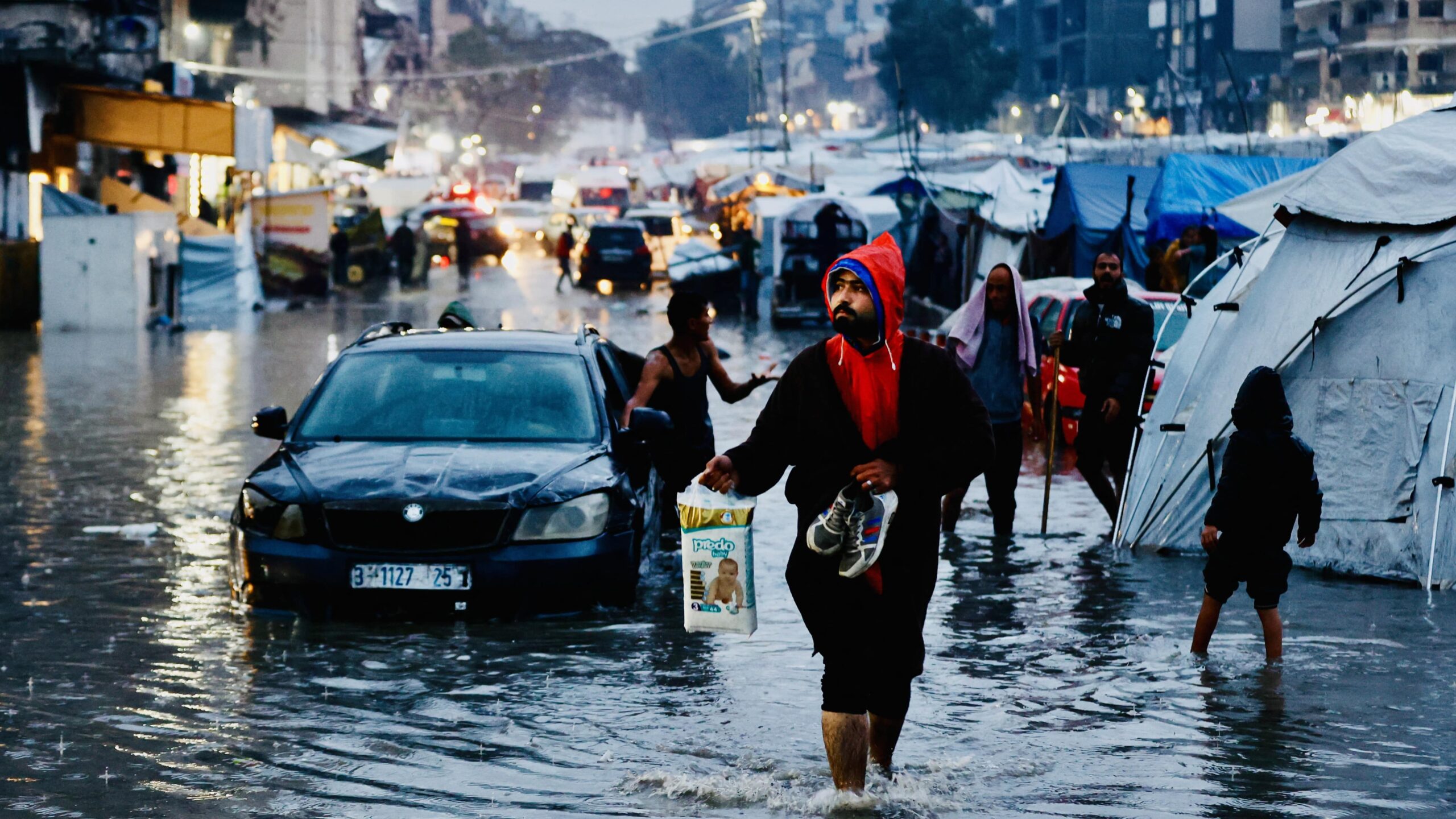
    Visual evidence circulating online shows makeshift shelters being inundated by floodwaters, tents blown away by strong winds, and nearly fully submerged living areas. In one incident, a concrete wall collapsed onto a tent sheltering displaced Palestinians in Gaza City’s Tel al-Hawa neighborhood, representing a recurring pattern of tragic events that have claimed multiple lives in recent weeks.

    Meanwhile, Israeli military operations continue with reports of airstrikes targeting areas in southern and eastern Gaza City, as well as the eastern regions of Rafah and Khan Younis. The Israeli military has conducted extensive demolition operations affecting civilian residential buildings in Rafah.

    Civil Defence teams in cooperation with the International Committee of the Red Cross have resumed search and recovery operations for victims of Israel’s ongoing military campaign, while urgently requesting heavy machinery that Israel has not permitted into the territory.

  • Rebels say they will withdraw from key DR Congo city at US request

    Rebels say they will withdraw from key DR Congo city at US request

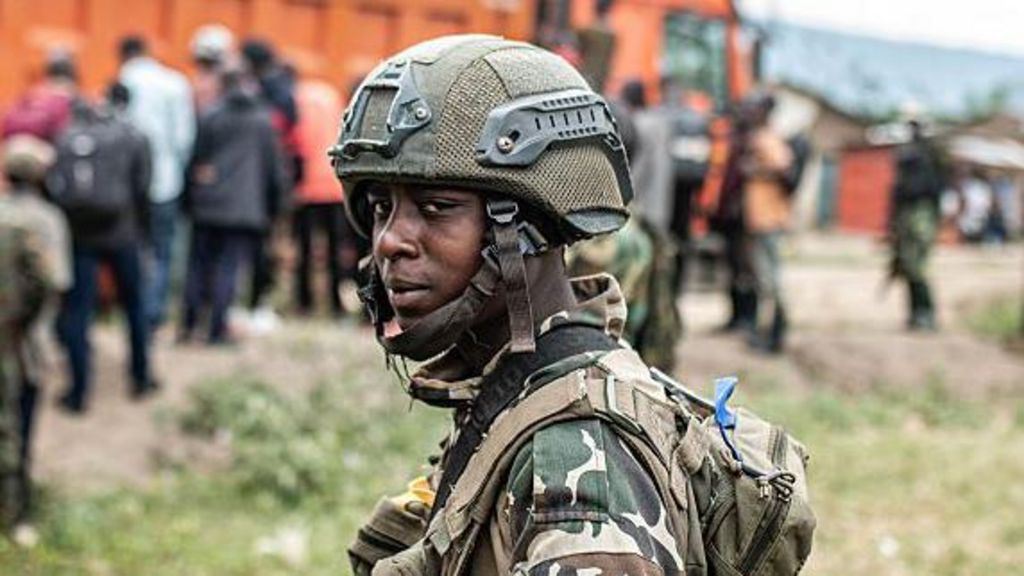
    In a significant diplomatic development, rebel forces in the Eastern Democratic Republic of Congo have agreed to withdraw from the strategically vital city of Uvira following direct US intervention. Corneille Nangaa, coordinator of the rebel coalition Alliance Fleuve Congo (AFC), announced the pullout as a “trust-building measure” responding to American diplomatic pressure.

    The decision comes days after US Secretary of State Marco Rubio declared that the rebel capture of Uvira violated existing peace agreements, warning that Washington would “take action to ensure promises made to President [Donald Trump] are kept.” The withdrawal commitment represents a notable victory for US diplomacy in the conflict-ridden region.

    This development occurs against a complex geopolitical backdrop where the United States alleges Rwandan support for the rebels—a claim Rwanda consistently denies. Despite these tensions, Rwandan President Paul Kagame and Congolese counterpart Felix Tshisekedi signed a US-brokered peace accord on December 4th in Washington, which President Trump hailed as “historic” and “a great day for Africa.”

    Meanwhile, the AFC coalition—which includes the powerful M23 rebel group—has been participating in a parallel peace process mediated by Qatar, a US ally with strong Rwandan ties. Nangaa emphasized that the withdrawal aims to give the Qatari-mediated negotiations the “maximum chance to succeed.”

    The strategic significance of Uvira cannot be overstated. Located merely 27 kilometers from Burundi’s economic capital Bujumbura on Lake Tanganyika’s northern tip, its capture had dealt a severe blow to Congolese government forces and their Burundian military allies.

    The conflict has created a severe humanitarian crisis, with approximately 200,000 people displaced since the latest fighting began early this month. UN reports indicate at least 74 fatalities, predominantly civilians, with 83 others hospitalized with combat injuries.

    Eastern DR Congo has endured persistent conflict for over three decades, with numerous peace initiatives failing to achieve lasting stability. The Trump administration hopes its diplomatic efforts will not only pacify the region but also pave the way for increased US investment in the mineral-rich territory. The US State Department estimates $25 trillion in mineral reserves in DR Congo, including critical components for electronics, electric vehicles, and military hardware.

    The rebels’ recent territorial advances began with capturing Goma, North Kivu’s capital, earlier this year, followed by Bukavu, South Kivu’s capital. The offensive on Uvira—the government’s last major stronghold in South Kivu—commenced days before Kagame and Tshisekedi traveled to Washington to ratify the June-negotiated agreement.

    Nangaa did not specify a timeline for the withdrawal but called for deploying a “neutral force” to monitor ceasefires and prevent government forces from reclaiming lost territories.

  • India: 126 flights cancelled at Delhi airport as fog disrupts operations

    India: 126 flights cancelled at Delhi airport as fog disrupts operations

    New Delhi’s Indira Gandhi International Airport experienced significant operational paralysis on Tuesday, December 16th, 2025, as dense morning fog created hazardous low-visibility conditions, forcing the cancellation of 126 flights. Aviation authorities confirmed 49 departures and 77 arrivals were scrapped as visibility dropped below safe operational thresholds.

    The airport administration issued an official fog alert at 6:00 AM Indian Standard Time, notifying travelers that while recovery operations were underway, substantial disruptions would persist throughout the morning for both inbound and outbound services.

    IndiGo, India’s largest carrier, bore the brunt of the weather chaos, canceling 110 flights across its network. The airline proactively communicated with passengers through advance notifications, acknowledging that winter conditions in Northern India frequently create aviation challenges during early morning hours.

    The airline stated: “Our teams remain on high alert, continuously monitoring developing weather patterns. We’re implementing strategic adjustments to ground operations to minimize passenger inconvenience and ensure waiting periods are as comfortable as possible under these challenging circumstances.”

    Compounding the transportation crisis, Delhi simultaneously grappled with severely deteriorated air quality. The Central Pollution Control Board recorded an Air Quality Index (AQI) of 378 at 8:00 AM, categorizing the capital’s atmosphere as ‘very poor’ and raising substantial public health concerns among the metropolitan population. This dual environmental challenge of dense fog and hazardous pollution created particularly difficult conditions for residents and travelers alike.

  • Lithuania arrests 21 in alleged cigarette smuggling ring using weather balloons from Belarus

    Lithuania arrests 21 in alleged cigarette smuggling ring using weather balloons from Belarus

    Lithuanian law enforcement has executed a decisive strike against an elaborate cross-border smuggling operation, arresting 21 individuals connected to a criminal network utilizing weather balloons to transport contraband cigarettes from Belarus. The sophisticated operation, unveiled on Tuesday, represents a significant escalation in regional security challenges.

    In a coordinated operation involving over 140 officers from the Lithuanian Criminal Police Bureau, Vilnius police, and specialized anti-terrorism units, authorities conducted more than 80 searches across the country. The raids yielded substantial evidence including cigarettes bearing Belarusian excise stamps, sophisticated communication equipment, GPS tracking devices, signal jammers, firearms, and multiple luxury vehicles.

    The prosecutor’s office characterized the network as operating with ‘strict conspiracy and clearly distributed roles,’ noting that smuggling activities were conducted systematically under the tight control of organizational leaders. Investigators believe the organizers maintained direct connections with accomplices operating within Belarus territory.

    According to official statements, the operation exploited meteorological conditions by launching specially equipped balloons from Belarus that subsequently violated Lithuanian airspace. Using advanced GPS technology and specialized software, network members monitored balloon trajectories and transmitted precise landing coordinates to ground operatives who would retrieve the contraband for distribution.

    The balloon incursions have created substantial security disruptions, prompting Lithuania to declare a national emergency earlier this month. The repeated violations forced temporary shutdowns of Vilnius International Airport, stranding thousands of travelers, and necessitated the closure of border crossings between the two nations.

    All detained suspects face multiple charges including participation in a criminal organization, illegal handling and smuggling of excise goods, and aiding another state in activities against Lithuanian interests. The case highlights growing security concerns in Eastern Europe as NATO members remain vigilant about airspace violations amid ongoing regional tensions.

  • Millions facing acute food insecurity in Afghanistan as winter looms, UN warns

    Millions facing acute food insecurity in Afghanistan as winter looms, UN warns

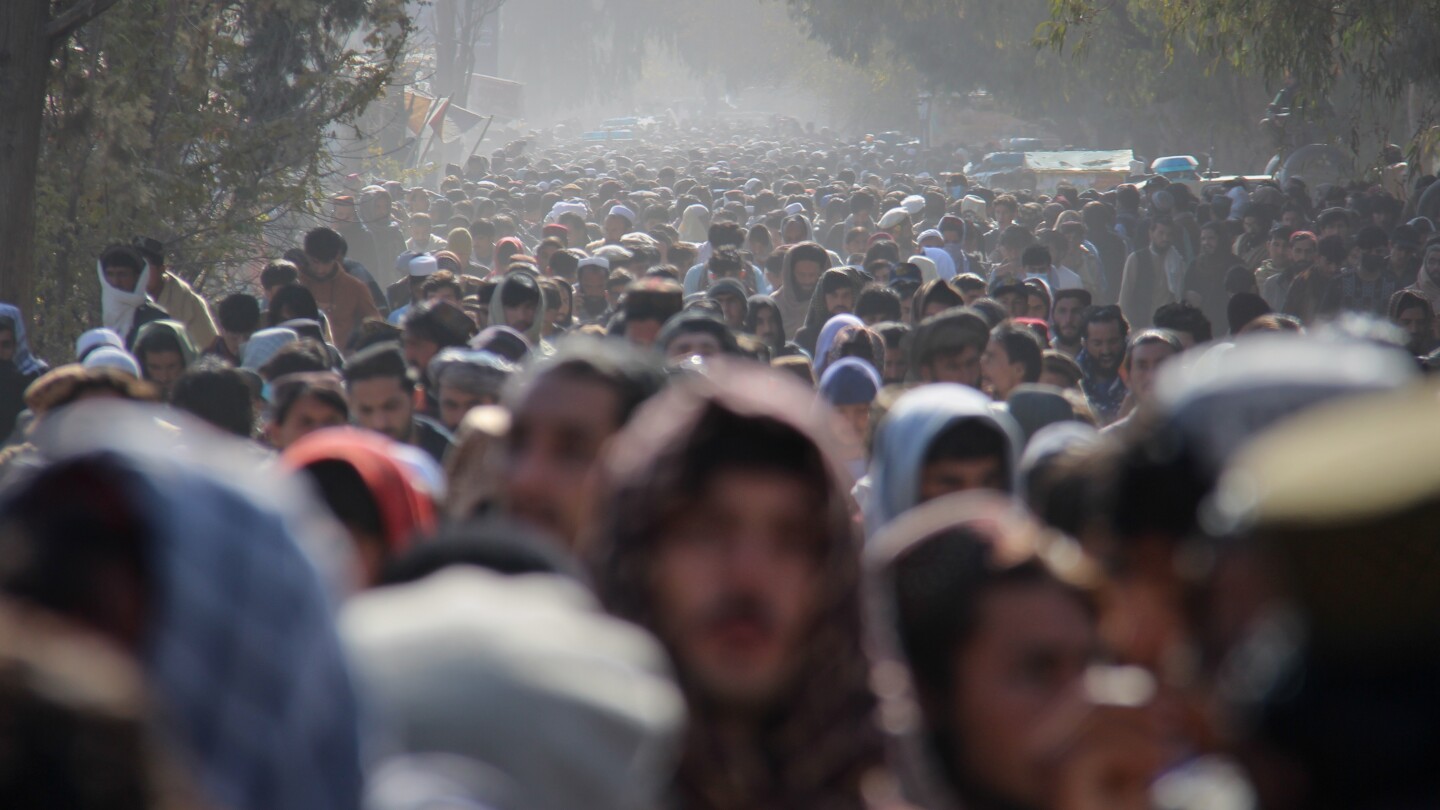
    GENEVA — Afghanistan confronts an escalating humanitarian emergency as winter approaches, with over 17 million citizens—more than one-third of the population—projected to experience crisis-level food shortages through March 2026. This alarming figure represents a significant increase of approximately 3 million people compared to the previous year’s assessment.

    The Integrated Food Security Phase Classification (IPC), the global authority monitoring hunger crises, attributes this deterioration to multiple converging factors: persistent economic instability, recurring drought conditions, diminishing international aid flows, and the substantial return of Afghan nationals from neighboring Iran and Pakistan. These returnees, numbering over 2.5 million this year alone, have placed additional strain on already limited resources.

    Jean-Martin Bauer, Director of Food Security at the United Nations World Food Program, emphasized the severity of the situation during a Geneva press briefing. “The IPC data reveals that more than 17 million Afghans are confronting acute food insecurity—a distressing increase of 3 million from last year’s figures,” Bauer stated via video link from Rome.

    The crisis particularly threatens Afghanistan’s most vulnerable populations. Bauer highlighted that “nearly 4 million children currently suffer from acute malnutrition, with approximately 1 million experiencing severe acute malnutrition requiring immediate hospital treatment.”

    Current food assistance reaches merely 2.7% of the population, according to IPC reports. This inadequate response is compounded by economic fragility, widespread unemployment, and reduced remittance flows from abroad.

    The United Nations recently characterized Afghanistan’s situation as both “severe” and “precarious” as the country enters its first winter without U.S. foreign assistance and with virtually no international food distribution. Tom Fletcher, the UN Humanitarian Chief, informed the Security Council that “overlapping shocks”—including recent devastating earthquakes and increasing restrictions on humanitarian access—have further exacerbated the crisis.

    While nearly 22 million Afghans will require UN assistance in 2026, the organization will prioritize 3.9 million individuals facing the most urgent life-threatening conditions due to constrained donor contributions. The IPC projects potential improvement may begin with the spring harvest season starting in April.

  • Sudan tops global humanitarian crisis watchlist for third year as devastating war grips the country

    Sudan tops global humanitarian crisis watchlist for third year as devastating war grips the country

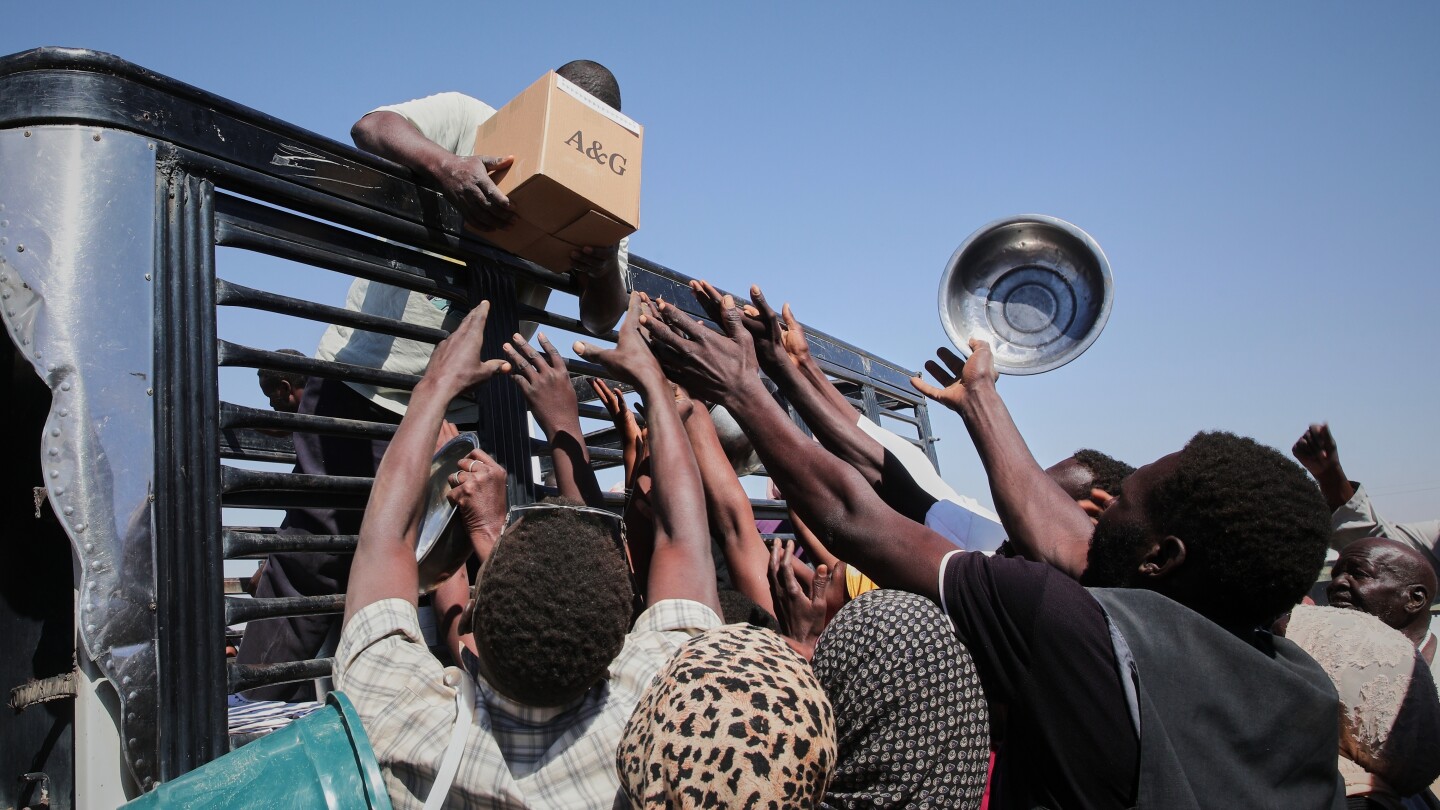
    For an unprecedented third consecutive year, Sudan has been identified as the world’s most severe humanitarian crisis in the International Rescue Committee’s annual Emergency Watchlist. The devastating conflict that erupted in April 2023 between the Sudanese military and paramilitary Rapid Support Forces has created what the IRC describes as the planet’s largest humanitarian catastrophe.

    The comprehensive report, released Tuesday, highlights 20 nations representing just 12% of the global population yet accounting for 89% of those requiring humanitarian assistance. These countries collectively host 117 million displaced people, with projections indicating they will contain over half of the world’s extremely impoverished by 2029.

    IRC President David Miliband characterized the escalating global crises as a ‘New World Disorder’ that has supplanted the post-WWII international framework previously grounded in rules and rights. ‘This year’s Watchlist is a testament to misery but also a warning,’ Miliband stated. ‘The New World Disorder is here, and winds are picking up everywhere.’

    The Sudanese conflict has resulted in more than 40,000 documented fatalities according to UN figures, though aid organizations caution the actual death toll likely far exceeds this number. The violence has displaced over 14 million people while facilitating widespread disease outbreaks and famine conditions across various regions.

    The watchlist ranked occupied Palestinian territories and South Sudan as the second and third most severe crises respectively, followed by Ethiopia, Haiti, Democratic Republic of Congo, Lebanon, Ukraine, Syria, and Yemen. The IRC attributes many conflicts to power struggles and profit motives, noting that warring parties in Sudan and their international supporters continue benefiting from gold trade despite devastating civilian impacts.

    Recent atrocities in Darfur’s el-Fasher city, where RSF fighters allegedly conducted house-to-house killings and sexual assaults, have drawn condemnation from UN human rights officials. Satellite analysis from Yale’s Humanitarian Research Lab appears to show systematic mass killings and evidence destruction campaigns following the paramilitary’s capture of the city.

    The report calls for binding international actions including suspension of UN Security Council veto power during mass atrocities, alongside increased humanitarian funding which has decreased by 50% this year despite escalating needs.

  • Bondi Beach gunman originally from India, police say

    Bondi Beach gunman originally from India, police say

    Australian authorities continue their investigation into the Bondi Beach mass shooting that claimed 15 lives during a Hanukkah celebration, with new details emerging about the perpetrators’ international connections and radicalization background.

    Sajid Akram, the 50-year-old attacker who died at the Sydney scene, originated from Hyderabad in India’s Telangana state but maintained minimal contact with his family there. According to Telangana police officials, Akram had visited India only six times since relocating to Australia in 1998, primarily for property matters and parental visits. Notably, he did not return even for his father’s funeral.

    The investigation reveals that Akram, who held an Indian passport, had no criminal record in India and had completed a degree before emigrating for employment opportunities. He subsequently married a woman of European origin, and their children, including co-attacker Naveed Akram (24), were born as Australian citizens.

    Authorities are particularly focused on the father-son duo’s recent trip to the Philippines from November 1-28. While immigration authorities confirmed their travel using Indian and Australian documentation respectively, security sources suggest the purpose may have involved “military-style training” – though officials haven’t confirmed these reports.

    Philippines Foreign Affairs Minister Maria Theresa Lazaro and Australian counterpart Penny Wong have established direct communication channels to share investigation developments. The collaboration comes amid revelations that Naveed Akram had previously been investigated in 2019 for associations with a Sydney-based IS terrorism cell, though authorities had assessed no imminent threat at that time.

    Indian officials emphasize that radicalization factors appear unrelated to Indian influences, with family members expressing no knowledge of either attacker’s extremist mindset. The case continues to develop as international agencies coordinate their investigative efforts.

  • Rwanda-back M23 rebels say they will withdraw from seized city in eastern Congo

    Rwanda-back M23 rebels say they will withdraw from seized city in eastern Congo

    DAKAR, Senegal — In a significant development within the ongoing Eastern Congo conflict, Rwanda-backed M23 rebels have declared their intention to withdraw from the strategically vital city of Uvira, which they captured last week. This announcement comes despite escalating violence that threatens to undermine a U.S.-brokered peace agreement between Congolese and Rwandan leadership.

    Corneille Nangaa, head of the Congo River Alliance that incorporates M23, characterized the planned withdrawal as a “unilateral trust-building measure” requested by American mediators to revitalize stalled peace negotiations. The rebel statement outlined specific conditions for lasting de-escalation, including complete demilitarization of Uvira, guaranteed protection for civilians and infrastructure, and implementation of neutral forces to monitor ceasefire compliance. Notably, the declaration stopped short of confirming whether rebel withdrawal would proceed without these prerequisites being met.

    Local Uvira residents reported Tuesday that M23 fighters maintained their presence in the city despite the announced withdrawal plan. The rebel offensive, launched earlier this month, has already exacted a devastating humanitarian toll with approximately 400 casualties and nearly 200,000 displaced persons according to regional authorities.

    This renewed violence directly contradicts the peace accord signed by Congolese and Rwandan presidents in Washington earlier this month under U.S. mediation. The United States recently accused Rwanda of violating this agreement by supporting the rebel offensive in mineral-rich Eastern Congo, warning of potential actions against “spoilers” of the diplomatic process.

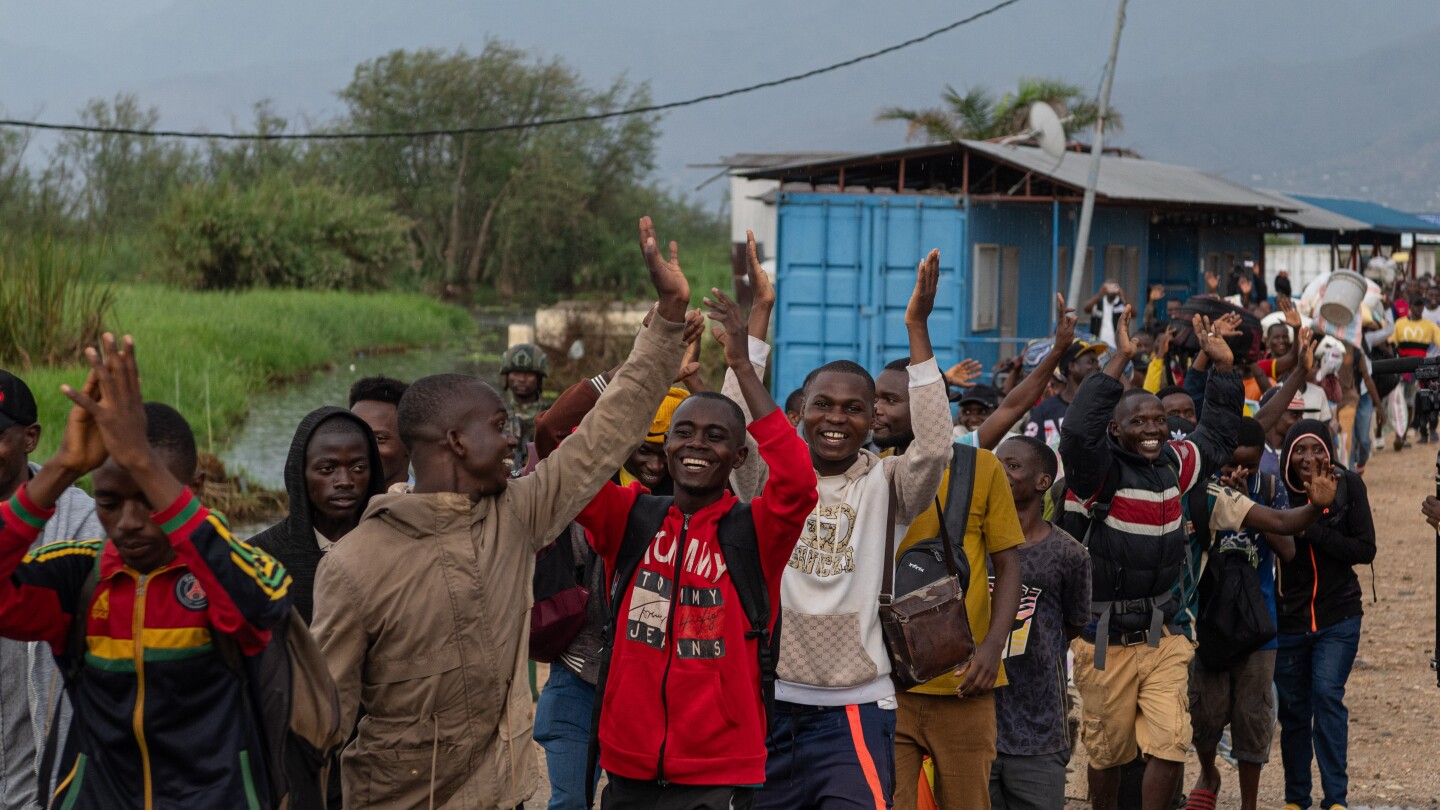
    The conflict’s expansion has now reached the border of Burundi, prompting cross-border refugee movements and raising concerns about regional escalation. Burundi’s Foreign Ministry confirmed at least 30,000 Congolese citizens have crossed into its territory since December 8, with reports of artillery shells landing in the border town of Rugombo.

    United Nations experts estimate M23’s forces have expanded dramatically from hundreds of fighters in 2021 to approximately 6,500 combatants today. The Eastern Congo region hosts over 100 armed groups competing for control near the Rwandan border, with the resulting humanitarian crisis displacing more than 7 million people according to UN refugee agencies.