分类: world

  • Turkish Airlines flight makes emergency landing in Barcelona after ‘threat’ alert

    Turkish Airlines flight makes emergency landing in Barcelona after ‘threat’ alert

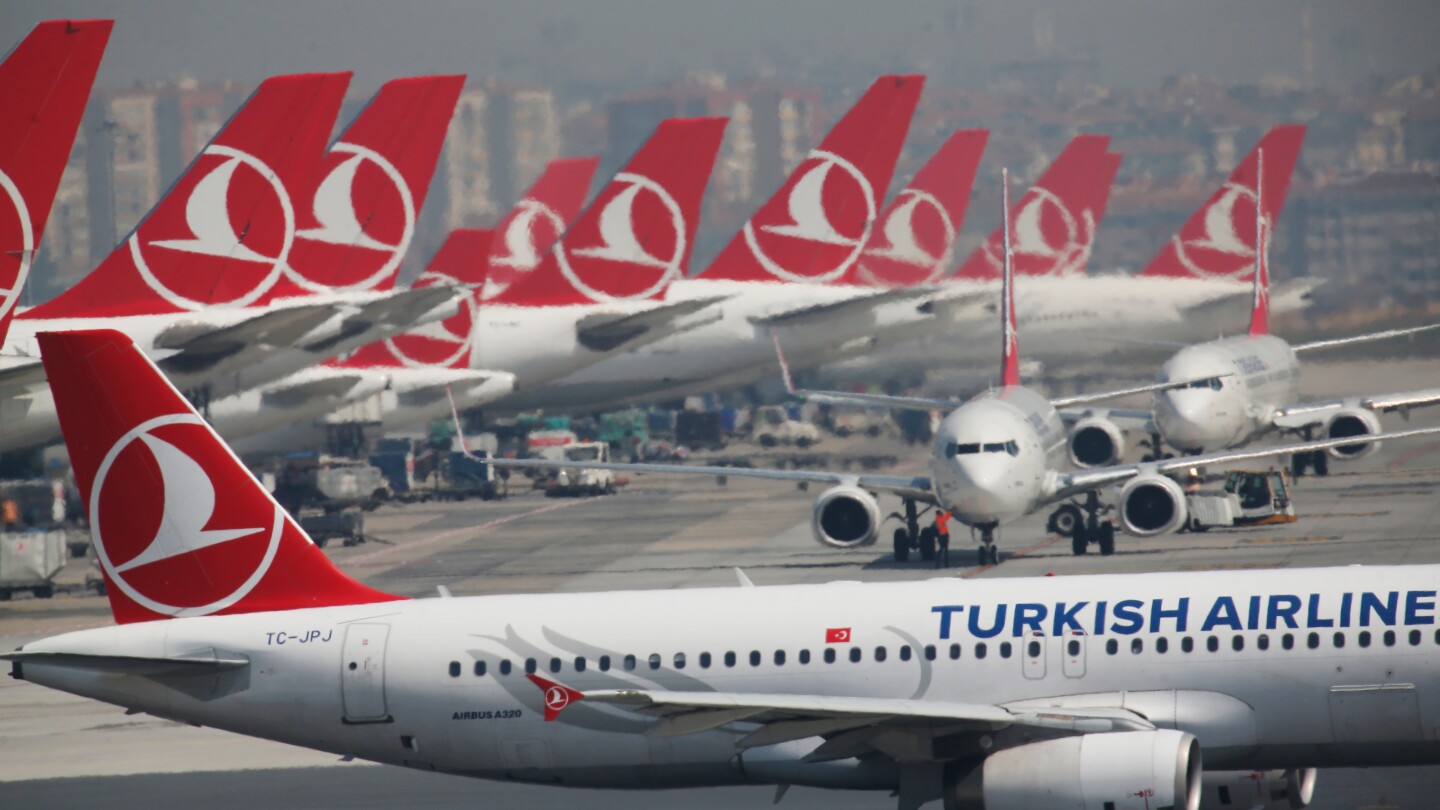
    A Turkish Airlines aircraft was compelled to execute an emergency landing at Barcelona-El Prat International Airport on Thursday following the discovery of a disturbing bomb threat transmitted via an unconventional method—a personal Wi-Fi network. The incident occurred aboard flight TK1853, an Airbus A321 en route from Istanbul to Barcelona.

    According to airline spokesperson Yahya Üstün, the threat emerged as the flight was on its final approach. A passenger allegedly established a personal wireless hotspot within the cabin. The network’s name (SSID), visible to others attempting to connect to in-flight Wi-Fi, was configured to include a message indicating a bomb was on the aircraft. This prompted the flight crew to initiate emergency protocols immediately.

    The plane landed safely under emergency conditions and was met by Spanish security forces on the tarmac. Spain’s Civil Guard, a national police force with responsibilities in border and transport security, swiftly launched an investigation. A comprehensive security sweep of the aircraft and all luggage was conducted. Authorities confirmed that no explosives or any other threatening devices were found onboard, classifying the event as a severe hoax.

    Following the all-clear from security personnel, normal operations resumed at Barcelona’s airport. Turkish Airlines stated that the return flight service would continue as scheduled, emphasizing that safety procedures were followed correctly. The individual suspected of creating the fraudulent network was detained for questioning by police, potentially facing serious legal consequences for initiating a false security alert.
  • Iran reopens airspace after temporary closure forced flights to reroute

    Iran reopens airspace after temporary closure forced flights to reroute

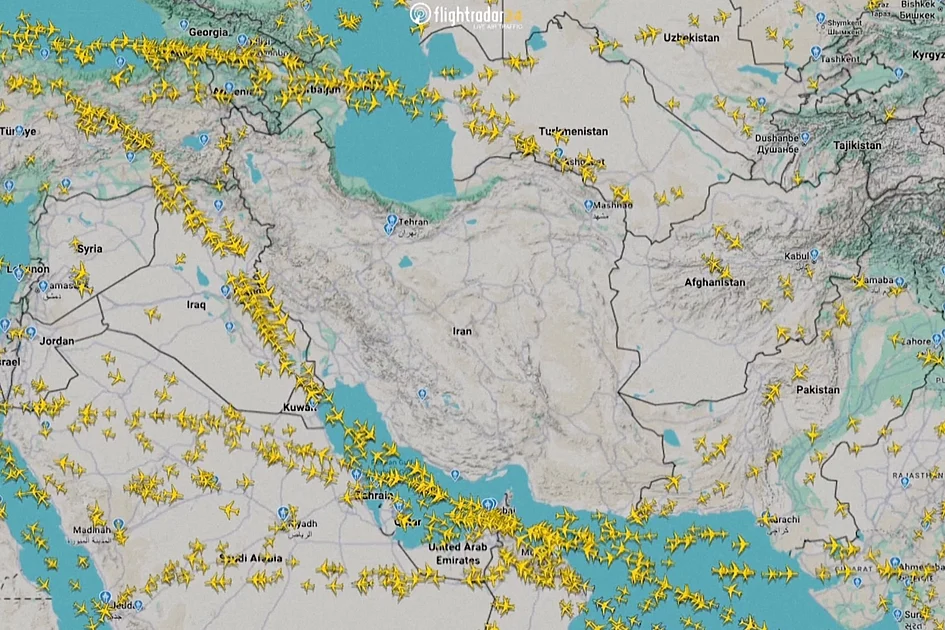
    Iran has restored civilian air traffic following an abrupt five-hour closure of its national airspace that triggered widespread flight disruptions and regional security concerns. The temporary shutdown, implemented at 5:15 PM ET (2215 GMT) on Wednesday, compelled multiple international carriers to cancel, reroute, or delay flights while raising alarms about potential military escalation between Tehran and Washington.

    According to the US Federal Aviation Administration’s published notice, Iran had restricted its airspace exclusively to internationally authorized flights to and from Iranian territory. The restriction was lifted shortly before 10:00 PM ET (0300 GMT), with tracking service Flightradar24 confirming the resumption of operations by Iranian carriers Mahan Air, Yazd Airways, and AVA Airlines.

    The closure occurred against the backdrop of heightened geopolitical tensions, with US President Donald Trump evaluating responses to Iran’s ongoing anti-government protests—the most significant in years. A senior US official confirmed partial personnel withdrawals from Middle Eastern bases following Tehran’s warning to neighboring states about potential retaliatory strikes against American installations if attacked.

    Commercial aviation faced immediate operational challenges. India’s largest airline, IndiGo, reported impacts on international routes, while Air India implemented alternative routing that risked delays and cancellations. Russia’s Aeroflot saw a Tehran-bound flight return to Moscow mid-route. European carriers including Lufthansa and Italy’s ITA Airways instituted precautionary measures, bypassing Iranian and Iraqi airspace indefinitely and restricting Tel Aviv and Amman operations to daylight hours.

    Aviation security monitor Safe Airspace, operated by flight risk organization OPSGROUP, highlighted the growing threat from missile and drone deployments across conflict zones. The organization noted that most carriers had already reduced or suspended services through Iranian airspace due to risks of misidentification or accidental engagement. This warning carries particular resonance following the 2020 tragedy when Iran’s military mistakenly shot down Ukraine International Airlines Flight PS752, killing all 176 aboard.

    Germany issued fresh directives cautioning national airlines against entering Iranian airspace, reflecting broader international apprehension about regional stability. The developments underscore the persistent vulnerability of civilian aviation to geopolitical conflicts, with airlines forced to navigate both physical and diplomatic airspace amid escalating tensions.

  • UN Security Council to meet Thursday for ‘briefing’ on Iran

    UN Security Council to meet Thursday for ‘briefing’ on Iran

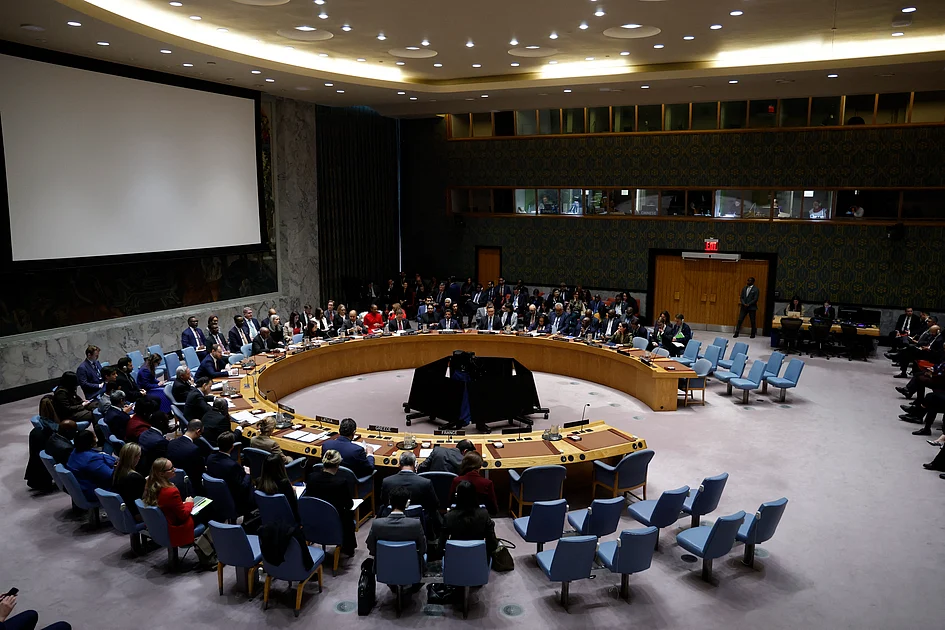
    The United Nations Security Council has scheduled a high-level briefing session for Thursday afternoon to address the ongoing situation in Iran. This diplomatic gathering comes at the formal request of the United States government, as confirmed by official scheduling documentation.

    According to representatives from the Somali presidency, which currently holds the rotating Security Council presidency, the meeting will focus exclusively on developments within the Islamic Republic. The briefing represents the latest international effort to address concerns regarding Iran through multilateral diplomatic channels.

    The convening of the Security Council underscores the continued global attention on Iranian affairs and demonstrates the persistent utilization of UN mechanisms for addressing regional stability matters. Such briefings typically involve detailed assessments from UN officials, intelligence reports, and diplomatic exchanges among the fifteen member states.

    The United States’ initiative in requesting this session highlights the ongoing Western engagement with Iranian developments through established international organizations. These periodic briefings serve as formal platforms for information sharing and policy coordination among permanent and non-permanent members of the Security Council.

    The meeting occurs within the context of increasing international diplomacy surrounding Middle Eastern stability, with the Security Council maintaining its role as the primary forum for addressing global security concerns under the United Nations Charter.

  • Israeli army chief orders to boost defensive readiness amid Iran tensions

    Israeli army chief orders to boost defensive readiness amid Iran tensions

    The Israeli Defense Forces (IDF) have initiated a comprehensive enhancement of defensive readiness in response to escalating regional tensions originating from Iran. Military Chief Eyal Zamir issued direct orders for all army formations to strengthen their defensive capabilities, according to an official statement released Wednesday.

    IDF Spokesman Effie Defrin confirmed the strategic shift through an official communication on social media platform X, emphasizing that while the military remains vigilant, current developments in Iran are considered an internal matter of the Islamic Republic. “The IDF maintains continuous monitoring of regional developments and stands prepared defensively for potential surprise scenarios should the situation necessitate,” Defrin stated.

    The military leadership has been conducting regular situational assessments in recent days, though officials confirmed no changes to civilian defense guidelines at this stage. Defense authorities reiterated their commitment to providing public updates should the security landscape evolve.

    Concurrently, Israel’s Airports Authority reported normal operations across all aviation facilities, though travelers were advised to maintain communication with their airlines due to the volatile regional climate. This advisory comes amid widespread demonstrations that erupted in multiple Iranian cities during late December.

    The geopolitical context includes heightened rhetoric from U.S. President Donald Trump, who has repeatedly threatened military action against Iran if protesters face violence. Iranian officials have countered with warnings of potential targeting of U.S. and Israeli military installations in response to any aggression.

  • Watch: Aerial footage shows cars swept away by flash floods in Australia

    Watch: Aerial footage shows cars swept away by flash floods in Australia

    Dramatic aerial footage has emerged capturing the sheer force of flash floods that struck Australia’s southeastern state of Victoria, showing multiple vehicles being swept away by raging torrents. The devastating weather event prompted authorities to close the iconic Great Ocean Road on Thursday as a safety precaution amid rapidly deteriorating conditions.

    The sudden inundation transformed normally tranquil waterways into violent currents that overwhelmed roadways and infrastructure. Emergency services responded to numerous incidents across the affected regions, with rescue teams deployed to assist stranded motorists and residents. The flash flooding represents the latest in a series of extreme weather events to impact Australia in recent years, highlighting the increasing climate volatility facing the nation.

    Meteorological officials attributed the sudden flooding to an intense low-pressure system that delivered unprecedented rainfall amounts within a condensed timeframe. The phenomenon demonstrates how quickly weather conditions can change in coastal regions, particularly during Australia’s volatile spring season. Local authorities have issued warnings for residents to avoid floodwaters and heed evacuation recommendations where provided.

    The temporary closure of the Great Ocean Road, one of Australia’s most famous tourist routes, underscores the significant disruption caused by the extreme weather. The route’s closure affects both local communities and tourism operations along the scenic coastline, with economic implications for businesses reliant on the thoroughfare.

  • Hand-stitched Indian ship arrives in Oman to rousing welcome

    Hand-stitched Indian ship arrives in Oman to rousing welcome

    The Indian Navy’s traditionally crafted wooden sailing ship INSV Kaundinya has successfully completed a 17-day maritime journey from India to Oman, arriving in Muscat on Wednesday to a ceremonial water salute. This remarkable vessel, constructed entirely without engines or metal fastenings, embarked from Porbandar on India’s western coastline on December 29th, retracing ancient trade routes that once connected Indian civilization with global trading partners.

    Built using historical shipbuilding techniques that predate modern naval engineering, INSV Kaundinya represents a significant archaeological reconstruction. The vessel’s construction involved stitching wooden planks together with coir rope derived from coconut fiber, sealed with natural resin instead of modern adhesives. Propelled solely by square sails harnessing favorable winds, the ship embodies maritime traditions that were once commonplace throughout the Indian Ocean region.

    The vessel’s design inspiration originates from a 5th-century painting within the Ajanta caves of western India, considered among the few surviving visual records of early Indian seafaring technology. With no existing blueprints from that historical period, naval architects relied extensively on iconographic evidence and historical documentation to recreate the ship’s authentic form.

    Notable cultural elements adorn the vessel, including sails displaying Gandabherunda motifs (a mythical two-headed bird representing Lord Vishnu) and solar symbols. The bow features a sculpted Simha Yali—a mythical creature from South Indian lore—while the deck showcases a symbolic Harappan-style stone anchor, each element carefully selected to evoke India’s rich maritime heritage.

    Construction of INSV Kaundinya commenced in September 2023, culminating in its launch in Goa in February 2025. Among the crew members was Sanjeev Sanyal, an economic advisor to Prime Minister Narendra Modi, who documented the voyage through regular social media updates. Commander Hemant Kumar, the officer-in-charge, described the journey as both “exhilarating” and “adventurous,” noting challenges including extreme heat without air conditioning, basic sleeping arrangements, and periods of seasickness. The return schedule to India remains undetermined at this time.

  • Forget tariff wars: The EU and Mercosur build one of the world’s biggest free-trade zones

    Forget tariff wars: The EU and Mercosur build one of the world’s biggest free-trade zones

    After a quarter-century of complex negotiations, the European Union and the South American Mercosur bloc are poised to formally sign one of the most significant trade agreements in modern history. The landmark deal, set for formalization at a ceremony in Paraguay, represents a profound shift in global trade dynamics and a powerful endorsement of multilateralism.

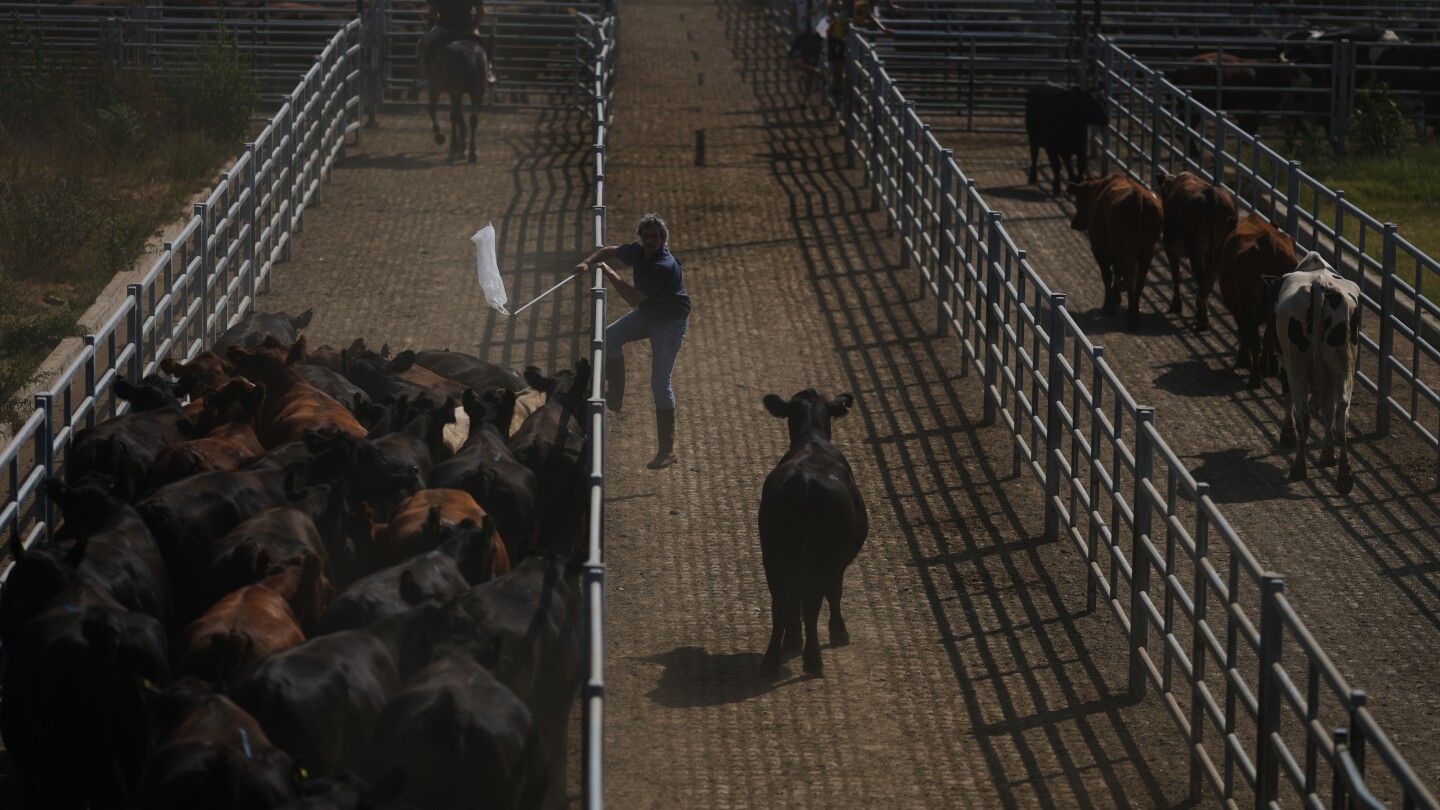
    The agreement between the EU and Mercosur—comprising Argentina, Brazil, Paraguay, and Uruguay—will create a free-trade zone encompassing over 700 million people and accounting for approximately 25% of global GDP. The pact eliminates tariffs on a wide range of products, from Argentine beef and Brazilian agricultural goods to European automobiles and machinery.

    The timing carries particular geopolitical significance as it emerges against a backdrop of rising protectionism and great power competition. European Commission President Ursula von der Leyen characterized the agreement as a robust defense of rules-based international trade “in the face of an increasingly hostile and transactional world.”

    For South American nations, the deal represents both economic opportunity and strategic positioning. Brazilian President Luiz Inácio Lula da Silva hailed it as a “victory for dialogue, negotiation and the bet on cooperation.” Experts note the agreement provides South American economies with crucial diversification away from the intensifying U.S.-China rivalry, allowing the region to “flex its muscles in the international sphere,” according to Lee Schlenker of the Quincy Institute.

    The accord marks a dramatic policy reversal for Argentina, which maintained protectionist policies for decades. President Javier Milei, despite his libertarian skepticism of international organizations, has embraced the agreement as a mechanism to revitalize Mercosur and open Argentina’s economy to global markets.

    The path to agreement faced significant obstacles, particularly from European agricultural interests concerned about competition. Widespread farmer protests across Europe prompted the EU to add environmental safeguards, animal welfare protections, and strict export quotas to the final agreement. The bloc further allocated approximately $52 billion in subsidies to ease farmer concerns, a move some analysts characterized as a “sizable bribe” necessary to secure the deal’s passage.

    The automotive sector emerges as another major beneficiary, with the elimination of 35% tariffs on European vehicles and parts providing manufacturers like Volkswagen and BMW opportunities to regain market share from Chinese competitors in South America.

    Despite the impending signing, the agreement still requires ratification by the European Parliament, leaving some participants cautiously optimistic about its ultimate implementation.

  • Iran protests heat up: Why are some US, UK personnel leaving Gulf military bases?

    Iran protests heat up: Why are some US, UK personnel leaving Gulf military bases?

    The United States and United Kingdom have initiated partial evacuations of military personnel from strategic bases across the Middle East following heightened regional tensions. This precautionary measure comes in response to Iran’s explicit warnings that it would target American installations in neighboring countries if Washington launches strikes against Iranian territory.

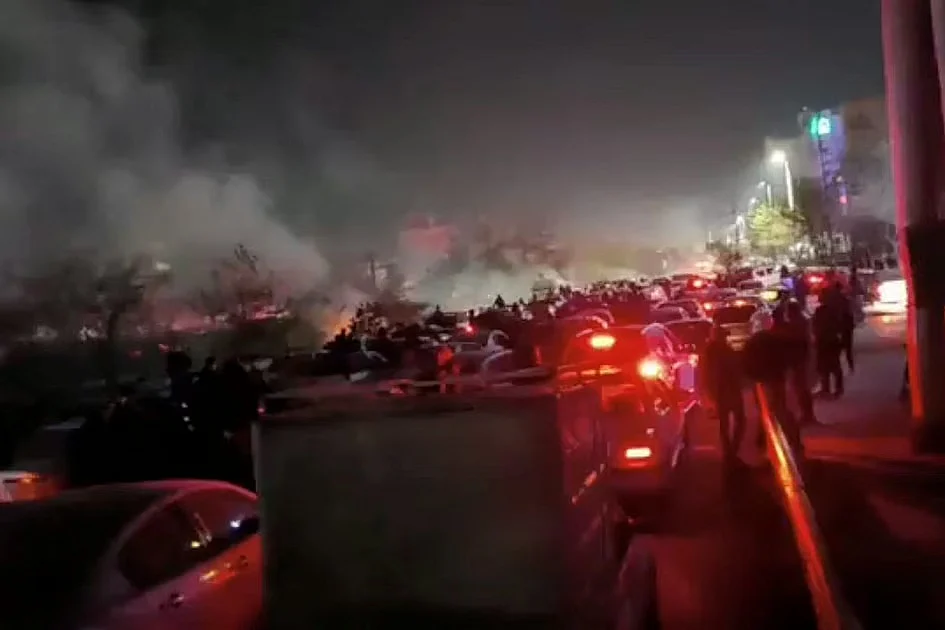
    The escalating situation stems from widespread domestic unrest within Iran, described by officials as the most severe since the 1979 Islamic Revolution. Iranian authorities have reported approximately 2,000 fatalities during the protests, while independent rights groups estimate the death toll exceeds 2,600 casualties. The Iranian government has attributed the violence to foreign interference, particularly from the United States and Israel.

    US President Donald Trump has repeatedly threatened intervention in support of anti-government protesters, promising “very strong action” if Iran executes demonstrators. His administration’s strategy of unpredictability has kept regional actors on high alert, with Western military officials suggesting an American attack could be imminent.

    The Al Udeid Air Base in Qatar, serving as the forward headquarters for US Central Command, has seen personnel reductions alongside other key installations. Qatar’s government confirmed these drawdowns represent direct responses to current regional tensions. British forces have similarly withdrawn personnel from Qatari bases, though the UK Ministry of Defence has declined official comment.

    Iranian Foreign Minister Abbas Araqchi has suspended direct communications with US Special Envoy Steve Witkoff while simultaneously warning regional allies—including Saudi Arabia, UAE, and Turkey—that hosting US bases would make them potential targets in any retaliatory strike. Despite the severe internal unrest, Western officials assess that Iran’s security apparatus remains in control with no immediate threat of governmental collapse.

  • Zelensky declares energy emergency as biting cold persists

    Zelensky declares energy emergency as biting cold persists

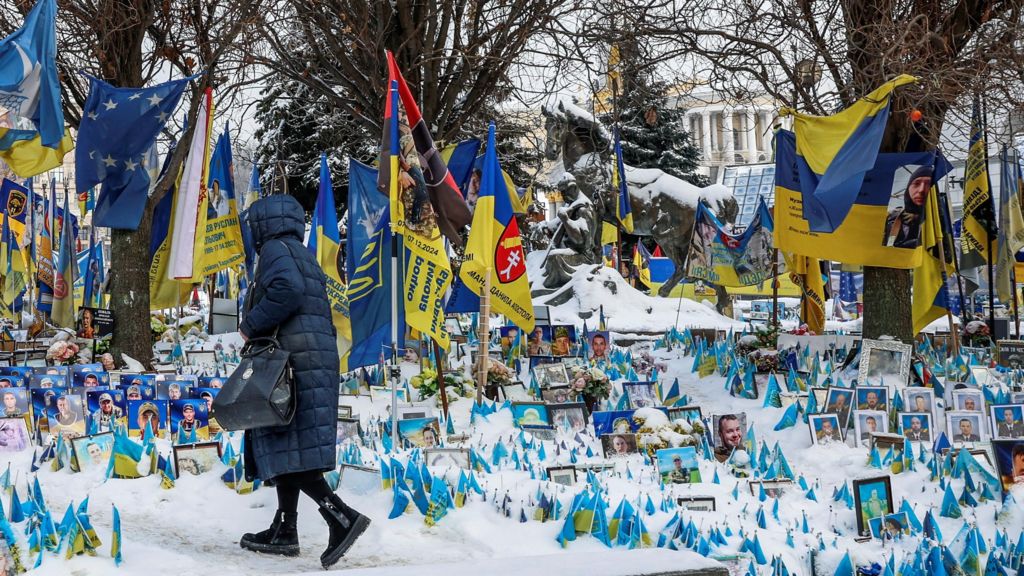
    The Ukrainian government has officially declared a state of emergency within its energy sector as relentless Russian strikes continue to cripple critical infrastructure, leaving thousands of residents in the capital Kyiv without electricity, heating, or running water during dangerously frigid winter conditions. President Volodymyr Zelensky has accused Moscow of weaponizing winter temperatures, which have recently plunged to -20°C (-4°F), as a deliberate strategy in the ongoing conflict.

    The emergency declaration coincided with controversial remarks from former U.S. President Donald Trump, who identified President Zelensky as the primary obstacle to peace negotiations. In an interview with Reuters, Trump claimed Ukraine appears ‘less ready to make a deal’ than Russian President Vladimir Putin, suggesting diplomatic efforts remain stalled primarily due to Zelensky’s position.

    With both leaders scheduled to attend the World Economic Forum in Switzerland next week, Trump indicated no formal bilateral meeting has been arranged. The geopolitical tensions unfold against a backdrop of severe humanitarian challenges in Ukraine, where recent missile and drone attacks left 70% of Kyiv without power for extended periods.

    In response to the crisis, President Zelensky announced the establishment of a 24/7 task force dedicated to repairing energy infrastructure damaged by both military strikes and deteriorating weather conditions. The government’s emergency measures include international procurement of vital energy equipment, increased humanitarian aid points providing heat and power throughout Kyiv, and potential adjustments to the capital’s midnight curfew to facilitate access to these facilities.

    Beyond the capital, the energy crisis extends nationwide. Ukrainian officials report over one million residents in southeastern regions experienced prolonged outages last week. Maxim Timchenko, CEO of DTEK—Ukraine’s largest private energy provider serving 5.6 million customers—described operating in ‘permanent crisis mode’ due to relentless attacks employing ‘waves of drones, cruise and ballistic missiles’ that outpace recovery efforts.

    As the four-year anniversary of Russia’s full-scale invasion approaches, the systematic targeting of energy infrastructure has created a compounded humanitarian emergency, testing Ukraine’s resilience during the harshest winter months.

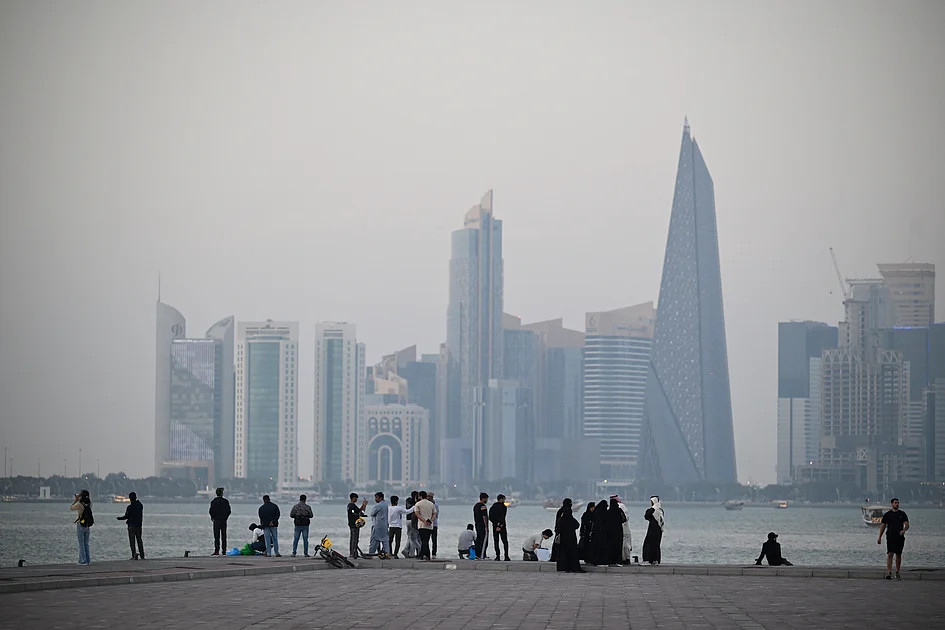
  • Qatar says taking precautionary measures in light of regional developments

    Qatar says taking precautionary measures in light of regional developments

    Qatar has announced the implementation of comprehensive precautionary security measures in response to escalating regional developments, prioritizing the protection of citizens, residents, and visitors within its borders. The Ministry of Interior confirmed Wednesday that safeguarding all individuals remains the nation’s utmost concern, with additional information and specific protocols to be communicated through official channels as situations evolve.

    The Gulf nation disclosed earlier that certain personnel had been withdrawn from Al Udeid Air Base, a critical U.S. military installation situated in Qatar. This facility previously came under Iranian attack in June following American strikes on Iranian nuclear facilities during the twelve-day conflict between Israel and Iran.

    Current regional tensions have intensified following Iran’s threats to target U.S. assets in the area should Washington initiate strikes against the Islamic Republic. These threats coincide with widespread anti-government protests that emerged in Iran in late December, prompting U.S. President Donald Trump to pledge support for Iranian demonstrators.

    Qatar’s Ministry of Foreign Affairs reinforced the government’s commitment to implementing all necessary protocols to ensure national security, including enhanced protection for critical infrastructure and military installations. Authorities additionally emphasized the importance of obtaining information exclusively from officially approved sources, warning that legal action will be taken against those disseminating false information that compromises public safety.