分类: world

  • Channel Tunnel power malfunction fixed, but rail delays may linger

    Channel Tunnel power malfunction fixed, but rail delays may linger

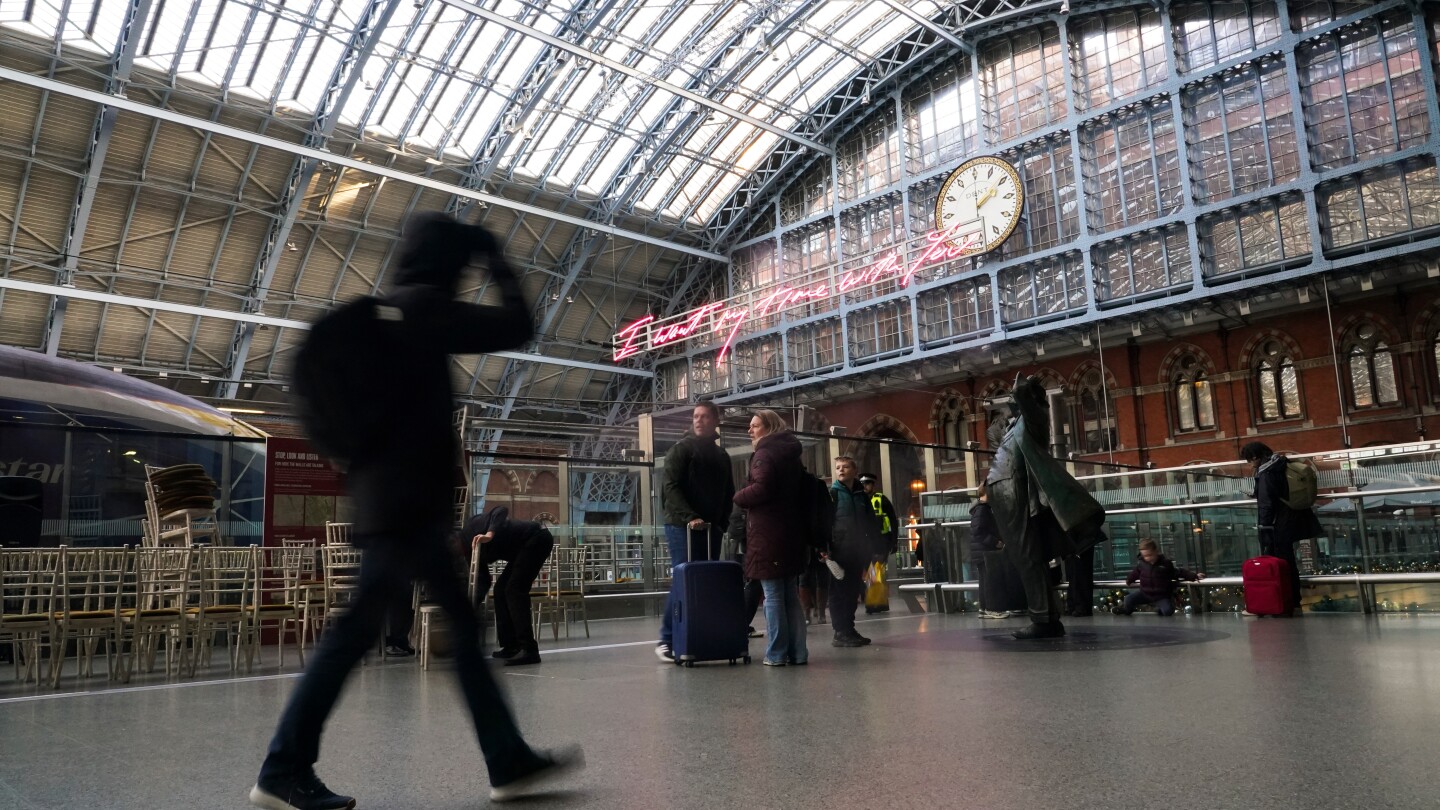
    PARIS — Full operational capacity has been restored to the Channel Tunnel following a significant power malfunction that paralyzed cross-continental travel for an entire day. The undersea passage connecting continental Europe with the United Kingdom resumed bilateral train services on Wednesday after engineers successfully rectified an unspecified electrical fault overnight.

    Eurotunnel, the tunnel’s operator, confirmed the resolution in a concise statement, noting that the technical issue within the 50-kilometer (32-mile) infrastructure had been completely addressed. While the company did not disclose the root cause of the failure, the restoration brings relief to one of Europe’s most critical transport corridors.

    Eurostar, the primary passenger rail service utilizing the tunnel, announced the recommencement of its operations while cautioning passengers about potential residual disruptions. The company indicated that “knock-on impacts” from Tuesday’s extensive suspension might continue to manifest as delays and occasional cancellations throughout the day.

    The interruption, which lasted several hours during a peak travel period, created widespread travel chaos during the busy year-end holiday season. Thousands of travelers found their getaway plans abruptly canceled, triggering frantic searches for alternative transportation including limited flight options and bus services. The incident highlighted the tunnel’s vulnerability and its critical role in European connectivity, raising questions about contingency planning for major infrastructure failures.
  • Joint operations along Mekong River elevate security, promote well-being

    Joint operations along Mekong River elevate security, promote well-being

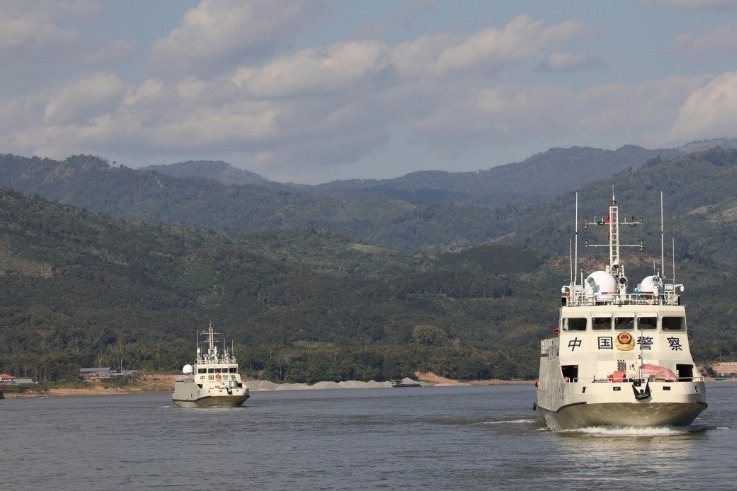
    A landmark security initiative along the Mekong River has yielded transformative results, with China, Laos, Myanmar, and Thailand successfully completing their 160th joint patrol operation. The coordinated effort, conducted from December 27-30, 2025, involved approximately 170 law enforcement personnel and six patrol vessels navigating from Guanlei Port in China’s Yunnan province to Jingha Port.

    The comprehensive patrol mechanism has fundamentally altered the security landscape of this vital waterway. According to Humphan Keovanglat, Political Commissar of Laos’ Luang Namtha military area, “Cross-border travel now occurs smoothly and securely, trade flows without interruption, and local communities report substantially increased feelings of safety and fulfillment.”

    The operation represents one of Southeast Asia’s most successful multinational security collaborations, establishing an intelligence-sharing framework that enables rapid response capabilities. Captain Than Naing Oo of Myanmar’s Patrol Boat 171 emphasized that “this joint mechanism facilitates immediate intelligence exchange, strengthening our collective security cooperation while simultaneously promoting regional development.”

    Chinese veteran officer Ran Xi, who has served with Yunnan’s water patrol division since 2011, confirmed the dramatic security improvements: “Commercial vessels now navigate independently without security concerns, and we’ve witnessed a complete cessation of armed incidents along patrolled sections in recent years.”

    The enhanced security has generated tangible economic and social benefits. Thai tourist Kongkham Khamtip, 51, recently completed a stress-free journey from the Golden Triangle to Guanlei Port, noting “the river feels exceptionally secure, making for a relaxing voyage amid stunning scenery.” Cross-border commerce has similarly flourished, with Myanmar resident Sa Yin, 19, regularly traveling to China to purchase quality animal feed and visit family.

    Local merchant Zhang Yisheng reported significant increases in cross-border shopping, particularly during festival periods when customers from Myanmar routinely spend hundreds to thousands of yuan. The cooperation extends beyond security operations to include cultural exchanges, with personnel from all four nations recently participating in friendship sports events to strengthen interpersonal bonds.

    Jiang Zhida, senior research fellow at the China Institute of International Studies, characterized the initiative as “a crucial safeguard for stability and prosperity throughout the Lancang-Mekong region, establishing the security foundation necessary for building a shared future community.”

  • Thailand releases 18 Cambodian prisoners of war as part of ceasefire agreement

    Thailand releases 18 Cambodian prisoners of war as part of ceasefire agreement

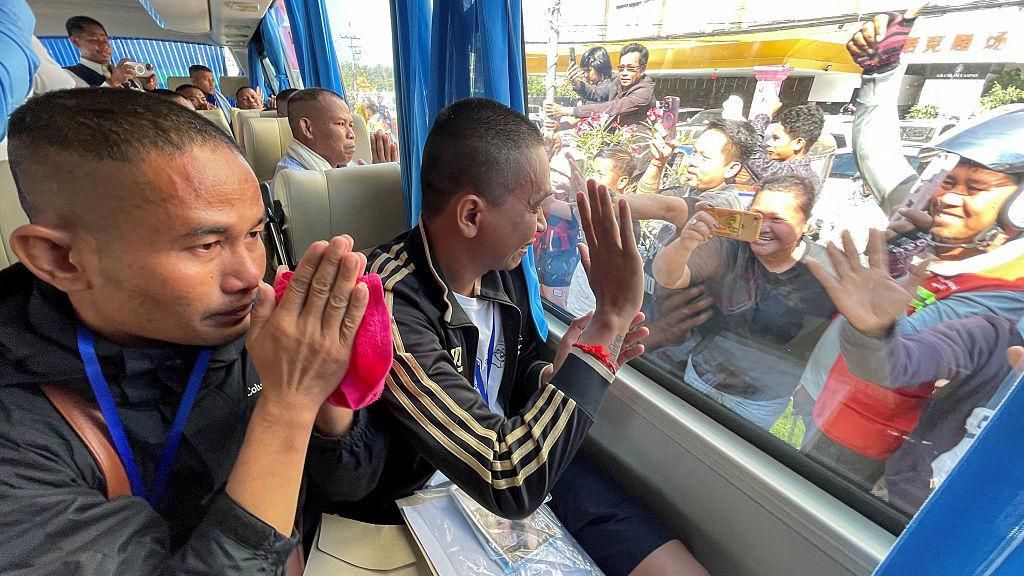
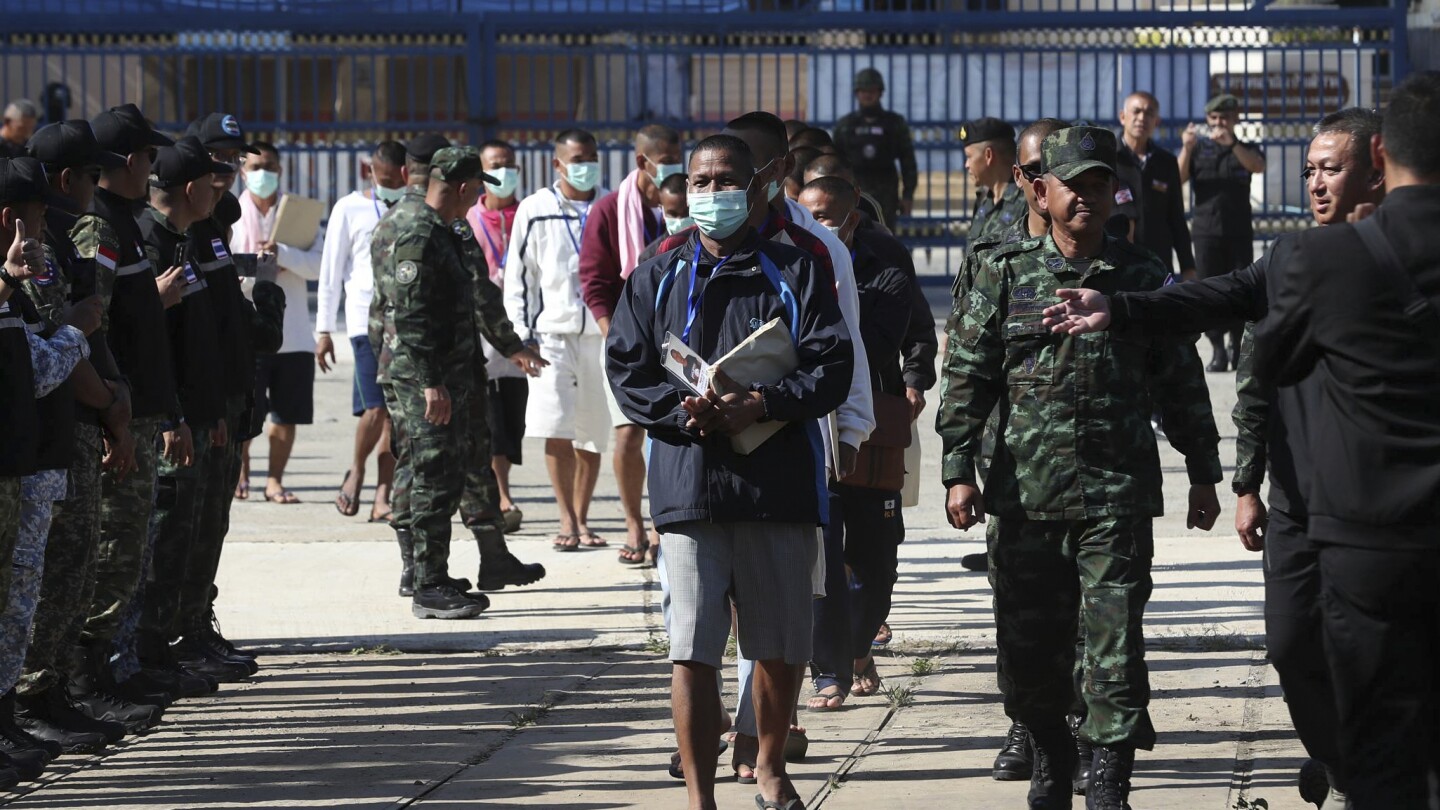
    In a significant diplomatic breakthrough, Thailand has repatriated 18 Cambodian prisoners of war following the successful implementation of a bilateral ceasefire agreement. The release occurred Wednesday at the Chanthaburi-Pailin border checkpoint, precisely where defense ministers from both nations formalized the truce last Saturday.

    Thai authorities characterized the prisoner transfer as “a demonstration of goodwill and confidence-building” conducted in strict adherence to international humanitarian principles. Cambodia’s Defense Ministry welcomed the development, stating it “creates an environment conducive to peace, stability, and the full normalization of relations for the benefit of both nations.”

    The soldiers’ captivity had become a major obstacle to reconciliation following two rounds of destructive combat over contested border territories. Thailand had previously justified their detention under Geneva Convention provisions permitting prisoner retention until hostilities conclude. Throughout their five-month imprisonment, the soldiers received regular visits from the International Committee of the Red Cross and were afforded all protections guaranteed by international humanitarian law.

    Cambodian officials had leveraged the detention to galvanize nationalist sentiment during the conflict. The government explicitly promised both the soldiers’ families and the Cambodian public that “no soldier would be left behind.”

    The current ceasefire agreement stipulated prisoner release upon 72 hours of sustained peace following Saturday’s noon enactment. Although this period concluded Tuesday, Thai authorities implemented a brief evaluation delay citing concerns over 250 Cambodian drones operating along the border.

    Disputes persist regarding the circumstances of the soldiers’ capture on July 31, coinciding with an initial ceasefire brokered by Malaysia. Cambodian accounts describe soldiers approaching Thai positions with friendly post-combat greetings, while Thai officials maintain the group demonstrated hostile intent while entering disputed territory. Originally capturing 20 soldiers, Thailand repatriated two individuals earlier for medical reasons.

    The conflict has exacted a heavy toll, with Thailand reporting 26 military fatalities, one civilian death, and 44 additional civilian casualties since December 7. The current ceasefire represents the third diplomatic attempt to resolve tensions, following earlier agreements mediated by Malaysia and advanced through economic pressure from the Trump administration.

  • Thailand releases 18 Cambodian soldiers held since July

    Thailand releases 18 Cambodian soldiers held since July

    In a significant diplomatic development, Thailand has repatriated 18 Cambodian military personnel who had been detained since July following intense border hostilities. The prisoner transfer, executed on Wednesday, forms a crucial component of the freshly brokered ceasefire agreement established last Saturday between the Southeast Asian neighbors.

    The handover operation, momentarily postponed due to Thai allegations of ceasefire violations involving unauthorized drone incursions, ultimately proceeded under substantial diplomatic persuasion from China. The released soldiers, clad in civilian attire, received an emotional welcome as they crossed through the designated border checkpoint into Cambodian custody.

    This exchange follows weeks of renewed armed conflict along the contentious border region that displaced approximately one million residents and reignited longstanding territorial disputes. The current ceasefire framework mandates both nations to maintain existing frontlines, prohibit military reinforcements, and facilitate the safe return of displaced civilians to border communities.

    Cambodia’s Defense Ministry characterized the soldiers’ return as a constructive measure toward fostering “mutual trust and confidence,” while Thailand’s Foreign Ministry described the action as a “demonstration of goodwill” expecting reciprocal cooperation from Phnom Penh.

    The border tensions, rooted in century-old territorial disagreements, escalated dramatically this year following nationalist demonstrations at a disputed temple complex. Previous ceasefire attempts, including a Trump-brokered agreement in October, collapsed earlier this month when renewed clashes erupted. Despite previous failures, current indications suggest the latest truce arrangement is maintaining stability along the border region.

  • Israel to suspend several aid groups operating in Gaza, starting January 1

    Israel to suspend several aid groups operating in Gaza, starting January 1

    Israel’s Ministry of Diaspora Affairs and Combating Antisemitism announced on Tuesday its decision to suspend multiple humanitarian organizations operating in Gaza effective January 1, 2025. The regulatory action targets groups that allegedly failed to comply with enhanced security protocols requiring detailed employee information to prevent potential terrorist affiliations.

    The ministry stated that affected organizations had received formal notifications regarding license revocations after demonstrating what officials characterized as insufficient cooperation. These groups reportedly refused to submit comprehensive lists of their Palestinian staff members, preventing authorities from conducting necessary security vetting procedures.

    According to official statements, the suspended organizations—whose identities remain undisclosed—must completely cease operations by March 1. Ministry representatives emphasized that these groups had been given a ten-month compliance window but ultimately failed to meet updated regulatory requirements governing international NGOs in Palestinian territories.

    In a significant development, the ministry specifically implicated Doctors Without Borders (Médecins Sans Frontières or MSF), alleging that two employees maintained connections with militant organizations. Officials claimed one individual was identified as a Palestinian Islamic Jihad member in June 2024, while another was allegedly a Hamas sniper as of September 2024. The ministry asserted that MSF failed to provide complete disclosure regarding these individuals’ identities and roles despite repeated requests.

    MSF responded to these allegations by stating the organization would never knowingly employ individuals engaged in military activities, noting such affiliations would endanger both staff and patients. The medical charity confirmed ongoing registration discussions with Israeli authorities but clarified it had not yet received formal re-registration decisions.

    The ministry maintained that these measures would not significantly disrupt humanitarian aid distribution, estimating that fewer than 15% of operating organizations violated the updated regulatory framework. However, multiple NGOs have expressed concerns to international media about substantial impacts on aid distribution capabilities throughout Gaza.

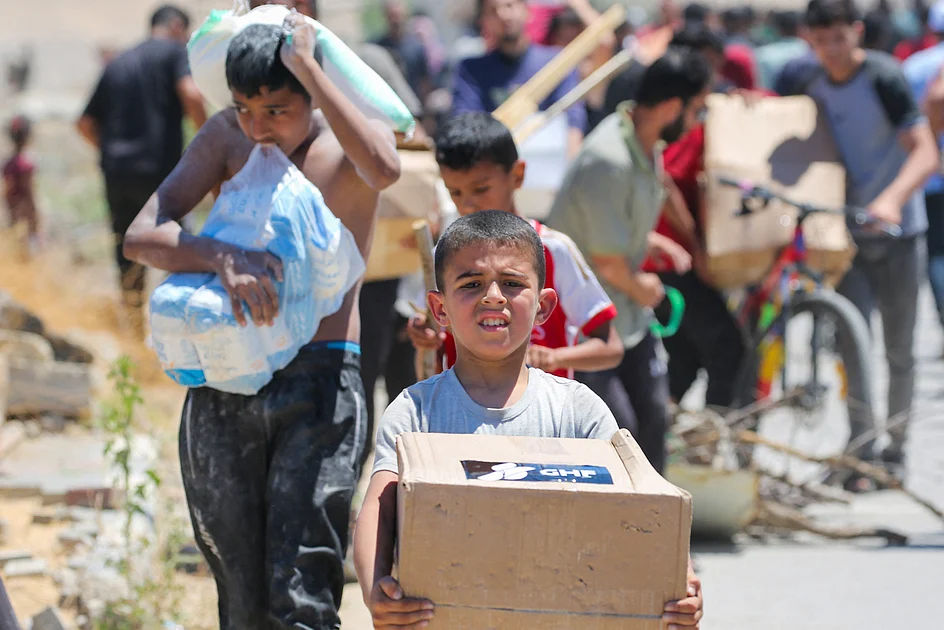
    This regulatory tightening occurs amid ongoing humanitarian challenges in the region. Despite October ceasefire agreements stipulating 600 daily aid trucks, current figures range between 100-300 trucks according to United Nations and NGO reports, creating significant supply shortages for Gaza’s population.

  • Two midnight ball drops, jumping over 7 waves: How some countries will ring in New Year 2026

    Two midnight ball drops, jumping over 7 waves: How some countries will ring in New Year 2026

    As the world prepares to welcome 2026, nations are finalizing plans for distinctive celebrations that blend cultural heritage with contemporary festivities. Beyond the universal spectacle of fireworks illuminating skies across time zones, numerous countries will observe New Year’s Eve through rituals deeply rooted in their historical and spiritual traditions.

    In New York’s Times Square, organizers have planned an unprecedented double ball drop ceremony. The iconic descent will occur initially at 11:59 PM for its traditional sixty-second journey. However, in a historic departure from convention, a second descent will commence at 12:04 AM to commemorate the 250th anniversary of American independence. This special celebration will feature the sphere illuminated in patriotic red, white, and blue hues, accompanied by confetti showers and a pyrotechnic finale synchronized to Ray Charles’ “America the Beautiful.”

    Japan will maintain its ancient Buddhist practice of Joya no Kane, where temple bells resonate 108 times at midnight. This ritual symbolizes the purification of 108 human earthly desires and attachments. While typically performed by monks, some temples permit public participation in this profound spiritual cleansing ceremony.

    Rio de Janeiro will host the vibrant Festa de Iemanjá, honoring the African-derived deity regarded as queen of the oceans. Celebrants clad in white garments will gather along Copacabana Beach at midnight to perform ceremonial dances in the waters. Participants will leap over seven consecutive waves while articulating their aspirations for the forthcoming year, believing this act conveys their petitions to the oceanic divinity.

    London’s celebration will center around the precisely engineered mechanisms of Big Ben. The 166-year-old clock tower, maintained by three dedicated horologists requiring ear protection against its 115-decibel chimes, will mark midnight with astonishing accuracy. In 2025, the landmark’s strike registered within five-thousandths of a second of true midnight.

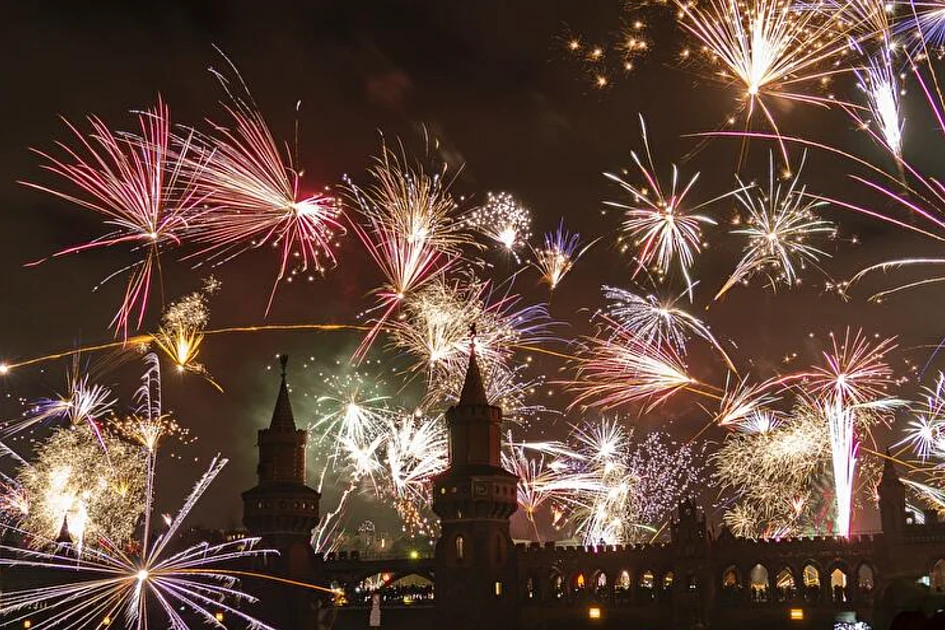
    Berlin will transform its historical Brandenburg Gate vicinity into what authorities are promoting as the “planet’s most extensive dance floor.” This complimentary techno celebration will accommodate 20,000 revelers across a stretch extending to the Victory Column, featuring 16 mobile sound systems and 100 DJs culminating in a seven-minute pyrotechnic display above the Quadriga statue.

  • A forgotten chapter: The stories of Allied POWs in Nagasaki during the atomic bombing

    A forgotten chapter: The stories of Allied POWs in Nagasaki during the atomic bombing

    Eight decades after the atomic devastation of Nagasaki, the overlooked narrative of Allied prisoners of war who endured both Japanese captivity and nuclear destruction is finally emerging through dedicated research and reconciliation efforts. On August 9, 1945, when the United States dropped the “Fat Man” plutonium bomb, hundreds of POWs from Allied nations were held in brutal camps across Nagasaki, their existence largely absent from historical accounts.

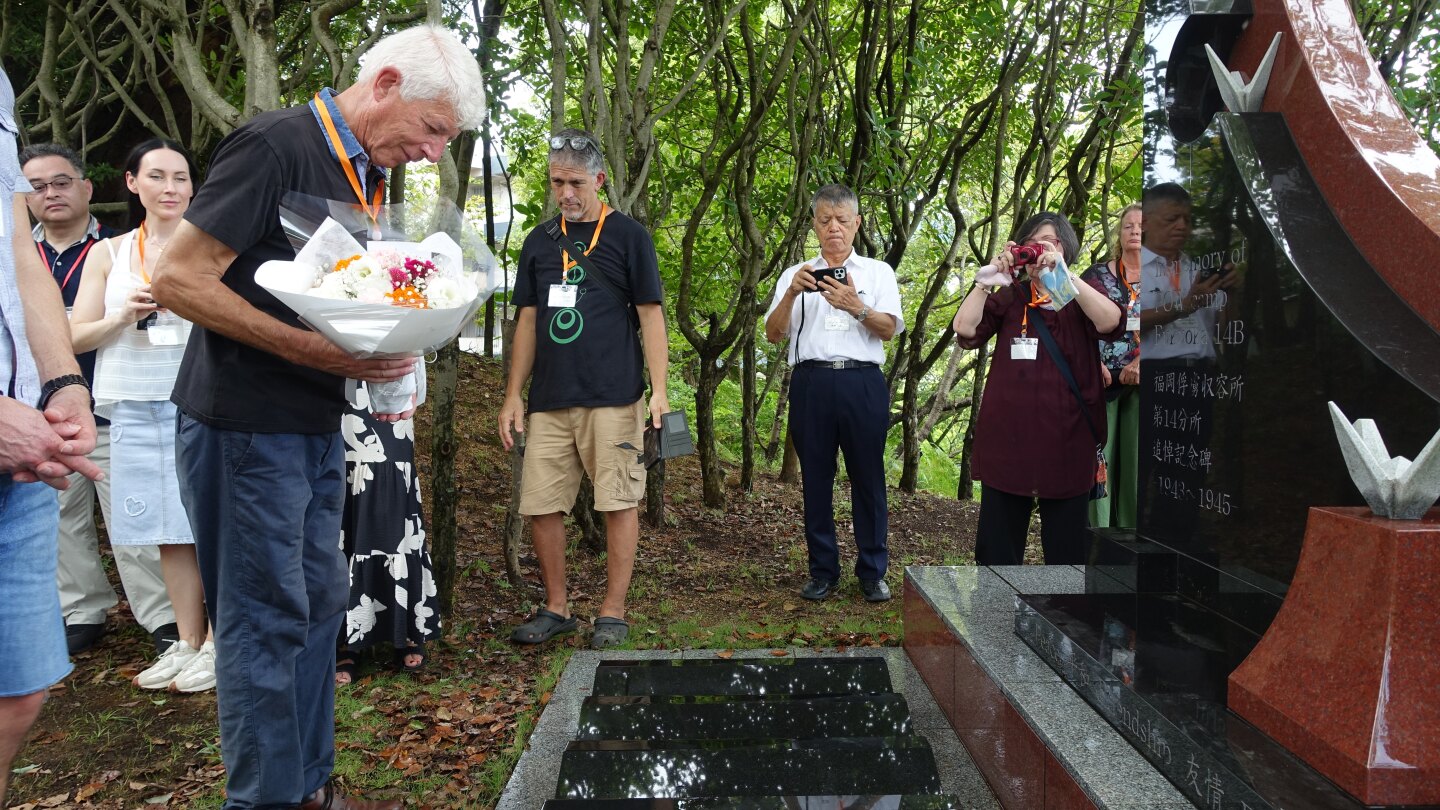
    Recent commemorations have brought together descendants of Dutch POWs and Japanese atomic bombing survivors, united in honoring all victims of that catastrophic day. The POWs, primarily Dutch servicemen captured in Indonesia, were transported via notorious “hell ships” to Nagasaki, where they were imprisoned at Fukuoka Camp No. 2 and Camp No. 14. According to the POW Research Network Japan, approximately 150,000 Allied prisoners were held across Asia during WWII, with 36,000 forcibly relocated to Japan to address wartime labor shortages.

    The atomic impact varied dramatically between camps. Camp No. 2, situated approximately 10 kilometers from ground zero, experienced shattered windows and structural damage but no immediate fatalities. In stark contrast, Camp No. 14—located much closer to the epicenter—suffered complete destruction, resulting in eight POW deaths and dozens injured. Survivor accounts describe the terrifying moment of detonation: a colossal orange fireball, purple smoke, and the iconic triple-layer mushroom cloud.

    Post-war trauma extended far beyond physical injuries. Johan Willem Schram, a Dutch sailor imprisoned at Camp No. 2, returned to the Netherlands but remained emotionally scarred, feeling both Japan and his homeland had treated POWs with disrespect. His son Andre documented these experiences in “Johan’s Story,” highlighting the complex legacy of suffering and the need for genuine reconciliation.

    Despite Japanese laws providing medical support for certified atomic bombing survivors—currently numbering 99,000, down from 372,000 in 1980—only 11 former POWs (seven Dutch, three Australian, and one British) have received official recognition. Researchers like Taeko Sasamoto of the POW Research Network note that the issue has been “swept under the rug,” requiring meticulous examination of neglected historical documents.

    The recent granite monument in Nagasaki, featuring three inscribed panels, symbolizes growing efforts to acknowledge this dual tragedy. As Kazuhiro Ihara, whose father survived the bombing and dedicated himself to POW reconciliation, emphasizes: these commemorations represent a crucial step toward healing wounds that have persisted for generations.

  • Machu Picchu train crash leaves one dead and dozens injured

    Machu Picchu train crash leaves one dead and dozens injured

    A catastrophic head-on collision between two tourist trains on the single-track route to Machu Picchu has resulted in one fatality and at least 40 injuries, with approximately 20 victims reported in serious condition. The incident occurred Tuesday near the ancient Inca town, disrupting transportation to Peru’s most iconic UNESCO World Heritage site.

    According to local government authorities, emergency response teams deployed 20 ambulances to the rugged terrain surrounding the crash site between Ollantaytambo Station and Aguas Calientes. Medical personnel evacuated injured passengers to healthcare facilities in Cusco, though rescue operations faced significant challenges due to the difficult topography. Hundreds of tourists remained stranded at the scene awaiting evacuation, as reported by local media outlet Peru21.

    The U.S. Embassy in Peru confirmed American citizens were among those injured, though police have not yet released formal identification of victims. The involved trains were operated by rival companies PeruRail and Inca Rail, both providing service to the renowned archaeological site.

    PeruRail issued a statement expressing profound regret for the incident and confirming their staff provided immediate first aid to the train driver, conductor, and passengers. The exact cause of the collision remains under investigation.

    This tragedy occurs amidst ongoing disputes regarding transportation services to Machu Picchu, where local communities have raised concerns about insufficiently open bidding processes for lucrative transit contracts. The site’s limited accessibility creates highly profitable operations for approved transport providers, with ticket prices remaining steep for visitors.

    Built in the 15th century in the Peruvian Andes, Machu Picchu stands as one of the Seven Modern Wonders of the World. While officials implemented daily visitor caps in 2011 to address preservation concerns, the infrastructure supporting tourism continues to face scrutiny amid persistent worries about overtourism.

  • Eurostar to resume services after Channel tunnel power glitch; passengers warned

    Eurostar to resume services after Channel tunnel power glitch; passengers warned

    Eurostar services are gradually recommencing after a significant power supply malfunction within the Channel Tunnel caused widespread cancellations on December 30, 2025, during one of the busiest travel periods of the year. The technical fault, compounded by a separate failed LeShuttle freight train within the tunnel, led to the suspension of all cross-channel routes connecting London with Paris, Brussels, and Amsterdam.

    The operator confirmed a partial reopening of the tunnel mid-afternoon, with the first services resuming around 4:00 PM GMT. However, Eurostar issued a strong advisory for passengers to postpone non-essential travel due to the persistent overhead power issue, warning that all resumed services would be subject to severe delays and potential last-minute cancellations. The disruption even affected some continental routes not utilizing the tunnel, such as Paris-Brussels services.

    The incident created chaos at major terminals, including London’s St. Pancras and Paris’s Gare du Nord, where crowds of stranded travelers scrambled to find alternative arrangements. Passengers shared their frustrations with AFP correspondents, with many expressing disappointment over ruined New Year’s Eve plans. While some adopted a philosophical attitude toward the disruption, others desperately sought alternative transportation options, including flights and ferries, despite limited availability during the peak holiday season.

    This incident represents the latest in a series of operational challenges for Eurostar, which transported a record 19.5 million passengers in 2024. The monopoly holder of Channel Tunnel passenger services since 1994 now faces emerging competition from Richard Branson’s venture and Trenitalia’s planned Paris-London service by 2029. Previous disruptions include an electrical fault in August 2025 and cable theft in northern France that caused June service interruptions.

  • Germany bank heist nets about 30million euros in cash, valuables, customers seek answers

    Germany bank heist nets about 30million euros in cash, valuables, customers seek answers

    In a meticulously orchestrated criminal operation reminiscent of a Hollywood thriller, professional thieves successfully infiltrated a German savings bank vault in Gelsenkirchen, making off with an estimated €30 million ($35 million) in cash, gold, and jewelry. The sophisticated heist, which unfolded over the weekend, represents one of Germany’s most substantial bank robberies in recent history.

    According to police reports, the perpetrators utilized industrial drilling equipment to penetrate the underground vault room of the Sparkasse savings bank from an adjacent parking garage. Investigators believe the criminal team operated extensively throughout the weekend, systematically breaching more than 3,000 individual safe deposit boxes in what appears to have been a carefully planned operation.

    The discovery occurred early Monday when emergency services responded to a triggered fire alarm and encountered the breach point. Witness accounts describe observing several individuals carrying large bags through the parking garage stairwell during the Saturday-to-Sunday overnight period. Security footage captured a black Audi RS 6, containing masked occupants, exiting the garage in the early hours of Monday morning. The vehicle’s license plate had been previously reported stolen in Hanover.

    A police spokesperson characterized the operation as ‘exceptionally professionally executed,’ drawing parallels to the precision depicted in the film ‘Ocean’s Eleven.’ The official noted that the complexity of the breach indicated either extensive prior knowledge of the bank’s security systems or significant criminal resources dedicated to planning the operation.

    The aftermath has left hundreds of distressed bank customers gathering outside the branch seeking information about their potentially lost assets. Many victims have reported that their actual losses substantially exceed the insured value of their deposit boxes, which averaged approximately €10,000 per box according to insurance assessments. The bank branch remained closed for security reasons following threats made against employees, with police maintaining presence to monitor the situation which has reportedly stabilized since initial concerns.