分类: world

  • Eurostar cancels all trains out of London as power outage hits Channel Tunnel

    Eurostar cancels all trains out of London as power outage hits Channel Tunnel

    A major power supply failure within the Channel Tunnel has triggered a complete suspension of all Eurostar train services departing from London, causing widespread travel chaos for passengers bound for Paris, Amsterdam, and Brussels. The indefinite cancellation, announced on Tuesday, has left crowds of travelers stranded at London’s St Pancras International station, with authorities advising all customers to postpone their journeys and rebook for a later date.

    The disruption extends beyond passenger rail services. Eurotunnel’s Le Shuttle, which transports vehicles between Folkestone, UK, and Calais, France, has also been suspended indefinitely due to the same ‘power supply issue,’ resulting in massive delays. Passengers on this service are experiencing hold-ups exceeding three and a half hours on the UK side and approximately three hours in France.

    National Rail has confirmed that the severe disruption is anticipated to persist until the end of the day. In response to the crisis, Eurostar has implemented a flexible rebooking policy, allowing affected travelers to rearrange their trips without charge or cancel their bookings for a full refund or e-voucher. The company has urgently requested that passengers refrain from coming to the station unless they possess a valid ticket for travel on that specific day, directing them instead to check live service updates online.

    The human impact of the outage is significant. Passengers like Steph Roberts from Kent reported being stuck at the Calais terminal for hours with limited communication and no provisions. Having visited family in France for Christmas, she described a frustrating wait with no updates or offers of food and water, passing the time on social media and walking her dog. Eurotunnel has stated that technical teams are actively working to diagnose and resolve the power supply problems, though no estimated time for a full restoration of service has been provided.

  • Over 3,600 flights cancelled, 30,000 delayed as ‘bomb cyclone’ hits parts of US

    Over 3,600 flights cancelled, 30,000 delayed as ‘bomb cyclone’ hits parts of US

    A severe winter storm system identified as Ezra has unleashed travel chaos across the United States, creating one of the most disruptive holiday travel scenarios in recent years. The powerful weather phenomenon, now escalating into a meteorological ‘bomb cyclone,’ has caused massive flight disruptions affecting tens of thousands of passengers during the critical year-end travel period.

    According to real-time data from FlightAware, the storm has resulted in the cancellation of over 3,600 flights since Friday, with more than 30,000 additional flights experiencing significant delays. On Monday alone, aviation authorities reported 751 cancellations and nearly 6,000 delays as of 3:25 PM Eastern Time.

    The situation has been particularly challenging for airlines operating at near-capacity during this peak travel season, leaving minimal flexibility for rebooking affected passengers. Major carriers including Delta Air Lines, United Airlines, American Airlines, and JetBlue Airways have implemented emergency measures, waiving change fees for travelers impacted by the severe weather conditions.

    Meteorologists from AccuWeather have warned that the intensifying bomb cyclone—characterized by rapidly dropping atmospheric pressure generating hurricane-force winds—is creating blizzard conditions across a massive corridor from Wisconsin to Maine. The storm has brought dangerous combinations of ice accumulation, flooding rainfall, and powerful winds, with temperatures experiencing wild fluctuations. Philadelphia, for instance, saw temperatures near 60 degrees Fahrenheit on Monday before an expected overnight plunge into the 20s.

    The transportation crisis extends beyond aviation, with road travel becoming increasingly perilous due to poor visibility, icy surfaces, and blowing snow. Multiple multi-vehicle pileups have been reported across affected regions, prompting authorities to advise against non-essential travel. The Federal Emergency Management Agency has issued warnings about dangerous driving conditions throughout the Upper Midwest and Great Lakes regions.

    Aviation operations have been severely hampered by the extreme weather. The Federal Aviation Administration implemented ground stops at multiple airports, including Washington’s Dulles International Airport due to high winds, and Detroit Metropolitan Wayne County Airport where Delta Air Lines flights were specifically affected. Additional delays were reported at major hubs including Boston and Newark airports serving the New York metropolitan area, primarily due to low visibility and windy conditions.

    The financial impact on airlines has been immediate, with Delta’s shares falling nearly 3% in afternoon trading, while United Airlines, American Airlines, and Alaska Air Group each experienced approximately 2% declines. The tightly interconnected nature of airline operations means that canceled flights leave aircraft and crews out of position, creating complex challenges for restoring normal schedules even after weather conditions improve.

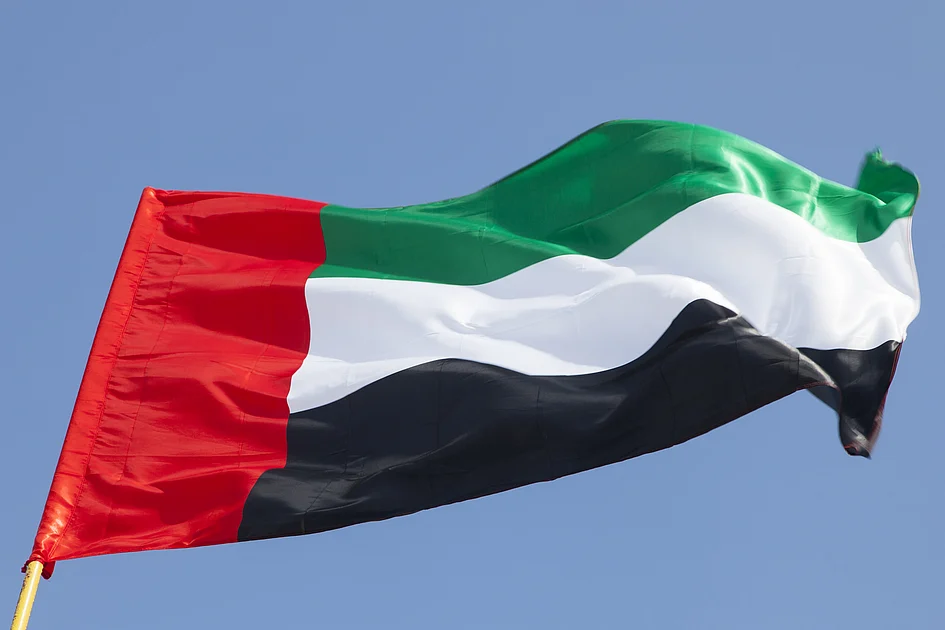
  • UAE condemns stabbing attack in Suriname claiming nine lives

    UAE condemns stabbing attack in Suriname claiming nine lives

    The United Arab Emirates has issued a formal condemnation of a devastating stabbing attack in Suriname that resulted in nine fatalities, including multiple children. The violent incident occurred on the outskirts of Paramaribo, the capital city of the South American nation, during the night of December 27-28, 2025.

    According to official police statements, an assailant armed with a sharp weapon killed four adults and five children in the attack. A sixth child and another adult sustained serious injuries and required immediate hospitalization. Law enforcement officers responded to the scene and were forced to open fire on the suspect, who was wounded in the legs and subsequently hospitalized.

    The UAE Ministry of Foreign Affairs released a statement expressing the nation’s firm condemnation of such criminal acts and its unwavering rejection of all forms of violence targeting innocent civilians. The Ministry emphasized that such acts fundamentally undermine security and stability in communities.

    The UAE government extended its solidarity with the victims’ families and with both the government and people of Suriname following this tragic event. Officials also conveyed their sincere wishes for the swift recovery of those injured in the attack. This response aligns with the UAE’s consistent foreign policy position of condemning violence against civilians regardless of where such incidents occur globally.

  • Turkey detains 357 suspected IS members in nationwide raids

    Turkey detains 357 suspected IS members in nationwide raids

    Turkish authorities have launched a massive counter-terrorism operation resulting in the detention of 357 individuals with alleged connections to the Islamic State group. The coordinated nationwide raids, spanning 21 provinces including Ankara, Istanbul, and Yalova, represent one of the most significant security operations against the extremist organization in recent months.

    The operation comes in direct response to escalating security threats, including a deadly eight-hour siege in Yalova just one day prior that claimed the lives of three police officers and six suspected militants while leaving eight additional officers and a security force member wounded. This incident marked a severe escalation in violence between Turkish security forces and suspected ISIS operatives.

    Interior Minister Ali Yerlikaya, who publicly documented the operations through social media platforms, emphasized Turkey’s unwavering stance against terrorism. “Just as we have never given an opportunity to those who try to bring this country to its knees with terrorism, we will never give them an opportunity in the future either,” Yerlikaya declared in an official statement.

    Security operations yielded substantial evidence, with Istanbul prosecutors confirming the seizure of documents, digital materials, and weapons including knives and ammunition during raids targeting 110 suspects alone. Intelligence assessments indicated planned attacks targeting New Year’s celebrations, continuing a pattern of holiday-period threats that previously led to the arrest of 115 suspects allegedly planning attacks against non-Muslims during Christmas observances.

    The investigation has revealed complex networks, with 41 detainees showing direct connections to the Yalova confrontation. Additionally, authorities detained 16 individuals in Yalova for allegedly making provocative social media posts, demonstrating the multifaceted approach to counter-terrorism efforts.

    President Recep Tayyip Erdoğan personally offered condolences to the families of the fallen officers—identified as İlker Pehlivan, Turgut Külünk, and Yasin Koçyiğit—while reaffirming Turkey’s commitment to combating “bloodthirsty criminals who threaten the peace of our nation and the security of our state.”

    Turkey’s strategic position, sharing a 900-kilometer border with Syria where ISIS maintains operational presence, necessitates continuous vigilance. The recent developments coincide with international counter-ISIS efforts, including U.S. airstrikes in Syria following the killing of three Americans by ISIS gunmen earlier this month.

  • Myanmar’s opium cultivation reaches record high

    Myanmar’s opium cultivation reaches record high

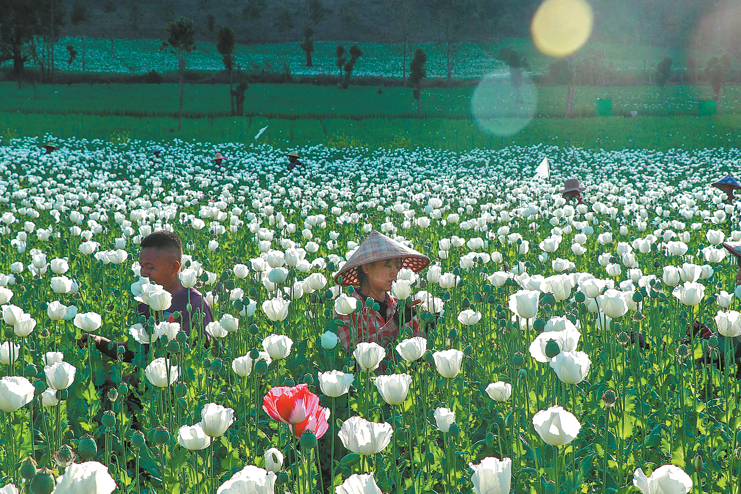
    Myanmar has dramatically escalated to become the globe’s foremost opium producer, with cultivation reaching a ten-year peak according to the United Nations Office on Drugs and Crime (UNODC). The Southeast Asian nation’s opium output now more than doubles that of Afghanistan, the previous leading source.

    Recent UNODC data reveals a striking 17% year-on-year surge in Myanmar’s opium cultivation, expanding from 45,200 hectares to 53,100 hectares. This expansion solidifies Myanmar’s notorious status as a primary source of illicit opium globally, particularly as Afghan production continues its downward trajectory.

    Delphine Schantz, UNODC’s Regional Representative for Southeast Asia and the Pacific, warned that “the sharp increase in opium cultivation demonstrates an expanding opium economy that has been resurgent in recent years and is likely to grow further.”

    The agency attributes this alarming growth primarily to skyrocketing opium prices, which have more than doubled from $145 per kilogram in 2019 to the current $329 per kilogram. This economic incentive, combined with escalating conflict and instability throughout Myanmar, has driven many farmers toward poppy cultivation as a means of survival.

    Regional analysis shows eastern Shan State experienced the most dramatic growth at 32%, followed by Chin State at 26%, while Kachin State saw a modest 3% increase. Southern Shan State remains the cultivation epicenter, accounting for 44% of the country’s total opium production.

    For the first time, the UNODC study documented significant opium cultivation in Sagaing Region, estimating 552 hectares under poppy production. There are also emerging indications that Myanmar’s opium is increasingly supplanting Afghan supplies in international markets, with European authorities reporting seizures of heroin believed to originate from Myanmar on flights from Thailand.

  • Hamas confirms death of spokesman of its military wing

    Hamas confirms death of spokesman of its military wing

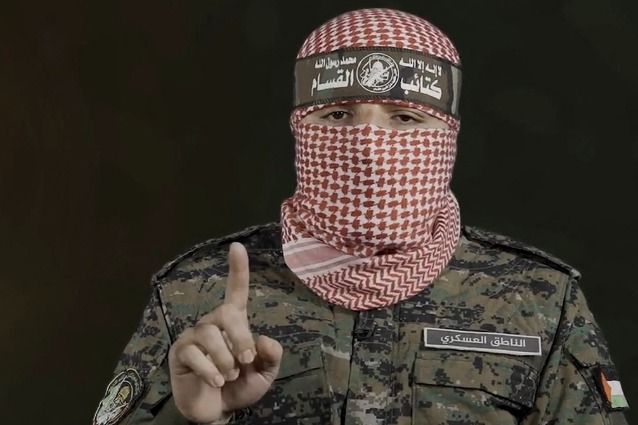
    The Al-Qassam Brigades, Hamas’s military wing, has officially confirmed the death of its prominent spokesperson Abu Obeida during Israel’s ongoing offensive in Gaza. The announcement came through a newly appointed representative who has assumed the same nom de guerre, delivering the news during a televised address on Monday.

    The successor, appearing in the distinctive uniform associated with the role, revealed that Abu Obeida—born Hudhaifa Samir Al-Kahlout and also known as Abu Ibrahim—perished alongside several other senior Hamas leaders. Among those confirmed dead was former military commander Mohammed Sinwar, marking significant losses within the organization’s leadership structure.

    Abu Obeida rose to prominence in 2006 when he announced the capture of Israeli soldier Gilad Shalit, subsequently becoming the recognizable voice of Hamas’s military operations during subsequent conflicts with Israel. His final recorded statement was delivered on July 18, with Hamas sources indicating he was killed in an Israeli airstrike on August 30. This timeline was corroborated by Israeli Defense Minister Israel Katz, who acknowledged the spokesperson’s elimination in a Gaza Strip operation on August 31.

    The spokesperson’s legacy includes maintaining communication with Palestinian supporters throughout what he described as ‘the darkest circumstances,’ establishing him as a symbolic figure within the movement since his appointment to the role in 2005.

  • US removal of panels honoring Black soldiers at WWII cemetery in the Netherlands draws backlash

    US removal of panels honoring Black soldiers at WWII cemetery in the Netherlands draws backlash

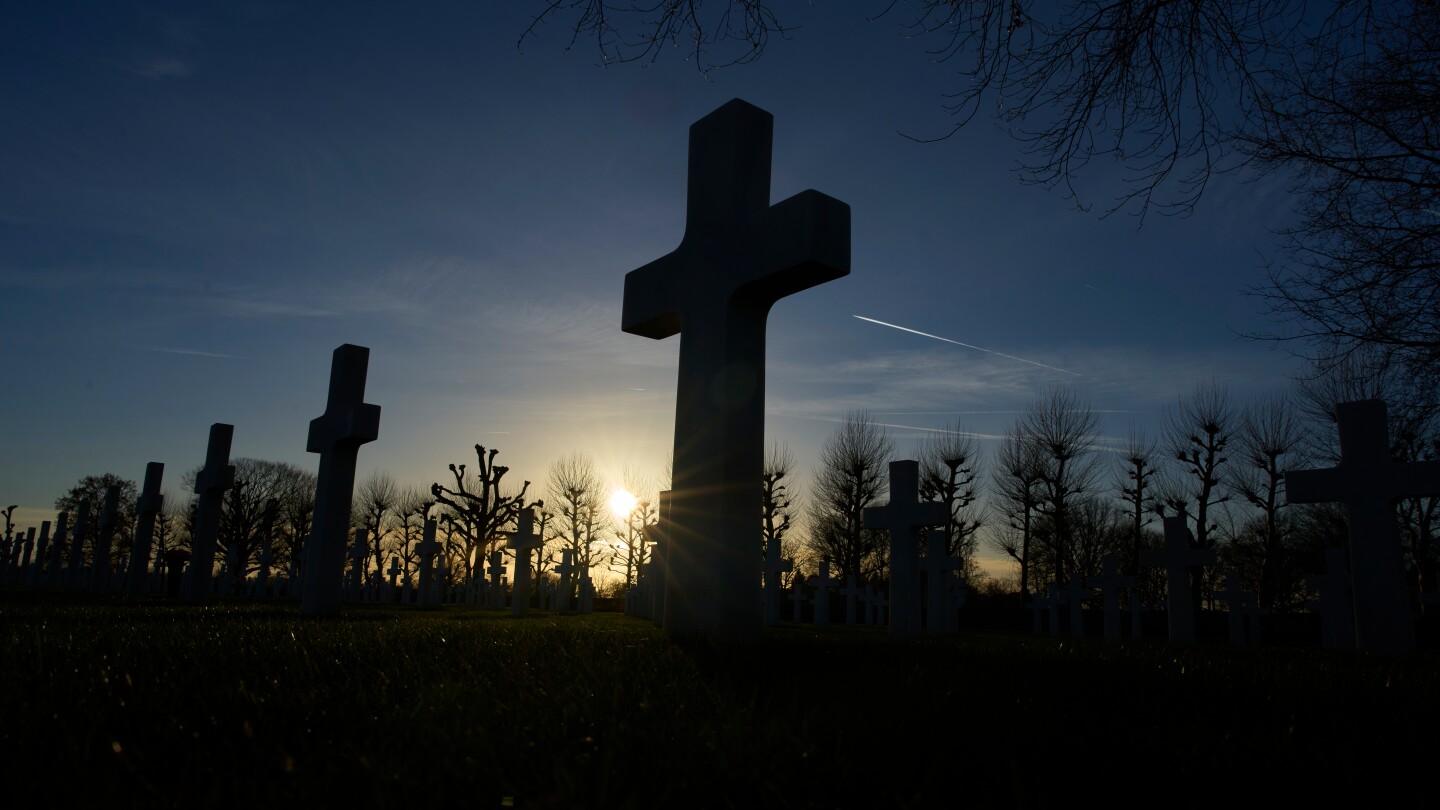
    A contentious decision by the American Battle Monuments Commission to dismantle educational displays honoring Black American soldiers at the Netherlands American Cemetery in Margraten has sparked widespread condemnation and diplomatic tensions. The removal, executed discreetly earlier this year, eliminated two significant panels that chronicled the contributions of African American troops during World War II.

    One display memorialized the heroic actions of 23-year-old Private George H. Pruitt, an African American soldier buried at the site who perished while attempting to rescue a fellow serviceman from drowning in 1945. The second panel documented the institutional racial segregation policies that defined the U.S. military throughout the conflict, despite approximately one million Black soldiers enlisting. These soldiers frequently performed grueling tasks—including an all-Black unit that excavated thousands of graves at Margraten during the devastating Hunger Winter of 1944-45 under German occupation.

    The commission’s actions followed President Donald Trump’s executive orders terminating diversity, equity, and inclusion programs, with the administration declaring an end to ‘woke’ policies. Internal communications obtained through Freedom of Information Act requests by media outlets confirmed the direct link between these policies and the display removals.

    Dutch officials, local communities, and descendants of both soldiers and liberators have expressed profound dismay. Cor Linssen, 79, whose father was a Black American soldier, emphasized the historical significance of these narratives: ‘It’s an important part of history. They should put the panels back.’ Linssen, who faced racial prejudice growing up in the Netherlands, recently visited the cemetery with other children of Black soldiers to view the displays shortly before their removal.

    The controversy has drawn reactions from multiple levels of Dutch society. Theo Bovens, Dutch senator and chairman of the Black Liberators Foundation, noted the paradoxical nature of the removal, given that the commission itself had installed the panels in 2024. Local authorities in the Margraten region have formally demanded the restoration of the exhibits, while Dutch television programs have attempted to recreate the displays outside cemetery grounds.

    The profound connection between the Dutch people and the fallen soldiers remains evident through the ongoing grave adoption program, where thousands of local families honor individual soldiers by maintaining their resting places and commemorating their birthdays—a tradition often passed through generations.

    Historians and authors like Linda Hervieux, who documented Black soldiers’ experiences in ‘Forgotten,’ argue that erasing these stories continues a harmful pattern of excluding people of color from historical narratives. The absence of these panels at Margraten represents more than missing information—it signifies the ongoing struggle over whose sacrifices are remembered and whose are forgotten.

  • Australian police find no evidence of ‘broader terrorist cell’ in Bondi Beach antisemitic shooting

    Australian police find no evidence of ‘broader terrorist cell’ in Bondi Beach antisemitic shooting

    Australian Federal Police Commissioner Krissy Barrett announced Tuesday that an extensive international investigation into the Bondi Beach mass shooting has found no evidence connecting the perpetrators to a broader terrorist network. The probe, which extended to the Philippines, examined the activities of Sydney residents Sajid Akram, 50, and his 24-year-old son Naveed Akram during their November stay in Davao City.

    According to Commissioner Barrett, Philippine authorities determined the pair rarely left their hotel during their visit from November 1-29. ‘There is no evidence to suggest they received training or underwent logistical preparation for their alleged attack,’ Barrett stated at a press briefing. ‘These individuals are alleged to have acted alone. There is no evidence to suggest these alleged offenders were part of a broader terrorist cell, or were directed by others to carry out an attack.’

    The Akrams returned to Australia on November 29, and two weeks later allegedly carried out the deadliest terrorist attack in Australian history. The December 14 shooting at a Hanukkah festival left 15 dead and 40 wounded before police intervention ended the violence. Naveed Akram, who was shot in the abdomen during a gunfight with officers, now faces dozens of charges including 15 counts of murder and one count of committing a terrorist act. His father was killed by police at the scene.

    In response to the attack, Sydney authorities are deploying unprecedented security measures for New Year’s Eve celebrations. More than 2,500 officers will patrol the harborfront, many openly carrying automatic rifles—a rare sight on Sydney streets. The enhanced security comes after initial responders to the Bondi attack were armed only with pistols that were outranged by the Akrams’ rifles and shotguns.

    New South Wales Premier Chris Minns defended the security upgrades, stating, ‘Given we’ve just had the worst terrorism event in Australia’s history inside the last month, it would be self-evidently the case that things need to change.’ The premier emphasized that the show of force represents defiance rather than submission to extremist ideologies.

    The celebrations will include a solemn tribute to the Bondi victims with a minute of silence at 11 p.m. and projections of Jewish menorahs on the Sydney Harbour Bridge pylons—a change from originally planned dove imagery after consultation with Jewish community representatives.

  • Alleged Bondi gunmen acted alone and did not train in the Philippines, police say

    Alleged Bondi gunmen acted alone and did not train in the Philippines, police say

    Australian authorities have concluded that the two individuals responsible for the deadly mass shooting at a Hanukkah celebration on Bondi Beach acted independently, with no connections to a broader terrorist network. The attack, which resulted in 15 fatalities, has been officially classified as a terrorist incident—marking the nation’s most severe mass shooting since 1996.

    Police confirmed that the alleged perpetrators, 50-year-old Sajid Akram and his 24-year-old son Naveed Akram, traveled to the Philippines on November 1, arriving in Manila before proceeding to Davao City on the same day. They returned to Sydney on November 29. Contrary to initial suspicions, investigations revealed that the pair did not engage in weapons training or operational preparations during their stay. Philippine authorities reported that the suspects rarely departed their hotel accommodations.

    Australian Federal Police Commissioner Krissy Barrett stated that CCTV footage from the Philippines had been provided to Australian investigators. ‘Current assessments indicate these individuals are alleged to have acted alone,’ Commissioner Barrett emphasized. ‘There exists no evidence suggesting these alleged offenders were part of a broader terrorist cell or received external directives to execute the attack.’

    However, Commissioner Barrett clarified that the purpose of their Philippines visit was not tourism, leaving unanswered questions about their international movements. She noted that the investigation remains active and may evolve with new evidence.

    Prime Minister Anthony Albanese earlier indicated that the attackers appeared motivated by Islamic State ideology. During the December 14 incident, Sajid Akram was fatally shot by police while his son Naveed sustained injuries and was hospitalized. Naveed Akram now faces 59 criminal charges, including 15 counts of murder and one count of committing a terrorist act. His court appearance is scheduled for April.

    The Philippines immigration bureau disclosed that the father entered the country using an Indian passport, while the son traveled on an Australian document. Both declared Davao City as their destination—a region on Mindanao island where Islamist militant groups have historically operated.

  • Great white sharks face extinction in Mediterranean, say researchers

    Great white sharks face extinction in Mediterranean, say researchers

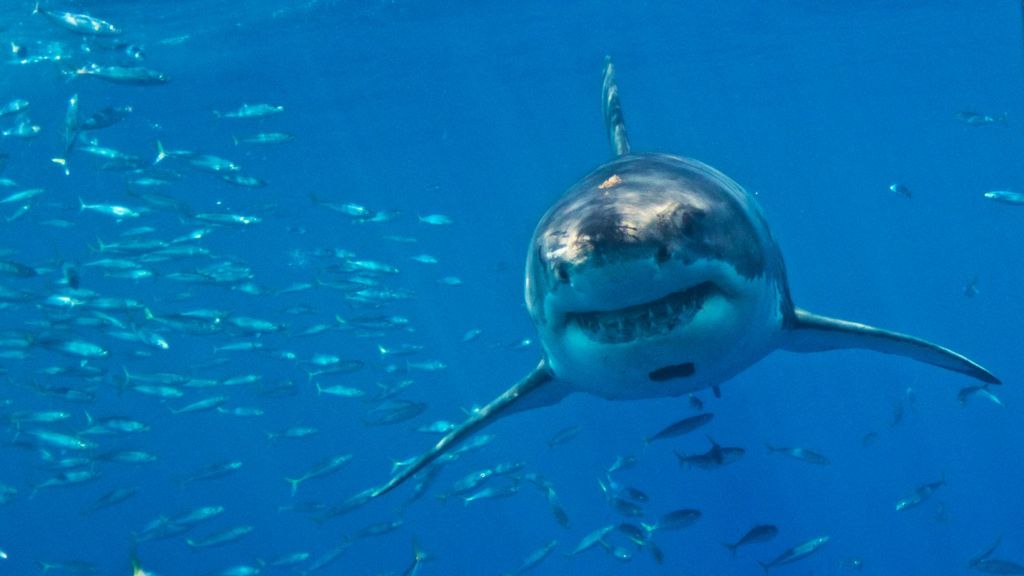
    The iconic great white shark population in the Mediterranean Sea is teetering on the brink of extinction, according to a groundbreaking joint investigation by Virginia Tech scientists and the UK-based Blue Marine Foundation. Their research reveals that rampant illegal fishing operations in North African coastal waters have decimated these protected predators, with at least 40 great whites killed in 2025 alone despite international protection laws.

    Through systematic monitoring of fishing ports and verification of social media evidence, researchers documented protected shark species being openly sold in fish markets across Tunisia and Algeria. Disturbing footage shows large great whites being hauled ashore in Algeria and the fins of critically endangered short-finned mako sharks prepared for sale in Tunisian markets.

    Dr. Francesco Ferretti, lead researcher from Virginia Tech, describes the Mediterranean as the world’s most intensely fished body of water, where industrial fishing pressure has pushed white sharks to critically endangered status. ‘The impact has been intensifying… it’s plausible they will go extinct in the near future,’ he warned during fieldwork off Sicily’s coast.

    In a desperate attempt to study remaining specimens, researchers deployed an unprecedented effort in the Strait of Sicily—identified as a potential last refuge for Mediterranean sharks. They utilized three tonnes of fish bait, 500 liters of tuna oil, and advanced DNA sampling techniques over two weeks, yet captured only a single brief glimpse of one blue shark on submarine cameras.

    The conservation crisis is compounded by complex enforcement challenges. While 24 shark species enjoy international protection under agreements signed by the EU and 23 Mediterranean nations, enforcement varies dramatically. The regulations prohibit retention, transshipment, or sale of protected species but fail to adequately address accidental bycatch.

    James Glancy of Blue Marine Foundation, who documented protected sharks in Tunisian markets, noted the paradoxical hope in finding sharks for sale: ‘It shows there is wildlife left. And if we can preserve this, there is chance of recovery.’

    Local experts highlight the socioeconomic dimensions of the crisis. Sara Almabruk of the Libyan Marine Biology Society explains that North African fishers often face impossible choices between conservation and feeding their families. ‘Why would they throw sharks back into the sea when they need food for their children?’ she asked, advocating for sustainable fishing training programs.

    Researchers conclude that only immediate, coordinated international action can prevent the permanent loss of these apex predators from Mediterranean ecosystems, emphasizing that preservation efforts must address both conservation needs and local economic realities.