分类: world

  • BBC reports from the scene of Swiss resort bar fire

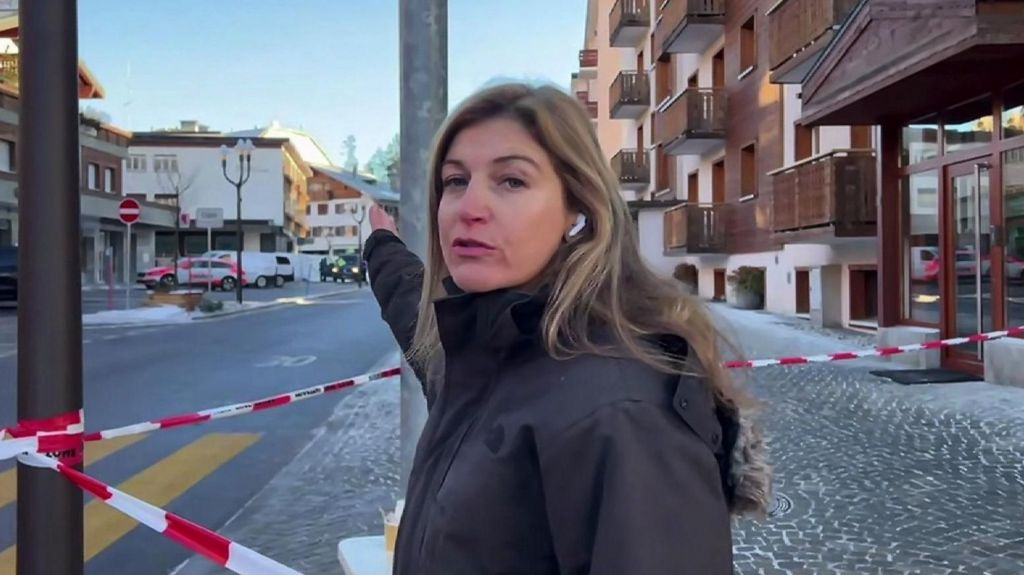
    BBC reports from the scene of Swiss resort bar fire

    A devastating fire erupted at a popular Swiss alpine resort during New Year’s Eve festivities, resulting in what authorities fear to be dozens of fatalities. The blaze tore through a crowded bar area where revelers had gathered to welcome the new year, transforming celebrations into tragedy within moments.

    Emergency responders from multiple jurisdictions rushed to the scene amid chaotic conditions, battling both the flames and challenging winter weather. Witnesses described scenes of panic as smoke rapidly filled the establishment, with some patrons attempting to escape through windows and emergency exits.

    The resort, located in the picturesque Alps region, typically draws international visitors during the holiday season. Local authorities have launched a comprehensive investigation into the fire’s origins while international assistance has been offered to help identify victims and support grieving families.

    This incident represents one of Europe’s most significant fire tragedies in recent years, raising urgent questions about safety protocols in seasonal entertainment venues. The Swiss government has announced plans for a nationwide review of fire safety standards at public gathering places following the catastrophic event.
  • Concerns voiced over situation in Gaza

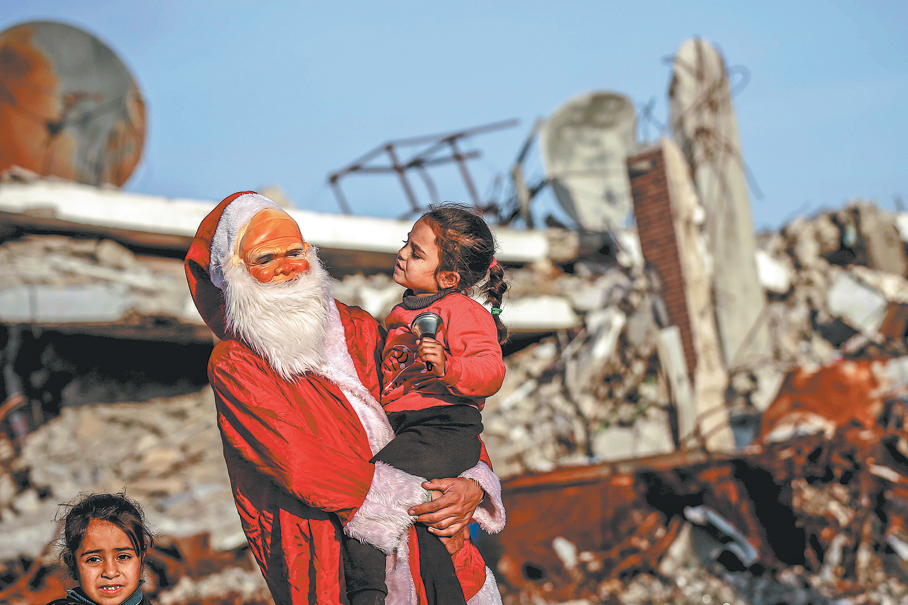
    Concerns voiced over situation in Gaza

    A coalition of ten nations has issued a stark warning regarding the rapidly deteriorating humanitarian conditions in the Gaza Strip. The foreign ministers of Canada, Denmark, Finland, France, Iceland, Japan, Norway, Sweden, Switzerland, and the United Kingdom collectively expressed grave concerns about the catastrophic situation unfolding in the region.

    According to the joint statement released through the British Foreign Office, civilians in Gaza are enduring appalling living conditions exacerbated by harsh winter weather. Heavy rainfall and dropping temperatures have created additional hardships for a population already suffering from severe shortages of food and inadequate access to healthcare facilities.

    The ministerial coalition called upon the Israeli government to ensure sustained and predictable operations for international non-governmental organizations working in Gaza. They emphasized the critical need for the United Nations and its partner agencies to maintain uninterrupted aid delivery throughout the territory. Specific demands included lifting restrictions on dual-use imports and opening additional border crossings to facilitate humanitarian assistance.

    Meanwhile, the Palestinian government has urgently appealed to international organizations and UN agencies to implement immediate protective measures for Gaza residents facing successive winter storms and extreme weather conditions. Officials in Ramallah specifically requested the entry of mobile homes and emergency shelter supplies into the territory.

    In a separate development, medical charity Doctors Without Borders faces potential expulsion from Gaza for non-compliance with new Israeli registration requirements for relief agencies. The organization, which provided medical care to approximately 500,000 people during the two-year Gaza conflict, warns that deregistration would eliminate life-saving medical assistance for hundreds of thousands of Palestinians.

    The Israeli military agency COGAT, which coordinates aid operations, stated that the charity refused to provide employee lists to Israel’s Ministry for Diaspora Affairs and Combating Antisemitism. The ministry claims individuals affiliated with the organization have links to Hamas and Palestinian Islamic Jihad, allegations that Doctors Without Borders vehemently denies as unsubstantiated.

    The Gaza situation reflects broader global concerns expressed by outgoing UN refugee chief Filippo Grandi, who warned that increasing geopolitical fragmentation is fueling conflicts worldwide and exacerbating hostility toward refugees. Grandi noted that the world has become ‘totally unable to make peace,’ creating dangerous repercussions for vulnerable populations fleeing violence.

  • In pictures: New Year welcomed around the world

    In pictures: New Year welcomed around the world

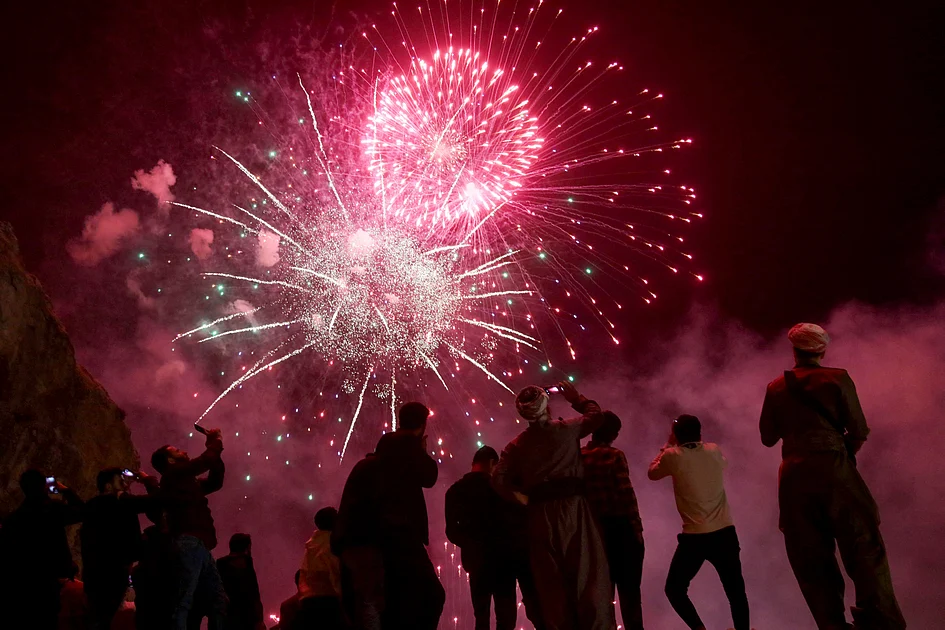
    As the world transitioned into 2026, nations across the globe welcomed the new year with breathtaking pyrotechnic displays and diverse cultural traditions, while some celebrations carried poignant moments of remembrance.

    The Pacific atoll of Kiritimati in Kiribati became the first inhabited place to enter the new year, with one tourist describing a uniquely isolated celebration on a beach devoid of artificial light, surrounded only by natural darkness and countless crabs.

    Major global cities orchestrated spectacular visual festivities. Sydney’s iconic harbour illuminated with its famous fireworks display over the Opera House and Harbour Bridge, though celebrations were tempered by a solemn tribute to the victims of December’s Bondi Beach attack. At 11 PM local time, the harbour fell silent for a minute of reflection, with crowds holding up lights and projections of “Peace, Unity” and a Jewish menorah appearing on the bridge pylons.

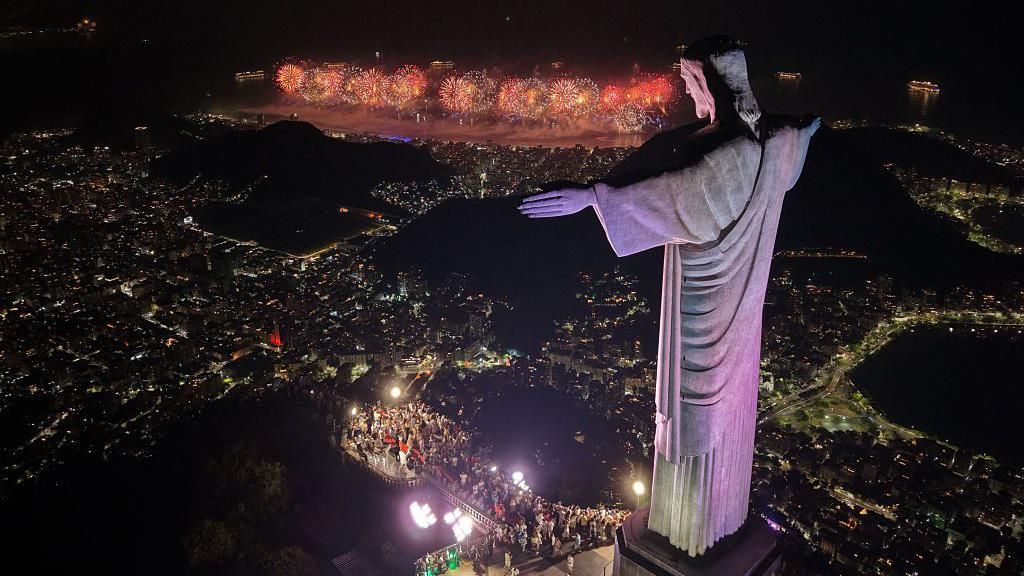
    Rio de Janeiro mounted an especially ambitious pyrotechnic show attempting to surpass its own 2024 Guinness World Record, while New York’s Times Square witnessed its traditional ball drop ceremony presided over by Mayor Eric Adams before an estimated million-strong crowd.

    European capitals showcased their distinctive celebrations: London’s skies dazzled with fireworks above the London Eye and Big Ben, Edinburgh maintained its Hogmanay traditions despite weather warnings, Berlin illuminated the Brandenburg Gate, and Paris presented a light show on the Arc de Triomphe.

    Asian metropolises contributed vibrant displays, with Singapore’s Marina Bay, Manila’s skyscraper-matched pyrotechnics, Bangkok’s riverfront gatherings, Dubai’s Burj Khalifa spectacle, Hong Kong’s live performances, Beijing’s Great Wall illumination, and Seoul’s laser shows over the Lotte World Tower.

    Beyond urban fireworks, unique cultural traditions marked the transition. Southern France witnessed a traditional sea dip at a nudist beach, Copenhagen swimmers braved icy waters for the Nytaarsbad tradition, Dutch residents practiced carbide shooting with milk cans, Japanese women in kimonos performed Shinto rituals, Polish runners participated in a New Year’s race through Krakow’s Old Town, and Balinese performers conducted traditional dances to welcome the new sun.

  • Waiting for New Year: It’s still 2025 in these countries

    Waiting for New Year: It’s still 2025 in these countries

    While the United Arab Emirates spectacularly welcomed 2026 with breathtaking fireworks and drone displays, numerous nations worldwide remained immersed in the final hours of 2025 due to global time zone variations. This temporal disparity creates a fascinating, staggered celebration pattern across the planet.

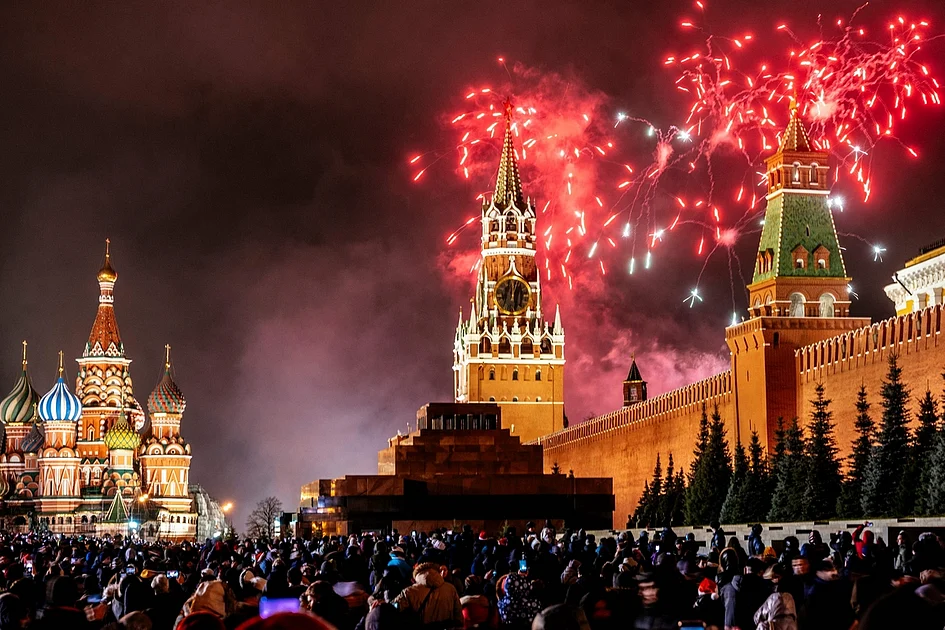
    Qatar, Russia, and Turkey, all operating in the UTC+3 time zone, celebrated precisely one hour after the UAE. Qatar marked the occasion with dazzling events at Lusail Boulevard and The Pearl-Qatar. Russia, for whom New Year is the most significant holiday, commenced an extended festive period from January 1st to 8th, characterized by lavish feasts, the iconic Kremlin chimes at midnight, and traditional activities like ice skating. Turkey celebrated with unique customs, including wearing red for good luck and purchasing lottery tickets, alongside large family dinners and fireworks over Istanbul.

    Egypt, two hours behind the UAE (UTC+2), welcomed the new year with vibrant parties in Cairo and coastal resorts, featuring traditional dishes such as stuffed pigeon. In Europe, France and Germany, both in the UTC+1 zone, celebrated three hours after the UAE. While France scaled back some public events for security reasons, Germany continued its tradition of grand firework displays and sharing lucky charms like marzipan pigs.

    Serbia, also on UTC+1, made the significant decision to cancel some public events in Belgrade due to safety concerns, particularly for children. The United Kingdom, observing UTC+0, celebrated four hours after the UAE with iconic traditions like singing ‘Auld Lang Syne’ and the Scottish custom of ‘first-footing’.

    The Americas witnessed the most delayed celebrations. Canada and the United States, operating across multiple time zones, began their festivities nine hours after the UAE. Cities like Vancouver were among the last to enter 2026. Mexico, ten hours behind, celebrated with symbolic rituals including eating twelve grapes at midnight and wearing colored underwear for luck, highlighting the diverse and rich global tapestry of New Year traditions.

  • What are Russians hoping for in 2026, asks Steve Rosenberg

    What are Russians hoping for in 2026, asks Steve Rosenberg

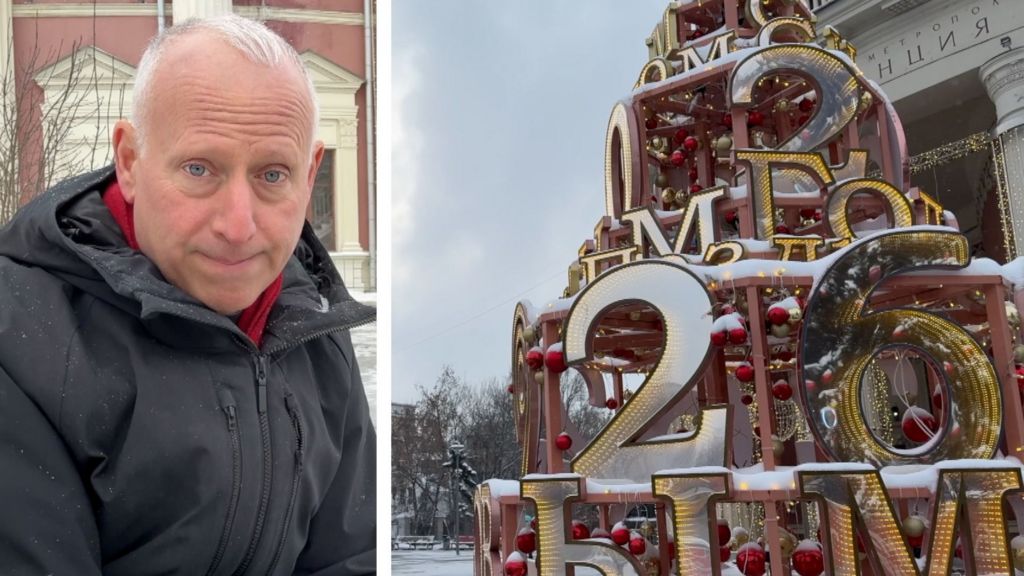
    As the conflict in Ukraine approaches its fourth consecutive year, BBC Russia Editor Steve Rosenberg has conducted a series of ground-level interviews across Russia to gauge public sentiment about the nation’s future. The extensive reporting reveals a complex tapestry of expectations among Russian citizens as they look toward 2026.

    The investigation captures diverse perspectives ranging from economic concerns to geopolitical expectations. Many interviewees express profound anxiety about the prolonged duration of the military engagement and its cascading effects on daily life, international relations, and economic stability. Contrary to monolithic Western perceptions, Rosenberg’s findings illustrate significant variance in how ordinary Russians conceptualize their personal and national future.

    Economic stability emerges as a predominant concern, with citizens highlighting worries about inflation, currency valuation, and access to imported goods. The reporting also identifies nuanced perspectives on international isolation, with some expressing hope for normalized relations while others anticipate continued geopolitical tensions. Personal aspirations intertwine with national destiny in unexpected ways, creating a multifaceted portrait of a society navigating unprecedented circumstances.

    The temporal focus on 2026 provides a strategic midpoint perspective, allowing citizens to project beyond immediate wartime realities toward medium-term outcomes. Rosenberg’s methodology emphasizes authentic street-level conversations rather than official narratives, capturing voices often absent from international coverage. This approach reveals surprising resilience in some quarters alongside deep apprehension in others, presenting a more complete picture of the Russian psyche during this historical moment.

    The reporting concludes without definitive predictions, instead presenting the array of hopes and concerns as Russia continues to adapt to economic transformations and global repositioning. This ground-level account provides valuable insight into how geopolitical events translate into personal expectations for the future.

  • Trump’s return, Gaza truce, tariff war: How 2025 shaped the world

    Trump’s return, Gaza truce, tariff war: How 2025 shaped the world

    As the world ushered in 2026, reflections on the preceding year revealed a period defined by political upheaval, environmental crises, and fragile diplomatic accords. 2025 cemented its status among the warmest years in recorded history, with catastrophic climate events—devastating European wildfires, severe African droughts, and lethal Southeast Asian monsoon rains—leaving an indelible mark across continents.

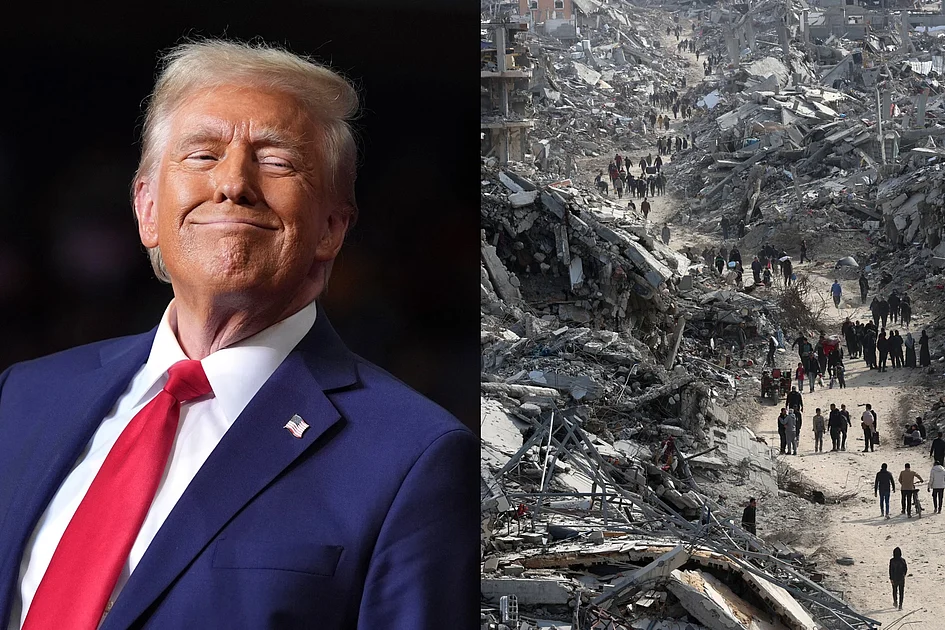
    The year witnessed the dramatic return of Donald Trump to the White House, whose immediate imposition of aggressive tariff policies triggered significant volatility in global financial markets. His administration’s economic nationalism contrasted sharply with growing international anxiety over trade stability.

    October brought a precarious ceasefire to the Gaza conflict, brokered under intense U.S. pressure following two years of destruction that left the territory in ruins. The truce remained tenuous, with both Israel and Hamas exchanging accusations of violations shortly after its implementation. The conflict, originating from Hamas’s October 2023 attack that killed over 1,200 Israelis, resulted in more than 70,000 Palestinian casualties according to UN-verified figures from Gaza health authorities.

    New Year’s celebrations carried somber undertones worldwide. Sydney, traditionally the “New Year’s capital of the world,” observed a minute of silence and illuminated its harbour bridge in white for peace, memorializing 15 victims from Australia’s deadliest mass shooting in three decades at Bondi Beach. Hong Kong canceled its famed fireworks display to honor 161 lives lost in a November housing estate tragedy.

    Meanwhile, the war in Ukraine approaches its fourth year with no ceasefire in sight despite renewed diplomatic efforts. Global leaders including China’s Xi Jinping and Russia’s Vladimir Putin exchanged New Year’s greetings, with Xi emphasizing commitment to strengthened bilateral relations.

    Looking ahead, 2026 promises significant developments in space exploration with NASA’s Artemis II mission, ongoing scrutiny of artificial intelligence’s economic impact, and major international sporting events including the Winter Olympics in Italy’s Dolomites and an expanded FIFA World Cup across North America.

  • Israeli press review: Army hit by spate of suicides and study reveals population drop

    Israeli press review: Army hit by spate of suicides and study reveals population drop

    Israel is experiencing its lowest population growth rate since national establishment in 1948, dropping to just 0.9% according to recent analysis by Jerusalem’s Taub Center for Social Policy Studies. The independent research institute’s report ‘Israel 2025: A Demographic Fork in the Road’ identifies emigration as the primary driver behind this historic demographic shift, marking the first time since the early 1980s that growth has fallen below 1.5%.

    The comprehensive study reveals that approximately 120,000 more Israeli citizens have departed the country than returned over the past two years, creating a negative migration balance that persists even when accounting for new Jewish immigrants. Notably, while most emigrants were originally foreign-born, the report indicates a steady four-year increase in native-born Israelis leaving the country. Research director Alex Weinreb projects this negative migration trend will continue through at least June 2026, signaling a fundamental shift in Israel’s demographic trajectory.

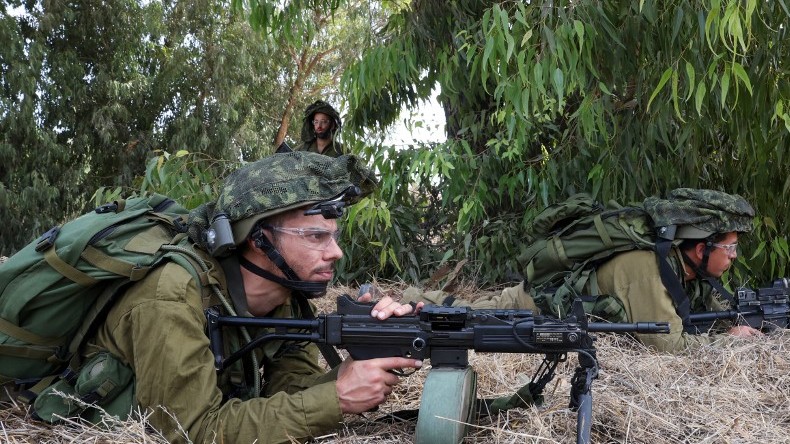
    Concurrently, the Israeli military faces a mental health crisis with suicide rates reaching alarming levels. Official data confirms 21 active-duty soldiers died by suicide in the past year, though Ynet news reports an additional 15 discharged soldiers took their own lives, bringing the actual total to 36. Military sources acknowledge preparing for ‘even more complex years regarding suicide concerns,’ noting that while combat operations have ceased, ‘the psychological burden remains on the shoulders of those who served.’

    In a controversial decision, a military committee ruled that soldiers who die by suicide while off-duty will not receive ‘fallen soldier’ recognition, denying their families financial benefits typically granted to service members’ relatives. Since October 2023, there has been a documented increase in soldier suicides, with 279 recorded attempts between January 2024 and July 2025, including at least 64 since the Gaza conflict began.

    Amid these developments, Israel’s Central Command commander has authorized doubling the size of the Homesh settlement in the occupied West Bank, expanding its jurisdiction to 1,537 dunams. Finance Minister Bezalel Smotrich, who also holds defense ministry responsibilities for West Bank civil administration, encouraged the move that will encircle Palestinian villages and establish jurisdictional areas for seven additional settlements. Smotrich described this as advancing ‘de facto sovereignty’ to prevent Palestinian statehood, while peace organization Peace Now condemned the action as ‘establishing a massive settlement that will constitute an enormous security burden while stealing private Palestinian land.’

  • Israel demolishes homes en masse in West Bank refugee camp

    Israel demolishes homes en masse in West Bank refugee camp

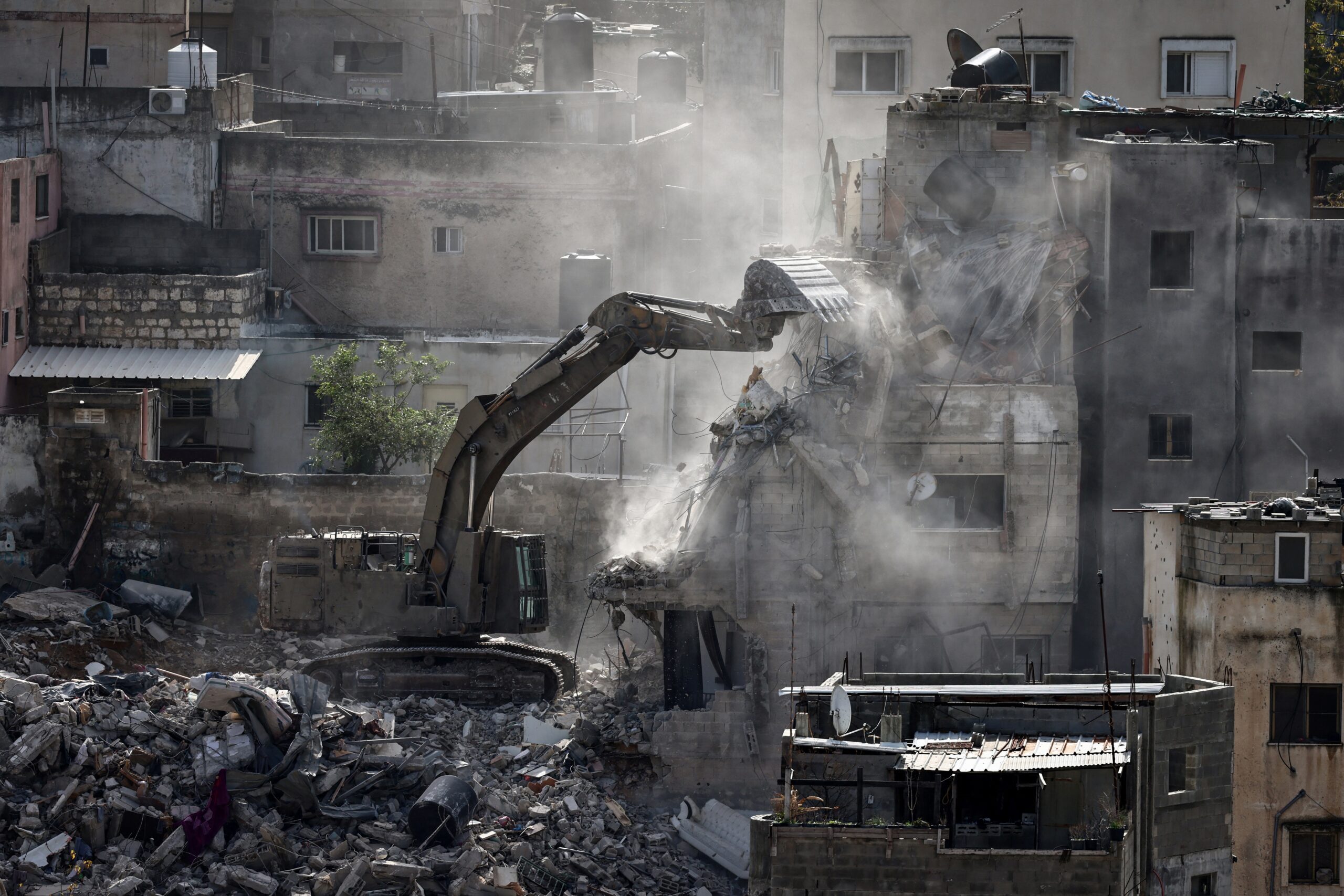
    The Israeli military initiated extensive demolition operations in the occupied West Bank on Wednesday, leveling residential structures in the Nur Shams refugee camp near Tulkarm and rendering approximately 100 Palestinian families homeless. This action represents one of the largest single-day displacement events in recent months.

    According to eyewitness accounts and local officials, at least 25 buildings containing roughly 100 apartments were destroyed, affecting an estimated 400 residents. The demolitions followed a December 24th Israeli Supreme Court decision that rejected appeals from Palestinian residents against military demolition orders. The court reportedly relied on classified intelligence material submitted by the Israeli Public Prosecution, which was not disclosed to the petitioners or their legal representatives.

    Yasser al-Sayes, one of the displaced residents, described watching Israeli bulldozers demolish his family home remotely, nearly one year after Israeli forces initially expelled them during a major military operation in the northern West Bank. His building housed sixteen people, predominantly children, who were forced to evacuate under military pressure at the beginning of the incursion.

    Residents received merely two weeks’ notice before the demolitions and were granted only brief access to retrieve minimal belongings. Many salvaged nothing more than a few clothing items, with possessions now scattered throughout the streets without storage options. The displaced families face severe economic hardship, with most adults unemployed and unable to afford stable housing.

    The Tulkarm Governorate condemned the demolitions as a ‘dangerous escalation’ and symbolic attack on refugee camps that represent living monuments to the Nakba. Local authorities characterized the policy as collective punishment that violates international law and human rights conventions.

    According to Ibrahim al-Nimr of the Nur Shams camp emergency committee, approximately 60% of the camp’s homes—about 400 residential units—have been either fully or partially destroyed since the Israeli military operation began eleven months ago. All 11,300 original residents have been displaced, with many forced to inhabit substandard rental accommodations while facing winter conditions without adequate shelter, employment, or financial resources.

    International and local support systems have proven inadequate, with insufficient assistance from UNRWA, the Palestinian Authority, and the Department of Refugee Affairs. Despite repeated protests demanding cessation of demolitions and permission to return, Israeli officials have indicated the army will maintain its presence indefinitely, with troops having established barracks within abandoned Palestinian homes.

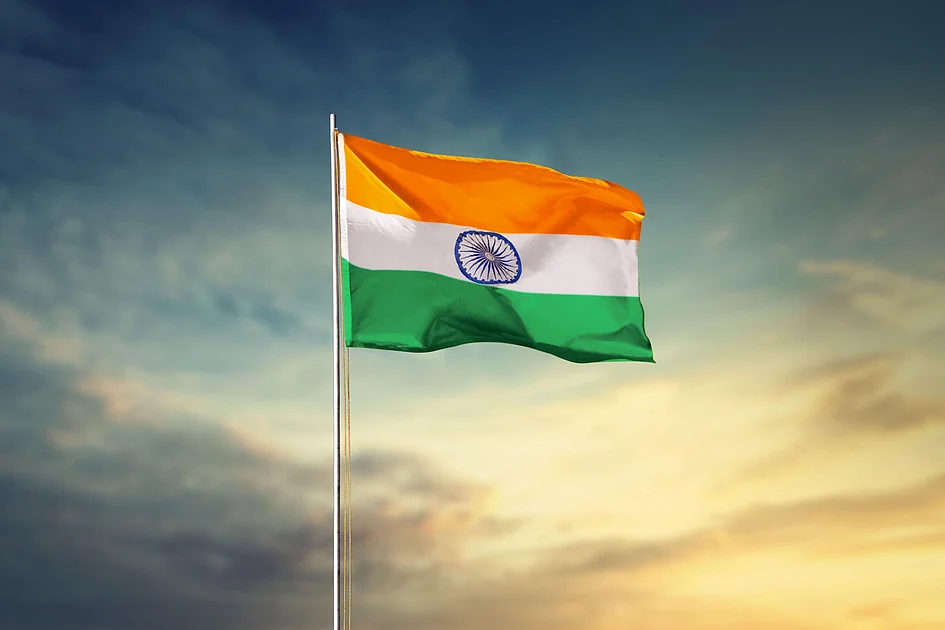
  • Over 100 injured in India as two monorail trains crash at hydropower site

    Over 100 injured in India as two monorail trains crash at hydropower site

    A significant industrial accident occurred at a major hydropower construction site in northern India on Tuesday night, resulting in mass casualties when two monorail trains collided within an underground tunnel. The incident took place at the Pipalkoti hydropower project in Uttarakhand state, operated by Tehri Hydro Development Corp (THDC), a joint venture partially owned by NTPC Ltd.

    According to Gaurav Kumar, the district’s chief administrative officer, the collision was triggered by catastrophic brake failure in one of the monorail vehicles. These transport systems are critical infrastructure at the construction site, primarily used for ferrying personnel and moving construction materials through the extensive tunnel network.

    The collision resulted in 109 workers sustaining injuries, with medical officials reporting that most victims suffered minor trauma while four individuals sustained serious fractures. Emergency response teams were immediately deployed to the remote mountainous region to provide medical assistance and extract injured workers from the confined tunnel environment.

    Despite the severity of the incident, Kumar confirmed that track clearance operations were completed promptly, with project managers anticipating a resumption of construction activities on Wednesday. The quick recovery highlights the project’s strategic importance to India’s energy infrastructure development.

    This accident brings attention to India’s ambitious hydropower expansion program. Currently, hydropower constitutes approximately 51 gigawatts of the nation’s 505-gigawatt total installed capacity. Uttarakhand state, where this incident occurred, hosts more than ten operational hydropower facilities with approximately 2.0 gigawatts of combined capacity, alongside numerous projects under development.

  • Goodbye 2025! First 10 countries to ring in New Year 2026 before UAE

    Goodbye 2025! First 10 countries to ring in New Year 2026 before UAE

    While the United Arab Emirates prepares for its spectacular New Year’s Eve festivities featuring dazzling fireworks and drone displays, numerous nations across the globe will have already commenced their 2026 celebrations due to time zone differences. This chronological progression of New Year arrivals highlights both the diversity of global traditions and the universal human desire for renewal and celebration.

    Leading the planetary countdown, New Zealand’s UTC+13 time zone positions it as the first major nation to welcome the new year at 3:00 PM UAE time. The country celebrates with magnificent pyrotechnic displays above Auckland’s Sky Tower and Harbour Bridge, alongside public concerts and beach gatherings that capitalize on the Southern Hemisphere’s summer season.

    The temporal complexity of Kiribati presents a fascinating case study in time zone peculiarities. This Pacific nation spans three separate time zones across its 33 atolls, with Kiritimati Island (Christmas Island) in the UTC+14 zone technically becoming the first inhabited place on Earth to enter 2026 at 2:00 PM UAE time. The nation’s celebrations emphasize community feasts, traditional dancing, and church services, with modest fireworks and shared meals of local delicacies.

    Australia’s celebrations at 5:00 PM UAE time will carry particular significance following the tragic Bondi Beach mass shooting. While Sydney’s iconic Harbour Bridge fireworks will proceed as scheduled, authorities have implemented enhanced security measures and planned solemn tributes to honor victims, including illuminating the bridge’s pylons with peace doves and mental health awareness symbols.

    East Asian nations Japan and South Korea simultaneously welcome 2026 at 7:00 PM UAE time, though Tokyo’s Shibuya Station has cancelled its famed countdown due to crowd safety concerns. Both countries maintain traditional observances including purifying rituals at shrines and bell-ringing ceremonies alongside modern K-pop performances and fireworks displays.

    China and the Philippines share an 8:00 PM UAE time entry into the new year, with China emphasizing commercial district celebrations while reserving its major cultural observances for the upcoming Lunar New Year. The Philippines blends Spanish, Chinese, and indigenous traditions through vibrant fireworks, symbolic foods, and noise-making ceremonies intended to attract prosperity.

    Thailand’s beach parties and urban celebrations commence at 9:00 PM UAE time, followed by India’s nationwide festivities at 10:30 PM UAE time featuring massive concerts and fireworks across major metropolitan centers. Pakistan concludes the list at 11:00 PM UAE time with combined religious observances and public countdown events.

    This global temporal journey demonstrates how cultural traditions adapt to modern celebrations while maintaining unique characteristics that reflect each nation’s historical and social context.