分类: world

  • Israeli troops steal 250 goats from Syria and smuggle them to occupied West Bank

    Israeli troops steal 250 goats from Syria and smuggle them to occupied West Bank

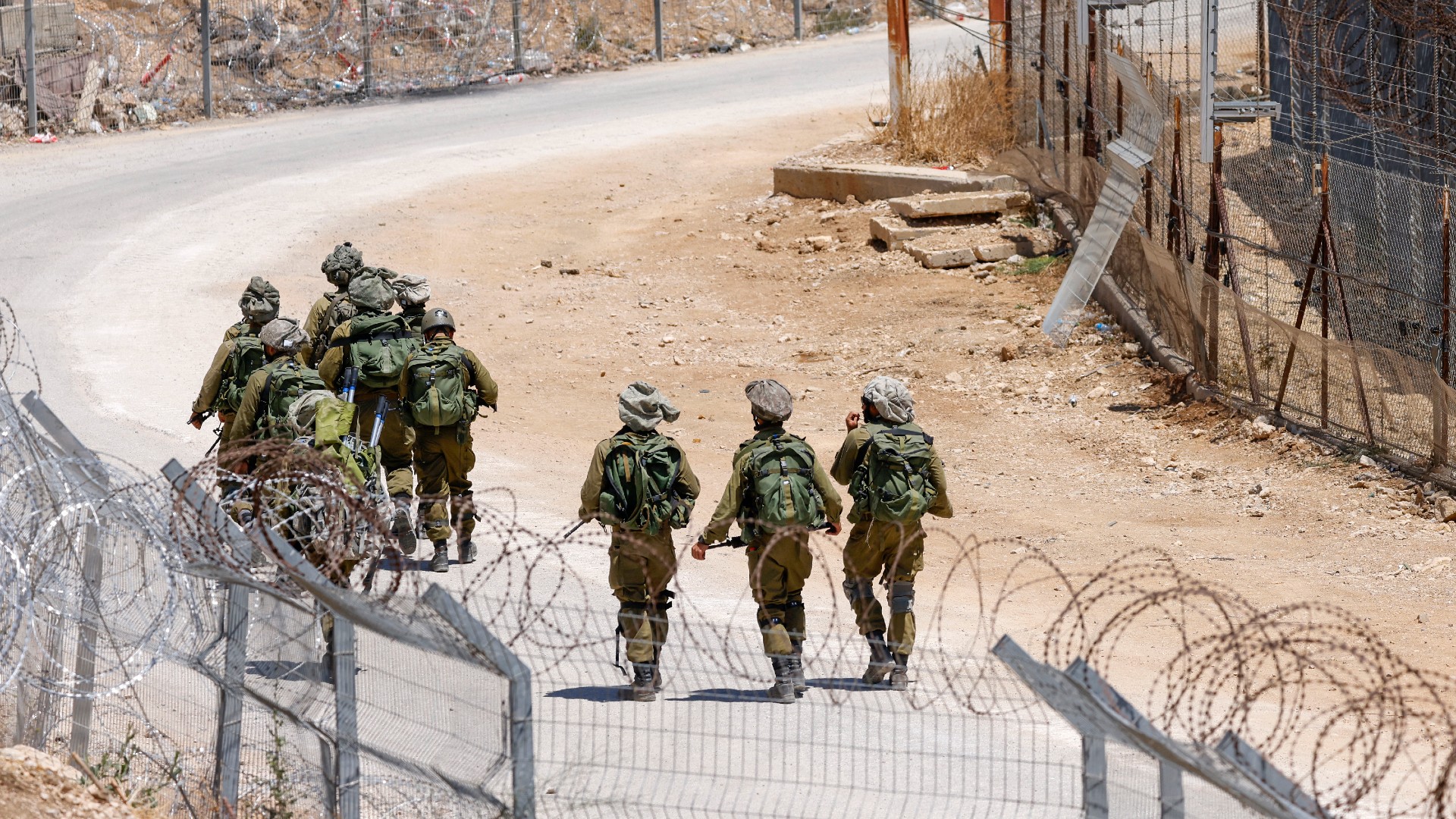
    In a bizarre military incident, Israeli troops operating in Syria were implicated in the theft and smuggling of approximately 250 goats belonging to Syrian farmers, according to reports from Israel’s Channel 12. The network, citing police authorities, revealed that the operation occurred two weeks ago when a battalion from the Golan Brigade identified the herd during operations in Syrian territory.

    The soldiers reportedly utilized pre-arranged trucks to transport the stolen livestock across the border into Israeli territory before ultimately distributing them to various farms within illegal outposts in the occupied West Bank. The unusual military operation came to light when residents of the occupied Golan Heights discovered dozens of unidentified goats wandering through local streets the following morning.

    Following an internal investigation prompted by these discoveries, the Israeli military implemented disciplinary measures including the dismissal of the team commander, formal reprimand of the company commander, and temporary suspension of the entire involved team. Current reports indicate approximately 200 of the stolen goats remain unaccounted for, roaming without identification or vaccination in Israel and the West Bank, while the remainder are believed to be scattered within Syrian territory.

    This incident occurs against the backdrop of Israel’s ongoing occupation of Syria’s Golan Heights since 1967, a status repeatedly condemned under international law. The situation further escalated in December 2024 when Israel expanded its territorial control following the collapse of Bashar al-Assad’s government, seizing the entire UN-patrolled buffer zone that previously separated Israeli and Syrian forces.

    According to Syrian authorities, Israel has conducted over 1,000 airstrikes and more than 400 ground incursions into Syrian territory since these developments, significantly heightening regional tensions.

  • Qatar fashion show postponed to ‘prioritise safety of designers, talents’, organisers say

    Qatar fashion show postponed to ‘prioritise safety of designers, talents’, organisers say

    Organizers of the Doha Fashion Show announced on Friday the postponement of their biannual luxury event, rescheduling it from January to March 2026 due to escalating regional tensions. The decision follows Qatar’s implementation of precautionary security measures at the US-operated Al Udeid Air Base earlier in the week.

    The fashion showcase, originally scheduled for January 19-21, was delayed following careful consideration of regional security developments. Event coordinators emphasized that the rescheduling was implemented “out of an abundance of caution” to ensure the safety of all participants, including international designers, models, media representatives, and guests.

    The postponement comes amid heightened security alerts in the region, with Qatar’s International Media Office confirming earlier precautionary measures at Al Udeid that included the temporary departure of some personnel. While security levels were reportedly normalized within 24 hours according to sources briefed on the situation, organizers determined that postponement remained the most prudent course of action.

    The Doha Fashion Show represents a significant component of Qatar’s strategic initiative to establish itself as a regional center for luxury fashion and creative industries. The event typically features runway presentations, designer showcases, and professional networking opportunities with particular emphasis on emerging talent from the Middle East and beyond.

    This cultural initiative forms part of Qatar’s broader economic diversification strategy, which includes substantial investments in tourism, sports, and arts sectors alongside fashion. Organizers have committed to maintaining the event’s quality standards and ensuring a secure environment for all participants when the rescheduled event takes place in March.

  • Libya to try a gang member linked to a mass grave of 21 migrants for human trafficking

    Libya to try a gang member linked to a mass grave of 21 migrants for human trafficking

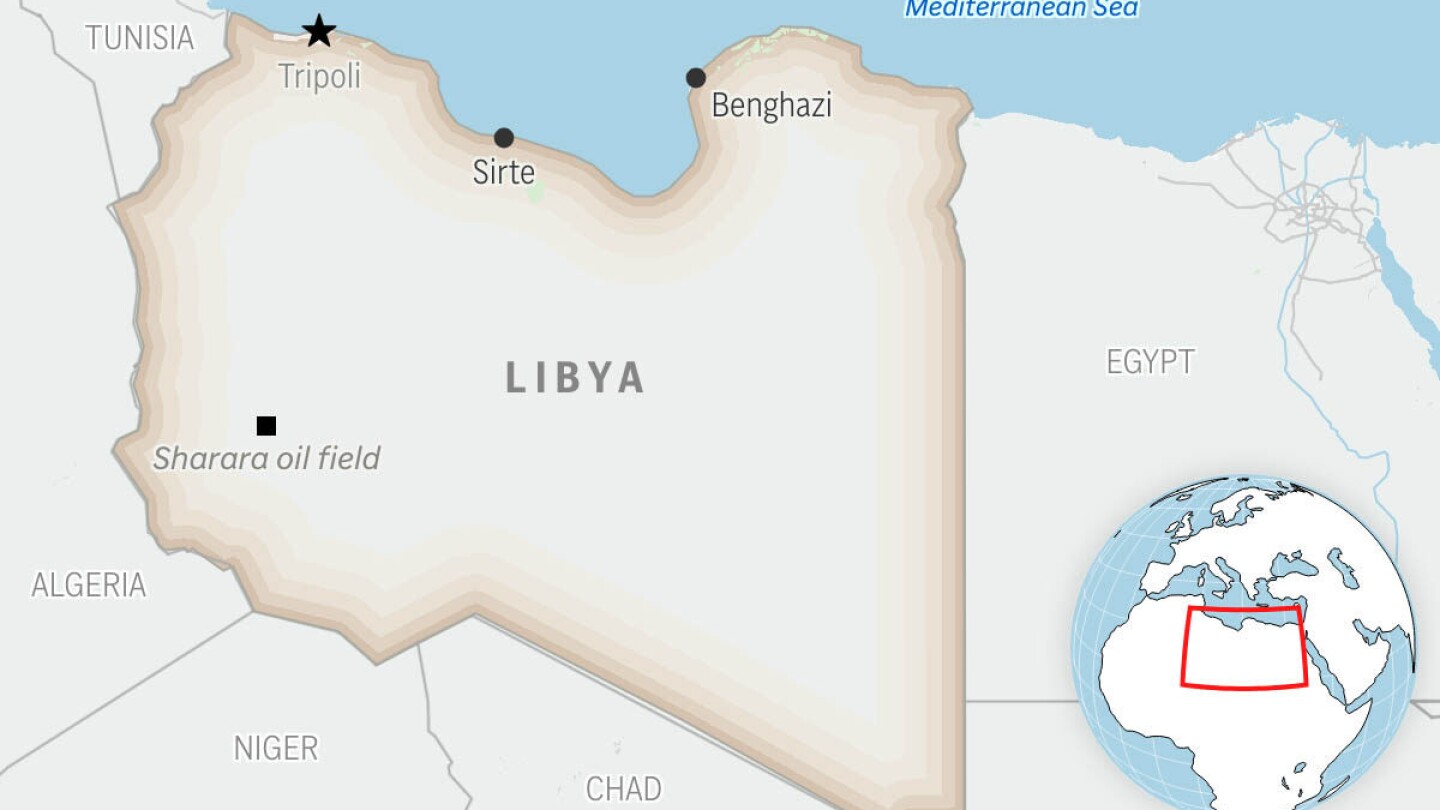
    Libyan authorities have initiated judicial proceedings against a criminal network member implicated in human trafficking operations, following the grim discovery of a mass grave containing 21 migrants. The Attorney General’s office announced the referral to court on Friday via an official Facebook statement, revealing evidence of organized illegal migration activities centered in al-Kufra (southeastern Libya) and Ajdabiya (eastern Libya).

    The investigation uncovered that the criminal organization had detained 195 migrants under torturous conditions to extort ransom payments from families. While one suspect remains in custody, manhunts continue for additional gang members. The statement deliberately withheld identifying information about the criminal network.

    Libya’s strategic position as a primary migration corridor has intensified since the 2011 civil war that ousted dictator Moammar Gadhafi, creating power vacuums exploited by trafficking syndicates. The country remains fractured between rival eastern and western administrations—Prime Minister Ossama Hammad governing the east and Prime Minister Abdul-Hamid Dbeibah leading the western Tripoli-based government—both supported by armed factions and international allies.

    Forensic analysis continues to determine the circumstances and timeline of the 21 deaths. Officially released images depict victims wrapped in black plastic bags with partial soil coverage, though independent verification remains pending.

    This case emerges amid escalating migrant tragedies in the Central Mediterranean. Recent data from the International Organization for Migration’s Missing Migrants Project indicates over 1,000 deaths since January 2025, including 500+ disappearances off Libya’s coast. A separate capsizing incident alone claimed至少 42 lives, highlighting the extreme perils faced by those attempting sea crossings to Europe.

  • Pakistanis in UAE, other nations barred from used car imports under ‘personal baggage’ scheme

    Pakistanis in UAE, other nations barred from used car imports under ‘personal baggage’ scheme

    Pakistan has implemented significant restrictions on vehicle imports by its overseas citizens residing in the UAE, Gulf nations, and other countries. The Ministry of Economy has amended its Import Policy Order 2022 through Statutory Regulatory Order (SRO) 61 (I)/2006, effectively eliminating the “personal baggage” scheme for car imports.

    The new regulations now permit vehicle imports exclusively under two categories: “transfer of residence” and “gift schemes.” Vehicles imported through these channels face a mandatory one-year ownership transfer restriction from their import date. Additionally, vehicles brought into Pakistan under the transfer of residence scheme must originate from the same country where the overseas Pakistani resides.

    The policy changes affect approximately 9 million Pakistani diaspora members worldwide, including 5.5 million throughout GCC nations and 1.7 million specifically in the UAE. The ministry has concurrently extended the import timeframe from 700 to 850 days from the date of the last Goods Declaration filing.

    All imported vehicles must now meet minimum safety standards, environmental requirements, and regulatory measures equivalent to those governing commercially imported used vehicles. These standards will be enforced by the Ministry of Industries and Production and the Engineering Development Board.

    The decision follows the Federal Cabinet’s approval of the Economic Coordination Committee’s December 9, 2025 resolution, which authorized the import of used vehicles up to three years old under the revised schemes. This policy shift occurs alongside a 46% increase in domestic car sales during the first half of 2025, with over 13,200 units sold.

  • ‘Utensils for olive oil’: Inside the West Bank’s deepening economic collapse

    ‘Utensils for olive oil’: Inside the West Bank’s deepening economic collapse

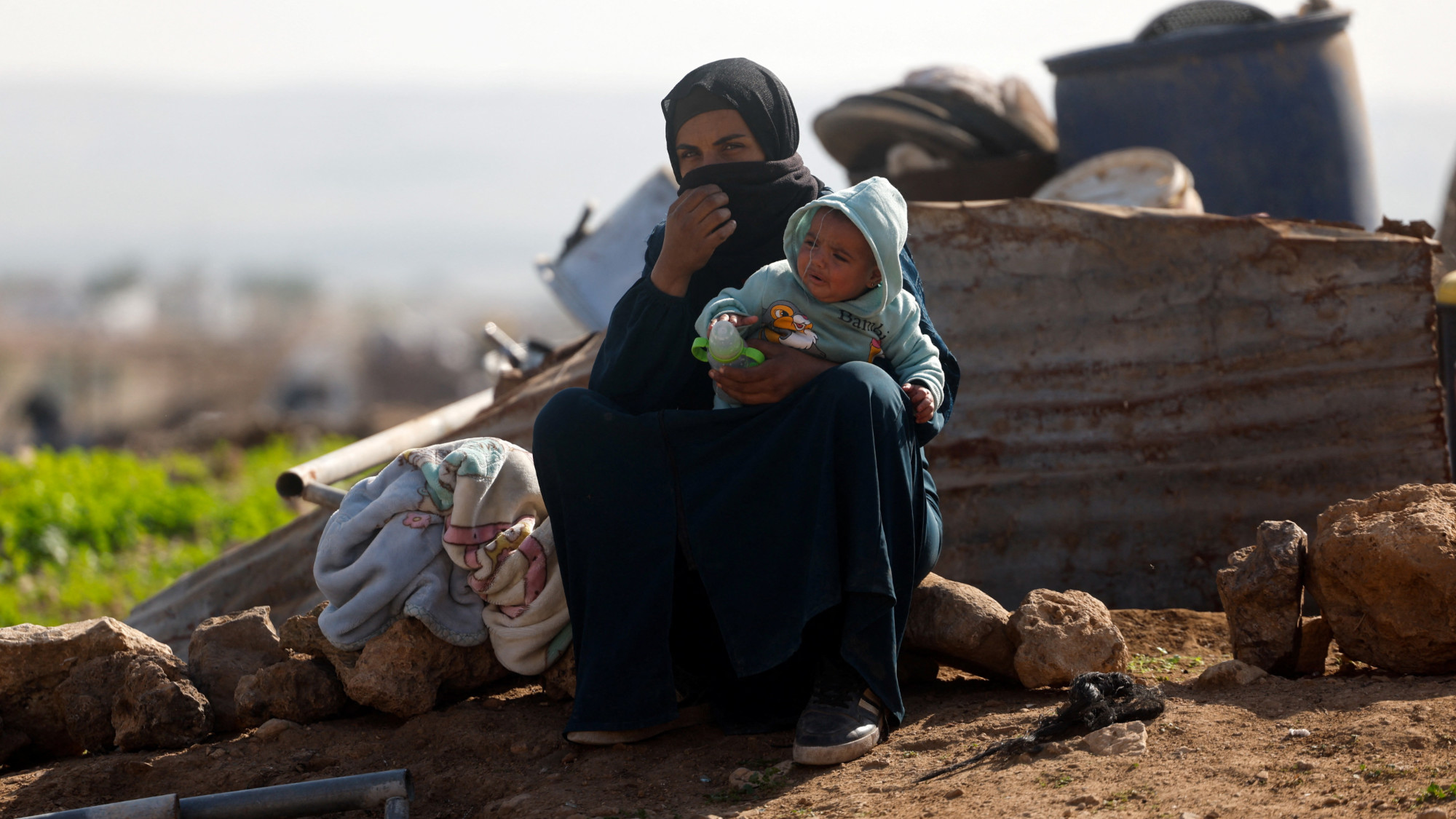
    In the occupied West Bank, a disturbing new economic reality has emerged as Palestinian families resort to trading household possessions for basic sustenance. What began as community Facebook groups for exchanging surplus items has transformed into a digital marketplace of desperation, where mothers now offer furniture, children’s clothing, and kitchenware in exchange for olive oil and za’atar—staples that have become symbols of deepening poverty.

    The economic collapse, accelerating since October 2023, represents what economist Dr. Haitham Oweida describes as “voluntary economic displacement” affecting all societal layers. With unemployment reaching 28% and GDP contracting by 13%, the territory faces a hunger crisis defined by consistent inability to secure nutritious food rather than total deprivation.

    Three primary economic pillars have crumbled simultaneously: the loss of 200,000 Palestinian workers from Israeli employment (eliminating $460 million monthly income), the collapse of domestic tourism from Palestinian citizens of Israel (another $460 million monthly loss), and the instability of clearance revenues from Israel to the Palestinian Authority ($260-310 million monthly). International aid has simultaneously declined to approximately $740 million annually.

    The consequences are starkly visible in both macroeconomic indicators and human tragedy. Palestinian workers now risk their lives daily attempting to cross separation barriers, with 38 confirmed deaths and over 1,500 injuries reported since October 2023—though actual numbers are believed higher due to underreporting.

    One such casualty was Jihad Qazmar, 58, who told his brother before his fatal attempt: “I have no choice left but to beg for my family’s food outside mosques.” Similarly, Salim Rajab al-Far perished after being detained and beaten by Israeli soldiers during a crossing attempt, leaving behind a wife and seven children who had exhausted all savings and sold jewelry before his final journey.

    As military checkpoints increased to 898 alongside 300 military gates according to UN OCHA, internal movement and trade remain largely paralyzed. The Palestinian Authority struggles to pay full public-sector salaries while approximately 50% of private-sector institutions report significant operational impacts. With no effective government intervention in sight, families continue trading their last possessions simply to survive another day.

  • US completes first Venezuelan oil sales valued at $500 million, US official says

    US completes first Venezuelan oil sales valued at $500 million, US official says

    The United States has successfully concluded its inaugural petroleum transaction with Venezuela, marking a significant milestone in the recently established $2 billion energy agreement between the two nations. According to a senior U.S. administration official who spoke with Reuters on Wednesday, this initial sale represents approximately $500 million in value, with subsequent transactions anticipated throughout the coming weeks.

    The revenue generated from these oil sales is being securely held within U.S. government-controlled banking institutions, as mandated by an official order issued on Friday. Financial industry sources reveal that the primary escrow account has been established in Qatar, strategically selected as a neutral financial jurisdiction that facilitates secure fund transfers with American oversight while minimizing risks of asset seizure.

    This development follows the broader bilateral arrangement reached earlier this month between the administrations in Caracas and Washington, representing a notable shift in energy diplomacy between the historically opposed nations. The selection of Qatar as the financial intermediary highlights the complex international dimensions of this economic relationship, with the Gulf nation providing a mutually acceptable banking solution that satisfies both parties’ security requirements.

    The completion of this transaction was initially reported by Semafor, with subsequent confirmation from U.S. officials indicating that the framework for additional petroleum sales under the $2 billion agreement is now operational.

  • Myanmar begins defence in landmark genocide case at UN court

    Myanmar begins defence in landmark genocide case at UN court

    In a landmark legal confrontation at the International Court of Justice (ICJ), Myanmar has vigorously refuted accusations of genocide against the Rohingya minority, asserting that The Gambia’s case lacks substantiating evidence. Government representative Ko Ko Hlaing defended Myanmar’s military operations in Rakhine State as necessary counter-insurgency measures against terrorist threats, rejecting characterization as ethnic cleansing.

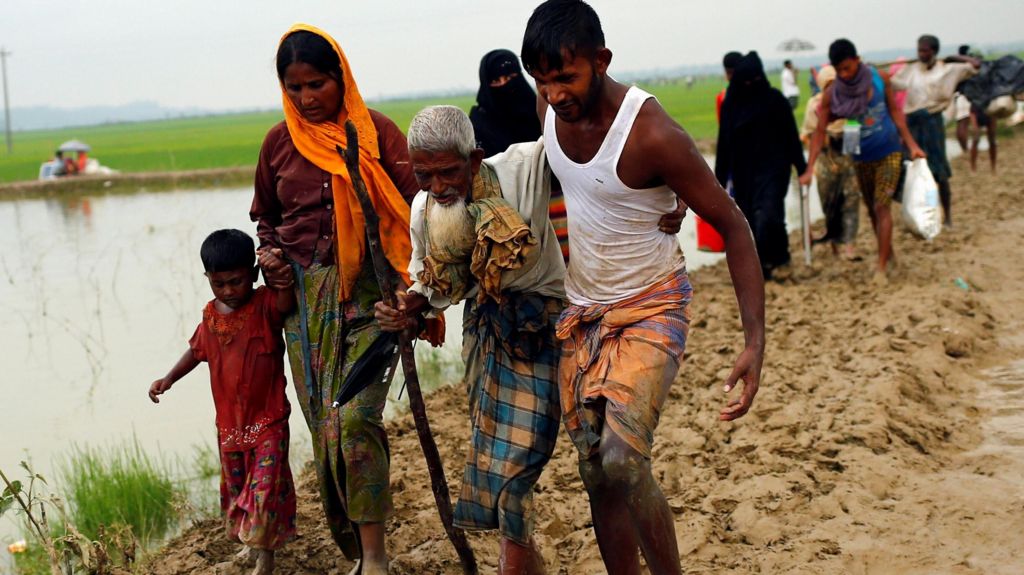
    The legal proceedings, initiated by The Gambia in 2019 with backing from the 57-nation Organisation of Islamic Cooperation, center on alleged violations of the 1948 UN Genocide Convention. Gambian Foreign Minister Dawda Jallow previously argued that Myanmar implemented ‘genocidal policies’ intended to erase the Muslim minority, citing systematic persecution, village destruction, and mass casualties during the 2017 military crackdown that forced over 700,000 refugees into Bangladesh.

    Myanmar’s defense acknowledged the humanitarian consequences but maintained that operational necessities justified the clearance campaigns. Hlaing emphasized Myanmar’s commitment to repatriating Rohingya from overcrowded Bangladeshi camps while blaming external factors like COVID-19 for delayed progress. He warned that a genocide ruling would inflict permanent damage to Myanmar’s international standing.

    The case represents the first major genocide hearing at the ICJ in over a decade and is anticipated to establish precedent for ongoing cases, including South Africa’s proceedings against Israel regarding Gaza. Closed sessions featuring testimony from Rohingya survivors will precede a final ruling expected in late 2026. The outcome will refine legal interpretations of genocidal intent under international law.

  • UAE condemns attack in Chad after several members of armed forces killed

    UAE condemns attack in Chad after several members of armed forces killed

    The United Arab Emirates has issued a formal condemnation of a deadly terrorist assault targeting Chadian military personnel in the nation’s southern region. The attack, executed by an unidentified armed faction, resulted in numerous casualties among security forces members.

    In an official communiqué released by the Ministry of Foreign Affairs, the Emirates government articulated its vehement disapproval of these violent acts, characterizing them as criminal offenses that fundamentally contradict international peace and security norms. The statement further reaffirmed the UAE’s categorical rejection of all manifestations of extremism and terrorism, emphasizing their destabilizing impact on regional security architectures.

    The diplomatic correspondence extended profound sympathies and official condolences to both the bereaved families of deceased service members and the broader Chadian population. Additionally, the UAE government conveyed earnest wishes for the prompt and complete recovery of those injured during the hostilities.

    This development occurs amidst increasing security challenges in the Sahel region, where multiple nations continue grappling with insurgent activities by non-state armed groups. The UAE’s pronouncement underscores its consistent foreign policy stance against transnational terrorism and its humanitarian commitment to conflict-affected nations.

  • Tears and anger in Europe as exiled Iranians protest government crackdown

    Tears and anger in Europe as exiled Iranians protest government crackdown

    Across European capitals, exiled Iranians are mobilizing in sustained protests against Tehran’s theocratic regime, channeling collective fury over its violent suppression of domestic demonstrations. The movement has taken particular root in Berlin, home to one of Europe’s largest Iranian expatriate communities, where daily rallies amplify demands for regime change.

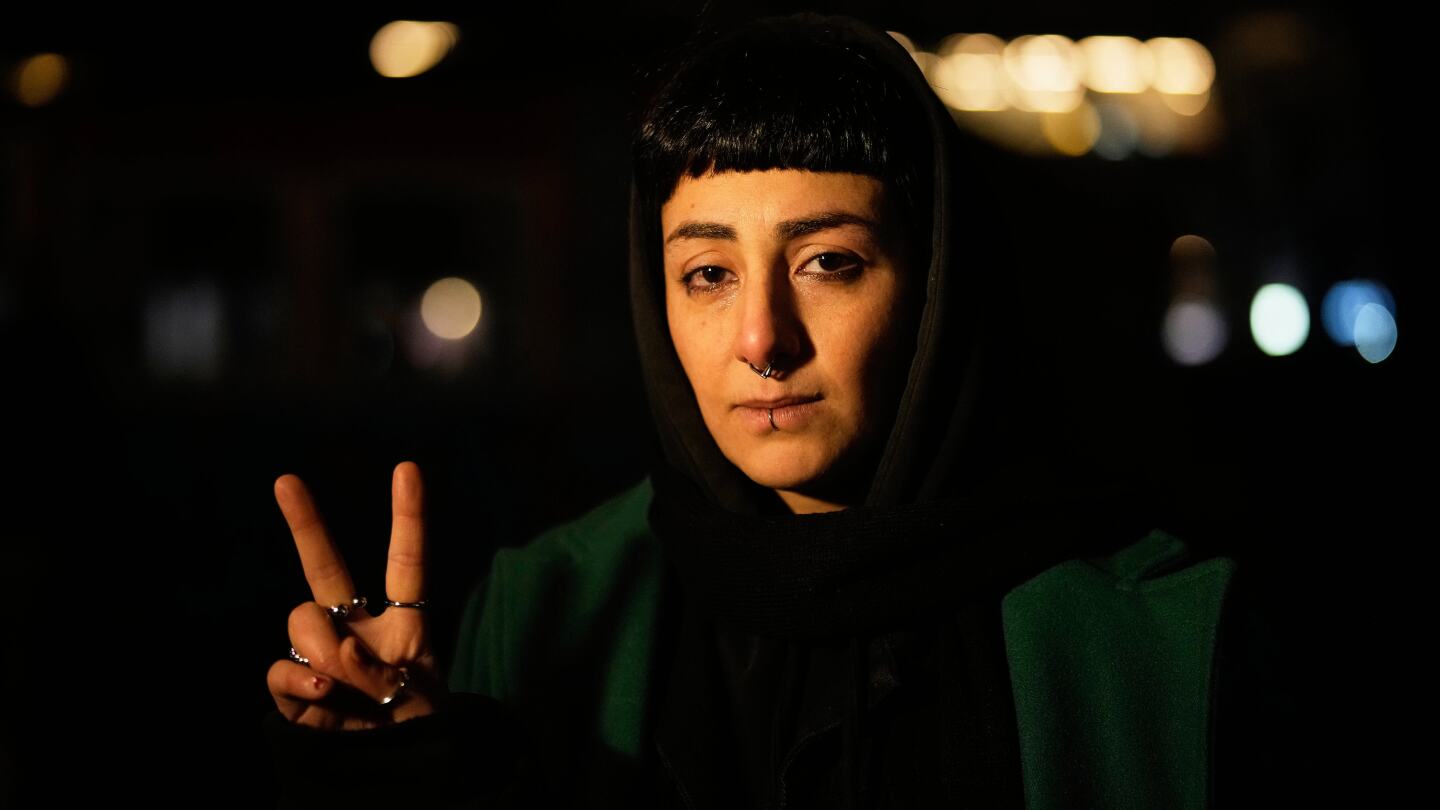
    At the forefront are women like Anahita Safarnejad, 34, who seven years ago fled Iran for academic pursuits but now divides her time between bartending and activism. From atop a moving truck during a recent Berlin march, she galvanized hundreds with chants of ‘No more dictatorship in Iran, the mullahs must go!’—a sentiment reverberating through Iranian diasporas from London to Paris.

    The protests erupt against a grim backdrop: Iran’s regime has imposed near-total internet blackouts and communication restrictions, severing exiles from relatives amid reports of thousands killed in crackdowns. This information vacuum fuels agonizing uncertainty, with participants like Safarnejad scouring social media for glimpses of missing family members among casualty footage.

    Beyond street demonstrations, cultural hubs like Berlin’s Hedayat Cafe have evolved into informal sanctuaries for processing trauma. Proprietor Mehregan Maroufi, daughter of late Iranian author Abbas Maroufi, observes that many patrons are too overwhelmed for conversation yet find solace in shared presence. Her establishment serves as both refuge and incubator for political visions of post-theocratic Iran.

    Those visions remain fractious. While protesters universally demand an end to clerical rule, proposed alternatives range from constitutional monarchy under Reza Pahlavi (son of the deposed shah) to decentralized parliamentary models. This ideological diversity reflects deeper debates about avoiding personality cults and ensuring inclusive representation in any future government.

    Despite diverging on endpoints, protesters unite in immediate demands: restoring communication channels, ending state violence, and establishing democratic governance. Their sustained mobilization—fueled equally by hope and horror—signals a pivotal moment in four decades of opposition from abroad.

  • Germany returns stolen fragments of Bayeux Tapestry to France

    Germany returns stolen fragments of Bayeux Tapestry to France

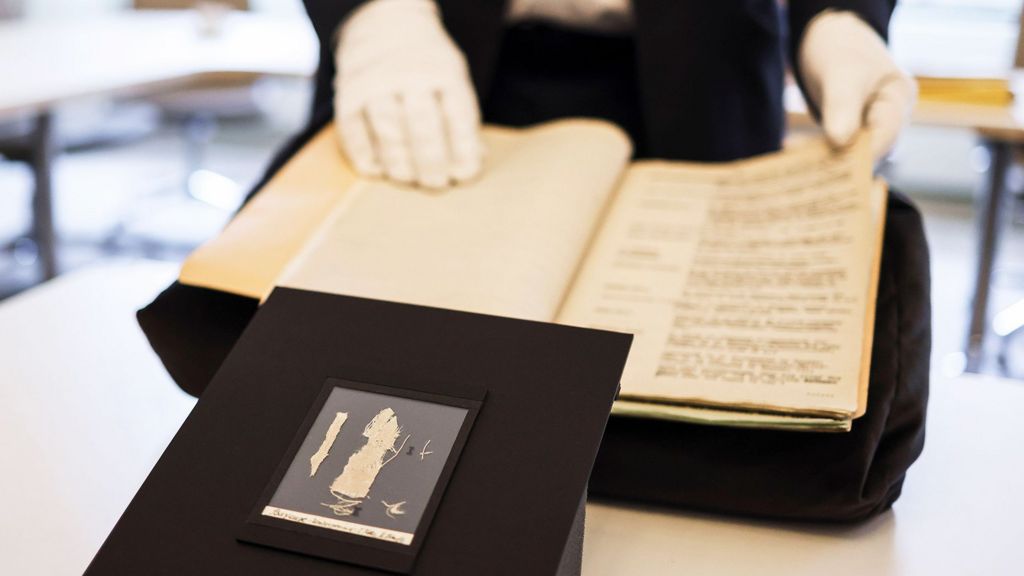
    In a significant act of historical restitution, Germany has formally repatriated two small fragments of the renowned Bayeux Tapestry to France. The pieces of unembroidered linen fabric, each measuring just a few centimeters, were stolen during the Nazi occupation of France in 1941.

    The fragments were discovered unexpectedly in 2023 by historians conducting an inventory at the state archives in Schleswig-Holstein, northern Germany. They were found among the collection of the late German textile specialist Karl Schlabow, preserved on a glass plate with identifying documentation. Schlabow, who died in 1984, had been sent to Bayeux as part of a Nazi SS research team studying Germany’s so-called ‘ancestral heritage’—a project steeped in racist and antisemitic ideology.

    Rainer Hering, head of the Schleswig-Holstein archive, presented the fragments to the mayor of Bayeux on Thursday, stating it was ‘obvious’ that these culturally significant artifacts, taken by the Nazis 85 years earlier, must be returned to France. The fragments are believed to have been removed from the underside of the tapestry.

    The Bayeux Tapestry itself is a massive 70-meter (230-foot) embroidery that vividly depicts the Norman conquest of England in 1066, including William the Conqueror’s seizure of the English throne from Harold Godwinson at the Battle of Hastings. The work features 58 scenes spanning two decades of history, with 626 characters and 202 horses.

    This restitution comes as the complete tapestry prepares for a controversial loan to the British Museum in London scheduled for September. The move has faced substantial opposition, with over 77,000 people signing a petition citing the artwork’s fragility. Prominent UK artist David Hockney has called the transportation plan ‘madness,’ asserting that ‘some things are too precious to take a risk with.’

    In response, the British Museum has vowed to implement stringent protective measures, backed by an unprecedented £800 million insurance policy from the UK government. Recognized for its immense historical value to both British and French heritage, the Bayeux Tapestry was inscribed on UNESCO’s ‘Memory of the World’ register in 2007.