分类: world

  • More than 100 dead in torrential rain and floods across southern Africa

    More than 100 dead in torrential rain and floods across southern Africa

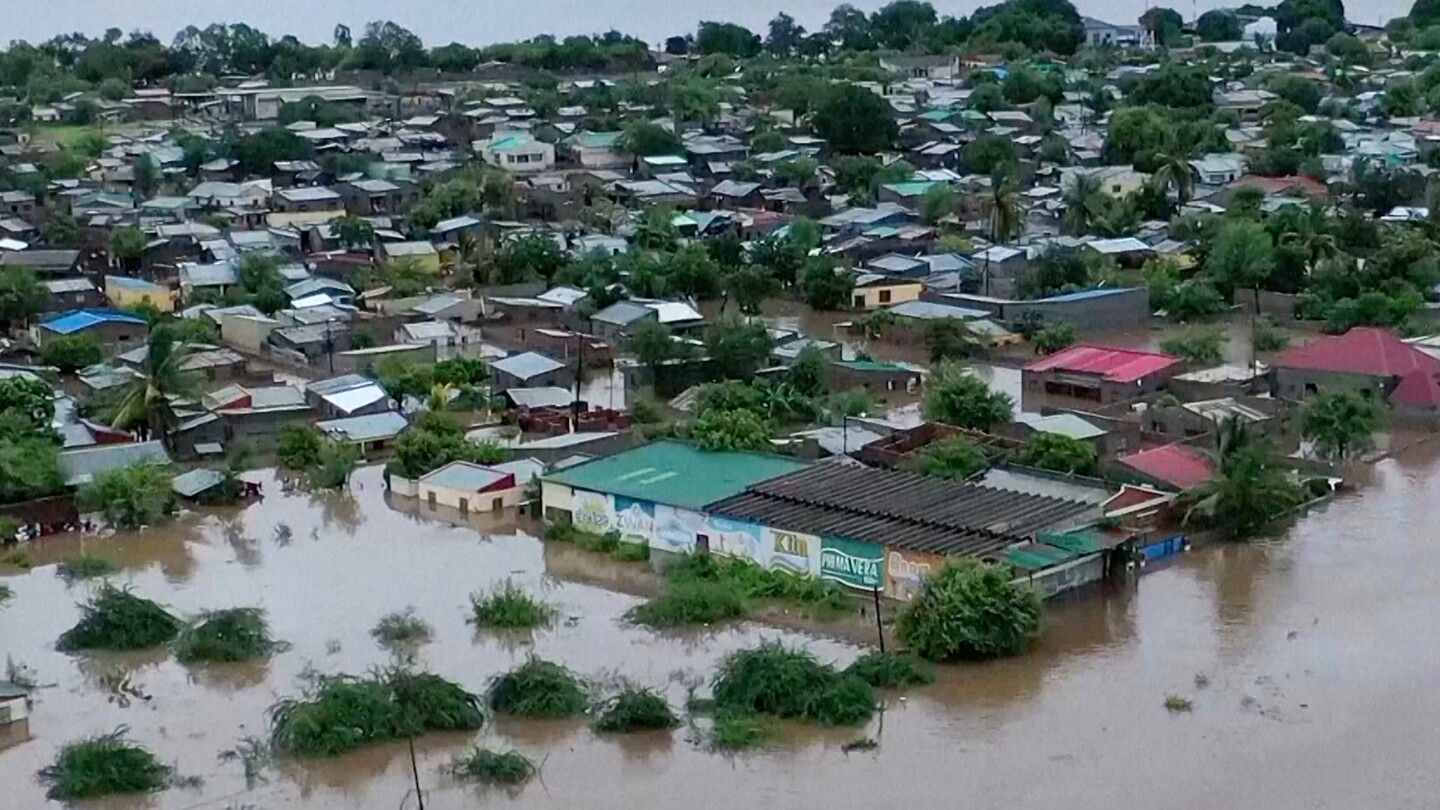
    Southern Africa is confronting a severe humanitarian crisis as relentless torrential rains have triggered catastrophic flooding across multiple nations, resulting in a confirmed death toll exceeding 100 individuals. The disaster has inflicted widespread devastation in South Africa, Mozambique, and Zimbabwe, with authorities issuing urgent warnings of impending severe weather conditions.

    In South Africa, the calamity has claimed at least 19 lives, primarily in the northern Limpopo and Mpumalanga provinces. President Cyril Ramaphosa, during a visit to the stricken Limpopo region, described scenes of utter destruction, noting one district where 36 houses were completely erased from the landscape. The South African Weather Service has escalated alerts to a red-level 10 warning, anticipating further life-threatening downpours and potential infrastructure collapse.

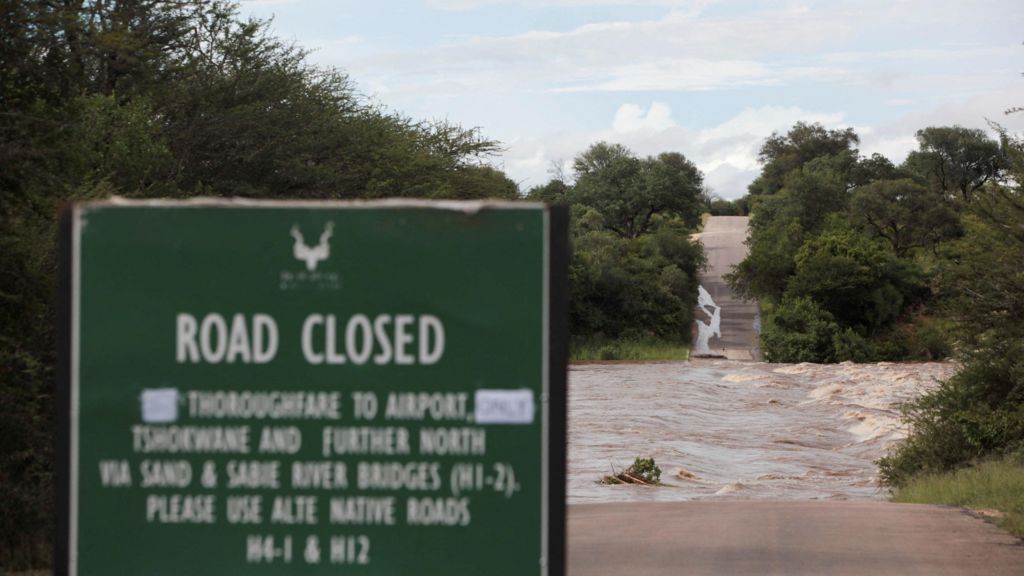
    The renowned Kruger National Park, spanning approximately 22,000 square kilometers, has been severely compromised. Park authorities have executed helicopter evacuations, rescuing approximately 600 tourists and staff members from flooded camps to higher ground. While the park reported no casualties, extensive damage to roads, bridges, and facilities has forced its complete closure to visitors.

    Neighboring Mozambique faces the most severe impact, with its Disaster Management Institute reporting 103 fatalities from various rain-related incidents including electrocution, drowning, structural collapses, and a cholera outbreak. The World Food Program estimates over 200,000 people have been affected in central and southern regions, with tens of thousands of homes damaged and widespread evacuations underway.

    Zimbabwe’s disaster agency confirmed 70 deaths and the destruction of more than 1,000 homes, alongside critical damage to educational institutions and transportation networks. The crisis has extended to Madagascar, Malawi, and Zambia, where additional fatalities have been reported.

    Meteorologists attribute the extreme weather pattern to the La Niña phenomenon, which historically delivers intensified rainfall to southeastern Africa. The U.S. Famine Early Warning System has noted flooding occurrences or expectations across at least seven nations in the region.

    The compounding disasters have exacerbated existing vulnerabilities. The World Food Program highlighted that over 70,000 hectares of crops in Mozambique have been waterlogged, severely impacting rice and corn production and deepening food insecurity for thousands of subsistence farmers. This event continues a troubling pattern of extreme weather in southern Africa, including recent cyclones and droughts that have strained the region’s resilience and food security.

  • Ukraine’s battered power grid faces unprecedented challenge, energy minister says

    Ukraine’s battered power grid faces unprecedented challenge, energy minister says

    KYIV, Ukraine — Ukraine’s energy infrastructure has sustained devastating damage from systematic Russian attacks, with not a single power plant remaining unscathed since the full-scale invasion began, Energy Minister Denys Shmyhal revealed Friday. The intensification of aerial bombardments during extreme winter conditions has plunged hundreds of thousands into darkness and cold amid temperatures dropping to -18°C (-0.4°F).

    Addressing Parliament, Shmyhal characterized the situation as historically unprecedented, detailing that Russian forces executed 612 targeted strikes against energy facilities throughout the past year. This strategic targeting of critical infrastructure represents what Ukrainian officials describe as Moscow’s deliberate ‘weaponization of winter’ to break national resistance.

    President Volodymyr Zelenskyy concurrently highlighted the critical challenges in securing air defense missiles, disclosing that some systems had been completely depleted until a fresh shipment arrived Friday morning. The acquisition process remains fraught with diplomatic complexities due to allied nations’ stockpile limitations and legal restrictions.

    ‘Amid warfare, what significance do these regulations hold when we desperately require these missiles?’ Zelenskyy questioned during a Kyiv news conference with Czech President Petr Pavel.

    The humanitarian impact has reached crisis proportions. Jaime Wah of the International Federation of Red Cross and Red Crescent Societies described this as ‘the hardest winter since the conflict’s escalation,’ with millions enduring extreme cold without heating or electricity atop years of violence and economic hardship.

    Emergency measures now include relaxed curfews to facilitate access to public heating centers, while businesses face requests to extinguish decorative lighting to conserve scarce power. ‘Prioritize providing energy to the people—this constitutes today’s utmost importance,’ Shmyhal urged.

    Diplomatic movements coincide with the crisis, as a Ukrainian delegation travels to Washington to finalize security guarantees and economic recovery documents. Potential signing could occur at the upcoming World Economic Forum in Davos, where U.S. President Donald Trump is scheduled to appear.

    International support continues with Britain announcing an additional £20 million ($27 million) for energy infrastructure repairs during Deputy Prime Minister David Lammy’s Kyiv visit marking the UK-Ukraine ‘100-year partnership’ anniversary.

    Despite Russia’s military superiority, the conflict remains stalemated along the 1,000-kilometer front line, with Moscow controlling under 20% of Ukrainian territory since 2014.

  • Myanmar tells ICJ Rohingya genocide claims ‘unsubstantiated’

    Myanmar tells ICJ Rohingya genocide claims ‘unsubstantiated’

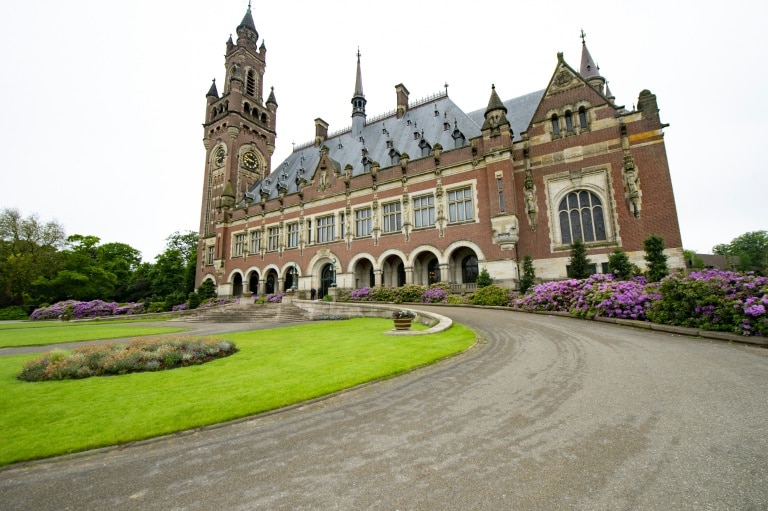
    Myanmar has formally rejected accusations of genocide against its Rohingya minority at the International Court of Justice (ICJ), labeling the claims as “unsubstantiated” and defending its 2017 military operations as necessary counter-terrorism measures. The case, initiated by The Gambia under the 1948 UN Genocide Convention, represents a critical legal challenge to Myanmar’s actions in Rakhine State.

    Ko Ko Hlaing, a minister in Myanmar’s presidential office, addressed the UN’s highest court in The Hague, arguing that the case must be decided on “proven facts” rather than emotional allegations. He asserted that Myanmar’s armed forces, the Tatmadaw, conducted “clearance operations” in response to coordinated attacks by Rohingya insurgents that killed security personnel, justifying the military response as legitimate national defense.

    The proceedings come after The Gambia’s legal team presented extensive evidence alleging systematic atrocities, including mass rape, indiscriminate killings, and torture, claiming these actions demonstrated “genocidal intent” against the Rohingya population. Approximately 1.17 million Rohingya refugees now reside in overcrowded camps in Bangladesh’s Cox’s Bazar district after fleeing the violence.

    While Myanmar expressed commitment to repatriating refugees from Bangladesh, the ICJ’s final ruling may take years. Although the court lacks enforcement mechanisms, a finding against Myanmar would carry significant political consequences and potentially establish legal precedents affecting other international cases, including those against Israel in Gaza.

    Parallel investigations into alleged Rohingya persecution are underway at the International Criminal Court and in Argentina under universal jurisdiction principles. The ICJ hearings conclude on January 29, after which judges will review victim testimony in closed sessions before deliberating on this landmark international law case.

  • Famed safari park shuts as deadly floods strike South Africa

    Famed safari park shuts as deadly floods strike South Africa

    South Africa’s northern regions are grappling with catastrophic flooding that has claimed at least 19 lives and triggered large-scale emergency operations. The disaster has particularly devastated Limpopo and Mpumalanga provinces, where relentless torrential rains have caused severe flooding, prompting President Cyril Ramaphosa to personally visit affected communities.

    The humanitarian tragedy includes the death of a five-year-old boy in Giyani, Limpopo, whose family received presidential condolences during Ramaphosa’s damage assessment tour. The South African Weather Service has escalated warnings to red level 10—the highest alert—predicting additional rainfall and urging extreme caution in flood-prone areas.

    Emergency protocols have been activated nationwide, with military units and helicopter teams deployed to execute rescue missions in the most severely impacted zones. Authorities have issued critical safety guidelines advising residents to remain indoors, avoid flooded roads, relocate valuables and livestock to elevated areas, and disconnect electrical sources.

    One of South Africa’s premier tourist destinations, Kruger National Park, has suspended all visitor activities and initiated aerial evacuations of guests and staff members. Climate scientists attribute the increasing frequency and intensity of southeastern Africa’s flooding to climate change, which has amplified storm systems in the Indian Ocean region.

    The government continues to coordinate disaster response efforts while meteorological services monitor ongoing weather patterns that threaten to exacerbate the already dire situation across multiple provinces.

  • Gaza truce plan ‘enters 2nd phase’

    Gaza truce plan ‘enters 2nd phase’

    The fragile Gaza ceasefire agreement has transitioned into its second implementation phase, marking a critical juncture in the conflict resolution process despite persistent violations and unresolved humanitarian challenges. This development follows US Presidential Special Envoy Steve Witkoff’s announcement that the truce is progressing from initial ceasefire measures toward demilitarization, technocratic governance, and reconstruction efforts under President Donald Trump’s 20-point peace framework.

    Regional mediators Egypt, Turkey, and Qatar have welcomed the establishment of a Palestinian technocratic committee, led by former deputy planning minister Ali Abdel Hamid Shaath, to administer Gaza’s governance. The tripartite mediation body characterized this development as instrumental in stabilizing the region and improving dire humanitarian conditions that have plagued the coastal territory.

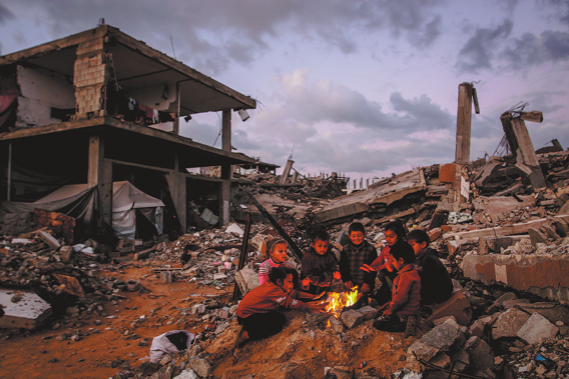
    However, stark contrasts emerge between diplomatic declarations and ground realities. UN agencies report escalating military activities, while displaced Palestinians continue enduring severe winter conditions in makeshift shelters amid widespread destruction. The unresolved status of Ran Gvili, the last remaining Israeli hostage whose body remains unrecovered, represents a significant point of contention, with Israeli Prime Minister Benjamin Netanyahu demanding full compliance from Hamas regarding hostage returns.

    Analyst Nagapushpa Devendra from Germany’s University of Erfurt warns of the agreement’s fragility, noting that the transition from rule-based mediation to power-based coercion fundamentally undermines the ceasefire’s credibility. This shift primarily serves Israeli strategic interests while leaving Palestinians subject to conditional and potentially reversible arrangements, despite the Palestinian Presidency’s emphasis on unifying West Bank and Gaza governance structures.

  • Investigation after Air India jet engine sucks in cargo container at Delhi airport

    Investigation after Air India jet engine sucks in cargo container at Delhi airport

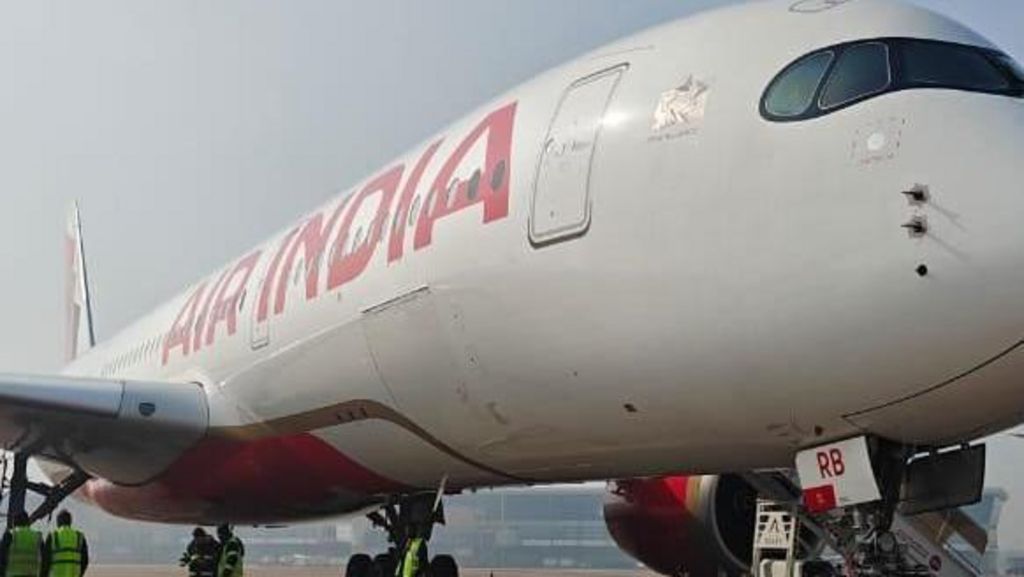
    India’s aviation authority has initiated a comprehensive investigation following a serious ground incident at Delhi International Airport involving an Air India Airbus A350 aircraft. The wide-body jet ingested a cargo container into its right engine while taxiing with passengers aboard, causing significant engine damage and grounding the aircraft.

    The incident occurred early Thursday morning at approximately 05:25 local time amid challenging visibility conditions caused by dense fog. The aircraft, flight AI105 bound for New York, had previously returned to Delhi shortly after takeoff due to the temporary closure of Iranian airspace, necessitating rerouting of numerous flights.

    According to India’s Ministry of Civil Aviation, the cargo container had accidentally dislodged from a ground vehicle and fallen onto the taxiway intersection. An Air India spokesperson elaborated that the container fell after a wheel detached from a cart being towed by a baggage handling vehicle. The vehicle operator reportedly noticed the approaching aircraft and departed the area, inadvertently leaving the fallen container behind.

    The Directorate General of Civil Aviation (DGCA) confirmed that approximately 240 passengers and between six to eight crew members were onboard during the incident. While no injuries were reported, photographic evidence shared by DGCA on social media platform X revealed substantial damage to the engine casing and fan blades, along with metallic debris scattered across the taxiway.

    This event has intensified scrutiny regarding ground safety protocols at India’s increasingly congested airports. The incident follows a June 2023 DGCA audit that identified 51 safety violations across major Indian airports and airlines, including concerns about faded runway markings, inadequate maintenance procedures, crew fatigue, and unauthorized cockpit access.

    Air India has acknowledged potential disruptions on select A350 routes as the damaged aircraft undergoes repairs. The airline currently operates six Airbus A350 aircraft primarily on long-haul routes to destinations including London and New York, though specific affected routes remain unspecified.

    Aviation experts emphasize that such incidents, while rare, highlight the critical importance of rigorous ground handling procedures and enhanced safety protocols during adverse weather conditions, particularly at rapidly expanding aviation hubs like Delhi.

  • Fraudsters flee Cambodia’s ‘scam city’ after accused boss taken down

    Fraudsters flee Cambodia’s ‘scam city’ after accused boss taken down

    A dramatic exodus unfolded in Cambodia’s coastal city of Sihanoukville this week as hundreds of suspected cyberfraud operators evacuated compounds following the high-profile arrest and extradition of alleged scam kingpin Chen Zhi to China. Witnesses described chaotic scenes with individuals hauling computers, luggage, and personal belongings while boarding various vehicles including tuk-tuks, luxury SUVs, and coaches.

    The mass departure from notorious hubs like Amber Casino occurred amid Cambodia’s announced crackdown on multibillion-dollar cybercrime operations that have transformed Sihanoukville into a global scam epicenter. These criminal enterprises typically lure victims worldwide through fake romantic relationships and fraudulent cryptocurrency investments, generating estimated global losses up to $37 billion annually according to UN data.

    While Cambodian authorities claim to have raided 118 scam locations and arrested approximately 5,000 people over six months, analysts suggest many operations received advanced warning. Former anti-trafficking NGO head Mark Taylor described ‘preemptive shifting of scam center resources’ as potentially indicating collusion between operators and officials—a strategy that simultaneously boosts government anti-crime credentials while allowing criminal networks to survive and adapt.

    The situation reveals complex transnational dimensions with China increasingly pursuing scam figures across Southeast Asia. Many workers at these facilities remain vulnerable—some willing participants but others trafficked foreign nationals coerced into operation under threat of violence. As one Bangladeshi evacuee noted while blending into the departing crowd: ‘This is about survival now.’

  • Venezuelans in Spain are caught between hope and fear after Maduro’s capture

    Venezuelans in Spain are caught between hope and fear after Maduro’s capture

    MADRID — The dramatic capture of Venezuelan leader Nicolás Maduro by U.S. forces has triggered powerful emotional responses among the 600,000 Venezuelan expatriates residing in Spain—the largest diaspora community outside the Americas. Many originally fled political persecution, violence, and economic collapse under Maduro’s regime, establishing new lives in Madrid’s healthcare, hospitality, and service industries.

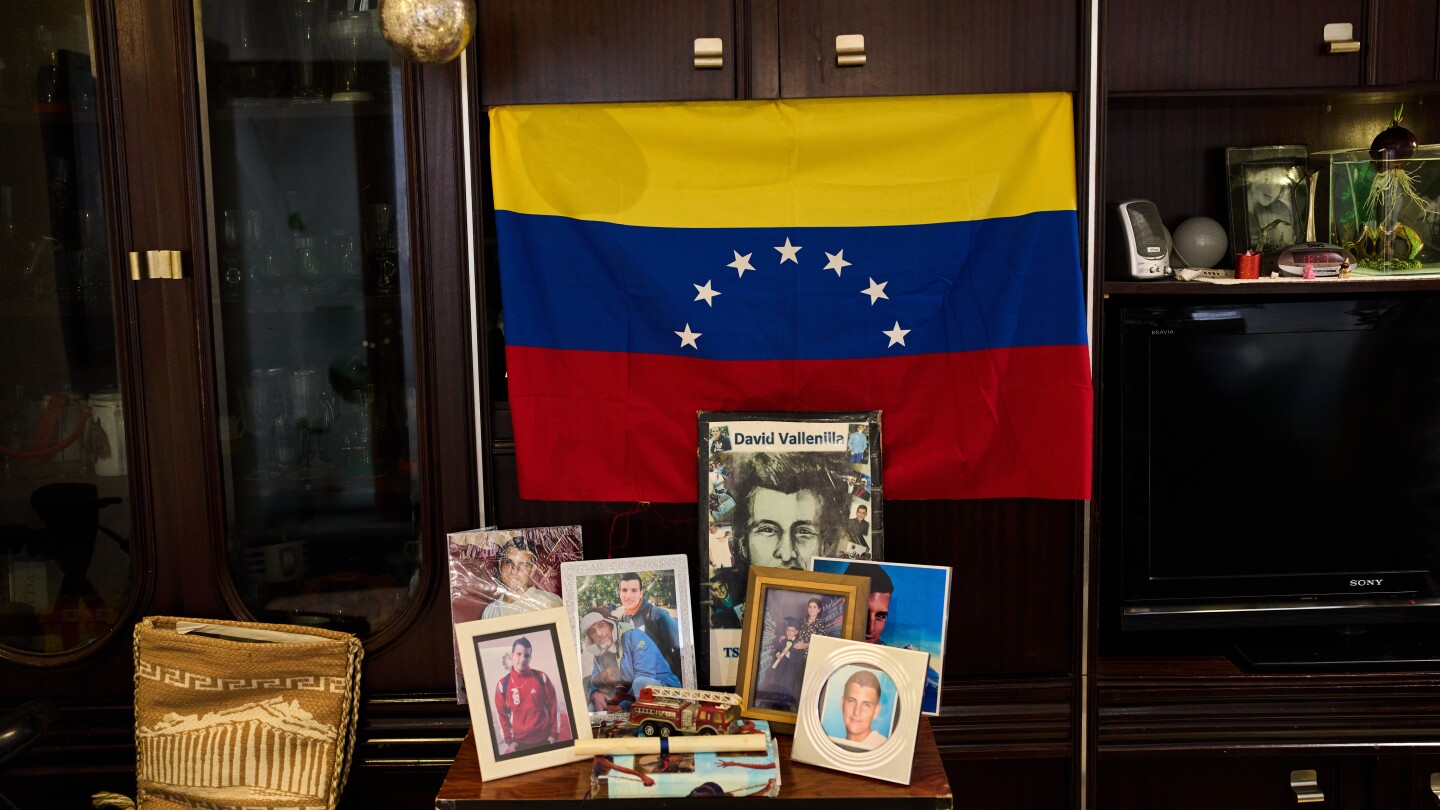
    David Vallenilla, a 65-year-old Caracas native living in Madrid, received the news through frantic messages from relatives. His personal tragedy epitomizes the regime’s brutality: In 2017, his 22-year-old nursing student son was fatally shot point-blank by a Venezuelan soldier during protests. The widely circulated video of the incident became symbolic of state violence. After demanding justice, Vallenilla faced threats and relocated to Spain with NGO assistance. While acknowledging that nothing can restore his son, he views recent developments as potential light after years of darkness.

    Journalist Carleth Morales, who arrived in Madrid twenty-five years ago anticipating temporary studies, never envisioned Venezuela’s prolonged deterioration. She founded the Venezuelan Journalists Association in Spain, connecting hundreds of exiled professionals. Though skeptical about returning personally after decades abroad, she dreams of her daughters someday considering Venezuela a land of opportunity rather than trauma.

    Verónica Noya embodies the anguish of families with imprisoned relatives. Her husband, army Captain Antonio Sequea, remains in solitary confinement since 2020 for participating in a military operation against Maduro. With four relatives still detained, she awaits news of their promised release while struggling to explain her husband’s absence to their children. Despite obtaining Spanish citizenship through family roots, she maintains her Venezuelan identity and hopes for a democratic homeland.

  • Explosion causes large fire in Dutch town of Utrecht, at least four injured

    Explosion causes large fire in Dutch town of Utrecht, at least four injured

    A significant explosion triggered a massive blaze in the historic center of Utrecht, one of the Netherlands’ principal urban centers, on Thursday afternoon, resulting in at least four confirmed injuries. Emergency services rushed to the scene following the detonation, which ignited a ferocious fire that continued to rage for hours. Local municipal authorities confirmed to national broadcaster NOS that an emergency field hospital was rapidly established near the incident site to treat casualties and assist emergency responders. As of 4:30 PM GMT, the fire remained uncontained, with intense flames and structural instability preventing firefighters from entering the affected building to conduct search and rescue operations. The precise number of potential individuals still inside the structure remains unknown due to the ongoing dangers. Municipal officials have stated that the definitive cause of the explosion is currently under investigation, with no immediate determination available. The incident has drawn a substantial emergency response, with multiple fire crews, paramedics, and police units deployed to secure the area and provide assistance.

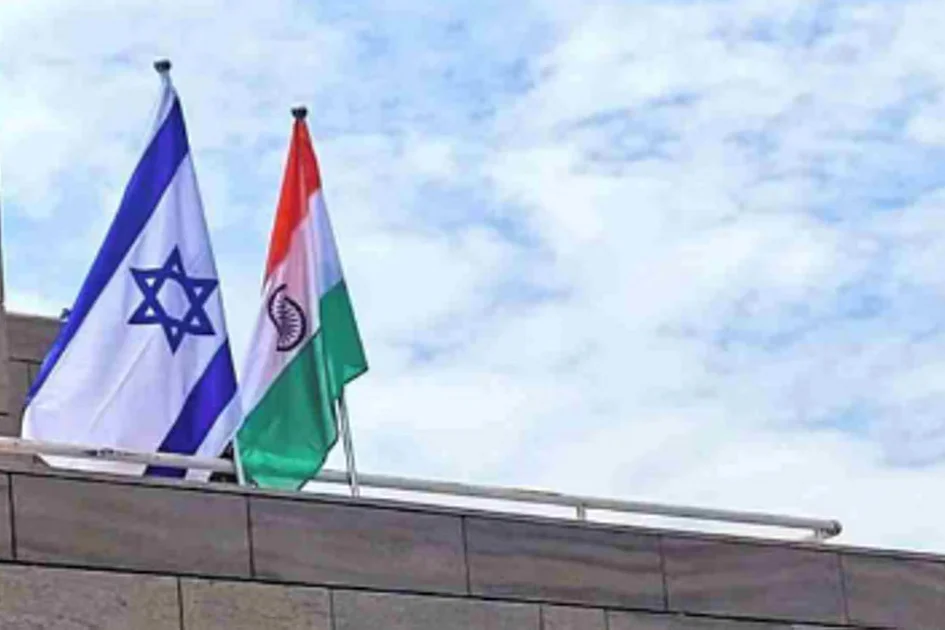
  • Indian embassy issues safety advisory for its nationals in Israel amid regional tensions

    Indian embassy issues safety advisory for its nationals in Israel amid regional tensions

    The United States has implemented a new sanctions regime targeting senior Iranian officials believed to be responsible for the violent suppression of nationwide protests. This decisive action represents a significant escalation in diplomatic pressure against Tehran’s human rights record.

    Concurrently, the Israeli Defense Forces conducted precision military strikes against multiple Hezbollah positions across southern Lebanon. The operations targeted what military officials described as terrorist infrastructure and launch sites that pose an immediate threat to Israeli security.

    These parallel developments reflect the continuing volatility in Middle Eastern geopolitics, where internal civil unrest and cross-border tensions frequently intersect. The U.S. Treasury Department specifically identified several high-ranking figures within Iran’s security apparatus for their roles in quelling dissent through excessive force. Asset freezes and travel bans have been imposed on these individuals, effectively cutting them off from the global financial system.

    Meanwhile, the Israeli military operations represent the most substantial engagement along the Lebanon-Israel border in recent months. Military analysts suggest these strikes constitute a proactive response to heightened threat levels from the Iran-backed militant group, which continues to maintain substantial arsenals along Israel’s northern frontier.

    The geopolitical implications of these simultaneous actions highlight the complex interplay between domestic governance issues and regional security dynamics. Both developments underscore the ongoing proxy conflicts and ideological divisions that continue to shape the Middle East’s strategic landscape.