分类: world

  • Louvre heist probe still aims to ‘recover jewellery’, top prosecutor says

    Louvre heist probe still aims to ‘recover jewellery’, top prosecutor says

    French judicial authorities have reaffirmed their unwavering commitment to recovering the imperial jewels stolen in an audacious October heist from the Louvre Museum, despite investigative hurdles. Paris’s chief prosecutor Laure Beccuau confirmed to AFP that while all four primary suspects in the €94 million ($102 million) robbery have been apprehended, the precious artifacts remain missing three months after the daylight theft.

    The brazen October 19th operation saw thieves employ a moving truck with an extendable ladder to access the museum’s Apollo Gallery, where they used angle grinders to breach display cases containing France’s crown jewels. Two accomplices waited below as the perpetrators made their escape on high-powered motorcycles, inadvertently dropping a diamond-and-emerald crown during their frantic departure.

    Among the eight still-missing pieces is a historically significant emerald-and-diamond necklace originally presented by Napoleon I to his second wife, Empress Marie-Louise. Prosecutor Beccuau emphasized that investigators maintain an open theory regarding the jewels’ whereabouts, noting no definitive evidence suggests the treasures have left French territory, though she acknowledged all possibilities remain viable.

    International art world intermediaries have provided crucial intelligence to detectives pursuing the recovery operation. These networks offer early warning systems for stolen goods trafficking across borders. Beccuau indicated that voluntary return of the jewels would constitute ‘active repentance’ and could influence judicial proceedings.

    An additional fifth suspect, the 38-year-old partner of one alleged thief, faces accessory charges but has been released under judicial supervision pending trial. Investigators continue to explore whether the theft was commissioned, maintaining no preconceptions about motives behind France’s most significant cultural property crime in recent history.

    The prosecution team remains determined, with Beccuau declaring, ‘We haven’t said our last word. It will take as long as it takes,’ underscoring the priority status of this high-profile cultural heritage investigation.

  • ‘My nightmare’: Iranians recount crackdown under internet blackout

    ‘My nightmare’: Iranians recount crackdown under internet blackout

    Survivors of Iran’s violent suppression of nationwide protests have begun sharing harrowing accounts of state-sponsored brutality, describing scenes resembling war zones amid a complete information blackout imposed by authorities. The testimonies emerge as international organizations struggle to document the full extent of casualties, with estimates ranging from several thousand to potentially tens of thousands dead.

    Kiarash, a 44-year-old witness who spoke from Germany after visiting Tehran, described experiencing near-fatal encounters with government forces. ‘One move in the wrong direction and I would have been dead,’ he recounted, detailing how a shooter concealed in traditional chador garments opened fire on crowds in northern Tehran on January 10. The streets, he testified, ran with blood as multiple protesters collapsed simultaneously under gunfire.

    The violence followed economic protests that dramatically escalated on January 8, prompting authorities to implement a comprehensive internet shutdown that continues to hamper independent verification of events. Norway-based Iran Human Rights (IHR) has verified 3,428 protestor deaths but warns the actual toll could be substantially higher, with some sources suggesting numbers reaching 20,000.

    Eyewitness accounts describe horrific scenes at medical and burial facilities. Kiarash reported visiting Behesht-e Zahrah cemetery where warehouses overflowed with black body bags stacked two or three high, estimating between 1,500 to 2,500 casualties in a single facility. Grieving families struggled to identify loved ones, with one theater actor reportedly identified only through his tattoos after being shot in the head.

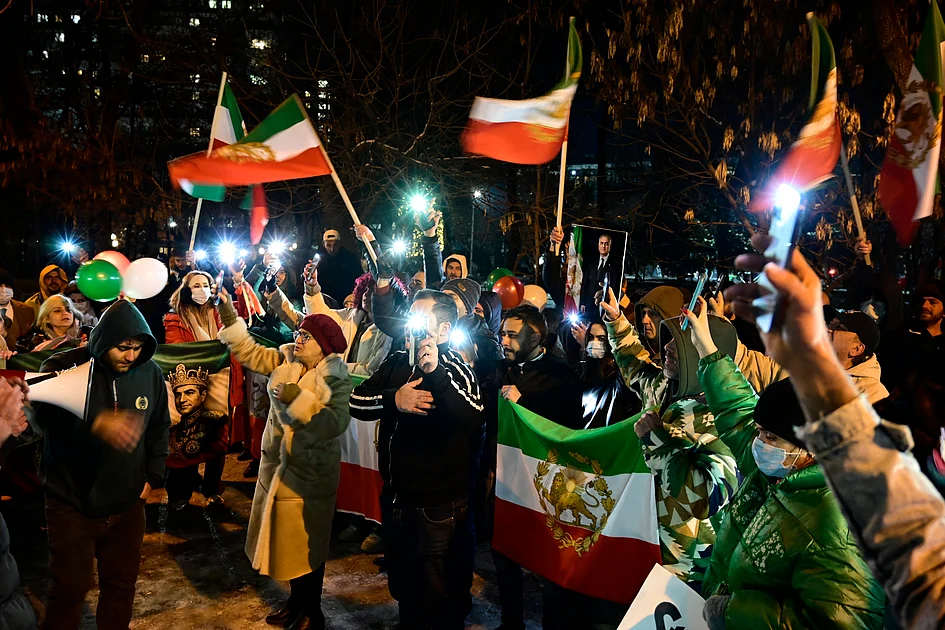
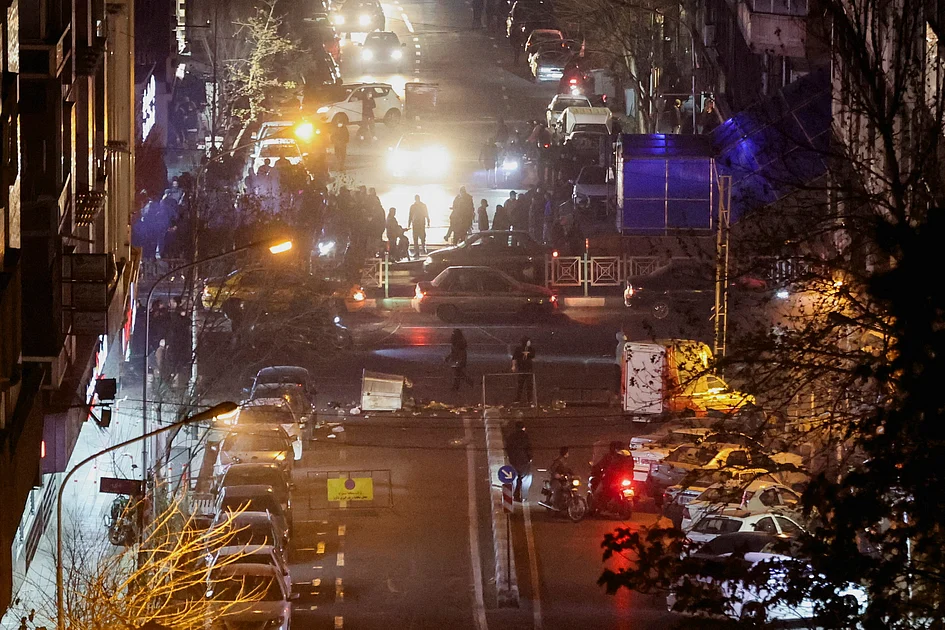
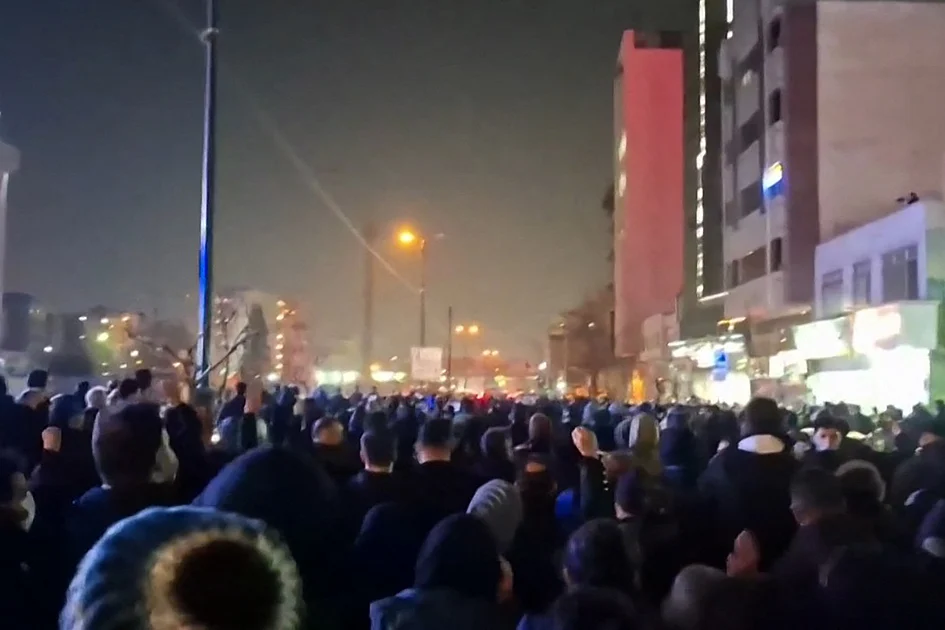
    Despite the communication blackout, videos have emerged showing extensive demonstrations with participants chanting against Supreme Leader Ayatollah Ali Khamenei and calling for monarchy restoration. The footage, geolocated to various cities including Kermanshah, captures what appears to be automatic weapon fire and shows police vehicles and mosques in flames.

    International response has intensified with the United States expressing support for ‘the brave people of Iran’ while Canada confirmed a citizen killed and France reported a French-Iranian woman injured. Iranian authorities maintain they confronted ‘riots’ and ‘terrorist operations’ fueled by the United States and Israel, claiming only ‘hundreds’ died while showcasing pro-government demonstrations on state media.

    For those who witnessed the violence, the psychological impact remains profound. ‘This is my nightmare right now,’ Kiarash stated, capturing the trauma experienced by countless Iranians who now navigate a transformed reality where normalcy has been irrevocably shattered.

  • European Union and Mercosur bloc of South American nations sign landmark free trade agreement

    European Union and Mercosur bloc of South American nations sign landmark free trade agreement

    ASUNCIÓN, Paraguay — In a significant geopolitical maneuver, the European Union and South America’s Mercosur bloc finalized a groundbreaking free trade agreement on Saturday, concluding over 25 years of complex negotiations. The signing ceremony in Paraguay’s capital represents a strategic expansion of EU influence in resource-rich South America during an era marked by escalating U.S. tariffs and growing Chinese export dominance.

    European Commission President Ursula von der Leyen emphasized the agreement’s profound geopolitical implications, stating: “We choose fair trade over tariffs. We choose a productive long-term partnership over isolation.” The event gathered presidents from Argentina, Uruguay, and Paraguay, along with Brazil’s foreign minister, demonstrating regional commitment to diversified international relations despite U.S. claims of hemispheric dominance.

    This accord establishes one of the world’s largest free trade zones, uniting over 700 million consumers and representing approximately 25% of global GDP. The agreement particularly benefits South America’s agricultural exporters and European industrial manufacturers seeking new markets for automotive and machinery exports.

    However, the deal faces one final obstacle: ratification by the European Parliament. Powerful protectionist interests on both continents, especially European farmers concerned about cheap agricultural imports, continue to oppose the agreement. To address these concerns, the pact includes gradual tariff reductions over 10-15 years, strict beef import quotas, safeguard mechanisms, and substantial EU subsidies for farmers. While these measures secured Italy’s support, France remains opposed to the agreement.

  • New Zealand, Slovakia temporarily close embassies in Iran; diplomatic staff leaves Tehran

    New Zealand, Slovakia temporarily close embassies in Iran; diplomatic staff leaves Tehran

    In a coordinated response to escalating security concerns, New Zealand and Slovakia have initiated the temporary closure of their embassies in Tehran and evacuated all diplomatic personnel from Iran. The decision, announced on Friday, January 16, 2026, comes amid what both nations describe as a rapidly deteriorating security environment and heightened risks of military escalation in the region.

    New Zealand’s Foreign Ministry confirmed that its diplomatic staff safely departed Iran via commercial flights overnight, with embassy operations subsequently relocated to Ankara, Turkey. This strategic move ensures continuity of diplomatic functions while removing personnel from immediate danger.

    Slovak Foreign Minister Juraj Blanar characterized the security situation as significantly degraded, citing a ‘real threat of an escalation of the military conflict’ as the primary motivation for the evacuation. He confirmed that all Slovak diplomats and embassy employees have been successfully extracted from Tehran and are currently out of harm’s way.

    Concurrently, New Zealand has issued a stark travel advisory against all travel to Iran and urgently recommended that any New Zealand citizens currently in the country depart immediately. The government emphasized that its capacity to provide consular assistance is now ‘extremely limited’ due to the closure. Additionally, officials noted severe communications challenges within Iran, advising citizens to contact relatives whenever possible given the difficulties in maintaining reliable contact.

    The diplomatic withdrawals occur against the backdrop of New Zealand’s strong condemnation of Iran’s internal security measures. Foreign Minister Winston Peters stated that New Zealand remains ‘appalled’ by Tehran’s violent response to recent anti-government protests, explicitly condemning ‘the brutal crackdown being carried out by Iran’s security forces, including the killing of protesters.’ Peters emphasized that Iranians possess the right to peaceful protest, freedom of expression, and access to information—rights he asserts are currently being ‘brutally repressed.’

    New Zealand has formally communicated these serious concerns to the Iranian embassy in Wellington and intends to maintain diplomatic pressure through appropriate channels despite the physical withdrawal of its mission.

  • Syrian army says takes over Kurdish-held town east of Aleppo

    Syrian army says takes over Kurdish-held town east of Aleppo

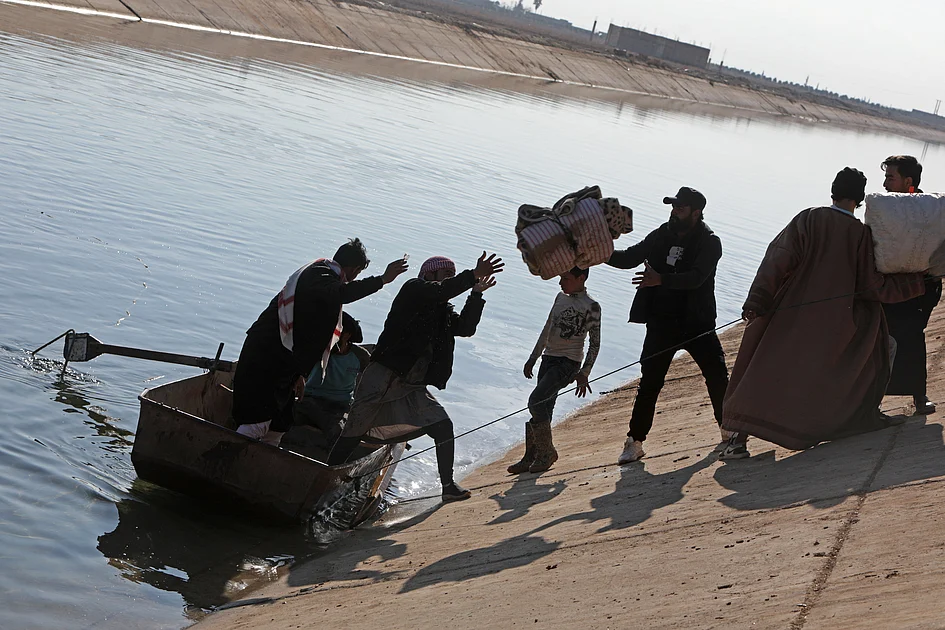
    The Syrian military has officially declared the establishment of complete authority over the strategic town of Deir Hafer, located approximately 50 kilometers east of Aleppo. This development occurred on Saturday, January 17, 2026, following a negotiated withdrawal agreement with Kurdish-led forces that had previously controlled the area.

    According to an official statement broadcast on Syrian state television, government forces have successfully implemented ‘full military control’ throughout the town and its surrounding territories. Independent verification from an AFP correspondent deployed in the region confirmed the visible presence of Syrian army personnel conducting systematic deployment operations within Deir Hafer’s urban center.

    The transfer of authority concludes a period of heightened military tensions in the Aleppo periphery, where recent clashes between Syrian government units and Kurdish forces had raised concerns about potential escalation. The negotiated disengagement represents a significant territorial acquisition for the Damascus government, strengthening its strategic positioning in northern Syria’s complex geopolitical landscape.

    This development marks another phase in the ongoing reorganization of military control across Syria’s northwestern regions, where multiple factions including government forces, Kurdish-led administrations, and various opposition groups maintain intersecting spheres of influence. The peaceful resolution of this particular standoff suggests evolving tactical relationships between previously opposed military factions in Syria’s protracted conflict.

  • ‘Nothing’s changed’ in Gaza as US peace deal enters second phase

    ‘Nothing’s changed’ in Gaza as US peace deal enters second phase

    Despite the official commencement of Phase Two of the US-brokered peace agreement, Gaza residents report no substantive improvement in their daily reality. The coastal territory witnessed over 14 fatalities on January 14th alone, according to Gaza civil defense authorities, highlighting the persistent violence that continues to plague the region.

    From his makeshift shelter in Gaza City, Mahmoud Abdel Aal expressed the collective frustration of Palestinians: “There is no distinction between wartime and the ceasefire, nor between the initial and subsequent phases of this agreement—aerial assaults persist daily.”

    The announcement of Phase Two by US Middle East envoy Steve Witkoff, representing President Donald Trump’s peace initiative, has failed to translate into tangible security improvements. Both Israeli forces and Hamas continue trading accusations of violating the ceasefire terms established in October 2025.

    An AFP correspondent documented the aftermath of a recent airstrike in Deir al-Balah that claimed five members of the Houli family. Israel’s military identified the target as a Hamas military operative, while neighbors like Ahmad Suleiman questioned the ceasefire’s validity: “Media broadcasts proclaim the ceasefire, but the actual situation tells a different story.”

    Deep skepticism prevails regarding newly proposed governance structures, including the Trump-chaired “Board of Peace” and an associated technocratic committee intended to oversee reconstruction efforts. “The international community convenes in Cairo to discuss Gaza’s future while unable to even access the territory,” noted Hossam Majed, residing amidst his destroyed home in Gaza City.

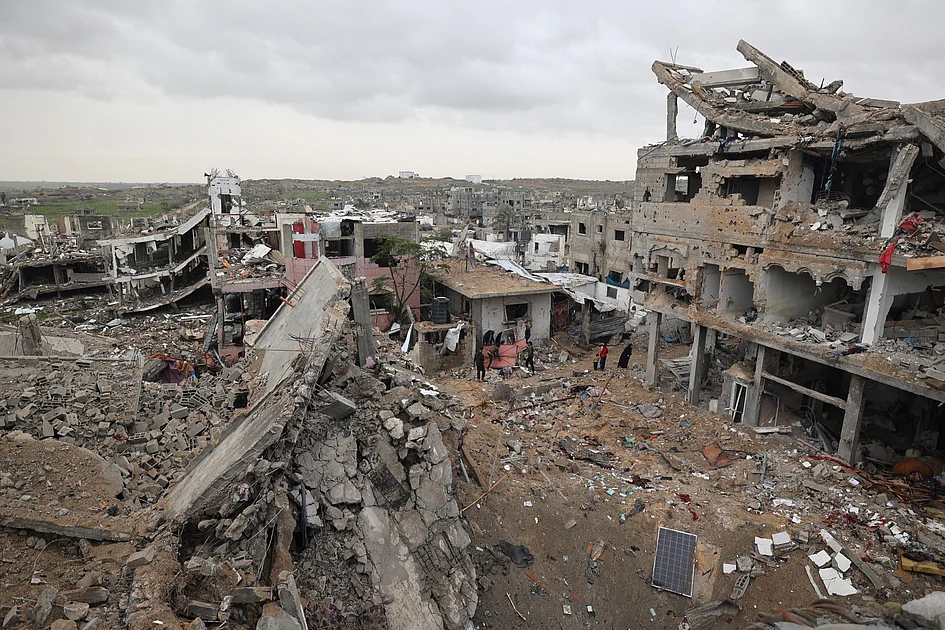
    The humanitarian situation remains catastrophic with UN assessments indicating over 80% of infrastructure destroyed. Essential services including water, electricity, and waste management remain non-functional. Medical facilities operate at minimal capacity, educational institutions have largely ceased to exist, and UNICEF reports all Gaza children require psychological support after more than two years of conflict.

    While humanitarian workers acknowledge some logistical improvements since the initial ceasefire, they emphasize that Israeli access restrictions continue to hamper adequate relief efforts—a claim Israeli authorities dispute.

    For displaced residents like Nivine Ahmad in Al-Mawasi’s camps, the promise of peace remains abstract: “We anticipate returning to something resembling normal life—perhaps prefabricated housing with basic utilities where our homes once stood. Only then will we believe the war truly ended.” Until then, she notes, Gazans survive on “hope and patience alone.”

  • EU advises airlines to avoid Iranian airspace after threat of US strikes

    EU advises airlines to avoid Iranian airspace after threat of US strikes

    The European Union Aviation Safety Agency (EASA) has issued a formal advisory urging all commercial airlines to avoid Iranian airspace due to escalating military tensions and heightened alert status of Iranian defense systems. This precautionary measure follows heightened security concerns stemming from recent U.S. military threats against Iran.

    The aviation regulator specifically cited increased risks of misidentification and accidental engagement with civilian aircraft due to Iran’s activated air defense systems. EASA’s warning emphasized that the combination of advanced weapon systems, unpredictable state responses, and potential activation of surface-to-air missile (SAM) systems creates substantial danger to civil aviation operations at all altitudes.

    This security alert originates from recent civil unrest in Iran that began on December 28, initially triggered by economic protests that evolved into one of the most significant challenges to Iran’s clerical leadership since the 1979 revolution. According to Norway-based Iran Human Rights, the conflict has resulted in at least 3,428 protester fatalities and over 10,000 arrests, though these figures represent conservative estimates.

    The international tension peaked when the United States threatened military intervention if Iran proceeded with planned executions of arrested protesters. Although Washington has subsequently moderated its stance following warnings from Gulf allies about potential regional escalation, U.S. officials maintained that “all options remain on the table” as of Thursday.

    In a notable development, U.S. President Donald Trump acknowledged Iran’s decision to cancel scheduled executions, thanking Tehran for heeding warnings about “serious consequences” should the crackdown on protesters continue. This diplomatic exchange suggests ongoing behind-the-scenes negotiations despite public posturing from both nations.

  • Things to know about the High Seas Treaty as it takes effect

    Things to know about the High Seas Treaty as it takes effect

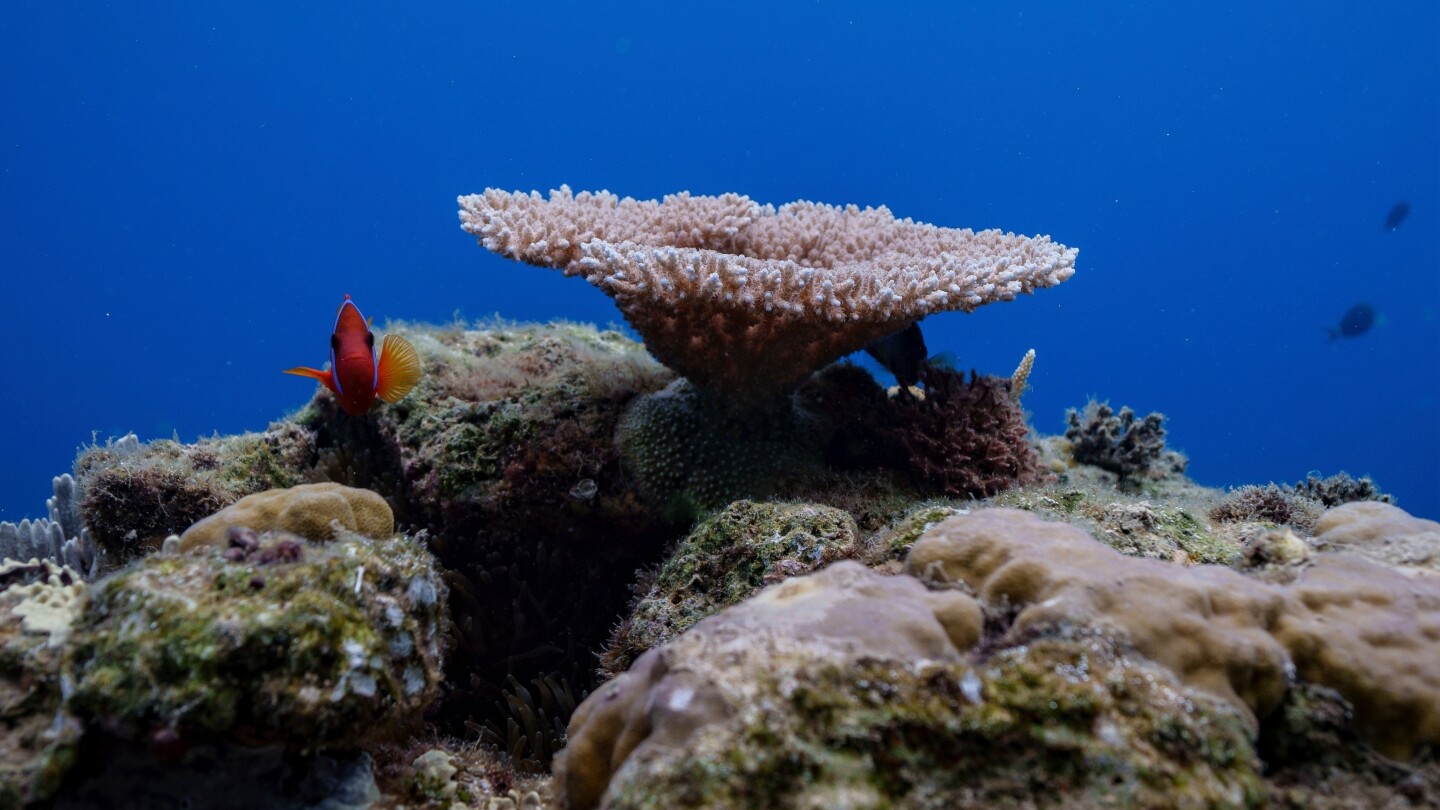
    A transformative era for global ocean conservation commenced this Saturday as the world’s first legally binding framework for protecting marine life in international waters officially took effect. This historic milestone, formally known as the High Seas Treaty, culminates nearly two decades of complex diplomatic negotiations and establishes governance mechanisms for nearly half the planet’s surface—the vast marine territories beyond national jurisdictions.

    The treaty’s activation follows its September 2023 ratification threshold achievement, requiring endorsement from 60 nations. Current ratification status stands at 83 countries, with recent participation from major maritime powers including China and Japan significantly strengthening its global implementation prospects.

    This groundbreaking agreement establishes the first comprehensive framework for creating Marine Protected Areas (MPAs) across the high seas, which constitute approximately two-thirds of the world’s oceans. Currently, a mere 1% of these international waters benefit from formal protection despite facing escalating threats from destructive fishing practices, commercial shipping, plastic pollution, overexploitation of marine resources, and potential deep-sea mining operations—all exacerbated by climate change impacts.

    With immediate effect, ratifying nations must now collaborate on oceanographic research and technological development while assisting developing countries in building capacity for meaningful participation in ocean governance. Commercial entities planning activities with potential marine environmental impacts must conduct rigorous environmental assessments meeting treaty standards. Researchers investigating marine organisms with commercial applications, such as pharmaceutical development, must implement transparency protocols including international notification and knowledge-sharing mechanisms.

    Critically, signatory countries must now advocate for the treaty’s conservation objectives within other international regulatory bodies governing ocean activities, including regional fisheries management organizations, the International Maritime Organization, and the International Seabed Authority.

    Conservation organizations emphasize the urgency of rapid implementation to achieve the scientifically endorsed target of protecting 30% of global oceans by 2030. Megan Randles of Greenpeace’s Ocean Campaign noted that “the marine protected areas under the treaty will only be as strong as the governments make them,” highlighting the necessity of robust enforcement mechanisms against commercial fishing interests.

    While key institutional structures including the treaty’s secretariat and scientific advisory body remain under development, nations can immediately commence preparatory work for proposed MPAs. Potential conservation sites include the Emperor Seamounts in the North Pacific, the Sargasso Sea in the Atlantic Ocean, and the Salas y Gomez and Nazca Ridges off South America’s coast.

    The United States, having signed but not ratified the agreement, will participate as an observer without voting rights. Despite this absence, treaty advocates maintain that broad international support ensures strong implementation momentum. Rebecca Hubbard of the High Seas Alliance affirmed that while U.S. ratification would be preferable, its current status doesn’t undermine the treaty’s operational viability.

    The first Conference of Parties (COP) is scheduled within twelve months to establish critical operational parameters including budgetary allocations and committee compositions. The earliest possible approval for initial MPAs is anticipated during the second COP session, pending establishment of the scientific review body.

  • Activists launch global campaign for Palestinian prisoners held by Israel

    Activists launch global campaign for Palestinian prisoners held by Israel

    A significant international advocacy movement has been initiated, calling for the immediate liberation of Palestinian detainees incarcerated by Israeli authorities. This mobilization follows recent United Nations criticism of proposed Israeli laws that would permit capital punishment for Palestinian prisoners through hanging.

    The Red Ribbons Campaign, originating in London two months prior, has now evolved into a worldwide endeavor. Activists have strategically placed red ribbons and portraits of imprisoned individuals in prominent public areas to maintain visibility for their cause. The campaign asserts that Israeli detention facilities currently hold approximately 9,000 Palestinians under unlawful circumstances, including more than 400 minors and at least 150 healthcare professionals from Gaza and the West Bank.

    This development occurs alongside growing international concern regarding newly proposed Israeli legislation that would substantially expand prison authorities’ powers. These expanded capabilities would include authorization to prolong detention periods, block the release of prisoners who have completed their sentences, and implement death penalty provisions that would disproportionately affect Palestinian detainees.

    Adnan Hmidan, the campaign’s founder, characterized the imprisoned Palestinians as ‘the real hostages’ in this conflict. He stated, ‘The situation within Israeli prisons has transcended isolated incidents of abuse and evolved into a comprehensive system of humiliation and methodical torture that is now being legalized through explicitly discriminatory laws.’

    Palestinian rights organizations have consistently documented allegations of systematic torture, physical and sexual violence, extended solitary confinement, and deliberate medical negligence within Israeli detention facilities. These reports have intensified since the beginning of Israel’s military operations in Gaza, with particular concerns regarding overcrowding, starvation-level food provisions, and custodial deaths among Gazan detainees.

    The campaign specifically highlighted the case of Dr. Hussam Abu Safiya, a pediatrician apprehended by Israeli forces during a December 2024 raid on Kamal Adwan Hospital. Despite his medical status, Dr. Safiya has been detained without formal charges under suspicion of ‘potential involvement in terrorist activity.’ Legal representatives report he has lost over thirty percent of his body weight while incarcerated at Ofer prison, endured severe beatings, and been systematically denied medical attention.

    Approximately 3,300 Palestinians remain in administrative detention—imprisonment without charge or trial based on undisclosed evidence—as documented by HaMoked, an Israeli human rights organization. This practice has been widely condemned by international human rights groups as an instrument of collective punishment.

    The United Nations Office of the High Commissioner for Human Rights recently urged Israel to abandon its proposed death penalty legislation, noting the ‘unacceptable risk of executing innocent people’ within a system already criticized for its discriminatory treatment of Palestinians. UN Human Rights Chief Volker Türk emphasized that the proposal ‘raises profound human dignity concerns’ and appears ‘exclusively applicable to Palestinians.’

    Hmidan concluded that the campaign aims to ‘shatter international silence, mobilize global public opinion, and pressure relevant institutions’ to address Israel’s detention practices, which he described as continuing despite ‘genocide in Gaza, annexation efforts in the West Bank, and escalating violations across occupied Palestinian territories.’

  • Watch: Artificial avalanche tumbles down Russian mountain

    Watch: Artificial avalanche tumbles down Russian mountain

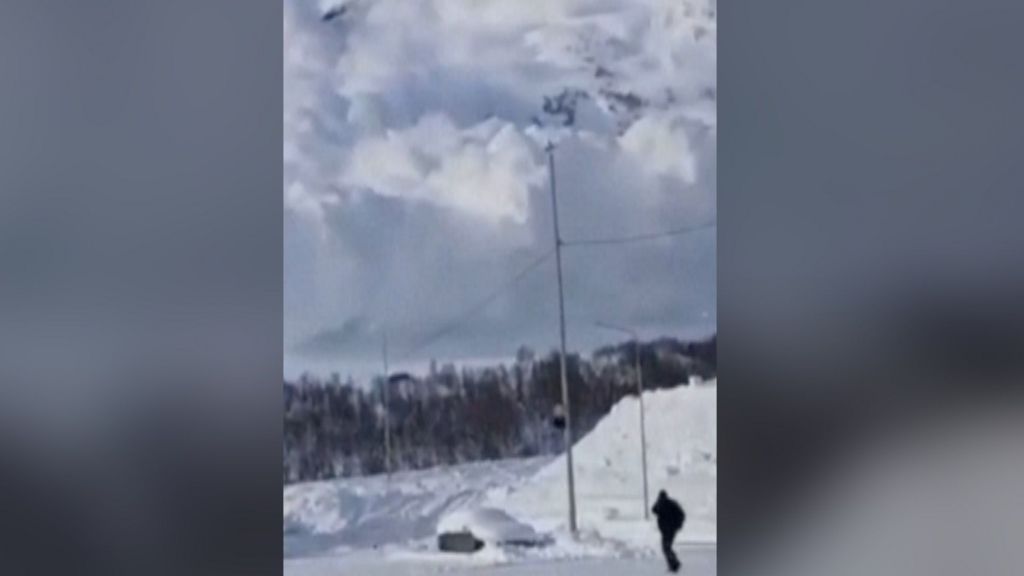
    Russian emergency management officials have executed a meticulously planned controlled avalanche on Mount Elbrus, Europe’s highest peak, as a proactive safety measure to mitigate potential natural hazards. The strategic detonation, deliberately triggered by specialists, successfully released accumulated snow masses that had reached critical levels on the mountain’s slopes.

    This preventive operation, conducted in the Kabardino-Balkaria region, represents standard practice in avalanche-prone mountainous areas during winter months. The controlled release mechanism allows authorities to manage snow accumulation systematically, thereby reducing the risk of spontaneous, potentially catastrophic avalanches that could endanger nearby infrastructure, local communities, and tourism activities.

    The visually spectacular event was captured on video, showing massive snow walls cascading down the mountainside with tremendous force, demonstrating both the power of nature and human intervention strategies. Such operations require precise meteorological assessment, technical expertise, and careful timing to ensure maximum effectiveness while minimizing ecological impact.

    Mount Elbrus, standing at 5,642 meters (18,510 feet), attracts thousands of climbers and tourists annually, making avalanche prevention protocols essential for regional safety management. Russian authorities continue to monitor conditions closely throughout the winter season, maintaining readiness for additional controlled releases as necessary to preserve public safety.