分类: world

  • Five dead after high-speed trains collide in Spain

    Five dead after high-speed trains collide in Spain

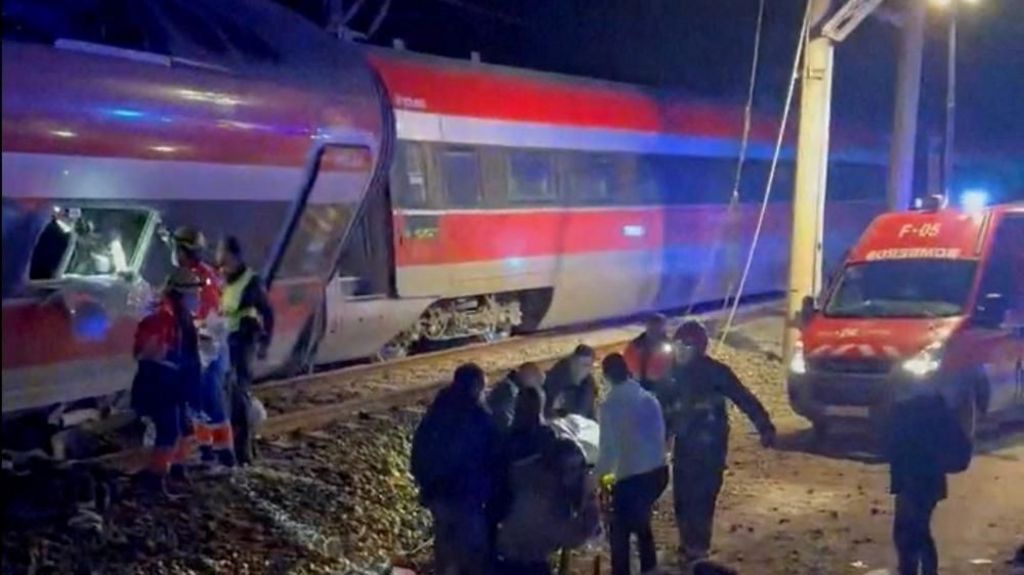
    A catastrophic rail collision involving two high-speed trains near the Andalusian town of Adamuz has resulted in significant casualties, with at least five fatalities and dozens injured. The incident occurred on Sunday evening when a Malaga-to-Madrid service derailed and collided with an opposing Madrid-to-Huelva train, according to Spain’s rail infrastructure operator Adif.

    Emergency response teams mobilized rapidly to the scene following the derailment, which took place approximately ten minutes after the Malaga train’s 18:40 local time departure. Andalusia’s emergency services reported at least 25 individuals sustained serious injuries, with numerous others suffering minor harm. The private rail operator Iryo confirmed approximately 300 passengers were aboard the Malaga-Madrid service at the time of the accident.

    Eyewitness Salvador Jimenez, a journalist with RTVE who was traveling in the first carriage, described the experience as resembling an earthquake. ‘They immediately called to see if there were healthcare professionals who could assist,’ Jimenez recounted. ‘They used hammers to break windows and eventually evacuated us.’

    In response to the tragedy, Spanish Prime Minister Pedro Sánchez announced government coordination with emergency services to support affected individuals. Andalusian regional president Juanma Moreno similarly expressed profound concern and solidarity with victims and their families. All rail services between Madrid and Andalusia remain suspended indefinitely as investigation into the cause of the derailment continues.
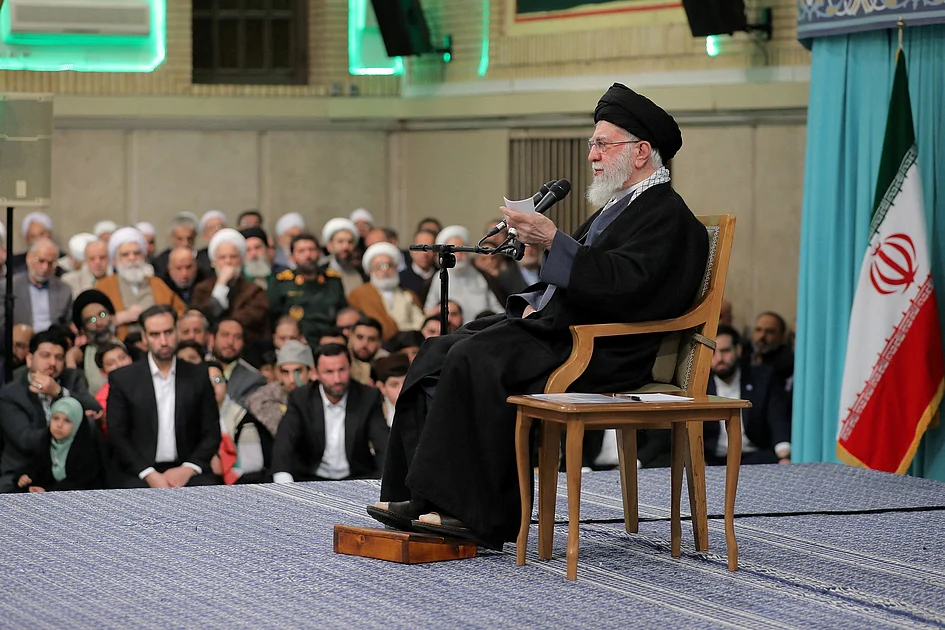

  • Iran considers ‘gradually’ restoring internet after shutdown

    Iran considers ‘gradually’ restoring internet after shutdown

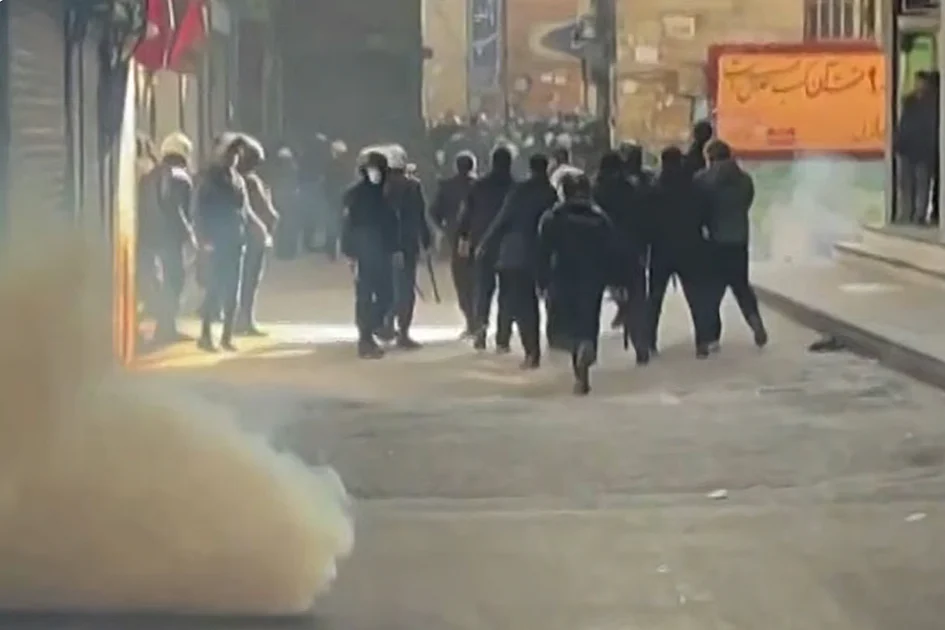
    Iranian authorities have signaled intentions to progressively reinstate internet connectivity after implementing a comprehensive communications blackout lasting ten days. This digital shutdown, described by human rights organizations as a veil for violent suppression of protests, coincided with demonstrations initially triggered by economic grievances in late December.

    The Tasnim news agency disclosed Saturday that relevant authorities planned to gradually restore internet access, though specific timelines remain undisclosed. According to an anonymous informed source, local messaging applications would soon be reactivated on Iran’s domestic intranet network. As of Sunday, limited internet connectivity had been observed in Tehran, though most providers and mobile internet services remained suspended.

    The communication restrictions, initiated on January 8 as protests intensified, severely disrupted text messaging, international phone communications, and periodically affected local calling capabilities. Outgoing international calls resumed Tuesday, with text messaging services restored Saturday morning. Throughout the blackout period, Iran maintained operation of its national intranet system, supporting essential services including local media platforms, ride-hailing applications, delivery services, and banking operations.

    Human rights organizations report the communication blockade masked extensive violence against protesters. Amnesty International verified numerous videos and accounts indicating security forces systematically fired upon demonstrators from street level and elevated positions. Norway-based Iran Human Rights (IHR) has documented 3,428 protestor fatalities through verification from within Iran’s medical system, eyewitness accounts, and independent sources, though actual numbers may significantly exceed confirmed cases.

    Judicial authorities have warned of swift trials for detained protesters, with judiciary spokesman Asghar Jahangir stating Sunday that those instigating violence could face charges equivalent to ‘waging war against God’—a capital offense under Iranian law. The government maintains that initial peaceful demonstrations transformed into riots fueled by foreign interference, specifically attributing blame to the United States and Israel.

    International concern mounts regarding potential mass executions, despite claims from U.S. President Donald Trump that Iran suspended hundreds of planned executions. Regional analysts caution that Iranian leadership historically views executions as effective deterrents against civil unrest, prioritizing long-term domestic security over international condemnation.

  • Saudi Arabia sentences 3 men to death over terrorism charges

    Saudi Arabia sentences 3 men to death over terrorism charges

    Saudi Arabia’s Ministry of Interior confirmed on Sunday, January 18th, 2026, the implementation of capital punishment against three individuals convicted of severe terrorism offenses. The executed men—identified as Hussein bin Salem bin Mohammed Al-Amri, Saud bin Huleil bin Saud Al-Enazi, and Bassam Mohsen Maran Al-Subaie—were found guilty by a specialized court on multiple charges.

    The convictions stemmed from their involvement with a foreign terrorist organization and a series of direct attacks on state security. The ministry’s detailed statement outlined that their crimes included the deliberate planting of explosive devices in security vehicles with the explicit intent to kill members of the security forces. Furthermore, they were convicted of providing shelter and support to other militants, facilitating further terrorist activities.

    The judicial process began after security authorities apprehended the suspects following extensive investigations. The case was tried in a specialized court, which issued discretionary death sentences permissible under Saudi law. These sentences underwent a mandatory review process, where they were upheld by the nation’s higher judicial authorities. The final rulings received royal approval, a procedural step in accordance with the Kingdom’s Sharia law framework.

    The executions were carried out in the capital city of Riyadh. In its official communication, the Ministry of Interior emphasized that this decisive action underscores the Kingdom’s unwavering commitment to preserving national security and stability. The statement served as a stern warning, asserting that the government will relentlessly pursue and apply the full force of the law against any individuals who engage in acts of violence or terrorism that threaten public safety.

  • Syrian army gains ground as Kurdish forces withdraw from key oil field

    Syrian army gains ground as Kurdish forces withdraw from key oil field

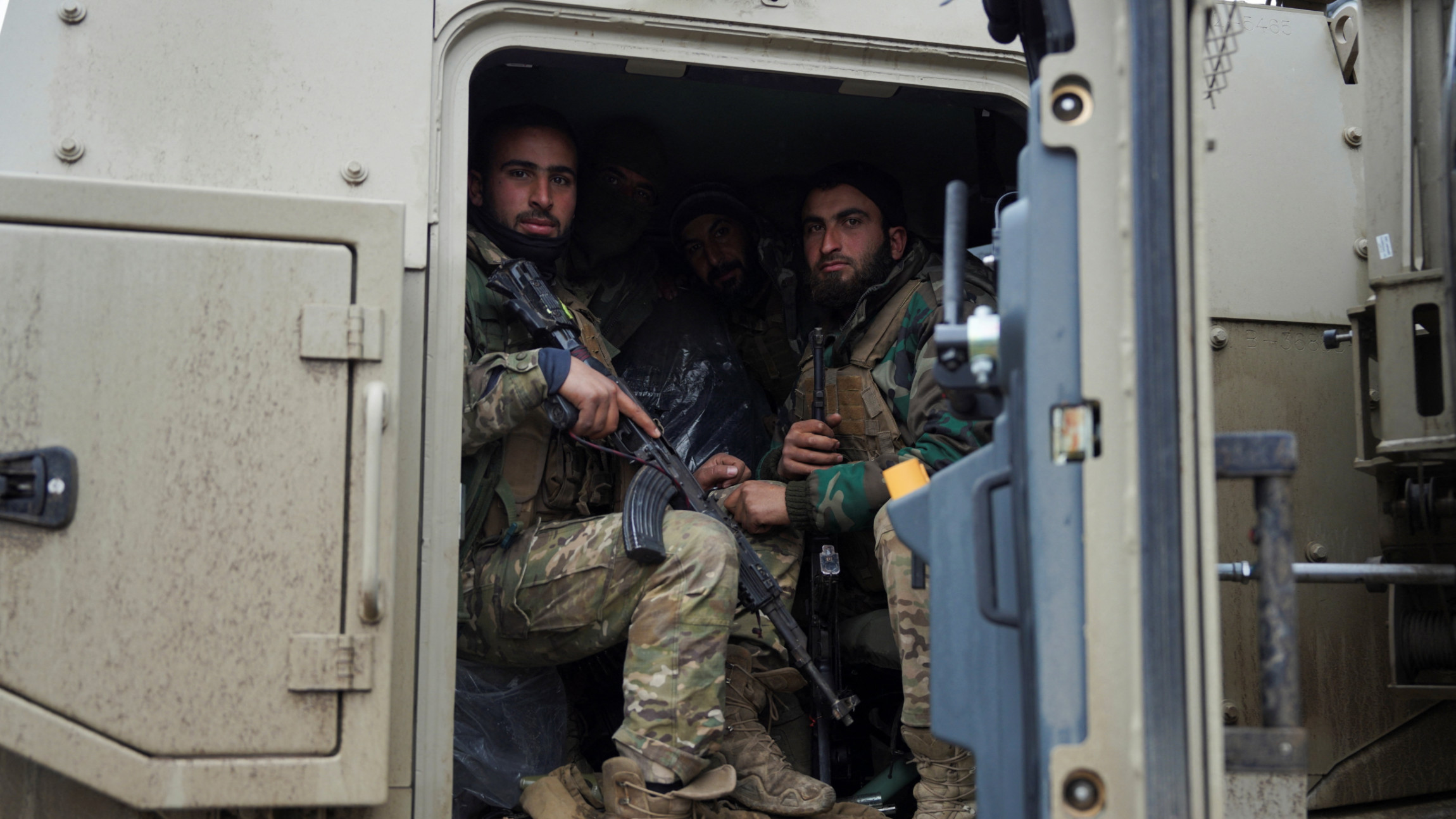
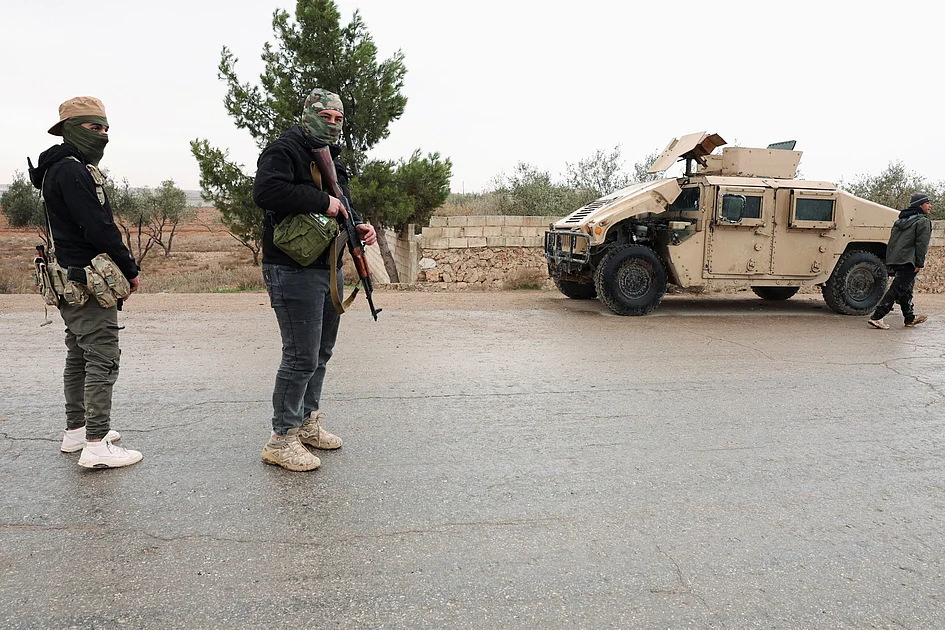
    In a significant shift of territorial control, Kurdish-led Syrian Democratic Forces (SDF) withdrew from Syria’s largest oil field on Sunday amid expanding government military operations across northern and eastern regions. The al-Omar oil field, previously housing the largest US military base in Syria, was evacuated by SDF units at dawn according to the Syrian Observatory for Human Rights monitoring group.

    The government offensive has reclaimed numerous strategic locations including two neighborhoods in Aleppo following recent clashes, along with territories east of the city and the Tabqa area in Raqqa province. This advance marks the government’s most substantial gain in predominantly Arab territories that had been under Kurdish control since the campaign against Islamic State.

    The withdrawal follows the collapse of a negotiated agreement for Kurdish forces to retreat to areas east of the Euphrates River. Both sides reported casualties and exchanged accusations regarding which party violated the arrangement. The Kurdish administration claimed government forces launched attacks across multiple fronts, while the Syrian army asserted that SDF fighters failed to honor their commitment to completely withdraw east of the river.

    In response to the escalating situation, Kurdish authorities implemented a curfew in Raqqa province after the army designated the southwestern Euphrates region as a “closed military zone.

    Concurrently, President Ahmed al-Sharaa issued a decree granting official recognition to Kurdish rights, interpreted as a goodwill gesture amid the government’s push to reassert authority nationwide. However, the Kurdish autonomous administration, which controls substantial territory in northeast Syria, dismissed the announcement as insufficient, noting that implementation of agreements to integrate Kurdish forces into the state structure has remained stalled for months.

  • Iranian official says verified deaths in Iran protests reach at least 5,000

    Iranian official says verified deaths in Iran protests reach at least 5,000

    An unnamed Iranian official has disclosed that government-verified fatalities from recent civil unrest have reached approximately 5,000 casualties, according to a Sunday statement to Reuters. The official indicated that security personnel accounted for roughly 500 of these deaths, while attributing the remaining civilian casualties to what authorities describe as “terrorists and armed rioters.”

    The northwestern Kurdish regions experienced the most severe violence, with the official noting these areas witnessed both the most intense clashes and highest concentration of fatalities. This region has historical significance as a center of Kurdish separatist activity and has consistently been the epicenter of violent confrontations during previous periods of civil unrest.

    While the official suggested the final death toll would not increase substantially, the statement contradicted reports from international monitoring organizations. The US-based HRANA rights group documented 3,308 confirmed fatalities with an additional 4,382 cases undergoing verification, alongside more than 24,000 confirmed arrests.

    The Iranian government maintains its longstanding position that foreign adversaries have instigated the unrest. The official specifically cited Israel and overseas armed groups as providing support and equipment to protesters. This accusation aligns with Tehran’s frequent attribution of domestic opposition to external forces, particularly its regional arch-rival Israel, which conducted military strikes against Iranian targets in June.

    Norwegian-based Hengaw, an Iranian Kurdish rights organization, corroborated reports of particularly violent clashes in northwestern Kurdish areas since protests initially erupted in late December. The disclosure comes amid increasing international diplomatic pressure, with several nations including New Zealand and Slovakia temporarily closing their Iranian diplomatic missions.

  • Indonesia finds one body from surveillance plane wreckage; passenger count revised to 10

    Indonesia finds one body from surveillance plane wreckage; passenger count revised to 10

    Indonesian rescue authorities confirmed on Sunday the discovery of wreckage from a fisheries surveillance aircraft that crashed into a mountainside in South Sulawesi province, recovering one victim’s body from the devastating scene. The ATR 42-500 turboprop, operated by Indonesia Air Transport and chartered by the Marine Affairs and Fisheries Ministry, had vanished from radar contact Saturday afternoon during its surveillance mission.

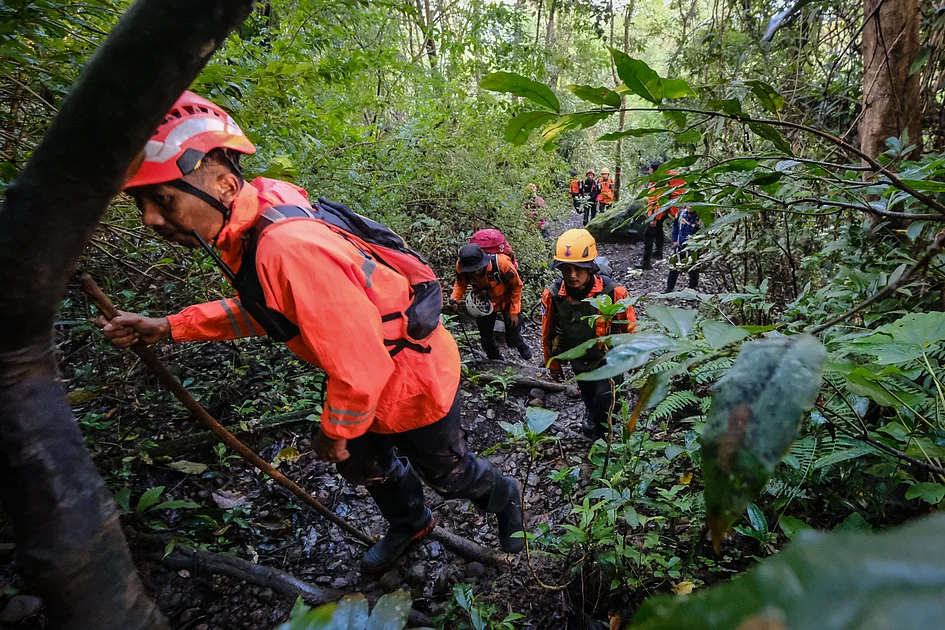
    Search and rescue operations involving approximately 1,200 personnel successfully located the fragmented remains of the aircraft scattered across the rugged terrain of Mount Bulusaraung near the Maros region. Initial helicopter reconnaissance teams spotted critical components including aircraft windows at 7:46 AM local time, followed by identification of the main fuselage and tail section minutes later.

    Officials revised the passenger manifest downward from initial reports, confirming three fisheries ministry staff members and seven crew members aboard the ill-fated flight. The aircraft had been conducting aerial surveillance operations over fisheries before its scheduled arrival in Makassar, South Sulawesi’s capital.

    Rescue efforts faced significant challenges due to persistently thick fog and the mountain’s treacherous topography. The recovered victim was located in a ravine approximately 200 meters from the mountain’s peak, while the condition of the remaining nine individuals remains unknown.

    Soerjanto Tjahjono, head of Indonesia’s National Transportation Safety Committee (KNKT), characterized the incident as ‘controlled flight into terrain,’ indicating the pilot maintained aircraft control until impact. Aviation investigators have not yet determined the precise causal factors behind the crash, though experts note most aviation accidents result from multiple contributing elements.

    The tragedy marks Indonesia’s first fatal ATR 42 accident since 2015, when another turboprop crashed in Papua province claiming 54 lives. Flight tracking data indicated the surveillance aircraft had been operating at low altitude over ocean waters prior to losing signal approximately 20 kilometers northeast of Makassar airport.

  • Wildfires race across Chile, leaving 15 dead and forcing thousands to flee

    Wildfires race across Chile, leaving 15 dead and forcing thousands to flee

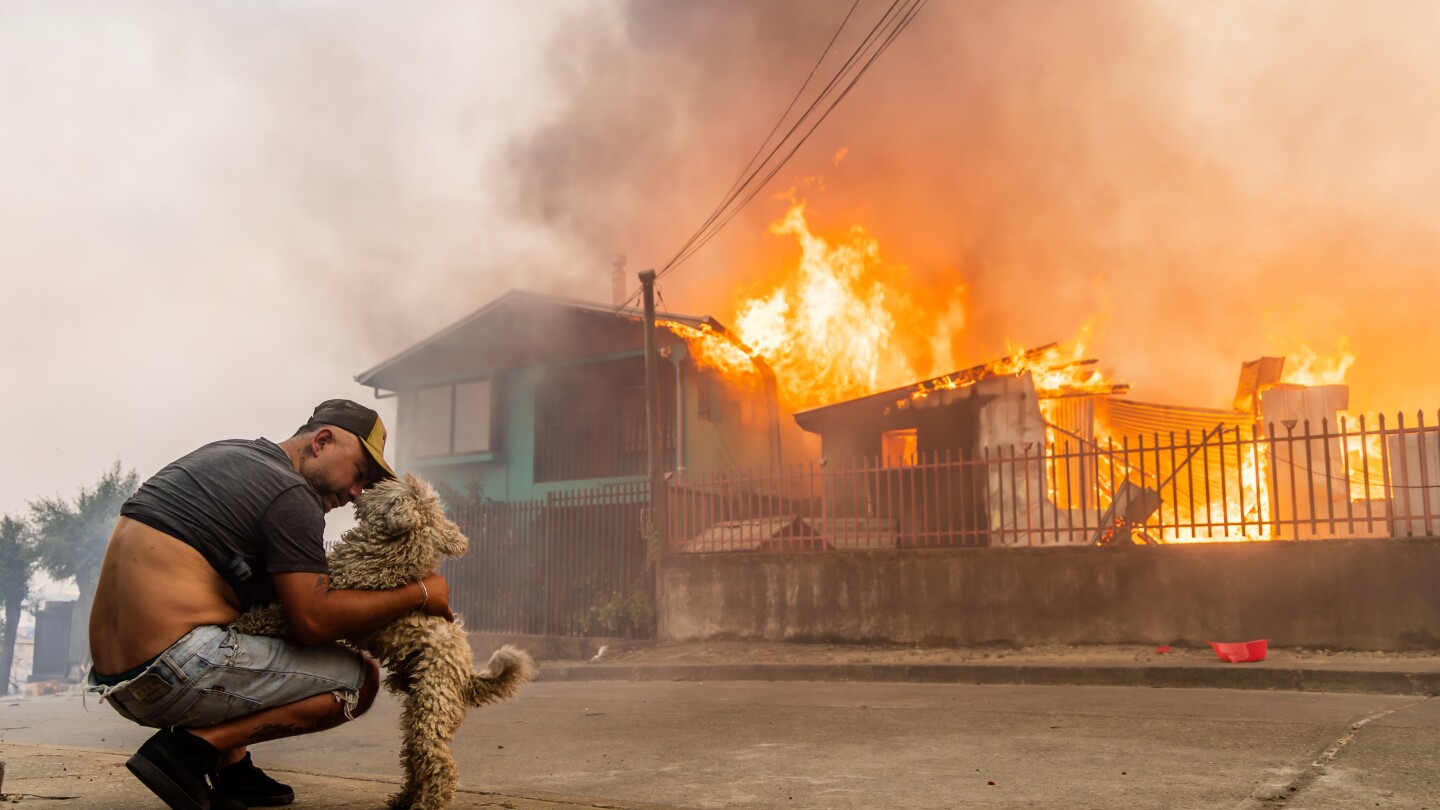
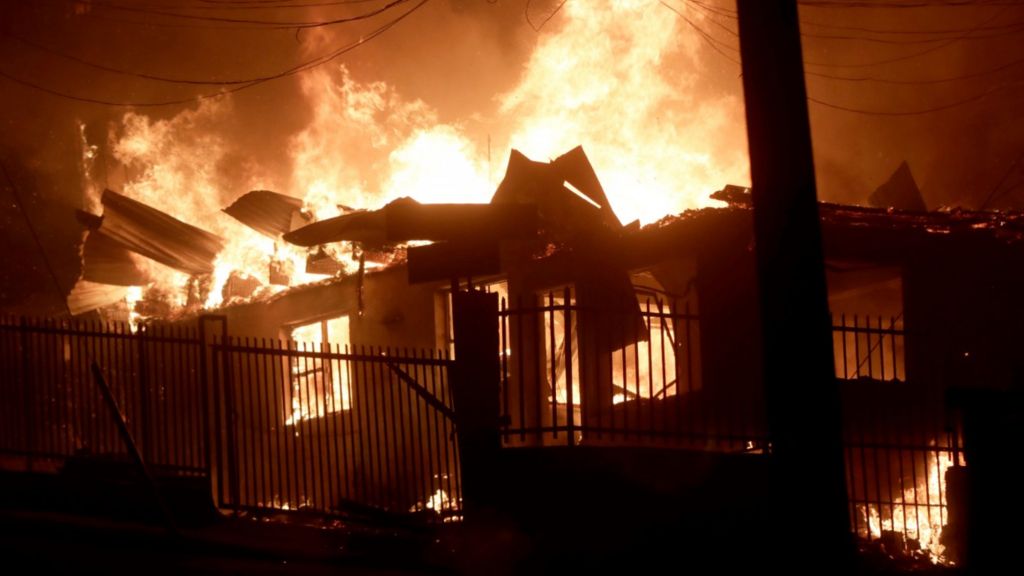
    Central and southern Chile are confronting a devastating wildfire crisis that has resulted in at least 15 fatalities and prompted mass evacuations, compelling President Gabriel Boric to declare a state of catastrophe in multiple regions. The infernos, fueled by an intense heat wave with temperatures exceeding 38°C (100°F) and fanned by strong winds, have ravaged approximately 8,500 hectares (21,000 acres) of forestland and destroyed hundreds of residential structures.

    President Boric’s emergency declaration covers the central Biobio region and neighboring Ñuble region, situated roughly 500 kilometers south of the capital Santiago. This measure enables enhanced military coordination to combat two dozen active blazes that have forced 50,000 residents to flee their homes. Despite presidential assurances that “all resources are available,” local officials reported significant delays in federal response during critical early hours of the disaster.

    Rodrigo Vera, mayor of the coastal town Penco, expressed desperate frustration: “Dear President Boric, from the bottom of my heart, I have been here for four hours, a community is burning and there is no government presence.” His sentiment echoed across affected communities where firefighters battled relentlessly against rapidly spreading flames.

    Survivors described terrifying midnight escapes as fires encircled residential areas without warning. “We fled running, with the kids, in the dark,” recounted Juan Lagos, 52, from Penco where the fire consumed cars, a school, and a church. The human toll became increasingly evident as charred remains were discovered in fields, homes, and vehicles throughout the impacted zones, with local residents mourning neighbors lost to the flames.

    The municipality of Concepcion alone reported 253 homes destroyed, though national damage assessments remain ongoing as emergency teams work to contain the spreading wildfires under challenging meteorological conditions.

  • Pakistan: Massive fire kills 6 in Karachi, destroys Gul Plaza

    Pakistan: Massive fire kills 6 in Karachi, destroys Gul Plaza

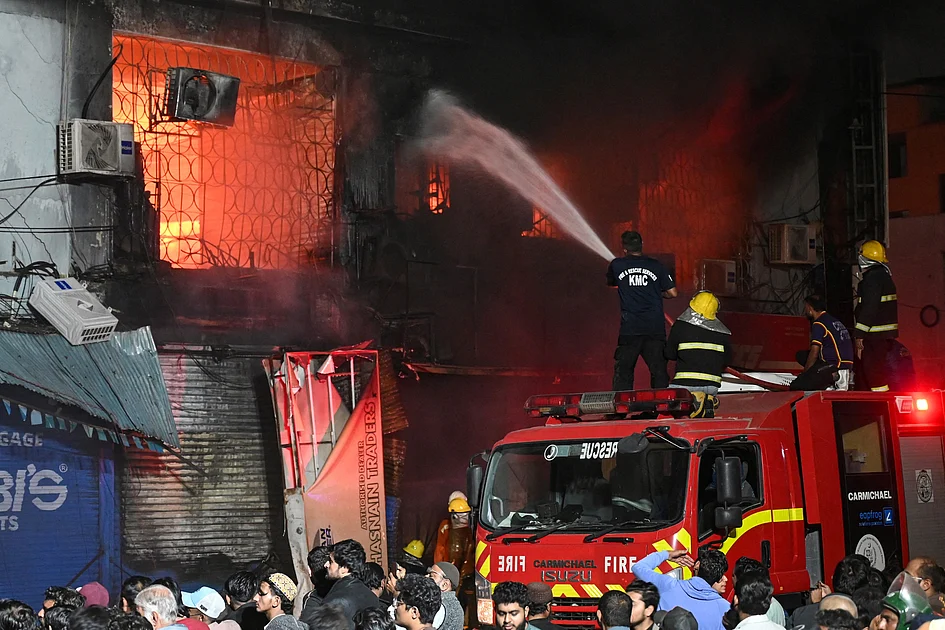
    A catastrophic fire has devastated the historic Gul Plaza shopping mall in Karachi’s central business district, resulting in six confirmed fatalities and multiple injuries. The blaze ignited on Saturday evening at approximately 10:38 PM local time, rapidly consuming the commercial structure despite intensive firefighting efforts throughout the night.

    Emergency response teams from Rescue 1122 encountered extreme conditions upon arrival, with flames already engulfing multiple levels of the building. Spokesperson Hassanul Haseeb Khan reported that the inferno had spread from ground-level shops to upper floors with alarming speed, overwhelming initial containment measures.

    Medical authorities at Karachi’s Civil Hospital confirmed receiving six casualties while treating eleven injured individuals. Police surgeon Dr. Summaiya Syed indicated that mass disaster protocols had been activated in response to the scale of the emergency.

    Visual documentation from the scene revealed extensive structural damage, with numerous shops completely destroyed and sections of the building facing potential collapse. The incident has drawn significant public attention, with hundreds of local residents and business owners gathering at the perimeter as firefighters continued containment operations into Sunday.

    The tragedy highlights ongoing concerns regarding fire safety protocols in densely populated commercial districts throughout Pakistan’s largest metropolitan area. Investigation into the fire’s origin and the structural integrity of remaining portions of Gul Plaza continues as authorities assess the full extent of the damage.

  • Chile declares ‘state of catastrophe’ as deadly wildfires menace cities

    Chile declares ‘state of catastrophe’ as deadly wildfires menace cities

    Chilean President Gabriel Boric has declared a state of catastrophe in two southern regions as devastating wildfires continue to rage across the country, resulting in significant casualties and widespread destruction. The death toll has reached at least 16 people in the Ñuble and Biobío regions, located approximately 500 kilometers south of the capital Santiago, with more than 20,000 residents forced to evacuate their homes.

    The most severe fire has engulfed dry forest areas surrounding the coastal city of Concepción, where disaster management officials confirm that at least 250 residential structures have been completely destroyed. Local media outlets have circulated disturbing images showing charred vehicles abandoned on streets as flames advanced through populated areas.

    Chile’s National Forestry Corporation (Conaf) reported that firefighting teams are currently battling 24 separate blazes nationwide, with the most critical situations concentrated in the Ñuble and Biobío regions. President Boric announced the emergency declaration via social media platform X, stating, “In light of the serious ongoing wildfires, I have decided to declare a state of catastrophe. All resources are available” to combat the crisis.

    The infernos have already consumed approximately 20,000 hectares (50,000 acres) across the two affected regions. The cities of Penco and Lirquen, located north of Concepción with a combined population of 60,000, have seen the majority of evacuation efforts, including the relocation of patients from Penco hospital.

    Meteorological conditions have significantly exacerbated the crisis, with strong winds propelling the flames amid summer temperatures that are expected to reach 38°C between Santiago and Biobío within the next 48 hours. Much of central Chile remains under heat alerts as the combination of high temperatures and dry vegetation creates ideal conditions for fire spread.

    This disaster echoes Chile’s previous wildfire tragedy two years ago, when blazes in the Valparaíso region near Santiago claimed at least 120 lives. The country has experienced increasingly severe fire seasons in recent years, a trend experts attribute to prolonged drought conditions and climate change impacts.

  • Syrian forces seize major oil, gas fields in eastern Syria, security sources say

    Syrian forces seize major oil, gas fields in eastern Syria, security sources say

    In a significant military advancement, Syrian government forces have captured strategic energy assets in eastern Syria, including the nation’s largest oil field and a major gas facility, according to three security sources. The operations occurred on Sunday as part of an ongoing offensive into territories controlled by Kurdish-led factions.

    The Omar oil field, Syria’s most substantial petroleum asset, and the Conoco natural gas field are now under Syrian army control. This development represents a critical shift in the regional balance of power and control over vital economic resources. The military campaign continues despite diplomatic appeals from the United States to halt advances into northern Syrian towns under Kurdish administration.

    Earlier operations saw Syrian state media announce the capture of the northern city of Tabqa along with its adjacent dam infrastructure. Additionally, forces secured the major Freedom dam (formerly known as the Baath dam), located west of Raqqa. These strategic hydroelectric assets further consolidate government control over essential infrastructure and resources.

    The military actions occur within the complex geopolitical landscape of Syria’s ongoing conflict, where multiple international and regional actors maintain competing interests. The seizure of energy-producing regions significantly enhances the Syrian government’s economic prospects while potentially altering dynamics with Kurdish autonomous administrations in the northeast.