分类: world

  • A Myanmar military airstrike on a village sheltering displaced people killed 21, rebels say

    A Myanmar military airstrike on a village sheltering displaced people killed 21, rebels say

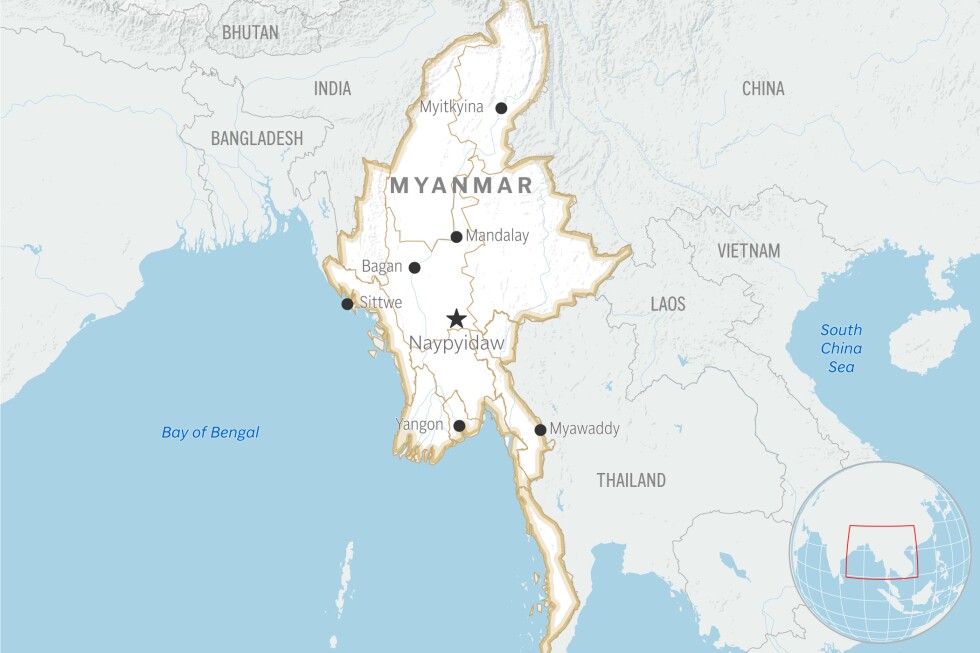
    BANGKOK (AP) — A military airstrike conducted by Myanmar’s armed forces has resulted in the deaths of 21 civilians and left 28 wounded in Hteelin village, Kachin state, according to reports from ethnic rebel groups and local media outlets. The attack occurred Thursday afternoon in a region where displaced persons had sought refuge from ongoing conflict.

    Colonel Naw Bu, spokesperson for the Kachin Independence Army (KIA), confirmed that a jet fighter targeted a compound where mourners were conducting prayer services for the deceased. The strike also hit a displacement camp, educational facility, and local marketplace. Approximately 500 civilians, including internally displaced residents, were present in the village during the bombardment. Among the injured victims is an infant, with several individuals reported in critical condition.

    The incident coincides with scheduled electoral activities in the northern township of Bhamo, where the final phase of Myanmar’s military-organized election process is set to occur this weekend. Independent verification remains challenging due to widespread internet blackouts and cellular service disruptions throughout the region. Kachin-based media organizations have circulated photographic and video evidence depicting casualties and structural damage resulting from the attack.

    Myanmar has experienced prolonged political instability since the February 2021 military coup that ousted the democratically elected government led by Aung San Suu Kyi. Subsequent suppression of peaceful protests prompted armed resistance movements, with current estimates indicating over 7,700 fatalities resulting from security force operations.

    The military administration has intensified aerial campaigns against pro-democracy forces and ethnic minority guerrilla groups, including the KIA, which maintains loose alliances with various resistance militias. Despite election preparations in 61 townships nationwide, KIA representatives assert that voting in Bhamo remains impossible due to their control over the urban center.

    International observers and critics have denounced the three-stage electoral process as fundamentally flawed, citing the exclusion of major political parties and systematic suppression of dissent nearly five years after military seizure of power.

  • Death toll in Pakistan’s Gul Plaza mall fire rises to 67, local government says

    Death toll in Pakistan’s Gul Plaza mall fire rises to 67, local government says

    A devastating fire that engulfed a shopping mall in Karachi has resulted in a catastrophic death toll of 67 individuals, according to an official statement from local government authorities on Friday. The tragedy at Gul Plaza represents the most lethal fire incident in Pakistan’s largest metropolis since the 2012 industrial inferno that claimed over 260 lives.

    Municipal officials reported that forensic teams have completed post-mortem examinations for all recovered victims, with DNA analysis currently underway to facilitate identification of the deceased. The comprehensive identification process reflects the severe impact of the blaze on victims and families.

    This catastrophe has reignited serious concerns about fire safety protocols and emergency preparedness in Pakistan’s urban centers. The incident marks the most significant loss of life from fire in Karachi in fourteen years, drawing painful parallels to previous industrial accidents that exposed similar safety deficiencies.

    Emergency response teams worked through the night battling the intense flames and conducting rescue operations. The rapid spread of fire through the commercial structure trapped numerous shoppers and employees, creating challenges for evacuation efforts.

    The tragedy has prompted calls for immediate review of fire safety regulations and building code enforcement across Pakistani cities, particularly in densely populated commercial districts where such disasters could have devastating consequences.

  • Indonesia finds bodies of 10 passengers on crashed surveillance plane

    Indonesia finds bodies of 10 passengers on crashed surveillance plane

    Indonesian search teams have confirmed the recovery of all ten victims from the wreckage of a crashed surveillance aircraft in South Sulawesi province. The ATR 42-500 turboprop, operated by Indonesia Air Transport (IAT), vanished from radar contact last Saturday during a fisheries monitoring mission for the nation’s Marine Affairs and Fisheries Ministry.

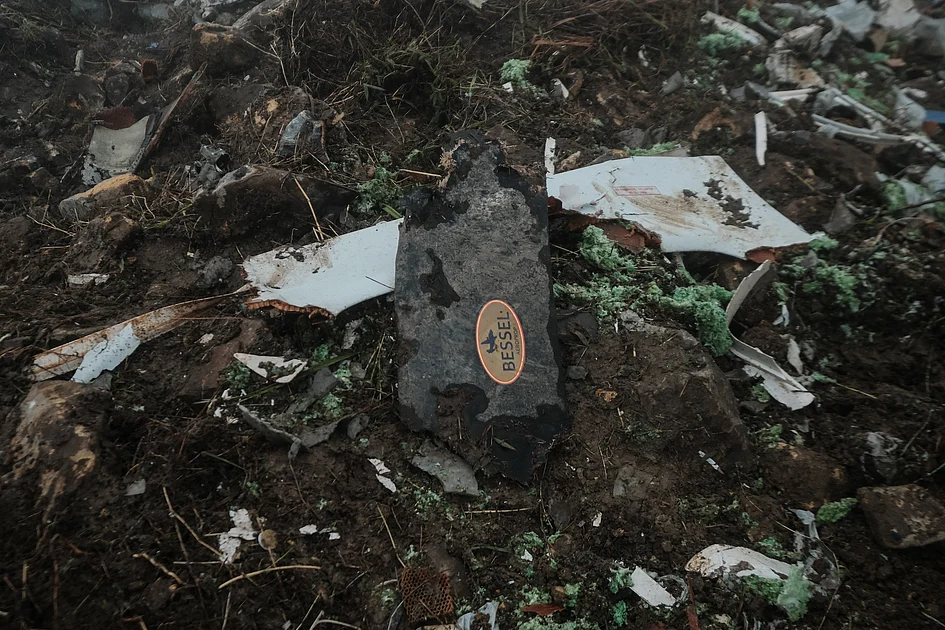
    The aircraft carried seven crew members and three ministry personnel when it disappeared near the Maros region approximately 1,500 kilometers northeast of Jakarta. After days of intensive search operations, rescue personnel located the scattered wreckage across the challenging terrain of Mount Bulusaraung.

    Andi Sultan, a visibly emotional official from South Sulawesi’s rescue agency, confirmed in a video statement that the final two victims were recovered early Friday, completing the tragic recovery operation. The National Transportation Safety Committee (KNKT) has initiated a comprehensive investigation into the accident, with examination of the recently recovered black box data underway.

    This incident marks Indonesia’s first fatal crash involving an ATR 42 model in over a decade, recalling the 2015 Trigana Air Service tragedy in Papua that claimed 54 lives. The nation’s aviation safety record has faced increased scrutiny since the 2021 Sriwijaya Air Boeing 737 crash in the Java Sea that resulted in 62 fatalities.

  • Volatile security blocks UN from Syria IS-linked camp

    Volatile security blocks UN from Syria IS-linked camp

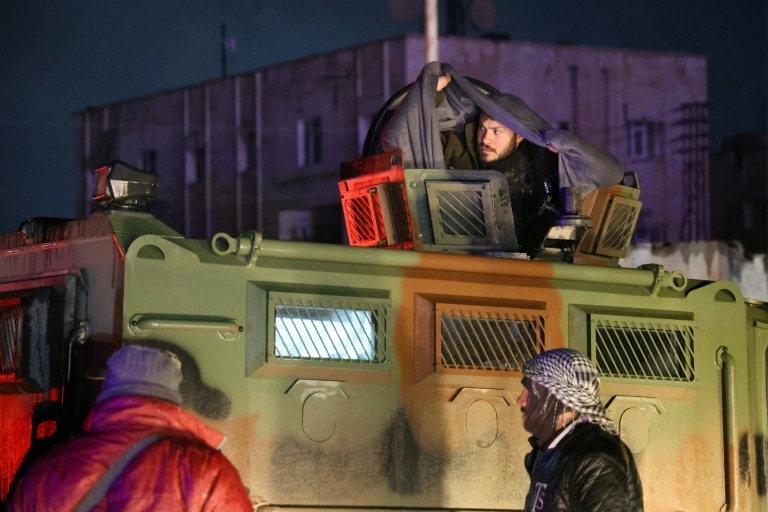
    A deteriorating security situation at the Al-Hol displacement camp in northeastern Syria has prevented United Nations personnel from delivering critical humanitarian assistance. This development follows the withdrawal of Kurdish-led security forces and the subsequent deployment of the Syrian national army, creating a volatile power transition.

    According to two former humanitarian workers who spoke with AFP on condition of anonymity, a significant security vacuum occurred between the Kurdish withdrawal and the army’s deployment, enabling an unspecified number of camp residents to escape. During this period, residents reportedly set fire to facilities operated by aid organizations.

    The camp, which previously housed approximately 23,000 individuals including suspected Islamic State family members from multiple nationalities, represents one of the most complex humanitarian challenges stemming from the conflict against ISIS. The population includes Syrian and Iraqi nationals alongside approximately 6,200 foreign women and children from various countries.

    In a parallel development, Kurdish forces completed a withdrawal from the Al-Aqtan prison near Raqa under a negotiated agreement with the Syrian government. This transfer, witnessed by AFP correspondents, involved hundreds of fighters relocating to Kurdish-held areas while ISIS detainees remained under Syrian jurisdiction.

    These security rearrangements follow a broader ceasefire agreement announced January 18th between Syrian President Ahmed al-Sharaa and SDF commander Mazloum Abdi, which includes provisions for integrating Kurdish administration into the state apparatus. The United States has concurrently begun transferring ISIS detainees from Syrian to Iraqi facilities, with 150 individuals relocated thus far according to official statements.

  • US braces for ‘extremely dangerous’ winter storm

    US braces for ‘extremely dangerous’ winter storm

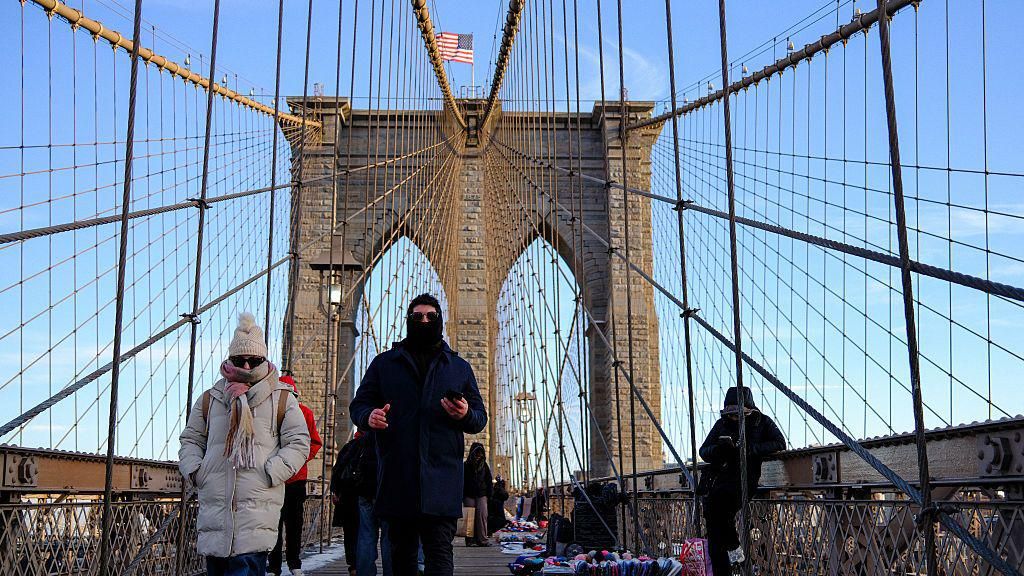
    A formidable winter storm system is poised to unleash unprecedented Arctic conditions across the United States, placing over 160 million Americans under severe weather alerts starting Friday. The National Weather Service (NWS) has issued grave warnings about this meteorological event originating from the High Plains and Rockies, predicting its eastward trajectory will generate life-threatening wind chills dipping below -50°F (-46°C) in northern regions.

    The storm’s slow-moving nature will deposit substantial snowfall from the Southern Rockies through the Mid-Atlantic into the Northeast, with projections exceeding one foot of accumulation from Colorado to Boston. Major metropolitan areas including Memphis, Nashville, Washington DC, Baltimore, Philadelphia, and New York are anticipated to experience significant snow accumulation and freezing rains.

    Transportation networks face severe disruption as airport authorities nationwide report anticipated cancellations and delays. Multiple airlines have proactively implemented flexible rebooking policies to accommodate travelers. Meteorological experts Rich Otto and Tony Fracasso emphasize that vehicular travel will become ‘nearly impossible’ during the storm’s peak intensity.

    Governors in Arkansas, Georgia, Texas, and both Carolinas have preemptively declared states of emergency, mobilizing National Guard units and emergency response teams. The NWS emphasizes the particular danger of frostbite and hypothermia from even brief skin exposure to the extreme conditions.

    The meteorological phenomenon extends into Canada, where eastern and Atlantic provinces are already experiencing severe freezing temperatures with additional snowfall expected early next week according to Environment Canada meteorologists.

  • US withdraws from the World Health Organisation, sparking financial crisis for WHO

    US withdraws from the World Health Organisation, sparking financial crisis for WHO

    In a landmark decision with profound global health implications, the United States has formally terminated its membership with the World Health Organisation (WHO). The withdrawal, effective as of Thursday, culminates a year-long process initiated by an executive order from President Donald Trump on his first day in office in 2025. The administration cites significant failures in the UN agency’s handling of the COVID-19 pandemic as the primary catalyst for its departure.

    The exit triggers an immediate financial crisis for the WHO, which has historically relied on Washington for approximately 18% of its total funding. The agency has been compelled to implement severe austerity measures, including reducing its management team by half and planning to shed a quarter of its total staff by mid-year. Budgets for critical programs are being scaled back globally.

    A contentious legal and financial dispute has emerged surrounding the withdrawal. While U.S. law typically requires a one-year notice and the settlement of all outstanding fees—estimated at $260 million for 2024 and 2025—before departure, the State Department contests this obligation. A spokesperson asserted, ‘The American people have paid more than enough,’ indicating the administration’s refusal to pay the outstanding sum. The Department of Health and Human Services confirmed the cessation of all future funding contributions, with a spokesperson alleging the WHO had ‘cost the U.S. trillions of dollars.’

    The move has been met with widespread concern from global health leaders and philanthropists. WHO Director-General Tedros Adhanom Ghebreyesus had recently urged a reconsideration. Bill Gates, chair of the Gates Foundation, a major WHO funder, expressed disappointment at the World Economic Forum in Davos, stating, ‘The world needs the World Health Organisation.’ He acknowledged a short-term return was unlikely but vowed to continue advocacy for reinstatement.

    Health experts warn the withdrawal poses significant risks to international pandemic preparedness. Kelly Henning of Bloomberg Philanthropies noted, ‘The U.S. withdrawal from WHO could weaken the systems and collaborations the world relies on to detect, prevent, and respond to health threats.’ The U.S. government stated it would pursue direct partnerships with individual nations on disease surveillance, forgoing multilateral cooperation through the WHO. The American flag was removed from WHO headquarters in Geneva, symbolizing the formal severance of a 73-year relationship.

  • China Coast Guard rescues 13 Filipino sailors in the South China Sea

    China Coast Guard rescues 13 Filipino sailors in the South China Sea

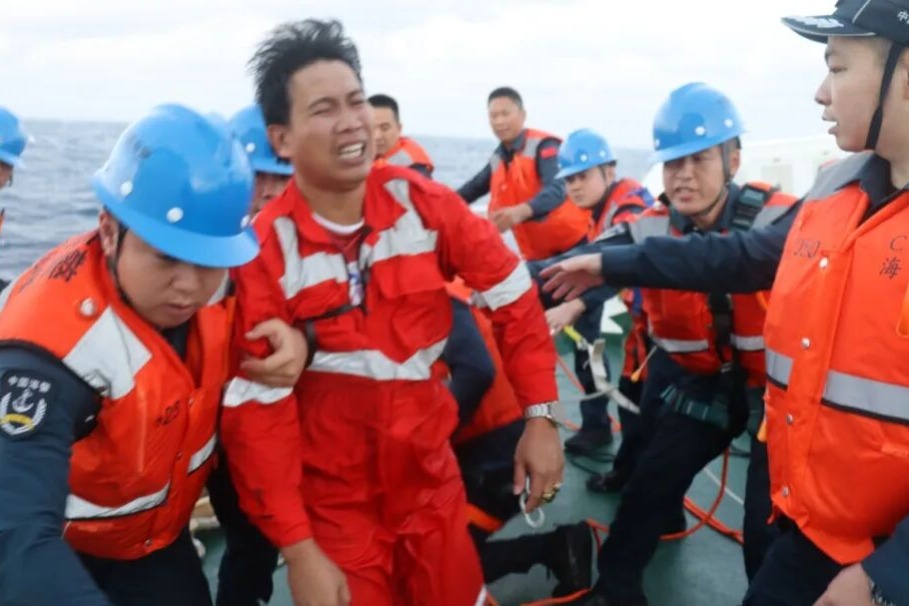
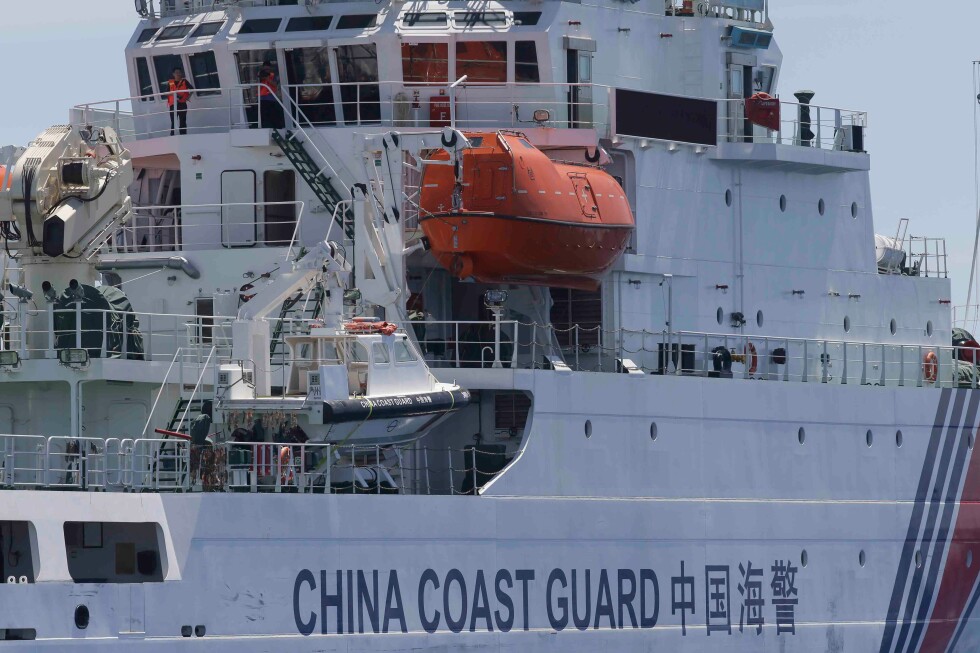
    In a demonstration of maritime cooperation, China Coast Guard personnel conducted a successful rescue operation early Friday morning, saving all 13 Filipino crew members from a capsized cargo vessel in the South China Sea waters.

    The emergency response was initiated following distress signals received from the Philippine-flagged commercial ship that encountered severe weather conditions approximately 120 nautical miles from the nearest coastline. Chinese maritime authorities immediately deployed rescue vessels and aircraft to coordinate the complex operation amid challenging sea states.

    According to official statements released by China’s maritime safety administration, the rescue team reached the incident location within three hours of receiving the initial alert. Using advanced search-and-rescue equipment and employing specialized maritime rescue protocols, all 13 sailors were safely extracted from the water without serious injuries reported.

    Medical personnel provided immediate first aid and thorough health assessments aboard the rescue vessels before transferring the Filipino mariners to proper medical facilities on Hainan Island for further observation. Philippine diplomatic representatives have been notified and are coordinating with Chinese authorities regarding the repatriation process.

    This incident marks another instance of regional maritime cooperation in emergency situations, highlighting the importance of international maritime safety protocols and joint rescue capabilities in strategically significant waterways. Both Chinese and Philippine authorities have expressed mutual appreciation for the professional execution of the rescue operation and the preservation of human life at sea.

  • Israeli fire strikes journalists and children in Gaza

    Israeli fire strikes journalists and children in Gaza

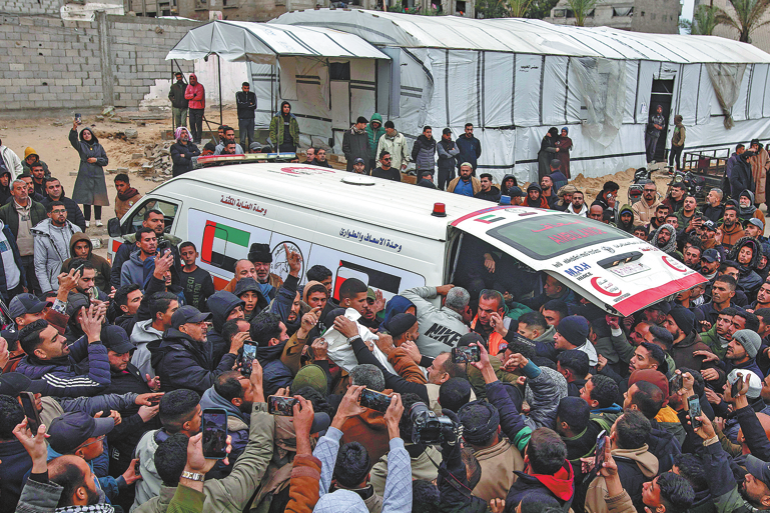
    In a devastating escalation of violence, Israeli military operations in Gaza on Wednesday resulted in the deaths of at least 11 Palestinians, including three journalists, two 13-year-old boys, and several civilians, marking one of the deadliest incidents since the October ceasefire agreement. The attacks occurred across multiple locations in the besieged territory, with hospitals confirming the casualties and sparking international concern.

    The tragedy unfolded as three Palestinian journalists were killed while documenting displacement camp conditions in the Netzarim area. According to Mohamed Mansour, spokesman for the Egyptian government committee managing the camp, the journalists’ vehicle was struck approximately 5 kilometers from Israeli-controlled territory despite being clearly identified as belonging to the humanitarian committee. Footage from the scene showed the complete destruction of their vehicle, which was visibly charred and emitting smoke.

    Among the journalistic casualties was Abdul Raouf Shaat, a frequent contributor to Agence France-Presse. The news agency issued a statement mourning his loss, describing him as ‘much loved’ and ‘kind-hearted,’ while demanding a thorough investigation into the circumstances of his death.

    Simultaneously, separate incidents claimed the lives of two adolescents. One 13-year-old boy, along with his father and another young man, fell victim to Israeli drone strikes near the Bureij refugee camp. In another heartbreaking case, Moatsem al-Sharafy was shot by troops in Bani Suheila. His mother, Safaa al-Sharafy, told The Associated Press that her son had merely ventured out to gather firewood for cooking, emphasizing his departure with the poignant words: ‘He went out in the morning, hungry. He told me he’d go quickly and come back.’

    The Israeli military stated that its actions targeted suspects operating drones that posed threats to troops, though details remain contested. These developments occur against the backdrop of strained ceasefire arrangements between Hamas and Israel, with the United States attempting to advance the peace process’s challenging second phase.

    In a related regional escalation, Israeli airstrikes in southern Lebanon injured 19 people, including eight journalists, despite the US and France-brokered ceasefire agreement with Hezbollah that took effect in November 2024. Israel has continued periodic strikes in Lebanon, citing ongoing security concerns.

  • Icebreakers, the key tech to unlock Greenland, are only made by either US allies or adversaries

    Icebreakers, the key tech to unlock Greenland, are only made by either US allies or adversaries

    The United States’ strategic ambitions in Greenland and the broader Arctic region face a formidable natural barrier: immense ice formations that choke harbors, entomb mineral resources, and transform shorelines into navigational minefields year-round. This challenging environment necessitates specialized icebreaking vessels with reinforced hulls and powerful engines capable of cleaving through frozen seas.

    Despite former President Donald Trump’s expressed interest in securing Greenland for both security and economic reasons—including countering Russian and Chinese influence and accessing rare earth minerals—the U.S. possesses only three functional icebreakers, with one nearly inoperable. This deficiency creates a significant operational gap, leaving the nation unable to reliably access Arctic territories for extended periods.

    Icebreaker construction requires highly specialized expertise predominantly found in northern nations with Arctic experience. Finland has designed approximately 60% of the world’s fleet of over 240 icebreakers and built the same percentage, while Russia maintains the largest fleet with about 100 vessels, including nuclear-powered ships. Canada ranks second and plans to double its fleet to approximately 50 icebreakers.

    The U.S. has entered agreements through the Ice PACT with Finland and Canada to obtain 11 new icebreakers. Four will be constructed in Finnish shipyards, while seven will be built in U.S. facilities under Canadian ownership and utilizing Finnish designs. This international cooperation highlights America’s current dependence on allied nations for Arctic capabilities.

    European Commission President Ursula von der Leyen emphasized this technological interdependence at the World Economic Forum, noting that Finland’s sale of icebreakers to the U.S. demonstrates European Arctic readiness. She stressed that Arctic security ultimately requires multinational cooperation, a sentiment echoed by Danish leadership which conditionally supports increased U.S. involvement provided territorial integrity is respected.

    Even with adequate icebreaking capability, establishing mining operations or defensive installations like the proposed $175 billion Golden Dome missile defense network would entail enormous costs and technical challenges in Greenland’s extreme environment, with investments potentially requiring decades to yield returns.

  • Chinese Coast Guard says 8 missing and 13 rescued after boat capsizes near disputed shoal

    Chinese Coast Guard says 8 missing and 13 rescued after boat capsizes near disputed shoal

    Chinese maritime authorities reported a significant search and rescue operation in the South China Sea on Friday after a vessel carrying Filipino nationals capsized in highly contested waters. According to an official statement from China’s Coast Guard, the incident occurred approximately 55 nautical miles northwest of Scarborough Shoal, a region known for its geopolitical tensions.

    The maritime accident left eight individuals missing while emergency responders successfully rescued thirteen people from the water. Rescue operations continued throughout the day as multiple vessels participated in the search effort.

    The location of the capsizing represents one of the most politically sensitive areas in the South China Sea, where territorial claims overlap between multiple nations. China, the Philippines, Vietnam, Malaysia, Brunei, and Taiwan all maintain competing sovereignty claims over Scarborough Shoal and surrounding waters.

    This incident occurs against a backdrop of increasing maritime confrontations in the region. Just two months prior, in August, a Chinese naval vessel accidentally collided with a Chinese Coast Guard ship during operations to block a Philippine Coast Guard vessel near the same shoal. The frequency of such encounters has raised concerns among international observers about potential escalation in the strategically vital waterway.