分类: world

  • Ukraine is battling to keep the lights on, this nuclear plant is vital in the fight

    Ukraine is battling to keep the lights on, this nuclear plant is vital in the fight

    Deep within the control room of Ukraine’s Khmelnytsky nuclear facility, a team of technicians maintains vigilant watch over a wall of monitoring systems. This western Ukrainian plant has emerged as a crucial bastion for national energy security amid relentless Russian assaults on critical infrastructure.

    With conventional power stations severely damaged by targeted airstrikes, nuclear energy now supplies approximately 60% of Ukraine’s electricity through three operational plants. Pavlo Kovtonyuk, director of Ukraine’s National Nuclear Energy Company Energoatom, confirms these installations face constant threat of attack. “Russia systematically targets substations connecting nuclear plants to the grid in acts of nuclear terrorism,” Kovtonyuk states, emphasizing that disrupting these connections jeopardizes safe reactor operation.

    The situation grows increasingly precarious at the Zaporizhzhia Nuclear Power Plant, Europe’s largest nuclear facility currently under Russian military control since March 2022. While in dormant mode, its reactors require continuous cooling and maintenance to prevent catastrophic failure. Ukrainian officials report concerning negligence in maintenance protocols and dangerously depleted cooling reservoirs under Russian management.

    Personal accounts from displaced plant workers reveal the human cost of the occupation. Technician Dariia Zhurba and engineer husband Ihor described their terrifying escape from Zaporizhzhia after weeks working under Russian control. “They scrutinized everything—our phones, social media, even ‘likes’—and interrogated us about military relatives,” Dariia recounted from their new modular home near Khmelnytskyi.

    International Atomic Energy Agency teams periodically inspect the occupied facility during temporary ceasefires, supervising critical repairs to damaged power lines and cooling systems. However, Ukrainian authorities warn that Zaporizhzhia’s American-designed fuel systems remain incompatible with Russian technical expertise, creating additional safety complications.

    The potential consequences transcend national borders. Energoatom director Kovtonyuk warns that any incident causing core meltdown could surpass the Chernobyl disaster in contamination scope, though potentially developing more gradually without explosive characteristics.

    As diplomatic discussions continue regarding the plant’s future operational status, evidence suggests Russia is already constructing power lines toward occupied territories, potentially redirecting Zaporizhzhia’s output should reactors restart under Moscow’s control—a scenario Ukrainian leaders vow to prevent given the facility’s vital role in national energy infrastructure and global safety concerns.
  • Firefighters face attacks, drones and arsonists while battling deadly blazes in Chile

    Firefighters face attacks, drones and arsonists while battling deadly blazes in Chile

    FLORIDA, Chile — Chilean emergency crews combating the nation’s most devastating wildfires in recent history are confronting unprecedented challenges beyond the flames themselves—including armed attacks and unauthorized drone operations that threaten aerial firefighting operations.

    The catastrophic blazes have claimed at least 21 lives and scorched approximately 45,700 hectares (176 square miles) of forestland and residential areas, according to Thursday’s report from Chile’s National Forestry Corporation (CONAF). The scale of destruction has already surpassed April’s Valparaíso and Viña del Mar inferno that consumed 8,500 hectares and killed 131 people.

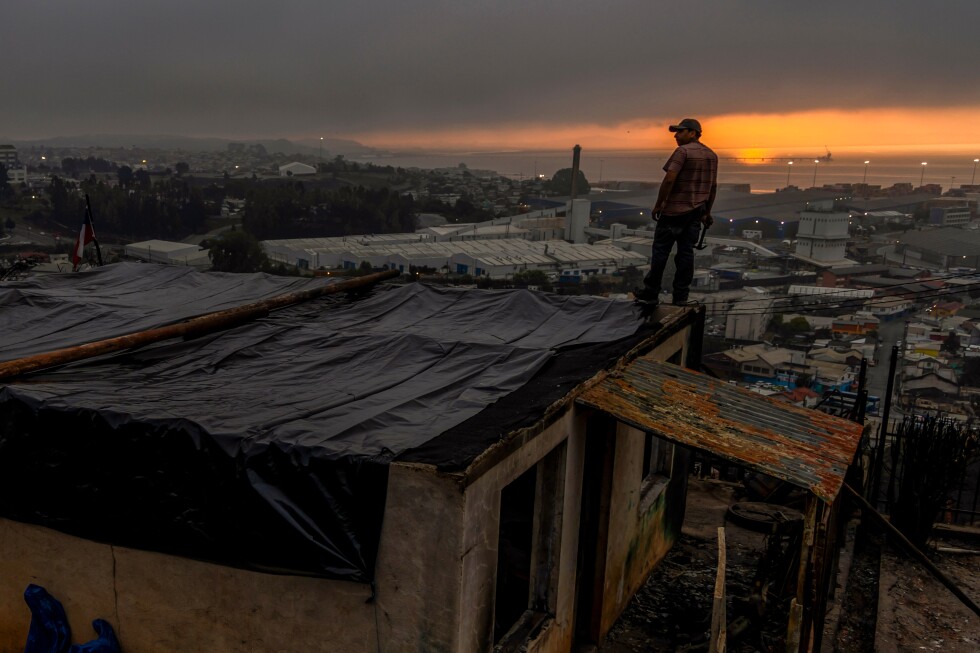
    The human toll continues to mount with 305 injured and 2,359 homes destroyed, leaving hundreds displaced in makeshift shelters. Charred landscapes reveal haunting scenes of burned vehicles and wildlife while search teams recover skeletal remains for forensic identification. Authorities acknowledge the casualty count will likely rise as assessment teams document the full extent of the tragedy.

    President Gabriel Boric declared two days of national mourning while visiting the devastated Biobío region, stating on social media platform X: ‘Amid the profound sorrow caused by the forest fires in the south-central region of our country, I have decided to decree two days of national mourning.’

    Firefighters facing dual threats

    The nearly 8,500 firefighters battling the blazes since Sunday have encountered deliberate hostility alongside natural dangers. Official reports confirm at least two attacks on fire crews, including one incident involving gunfire. President Boric condemned these aggressions as ‘absolutely unacceptable’ and promised full legal consequences for perpetrators.

    Simultaneously, unauthorized drone operations by journalists and hobbyists seeking aerial footage have forced temporary suspensions of critical airborne firefighting missions around the town of Florida, where wildfires remain uncontrolled. These civilian drones risk catastrophic mid-air collisions with water-dropping aircraft and distract ground crews.

    CONAF emphasized that drone use during firefighting operations is strictly prohibited, noting: ‘The use of unmanned aircraft can endanger the lives of helicopter and airplane pilots working to control these fires.’

    Authorities have arrested approximately 70 individuals this fire season for arson-related activities, including one suspect detained Thursday for allegedly starting a blaze in Punta de Parra near the epicenter of destruction.

    International solidarity emerges

    Global support has mobilized to assist Chile’s crisis response. Mexico deployed 145 firefighters who arrived Thursday at Concepción airport to work alongside local crews. Uruguay is providing approximately 30 professionals and air force aircraft, while the United States has delivered specialized firefighting equipment directly to Chilean authorities.

    Foreign Minister Alberto van Klaveren confirmed ongoing discussions with United Nations agencies and the European Union’s humanitarian aid office for additional support, noting that government planning already extends beyond fire containment to future reconstruction efforts.

  • Workers dig for the missing in New Zealand landslide

    Workers dig for the missing in New Zealand landslide

    Emergency crews in New Zealand are engaged in a critical search operation through treacherous terrain after a massive landslide from an extinct volcano engulfed a popular campsite on the North Island. The disaster struck Thursday when a substantial portion of Mount Maunganui collapsed onto the holiday destination following periods of intense rainfall, destroying shower facilities and multiple recreational vehicles.

    Authorities have confirmed that a young child is among those missing, with police indicating the number of unaccounted individuals remains in ‘single figures.’ Initial reports from witnesses and first responders described hearing voices calling for help from beneath the rubble immediately following the collapse, but no further sounds have been detected since the early hours of the disaster.

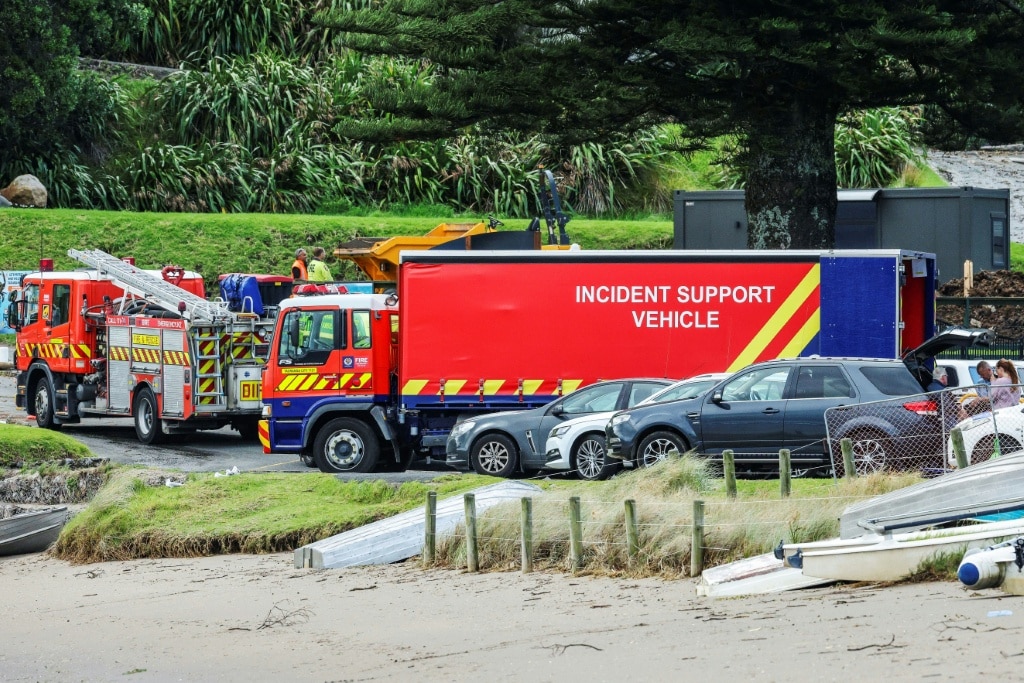
    Three mechanical excavators have been deployed to clear the extensive mud and debris that completely overwhelmed the campsite. The operation proceeded throughout the night under challenging conditions, with progress deliberately measured due to the unstable environment. At one point during Friday’s efforts, work was temporarily suspended as a police photographer documented the scene and a hearse was observed departing the area.

    Fire and Emergency assistant national commander David Guard characterized the situation as ‘complex and high-risk,’ emphasizing that crews would continue their painstaking layer-by-layer search until completion. Approximately two dozen family members maintained a vigil across from the disaster site, watching as damaged caravans and campervans were extracted from the mud.

    The region, known as a major summer tourist attraction for hikers and beach enthusiasts, has experienced multiple landslide incidents. In a separate event on Thursday, emergency workers recovered two bodies from a home in nearby Tauranga that was struck by another landslide.

    Canadian tourist Dion Siluch, 34, recounted his narrow escape from the catastrophe while receiving a massage at the adjacent Mount Hot Pools complex. ‘The whole room started shaking,’ he described. ‘When I walked out, there was a caravan in the pool, and there’s a mudslide that missed me by about 30 feet.’ Siluch noted he had observed another smaller landslip approximately an hour earlier but hadn’t recognized the imminent danger.

  • Inside RAK’s first aid ship to Gaza to send 4,000 tonnes of supplies before Ramadan

    Inside RAK’s first aid ship to Gaza to send 4,000 tonnes of supplies before Ramadan

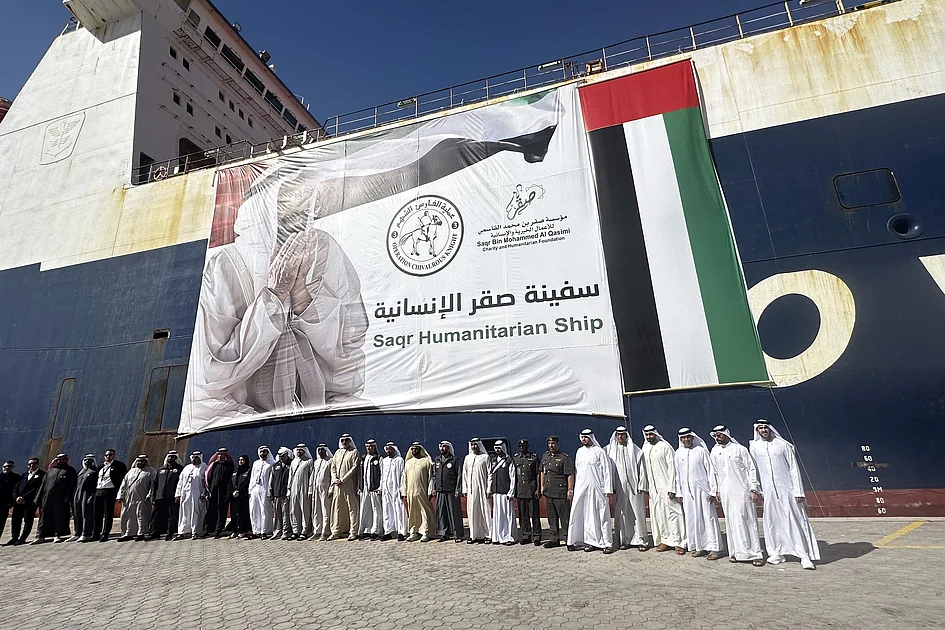
    In a significant expansion of its humanitarian operations, Ras Al Khaimah has launched its inaugural maritime aid mission to Gaza, deploying a vessel carrying 4,000 tonnes of critical supplies destined for displaced Palestinian families ahead of Ramadan. The Saqr Humanitarian Ship departed from Ras Al Khaimah Port on January 22, embarking on a strategic journey to Egypt’s Port of Al Arish with an anticipated arrival date of February 5.

    The comprehensive cargo aboard represents a meticulously coordinated response to urgent needs in Gaza, containing food provisions for bakeries and communal kitchens, specialized Ramadan food parcels, clothing, blankets, shelter materials, and essential medical supplies to reinforce overwhelmed healthcare facilities. This shipment marks the 23rd humanitarian vessel dispatched under the UAE’s coordinated Gaza relief efforts.

    Hamoud Saeed Al Afari, Relief Operations Coordinator for Operation Chivalrous Knight 3, emphasized the strategic nature of this assistance: ‘This vessel carries essential supplies carefully selected based on urgent humanitarian needs, particularly in preparation for Ramadan. Our goal is to ensure aid reaches families, hospitals, and relief centers as quickly and efficiently as possible.’

    The UAE’s humanitarian infrastructure extends beyond maritime deliveries, encompassing a field hospital in Gaza, an operational eye hospital in Al Arish, and six constructed water desalination plants. These efforts are supplemented by daily water deliveries, sustained support for food production facilities, and comprehensive medical assistance that has facilitated treatment for 1,000 Palestinian children and 1,000 cancer patients within UAE facilities.

    Notably, this mission represents Ras Al Khaimah Port’s inaugural participation in humanitarian maritime operations, joining other UAE ports including Fujairah, Al Hamriyah in Dubai, and Khalifa Port in this coordinated effort. To date, the UAE has delivered more than 737 humanitarian flights and over 10,000 aid trucks into Gaza, accounting for more than 46% of total international assistance.

    The Saqr Mohammed Al Qasimi Foundation for Charity and Humanitarian Work fully funded and loaded this historic shipment, marking the foundation’s first complete humanitarian ship contribution. Mohammed Al Shareef, official spokesperson for Operation Chivalrous Knight 3, confirmed that aid selection was based on real-time assessments by UAE field teams to ensure alignment with the most pressing civilian needs.

    With total aid volume under Operation Chivalrous Knight 3 reaching 110,000 tonnes valued at over $2.6 billion, the UAE continues to dominate international relief efforts for Gaza. A subsequent humanitarian vessel carrying more than 7,000 tonnes of aid is already scheduled for loading and dispatch in early February, reinforcing the sustained pipeline of assistance.

  • ‘Blood was all over’ – victim of Nigeria church abduction describes escape

    ‘Blood was all over’ – victim of Nigeria church abduction describes escape

    A 60-year-old Nigerian woman identified as Sarah Peter has described her miraculous escape from armed kidnappers who attacked her church in Kurmin Wali village, approximately 135km north of Abuja. The assault occurred during Sunday morning worship services when gunmen stormed multiple churches in the region.

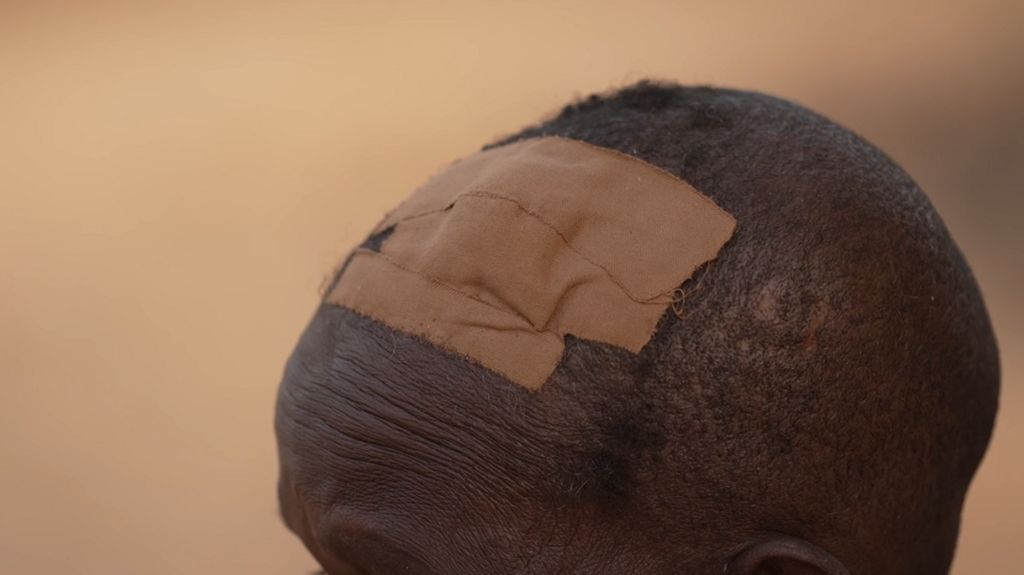
    Sarah, whose name has been changed for security reasons, sustained a severe head injury when attackers struck her with a rifle butt to force compliance. ‘Blood was all over,’ she recounted, visibly traumatized days after the incident. Despite her injuries and physical limitations, she managed to hide from her captors during the forced march and crawled back to safety.

    The coordinated attacks targeted branches of the Cherubim and Seraphim Movement Church and two other congregations, resulting in what local Christian Association of Nigeria officials describe as over 160 missing persons. While 11 worshippers including Sarah successfully escaped, the majority remain unaccounted for three days after the incident.

    Kurmin Wali’s proximity to Rijana forest in Kaduna state presents particular security challenges, as the area serves as a known hideout for criminal gangs locally referred to as ‘bandits.’ These groups have increasingly engaged in ransom-driven abductions across Nigeria’s northwestern region, creating a widespread security crisis.

    Authorities initially denied the attacks occurred despite eyewitness accounts, only confirming the incidents after 48 hours of confusion. Local residents have accused officials of attempting to suppress information about the kidnappings, with reports of journalists being blocked from accessing the village.

    Kaduna State Governor Uba Sani eventually visited the traumatized community, promising to establish a military base between the village and Rijana forest, construct a hospital and road infrastructure, and provide medical support to affected residents. ‘We cannot relocate them because they have to farm… but to ensure that we protect them going forward, we need to have a military base,’ Governor Sani told the BBC.

    The attack reflects Nigeria’s escalating security challenges, with kidnapping for ransom becoming increasingly commonplace despite official prohibitions on payments to captors. While international attention has grown regarding religious targeting in Nigeria, officials maintain that Muslims, Christians, and non-religious individuals have all been affected by the insecurity.

    Survivor Christopher Yohanna, who escaped with his two-year-old daughter but lost two wives and other children, encapsulated the community’s despair: ‘If my family is not with me then my life is worthless and free of any joy.’ As families await news of their missing relatives, they hope the governor’s security promises will materialize before further attacks occur.

  • 10 Indian soldiers killed as army vehicle plunges into deep gorge in Jammu & Kashmir

    10 Indian soldiers killed as army vehicle plunges into deep gorge in Jammu & Kashmir

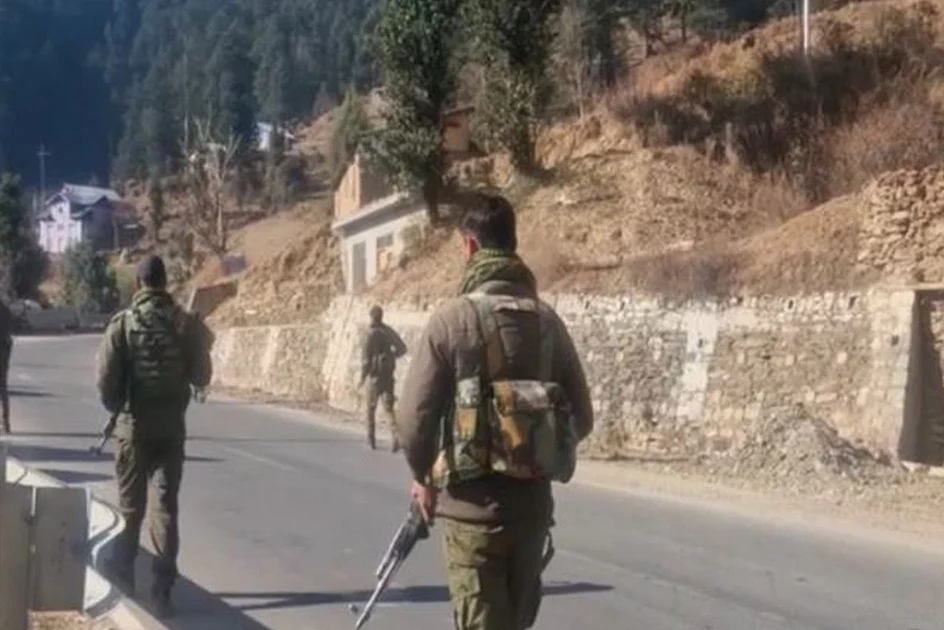
    In a devastating military accident on Thursday, ten Indian soldiers lost their lives when their armored vehicle plummeted into a 200-foot ravine in the mountainous Doda district of Jammu and Kashmir. The tragedy occurred approximately at noon near Khanni Top, situated at an elevation of 9,000 feet along the treacherous Bhaderwah-Chamba interstate route.

    According to official reports, the bulletproof military transport was en route to a high-altitude outpost when the driver reportedly lost control on the precarious mountain road. The vehicle careened off the roadway and descended into the deep gorge below, resulting in catastrophic damage to the armored carrier.

    Emergency response teams comprising Indian Army personnel and local administration officials immediately launched a complex rescue operation despite challenging terrain conditions and unfavorable weather. Initial recovery efforts confirmed four fatalities at the accident site, while eleven injured personnel were extracted from the wreckage. Tragically, six of the wounded soldiers subsequently succumbed to their injuries during medical evacuation.

    The injured personnel received immediate first aid at the location before being airlifted via military aircraft to specialized medical facilities in Udhampur for advanced treatment.

    Indian Prime Minister Narendra Modi expressed profound grief over the incident through an official statement on social media platform X: ‘Deeply anguished by the mishap in Doda, in which we have lost our brave army personnel. Their service to the nation will be remembered forever. May the injured recover at the earliest. All possible support is being provided to those affected.’

    The incident highlights the inherent dangers faced by military personnel operating in the challenging terrain of the Himalayan region, where difficult road conditions and extreme altitudes present constant operational hazards.

  • Human rights groups condemn conviction of Filipina journalist for terrorism financing

    Human rights groups condemn conviction of Filipina journalist for terrorism financing

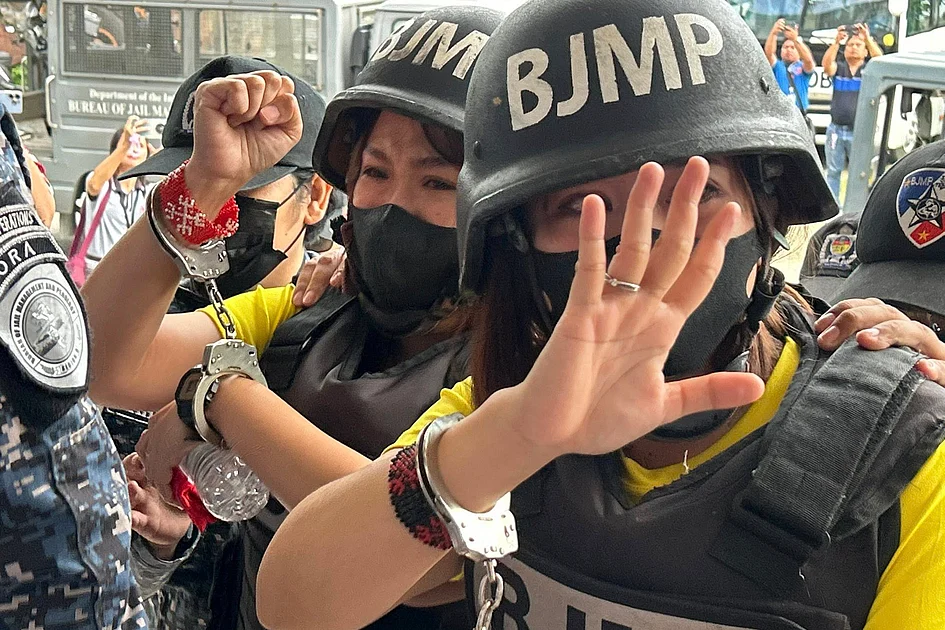
    A regional trial court in the Philippines has convicted community journalist Frenchie Mae Cumpio on terrorism financing charges, sentencing the 26-year-old to a minimum of 12 years imprisonment. The Thursday verdict marks the first prosecution of a Filipino journalist under the country’s anti-terror financing legislation, drawing immediate condemnation from press freedom advocates worldwide.

    While Cumpio and co-accused Marielle Domequil were acquitted of separate charges involving illegal possession of firearms and explosives, the terrorism conviction carries a potential 18-year sentence. The case stems from a February 2020 nighttime raid by Philippine troops who allegedly discovered incriminating items in her Tacloban City boarding house.

    International press freedom organizations have uniformly denounced the ruling. Reporters Without Borders (RSF), following its independent investigation, declared the verdict “a clear miscarriage of justice.” Aleksandra Bielakowska, RSF’s Asia-Pacific Advocacy Manager, stated: “We are appalled by this verdict. The evidence presented in court clearly shows how fabricated this case has been from the very beginning.”

    Human rights advocates characterize the conviction as part of a broader pattern of repression against activists and government critics. Cristina Palabay, secretary general of rights alliance Karapatan, told media outlets that the charges relied on “unreliable witnesses, speculative intelligence, and inconsistent narratives” regarding alleged financial support to rebel groups.

    Cumpio, who turns 27 on January 23, has been detained since her arrest nearly six years ago while serving as executive director of Eastern Vista news website and a radio news anchor. Her reporting focused extensively on alleged abuses by security forces and community welfare issues in Eastern Visayas.

    The case has raised concerns about the continuity of press freedom restrictions between Philippine administrations. Advocates are now calling on President Ferdinand Marcos Jr. to intervene, warning that without decisive action, his administration risks mirroring the press freedom record of his predecessor.

  • What to know about the devastating floods in southern Africa

    What to know about the devastating floods in southern Africa

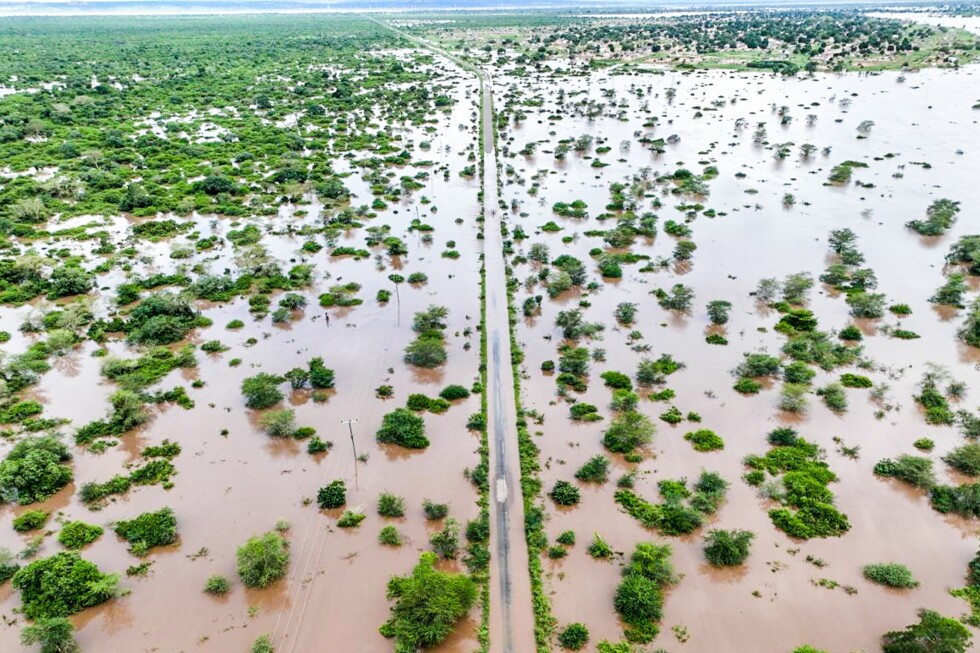
    CAPE TOWN, South Africa — A catastrophic weather system has unleashed severe flooding across southern Africa, resulting in a confirmed death toll exceeding 100 individuals and triggering widespread devastation in Mozambique, South Africa, and Zimbabwe. The region has been subjected to unusually intense rainfall since late last year, culminating in what authorities describe as the worst flooding incident in years, with fatalities anticipated to rise as emergency operations persist.

    The human impact is profound. South Africa reports over 30 fatalities, while neighboring Zimbabwe has suffered at least 70 deaths from the relentless downpours. Mozambique has officially attributed 13 deaths directly to the floods over a two-week period, though the actual number is believed to be significantly higher. Central and southern Mozambique are among the hardest-hit areas, with the government estimating over half a million citizens have been affected. In the southern Gaza province alone, more than 300,000 people have been displaced, prompting official evacuation orders for several towns. The provincial capital, Xai-Xai, and the agricultural hub of Chokwe have been completely submerged, with only building rooftops visible in satellite imagery. The tourist destination of Marracuene, north of the capital Maputo, is now encircled by water and effectively isolated.

    Beyond the humanitarian crisis, the environmental and economic toll is staggering. South Africa’s renowned Kruger National Park, a premier wildlife sanctuary and major tourist destination, has sustained infrastructural damage estimated in the tens of millions of dollars. Environment Minister Willie Aucamp confirmed that sections of the vast, 20,000-square-kilometer park are entirely cut off after roads and bridges were washed away. Staff accommodations and tourist facilities have been destroyed, with a full recovery expected to take several years. A special reconstruction fund has been established. Park officials noted that wildlife, including critically endangered black rhinos, typically migrates to higher ground during floods, though the full impact on animal populations remains unclear. Hundreds of tourists and staff were successfully evacuated, with no reported fatalities within the park.

    Cross-border rescue missions are underway to mitigate the disaster. The South African Air Force has deployed helicopters to conduct lifesaving operations in its northern provinces of Mpumalanga and Limpopo, rescuing citizens stranded on rooftops and in trees. The military has extended these efforts into Mozambique, where it has airlifted nearly 500 stranded individuals to safety. The scale of destruction is immense, with thousands of homes obliterated, leading South Africa to declare a national disaster. Engineers are also assessing the structural integrity of a dam in the northeast under severe pressure from the floodwaters, with preemptive evacuations ordered in case of a potential breach.

    Humanitarian agencies are raising alarms over secondary crises. The flooding has decimated crops relied upon by millions of subsistence farmers, drastically increasing the threat of widespread hunger. Furthermore, the standing water creates a fertile ground for waterborne diseases, with cholera posing a significant risk. The United Nations Children’s Fund (UNICEF) has highlighted the extreme vulnerability of children among the affected populations in Mozambique, where access to essentials like clean water, food, and healthcare has been severely compromised.

  • Egyptian Relief Committee and AFP slam Israeli attack that killed three journalists in Gaza

    Egyptian Relief Committee and AFP slam Israeli attack that killed three journalists in Gaza

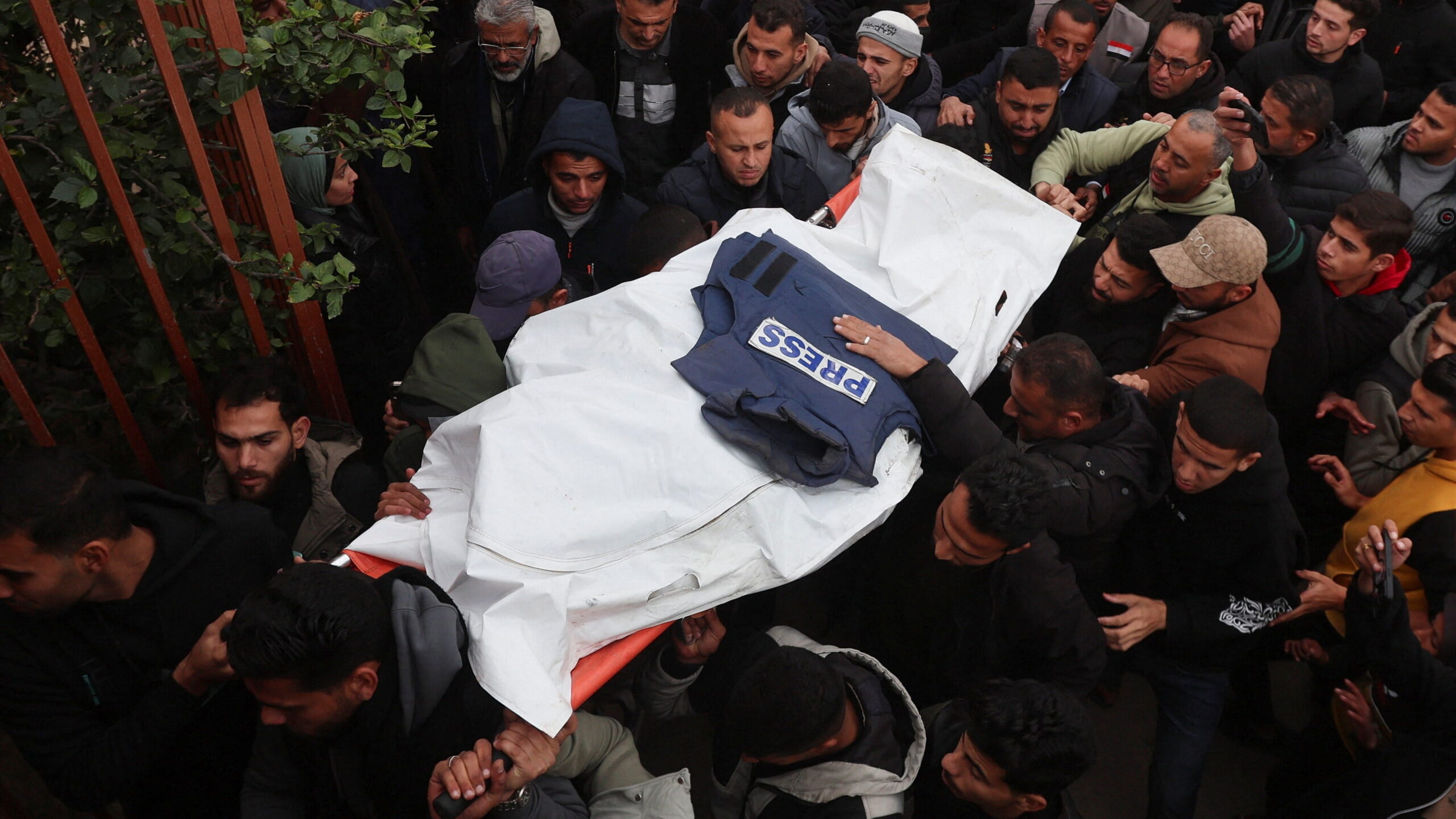
    Israel faces mounting international criticism following a military strike that killed three Palestinian journalists in central Gaza on January 21, 2026. The journalists—Mohammad Salah Qishta, Abdul Raouf Samir Shaat (a freelancer for Agence France-Presse), and Anas Ghanem—were documenting conditions at a displaced persons camp operated by the Egyptian Relief Committee when their clearly marked vehicle was targeted.

    The Israeli military confirmed the attack, asserting it had targeted suspects allegedly operating a Hamas-affiliated drone. This justification mirrors previous unsubstantiated claims made by Israel throughout its two-year military campaign in Gaza, where journalists have frequently been accused of militant affiliations without evidence.

    Mohammed Mansour, spokesperson for the Egyptian Relief Committee, condemned what he described as a ‘criminal targeting’ of a humanitarian mission, noting all committee vehicles bear prominent identifying logos. A source within the committee revealed the journalists were on assignment documenting camps near the Netzarim corridor, calling the attack a ‘dangerous precedent’ undermining ceasefire negotiations.

    The Palestinian Journalists Syndicate denounced the incident as a ‘deliberate assassination’ intended to silence Palestinian voices and conceal Israeli crimes against civilians. Reporters Without Borders (RSF) had previously identified the Israeli army as ‘the worst enemy of journalists’ in its December annual report, noting that 43% of journalist killings worldwide occurred in Palestinian territories, overwhelmingly perpetrated by Israeli forces.

    Since October 2023, the Government Media Office in Gaza reports 260 journalists have been killed by Israeli forces. Despite a ceasefire agreement effective October 10, Israel has committed approximately 1,300 violations including deadly airstrikes, civilian arrests, home demolitions, and aid restrictions. The overall Palestinian death toll since October 2023 exceeds 71,500, with more than 171,300 wounded.

    AFP mourned Shaat’s death and demanded a ‘full and transparent investigation,’ highlighting that foreign journalists remain unable to enter Gaza freely while local journalists face extreme danger. Independent journalist Barry Malone summarized the situation: ‘There is no ceasefire. There never was.’

  • Nigeria church attackers demand ransoms as search intensifies for over 150 hostages

    Nigeria church attackers demand ransoms as search intensifies for over 150 hostages

    ABUJA, Nigeria — In a brazen assault highlighting Nigeria’s escalating security crisis, armed militants have demanded 17 motorcycles as ransom payment for over 150 Christian worshippers abducted during coordinated church attacks in northwestern Kaduna state. The mass kidnapping occurred Sunday when gunmen raided three separate churches in Kajuru district, initially seizing 177 congregants before 11 managed to escape during the operation.

    Local authorities confirmed tactical security teams have been deployed to track the kidnappers, believed to be part of rogue criminal gangs exploiting limited state presence in remote communities. The motorcycle ransom demand—estimated at approximately $17,000 total—represents both a practical and symbolic request, as these vehicles serve as primary transportation for militants operating throughout Nigeria’s conflict zones.

    Village head Ishaku Dan’azumi reported the captors explicitly requested motorcycle replacements rather than monetary compensation, a detail corroborated by Sebastine Barde of the Adara Development Association. The abduction methodology reflects broader patterns in regional violence, where attackers utilize forest reserves as hideouts and motorcycles for rapid movement between communities.

    Kaduna Governor Uba Sani visited affected communities Wednesday, pledging coordinated efforts between state and security agencies to secure hostage release. “Our administration will continue to pursue peace, security, and inclusive development,” Sani stated during his assessment of the crisis.

    The incident occurs amid deteriorating diplomatic relations between Nigeria and the United States, following U.S. accusations that Nigerian authorities have failed to protect Christian communities during the nation’s prolonged security emergency. While attacks affect both religious groups, the targeting of worship centers has drawn international concern and complicated bilateral counterterrorism cooperation.