分类: world

  • India and EU set for ‘mother of all deals’ as Trump’s tariff uncertainty looms

    India and EU set for ‘mother of all deals’ as Trump’s tariff uncertainty looms

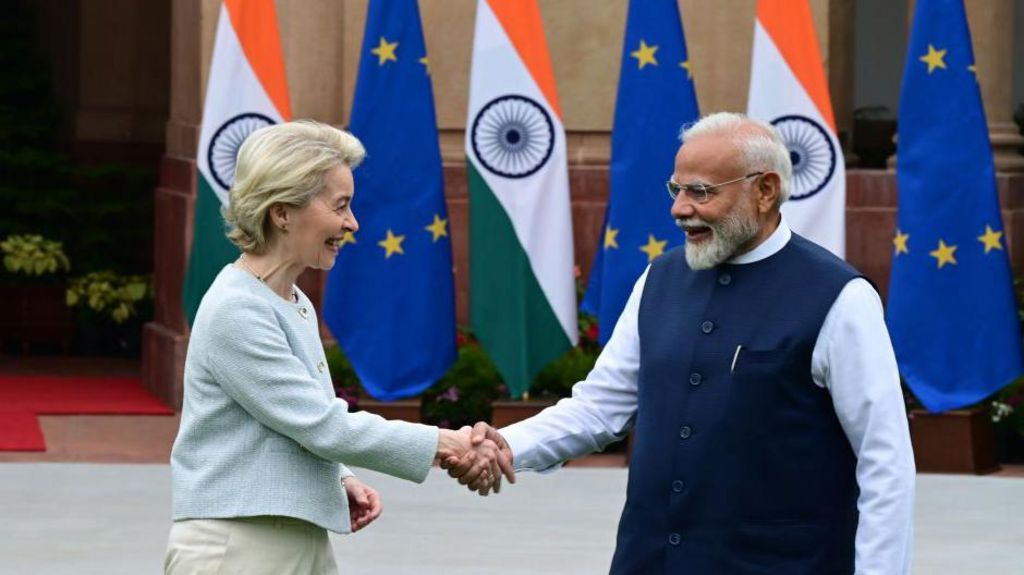
    In a significant diplomatic development, European Council President Antonio Luis Santos da Costa and European Commission President Ursula von der Leyen will attend India’s Republic Day celebrations as chief guests on January 26th. Beyond the ceremonial honors, their visit marks a crucial juncture in nearly two decades of free trade negotiations between the European Union and Asia’s third-largest economy.

    The potential agreement, which some reports suggest could be announced as early as January 27th during a high-level summit, represents a strategic pivot for both parties. For India, this constitutes its ninth free trade pact in four years, following recent deals with the UK, Oman, and New Zealand. The EU, meanwhile, continues expanding its trade network after concluding agreements with Mercosur nations, Japan, South Korea, and Vietnam.

    This accelerated negotiation timeline occurs against a backdrop of global trade uncertainty. Recent geopolitical tensions, including former President Donald Trump’s threatened tariffs against European allies and ongoing US-India trade disputes, have created renewed urgency for both parties to secure reliable trading partnerships. As Chietigj Bajpaee of Chatham House notes, “It sends a signal that India maintains a diversified foreign policy and that it is not beholden to the whims of the Trump administration.”

    The economic stakes are substantial. The EU is already India’s largest trading bloc, with bilateral trade currently favoring India—$76 billion in exports versus $61 billion in imports. The agreement would restore Generalized System of Preferences (GSP) benefits withdrawn in 2023, potentially boosting Indian exports in garments, pharmaceuticals, steel, petroleum products, and machinery.

    For Europe, partnering with the world’s fourth-largest and fastest-growing major economy—projected to surpass Japan’s GDP this year—offers access to a massive consumer market. Von der Leyen previously emphasized that an EU-India partnership would create a free market of two billion people accounting for a quarter of global GDP.

    Nevertheless, significant challenges remain. Europe seeks stronger intellectual property protections, including enhanced data security and patent regulations. India faces concerns regarding the EU’s new Carbon Border Adjustment Mechanism (CBAM), which effectively imposes border charges on Indian exports regardless of FTA provisions—particularly burdensome for small and medium-sized enterprises.

    India is expected to protect sensitive sectors like agriculture and dairy, while gradually reducing tariffs on automobiles, wine, and spirits—a approach consistent with previous trade agreements. As analyst Sumedha Dasgupta observes, the deal represents “a continuing and significant effort to shed India’s notoriously protectionist carapace.”

    Despite these hurdles, analysts ultimately view the agreement as mutually beneficial. Alex Capri of the National University of Singapore notes that the pact could “expedite trade decoupling from unreliable partners,” reducing vulnerabilities to arbitrary tariffs and weaponized supply chains. The agreement may also benefit from improved EU-India relations following India’s reduction of Russian crude oil purchases since November 2025.

    As Dasgupta concludes, recent political friction with the US means “EU leaders will now be more welcoming towards this trade deal than they would have otherwise been,” suggesting favorable conditions for finalizing this long-anticipated agreement.
  • ‘Half of my friends were killed’ – the girls returning to a school caught up in war

    ‘Half of my friends were killed’ – the girls returning to a school caught up in war

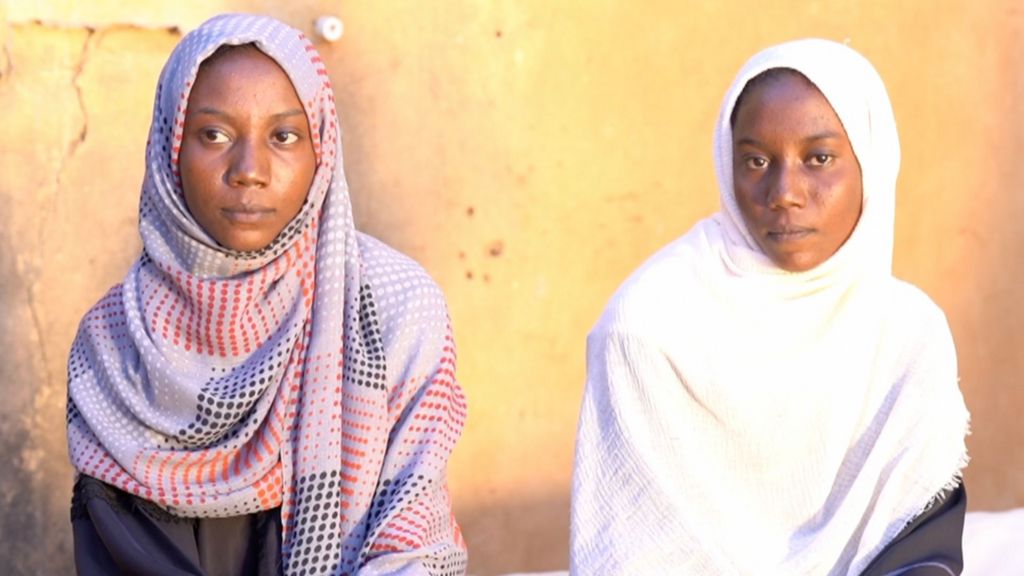
    In a harrowing account from Sudan’s civil war, 18-year-old twins Makarem and Ikram survived a devastating artillery attack on their school in el-Obeid, North Kordofan, in August 2024. The sisters were attending separate classes when shells struck the Abu Sitta girls’ school, killing their English teacher and 13 classmates while injuring dozens more.

    Makarem sustained serious injuries during the attack, suffering shoulder and head wounds from shrapnel. ‘We took cover beside the wall when a classmate noticed my bleeding shoulder,’ she recalls. In the ensuing chaos, the twins desperately searched for each other amid the destruction, with Makarem eventually transported to hospital by local residents using private vehicles and animal-drawn carts due to the absence of functional ambulance services.

    The attack left a permanent physical reminder for Makarem—a small shrapnel fragment embedded in her head that continues to cause periodic pain, particularly during colder weather. ‘The headaches were unbearable initially, requiring constant pain medication,’ she explains.

    Despite the trauma, both twins have demonstrated remarkable resilience. Following three months of school renovations, they returned to the same classrooms where their friends and teacher perished. ‘Initially, I couldn’t imagine returning,’ Ikram admits. ‘But seeing my friends come back gave me courage.’ The emotional toll remains evident as she confesses to closing her eyes while passing the attack site to avoid traumatic memories.

    The school administration implemented comprehensive support measures, including psychological counseling and medical facilities with beds and nurses to accommodate injured students during examinations. Headteacher Iman Ahmed describes the girls’ determination to continue their education as ‘a form of defiance and loyalty to those who were lost.’

    Their story unfolds against the backdrop of Sudan’s devastating conflict, which has claimed over 150,000 lives since April 2023 and created the world’s worst humanitarian crisis according to UN assessments. The strategically vital Kordofan region, rich in oil resources, has become a major frontline in the war between the Sudanese army and paramilitary Rapid Support Forces (RSF).

    Regional authorities attribute the school attack to RSF forces, though the group has never acknowledged responsibility for the incident. The conflict has severely disrupted education nationwide, with approximately 13 million of Sudan’s 17 million school-aged children currently unable to attend classes according to UN estimates.

    In el-Obeid, educational challenges persist despite the city’s liberation from an 18-month RSF siege in February 2025. Dozens of schools have been converted into shelters for nearly one million displaced persons, creating overcrowded conditions that complicate learning environments.

    Despite these obstacles, both twins maintain hopeful outlooks. Ikram now studies English at a local university, inspired by her deceased teacher, while Makarem aspires to become a doctor despite initially falling short of the required exam scores for medical school. ‘The shrapnel made studying difficult—I could only manage one-hour sessions,’ she reveals. Undeterred, she plans to retake her exams, asserting: ‘I believe I will achieve my target score. I am hopeful for the future.’

    Neurologist Dr. Tarek Zobier notes that retained shrapnel effects vary case by case, with some patients requiring no intervention while others need surgery for severe symptoms. For Makarem, pain management continues through medication as she pursues her academic ambitions amid ongoing conflict.

  • US carries out first known strike on alleged drug boat since Maduro’s capture

    US carries out first known strike on alleged drug boat since Maduro’s capture

    In a significant escalation of its counter-narcotics operations, the United States military has confirmed conducting a lethal strike against a suspected drug trafficking vessel in the eastern Pacific Ocean. This operation, executed on Friday, represents the first such action since the high-profile raid that captured Venezuelan President Nicolás Maduro earlier this month.

    According to U.S. Southern Command’s official statement released through social media channels, the targeted boat was actively engaged in narco-trafficking operations. The military operation resulted in two fatalities with one individual surviving the attack. Search and rescue procedures were immediately initiated for the survivor through coordination with the U.S. Coast Guard.

    Accompanying visual evidence depicts a maritime vessel navigating through open waters before being engulfed in explosive flames. This development occurs amid intensified U.S. military focus on intercepting sanctioned oil tankers with connections to Venezuela, following the Trump administration’s audacious operation to apprehend President Maduro and transfer him to New York to face federal drug trafficking charges.

    The previous maritime strikes occurred in late December when military forces targeted five alleged drug-smuggling boats over a 48-hour period, resulting in eight casualties with numerous individuals abandoning vessels. The Coast Guard subsequently suspended its search operations days after these engagements.

    President Donald Trump has consistently defended these military operations, asserting their critical effectiveness in disrupting narcotics transportation routes through Caribbean and eastern Pacific corridors. During recent remarks at the World Economic Forum in Davos, Trump claimed unprecedented success, stating: “We’ve stopped — virtually stopped almost 100% of all drugs coming in by water.”

    Meanwhile, Maduro had previously characterized U.S. military actions as politically motivated attempts to remove him from power, allegations that gained renewed attention following the January 3rd large-scale strike in Caracas that resulted in his capture and extradition to the United States.

  • Israeli soldier’s videos show continued demolitions in Gaza after ceasefire

    Israeli soldier’s videos show continued demolitions in Gaza after ceasefire

    New evidence has emerged through social media posts by an Israeli soldier documenting the continued demolition of Palestinian homes in the Gaza Strip, occurring more than 100 days after the implementation of a ceasefire agreement. Middle East Eye has verified and analyzed three separate videos uploaded in late December by a soldier operating under the private Instagram account name Ariel Ashkenazi.

    One video, dated December 25th, was geolocated to the northern Gaza area of Beit Hanoun, showing extensive demolition operations. Subsequent posts on December 26th and 28th featured additional footage of destruction activities. The videos contained concerning captions, with two using the phrase ‘Aliyah Bet’ – a historical reference to illegal Jewish immigration to Palestine between 1921 and 1948. Another video carried the caption ‘the power of the Spartan,’ evoking imagery of brutal strength and enemy elimination.

    This terminology aligns with Israeli Prime Minister Benjamin Netanyahu’s September statement urging Israel to prepare to become a ‘super Sparta,’ referencing ancient Greek warfare tactics against Persia.

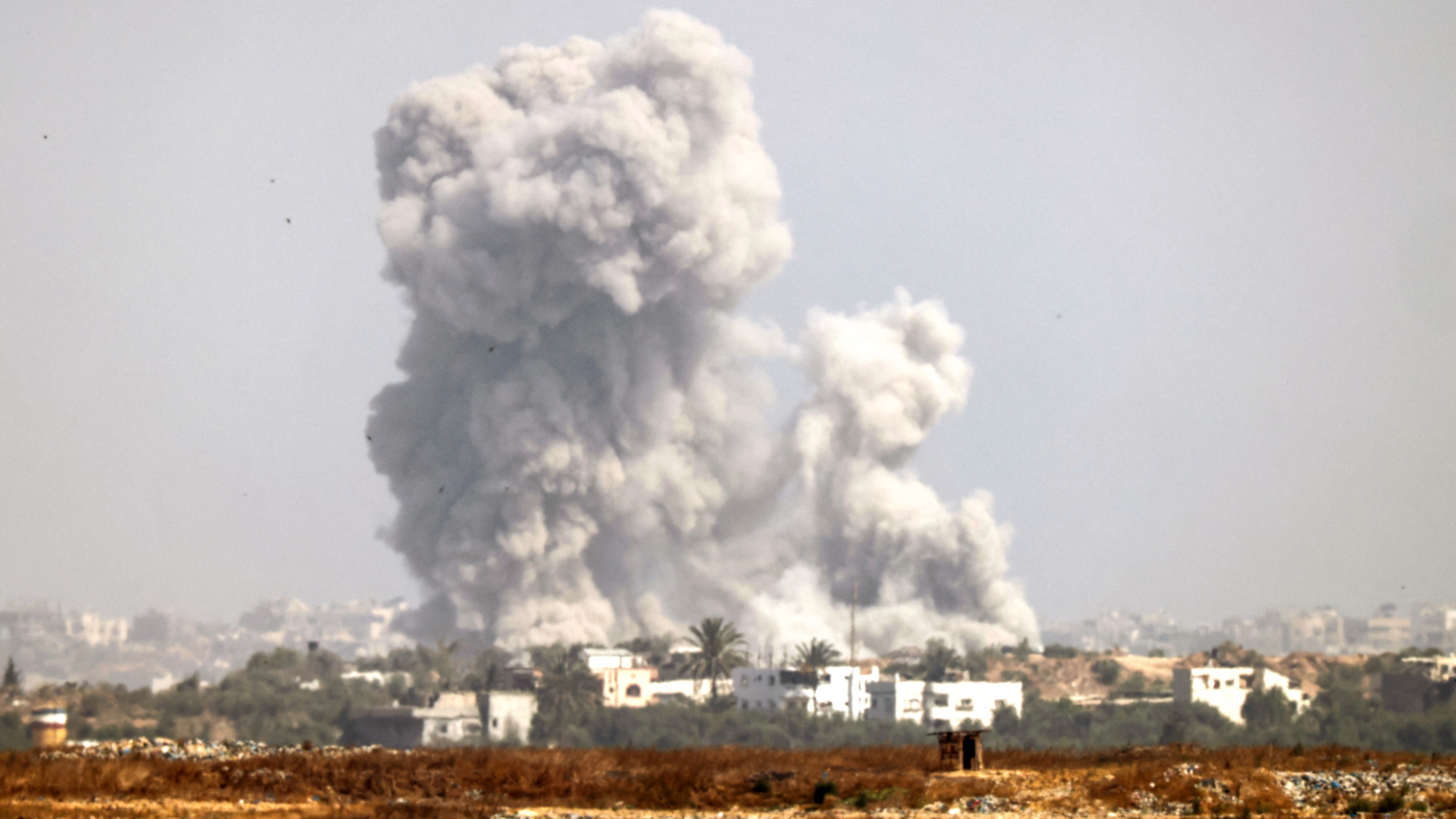
    The documented demolitions have occurred on both sides of the so-called ‘yellow line’ established by Israeli forces following the October ceasefire. This ceasefire was intended to conclude over two years of intense conflict in Gaza that resulted in approximately 71,000 Palestinian fatalities and the destruction of nearly 90% of the territory’s infrastructure.

    Despite the ceasefire agreement, reports indicate Israeli forces have killed at least 477 individuals and wounded more than 1,300 others since its implementation. According to Gaza’s Government Media Office, Israeli forces have committed at least 1,300 ceasefire violations, including approximately 200 incidents involving structural demolitions, 430 cases of gunfire directed at civilians, 66 incursions into residential areas, and more than 600 strikes.

    Throughout the Gaza conflict, Israeli soldiers have extensively recorded themselves engaging in activities that international experts suggest may constitute war crimes. Documented footage shows soldiers celebrating while detonating civilian structures including homes, universities, and mosques. Other videos reveal disturbing conduct including soldiers forcing bound and blindfolded prisoners to deliver humiliating messages, looting money from Palestinian homes, destroying humanitarian aid parcels with military bulldozers, and burning educational facilities while singing inflammatory songs. Additional content shows soldiers posing in women’s underwear taken from Palestinian residences.

  • UAE offers condolences to Tunisia over victims of deadly floods

    UAE offers condolences to Tunisia over victims of deadly floods

    The United Arab Emirates has formally expressed its profound condolences and solidarity with the Republic of Tunisia in the wake of devastating floods that have claimed multiple lives and caused extensive damage. Through an official statement released by its Ministry of Foreign Affairs, the UAE conveyed its deepest sympathies to the families of the victims and the Tunisian people, alongside wishes for a swift recovery to all those injured.

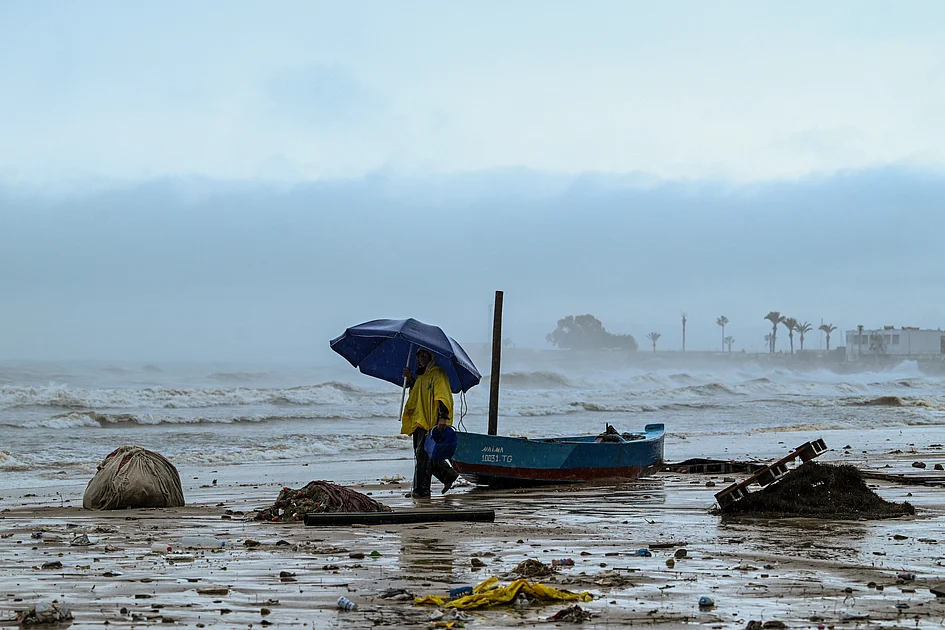
    The catastrophe unfolded as torrential rains, described by the National Institute of Meteorology as the heaviest in over seven decades, battered the North African nation beginning Monday night. The relentless downpour continued through Tuesday night, with residual showers persisting into Wednesday, leading to widespread school and business closures and severe disruptions to transportation networks.

    Official reports confirm a death toll of at least five individuals. Four fatalities occurred in the town of Moknine within the Monastir governorate, while a fifth was reported in Nabeul. Furthermore, local media outlets have reported four fishermen as missing after one colleague was successfully rescued in the coastal town of Teboulba, south of Monastir.

    Tunisian emergency services have been engaged in a large-scale response effort. The civil defence agency reported that its teams have rescued approximately 350 people trapped by rapidly rising floodwaters since the onset of the crisis. Khalil Mechri, a spokesman for the civil defence, indicated that while the intensity of the severe weather has subsided, a high state of alert remains in effect across affected regions.

    Visual evidence from AFP and social media platforms depicts scenes of severe inundation, with homes and roadways submerged and vehicles left stranded. The regions of Monastir, Nabeul, and greater Tunis were among the hardest hit. President Kais Saied visited several affected areas, including Moknine and Teboulba, to assess the damage firsthand.

    This extreme weather event highlights critical vulnerabilities in Tunisia’s urban infrastructure. Drainage and stormwater systems, often antiquated and poorly maintained, are frequently overwhelmed during heavy rainfall, a situation exacerbated by waste clogging the networks. Furthermore, rapid urbanization has reduced ground permeability, increasing surface runoff and flood risk.

    The devastating floods present a stark paradox for Tunisia, a country that has been grappling with a severe seven-year drought intensified by climate change, which has led to a critical decline in national water reserves. Neighbouring Algeria has also experienced significant rainfall and flooding, with authorities there reporting two fatalities in western regions.

  • Magnitude 5.1 earthquake hits southern Iran at 10km depth

    Magnitude 5.1 earthquake hits southern Iran at 10km depth

    A moderate earthquake registering 5.1 on the Richter scale struck southern Iran on Friday, January 23rd, 2026, according to seismic monitoring authorities. The seismic event occurred at precisely 3:18 PM UAE time, with the National Seismic Network of the National Centre of Meteorology (NCM) confirming the tremor’s details.

    The United States Geological Survey (USGS), which maintains global seismic monitoring systems, reported the earthquake originated at a shallow depth of approximately 10 kilometers. Shallow-focus earthquakes typically generate more noticeable surface shaking compared to deeper seismic events of similar magnitude.

    The precise epicenter location within southern Iran’s seismically active regions has not been immediately specified in initial reports. The region sits within a complex tectonic zone where the Arabian and Eurasian plates converge, creating frequent seismic activity that periodically results in significant tremors.

    Initial reports indicate no immediate casualties or structural damage, though comprehensive assessment operations are typically conducted following seismic events of this magnitude. Iranian authorities have not issued any tsunami warnings following the tremor, which is standard procedure for inland earthquakes.

    Seismologists note that earthquakes of magnitude 5.0-5.9 are considered moderate and capable of causing damage to poorly constructed buildings, particularly in populated areas near the epicenter. The impact largely depends on numerous factors including local construction standards, population density, and specific geological conditions.

    This event marks the latest in Iran’s long history of seismic activity, as the country experiences frequent earthquakes due to its position along major fault lines. The National Seismic Network continues to monitor aftershocks, which commonly follow moderate seismic events.

  • Russian passenger flight makes emergency landing in Lanzhou

    Russian passenger flight makes emergency landing in Lanzhou

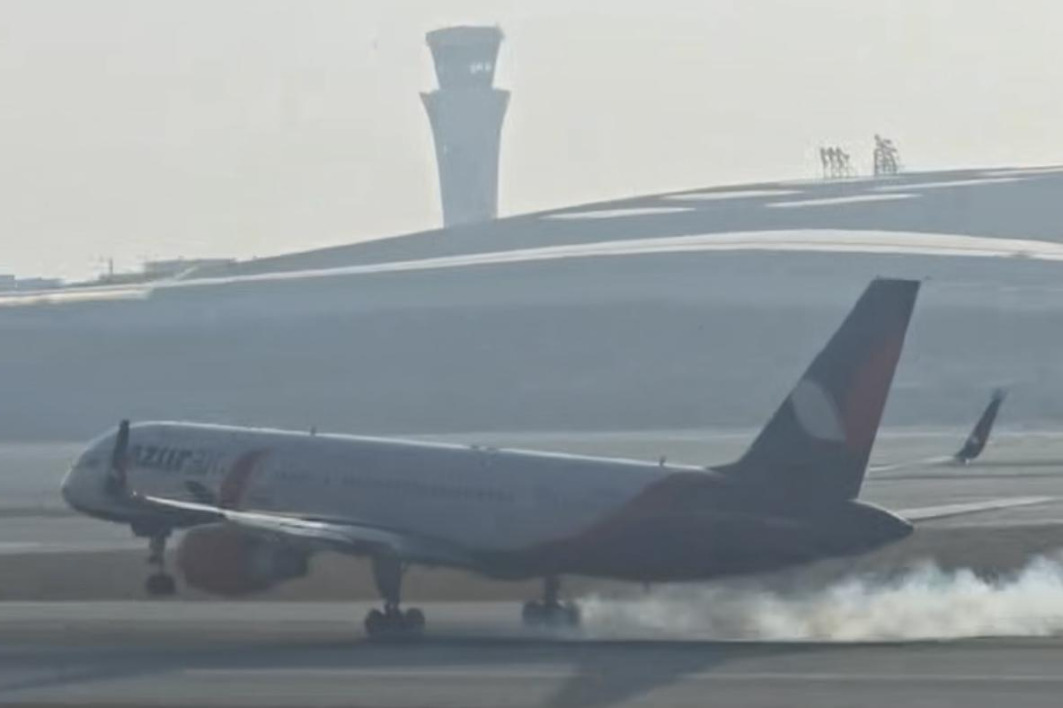
    A Russian-operated Boeing 757-200 aircraft performed an emergency landing at Lanzhou Zhongchuan International Airport in China’s Gansu province on Friday afternoon, following the activation of an international distress signal during its flight through Chinese airspace.

    The Azur Air flight ZF2998, traveling from Phuket International Airport in Thailand to Barnaul, Russia, declared an emergency situation while over Chinese territory. The crew transmitted transponder code 7700, the universal aviation distress signal, indicating an onboard emergency requiring priority handling.

    Flight tracking systems captured the aircraft’s precautionary maneuvers as it circled near Lanzhou while executing fuel jettison procedures to reduce landing weight and minimize potential fire risk. The aircraft touched down safely at 4:51 PM local time without incident.

    Airport authorities confirmed that all 239 passengers and 7 crew members aboard the aircraft emerged unharmed from the emergency operation. The airport maintained normal takeoff and landing operations throughout the incident, demonstrating effective emergency response coordination.

    Chinese aviation officials are now coordinating subsequent arrangements for passengers and crew while investigating the circumstances that necessitated the emergency landing. The successful handling of the incident highlights international aviation cooperation protocols and China’s emergency response capabilities for foreign aircraft in distress.

  • Families fear for detainees as US moves Islamic State prisoners out of northeast Syria

    Families fear for detainees as US moves Islamic State prisoners out of northeast Syria

    International human rights organizations and families of detainees are expressing grave concerns following the United States’ announcement of a large-scale prisoner transfer operation from Syrian detention facilities to Iraqi-controlled sites. US Central Command confirmed the initial relocation of 150 prisoners from Hasakah province to Iraq, with plans to potentially transfer up to 7,000 individuals suspected of Islamic State affiliations.

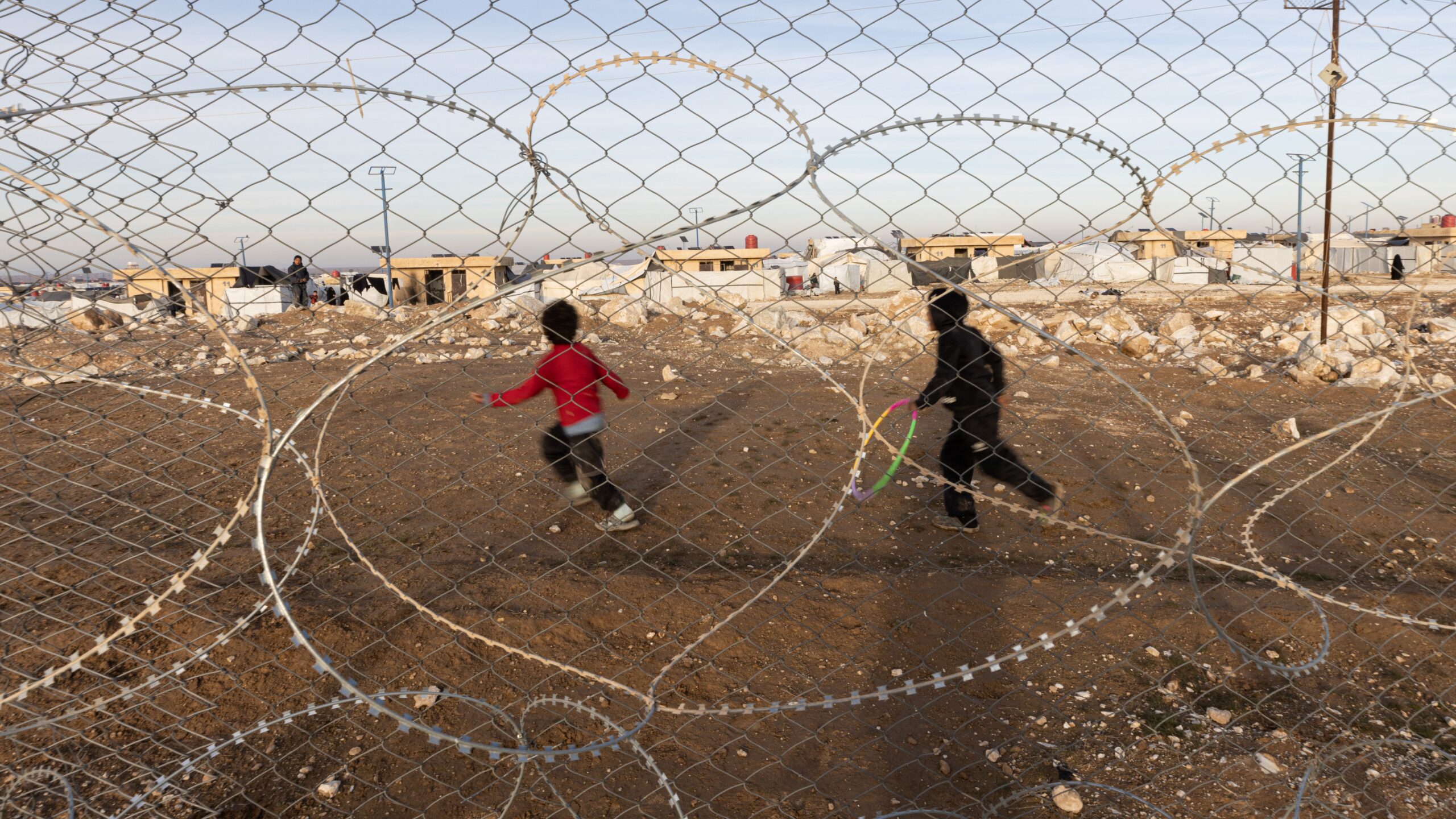
    The security transition coincides with Syrian government forces assuming control of al-Hol camp, housing approximately 24,000 predominantly women and children, including 14,500 Syrians and nearly 3,000 Iraqis. This development has severely disrupted already tenuous communication channels between detainees and their families abroad.

    Yasmina, representing the Families in Belgium organization, reported complete communication blackout for over a week. ‘We did not anticipate such volatility,’ she stated, noting regular disruptions to water and electricity supplies in the facilities. While al-Roj camp’s transition appeared peaceful according to eyewitness accounts, Western families remain uncertain about their relatives’ fates, with transfers potentially prioritizing local nationals.

    Humanitarian organizations highlight particular vulnerability among separated children. Save the Children has suspended non-essential operations in northeastern Syria, citing deteriorating security conditions affecting approximately 20,000 children in displacement camps and rehabilitation centers. The organization emphasized constrained humanitarian access and limited clarity regarding internal camp conditions.

    Families of detainees have characterized the transfers as ‘extraordinary rendition.’ Sally Lane, mother of imprisoned British-Canadian Jack Letts, described the situation as ‘an absolute crisis’ emerging from ‘ten years of inertia.’ Canadian advocacy groups are urging immediate repatriation of remaining nationals, warning of potential torture risks in Iraqi facilities.

    A Syrian government official confirmed camp security stabilization with priorities focused on restoring essential services and infrastructure. The official committed to permitting UN agency and NGO access while emphasizing non-politicization of detainee issues, despite previous diplomatic discussions regarding repatriation with visiting foreign ministers.

  • Not only Americans risked life and limb to serve in Afghanistan

    Not only Americans risked life and limb to serve in Afghanistan

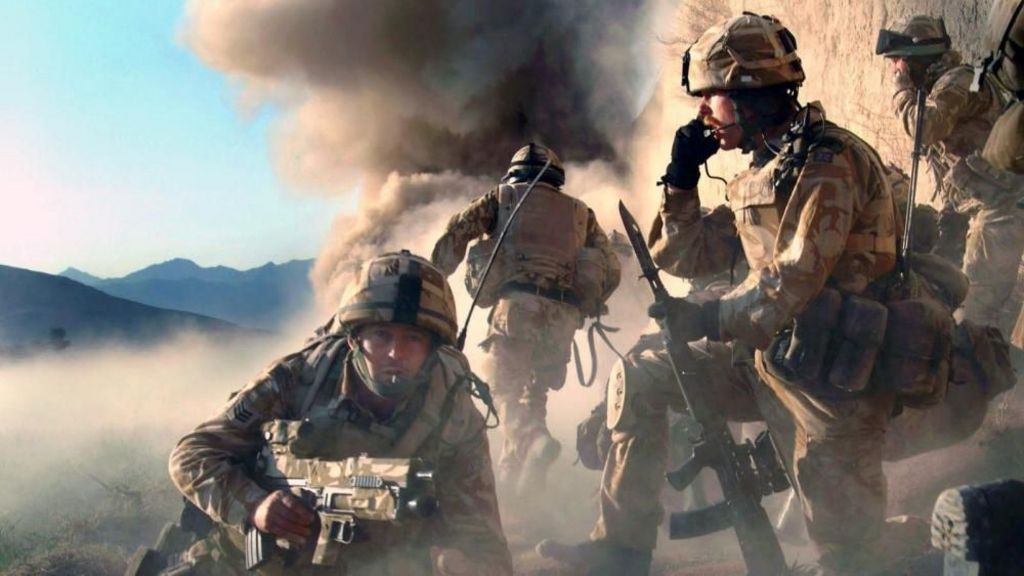
    The Afghanistan deployment experience between 2001-2021 remains etched in the memories of thousands who served – from blast walls and rocket attacks to the mundane reality of canteen queues. This collective international effort began with perilous flights into Kandahar, Kabul, or Camp Bastion, where aircraft employed evasive maneuvers to avoid Taliban surface-to-air missiles.

    This unprecedented military campaign marked the sole invocation of NATO’s Article 5 in the alliance’s 77-year history, triggering a multinational response to the 9/11 attacks that killed nearly 3,000 people. While the Taliban were rapidly ousted from power through joint operations involving US forces, the CIA, and Afghanistan’s Northern Alliance, the mission evolved into a protracted manhunt for al-Qaeda remnants across mountainous terrain.

    The conflict’s initial phase, dubbed “Operation Enduring Freedom,” saw relative calm until late 2003 when attention shifted to Iraq. However, danger persisted constantly. Journalists documented nervous patrols by coalition forces in Soviet-era armored vehicles and experienced firsthand the Taliban’s relentless rocket attacks on remote firebases.

    The war intensified dramatically after 2006 when UK forces deployed to Helmand Province. British paratroopers faced ferocious combat requiring “danger close” artillery support to prevent their bases from being overrun. For the subsequent eight years until combat operations concluded in 2014, multinational forces from Britain, Canada, Denmark, Estonia and others endured the most severe fighting in Kandahar and Helmand.

    The most pervasive threat emerged from expertly concealed Improvised Explosive Devices (IEDs). Taliban fighters leveraged their intimate knowledge of the terrain to predict troop movements and place explosives at strategic crossing points. These devices catastrophically altered lives in split seconds, causing such widespread fear that soldiers prayed for below-knee rather than above-knee amputations if hit.

    The remarkable resilience demonstrated by survivors who rebuilt their lives despite terrible losses stands as a testament to human endurance. Their sacrifices and bravery render recent suggestions that coalition forces avoided combat particularly offensive to those who served throughout NATO’s longest military engagement.

  • Suicide bomber targets wedding ceremony in northwest Pakistan, killing 7 people, wounding 25

    Suicide bomber targets wedding ceremony in northwest Pakistan, killing 7 people, wounding 25

    A joyous wedding celebration in northwest Pakistan was shattered by a deadly suicide bombing on Friday, resulting in a significant loss of life and injuries. The assailant detonated an explosive vest amidst guests at the residence of Noor Alam Mehsud, a pro-government community leader in the Dera Ismail Khan district of Khyber Pakhtunkhwa province.

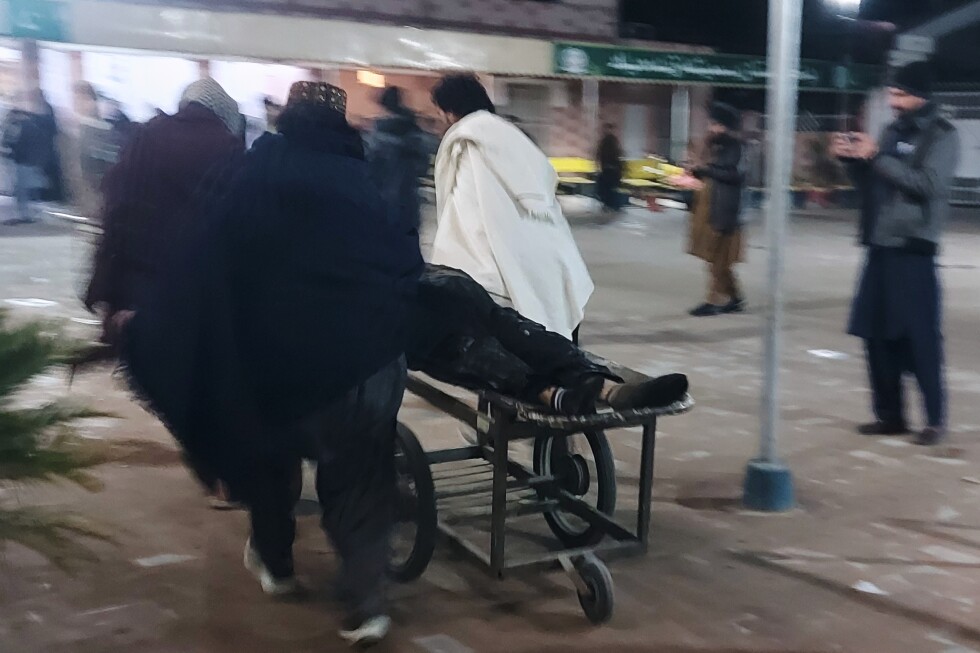
    According to local police chief Adnan Khan, the attack claimed at least seven lives and left 25 individuals wounded. Emergency services transported the casualties to a nearby hospital, with medical officials reporting that several victims were in critical condition. Eyewitnesses described a scene of horror, where the sound of celebratory drums was abruptly replaced by chaos and devastation following the sudden detonation.

    While no militant organization has immediately claimed responsibility for the atrocity, initial suspicion points towards the Pakistani Taliban, officially known as Tehrik-e-Taliban Pakistan (TTP). This group, a separate entity but an ally of the Afghan Taliban, has a extensive history of orchestrating violent attacks within Pakistan. Security analysts note that the TTP has experienced a resurgence and increased boldness following the Afghan Taliban’s return to power in neighboring Afghanistan in 2021. The withdrawal of U.S. and NATO forces after a two-decade presence created a security vacuum, allowing many TTP leaders and fighters to establish sanctuaries across the border, from where they plan and launch operations into Pakistan.