分类: world

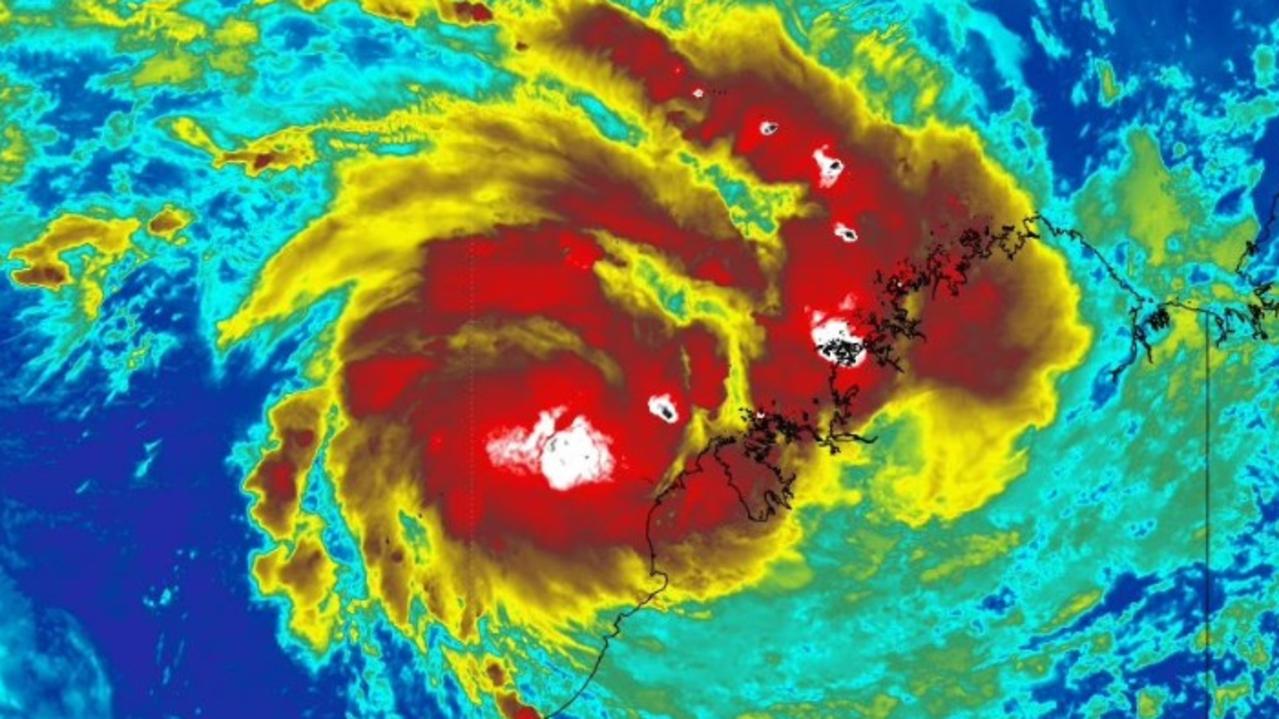
  • Tropical Cyclone Luana smashes Western Australian coastline north of Broome

    Tropical Cyclone Luana smashes Western Australian coastline north of Broome

    Tropical Cyclone Luana has struck the Western Australian coastline, unleashing destructive weather conditions across the Kimberley region. The Category 2 system made landfall north of Broome approximately 2,000 kilometers north of Perth on Saturday afternoon, bringing with it sustained winds of 95 km/h and powerful gusts reaching 130 km/h.

    According to the Bureau of Meteorology (BoM), the cyclone is tracking east-southeast at 12 km/h, posing significant threats to communities throughout northern Australia. Meteorologist Jonathan How warned that Luana would continue generating dangerous weather patterns throughout the long weekend, including damaging winds up to 120 km/h and heavy rainfall likely to cause flash flooding.

    Emergency services have issued a Cyclone Emergency Warning for areas between Coulomb Point and Cape Leveque, emphasizing the immediate threat to lives and property. Evacuation centers have been activated at Broome Recreation and Aquatic Centre and Derby Civic Centre to accommodate residents fleeing the dangerous conditions.

    The weather system is expected to move southward, bringing substantial rainfall to Western Australia’s interior early next week. Current forecasts predict 150-200mm of precipitation for the West Kimberley region over the next 48 hours, with a flood watch remaining in effect across broad sections of the state. The cyclone is projected to weaken below tropical cyclone strength by Sunday morning as it moves further inland.

  • Russia strikes Ukraine as talks with US to end war continue

    Russia strikes Ukraine as talks with US to end war continue

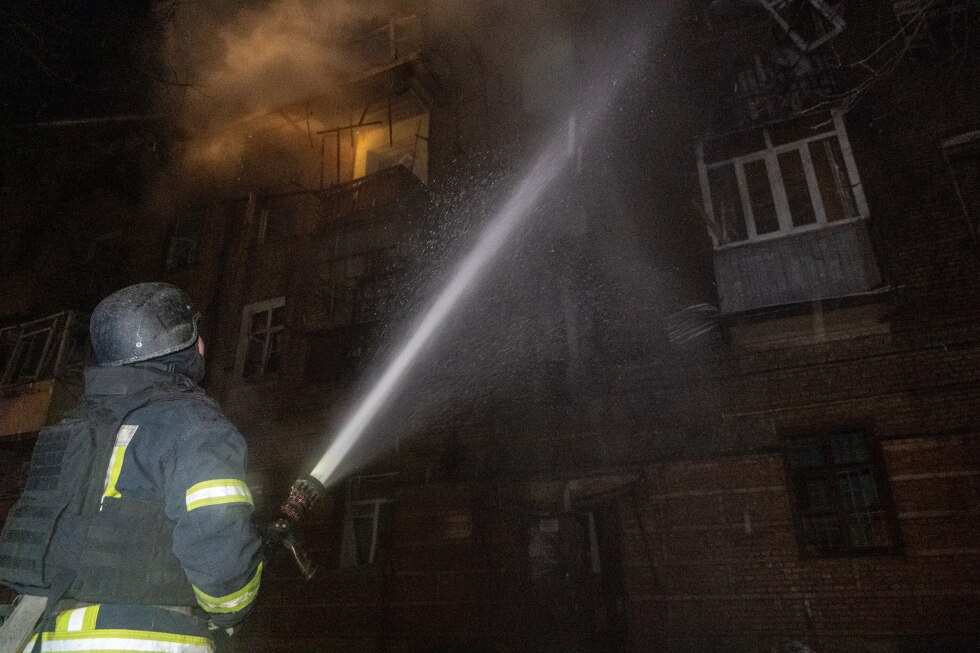
    Amid ongoing trilateral peace discussions in Abu Dhabi, Russia escalated its military offensive against Ukraine with coordinated drone and missile strikes overnight, resulting in significant civilian casualties and infrastructure damage. The assault claimed at least one life and left 23 individuals wounded across multiple Ukrainian cities.

    Kyiv Mayor Vitali Klitschko reported through Telegram that the capital sustained a ‘massive enemy attack’ resulting in one fatality and four injuries, with three victims requiring hospitalization. The strikes targeted critical energy infrastructure, leaving approximately 6,000 buildings without heating amid sub-zero temperatures. President Volodymyr Zelensky confirmed that Russian forces specifically targeted energy systems, exacerbating the humanitarian crisis.

    Simultaneously, Kharkiv endured sustained bombardment that injured 19 civilians, with a maternity hospital and displacement hostel among the damaged civilian structures. Mayor Ihor Terekhov described the early morning assault as particularly severe.

    These developments occurred as diplomatic delegations from Russia, Ukraine, and the United States convened for their first trilateral talks since Russia’s full-scale invasion in 2022. While a BBC source indicated some procedural progress had been achieved, the fundamental dispute regarding territorial sovereignty remains unresolved. Russia currently occupies approximately 20% of Ukrainian territory, including significant portions of the Donbas region, and continues to demand formal cession of these captured lands—a condition Ukraine has consistently rejected.

    The timing of these military strikes during active peace negotiations underscores the complex dynamics between battlefield actions and diplomatic processes in the ongoing conflict.

  • Russian attacks on Ukraine kill 1 and wound 23 ahead of second day of peace talks

    Russian attacks on Ukraine kill 1 and wound 23 ahead of second day of peace talks

    As international diplomats convened for critical peace negotiations in Abu Dhabi, Russian forces launched renewed aerial assaults across Ukraine overnight Friday into Saturday. The attacks resulted in significant civilian casualties, with at least one fatality and 23 individuals wounded across multiple cities.

    In the capital Kyiv, drone strikes killed one person and left four injured, according to official statements from Kyiv City Military Administration head Tymur Tkachenko. The northeastern city of Kharkiv suffered even greater damage, with Mayor Ihor Terekhov reporting 19 civilians wounded in similar attacks.

    These developments occurred simultaneously with the second day of trilateral talks involving senior officials from Ukraine, Russia, and the United States in the United Arab Emirates. This meeting represents the first known instance of Trump administration envoys engaging directly with both warring parties as part of Washington’s intensified diplomatic initiative to resolve the nearly four-year conflict.

    The UAE Foreign Ministry characterized the discussions as part of ongoing efforts “to facilitate dialogue and explore political resolutions to the crisis.” White House officials described initial sessions as productive, despite the challenging context of continued violence.

    The diplomatic engagement occurs amid conflicting signals from leadership on both sides. Ukrainian President Volodymyr Zelenskyy suggested during the World Economic Forum in Davos that a potential peace agreement was “nearly ready,” while the Kremlin maintains that any settlement must include Ukrainian withdrawal from territories Russia has illegally annexed—a condition Kyiv has consistently rejected.

    The negotiations gain additional significance following revelations that Russian President Vladimir Putin engaged in marathon overnight discussions with Trump envoys Steve Witkoff and Jared Kushner just hours before the Abu Dhabi talks commenced.

  • Passengers of diverted flight transferred to hotels in China’s Lanzhou

    Passengers of diverted flight transferred to hotels in China’s Lanzhou

    A transnational flight operated by Azur Air was compelled to execute an emergency landing at Lanzhou Zhongchuan International Airport on Friday afternoon, January 23, 2026, following a technical failure. The aircraft, a Boeing 757-200 identified as flight ZF2998, was en route from the popular resort destination of Phuket, Thailand, to its final destination of Barnaul, Russia.

    Airport authorities confirmed the incident was triggered by a malfunction in the aircraft’s right engine, prompting the flight crew to declare an in-flight emergency. Despite the critical situation, the pilots successfully navigated the aircraft to a safe landing at 4:51 PM local time. All 246 individuals on board, comprising 239 passengers and 7 crew members, were reported to be safe and unharmed.

    Following standard safety protocols and assessment procedures, all passengers and crew have been temporarily relocated to local hotels in Lanzhou, the capital of Gansu province. Airport officials have arranged for their accommodation and necessities while maintenance crews inspect the aircraft and arrange for onward travel. The incident underscores the critical importance of rigorous safety protocols and pilot training in managing unforeseen technical failures during flight operations.

  • New Zealand calls off rescue efforts for six missing after landslide

    New Zealand calls off rescue efforts for six missing after landslide

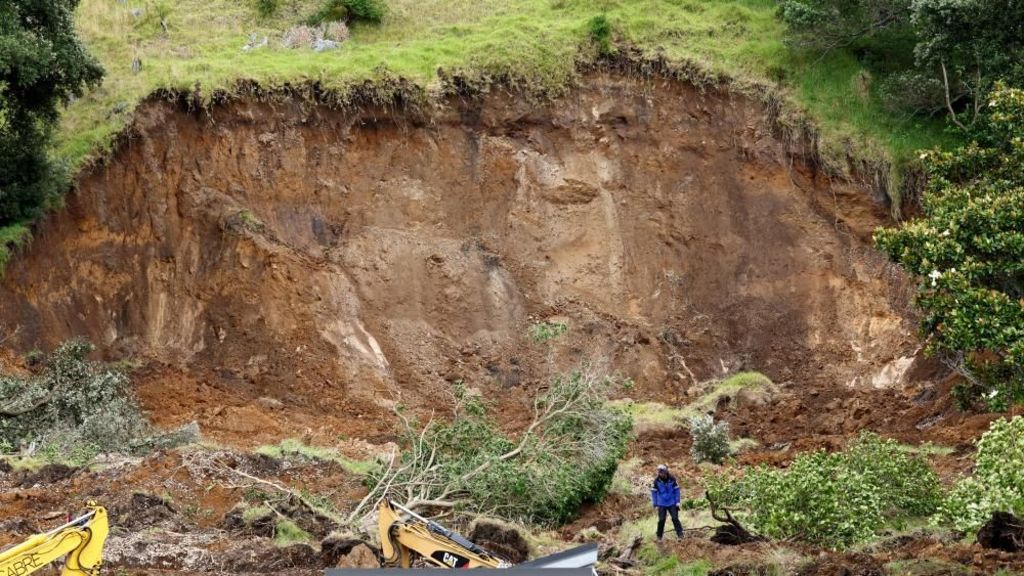
    New Zealand authorities have officially terminated search and rescue operations for six individuals buried beneath a devastating landslide that struck a popular campground in Mount Maunganui on Thursday. Police Superintendent Tim Anderson confirmed the transition to recovery efforts, stating that locating survivors is no longer feasible.

    Human remains were discovered Friday evening beneath layers of dirt and debris at the sacred Māori site, which ranks among the nation’s most frequented camping destinations. The victims include two 15-year-olds from Auckland—Sharon Maccanico and Max Furse-Kee—alongside four adults: Lisa Anne Maclennan (50, Morrinsville), Måns Loke Bernhardsson (20, Sweden), Jacqualine Suzanne Wheeler (71, Rotorua), and Susan Doreen Knowles (71, Ngongotaha).

    In a separate but related incident, Radio New Zealand reported a grandmother and her grandchild perished in another landslide at nearby Welcome Bay. The region has endured days of torrential rainfall on North Island, with meteorological services forecasting additional precipitation through the weekend.

    Emergency crews labored through treacherous conditions described as “incredibly challenging” before formally transferring operations to police on Saturday. Chief Coroner Judge Anna Tutton acknowledged the identification process would be “complex” and “painstaking” while pledging to expedite familial reunification.

    Prime Minister Christopher Luxon visited the disaster zone Friday, noting the “inspiring” community response as locals assisted with debris clearance in flood-affected areas. The tragedy highlights growing concerns about repeated landslides at Mount Maunganui, which has experienced similar geotechnical events in recent years.

  • Indonesia landslide kills 7, dozens more missing

    Indonesia landslide kills 7, dozens more missing

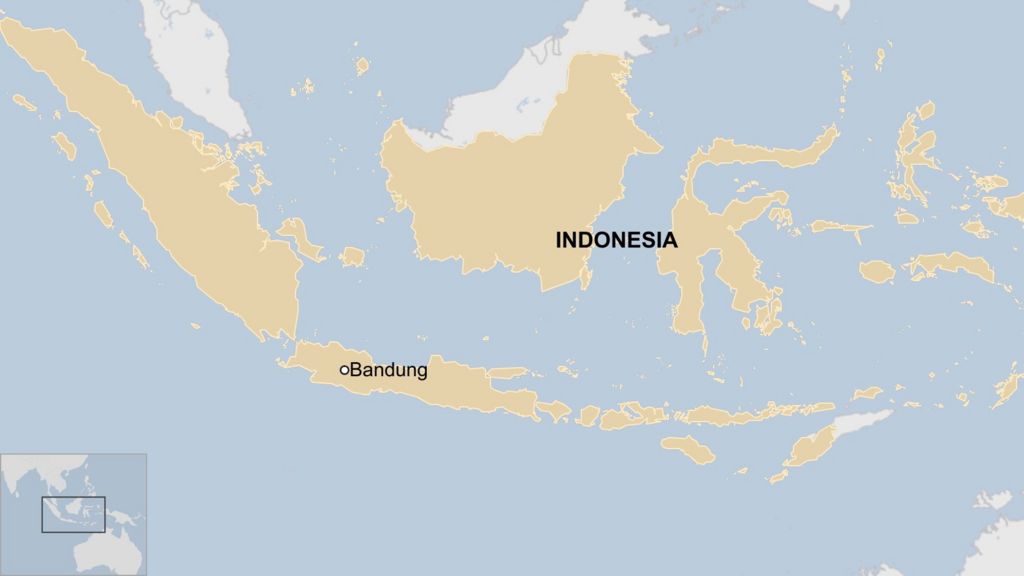
    A devastating landslide has struck Indonesia’s West Java province, resulting in at least seven confirmed fatalities and leaving more than 80 individuals unaccounted for, according to official reports from disaster management authorities.

    The catastrophic event occurred in the Pasirlangu village of West Bandung region, approximately southeast of Jakarta, during the early hours of Saturday at 02:30 local time (19:30 GMT). The disaster unfolded following an extended period of torrential rainfall that saturated the mountainous terrain.

    Indonesia’s National Disaster Mitigation Agency (BNPB) confirmed in an official statement that the massive landslide completely buried residential areas under tons of earth and debris, destroying more than thirty homes in the process. The sudden nature of the landslide caught many residents unaware during nighttime hours, significantly hampering evacuation efforts.

    Abdul Muhari, communications director of the National Search and Rescue Agency, reported that emergency teams have successfully evacuated two dozen survivors from the affected zone. Rescue operations continue amid challenging conditions as responders race against time to locate potential survivors trapped beneath the mud and rubble.

    Visual documentation from local media outlets reveals the sheer scale of destruction, with photographs showing entire structures completely submerged under layers of mud and debris. The catastrophic event has prompted authorities to issue widespread alerts for additional flooding, landslides, and extreme weather conditions throughout the broader region, warning residents of potential further dangers.

    The geographical location of Indonesia, situated within the Pacific Ring of Fire, makes the archipelago nation particularly vulnerable to natural disasters including earthquakes, volcanic eruptions, and climate-related events such as landslides during the rainy season. This latest tragedy highlights the ongoing challenges faced by communities living in geographically vulnerable areas and the critical importance of early warning systems and disaster preparedness measures.

  • Freezing and in the dark, Kyiv residents are stranded in tower blocks as Russia targets power system

    Freezing and in the dark, Kyiv residents are stranded in tower blocks as Russia targets power system

    In the frozen heart of Ukraine’s capital, a profound humanitarian crisis unfolds within the concrete walls of Soviet-era high-rises. Olena Janchuk, a 53-year-old former kindergarten teacher afflicted with severe rheumatoid arthritis, remains imprisoned on the 19th floor of her Kyiv apartment block—650 steps from the ground. This constitutes her fourth winter of war, a season defined by perpetual cold and darkness resulting from Russia’s systematic bombardment of Ukraine’s energy infrastructure.

    With daily blackouts lasting up to seventeen hours, elevators have transformed into inaccessible luxuries. January temperatures plunging to -10°C (14°F) leave permanent frost patterns creeping across interior windows. Residents like Janchuk employ desperate ingenuity for survival: makeshift fireplaces constructed from candles beneath heat-absorbing bricks, USB-powered lamps illuminating darkened rooms, and meticulous rationing of precious power bank reserves for electric blankets during the coldest nights.

    Kyiv’s three million residents now organize their existence around electricity schedules, planning cooking, charging, and washing routines within narrow windows of availability. The urban landscape has adapted—diesel generators rumble along commercial streets, shoppers navigate aisles by phone flashlight, and bars glow with candlelight. Mobile applications deliver critical notifications about narrowing electricity windows, while Telegram chats facilitate neighborly check-ins and blackout updates.

    The architecture itself has become an instrument of isolation. Staircases present insurmountable barriers for elderly residents, people with disabilities, and wounded veterans, effectively trapping them within their homes. While affluent neighborhoods pool resources for building generators, most residential blocks housing pensioners and vulnerable populations cannot afford such solutions. Disability advocates urgently petition city officials for generator funding, arguing that staircases have created an invisible social barrier.

    The scale of destruction is catastrophic. Energy sector damage exceeds $20 billion according to World Bank, European Commission, and UN estimates. Shift supervisor Yuriy (name withheld for security) surveys the wreckage of a repeatedly struck coal-fired power plant—charred machinery, collapsed roofs, and control panels melted into uselessness. Repairs proceed by torchlight behind giant sandbag barriers, with photographs of deceased colleagues hanging near entrances.

    Despite Kyiv’s implementation of austere power-saving measures—dimming streetlights and investing in decentralized generation—restoration feels distant for those enduring winter in darkness. As 72-year-old Lyudmila Bachurina summarizes while managing household chores during brief power intervals: ‘I’m tired, really tired. When you can’t go outside, when you don’t see the sun… it wears you down. But we will endure anything until the war ends.’ Across the snow-covered city, the nighttime horizon continues to flash with explosions as Russia persists in its campaign against Ukraine’s energy resilience.

  • UAE pulls back from plan to manage Pakistan’s Islamabad airport: Report

    UAE pulls back from plan to manage Pakistan’s Islamabad airport: Report

    The United Arab Emirates has abruptly terminated negotiations to assume management operations at Islamabad’s primary airport, marking a significant setback for Pakistan’s aviation sector privatization efforts. According to a Friday report by The Express Tribune, the collapse follows months of stalled discussions after both parties had initially agreed upon a privatization framework in August 2025.

    The breakdown occurred primarily due to the UAE’s declining interest in the project and its failure to designate a local partner for operational outsourcing. While the report did not attribute political motivations to the withdrawal, it coincides with increasingly divergent Gulf foreign policies across South Asia. The development emerges against a backdrop of deepening defense cooperation between Pakistan and Saudi Arabia, contrasted by the UAE’s strengthening strategic partnership with India, Pakistan’s regional rival.

    Pakistan’s aviation sector presents considerable challenges for potential investors, plagued by a history of fatal accidents, licensing scandals, and outdated infrastructure. This abandonment deals another blow to a nation that once played pivotal roles in Middle Eastern aviation, including foundational support for Emirates Airlines during the 1980s. Meanwhile, Pakistan International Airlines, once an enviable carrier, has deteriorated into a perennial loss-maker recently acquired by a consortium led by Pakistani business magnate Arif Habib.

    The geopolitical dimensions extend beyond aviation, reflecting broader regional realignments. Saudi Arabia has reinforced its longstanding security relationship with Islamabad through a mutual defense pact signed in September 2025, with Turkey considering accession. Concurrently, the UAE has pursued enhanced defense and trade cooperation with India, including a substantial $3 billion liquefied natural gas agreement signed this week.

    Both Gulf nations have historically utilized financial assistance to advance strategic interests, though their approaches differ markedly. While the UAE moved swiftly to execute a $35 billion coastal development investment in Egypt in 2024, negotiations with Pakistan progressed slowly before ultimately collapsing. This divergence underscores how Gulf powers are increasingly pursuing distinct foreign policy objectives across South Asia and the Middle East.

  • Explained: NCM official breaks down the latest cold wave across UAE, parts of the world

    Explained: NCM official breaks down the latest cold wave across UAE, parts of the world

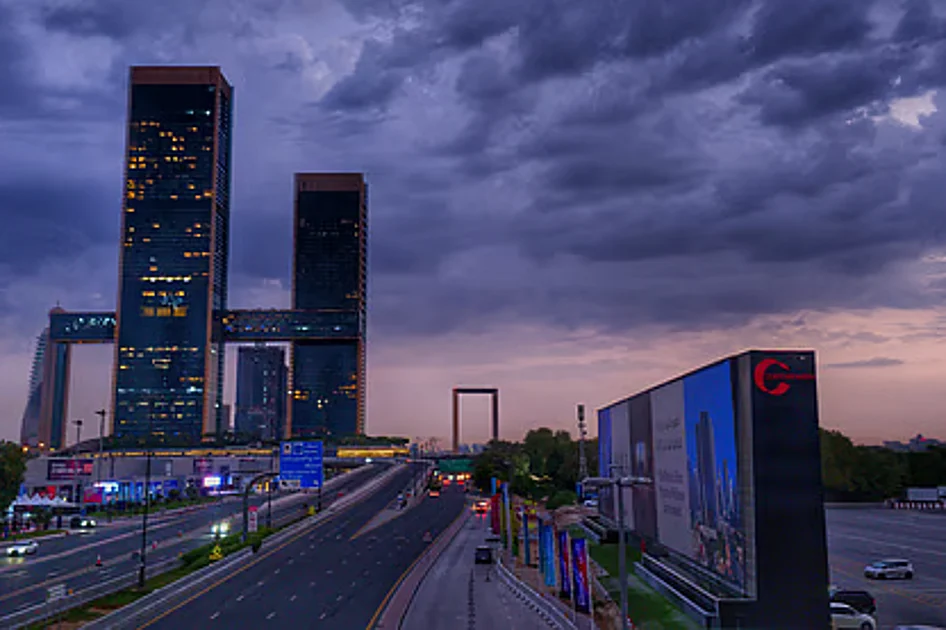
    Meteorological authorities in the United Arab Emirates have provided scientific clarification regarding the recent cold spell affecting the region, confirming its connection to broader global climate patterns. Dr. Mohamed Al Ebri, Director of Meteorology at the National Center of Meteorology (NCM), revealed that the unusual chill represents a localized manifestation of the La Niña climate phenomenon currently influencing weather systems worldwide.

    The current temperature drop stems from complex atmospheric interactions driven by cooler-than-normal sea surface temperatures in the Pacific Ocean. This La Niña configuration has altered global pressure and wind patterns, facilitating the southward movement of colder air masses into Northern Hemisphere regions including the UAE. Despite the noticeable chill, historical data confirms these conditions do not represent record-breaking lows for the Emirates.

    Globally, meteorological institutions including the World Meteorological Organisation have detected weak La Niña conditions with approximately 55% probability of persistence through coming months. The Northern Hemisphere has experienced particularly pronounced effects, with disruptions to the polar vortex enabling cold air outbreaks across North America and Europe.

    The Southern Hemisphere presents a contrasting picture, with Australia experiencing severe heatwaves exceeding 40°C in major cities despite the La Niña phase. This paradox demonstrates how climate change can produce extreme weather variations simultaneously across different regions.

    Dr. Al Ebri emphasized that climate oscillations now occur more frequently due to global warming influences, shifting from traditional 5-7 year cycles to 2-3 year intervals. This accelerated pattern creates increased weather variability and prediction challenges.

    For UAE residents, meteorologists anticipate continued below-average temperatures with overnight chills particularly in desert interior regions. A gradual warming trend is expected imminently, with potential light rainfall in northern and eastern areas around January 25th. The winter season will likely continue featuring temperature fluctuations between moderate warm periods and occasional cold spells.

    Authorities advise standard precautions during cooler periods, especially during early morning and evening hours when temperatures reach their lowest points.

  • Chinese asylum seeker who exposed rights abuses fights to stay in the US

    Chinese asylum seeker who exposed rights abuses fights to stay in the US

    A Chinese whistleblower who documented human rights violations in Xinjiang faces an uncertain future as he fights against deportation from United States custody. Guan Heng, 38, remains detained at the Broome County Correctional Facility in New York while awaiting a critical court decision on his asylum appeal scheduled for Monday.

    Guan fled China over four years ago after covertly filming detention facilities in Xinjiang, capturing evidence supporting allegations of widespread rights abuses against ethnic minorities. The Chinese government maintains these facilities are vocational training centers aimed at combating extremism.

    His legal troubles began in August when U.S. Immigration and Customs Enforcement (ICE) apprehended him during an operation targeting his housemates outside Albany. Although the Department of Homeland Security initially pursued deportation to Uganda, the plan was abandoned in December following congressional attention and public outcry.

    Guan represents one of tens of thousands of asylum seekers caught in intensified deportation efforts under the Trump administration. According to data from California-based nonprofit Mobile Pathways, approximately 170,626 asylum seekers received deportation orders in 2025, with asylum application abandonment rates skyrocketing from 11% to 31%.

    Immigration advocates express deep concern over what they describe as the systematic erosion of asylum protections. ‘We are very worried about the number of asylum seekers that will be sent back to extremely dangerous conditions,’ said Vanessa Dojaquez-Torres of the American Immigration Lawyers Association.

    Despite his predicament, Guan maintains faith in American democracy and institutions. He acknowledges understanding the rationale behind stricter immigration policies while appreciating the support from local communities and lawmakers. Representative Raja Krishnamoorthi, a member of the House Select Committee on the Chinese Communist Party, has urged Homeland Security to release Guan and approve his asylum request, emphasizing America’s commitment to protecting human rights whistleblowers.

    Should he prevail in his legal battle, Guan aspires to contribute meaningfully to American society, hoping to establish connections that would enable him to help others while cherishing the freedom from fear he found in the United States.