分类: world

  • Air Canada suspends service to Cuba following aviation fuel shortage

    Air Canada suspends service to Cuba following aviation fuel shortage

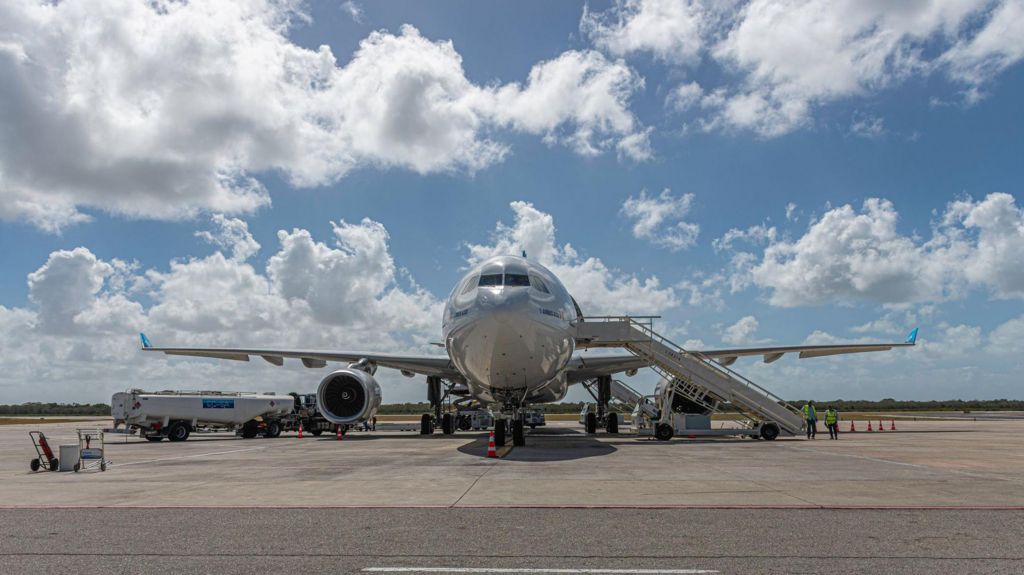
    Air Canada has abruptly suspended all flight operations to Cuba effective immediately, citing a severe aviation fuel shortage that has crippled the Caribbean nation’s airport infrastructure. The suspension, which began Monday, will affect approximately 16 weekly flights connecting Toronto and Montreal to four Cuban destinations.

    The airline confirmed it will repatriate nearly 3,000 stranded Canadian tourists through special recovery flights in the coming days. This operational pause follows an official Notice to Aviation (NOTAM) indicating that commercial aviation fuel will remain unavailable at Cuban airports from Tuesday through at least March 11th.

    This crisis stems from Cuba’s heavy reliance on Venezuelan jet fuel exports, which have been severely disrupted since mid-December when the Trump administration blocked Venezuela’s oil shipments. The fuel shortage exacerbates Cuba’s existing energy emergency, where rolling blackouts have left residents without reliable electricity for extended periods.

    The situation has intensified amid escalating geopolitical tensions. The Trump administration has recently confiscated sanctioned Venezuelan oil tankers destined for Cuba and threatened tariffs against any nation supplying oil to the island. President Trump publicly stated that Cuba ‘will be falling pretty soon’ without Venezuelan support.

    While Air Canada monitors the situation for service restoration, competing Canadian carriers WestJet and Air Transat continue operating Cuba flights. Cuban Foreign Minister Bruno Rodríguez Parrilla has denounced the US measures, asserting Cuba’s ‘absolute right to import fuel without interference from unilateral coercive measures.’
  • UAE, 7 other nations condemn Israel’s ‘illegal’ settlement expansion in West Bank

    UAE, 7 other nations condemn Israel’s ‘illegal’ settlement expansion in West Bank

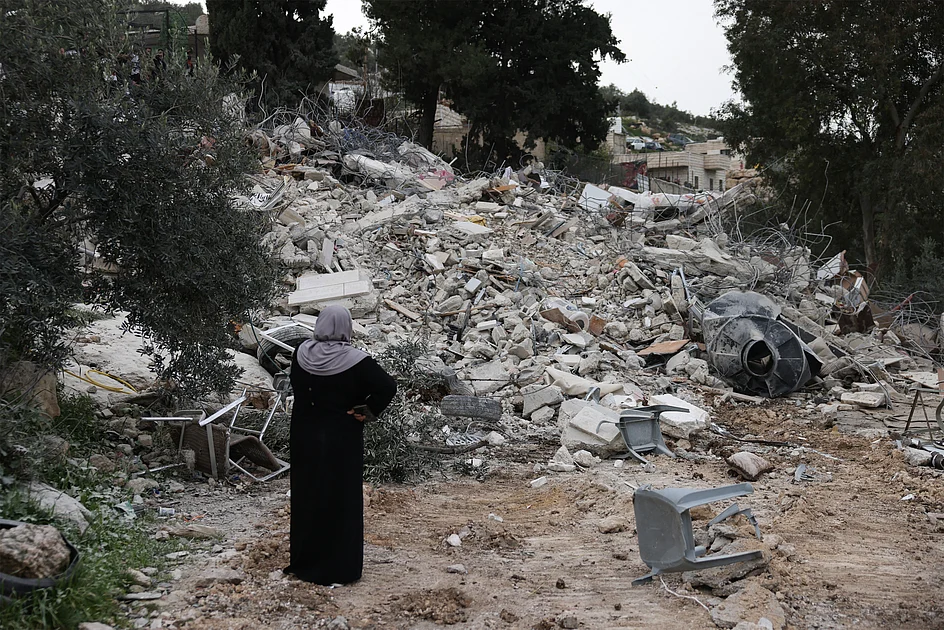
    In a significant diplomatic move, eight nations have issued a forceful condemnation of Israel’s settlement policies in the occupied West Bank. The foreign ministers of the United Arab Emirates, Jordan, Indonesia, Pakistan, Turkey, Saudi Arabia, Qatar, and Egypt released a joint statement characterizing Israel’s recent measures as unlawful attempts to impose sovereignty and accelerate the illegal annexation of Palestinian territories.

    The ministers declared that Israel possesses no legitimate sovereignty over the occupied Palestinian territory, emphasizing that these expansionist policies exacerbate regional violence and conflict. They expressed their categorical rejection of what they described as blatant violations of international law, particularly noting how these actions undermine the two-state solution framework.

    The coalition specifically referenced UN Security Council Resolution 2334, which condemns Israeli measures aimed at altering the demographic composition of Palestinian territories occupied since 1967, including East Jerusalem. Additionally, they invoked the 2024 advisory opinion of the International Court of Justice, which found Israel’s occupation and policies in Palestinian territories illegal and called for their termination.

    The ministers renewed their appeal for the international community to fulfill its legal and moral obligations by compelling Israel to halt its escalation in the West Bank. They reiterated that the realization of Palestinian self-determination and statehood, based on the two-state solution and the Arab Peace Initiative, represents the only viable path toward achieving comprehensive regional peace and stability.

  • US boards tanker in Indian Ocean it ‘tracked and hunted’ from Caribbean

    US boards tanker in Indian Ocean it ‘tracked and hunted’ from Caribbean

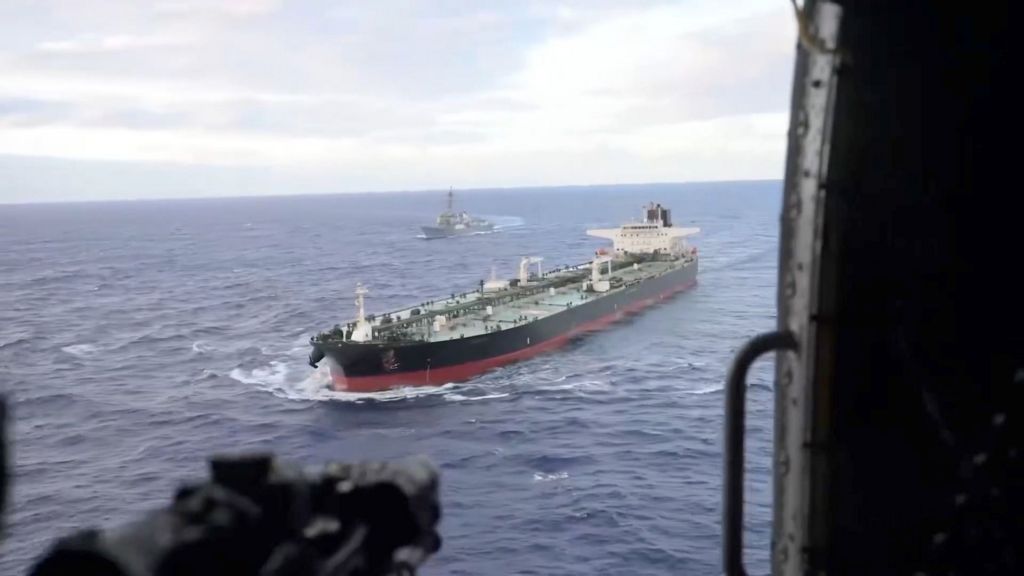
    In a dramatic transcontinental operation, United States military forces successfully boarded and inspected the oil tanker Aquila II in the Indian Ocean after tracking the vessel across thousands of miles from the Caribbean Sea. The Department of Defense confirmed the interception, characterizing it as enforcement of a quarantine against sanctioned vessels operating in Caribbean waters.

    The defense department stated via social media that the vessel attempted to evade enforcement measures, prompting an extensive pursuit. ‘It ran, and we followed,’ officials declared, adding that ‘by land, air, or sea, our Armed Forces will find you and deliver justice.’

    This operation represents at least the seventh oil tanker seizure by U.S. authorities since last year as part of broader efforts to control Venezuelan oil exports, the South American nation’s primary economic resource. The enforcement action follows the December apprehension of Venezuelan President Nicolás Maduro and implementation of a comprehensive oil shipment blockade.

    Visual documentation released by the defense department shows U.S. service members in military fatigues conducting a helicopter boarding operation as the aircraft hovered above the tanker. Defense officials emphasized their determination to enforce sanctions regardless of distance, stating that ‘nothing will stop the U.S. military from enforcement, even in oceans halfway around the world.’

    The sustained blockade has significantly impacted Venezuela’s oil export capabilities, reducing shipments to approximately 400,000 barrels per day in January—roughly half of previous levels. According to industry analysis from Kpler, only vessels associated with Chevron and destined for U.S. ports continue to operate without interruption amid the ongoing enforcement measures.

  • Rebels linked to Islamic State group kill at least 20 in Congo village attack, army says

    Rebels linked to Islamic State group kill at least 20 in Congo village attack, army says

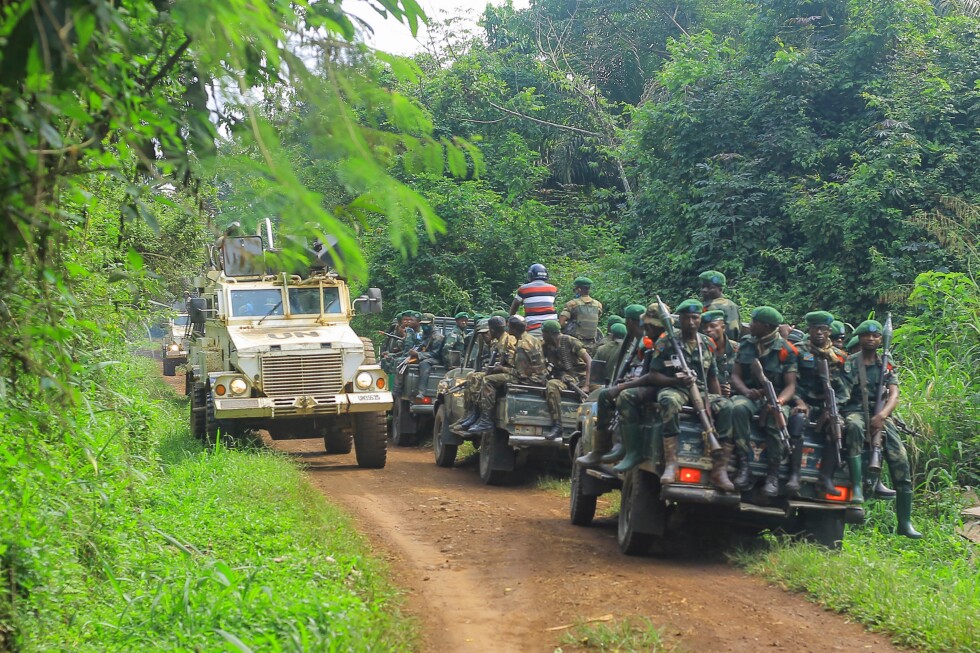
    KINSHASA, Congo — At least 20 civilians were brutally killed in a weekend assault on the village of Mambimbi-Isigo in eastern Congo’s North Kivu province, according to military authorities. The attack, attributed to the Islamic State-affiliated Allied Democratic Forces (ADF), occurred early Saturday in Lubero territory.

    Colonel Alain Kiwewa Mitela, the regional military administrator, confirmed the casualty figures in a telephone interview, noting that the violence has triggered massive population displacements that exacerbate the region’s already severe humanitarian crisis. Local civil society activists reported that the militants initially raided agricultural fields before turning their knives and firearms on villagers.

    Kinos Kitwa, a civil society representative from Bapere, indicated that the death toll remains provisional with numerous civilians still unaccounted for. Kitwa criticized the inadequate military presence in the area, questioning the Congolese army’s capacity to protect vulnerable communities.

    The ADF—originally formed in Uganda during the 1990s as an opposition force against President Yoweri Museveni—relocated to Congo following Ugandan military operations in 2002. The group formally pledged allegiance to the Islamic State in 2019 and has since been responsible for thousands of civilian deaths in border regions.

    According to data from the North Kivu Provincial Civil Society Coordination, ADF fighters have killed at least 62 civilians since January in Beni and Lubero territories alone. The escalating violence has drawn international attention, with UN peacekeeping chief Jean-Pierre Lacroix commencing a two-day visit to the affected eastern regions on Monday.

  • New Zealand mosque mass shooter tells court mental health forced him to plead guilty

    New Zealand mosque mass shooter tells court mental health forced him to plead guilty

    In a significant legal development, Brenton Tarrant, the perpetrator of New Zealand’s deadliest mass shooting, appeared before the Court of Appeal in Wellington on Monday seeking to overturn his 2020 guilty pleas. The Australian white supremacist, who murdered 51 Muslim worshippers during Friday prayers at two Christchurch mosques in March 2019, claimed through video link that his mental state had deteriorated under what he described as “torturous and inhumane” prison conditions, rendering him incapable of making rational legal decisions.

    Tarrant, now 35, testified that during his time awaiting trial in punitive detention, he lacked the mental capacity to provide informed consent for his guilty pleas to 51 murder charges, 40 counts of attempted murder, and one terrorism charge. “I did not have the mind frame or mental health required to be making informed decisions at that time,” Tarrant stated, adding that his choices were neither voluntary nor rational due to his prison circumstances.

    The judicial panel is now tasked with determining whether Tarrant’s claims about his mental state have legal merit and whether his original guilty plea should stand. The appeal hearing, scheduled to continue through Friday, represents a painful revisit of the tragedy for victims’ families, several of whom attended the proceedings.

    Rashid Omar, who lost his son Tariq in the attack, expressed frustration to state media: “It’s really annoying because he’s trying to play with all of us and this is just a waste of our time and waste of taxpayers’ money.”

    Tarrant remains incarcerated under New Zealand’s first-ever life sentence without parole. Should his appeal succeed, the case would return to the High Court for trial proceedings. If rejected, the court will separately consider his sentence appeal later this year.

  • Migrant boat capsizes off Libya leaving 53 dead

    Migrant boat capsizes off Libya leaving 53 dead

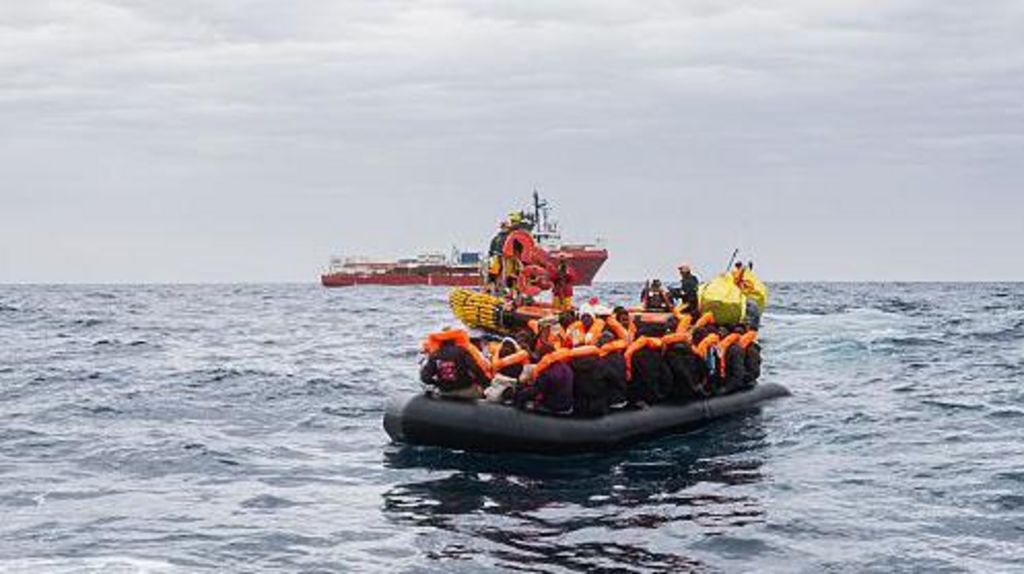
    In yet another devastating maritime disaster, a rubber dinghy carrying 55 African migrants capsized in the Mediterranean Sea off Libya’s northwestern coast, resulting in 53 confirmed fatalities. The International Organisation for Migration (IOM) confirmed on Monday that only two Nigerian women survived the tragic incident after being rescued by Libyan authorities last Friday.

    The ill-fated vessel had departed from the coastal city of al-Zawiya approximately six hours before foundering. According to survivor testimonies documented by IOM teams, the overcrowded craft began taking on water before ultimately overturning in the early hours of Friday morning north of Zuwara. Both survivors suffered profound personal losses—one woman lost her husband, while the other mourned the deaths of her two infant children.

    This tragedy represents a continuing pattern of catastrophic migrant journeys from Libya, which has served as a primary departure point for sub-Saharan Africans seeking European refuge since the 2011 overthrow of Muammar Gaddafi. The IOM reports nearly 500 migrant deaths or disappearances in the Mediterranean during 2026 alone, with at least 375 casualties occurring during January’s extreme winter weather conditions.

    The persistence of such tragedies occurs despite well-documented evidence of horrific conditions within Libya. United Nations human rights officials have repeatedly documented systematic abuses including torture, human trafficking, forced labor, and extortion perpetrated against migrants by both state and non-state actors.

    IOM officials emphasize that smuggling networks continue to profit by compelling vulnerable people onto unseaworthy, overcrowded vessels. Many sinking incidents go unreported by the smugglers operating them, leaving families without closure regarding their missing relatives’ fates.

    The agency has intensified calls for international cooperation to dismantle trafficking operations while simultaneously advocating for established legal migration pathways to prevent further loss of life at sea. Several nations including the UK, Spain, Norway, and Sierra Leone have concurrently pressured Libya to shut down detention centers where migrants face documented abuse and torture.

  • Animals dying in Kenya as drought conditions leave many hungry

    Animals dying in Kenya as drought conditions leave many hungry

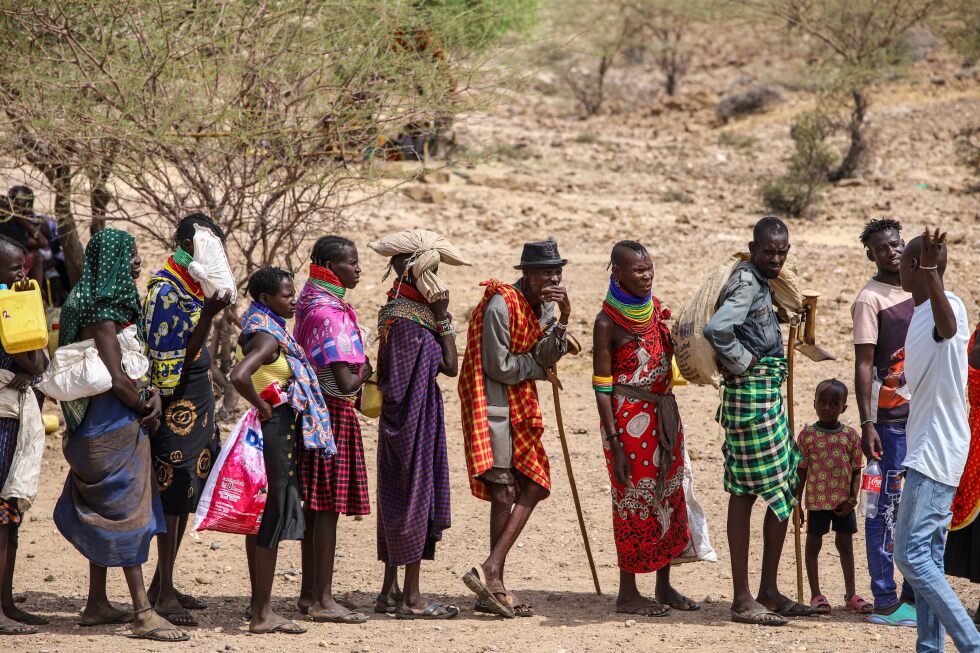
    A severe drought crisis is gripping East Africa, with Kenya experiencing one of its most devastating dry periods in decades. According to United Nations assessments, more than 2 million people are confronting acute hunger, with pastoral communities in northeastern regions bearing the brunt of the catastrophe.

    The humanitarian emergency extends across national borders, affecting populations in Somalia, Tanzania, and Uganda who face similar weather patterns and critical water shortages. The World Health Organization has documented alarming conditions throughout the region, with the October-December wet season ranking among the driest ever recorded. Eastern Kenya specifically has endured its most arid conditions during this period since 1981.

    Climate scientists identify the warming Indian Ocean as a primary driver of these extreme weather patterns. While contributing to more destructive tropical storms in some areas, it has simultaneously extended drought duration and intensity across the Horn of Africa. The region has now suffered four consecutive failed wet seasons, creating conditions reminiscent of the 2020-2023 period when millions of livestock perished across Kenya, Ethiopia, and Somalia.

    The National Drought Management Authority reports ten Kenyan counties currently experiencing drought conditions, with Mandera county bordering Somalia reaching critical ‘alarm’ classification. This designation indicates severe water shortages have resulted in widespread livestock mortality and rising cases of child wasting syndrome.

    In Somalia, the situation appears particularly dire. Islamic Relief assessments document shocking food shortages as families abandon their homes seeking refuge. Over 3 million people have become internally displaced, with approximately 70% of those in Baidoa city surviving on one meal daily or less. Aid organizations report visibly malnourished children in camps, underscoring the urgent need for expanded humanitarian intervention.

    Despite contributing merely 3-4% of global emissions, Africa remains disproportionately vulnerable to climate change impacts. The continent’s limited capacity to prepare for natural disasters exacerbates the crisis, particularly for communities dependent on rain-fed agriculture who face existential threats from increasingly extreme weather patterns.

  • Japan’s TEPCO reactivates Kashiwazaki-Kariwa nuclear power plant

    Japan’s TEPCO reactivates Kashiwazaki-Kariwa nuclear power plant

    In a significant development for Japan’s energy sector, Tokyo Electric Power Company (TEPCO) has successfully reactivated a reactor at the Kashiwazaki-Kariwa nuclear power plant in Niigata Prefecture. This restart on Monday, February 9, 2026, marks a pivotal moment for Japan’s nuclear industry, representing the first operational resumption at this facility since the catastrophic 2011 Fukushima disaster.

    The reactivation follows a brief operational suspension caused by an alarm system malfunction in late January, which temporarily halted the carefully planned restart process. The Kashiwazaki-Kariwa plant, recognized as one of the world’s largest nuclear power stations by output capacity, now enters a new operational phase under enhanced safety protocols and regulatory oversight.

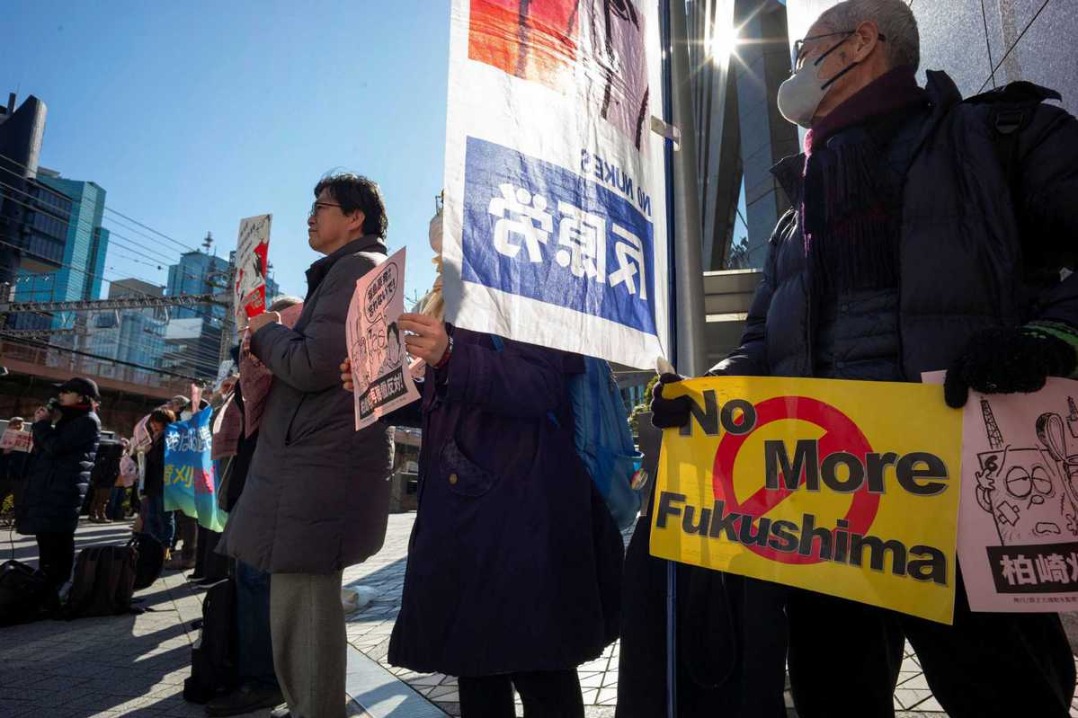
    Concurrent with the reactivation, public demonstrations emerged outside TEPCO’s Tokyo headquarters, where protesters voiced strong opposition to the nuclear restart. These demonstrations highlight the persistent societal divisions regarding Japan’s nuclear energy policy, reflecting ongoing concerns about safety and disaster preparedness more than a decade after the Fukushima incident.

    The restart occurs within a complex energy landscape where Japan continues to balance its carbon reduction commitments against public safety concerns. This development represents a critical test case for Japan’s revised nuclear regulatory framework and could influence future energy policy decisions across the nation.

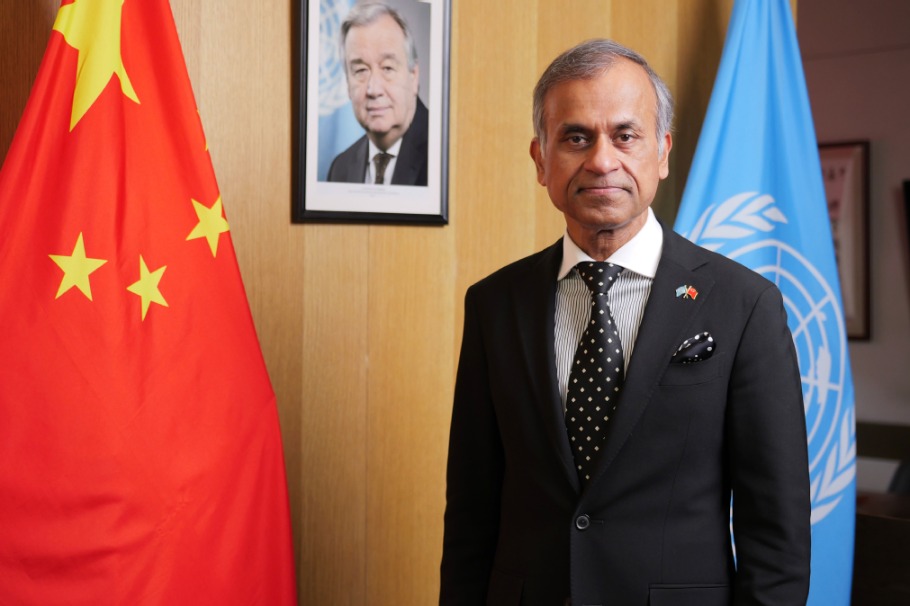
  • My China chapter: Five years that enriched a 30-year UN journey

    My China chapter: Five years that enriched a 30-year UN journey

    In a comprehensive reflection on his five-year tenure as United Nations Resident Coordinator in China, Siddharth Chatterjee reveals how the nation’s development model redefined his perspective on global progress. Assuming office in January 2021 amidst worldwide challenges, Chatterjee brought three decades of UN experience spanning conflict zones from Bosnia to Africa through his work with multiple UN agencies.

    China’s distinctive approach to long-term planning and substantial investment in human capital demonstrated how rapid transformation becomes achievable when institutions, markets, and communities unite behind shared ambitions. The coordinator witnessed firsthand China’s exponential advancement in critical future-shaping fields including artificial intelligence, quantum computing, semiconductors, fintech, and clean energy—innovations that extend beyond economic growth to address global challenges like hunger, inequality, and climate change.

    Rather than merely delivering development, the UN’s role in China has evolved into a multifaceted partnership involving coordination, advisory services, and pilot initiatives. Chatterjee’s leadership focused on aligning UN efforts with national priorities while maintaining the organization’s core values, collaborating with government ministries, provincial authorities, academic institutions, youth organizations, private sector entities, and civil society to translate global commitments—particularly the Sustainable Development Goals and 2030 Agenda—into concrete cooperation.

    China’s development narrative possesses significant global resonance, especially when numerous SDG targets remain off-track worldwide. Throughout 2024 and 2025, China hosted substantive dialogues on sustainable finance, digital cooperation, and intergenerational equity in preparation for the UN Summit of the Future. These discussions transcended theoretical exercise, seeking practical connections between climate action, health initiatives, and artificial intelligence while fostering more inclusive systems through genuine partnership.

    The coordinator expressed particular admiration for China’s expanding contribution to multilateral cooperation through poverty reduction, food security, green transition efforts, and strengthened South-South exchanges. This practical, results-oriented partnership approach reflects China’s broader commitment to global solidarity amid increasing uncertainty and fragmented international pathways.

    Looking forward, Chatterjee identifies three critical transitions where China’s path converges with global needs: the green transition through carbon peaking and neutrality goals that influence worldwide technology costs and supply chains; demographic changes creating opportunities in the ‘silver economy’ and healthy aging; and digital transformation requiring governance that centers human welfare while ensuring equitable distribution of opportunities.

    Personally, Chatterjee’s China chapter included a health journey incorporating traditional practices that reinforced qualities essential for public service—resilience and focus. He concludes with a message to younger generations that potential knows no boundaries, emphasizing that pragmatic partnership must define the next chapter of UN-China cooperation both domestically and internationally.

  • 2 killed as South Korean military helicopter crashes during training

    2 killed as South Korean military helicopter crashes during training

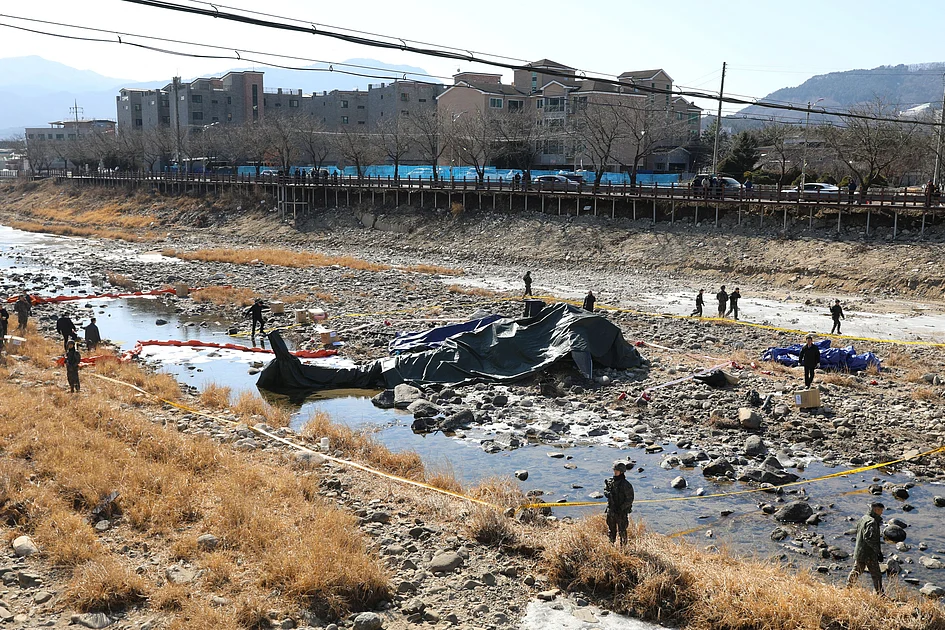
    A South Korean Army AH-1S Cobra attack helicopter crashed during a training exercise in Gapyeong on Monday morning, resulting in the tragic deaths of both crew members aboard. The incident occurred shortly after 11:00 AM local time (0200 GMT) under circumstances that remain undetermined.

    Military authorities confirmed that despite immediate medical evacuation to nearby facilities, both personnel succumbed to their injuries. The training mission involved practicing emergency landing procedures with engines operational at the time of the accident.

    In response to the tragedy, the South Korean military has implemented an immediate operational suspension of its entire AH-1S Cobra helicopter fleet. An emergency investigative team has been convened to determine the precise cause of the crash, examining all potential factors including mechanical failure, human error, and environmental conditions.

    The Gapyeong region, located northeast of Seoul, hosts significant military training operations. This incident marks another sobering moment for South Korea’s military aviation community, which maintains high alert status along the heavily fortified border with North Korea.