In a somber hall at the Nasser Medical Complex in Khan Younis, southern Gaza, dozens of families gather, their eyes fixed on a screen displaying images of decomposed bodies. These remains, returned by Israeli authorities as part of a prisoner swap deal with Hamas, bear signs of torture and decay. Without DNA testing equipment, families are left to identify their loved ones through photographs—a harrowing process that offers little closure. Wafaa al-Aloul, a mother receiving treatment in Egypt, spends hours scrutinizing the images, searching for her son Mohammed, who disappeared in September. Her story mirrors the anguish of thousands in Gaza, where an estimated 10,000 people remain missing, many believed buried under rubble or forcibly disappeared by Israel. The World Health Organization reports that over 92% of Gaza’s health system, including forensic services, has been destroyed, further complicating identification efforts. Dr. Ahmed Dhahir of Nasser Hospital describes the primitive methods used to document remains, noting that many bodies show signs of fatal abuse. As families cling to hope, the conflict’s toll continues to devastate Gaza’s civilian population.
分类: world
-

Mayors pledge coordinated climate action ahead of UN conference in Brazil
In a significant move ahead of the U.N. climate conference in Brazil, 300 mayors from around the world convened in Rio de Janeiro on Monday to pledge coordinated climate action. Organized by C40, a network of mayors from major cities, the summit emphasized the urgent need to address the escalating impacts of global warming, particularly rising temperatures that are severely affecting urban populations. Selwyn Hart, the U.N. special adviser and assistant secretary-general for climate change, highlighted the critical role of mayors in the climate crisis, stating that local leaders are essential as the world enters the second decade of implementing the 2015 Paris Agreement. The Paris Agreement aims to limit global temperature rise to 1.5 degrees Celsius above pre-industrial levels, requiring drastic reductions in greenhouse gas emissions. Ana Toni, Brazil’s climate change chief and CEO of COP30, stressed that achieving these goals depends heavily on the active involvement of mayors, who make crucial daily decisions impacting their communities. The summit also addressed the U.S. withdrawal from the Paris Agreement, with London Mayor Sadiq Khan criticizing the Trump administration for its climate policies, labeling the president as a ‘climate wrecker.’ Phoenix Mayor Kate Gallego announced ambitious climate actions from 50 U.S. cities, despite federal setbacks, including initiatives to combat extreme heat through tree planting, cool-surface technology, and heat-relief training. The event concluded with the launch of the Cool Cities Accelerator, a global coalition of 33 cities committed to implementing emergency measures to protect residents from extreme heat, supported by various foundations and organizations.
-

Sugarloaf selfies as William begins Brazil visit
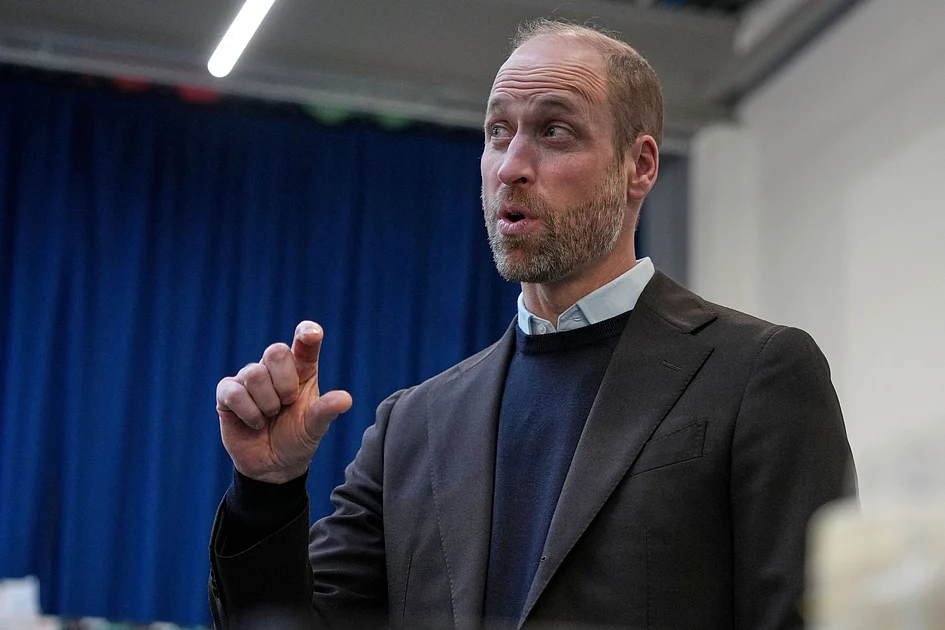
Prince William, the Prince of Wales, embarked on a landmark five-day visit to Brazil, marking his first international trip to a COP summit. The visit began with a symbolic ceremony on Sugarloaf Mountain in Rio de Janeiro, where he was presented with the keys to the city by Mayor Eduardo Paes. The backdrop of the iconic Christ the Redeemer statue added grandeur to the occasion. Prince William, known for his environmental advocacy, traveled to the summit via cable car, surprising tourists who later shared selfies with the royal. His visit is centered on two key environmental initiatives: presenting the Earthshot Prize, an annual award he founded to combat climate change, and delivering a speech at COP30 in the Amazon rainforest. The Earthshot Prize, now in its fifth year, awards £1 million grants to innovative projects addressing global environmental challenges. This year’s shortlist includes groundbreaking initiatives such as an upcycled skyscraper in Sydney and a microplastic filtration system in Bristol. Prince William emphasized the optimism and courage of the nominees, calling them ‘heroes of our time.’ Beyond his formal duties, the prince immersed himself in Brazilian culture, visiting the Maracana Stadium, where he met football legend Cafu, who presented him with a signed Brazil jersey. Cafu, alongside other notable figures, will co-present the Earthshot Prize. The visit also comes amid ongoing royal family controversies, though sources confirm Prince William’s focus remains on his environmental mission. Mayor Paes humorously remarked that Rio now ‘belongs to Prince William’ for the next 72 hours, highlighting the warmth of his reception.
-

China extends visa-free policy to end-2026 to attract more foreign visitors
In a strategic move to rejuvenate its tourism sector and strengthen international ties, China has announced the extension of its visa-free entry policy until December 31, 2026. Effective November 10, the policy will now include Sweden, alongside existing eligible countries such as France, Spain, and Germany. Visitors from these nations can enter China for purposes including business, tourism, family visits, or transit for up to 30 days without requiring a visa. The policy, which was initially set to expire at the end of this year, has been expanded to cover citizens from most of Europe, Australia, New Zealand, Japan, South Korea, and several South American and Gulf nations. This initiative is part of Beijing’s broader efforts to attract foreign visitors, counter the economic impact of stringent COVID-19 measures, and enhance its engagement with key trading partners like the European Union. Spokesperson Mao Ning of the Chinese Foreign Ministry emphasized the policy’s role in fostering international cooperation and economic recovery, though specific details on additional countries benefiting from the extension remain undisclosed.
-

Man charged with 10 counts of attempted murder after knife attack on UK train
A 32-year-old British man, Anthony Williams, has been formally charged with 10 counts of attempted murder following a violent knife attack on a London-bound train. The incident, which occurred on Saturday, left eleven people injured, including a train crew member who remains in critical but stable condition after attempting to intervene. The attack took place on a train that subsequently stopped at Huntingdon, approximately 80 miles north of London, and has since drawn widespread condemnation. Prime Minister Keir Starmer and King Charles have both expressed their sympathies to the victims and their families. Williams, hailing from Peterborough in eastern England, faces additional charges of assault occasioning actual bodily harm and possession of a bladed article. British Transport Police confirmed that the charges were brought after a thorough review of CCTV footage and other evidence. Transport Minister Heidi Alexander stated that Williams was not previously known to security services, though she refrained from commenting on his mental health history. By late Sunday, five of the injured had been discharged from hospital, while others continue to receive medical care.
-

Agony for families as landslide death toll climbs in Uganda and Kenya
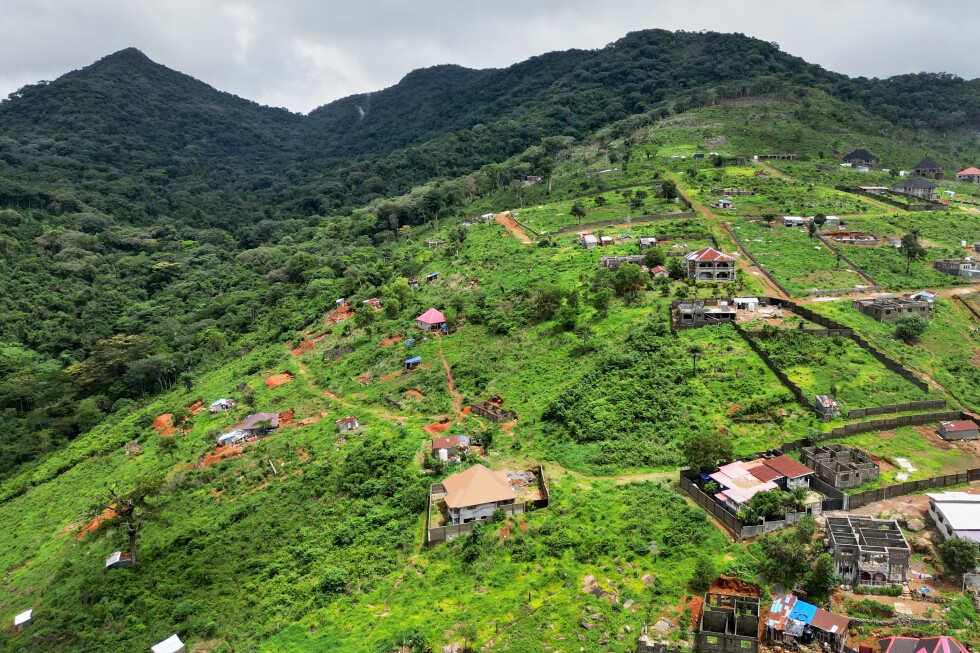
A series of devastating landslides has struck the mountainous border region between Kenya and Uganda, claiming the lives of over 40 people and leaving many more missing. The tragedy has left communities in shock, with survivors recounting harrowing experiences of loss and destruction. Felix Kemboi, a 30-year-old from Kenya, lost six relatives, including his grandmother, aunt, uncle, two sisters, and a cousin, who were all residing in Kaptul village. The emotional toll on survivors like Felix is immense, as they struggle to articulate their grief. On both sides of the border, search and rescue operations are underway, though the risk of further landslides remains high due to ongoing heavy rainfall. Kenyan Interior Minister Kipchumba Murkomen has issued warnings about the heightened risk in the Kerio Valley region and urged residents to remain vigilant. In Uganda, the Red Cross Society reports at least 18 fatalities, with 20 people still unaccounted for in the districts of Kapchorwa, Bukwo, and Kween. Survivors like Helda Narunga Masai from Kween village have shared terrifying accounts of the disaster, which destroyed her home and claimed the lives of her niece and brother. The Ugandan government has announced compensation for bereaved families and survivors, while Kenya has yet to make a similar declaration. The landslides have also disrupted access to some areas, complicating rescue efforts. This disaster echoes the 2010 Bududa landslide in Uganda, which killed approximately 300 people, highlighting the recurring nature of such tragedies in the region.
-

Israel arrests ex-military prosecutor after leaked video of abusing Palestinian detainee
In a dramatic turn of events, former Israeli military prosecutor Yifat Tomer-Yerushalmi was arrested on Monday following a scandal involving the leak of a video depicting the abuse of a Palestinian detainee. The video, which surfaced in 2024, allegedly showed soldiers at the Sde Teiman military base committing severe acts of violence against the detainee, including stabbing him near the rectum with a sharp object. The incident has sparked international outrage and internal protests within Israel. Tomer-Yerushalmi, who resigned from her position last week, disappeared for several hours on Sunday, leading to speculation about a possible suicide attempt. However, Israeli media reports suggest she may have staged the disappearance to dispose of her phone, which could contain incriminating evidence. Five reservist soldiers have already been charged in connection with the abuse, which occurred in July 2024. The case has drawn sharp criticism from human rights organizations, with a UN commission in October 2024 labeling the widespread abuse of detainees in Israeli facilities as a ‘war crime and crime against humanity of torture.’ Israel has vehemently denied these allegations, asserting its commitment to international legal standards.
-

Mining giant Anglo American faces class action appeal over alleged lead poisoning in Zambia
An appeal hearing commenced on Monday in South Africa’s Supreme Court of Appeal, addressing whether a subsidiary of British mining giant Anglo American PLC bears responsibility for decades-long lead poisoning that allegedly affected approximately 140,000 individuals in Zambia. The class action lawsuit, brought by women and children, seeks to overturn a 2023 lower court ruling that dismissed their case against Anglo American South Africa. The plaintiffs argue that a mine in Kabwe, Zambia, which Anglo American South Africa was involved with from 1925 to 1974, caused severe environmental and health damage, poisoning generations of local residents. The lower court had dismissed the case, citing insufficient initial evidence and deeming it ‘an unmanageable class action’ due to the need for each of the 140,000 claimants to individually prove illness caused by lead poisoning. The judge estimated that consulting all claimants could take up to a decade. Kabwe, one of the world’s most polluted areas, was highlighted in a 2022 UN report as a region permanently scarred by mining activities. A 2023 Human Rights Watch report revealed soil lead contamination levels of 60,000 milligrams per kilogram in Kabwe, far exceeding the U.S. Environmental Protection Agency’s hazardous threshold of 200 milligrams per kilogram. Medical studies supported by Amnesty International indicate that Kabwe’s children exhibit record-high lead levels in their blood, which can cause irreversible damage to internal organs, including the brain. While Anglo American acknowledges severe contamination in Kabwe, it denies liability, stating it only held a minority stake in the Zambian company operating the mine and attributes the pollution to other parties. This case follows another recent mining disaster in Zambia, where a Chinese company was accused of concealing a toxic spill that contaminated a major river, impacting millions reliant on it for drinking water and irrigation.
-

Israel continues to strike Gaza and block entry of tents despite truce deal
The Israeli military has intensified its operations across the Gaza Strip, conducting aerial strikes, artillery fire, and building demolitions despite plummeting temperatures and a severe lack of shelter for displaced Palestinians. Since Sunday night, attacks have been concentrated in Khan Younis, south of the besieged enclave, and Gaza City, resulting in civilian casualties. On Monday morning, Israeli aircraft targeted eastern Khan Younis, while heavy artillery shelling struck al-Khansaa School and surrounding areas in Abasan al-Kabira. Simultaneously, Israeli forces launched attacks on Rafah, killing at least two Palestinians. Explosions echoed through Gaza City as Israeli troops continued demolitions, targeting residential neighborhoods and shelters where many Palestinians have sought refuge. Ismail al-Thawabta, Director General of the Gaza Government Media Office, reported that Israel has committed over 194 violations since the US-brokered ceasefire began on October 10. Since the onset of Israel’s military campaign in October 2023, more than 68,865 Palestinians have been killed, with 170,670 injured. Compounding the crisis, Israeli authorities have restricted the entry of essential aid, including materials for tents. Amjad al-Shawa, head of the Palestinian NGO Network in Gaza, highlighted the urgent need for 300,000 new tents before winter to avert a humanitarian and environmental disaster. Thawabta noted that Israel has failed to meet ceasefire stipulations, including the provision of shelters, food, medicine, and fuel. Between the ceasefire’s start and the end of October, only 3,203 of the required 13,200 aid trucks entered Gaza, far below the daily target of 600. The impending winter threatens to exacerbate the dire conditions in Gaza, where infrastructure, including homes, schools, and health centers, lies in ruins. The UN agency for Palestine refugees (Unrwa) has called for restored humanitarian access as colder temperatures approach, emphasizing the urgent need for shelter and warmth.
-

Libyan delegation in Beirut seeks release of the son of late Libyan leader Moammar Gadhafi
A Libyan delegation in Lebanon made significant strides in discussions with Lebanese judicial officials on Monday regarding the potential release of Hannibal Gadhafi, the son of the late Libyan leader Moammar Gadhafi. Gadhafi has been detained in Lebanon without trial since 2015. The five-member delegation, led by senior judicial officials including prosecutor Jamal Hajar, engaged in talks to address the conditions of Gadhafi’s release. Lebanese judicial sources, speaking anonymously, confirmed that the discussions focused on reducing the $11 million bail imposed on Gadhafi and lifting his travel ban. The Libyan delegation also presented a detailed report on the investigation into the disappearance of Lebanese Shiite cleric Moussa al-Sadr, who vanished during a trip to Libya in 1978. Gadhafi, who was less than three years old at the time of al-Sadr’s disappearance, has been accused of withholding information about the cleric’s fate. The case has been a contentious issue in Lebanon, with al-Sadr’s family believing he may still be alive in a Libyan prison, while most Lebanese presume he is deceased. The Libyan delegation’s visit also included a meeting with Lebanese President Joseph Aoun, where they emphasized Tripoli’s desire to reactivate bilateral relations with Beirut and resolve pending issues. Gadhafi, who had been living in exile in Syria before his abduction in 2015, is expected to relocate to Qatar if released. The Hostage Aid Worldwide organization has long advocated for his release, citing concerns over his prolonged detention without due process. The case remains a complex and sensitive matter, intertwined with the histories of both Libya and Lebanon.