In a significant development marking a thaw in strained relations, over 2,100 Indian Sikh pilgrims crossed into Pakistan on Tuesday, the first major border crossing since deadly clashes in May. The pilgrims were granted visas to attend a 10-day festival celebrating the 556th birth anniversary of Guru Nanak, the founder of Sikhism. The Wagah-Attari border, the only active land crossing between the two nuclear-armed neighbors, had been closed to general traffic following the May conflict, which saw over 70 casualties in missile, drone, and artillery exchanges. AFP journalists observed pilgrims queuing on the Indian side, some carrying luggage on their heads, before being welcomed by Pakistani officials with flowers and rose petals. The pilgrims will visit sacred sites, including Nankana Sahib, Guru Nanak’s birthplace, and Kartarpur, where he is buried. Pakistan’s High Commission in New Delhi emphasized that the visa issuance aligns with efforts to promote inter-religious harmony. However, the Kartarpur Corridor, a visa-free route opened in 2019, remains closed since the conflict. The May clashes erupted after India accused Pakistan of backing an attack on tourists in Kashmir, a claim Pakistan denied. Sikhism, a monotheistic religion originating in the 15th century in Punjab, has its most revered shrines in Pakistan, a legacy of the 1947 partition that divided British India into Hindu-majority India and Muslim-majority Pakistan.
分类: world
-

Philippines: Typhoon Kalmaegi kills at least 5, strands hundreds of thousands
Typhoon Kalmaegi has wreaked havoc in the central Philippines, claiming at least five lives and displacing hundreds of thousands of residents. The storm, which made landfall on Tuesday, brought torrential rains that flooded entire towns on the island of Cebu. Videos verified by AFP show cars, trucks, and even massive shipping containers being swept away by muddy floodwaters. In the 24 hours preceding the typhoon’s arrival, Cebu City received 183 millimetres of rain, far exceeding its monthly average of 131 millimetres. Provincial governor Pamela Baricuatro described the situation as ‘unprecedented,’ emphasizing that floodwaters posed the greatest danger. Local disaster official Ethel Minoza reported the recovery of two children’s bodies in Cebu City, where rescue operations are ongoing. Three other fatalities were confirmed, including an elderly resident who drowned in Leyte province and a man struck by a falling tree in Bohol. Don del Rosario, a 28-year-old Cebu City resident, recounted the rapid rise of floodwaters, calling it the worst disaster he has experienced in his lifetime. Scientists attribute the increasing intensity of storms like Kalmaegi to human-driven climate change, which warms oceans and increases atmospheric moisture. Hundreds of residents still living in tent cities following a 6.9-magnitude earthquake in September were forcibly evacuated for their safety. Nearly 400,000 people were pre-emptively relocated from the typhoon’s path, according to Rafaelito Alejandro of the Office of Civil Defense. As of 2:00 pm local time, Kalmaegi was moving westwards through the Visayan island chain with winds of 130 kilometres per hour. The Philippines, which faces an average of 20 storms annually, has already reached that number this year, with three to five more storms expected by December’s end. Miriam Vargas, a 34-year-old single mother in Dinagat Islands, described the terrifying experience of enduring the storm in darkness after losing electricity. The country was previously hit by two major storms in September, including Super Typhoon Ragasa, which caused significant damage and fatalities in Taiwan.
-

Nearly 2,100 Indian Sikhs arrive in Pakistan for annual religious festivities
In a significant gesture of goodwill, more than 2,000 Sikh pilgrims from India crossed into eastern Pakistan on Tuesday to participate in the annual commemoration of the birth of Guru Nanak, the founder of Sikhism. This marks the first people-to-people interaction between the two nations since a brief but intense conflict in May. The Wagah border crossing, which had been closed for months due to heightened tensions, was reopened by Pakistani authorities specifically to facilitate this pilgrimage. Government official Nasir Mushtaq emphasized that the decision to grant visas and reopen the border underscores Pakistan’s respect for religious minorities and its commitment to fostering cultural ties, despite ongoing political disputes with India. The pilgrims arrived in Lahore before proceeding to Nankana Sahib in Punjab, the site of Guru Nanak’s shrine. Sikhs constitute a small minority in predominantly Muslim Pakistan, making this event particularly noteworthy. The relationship between India and Pakistan has been fraught with hostility, especially after India accused Pakistan of supporting militants responsible for a deadly attack in Indian-administered Kashmir in April, which claimed 26 lives. Pakistan denied the allegations and called for an international investigation. Following the incident, diplomatic relations deteriorated, border crossings were sealed, and both nations engaged in cross-border military strikes. The conflict was temporarily halted after U.S. President Donald Trump mediated a ceasefire, but full diplomatic, trade, and people-to-people ties remain unresolved.
-

Vietnam flood death toll hits 40 as Typhoon Kalmaegi looms
Central Vietnam is grappling with the devastating aftermath of relentless torrential rains, which have claimed 40 lives and left six people missing. The catastrophic flooding has transformed streets into waterways, breached riverbanks, and submerged some of the nation’s most cherished historical landmarks. In a particularly severe 24-hour period, rainfall reached an unprecedented 1.7 meters (5 feet 6 inches), setting a national record. The provinces of Hue, Da Nang, Lam Dong, and Quang Tri have borne the brunt of the disaster. The region now faces an additional threat as Typhoon Kalmaegi, currently battering the Philippines, is expected to make landfall in Vietnam by Friday. With wind speeds potentially reaching 166 kilometers per hour (100 miles per hour), the typhoon could exacerbate the already dire situation. The floods have destroyed over 10,000 hectares of crops, killed more than 68,000 livestock, and inundated nearly 80,000 homes. Remote areas remain cut off due to landslides, further complicating relief efforts. Vietnam, which typically experiences ten typhoons or tropical storms annually, is witnessing its 13th such event in 2025, underscoring the intensifying impact of climate change on extreme weather patterns.
-

UN official: China, EU to lead at COP30 amid US absence
As the United States is unlikely to have a significant presence at the COP30 United Nations climate change conference, China and the European Union are poised to take the lead in driving the agenda and outcomes of this critical global event. Scheduled for November 2025 in Belem, Brazil, COP30 will bring together nations to address pressing climate challenges. Inger Andersen, Executive Director of the UN Environment Programme, highlighted this shift in leadership during an exclusive interview with China Daily, emphasizing the pivotal roles China and the EU are expected to play. Andersen noted that both entities are not only supporting Brazil to ensure the conference’s success but are also spearheading transformative low-carbon investments in developing economies. These initiatives are anticipated to yield multilateral benefits, fostering sustainable development and global climate resilience. The absence of the US, a historically influential player in climate negotiations, underscores the evolving dynamics of international climate diplomacy, with China and the EU stepping up to fill the leadership vacuum.
-

On eve of UN climate talks in Brazil, a call for less talking and more doing
For three decades, global leaders and diplomats have convened at United Nations climate negotiations, yet Earth’s temperature continues to rise, and extreme weather events intensify. This month, as the COP30 conference kicks off in Belem, Brazil, the focus shifts from lofty promises to tangible action. Unlike previous gatherings, particularly the landmark 2015 Paris Agreement, COP30 is being dubbed the “implementation COP,” emphasizing on-the-ground efforts to combat climate change.
-

Saudi Arabia: Indian shot dead after dispute over buying illegal substances
An Indian national residing in Saudi Arabia tragically lost his life following a violent altercation over the purchase of illegal substances. The incident occurred in a mountainous area, as confirmed by the Saudi Ministry of Interior on Monday. Two Ethiopian nationals were apprehended by the Jeddah Province Police for breaching the Saudi Border Security Law. One of the suspects allegedly shot the Indian man during the dispute. Despite being rushed to a hospital and receiving medical attention, the victim succumbed to his injuries. Subsequent investigations uncovered that the two Ethiopian individuals were involved in the trafficking of prohibited substances and drugs. They have since been handed over to the Saudi Public Prosecution, where legal proceedings are underway. No additional details about the incident have been disclosed, and the Indian embassy in Saudi Arabia has yet to issue a statement.
-

Drone strike hits funeral in Sudan, killing many mourners
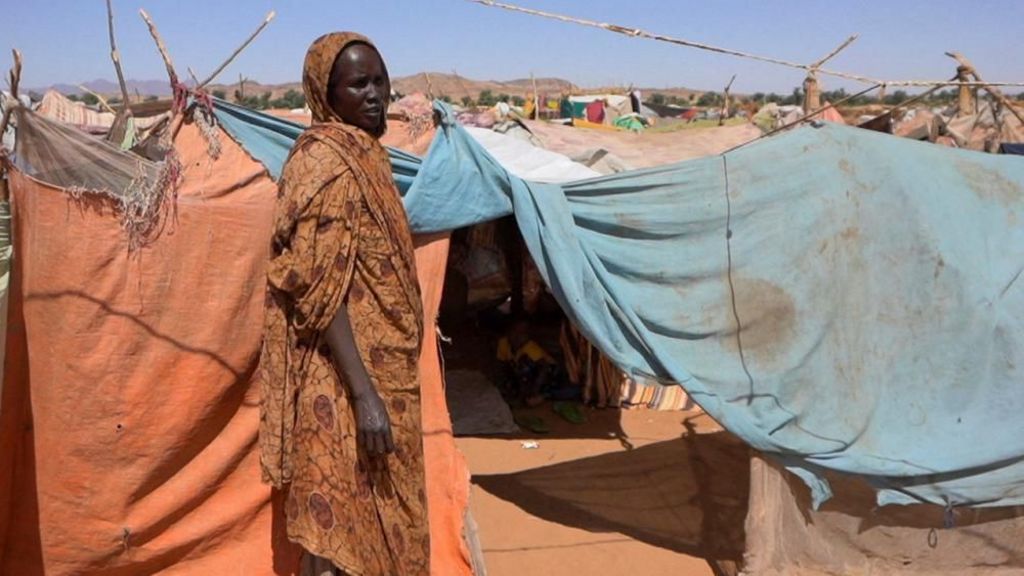
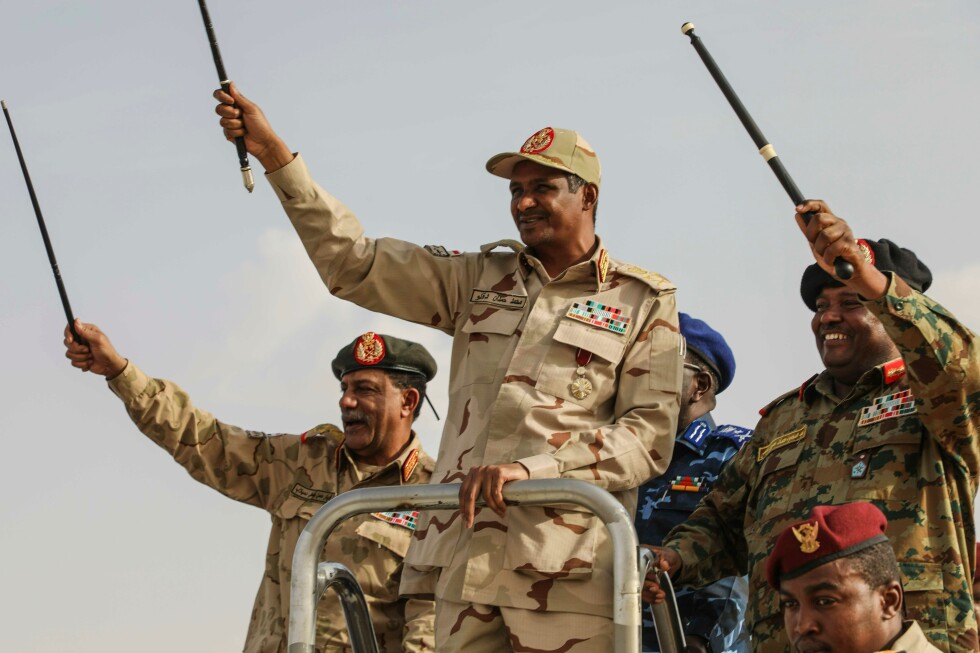
A drone strike targeting a funeral in Sudan’s North Kordofan state has resulted in the deaths of at least 40 people, according to officials and activists. The attack occurred on Monday in al-Luweib village, located just 15 kilometers east of the army-held city of el-Obeid. Mourners had gathered in a tent when the strike was launched, with many victims reportedly dying before reaching hospitals in el-Obeid, a strategic city linking Khartoum to Darfur. The paramilitary Rapid Support Forces (RSF) has been blamed for the attack, though it has yet to issue a statement. This incident is part of a broader escalation of violence in the oil-rich Kordofan region, where fighting has intensified since the RSF captured Bara town last week, forcing around 20,000 people to flee to el-Obeid. The RSF has also been accused of mass atrocities, including killings, sexual violence, abductions, and looting in el-Fasher, the army’s last stronghold in Darfur. The International Criminal Court (ICC) has warned that these actions could constitute war crimes and crimes against humanity. Meanwhile, the UN has confirmed that el-Fasher residents are suffering from famine due to an 18-month siege by the RSF, with Kadugli in South Kordofan also facing catastrophic hunger levels. UN Secretary-General António Guterres has called for an immediate halt to the violence, describing the crisis as ‘spiralling out of control.’ Despite international efforts to broker a ceasefire, including proposals from the US, peace talks in Saudi Arabia and Bahrain have failed, with both sides showing reluctance to agree to a truce. The humanitarian crisis in Sudan continues to worsen, with over 150,000 deaths and 12 million displaced since the civil war began in April 2023.
-

Afghanistan earthquake survivors spend the night in the open; the quake damaged historical sites
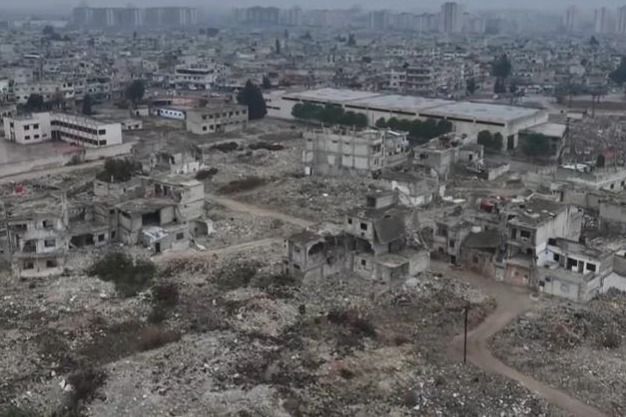
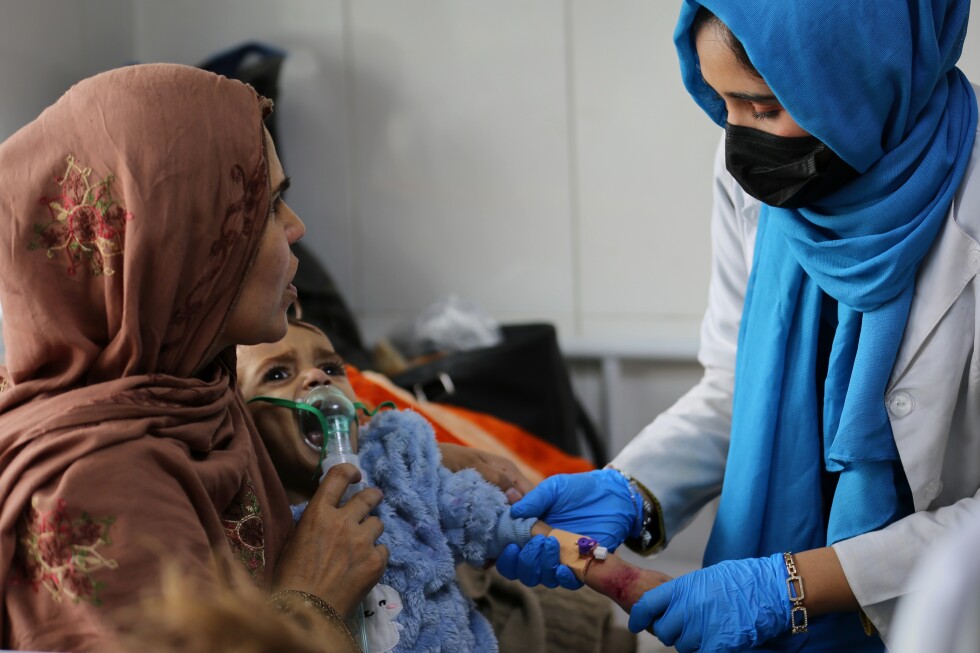
Northern Afghanistan is reeling from the aftermath of a catastrophic 6.3 magnitude earthquake that struck early Monday morning, claiming at least 21 lives and injuring over 800 people. The quake, centered 22 kilometers west-southwest of Khulm in Samangan province, has left survivors sifting through the ruins of their homes amidst freezing temperatures and the threat of impending rain. The disaster has also inflicted significant damage on historical landmarks, including the revered Blue Mosque in Mazar-e-Sharif and the Bagh-e-Jahan Nama Palace in Khulm. Authorities have reported that the Blue Mosque’s minaret suffered severe damage, with bricks and tiles dislodged from its walls, while the palace’s surrounding wall and a tower collapsed. Survivors, still shaken by aftershocks, spent the night in the open, enduring harsh weather conditions. Local resident Asadullah Samangani described the dire situation, noting that many homes were completely destroyed, leaving families without shelter or basic necessities. Emergency response teams, including health and rescue units, are working tirelessly to provide aid, though the region’s impoverished infrastructure complicates recovery efforts. This tragedy follows a deadly earthquake in eastern Afghanistan in August, which claimed over 2,200 lives, highlighting the country’s vulnerability to natural disasters.
-

China sentences infamous Myanmar scam mafia members to death
In a landmark ruling, a Chinese court has sentenced five top members of the notorious Bai family mafia to death, marking a significant step in Beijing’s ongoing campaign to dismantle scam operations in Southeast Asia. Among those sentenced were Bai Suocheng, the family patriarch, and his son Bai Yingcang. The Shenzhen Intermediate People’s Court also handed down severe penalties to Yang Liqiang, Hu Xiaojiang, and Chen Guangyi. In total, 21 members and associates of the Bai family were convicted of crimes including fraud, homicide, and injury. The Bai family, once a dominant force in the impoverished town of Laukkaing, Myanmar, transformed the region into a hub for casinos and cyberscam operations, amassing over 29 billion Chinese yuan ($4.1 billion) in illicit gains. Their criminal activities reportedly led to the deaths of six Chinese citizens, one suicide, and multiple injuries. The court’s decision is part of China’s broader effort to eradicate scam networks in Southeast Asia and serves as a stern warning to other criminal syndicates. The Bai family’s downfall began in 2023 when political shifts in Myanmar led to their arrest and extradition to China. Their rise to power in the 2000s was facilitated by Min Aung Hlaing, Myanmar’s current military leader, who sought to strengthen his allies in Laukkaing. The Bai family’s operations included 41 compounds housing cyberscam activities and casinos, where trafficked workers, many of them Chinese, were subjected to abuse and forced to participate in fraudulent schemes. The harsh sentences underscore China’s determination to protect its citizens and combat transnational crime.